Wholesale Cast Heat Resistant Steel: Industrial Strength & Global Applications
Wholesale Cast Heat Resistant Steel: A Backbone of Modern Industry
When you think about materials that quietly hold up entire infrastructures, withstand extreme temperatures, and enable industries to function safely — wholesale cast heat resistant steel is right there in the mix. It's not just a niche metal product; it's a global enabler. The demand for wholesale cast heat resistant steel has grown steadily, especially as industries worldwide push for higher efficiency under harsher conditions. Understanding this material’s role sheds light on how we build everything from power plants to aerospace components with durability and resilience.
Global Context: Why Wholesale Cast Heat Resistant Steel Matters
Globally, steel production touches almost every sector of the economy, accounting for more than 7% of total global emissions, according to the World Steel Association. But more importantly, heat resistant steel variants serve critical roles that ordinary steel cannot fulfill. ISO standards for heat resistant alloys have only increased in stringency, reflecting a worldwide push to enhance safety and performance under extreme heat. From automotive turbochargers to petrochemical plants in the Middle East, the need for these cast steels that resist deformation and corrosion is universal — not just an engineering curiosity.
The challenge is balancing cost, durability, and environmental impact — wholesale sourcing of cast heat resistant steel often addresses this by optimizing production scale and reducing material waste.
What Exactly Is Wholesale Cast Heat Resistant Steel?
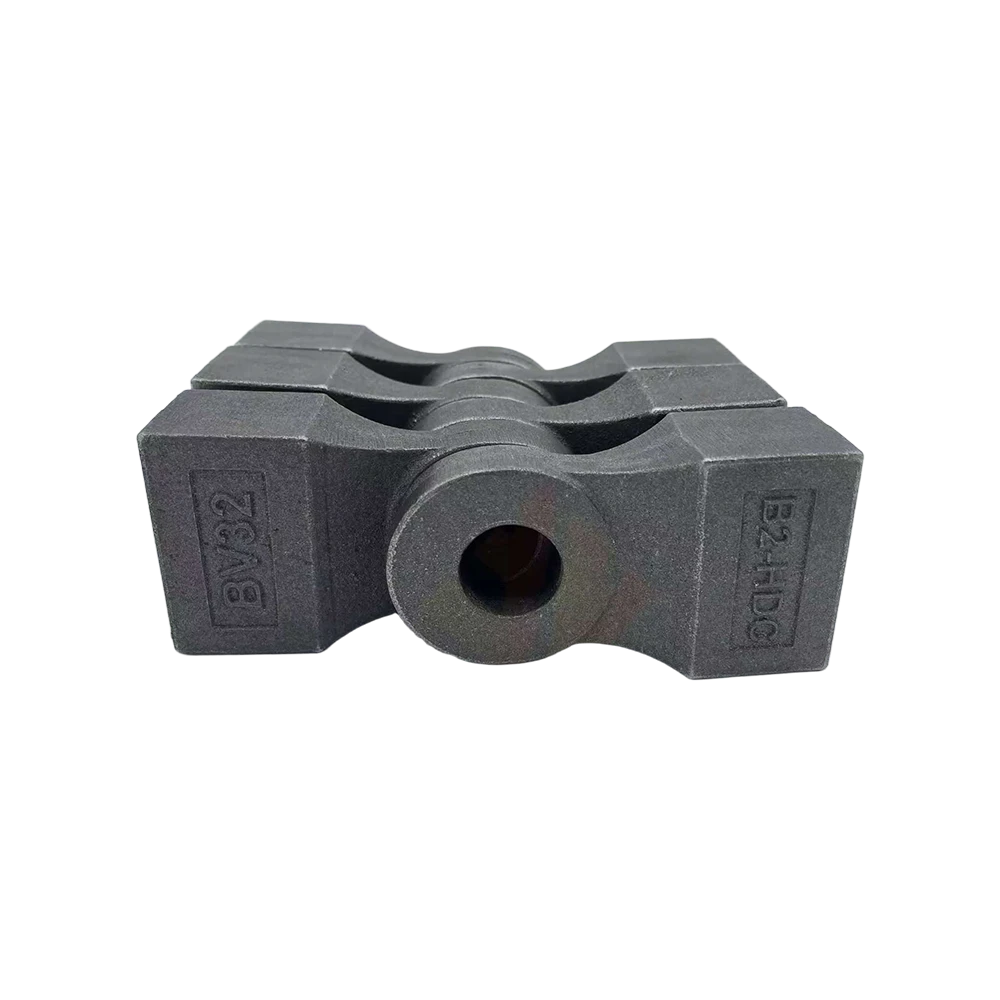
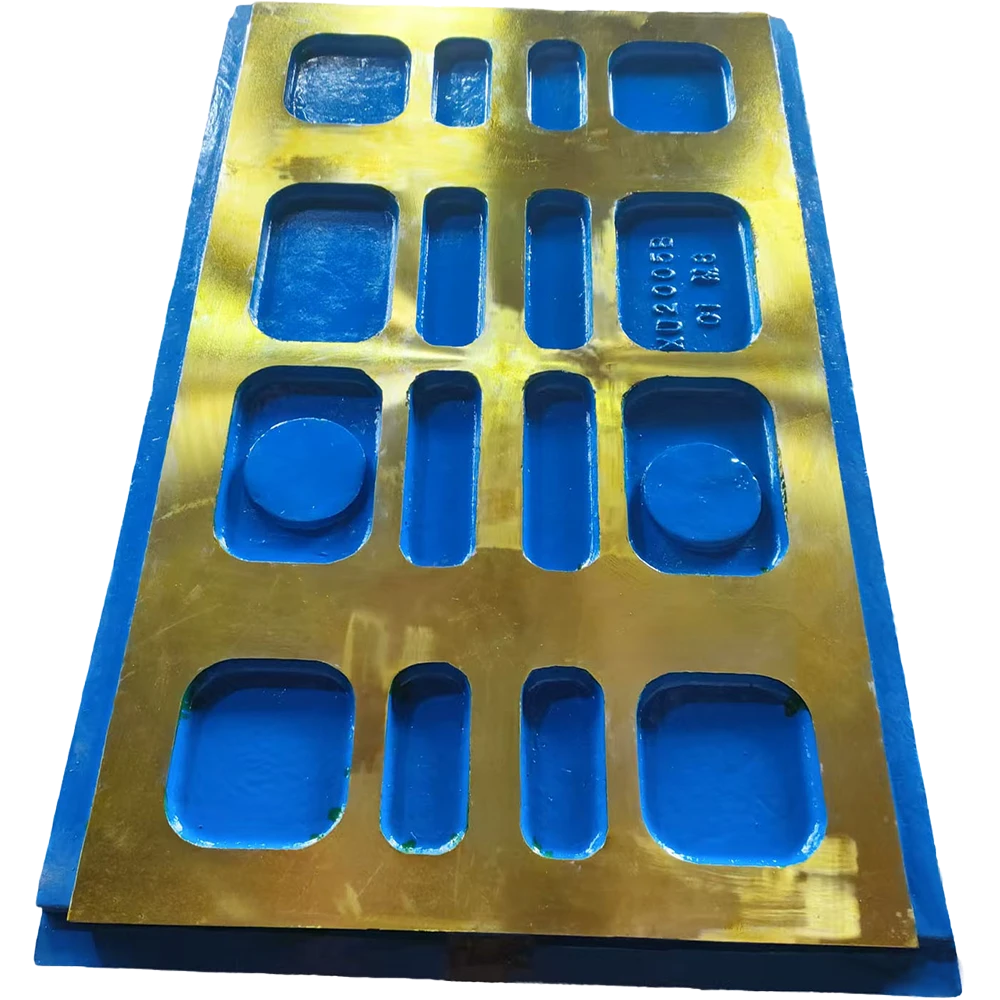
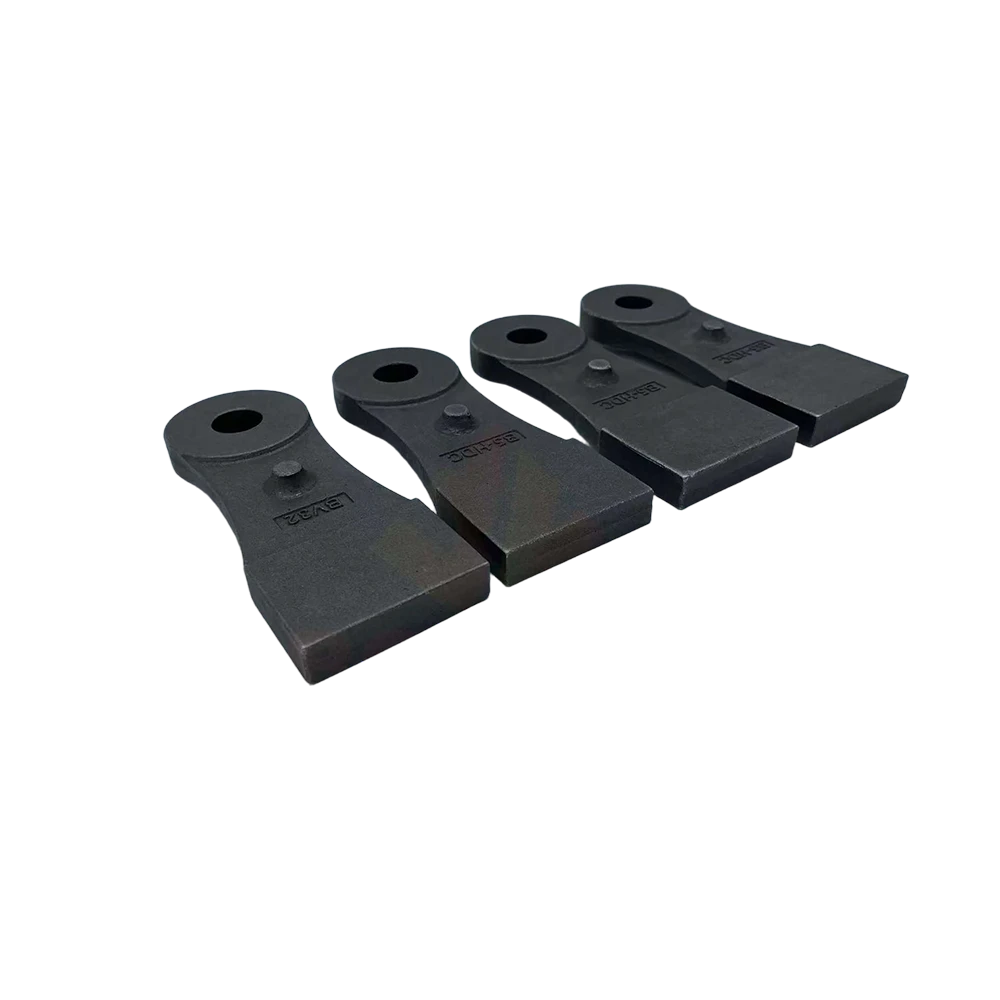
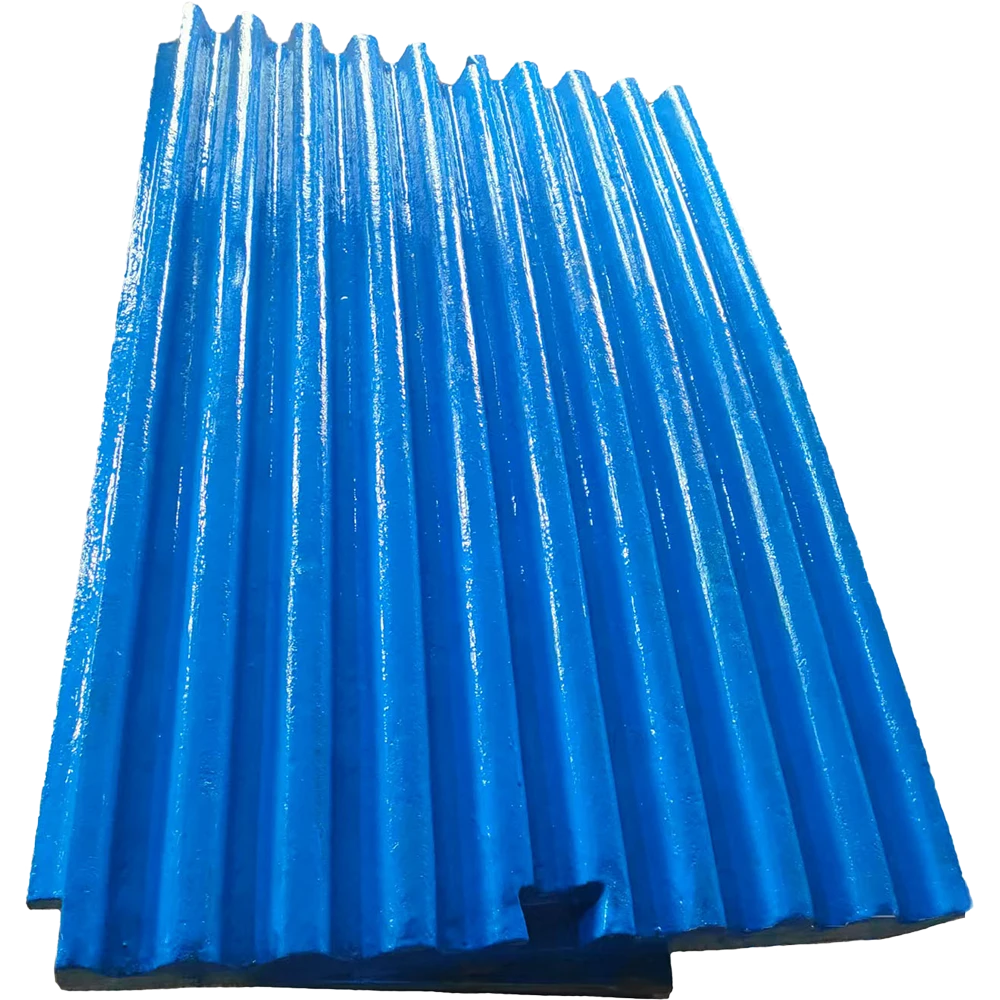
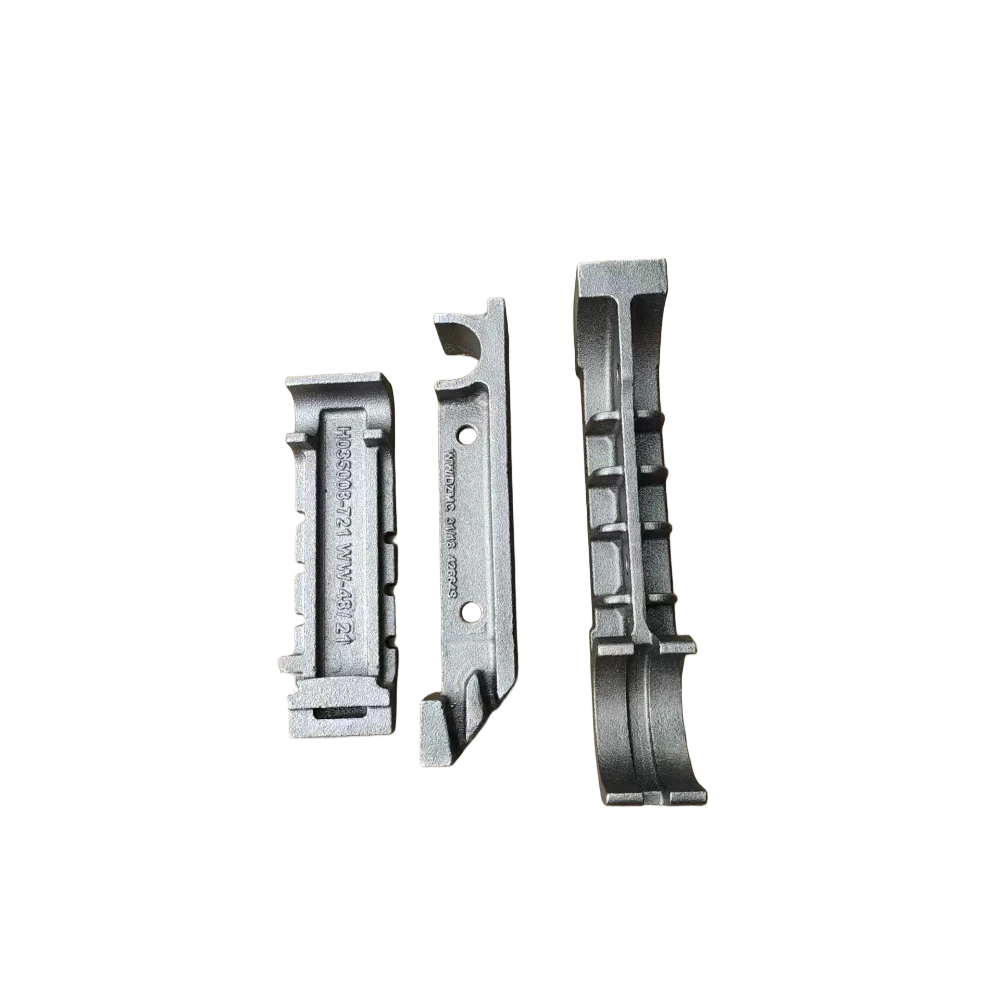
In plain terms, wholesale cast heat resistant steel refers to large-scale, bulk-purchased steel alloys specifically formulated to endure high temperatures without losing structural integrity. “Cast” means these steels are shaped by pouring molten metal into molds, a process allowing complex geometries and thickness that forging or rolling can’t always achieve. These steels typically contain alloying elements such as chromium, nickel, and molybdenum, which boost their resistance to oxidation and creep at elevated temperatures.
Such materials are vital in sectors like aerospace, energy, and manufacturing machinery, where a failure could risk both human safety and massive financial loss. On a humanitarian level, resilient infrastructure made with these steels can withstand natural disasters better, offering greater safety to communities worldwide.
Key Factors of Wholesale Cast Heat Resistant Steel
1. Durability Under Extreme Heat
At the core, these steels maintain mechanical strength and resist scaling at temperatures exceeding 600°C, sometimes up to 1200°C. This feature is indispensable for engine parts, boilers, and nuclear reactors.
2. Corrosion Resistance
Oxidation and chemical exposure at high temperatures can degrade materials quickly — the alloying elements protect the steel from accelerated wear and tear.
3. Scalability and Cost Efficiency
Buying wholesale means industries can meet large project demands at a fraction of the unit cost, balancing quality and budget. It also enables suppliers to streamline manufacturing and reduce lead times.
4. Versatility in Casting Shapes
The casting process allows complex shapes tailored to specific machinery or structural requirements, which can’t be easily achieved through other steel manufacturing techniques.
5. Compliance with International Standards
Most wholesale cast heat resistant steels comply with stringent ISO and ASTM standards, ensuring they meet global safety and operational benchmarks.
Product Specifications at a Glance
| Specification | Typical Value | Unit |
|---|---|---|
| Chromium Content | 12-20 | % |
| Nickel Content | 5-15 | % |
| Operating Temp Range | 600-1200 | °C |
| Tensile Strength | 560-850 | MPa |
| Typical Applications | Power generation, oil & gas, aerospace | |
Global Applications & Use Cases
Wholesale cast heat resistant steel finds itself embedded deep within many industrial backbones worldwide. For instance, in the Middle East and Southeast Asia, petrochemical refineries rely heavily on these materials for piping and furnace components, as the extreme temperatures and corrosive fluids would degrade typical steel too rapidly. Oddly enough, even in cold countries like Canada and Finland, the manufacturing of turbine engines for winter aviation depends on this steel to avoid brittle failure during high-heat cycles.
In less obvious but impactful applications, NGOs use cast heat resistant steel components in mobile kitchens and emergency generators deployed in post-disaster humanitarian relief — where reliability and safety cannot be compromised. Similarly, heavy industries in remote mining regions across South America source these steels wholesale to keep equipment running without frequent downtime.
Vendor Comparison: Leading Suppliers of Wholesale Cast Heat Resistant Steel
| Supplier | Annual Capacity (tons) | Certifications | Delivery Time | Price Range |
|---|---|---|---|---|
| SteelCast Global | 15,000 | ISO 9001, ASTM A487 | 4-6 weeks | $$$ |
| HeatRes Alloy Co. | 10,000 | ISO 14001, ASTM A297 | 6-8 weeks | $$ |
| CastSteel Solutions | 20,000 | ISO 9001, PED | 3-5 weeks | $$$$ |
Advantages & Long-Term Value
The logic behind investing in wholesale cast heat resistant steel is fairly straightforward: the upfront cost is offset by less frequent replacements, reduced maintenance downtime, and higher safety margins. That means fewer accidents and costly shutdowns. Emotionally, for engineers and managers alike, knowing the steel will hold up as promised creates trust — confidence that projects won’t buckle under stress. On the sustainability front, these steels often allow for energy-efficient operation and can be recycled, supporting circular economy goals.
Future Trends & Innovations
Looking ahead, innovation in heat resistant steel is coming from several directions. Green manufacturing processes — minimizing carbon footprints — are becoming a priority. New alloy formulations that incorporate rare-earth elements or utilize nano-scale grain engineering promise better heat endurance and lighter weight. Automation of casting with digital twins is improving consistency and reducing defects, which frankly changes how bulk orders are delivered and customized.
Furthermore, there’s increasing interest in blending cast heat resistant steels with smart sensors embedded in components, offering early warning for structural fatigue. This merges material science with digital transformation and could revolutionize safety standards.
Challenges & Solutions
Yet, challenges remain. The casting process can introduce micro-porosity defects affecting strength, and quality control at scale requires continuous vigilance — no shortcuts there. Also, cost fluctuations in alloying elements like nickel make pricing unpredictable. However, innovative metallurgy techniques, such as powder metallurgy and advanced quality scans, help reduce these issues. On the procurement side, ordering from trusted suppliers vetted for certification compliance reduces risk dramatically.
FAQ: Frequently Asked Questions About Wholesale Cast Heat Resistant Steel
- Q: What industries benefit most from wholesale cast heat resistant steel?
A: Mainly petrochemical, aerospace, power generation, and heavy manufacturing industries — where components must withstand high temperature and corrosive environments over long periods. - Q: How does buying wholesale affect pricing and availability?
A: Buying wholesale typically lowers cost per unit and ensures steady supply for large projects; however, lead times can vary depending on supplier capacity. - Q: Can cast heat resistant steel be recycled?
A: Absolutely — these steels are recyclable, which aligns well with sustainability goals and reduces environmental impact. - Q: Is there variation in heat resistance among different cast steel alloys?
A: Yes, alloy composition directly affects allowable operating temperature and corrosion resistance; always check product specs for your application. - Q: How do I ensure compliance when importing these steels internationally?
A: Work with vendors who provide full certifications like ISO, ASTM, and PED, and consult local import regulations carefully.
Conclusion
Wholesale cast heat resistant steel fundamentally supports many aspects of modern industry, offering durability, safety, and long-term value — especially when sourced thoughtfully. If your projects demand reliability under extreme conditions, understanding and investing in this material is a clear step forward. For trusted supply and more tailored options, visit our site at wholesale cast heat resistant steel.
Oddly enough, sometimes the toughest steel is also the most quietly essential.
References
-
High Performance oem cast heat resistant steel for Industrial UseNewsApr.16,2026
-
Guide to Selecting High Quality Cast Heat Resistant Steel AlloysNewsApr.09,2026
-
Custom Cast Heat Resistant Steel Solutions for High Temperature ApplicationsNewsApr.07,2026
-
Comprehensive Guide to Wholesale Cast Heat Resistant Steel for Industrial ApplicationsNewsApr.04,2026
-
Comprehensive Guide to High Performance Heat Resistant Metal Product SolutionsNewsMar.31,2026
-
Expert Guidance on Heat Resistant Metal Quotes and Alloy SelectionNewsMar.28,2026