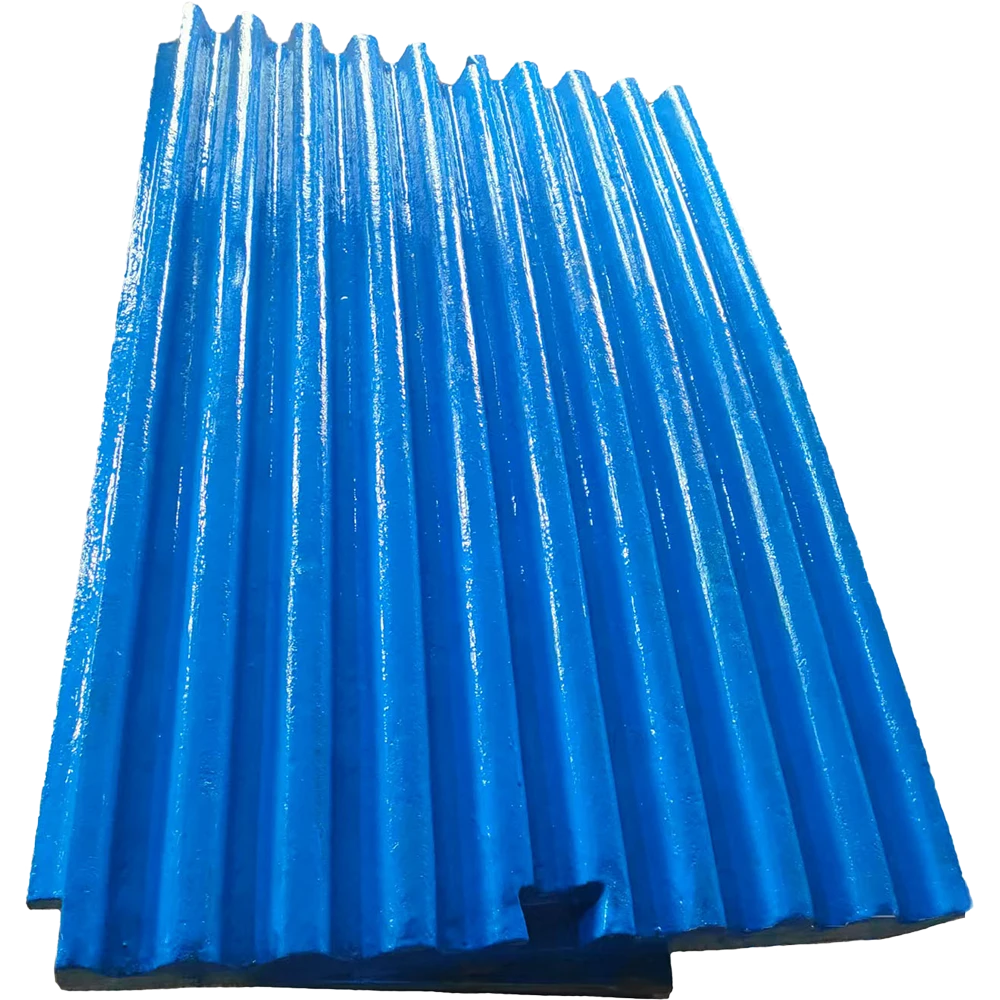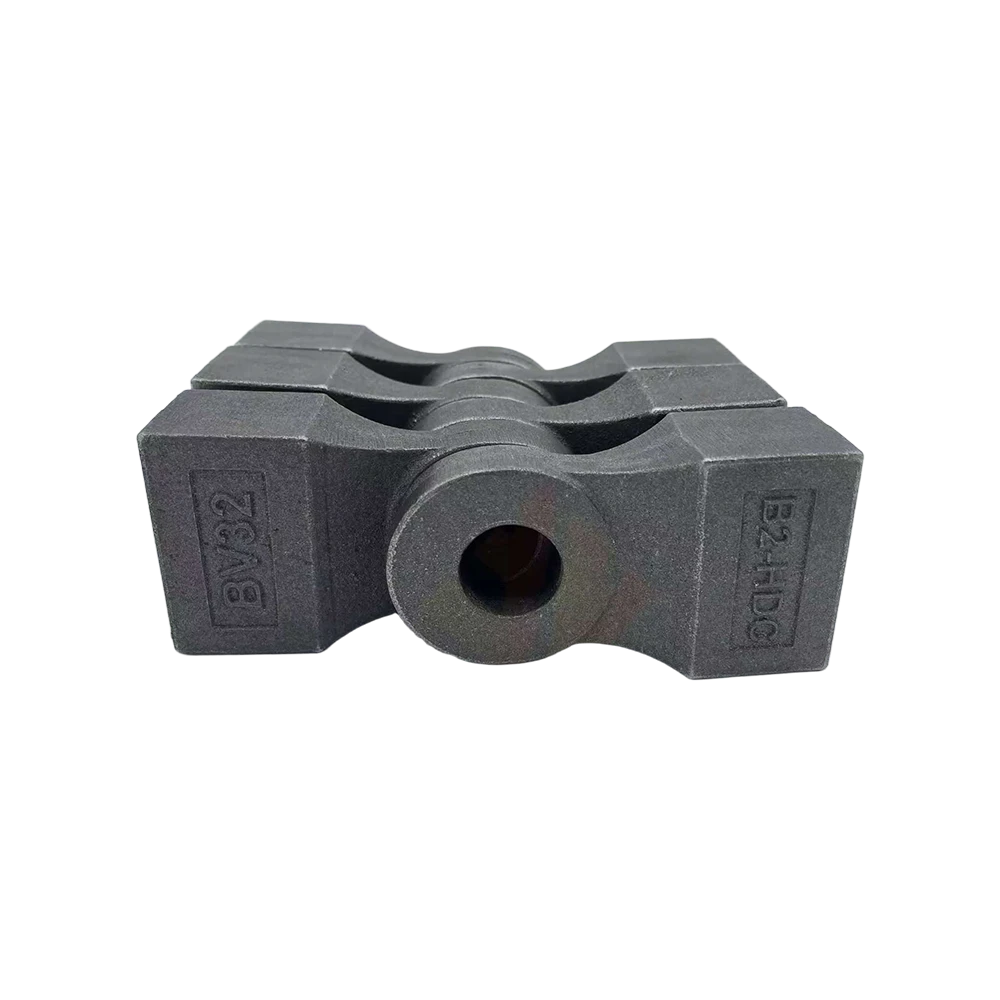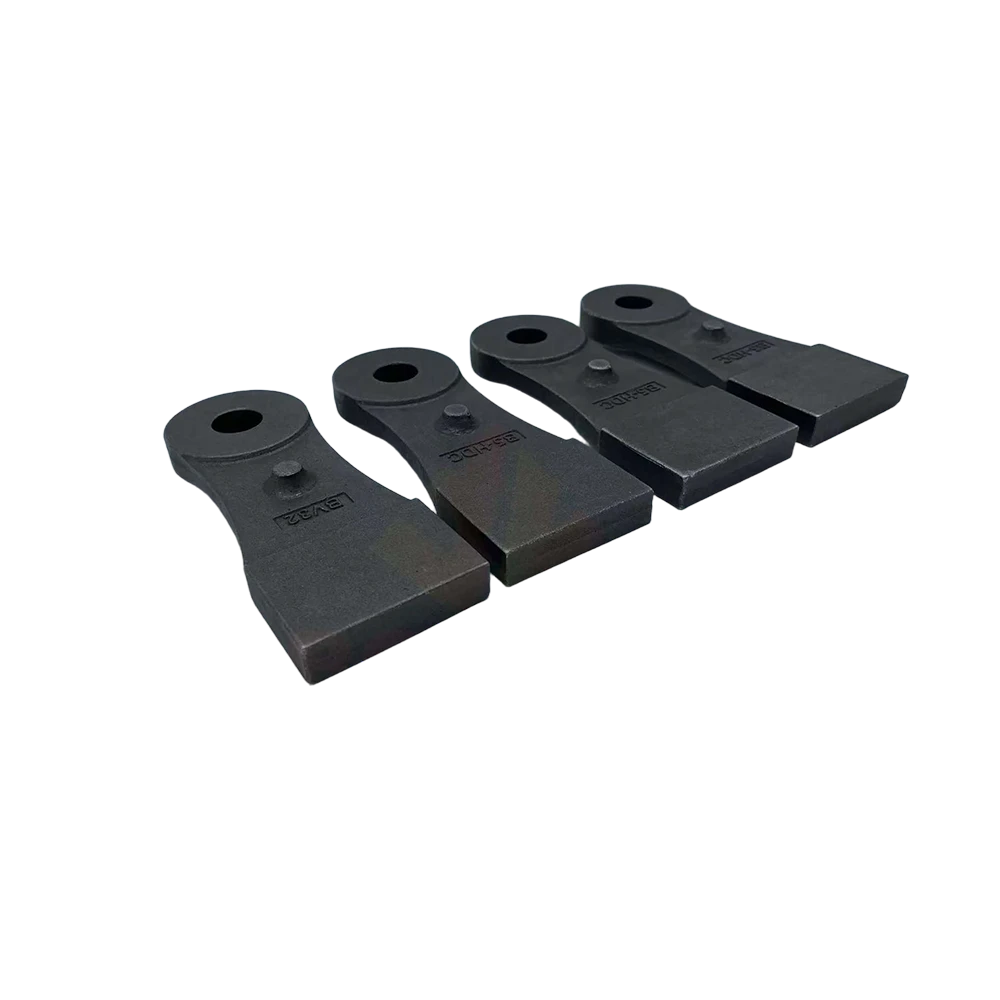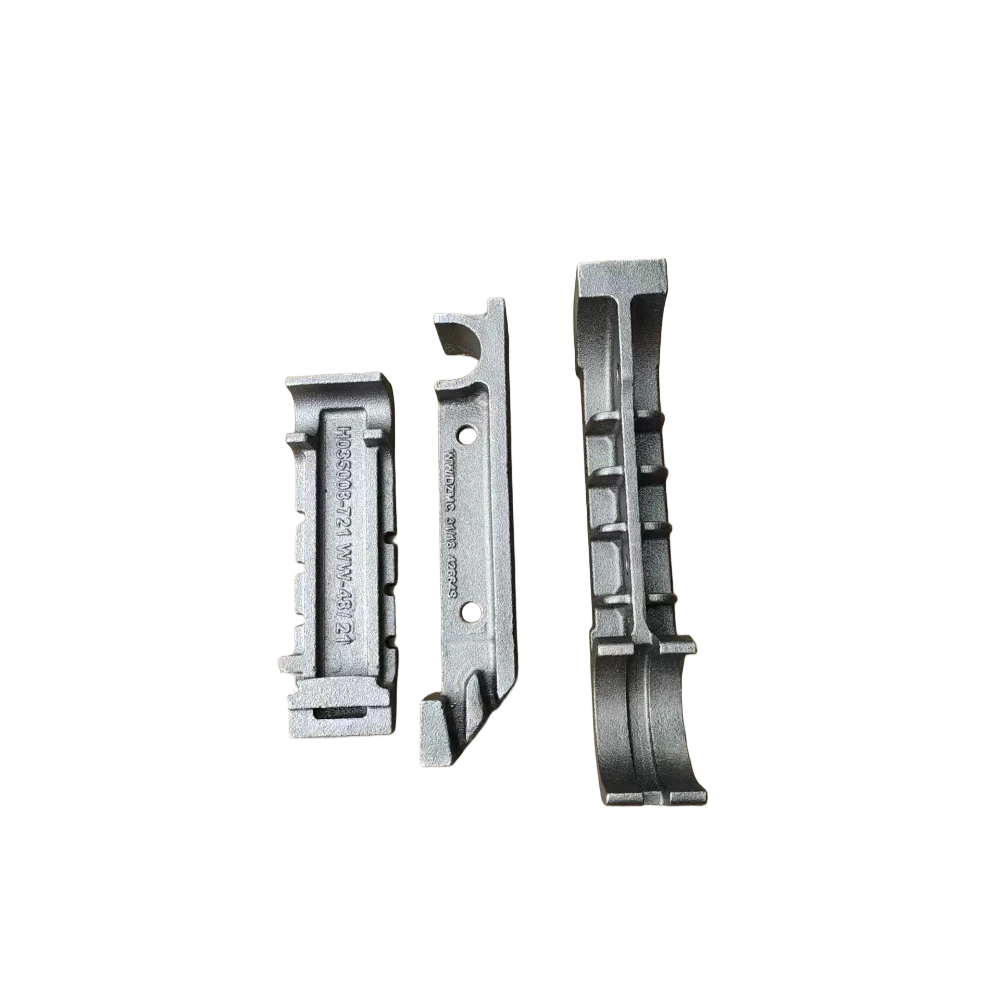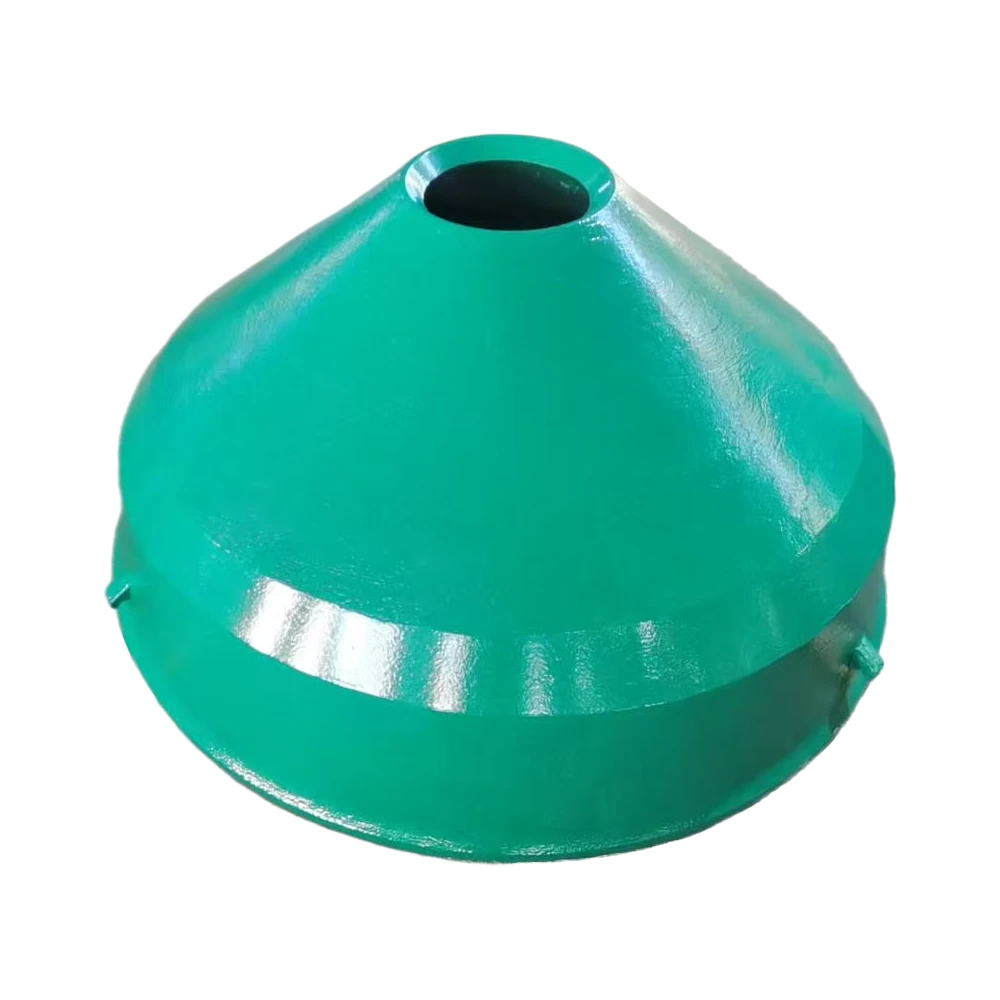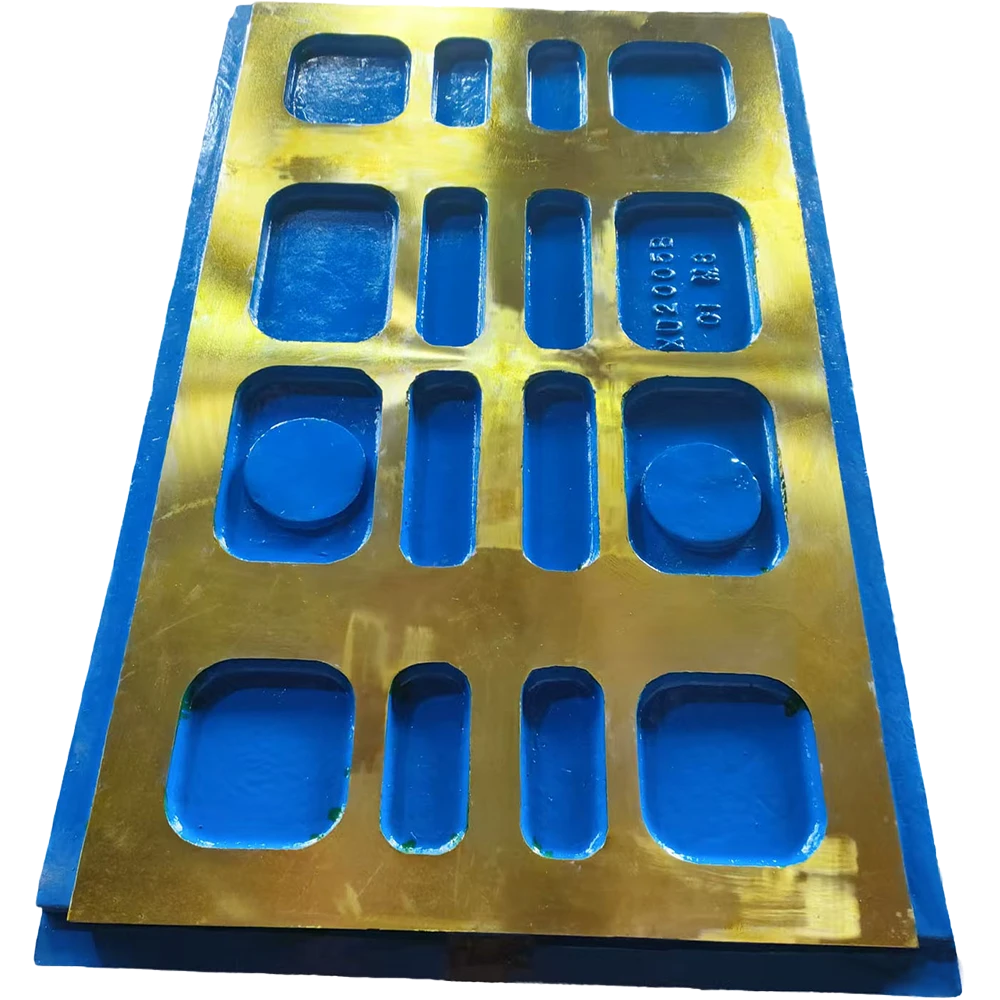
Wholesale Heat Resistant Steel – Bulk Supply for Industrial Excellence
Understanding Wholesale Heat Resistant Steel: Why It Matters Globally
If you’ve ever wondered what keeps massive industrial boilers, jet engines, or chemical plants running safely without melting down, the answer often involves wholesale heat resistant steel. This specialized type of steel can withstand extremely high temperatures and corrosive environments—making it a cornerstone in several industries worldwide. But why is it so critical, and why are businesses increasingly looking to purchase it wholesale? In short, it’s about durability, cost-efficiency, and scalability on a global scale.
Globally, industries are grappling with higher energy demands and harsher operational environments. Using steel that fails under heat could lead to catastrophic failures or costly downtime. Hence, understanding and acquiring wholesale heat resistant steel represents a key strategic move. It means access to bulk quantities at competitive prices—and with that, the ability to build safer infrastructure while keeping overall production costs in check.
The Global Landscape: Why Heat Resistant Steel Is a Hot Commodity
Heat resistant steel isn’t just an industrial luxury—it’s a global necessity. According to the International Organization for Standardization (ISO), the demand for heat-resistant alloys has surged by nearly 15% over the last decade, hiking dramatically in regions focused on energy production, such as parts of Asia and the Middle East. The World Bank has also pointed out that infrastructure development in emerging markets fuels this demand further.
Yet the problem persists: many small-to-medium businesses struggle with sourcing reliable heat resistant steel in bulk. This causes bottlenecks when scaling or when rapid replacement is needed during outages. So, wholesale suppliers who specialize in robust stockpiles, consistent quality, and competitive pricing solve a fundamental challenge.
What Exactly Is Wholesale Heat Resistant Steel?
Simply put, wholesale heat resistant steel refers to steel alloys designed to maintain structural integrity at elevated temperatures—anywhere from 500°C (932°F) upwards, depending on the grade. These steels often include elements like chromium, nickel, molybdenum, and sometimes copper, all tailored to resist oxidation, scaling, and thermal fatigue.
On a broader level, this steel class forms the backbone of modern industry by ensuring equipment like pressure vessels, turbines, and exhaust systems don’t fail prematurely. It’s also taken on a humanitarian role in equipment for emergency power generation and rebuilding efforts after natural disasters where resilience is non-negotiable.
Key Factors That Define Heat Resistant Steel Performance
1. Durability Under Stress
The real test is how long steel lasts when subjected to rapid heating and cooling cycles. A top-quality wholesale heat resistant steel grade can endure without cracking, warping, or suffering microscopic fatigue, which might only be visible under electron microscopes but periods of continuous operation prove its worth.
2. Oxidation and Corrosion Resistance
Exposure to high heat often comes with exposure to harmful gases or moisture. Chromium-rich alloys create protective oxide layers that prevent rust or degradation—in other words, you get metals that stay strong rather than flaking apart.
3. Cost Efficiency and Scalability
Buying wholesale means reduced unit costs—allowing manufacturers and builders to plan large projects fluidly. Plus, scalable production of these steels ensures supply chains remain robust even when global demand spikes.
4. Machinability and Fabrication Flexibility
Heat resistant steel can be notoriously tough to work with. Fortunately, many advances mean you can machine or weld these alloys to exact specifications reliably—a big plus in customization or repair.
5. Compliance and Quality Assurance
Meeting global standards such as ASTM A213 or EN 10028 is often mandatory. Wholesale providers typically offer traceable certification, so buyers can stay confident they’re sourcing genuine, tested material.
Wholesale Heat Resistant Steel Specification Table
| Specification | Typical Values | Notes |
|---|---|---|
| Grade | AISI 310S / 321 / 446 | Common heat resistant stainless steel grades |
| Maximum Operating Temperature | 1100°C (2012°F) | Varies by alloy and processing |
| Tensile Strength | 520 MPa (minimum) | Heat treated and condition dependent |
| Corrosion Resistance | Excellent (especially in oxidizing atmospheres) | Mostly stainless and nickel alloy based |
| Typical Hardness | HRB 70-90 | Depends on specific grade and treatment |
Real-World Applications & Where It Makes a Difference
Wholesale heat resistant steel crosses borders and sectors. For example, in petrochemical refineries across the Gulf region, massive furnaces rely on steel that can endure constant, blistering heat plus corrosive chemicals. European pharmaceutical manufacturers depend on it to build reactors and sterilizers that meet hygiene and safety standards.
Oddly enough, post-disaster relief efforts also use heat resistant steels—for emergency power station generators and even temporary industrial setups that help communities bounce back faster.
Asia-Pacific leads in demand due to rapid industrialization, but North America and Europe specialize in advanced custom alloy production, supplying the world. NGOs and governments increasingly source wholesale heat resistant steel to bulk-stock for rebuilding resilient infrastructure.
Comparing Top Vendors of Wholesale Heat Resistant Steel
| Supplier | Product Range | Pricing | Lead Time | Global Shipping |
|---|---|---|---|---|
| DZMCCasting | Wide (AISI 310S, 321, custom alloys) | Competitive wholesale rates | 2-4 weeks typical | Yes, worldwide |
| SteelGlobal Inc. | Broad, mostly standard grades | Mid-range pricing | 3-6 weeks | Selective regions |
| AlloyMasters | Niche, high-grade alloys | Premium | 4-8 weeks | Worldwide with restrictions |
Advantages and Long-Term Value of Bulk Buying
- Cost Savings: Bulk purchases translate directly into lower unit costs—freeing capital for R&D or scalability.
- Supply Chain Reliability: Having ready stock mitigates risks from international delays or tariff changes.
- Environmental Benefits: Many heat resistant steels these days come from sustainable production lines, reducing carbon footprint.
- Social Impact: Enables communities to maintain safe infrastructure and industrial jobs, reinforcing dignity and innovation.
What’s Next? Future Trends in Heat Resistant Steel
The field is buzzing with innovation, from combining nanotechnology to develop steel with ultra-fine grain boundaries that withstand even hotter, longer service; to AI-driven quality control that drastically reduces defects. There’s also a green shift—steel manufacturers embracing hydrogen-based production to cut CO2 emissions massively.
Coupled with industry 4.0 automation and digital supply chains, wholesale heat resistant steel will be more customizable, traceable, and eco-friendly soon. Imagine ordering just the exact alloy composition you need for a billion-dollar power plant — delivered quickly and reliably.
Addressing Challenges and Practical Solutions
Of course, sourcing wholesale steel isn’t without hurdles. Price volatility due to raw material shortages or geopolitical tensions can pinch margins. Also, ensuring consistent quality across large batches can be tricky. But many suppliers now provide more transparent certification, 3rd-party testing, and flexible contracts to mitigate risks.
Additionally, collaborating with vendors who offer robust after-sales support and engineering consultancy turns challenges into opportunities—tailoring products for specific industrial needs rather than a “one size fits all” approach.
FAQ: Frequently Asked Questions About Wholesale Heat Resistant Steel
Q1: What distinguishes heat resistant steel from regular stainless steel?
Heat resistant steel contains specific alloying elements like chromium and nickel that allow it to maintain strength and resist oxidation at elevated temperatures—typically above 500°C—unlike ordinary stainless steel, which may scale or weaken under such conditions.
Q2: How does buying wholesale benefit industrial manufacturers?
Wholesale purchases mean lower prices per unit, steady supply chains, and often access to bulk certifications and customization—helping manufacturers avoid costly project delays or subpar materials.
Q3: Can heat resistant steel be recycled or is it environmentally sustainable?
Absolutely. Most heat resistant steels are 100% recyclable, and many manufacturers adopt greener production practices. Choosing wholesale suppliers with sustainable certifications can significantly reduce your carbon footprint.
Q4: How long does heat resistant steel normally last in extreme environments?
Lifespan varies widely depending on alloy grade and operating conditions, but properly selected and maintained heat resistant steel can last decades—sometimes 20-30 years—in harsh industrial settings.
Q5: How do I ensure compliance and quality when purchasing wholesale?
Look for suppliers that provide ASTM, ISO, or equivalent certifications, traceable batch numbers, and third-party testing reports. It's also wise to request sample materials for independent lab verification before committing.
Wrapping Up: Why Wholesale Heat Resistant Steel Is a Smart Bet
Purchasing wholesale heat resistant steel is about more than just savings; it’s about securing a material foundation that supports industrial resilience, safety, and innovation worldwide. Whether you are building power plants, refining petrochemicals, or responding to emergencies, this steel’s role is indispensable—and only grows more relevant as global industrialization marches forward.
Ready to explore superior-grade wholesale heat resistant steel for your next project? Visit our website for expert advice, tailored solutions, and competitive pricing.
References:
-
High Performance oem cast heat resistant steel for Industrial UseNewsApr.16,2026
-
Guide to Selecting High Quality Cast Heat Resistant Steel AlloysNewsApr.09,2026
-
Custom Cast Heat Resistant Steel Solutions for High Temperature ApplicationsNewsApr.07,2026
-
Comprehensive Guide to Wholesale Cast Heat Resistant Steel for Industrial ApplicationsNewsApr.04,2026
-
Comprehensive Guide to High Performance Heat Resistant Metal Product SolutionsNewsMar.31,2026
-
Expert Guidance on Heat Resistant Metal Quotes and Alloy SelectionNewsMar.28,2026