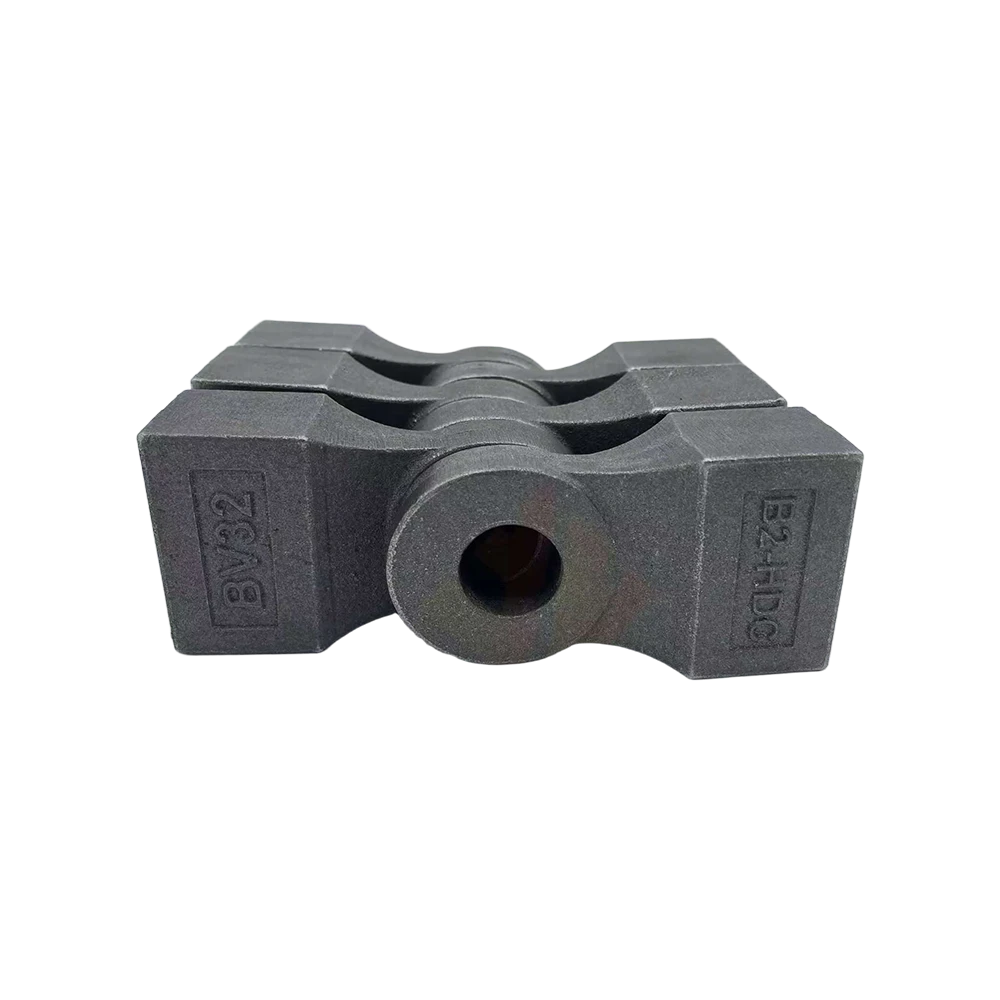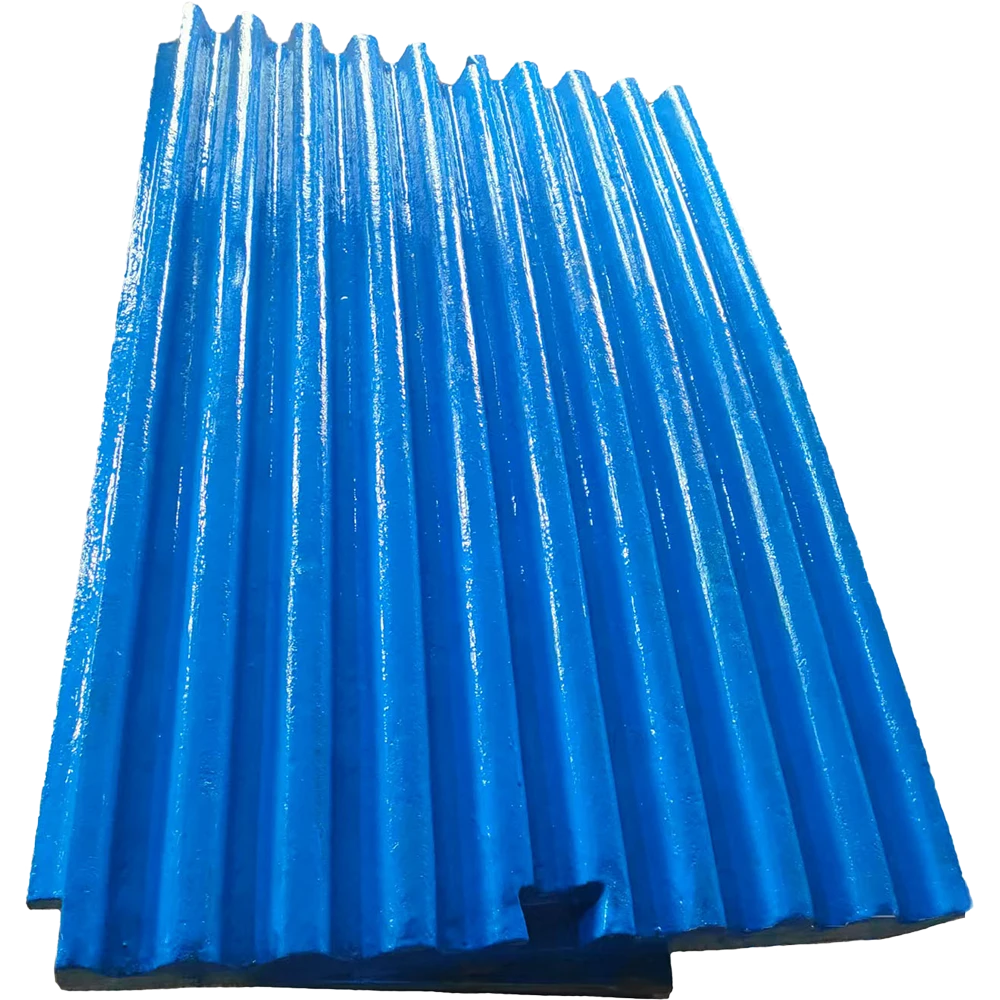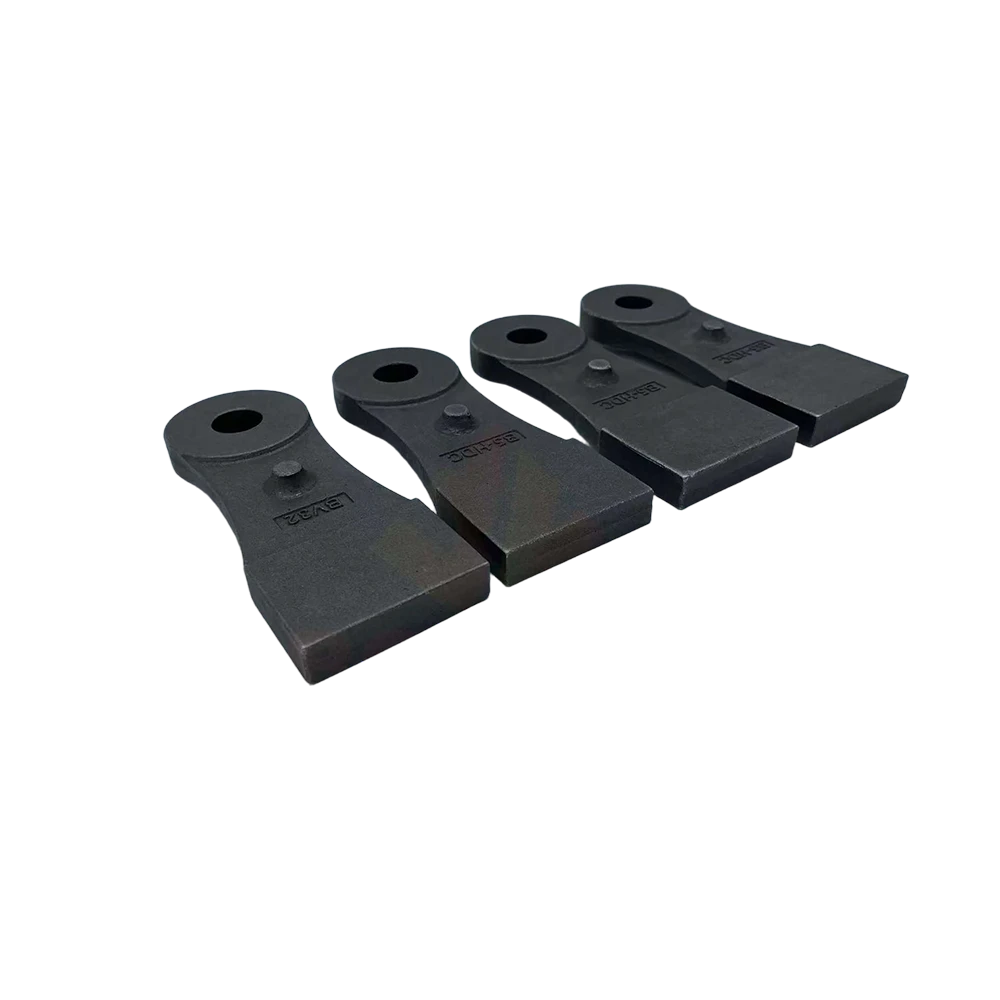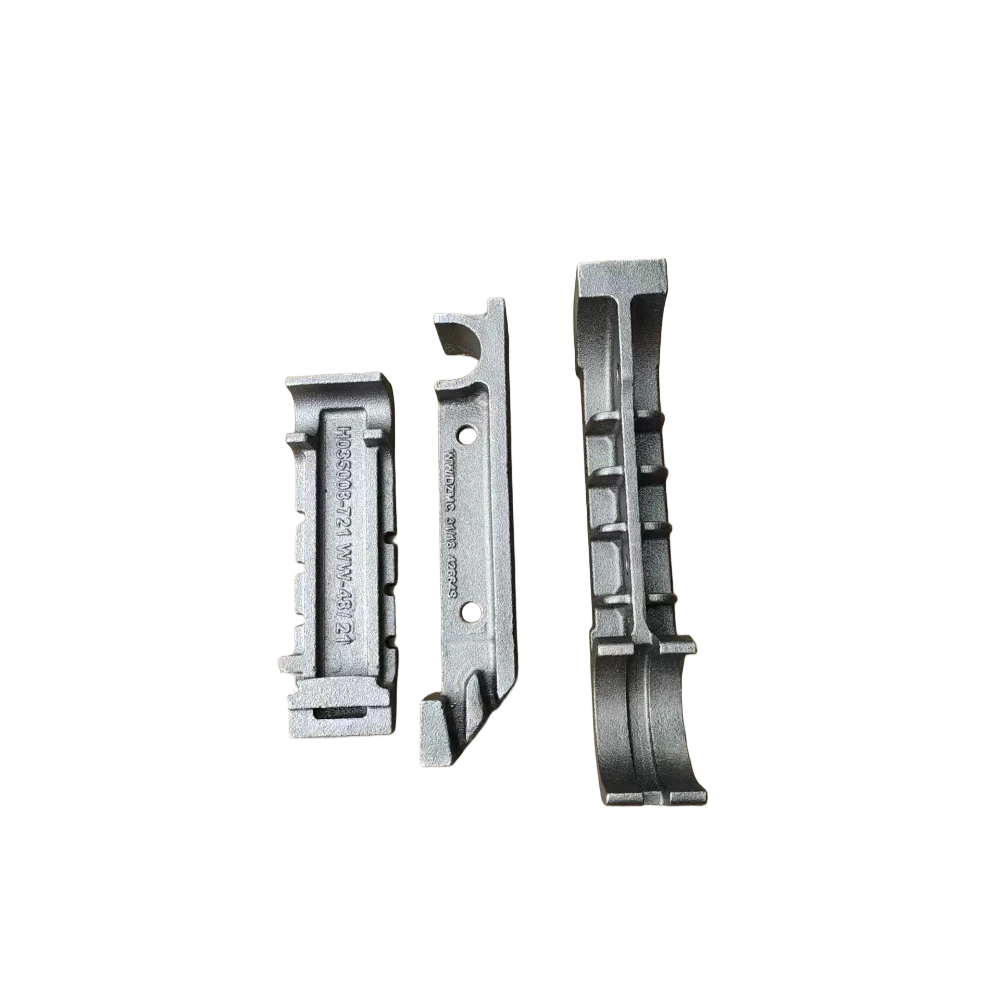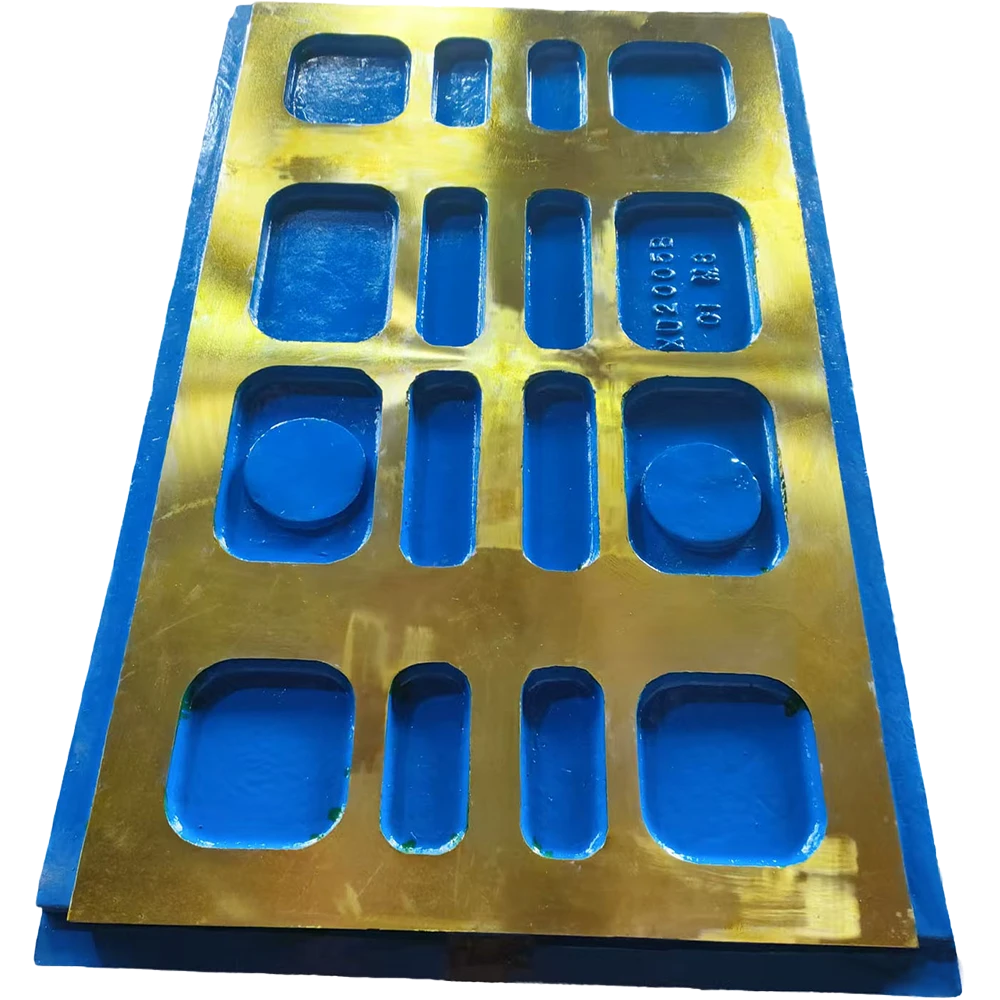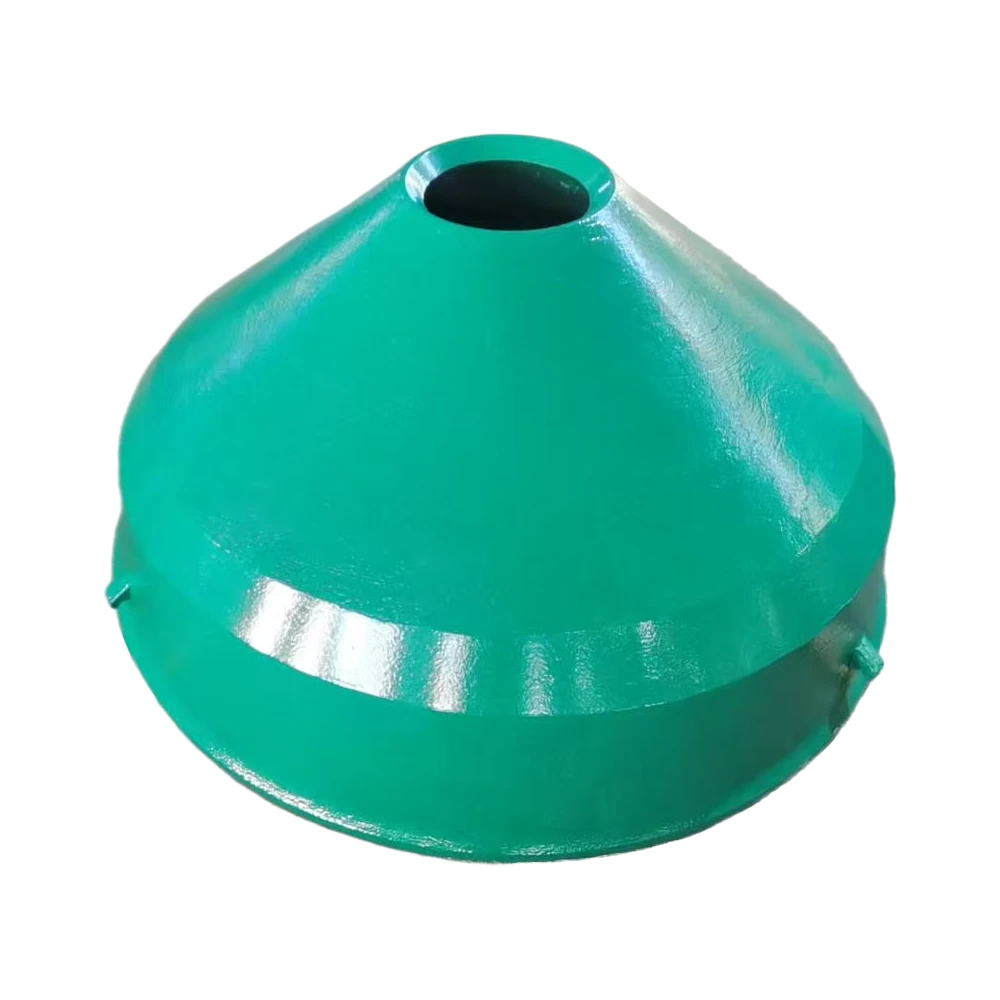
Durable Crusher Jaw Plates for Efficient Industrial Crushing
Crusher Jaw Plate: The Unsung Hero of Industrial Crushing
Having spent many years knee-deep in the industrial equipment sector, I can honestly say that the crusher jaw plate is one of those critical components that rarely gets the spotlight it deserves. You know, it's easy to admire the big machines, but the jaw plate – that rugged slab of metal that actually does the grunt work – is often overlooked.
Oddly enough, the durability and design of these jaw plates can make or break your entire operation. Frankly, it feels like their performance dictates the efficiency and safety of crushing lines more than most of the fancy add-ons manufacturers like to advertise.
So what’s going on beneath the surface? Jaw plates are typically cast from high manganese steel, prized for its toughness and ability to harden under impact. This combination of strength and flexibility is essential, given the constant pounding they endure crushing everything from quarried rock to recycled concrete.
It’s fascinating to see how innovations in metallurgy and casting technology have improved jaw plate longevity over the years. In fact, many engineers I’ve spoken to claim that investing a bit more upfront in premium jaw plates pays dividends down the line when you consider downtime avoidance and replacement frequency.
Now, if you’re looking at specs, here’s a quick overview of a typical crusher jaw plate’s characteristics:
| Specification | Value |
|---|---|
| Material | High Manganese Steel (Mn 12-14%) |
| Typical Hardness | 280-320 HB |
| Design | Curved, reversible plates with tooth or smooth profiles |
| Weight Range | 20 kg – 1000 kg+ |
| Typical Lifespan | 6 to 18 months (depends on application) |
One thing I’ve noticed over the years is just how much the right supplier affects your experience. Some vendors just deliver a standard casting, others work hand-in-hand with you customizing jaw profiles, hardness gradients, or even offering quick turnaround replacements. Here’s a brief comparison of some top suppliers I've collaborated with:
| Vendor | Customization Options | Lead Time | Warranty | Typical Applications |
|---|---|---|---|---|
| DZM Casting | Full profile & material customization | 3-5 weeks | 12 months | Mining, quarrying, recycling |
| Generic Supplier A | Standard profiles only | 2-3 weeks | 6 months | Light duty crushing |
| Premium Jaw Co. | Material and design optimization | 4-6 weeks | 18 months | High throughput mining |
I recall a case from a customer working in an Asian quarry who switched to high manganese jaw plates from a reliable foundry and saw the lifespan of their plates double. It wasn’t just about saving on replacements — downtime shrank and productivity surprisingly ticked up, too. It’s proof that, in this business, tough, well-made parts pay off in unexpected ways.
Before I sign off, a quick word to consider: selecting jaw plates is never “one size fits all.” You’ve got to balance cost, wear resistance, replacement ease, and operational context. And as crushing cycles evolve with automation and smarter monitoring, I suppose we might even see jaw plates with embedded sensors before long.
So if you’re sourcing a crusher jaw plate, remember it’s more than just a chunk of steel — it’s the beating heart of your crusher’s efficiency, safety, and longevity.
In the end, choosing the right jaw plate can feel like a small win, but it’s one nearly every operation secretly depends on.
References
- Industry Metallurgy Reports, 2022
- “Crushing Equipment Maintenance” - Mining Engineering Journal, 2021
- Discussions with Crushing Plant Engineers, 2023
-
High Performance oem cast heat resistant steel for Industrial UseNewsApr.16,2026
-
Guide to Selecting High Quality Cast Heat Resistant Steel AlloysNewsApr.09,2026
-
Custom Cast Heat Resistant Steel Solutions for High Temperature ApplicationsNewsApr.07,2026
-
Comprehensive Guide to Wholesale Cast Heat Resistant Steel for Industrial ApplicationsNewsApr.04,2026
-
Comprehensive Guide to High Performance Heat Resistant Metal Product SolutionsNewsMar.31,2026
-
Expert Guidance on Heat Resistant Metal Quotes and Alloy SelectionNewsMar.28,2026