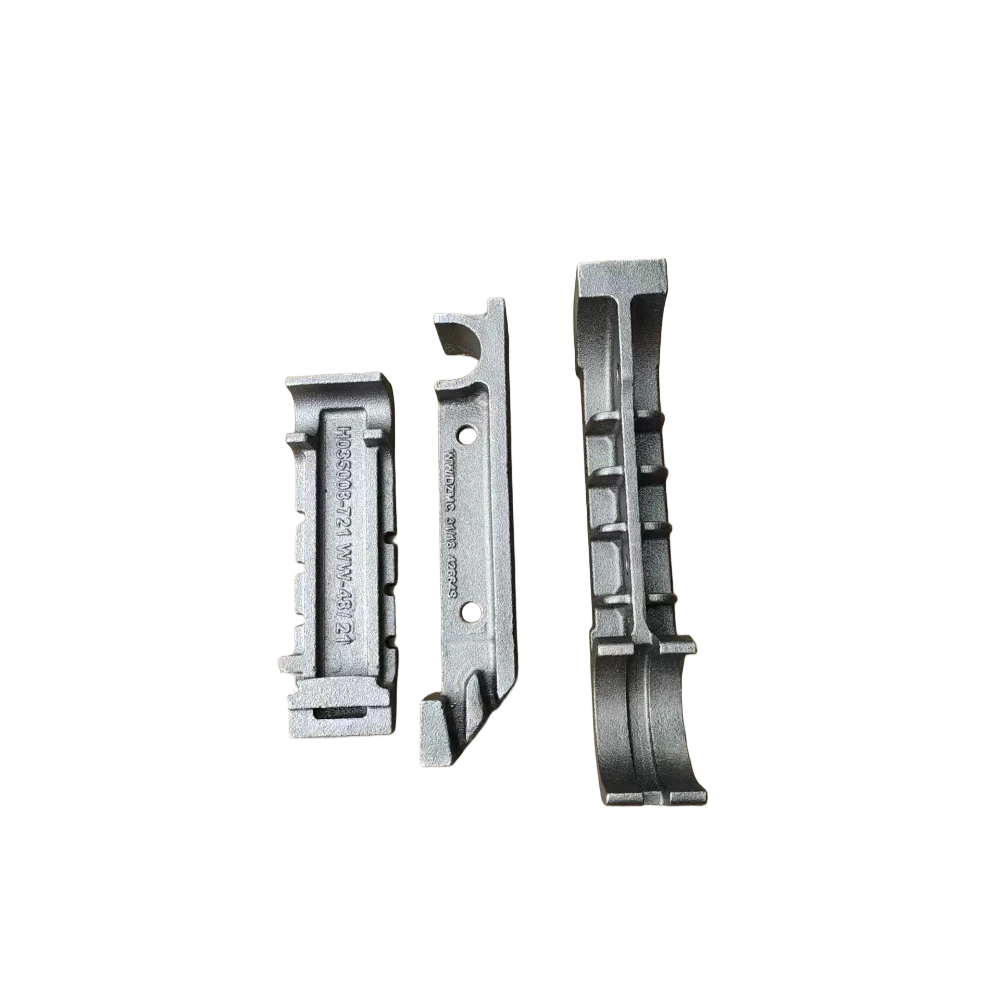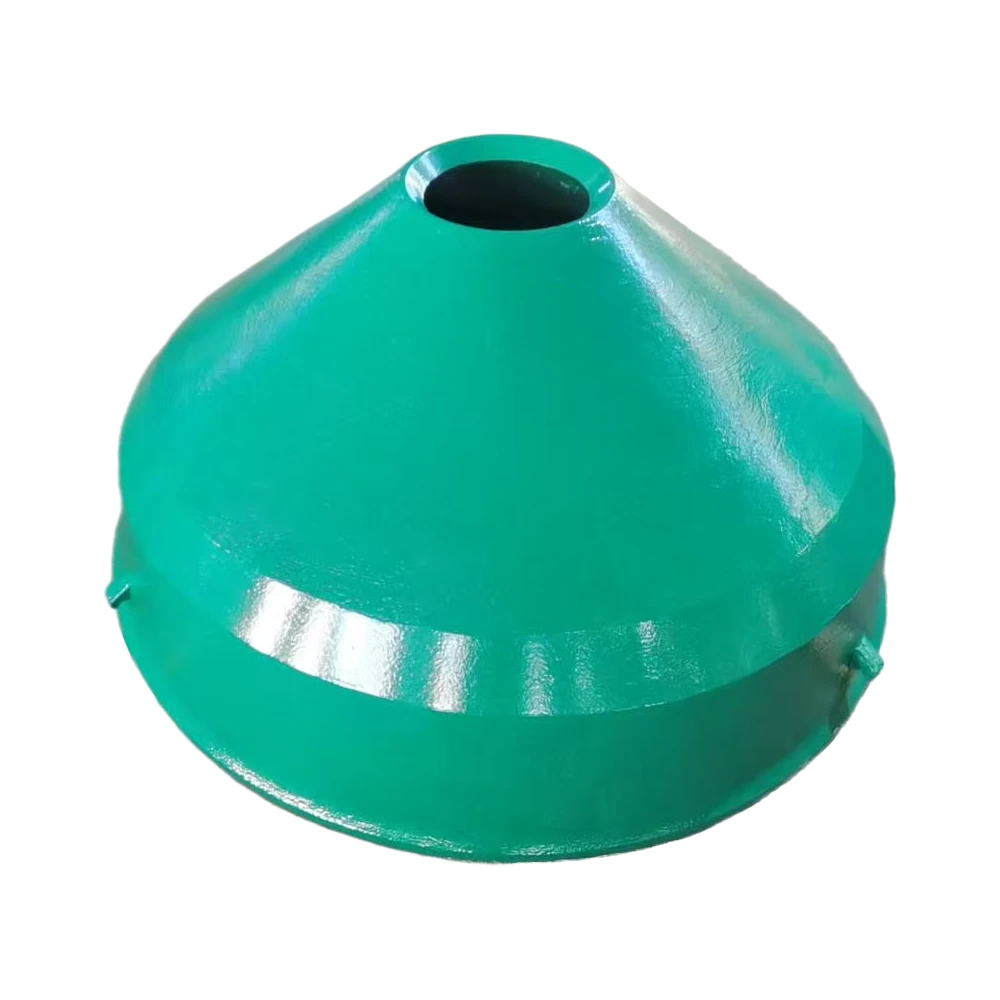
Jaw Plate China: Quality Manganese Steel Plates for Crushers
Jaw Plate China: Durable Solutions from Trusted Sources
Having spent more than a decade around industrial crushing equipment, I can tell you jaw plates are the unsung heroes of many operations. Particularly when sourced from Jaw Plate China manufacturers, the balance between affordability, toughness, and precision really comes into focus.
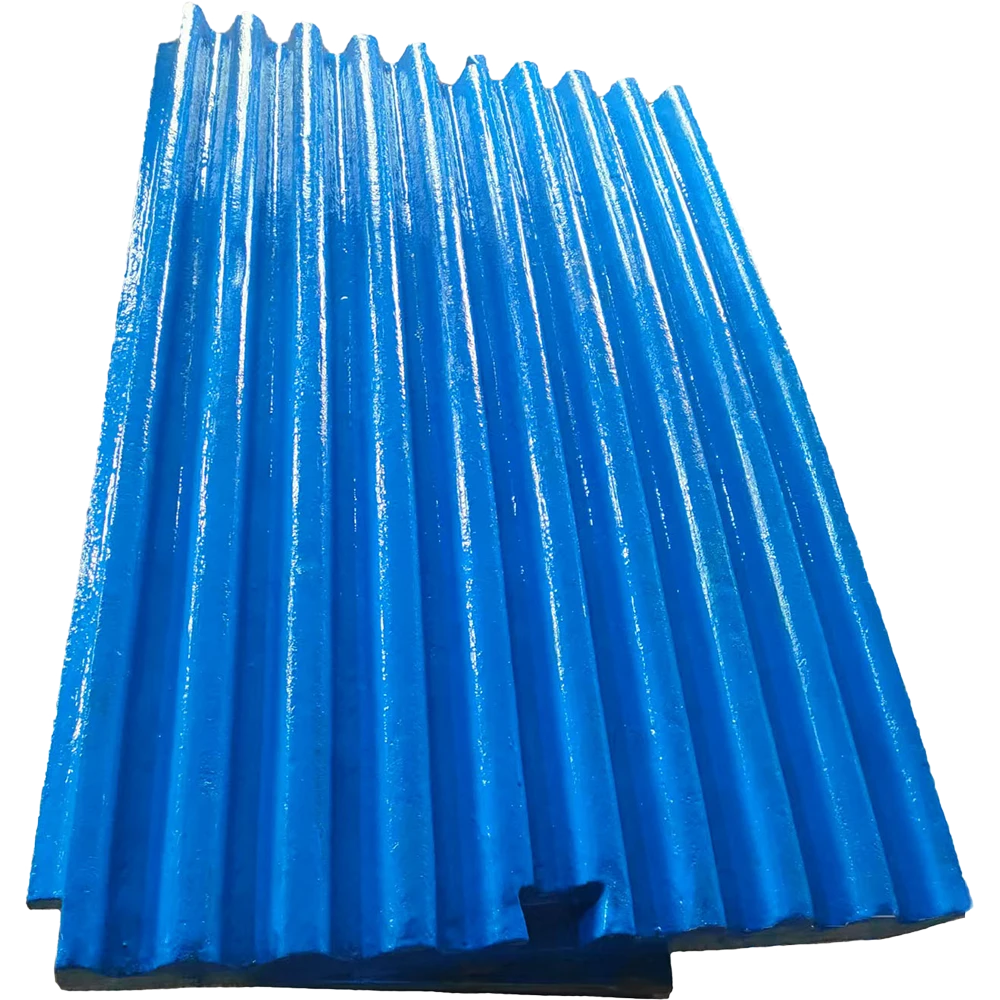
Jaw plates, for the uninitiated, are the replaceable surfaces in jaw crushers that exert crushing force on raw materials—rocks, ores, recycled concrete—you name it. Frankly, they wear down fast in high-impact environments, so picking the right China-sourced jaw plate can make or break operational uptime.
Interestingly, many engineers I've worked with highlight the use of manganese steel in these plates. It’s a material that hardens under impact but remains flexible enough to avoid brittleness. I once saw a batch of plates from a Chinese vendor that outlasted local imports by nearly 30%, and that was mostly due to the alloy’s exact composition and heat treatment.
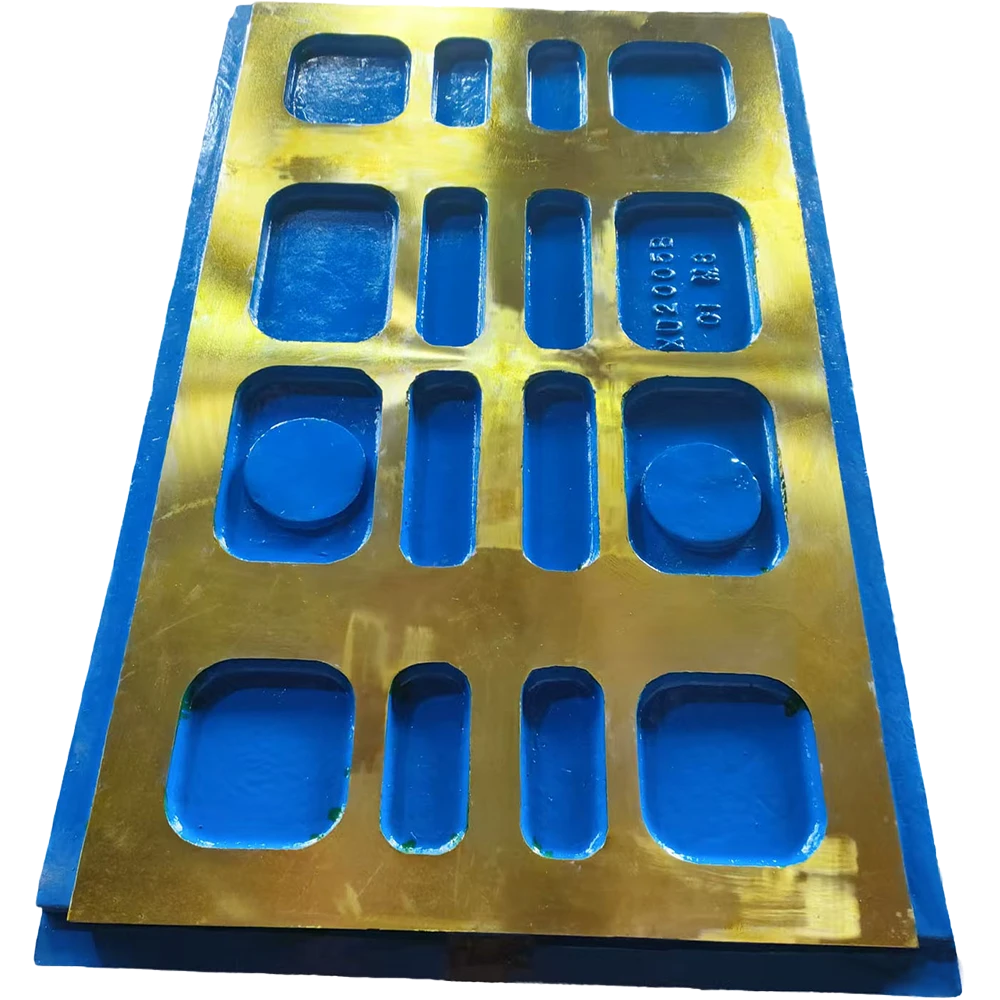
Speaking of which, specifications vary widely depending on application—mining demands something different than construction recycling, for example. Thankfully, vendors in China are increasingly offering customization, which is a welcome trend. Getting a jaw plate tailored to your crusher’s specific size and feed type reduces downtime and boosts efficiency.
| Feature | Value |
|---|---|
| Material | Mn13, Mn18 or Mn22 Manganese Steel |
| Hardness (HRC) | 45–58 |
| Yield Strength | 880–1200 MPa |
| Service Life | Depends on crush rate; average 2000+ hours |
| Customization | Available per crusher model and feed size |
Now, selecting a supplier among China’s many options is less straightforward than it seems. You hear stories about poor casting quality or inconsistent dimensions, which can be a headache. But companies like the one behind Jaw Plate China consistently nail quality control, using advanced casting and heat treatment processes to meet international standards.
To bring this closer to home (or the plant floor), let me share a quick anecdote. A client in Southeast Asia was struggling to maintain their crushing throughput because their jaw plates wore out too quickly. After switching to customized manganese steel plates from a reliable Chinese vendor, their downtime dropped by nearly 25% within the first six months. That sort of improvement isn’t just about better materials but also vendor responsiveness and precise engineering specs.
| Vendor | Material Quality | Customization Options | Lead Time | Price Range |
|---|---|---|---|---|
| DZMC Casting | High-grade manganese steel, tight tolerances | Full — per model & wear pattern | 4–6 weeks | Moderate |
| Generic Supplier A | Variable, lower manganese content | Limited | 3–5 weeks | Lower |
| Supplier B | Good, but inconsistent batch-to-batch | Moderate | 5–7 weeks | Moderate |
Oddly enough, many clients don’t order jaw plates regularly but only when the old ones literally fail. That’s a reactive approach, but customizing plates and securing steady supply from China can flip that narrative. Proactive maintenance combined with better-quality jaw plates means fewer unexpected shutdowns — and honestly, that peace of mind is priceless.
If you’re evaluating options, I’d say ask for sample specs, inquire about their casting processes, and whether they do impact and wear testing. Also, don’t overlook customer reviews or case studies — they often reveal subtleties that raw specs can’t.
In real terms, jaw plates from Jaw Plate China suppliers offer a solid middle ground between cost efficiency and reliable durability. It’s a choice that, frankly, many industrial operations come to rely on as their go-to, especially when custom specs make a mark on their throughput and maintenance cycles.
Overall? I suppose it comes down to balancing price, lead time, and quality. And with the right vendor relationship, you get more than just a part—you get a partner in keeping your crushing operations rolling.
Reflection: Having worked on several plant upgrades, jaw plates always struck me as more than just wear parts — they’re a fascinating mix of metallurgy, precision casting, and real-world durability challenges. And yes, sourcing from China, when done right, brings tangible benefits.
References:
- International Journal of Mineral Processing, “Advances in Manganese Steel Jaw Plates,” 2021
- Wear and Tear in Crushing Equipment, Engineering Case Studies, 2019
- Manufacturer Technical Data - DZMC Casting, 2023
-
High Performance oem cast heat resistant steel for Industrial UseNewsApr.16,2026
-
Guide to Selecting High Quality Cast Heat Resistant Steel AlloysNewsApr.09,2026
-
Custom Cast Heat Resistant Steel Solutions for High Temperature ApplicationsNewsApr.07,2026
-
Comprehensive Guide to Wholesale Cast Heat Resistant Steel for Industrial ApplicationsNewsApr.04,2026
-
Comprehensive Guide to High Performance Heat Resistant Metal Product SolutionsNewsMar.31,2026
-
Expert Guidance on Heat Resistant Metal Quotes and Alloy SelectionNewsMar.28,2026