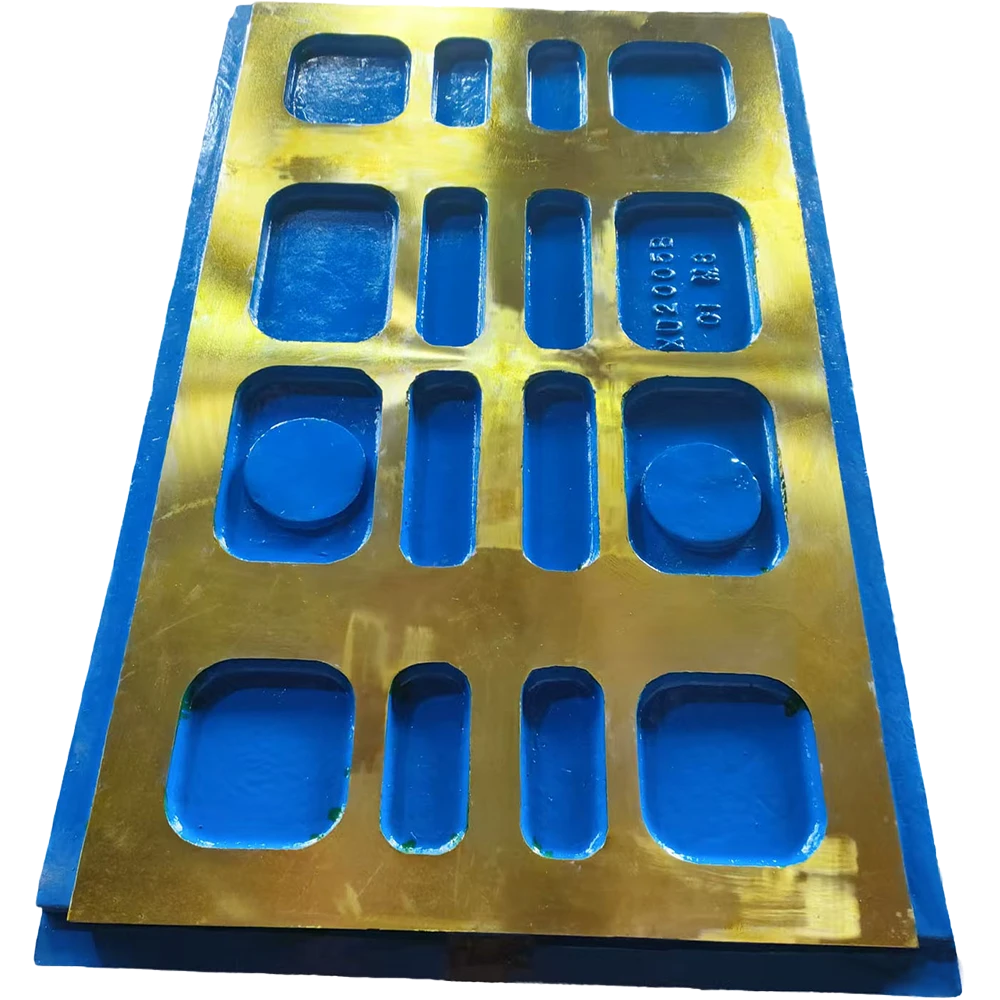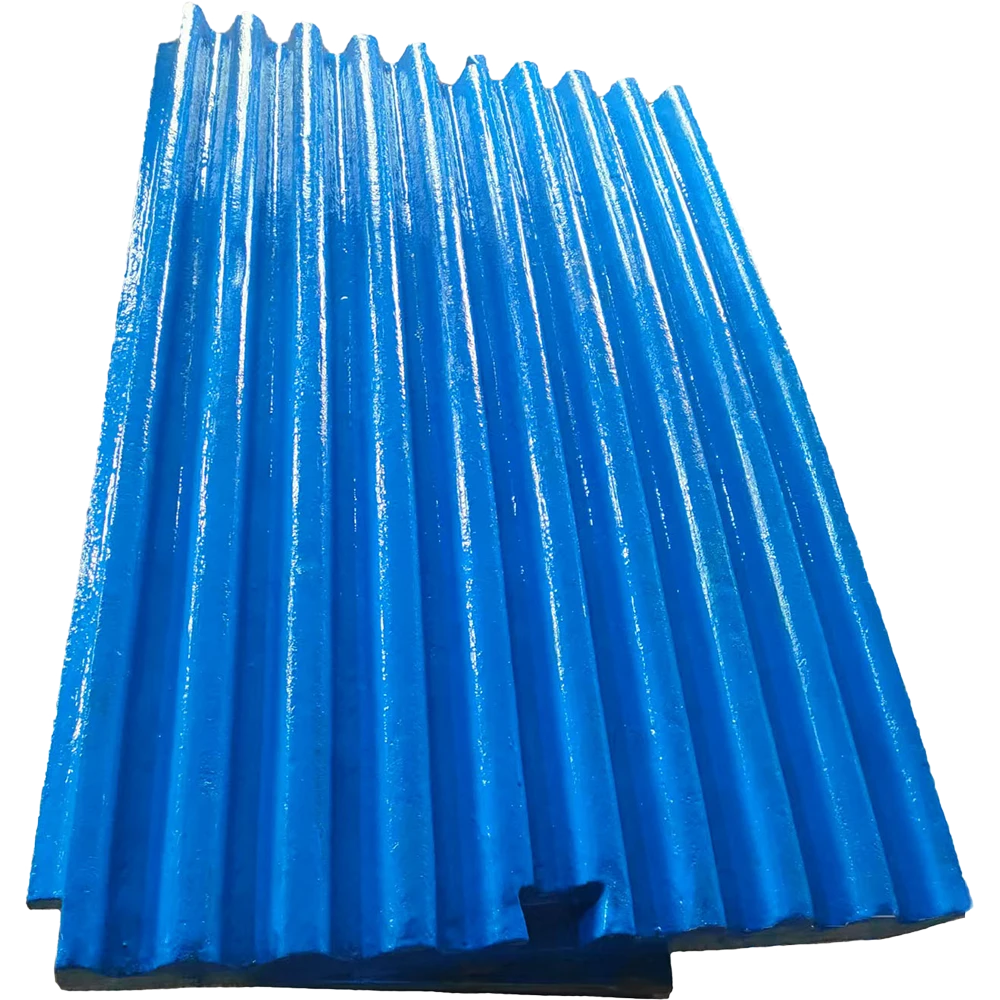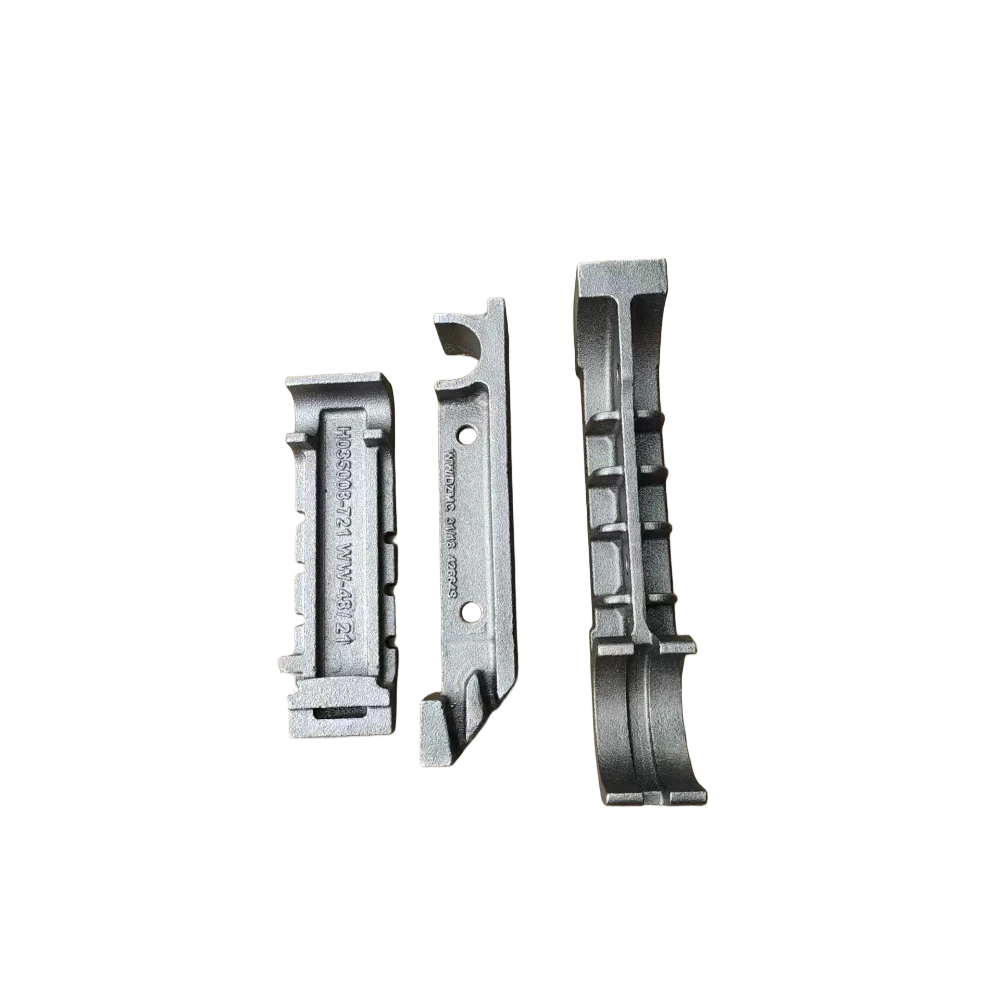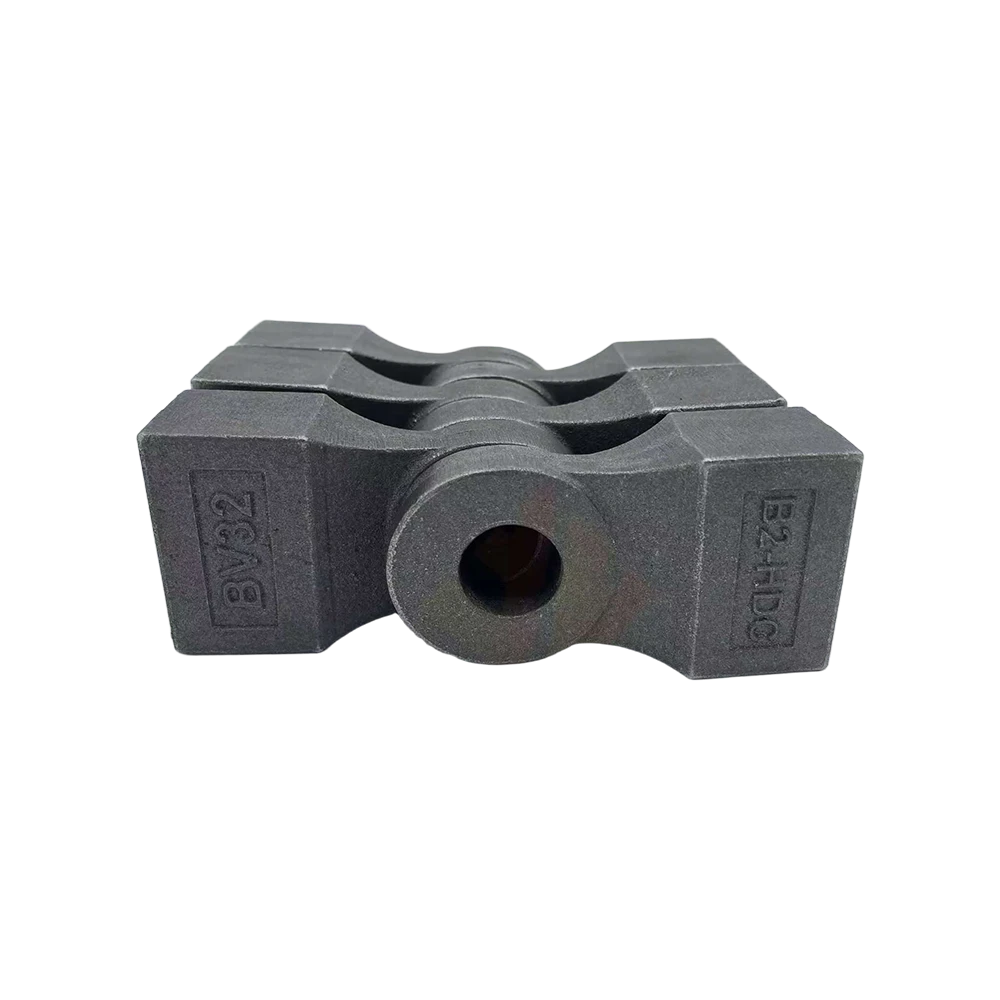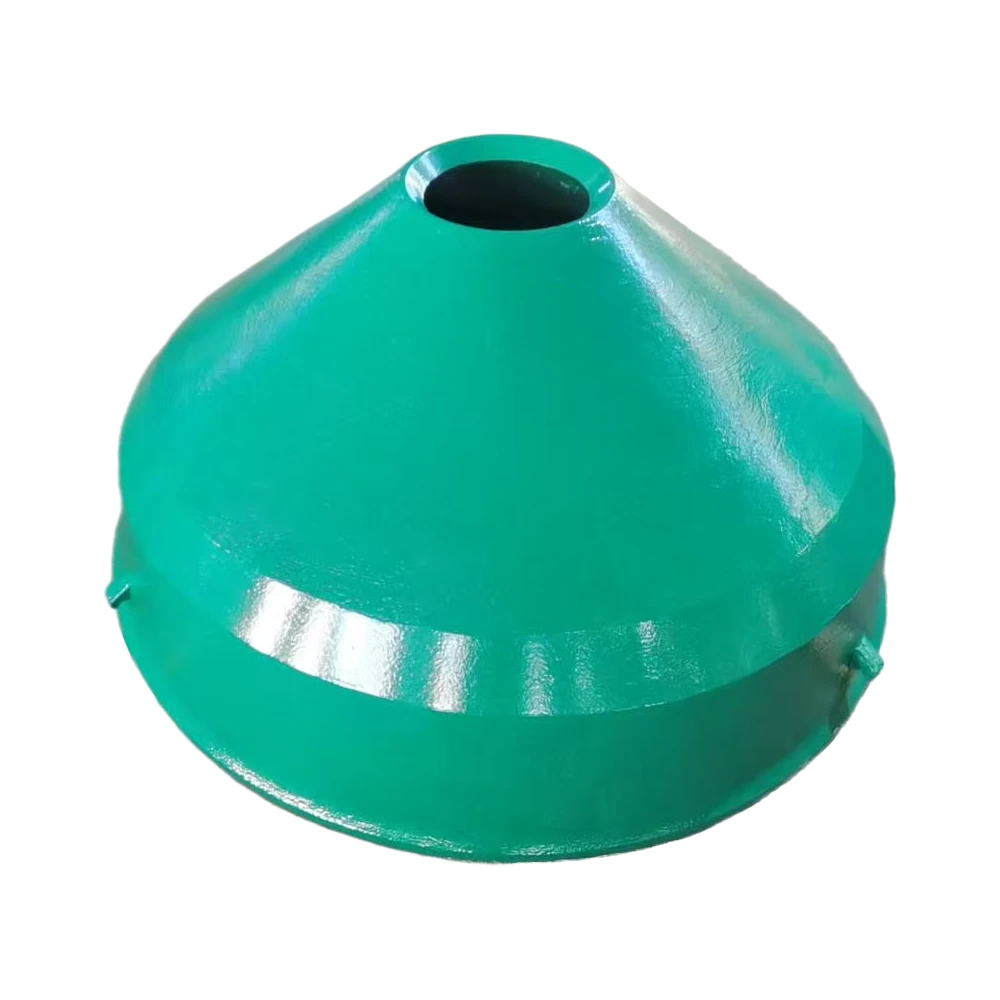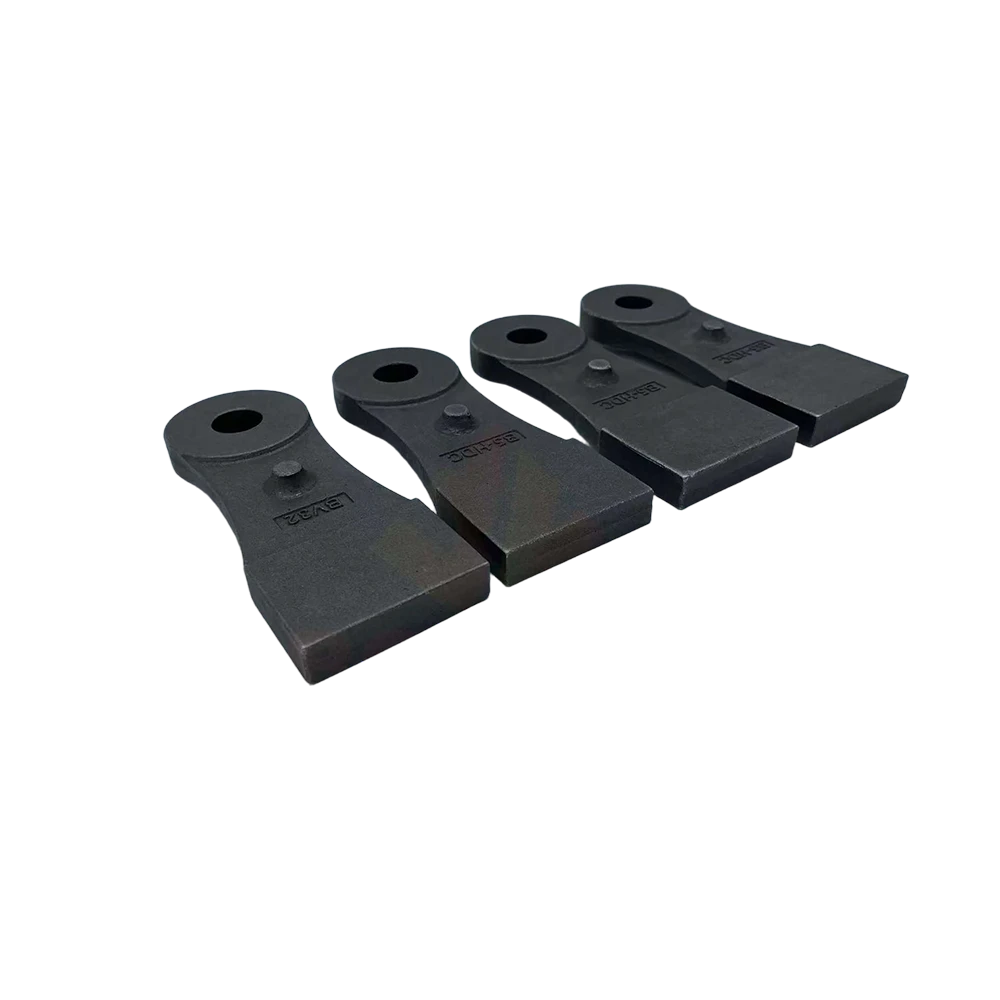
Buy Durable Crusher Hammer Head for Sale - High Manganese Steel & Chrome Alloy
The Intricacies of Finding the Perfect Crusher Hammer Head for Sale
It’s not often you think about a piece of heavy machinery like a crusher hammer head until you absolutely need one. Yet, these rugged components are absolutely essential in mining, construction, and recycling industries worldwide. The global push for efficient resource extraction combined with sustainable industrial processes means understanding the nuances behind a crusher hammer head for sale goes beyond the obvious. Whether you’re a purchasing agent, engineer, or industry enthusiast, knowing why it matters — and what to look for — pays off big time. So, why are crusher hammer heads crucial on a global scale? And what sets one apart from another? Let’s dig in.
Industry Impact: Why Crusher Hammer Heads Matter Globally
Mining alone accounts for a significant portion of the world’s raw material supply, with construction not far behind. According to the World Bank, global mineral demand is expected to increase by almost 50% by 2050, primarily driven by urbanization and green-energy tech (like wind turbines and EV batteries). Crusher hammer heads are at the heart of crushing machines that break down raw ore or construction debris for further processing. Without durable, efficient hammers, resource recovery slows, costs spike, and downtime becomes a major headache.
But the story doesn’t end there: these components aid humanitarian efforts too — like clearing debris in post-disaster zones or recycling materials in developing countries where infrastructure is still growing. The right hammer head can be a silent workhorse supporting global resilience.
Takeaway:
- Demand for crusher hammer heads is tied to global resource needs and sustainability trends.
- Improving hammer quality means faster turnaround and safer operations worldwide.
What Exactly Is a Crusher Hammer Head?
Simply put, a crusher hammer head is the metal part attached to a hammer mill or crusher machine that strikes raw materials to break them down. Made typically from high-chromium cast iron or manganese steel, it absorbs and delivers force to crush stone, ore, coal, or construction waste.
Its design and alloy composition directly affect wear resistance, impact durability, and overall efficiency. Think of it like a battering ram for industrial use — though precision and endurance are much more in play than brute force. These hammer heads enable faster material processing with less energy and downtime compared to outdated crushing methods.
Mini Summary:
- Crusher hammer heads are critical wear parts in crushing machines.
- Typical materials include manganese steel and high chrome alloys.
Key Factors to Consider When Choosing a Crusher Hammer Head
1. Durability
Since these parts take a battering every time they hit rock or ore, durability is non-negotiable. High manganese steel is often favored for its toughness and ability to harden during use, prolonging the hammer’s lifecycle. Look for manufacturers with proven heat-treatment processes for extended wear resistance.
2. Impact Resistance
Impact resistance ensures that the hammer head can withstand sudden, intense forces without cracking or deforming. This factor largely depends on the alloy and manufacturing method.
3. Weight and Balance
Heavier hammer heads usually mean more crushing power but come at the cost of higher wear on the crusher itself. Balance is crucial for efficient, smooth performance and safeguarding the machine’s mechanical longevity.
4. Cost Efficiency
While price is always important, many companies find that paying a bit more for longer-lasting hammer heads drastically cuts downtime and replacement costs. It's a classic case of spending smarter, not less.
5. Compatibility and Customization
Because crushers vary widely, a hammer head for sale must fit perfectly. Custom manufacturers or flexible vendors offering different sizes or profiles can save headaches on installation and operating efficiency.
6. Vendor Reliability
Trustworthy vendors provide testing reports, warranty, and quick delivery options — factors that can make your life much easier.
Summary:
- Durability and impact resistance determine lifespan.
- Proper weight and fit impact crusher health and efficiency.
- Smart investment in quality reduces long-term costs.
Product Specification Table: Typical Crusher Hammer Head
| Specification | Detail |
|---|---|
| Material | High Manganese Steel (Mn13–Mn18) or High Chromium Alloy |
| Weight Range | 8–80 kg (varies by crusher model) |
| Hardness (HRC) | 50–62 (after heat treatment) |
| Applicability | Rock crushers, hammer mills, coal crushers |
| Surface Treatment | Heat treatment, shot blasting |
Crusher Hammer Heads in Action: Global Applications & Use Cases
From the iron-rich mines of Australia to urban demolition projects in Europe, crusher hammer heads are a backbone component behind material processing. Oddly enough, these hammers show up silently in remote locations where infrastructure projects demand rapid progress — say, rebuilding after an earthquake.
In regions like South America and Africa, where recycling of construction waste is gaining traction as a green alternative, these hammer heads help crush debris into reusable aggregates. In heavy industries like cement production and coal processing, reducing material to specified sizes swiftly is crucial for cost and energy savings.
A Real-World Example:
A client in Chile reported a 30% drop in crusher downtime after switching to a more wear-resistant hammer head from a trusted vendor — saving them thousands in labor and lost production time.
Quick Summary:
- Mining, recycling, and construction industries rely heavily on crusher hammer heads.
- Applications cross continents and varied climates.
Advantages & Long-Term Value of Investing in Quality Crusher Hammer Heads
Quality hammer heads translate to:
- Cost Savings: Longer lifespan means fewer replacements and less downtime.
- Sustainability: Enhanced wear resistance reduces metal waste and energy spent on producing replacements.
- Reliability & Safety: Consistent performance decreases unexpected shutdowns.
- Social Impact: Efficient machinery keeps projects on schedule, supporting employment and community development.
Many engineers I spoke with emphasize the peace of mind that comes with a hammer head that "just works" over hundreds of hours rather than weeks. It’s those small reliability details that create smooth workflows and trust between product manufacturers and end users.
Looking Ahead: Trends & Innovations
The future is shaping up around smarter materials and digital integration. Some manufacturers are experimenting with composite metal surfaces or nano-enhanced alloys that reduce wear by a measurable margin. Automation is also creeping in — “smart” crushers can sometimes monitor hammer health using sensors, forecasting replacements before failure.
Environmentally conscious industry players are pushing for hammers that complement energy-efficient machines, helping reduce overall carbon footprints in resource processing.
Common Challenges & How to Tackle Them
One tricky aspect remains: balancing hammer head hardness and toughness. Too brittle and it shatters. Too soft and it wears quickly. This is where vendor expertise and rigorous testing make a difference.
Additionally, lead time and shipping logistics sometimes delay hammer availability, especially for highly customized parts. Working with established vendors that maintain local stocks or offer rapid manufacturing can solve this problem.
Vendor Comparison: Leading Crusher Hammer Head Suppliers
| Vendor | Material Options | Delivery Time | Customization | Warranty |
|---|---|---|---|---|
| DZMCCasting | High Mn Steel, Chrome Alloy | 2-4 weeks | Full Size/Profile Customization | 12 months |
| Global Metals Co. | Chrome Alloy Only | 4-6 weeks | Limited Sizes | 6 months |
| IronWorks Ltd. | Mn Steel Only | 3 weeks | Standard Sizes Only | 9 months |
FAQs About Crusher Hammer Heads for Sale
Q1: How do I know if a crusher hammer head will fit my machine?
A: Always consult your crusher’s manufacturer manual or measure your existing hammer head’s dimensions carefully. Most vendors provide detailed sizing charts or custom options to ensure a proper fit.
Q2: What material should I choose for the hammer head?
A: High manganese steel is great for high-impact applications with abrasive materials; high chrome alloy offers better wear resistance but can be more brittle. Your choice depends on operational conditions.
Q3: How often should I replace my hammer head?
A: Replacement frequency depends on usage intensity and material type but typically ranges from 3 months to 1 year. Monitoring wear patterns helps optimize replacement timing.
Q4: Can I customize the hammer head for better performance?
A: Yes, many suppliers like crusher hammer head for sale vendors offer customization for size, profile, and material to suit specific crushing tasks more efficiently.
Q5: Are there environmental benefits to choosing specific hammer heads?
A: Absolutely. Longer-lasting hammer heads reduce metal waste and the energy footprint involved in manufacturing frequent replacements, contributing to more sustainable operations.
Wrapping Up: Why Investing in the Right Crusher Hammer Head Pays Off
In the long run, quality crusher hammer heads are not just another expense — they’re an investment in machine longevity, productivity, and sustainable operations. It’s one of those less glamorous parts that quietly keep industries running and communities growing. If you’re looking for crusher hammer head for sale with trusted quality and customization options, it’s worth exploring reputable vendors and understanding your exact needs before making a call.
For a seamless sourcing experience, check out trusted suppliers and get ahead of downtime before it strikes.
Final Mini-Takeaway:
- Focus on material, fit, and vendor reliability above all.
- Look for innovative options that save costs long-term.
- The right crusher hammer head bridges performance and sustainability.
References:
-
High Performance oem cast heat resistant steel for Industrial UseNewsApr.16,2026
-
Guide to Selecting High Quality Cast Heat Resistant Steel AlloysNewsApr.09,2026
-
Custom Cast Heat Resistant Steel Solutions for High Temperature ApplicationsNewsApr.07,2026
-
Comprehensive Guide to Wholesale Cast Heat Resistant Steel for Industrial ApplicationsNewsApr.04,2026
-
Comprehensive Guide to High Performance Heat Resistant Metal Product SolutionsNewsMar.31,2026
-
Expert Guidance on Heat Resistant Metal Quotes and Alloy SelectionNewsMar.28,2026