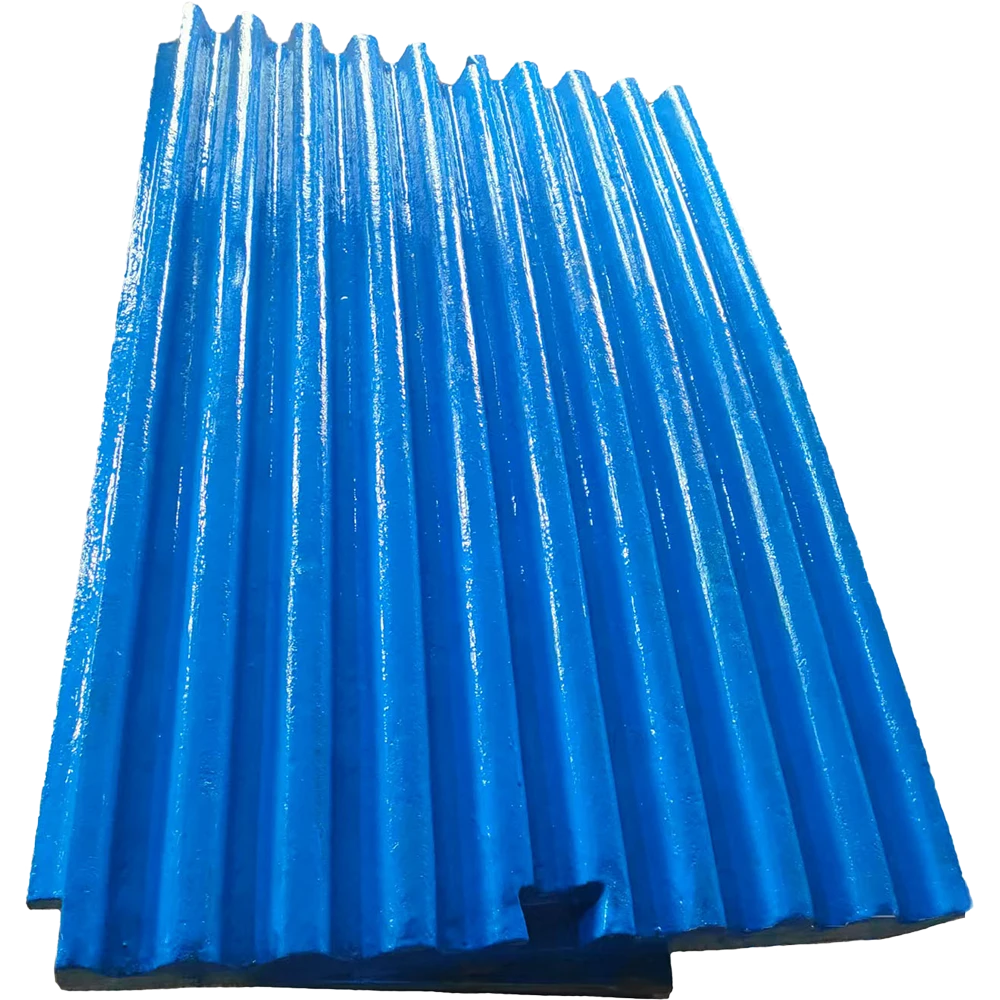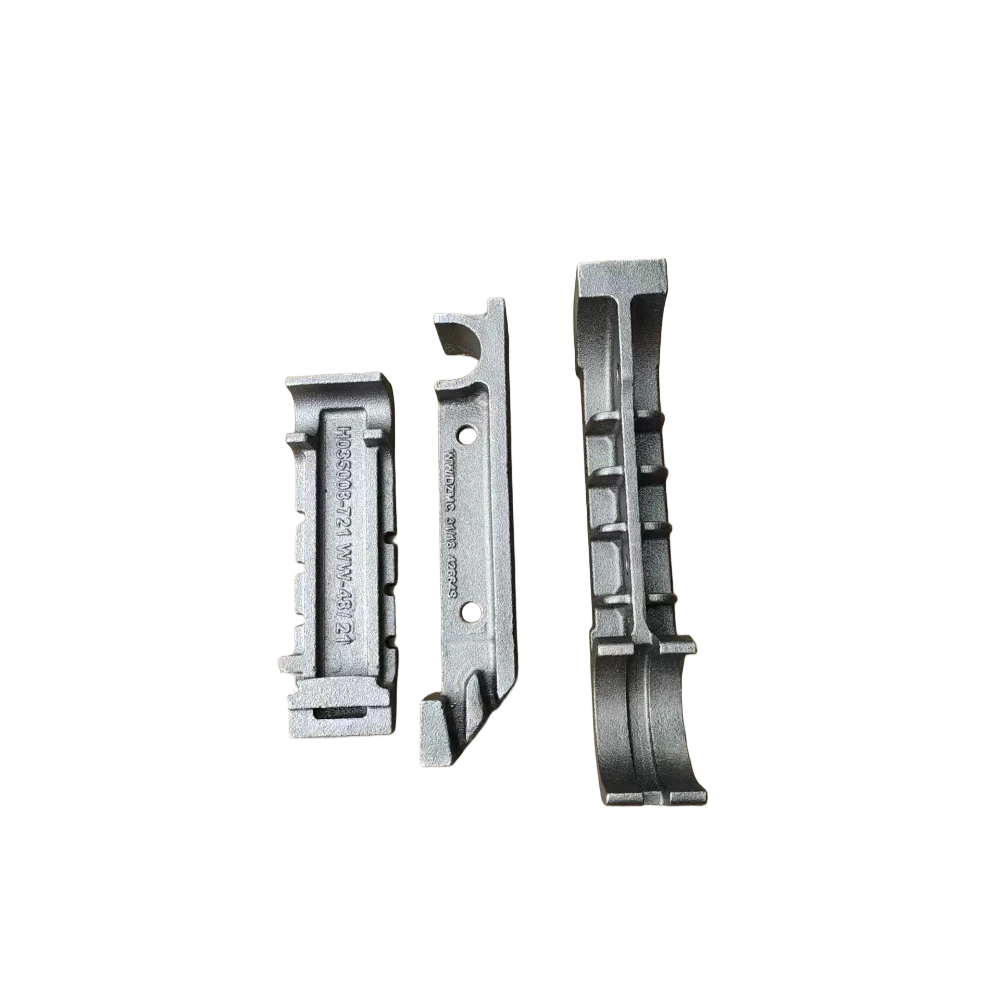
Crusher Hammer Head – A Key to Efficient Mining & Recycling Equipment
What’s the Deal with the Crusher Hammer Head?
If you scratch beneath the surface of heavy industry, you’ll find that one small but mighty part — the crusher hammer head — quietly powers a lot of the big machines breaking down rocks and minerals worldwide. Sounds boring at first, but understanding this component is surprisingly useful for anyone interested in construction, mining, or recycling. You see, a crusher hammer head isn’t just a lump of metal; it’s a finely engineered tool that can mean the difference between smooth operation and costly downtime.
Globally, industries rely on this component to grind materials for everything from roadbeds to concrete structures, and for those eager to boost efficiency or sustainability in heavy machinery, knowing its ins and outs is a no-brainer. Let’s dive in.
The Global Context: Why Crusher Hammer Heads Matter Now More Than Ever
Mining and construction account for trillions of dollars in the world economy. According to the International Energy Agency (IEA), the mineral extraction sector alone grew by nearly 4% annually in recent years, underscoring persistent demand. Now, here’s the kicker: over 70% of crushing operations globally involve hammer crushers. That means the crusher hammer head is at the core of a huge operation.
But there’s a challenge: frequent wear and tear on these parts can lead to major breakdowns, costs, and environmental waste. Equipment failure means not just lost time, but extra resources spent on replacements. Hence, companies worldwide are investing in higher-grade crusher hammer heads designed for longevity and better performance — a strategic move against both inefficiency and the growing push for sustainable practices.
Crusher Hammer Head: What Exactly Is It?
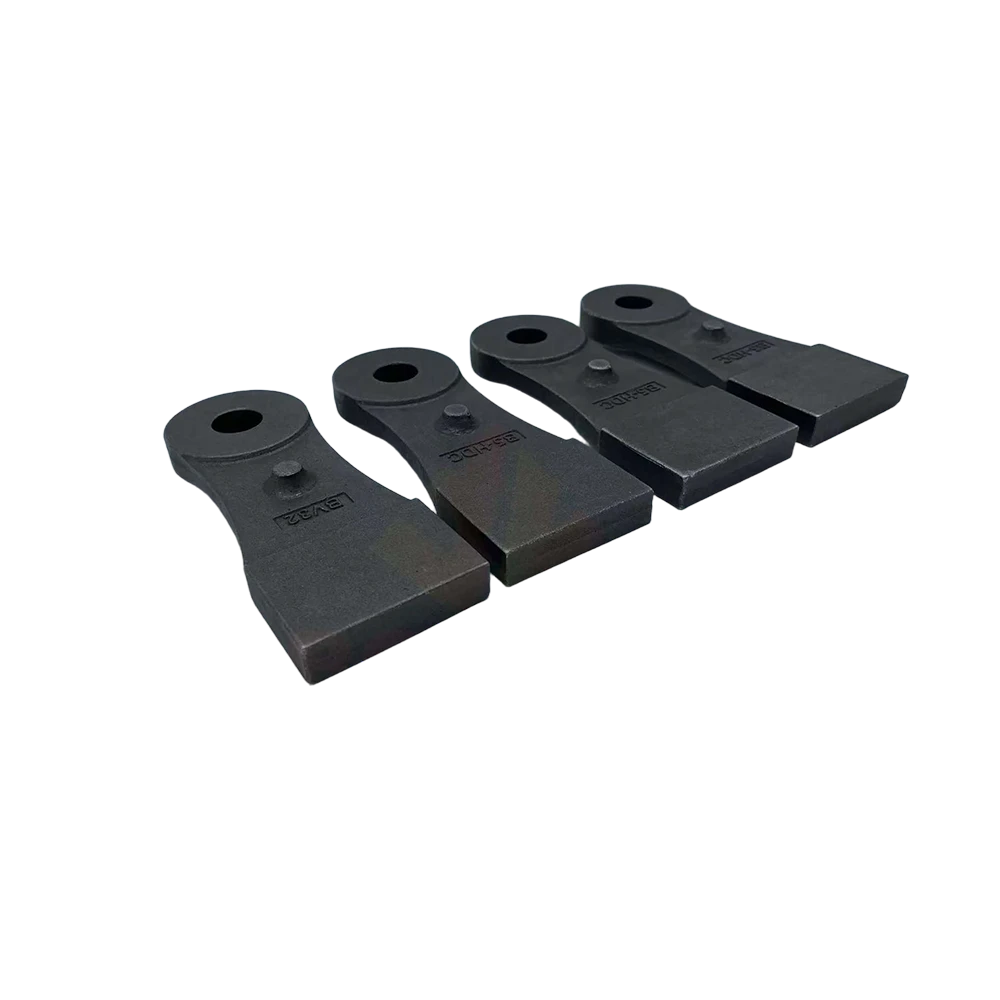
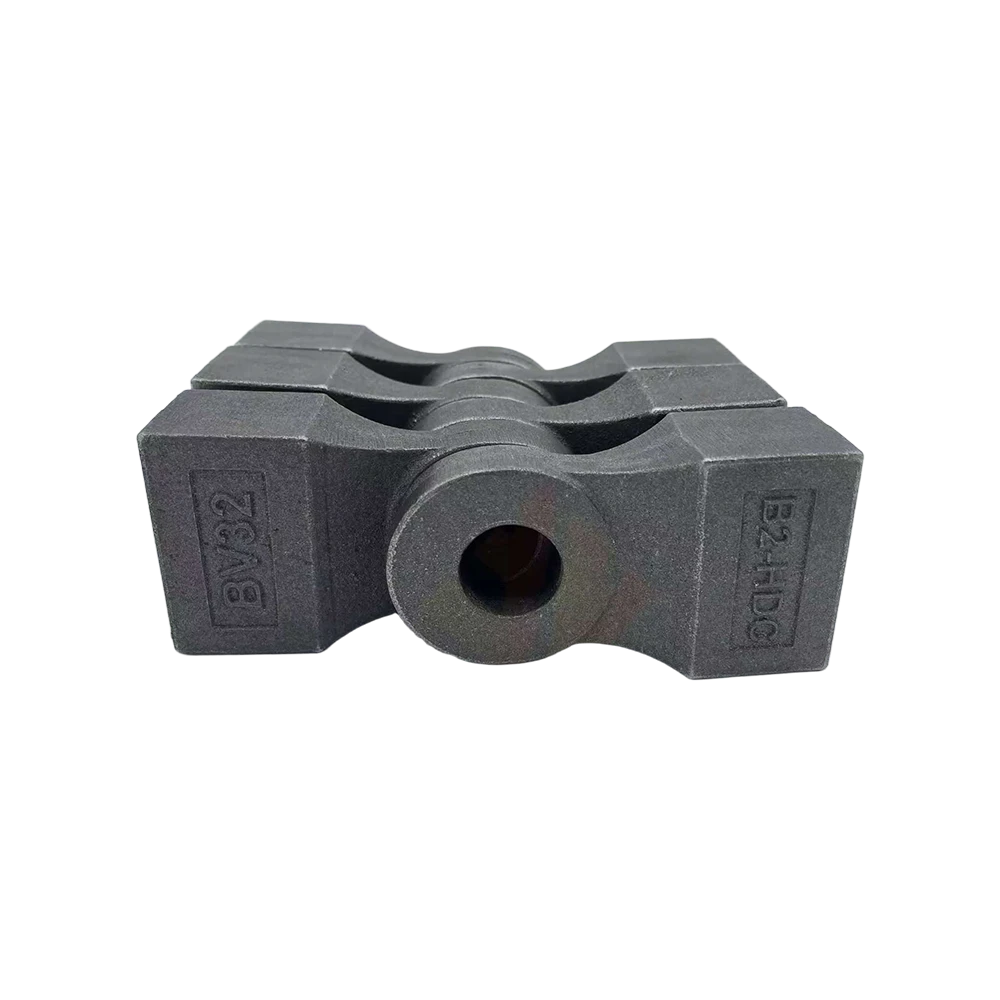
At its simplest, the crusher hammer head is the heavy-duty implement attached inside hammer crushers — machines designed to shred and pulverize hard materials such as rocks, minerals, coal, or even construction debris. It’s what strikes and crushes materials during the crushing process.
More than that, it represents innovation in materials science and industrial design, balancing hardness, toughness, and wear resistance. In humanitarian contexts, especially post-disaster rebuilding, these crusher hammer heads enable rapid site clearing by breaking rubble down efficiently, supporting timely relief efforts.
Key Factors Driving Crusher Hammer Head Performance
Durability and Wear Resistance
Perhaps the most obvious trait engineers obsess over. Crusher hammer heads undergo relentless impact and abrasion. High manganese steel is commonly used because it hardens on impact, extending hammer life significantly. The better the wear resistance, the longer the time between replacements — and fewer stoppages.
Design and Weight Balance
It’s not just about brute strength; the shape and weight distribution influence crushing efficiency and machine balance. A poorly designed hammer head can create vibrations that cause premature wear elsewhere, while an optimized design smooths operation.
Cost Efficiency
There’s always a trade-off between upfront costs and long-term savings. Quality crusher hammer heads typically cost more but save money over time by reducing unscheduled maintenance.
Material Innovation
Manufacturers are experimenting with alloy blends, heat treatment processes, and composite designs to maximize lifespan and reduce scrap. Using advanced metals and surface coatings is becoming standard practice.
Compatibility & Scalability
With numerous crusher types and sizes, customizing hammer heads to fit specific machines is important. Scalability also matters when plants expand operations—it’s handy having vendor options that can adapt production quickly.
Real-World Applications: Who’s Using Crusher Hammer Heads and How?
Across continents, from Australia’s massive iron ore mines to Europe’s recycling plants, crusher hammer heads are indispensable. In mining hotspots like Chile or South Africa, these parts help extract minerals faster while enduring extreme conditions.
In the construction recycling sector — think demolished buildings in Europe or Asia — they enable crushing concrete and bricks into reusable aggregates. Oddly enough, NGOs involved in disaster zone clean-ups also rely on mobile crushing units equipped with hammer heads to break debris quickly, restoring infrastructure faster.
Quick Takeaway:
- Crusher hammer heads power critical industrial processes worldwide.
- They affect uptime, cost, and sustainability.
- Advanced materials and designs are key competitive edges.
The Long View: Advantages and Enduring Value
Sure, crusher hammer heads sound like a simple replacement part, but they’re a linchpin for operational reliability and safety. On one hand, better hammer heads reduce the risk of sudden machine failure, which otherwise puts operators’ safety and project timelines on the line. On the other, efficiency improvements contribute to lowering energy demands — an environmental win that’s gradually becoming a business imperative.
From an emotional standpoint, companies taking care to adapt better components foster trust with clients and workers alike. There’s something reassuring about knowing your machinery won’t let you down in the crucial moment.
Product Specification Table
| Specification | Typical Range | Remarks |
|---|---|---|
| Material | High Manganese Steel, Alloy Cast Steel | Wear resistant with impact hardening |
| Weight | 5 - 20 kg per hammer | Varies by crusher type |
| Length | 150 - 450 mm | Customized per application |
| Surface Treatment | Heat treated, Wear resistant coating | Enhances lifespan |
| Application | Hammer crushers in mining and recycling | Industrial and construction use |
Comparing Top Crusher Hammer Head Vendors
| Vendor | Material Quality | Lead Time | Customization Options | Price Range |
|---|---|---|---|---|
| DZMCCasting | High Manganese Steel, Advanced Alloying | 4-6 weeks | Full customization by specs | Mid-High |
| GlobalCast | Alloy Steel | 6-8 weeks | Standard designs, limited tailoring | Mid |
| SteelMills Inc. | High Carbon Steel with coatings | 3-5 weeks | Customization possible with MOQ | Low-Mid |
Looking Ahead: Innovations Shaping the Future of Crusher Hammer Heads
There’s a quiet revolution going on in crusher hammer technology. Advanced metallurgy is unlocking hammers that flex more under impact before hardening, dramatically extending life. Digital monitoring built into the machinery tracks hammer wear in real time, ushering in smarter maintenance schedules.
Green energy trends also influence manufacturers to design crusher components that contribute to lowering the energy consumption of crushing systems, integrating seamlessly with electrically powered or hybrid crushers.
Obstacles and How the Industry Tackles Them
Despite advances, challenges remain: unpredictable workloads, extreme impact stresses, and supply chain hiccups can still trip up efficiency. Some plants struggle with improper installation or choosing the wrong hammer grade, leading to faster wear. Here, expertise matters — suppliers like crusher hammer head specialists not only sell parts but advise on correct specs and fitment to maximize uptime.
Frequently Asked Questions About Crusher Hammer Heads
- 1. How do I know when it’s time to replace crusher hammer heads?
- Signs include visible wear, cracks, or decreased crushing efficiency. Monitoring hammer weight over time also helps — significant loss indicates wear. Regular inspection schedules can prevent surprise failures.
- 2. Are all crusher hammer heads interchangeable between different machines?
- No, compatibility depends on crusher type, size, and mounting design. Always refer to manufacturer specs or consult a supplier expert to avoid mismatches that can damage equipment.
- 3. What materials are best for crusher hammer heads in high-impact mining environments?
- High manganese steel is often preferred due to its ability to harden upon impact while retaining toughness. Some alloys combine chrome or molybdenum for extra wear resistance.
- 4. Can customizing crusher hammer heads improve performance?
- Absolutely. Tailoring weight, shape, and material to the specific crushing application can optimize throughput, reduce vibration, and extend lifespan, delivering better ROI.
- 5. How can companies minimize downtime related to crusher hammer head replacements?
- Using durable materials, accurate fitment, and predictive maintenance—sometimes enabled via sensors—helps reduce unexpected failures and speeds up servicing.
Wrapping Up: Why Crusher Hammer Heads Deserve Your Attention
Far from a mere component, the crusher hammer head is a vital element for modern crushing operations worldwide. Investing time and resources into choosing the right hammer heads means smoother runs, safer working conditions, and greater sustainability. If you’re after dependable wear parts, it’s worth checking out trusted suppliers — maybe start with crusher hammer head vendors who take customization seriously. After all, it’s the little things that keep big machines running.
Interested? Visit https://www.dzmccasting.com to learn more and explore options for your specific needs.
Final Thoughts:
In an industry driven by crushing force, the hammer head really does carry a heavy load — figuratively and literally. Keeping up with innovations and choosing wisely can save money and headaches. And somewhere along the way, you might even come to appreciate the little piece of casting magic that’s making so much progress possible.
References:
(1) International Energy Agency (IEA) Mining Statistics
(2) Wikipedia: Hammer Mill
(3) ISO 9001 Quality Management in Manufacturing
-
High Performance oem cast heat resistant steel for Industrial UseNewsApr.16,2026
-
Guide to Selecting High Quality Cast Heat Resistant Steel AlloysNewsApr.09,2026
-
Custom Cast Heat Resistant Steel Solutions for High Temperature ApplicationsNewsApr.07,2026
-
Comprehensive Guide to Wholesale Cast Heat Resistant Steel for Industrial ApplicationsNewsApr.04,2026
-
Comprehensive Guide to High Performance Heat Resistant Metal Product SolutionsNewsMar.31,2026
-
Expert Guidance on Heat Resistant Metal Quotes and Alloy SelectionNewsMar.28,2026