Leading Crusher Hammer Head Manufacturers | Durable & Custom Solutions
Understanding Crusher Hammer Head Manufacturers: Why It Matters Globally
In industries ranging from mining to construction, the humble crusher hammer head plays a surprisingly pivotal role. At its core, a crusher hammer head is the robust component responsible for crushing rocks, ores, or other materials into manageable sizes. But beyond that simple function lies a global supply and manufacturing challenge that directly impacts infrastructure projects, recycling efforts, and even humanitarian aid. Knowing more about crusher hammer head manufacturers is essential not only for industrial stakeholders but also for those interested in sustainable development and efficient resource use worldwide.
Why the fuss? Well, demand for durable, reliable crusher hammer heads often spikes during large-scale projects or disaster recovery efforts. Having skilled manufacturers who understand material science and precise engineering can make or break operations. This article delves into the industry context, core technical factors, global use cases, and future trends shaping these manufacturers today—and why their role will only grow.
The Global Landscape: Why Crusher Hammer Head Manufacturers Are Crucial
Globally, the mining, quarrying, and construction sectors accounted for nearly 15% of the world’s industrial output as of 2023, according to data from the International Energy Agency and the UN. With rapid urbanization in Asia, Africa, and Latin America, the demand for mineral extraction and infrastructure materials remains high. Crusher hammer heads—often overlooked—are central to this supply chain because they directly affect production efficiency.
One challenge is that many regions rely on imported crusher hammer heads, leading to delays and higher costs due to geopolitical or logistical hurdles. As the World Bank points out, supply chain interruptions reinforce the need for localized manufacturing and innovation. Reliable crusher hammer head manufacturers not only create resilient supply chains but also help reduce downtime and environmental waste caused by frequent equipment failures.
Bottom line: knowing who manufactures your crusher hammer heads and their capability isn’t just an industrial detail. It's a strategic advantage that influences project timelines, budgets, and sustainability.
What Exactly Are Crusher Hammer Head Manufacturers?
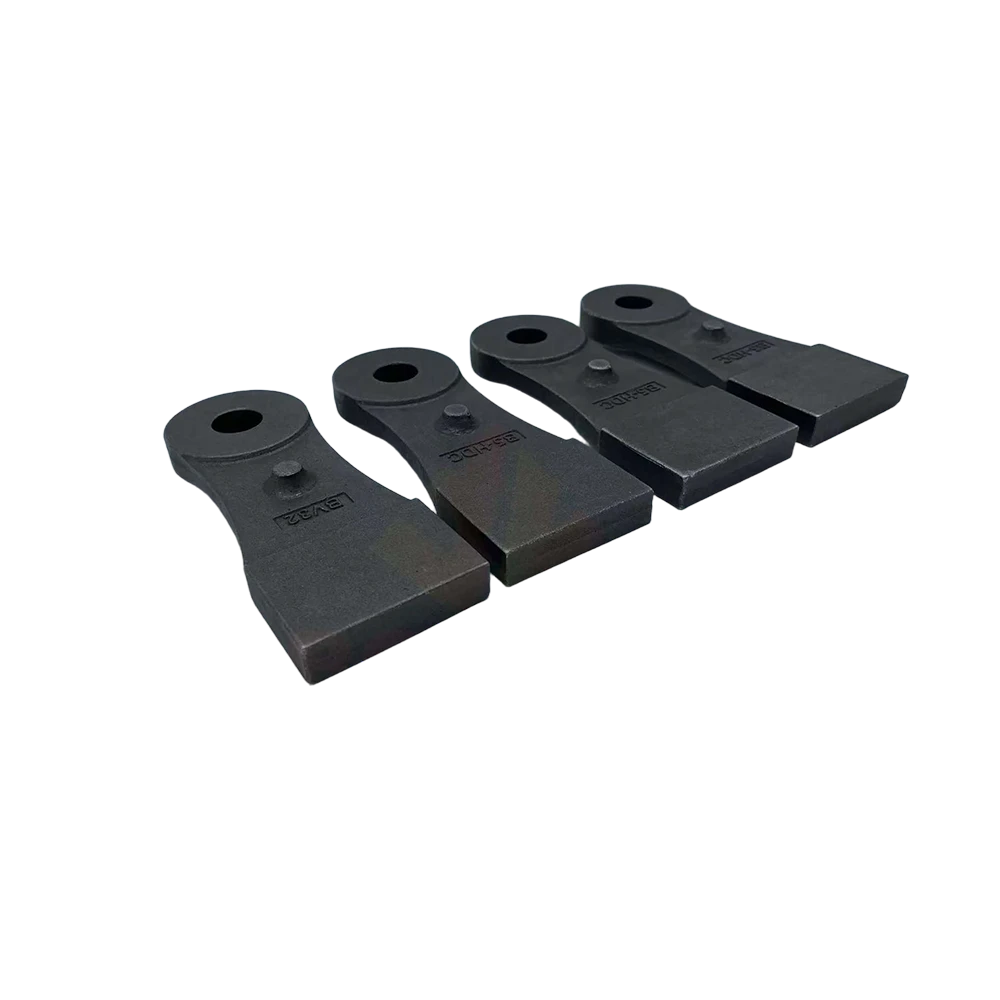
Simply put, crusher hammer head manufacturers design and produce the impact components inside crushers — the actual “hammers” used to break down hard materials. These hammers endure extreme stress, collisions, and wear, so manufacturers focus on heavy-duty alloys and heat treatment processes to ensure longevity.
They operate at the intersection of metallurgy, mechanical engineering, and supply chain logistics. Modern manufacturers often collaborate closely with equipment OEMs (original equipment manufacturers) to tailor designs for specific crushers and applications. Whether it’s a coal mine in Australia or a recycling plant in Europe, these suppliers fundamentally enable the materials economy to function.
Mini Takeaway:
A crusher hammer head manufacturer is not just a parts supplier but a strategic partner affecting operation uptime and sustainability.
Key Factors That Define Crusher Hammer Head Manufacturers
Durability and Material Choice
The core factor is material quality. Most crusher hammer heads are made from high chrome alloys or manganese steel to maximize impact resistance. Manufacturers must perfect casting, forging, and heat treatment to ensure the head lasts thousands of operational hours.
Customization and Design Flexibility
Different industries require varied hammer shapes and weights. Leading manufacturers offer custom engineering for blade profiles, hole patterns, and wear allowances to optimize crushing efficiency.
Production Capacity and Lead Times
Companies vary widely on how quickly they can churn out large orders without compromising quality. This affects how quickly mines or plants can replace worn-out parts and avoid costly shutdowns.
Cost Efficiency Without Compromise
While premium materials and processes increase costs, reputable manufacturers balance this by reducing replacement frequency and maintenance, improving total cost of ownership.
Quality Assurance & Testing
ISO certifications, metallurgical analyses, and impact testing ensure that components will perform as expected. Forward-thinking manufacturers invest heavily here.
After-Sales Support & Logistics
Because many crusher hammer heads are heavy, timely delivery and logistics become essential. Manufacturers with robust distribution networks reduce downtime risks.
Mini Takeaway:
Durability, customization, and testing are the hallmarks of top-tier crusher hammer head makers — not just selling parts, but solutions.
Global Applications: Where Crusher Hammer Heads Make Their Mark
Across continents, crusher hammer heads are the unsung heroes enabling progress.
- Mining Sites: In South Africa's platinum mines, rugged hammer heads help break ore quickly, improving throughput.
- Construction Projects: Rapid urban developments in Southeast Asia rely on crusher hammer heads for producing construction aggregates.
- Recycling Centers: European firms use customized hammer heads to crush concrete, steel, and glass for circular economies.
- Disaster Response: In post-earthquake rebuilding, mobile crushing units with reliable hammer heads help clear rubble efficiently.
Interestingly, the rise of green building initiatives has given these manufacturers new roles, like producing hammer heads compatible with biodegradable lubricants or lower energy consumption machines.
Mini Takeaway:
Their reach extends from hard rock mines to humanitarian relief—crusher hammer head manufacturers support industries and communities alike.
Advantages & Long-Term Value of Investing in Quality Manufacturers
- Cost Savings: High-quality hammer heads mean fewer replacements and less downtime.
- Environmental Impact: Durable parts reduce waste and energy use through longer equipment lifespan.
- Reliability & Safety: Properly engineered heads minimize sudden failures that risk accidents.
- Innovation Potential: Customizable designs help clients optimize crushing for evolving materials and conditions.
- Trust & Reputation: Working with a dependable manufacturer fosters long partnerships and smooth project execution.
Typical Product Specifications
| Specification | Value | Notes |
|---|---|---|
| Material | High Chrome Alloy (18-28% Cr) | Improved wear resistance |
| Weight Range | 10 kg to 300 kg | Dependent on crusher model |
| Surface Hardness | HRC 55-60 | Ensures impact toughness |
| Heat Treatment | Quenching & Tempering | Optimizes durability |
| Manufacturing Process | Casting & CNC Machining | Precision fit ensured |
Comparing Top Crusher Hammer Head Manufacturers
| Manufacturer | Material Quality | Customization Options | Avg. Lead Time | Market Reach |
|---|---|---|---|---|
| DZM Casting | High Chrome Alloy | Full OEM Customization | 2-4 weeks | Global (Asia, Europe, Africa) |
| X-Forge Industries | Manganese Steel | Limited Design Options | 3-5 weeks | North America |
| Global Hammer Co. | High Chrome & Multi-Alloy | Moderate Customization | 4-6 weeks | Europe, Asia |
Emerging Trends & Innovations in Crusher Hammer Head Manufacturing
The crusher hammer head sector is evolving with new tech and eco-conscious approaches:
- Advanced Materials: Nano-structured alloys to improve wear resistance.
- Automation & Digital Design: 3D modeling combined with simulation tools allows precise stress testing before production.
- Green Manufacturing: Reduced emissions casting processes and recyclable materials.
- Smart Monitoring: Embedding sensors in hammer heads to predict wear and schedule maintenance proactively.
- Distributed Manufacturing: Using localized plants to meet regional demand and reduce transport carbon footprints.
Challenges & Expert Solutions
Despite advancements, manufacturers face hurdles:
- Material Fatigue: Even the best alloys wear out. Ongoing R&D focuses on heat treatment tweaks to slow degradation.
- Cost Balancing: Premium materials push prices up, yet cheaper components risk early failure. The solution? Lifecycle cost analysis to pick true value.
- Supply Chain Disruptions: Recent years taught us the vulnerability of long supply chains. Manufacturers with strong local partnerships and stockpiles mitigate risks.
Collaborative innovation between manufacturing experts, metallurgists, and end-users is crucial to tackling these issues.
FAQ: Frequently Asked Questions About Crusher Hammer Head Manufacturers
1. How do I choose the right crusher hammer head manufacturer for my application?
Look for manufacturers with a proven track record in your industry, offering materials and designs optimized for your crusher model. Check certifications, lead times, and after-sales support. For example, many turn to crusher hammer head manufacturers for OEM-level customization and global service.
2. What materials are best suited for heavy-duty crushing operations?
High chrome alloys (around 18%-28% chromium content) and manganese steel are commonly preferred due to their wear resistance and toughness. The choice depends on the material being crushed and environmental conditions.
3. Can crusher hammer heads be customized for different industries?
Absolutely. Leading manufacturers offer tailored designs to match specific crusher types and material requirements, optimizing performance and lifespan.
4. How long does a typical crusher hammer head last?
While usage varies, a well-made hammer head can last several thousand operational hours. Regular maintenance and proper material choice extend this significantly.
5. Are crusher hammer head manufacturers adopting eco-friendly processes?
Yes, many manufacturers are moving toward greener casting methods, recyclable materials, and digital optimization to reduce waste, improving environmental impact.
Conclusion: Why Investing in Quality Crusher Hammer Head Manufacturers Pays Off
Crusher hammer heads may not be the flashiest part of industrial machinery, but their impact is undeniable. Choosing the right manufacturers—those who balance durability, customization, and innovation—saves money, boosts uptime, promotes sustainability, and even supports critical infrastructure and relief efforts. Whether you’re overseeing a mining operation or managing municipal recycling, having trusted manufacturers on your side makes a tangible difference.
Ready to explore reliable, top-tier options? Visit DZM Casting to learn more about their high-performance crusher hammer head solutions backed by global expertise.
References:
- International Energy Agency (IEA) – Industry Data
- World Bank Reports – Supply Chain Analysis
- ISO Standards – Quality Assurance and Testing
-
High Performance oem cast heat resistant steel for Industrial UseNewsApr.16,2026
-
Guide to Selecting High Quality Cast Heat Resistant Steel AlloysNewsApr.09,2026
-
Custom Cast Heat Resistant Steel Solutions for High Temperature ApplicationsNewsApr.07,2026
-
Comprehensive Guide to Wholesale Cast Heat Resistant Steel for Industrial ApplicationsNewsApr.04,2026
-
Comprehensive Guide to High Performance Heat Resistant Metal Product SolutionsNewsMar.31,2026
-
Expert Guidance on Heat Resistant Metal Quotes and Alloy SelectionNewsMar.28,2026