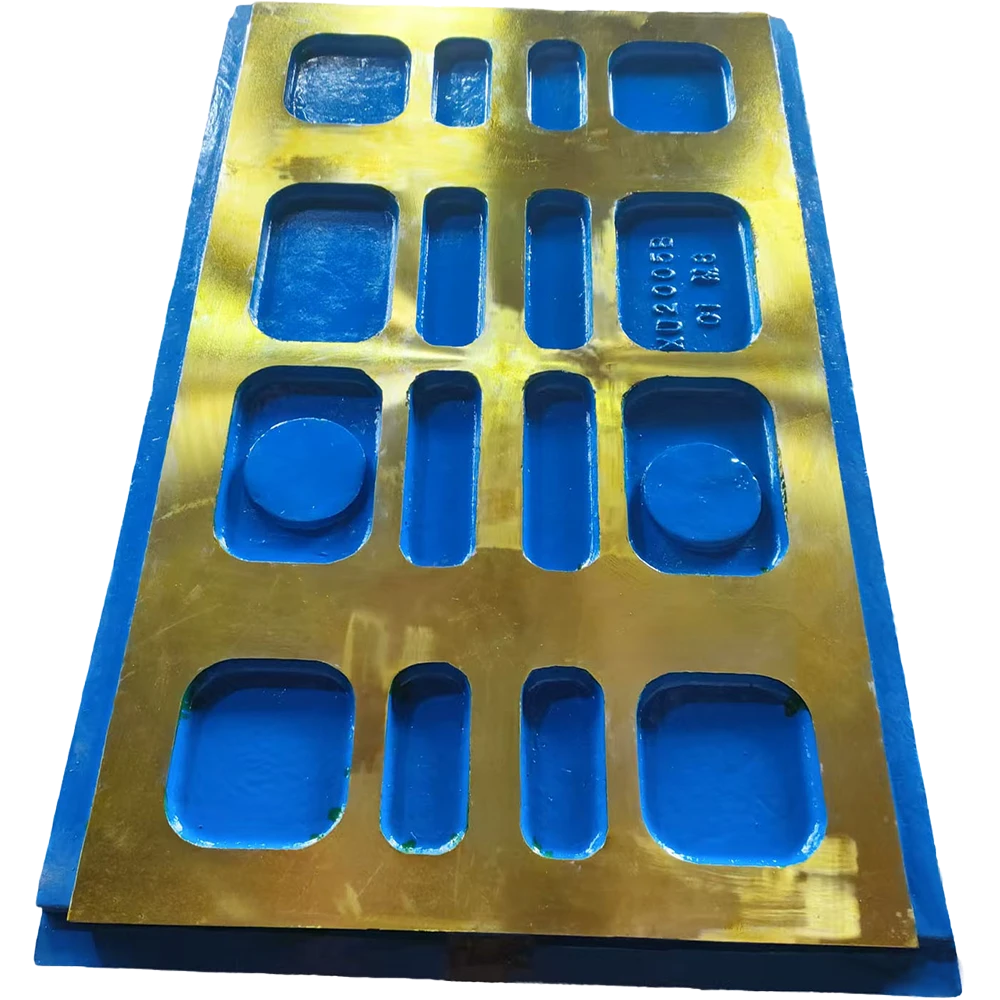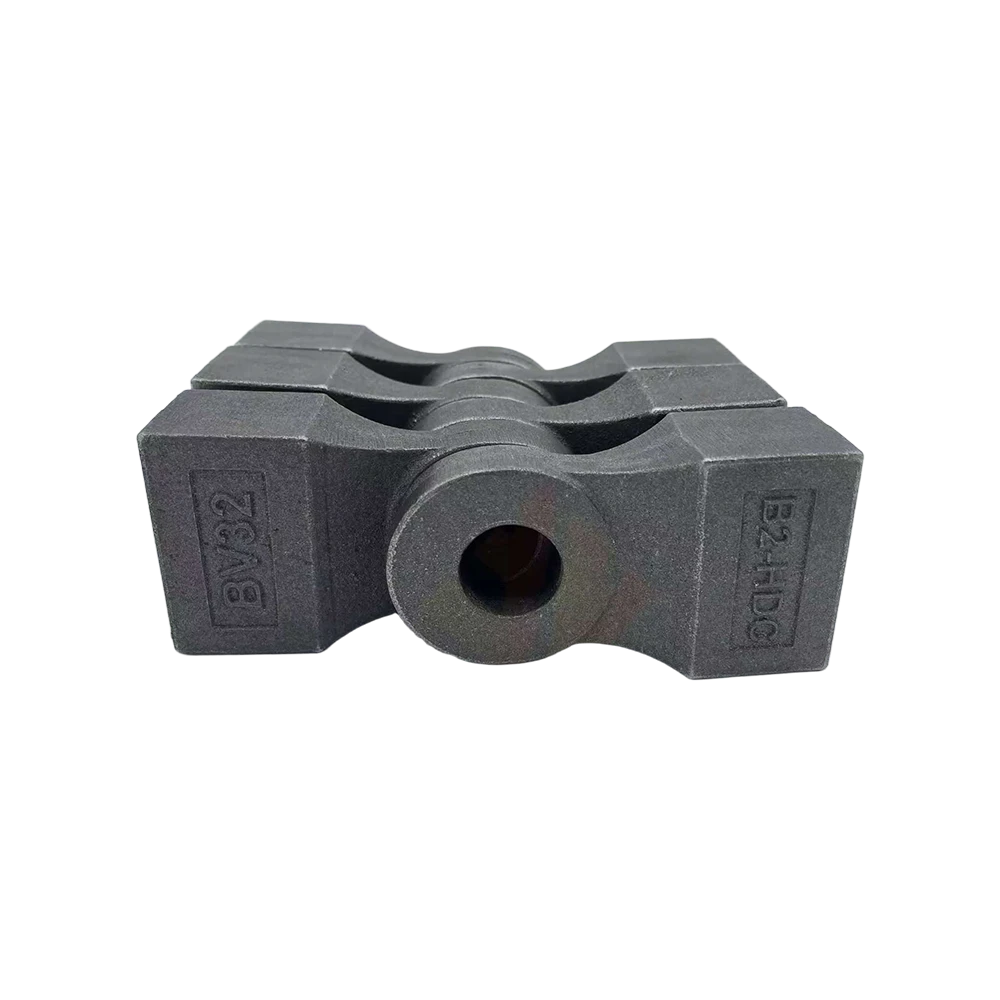
Durable Crusher Hammer Solutions for Global Mining and Construction
The Essential Role of Crusher Hammer in Modern Industry
At first glance, a crusher hammer might sound like something out of a carpenter’s toolbox — but in fact, it’s a vital component in heavy industry worldwide. These tools are the beating heart of crushing equipment, breaking down raw materials so they become something usable for construction, mining, and even recycling. Grasping how crusher hammers function can unlock insights about efficiency, cost control, and environmental impact across sectors valued in the billions.
Understanding crusher hammers matters globally because the industries that rely on them—like mining for minerals, extracting aggregates for urban infrastructure, or processing recycled concrete—are fundamental to economic development and sustainability. In many countries, their use indirectly contributes to livelihoods, safety standards, and technological advances. This article peels back the layers of crusher hammers, showing why they're more than just metal bars swinging inside machines.
Mini takeaway: The crusher hammer is a small but mighty enabler of global infrastructure and sustainability efforts.
Global Context: Why Crusher Hammers Matter Now More Than Ever
According to the United Nations Industrial Development Organization (UNIDO), the global construction and mining sectors are expected to grow steadily, with construction projected to increase by 4-5% per year over the next decade. This growth pressures equipment quality and efficiency.
Yet challenges remain—such as sourcing durable materials that can withstand constant impact, reducing downtime, and improving recycling processes. Crusher hammers play a key role in these challenges by influencing operational costs and environmental footprints.
For example, in rapidly developing economies like India and Brazil, reliable crusher hammers help keep road and building projects on track. Similarly, in Europe and North America, these hammers support recycling programs turning demolition waste into fresh aggregates.
Addressing these challenges means delivering stronger, longer-lasting crusher hammers suited for tougher conditions while minimizing replacement frequency and maintenance costs.
What Is a Crusher Hammer? Breaking It Down
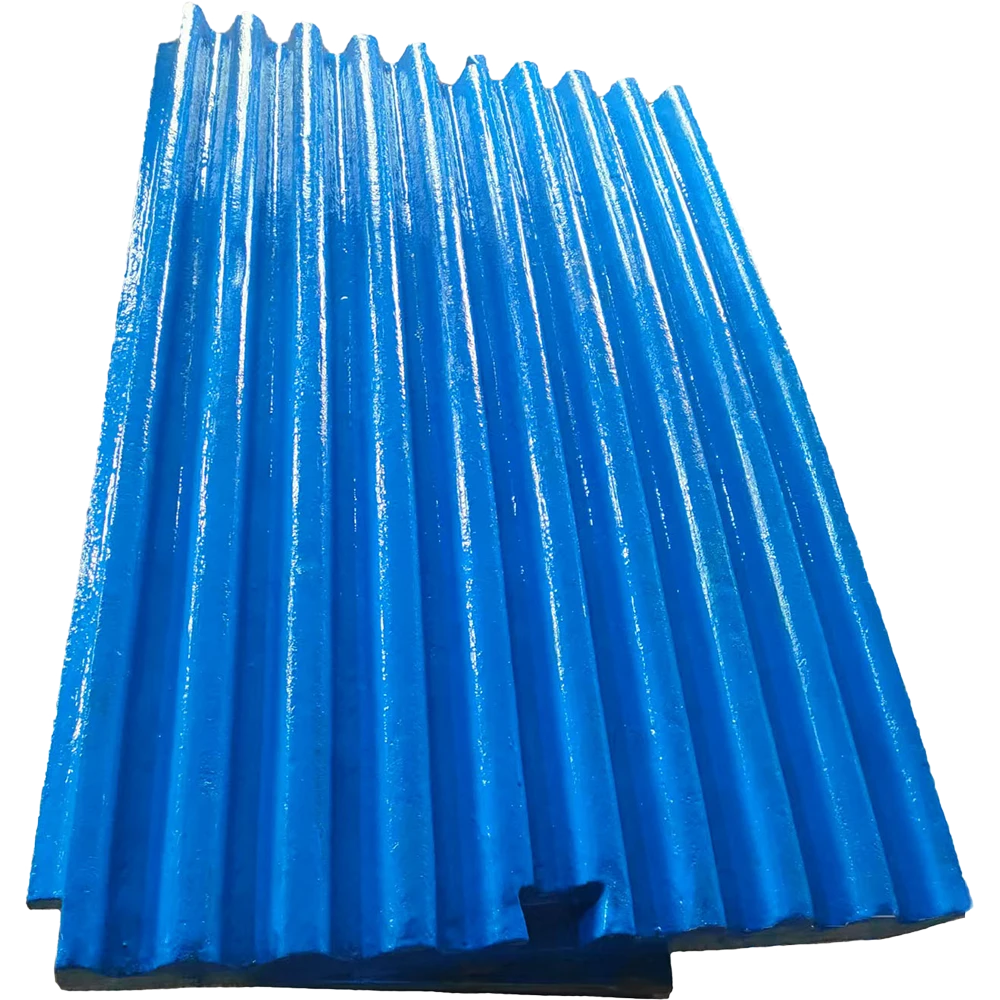
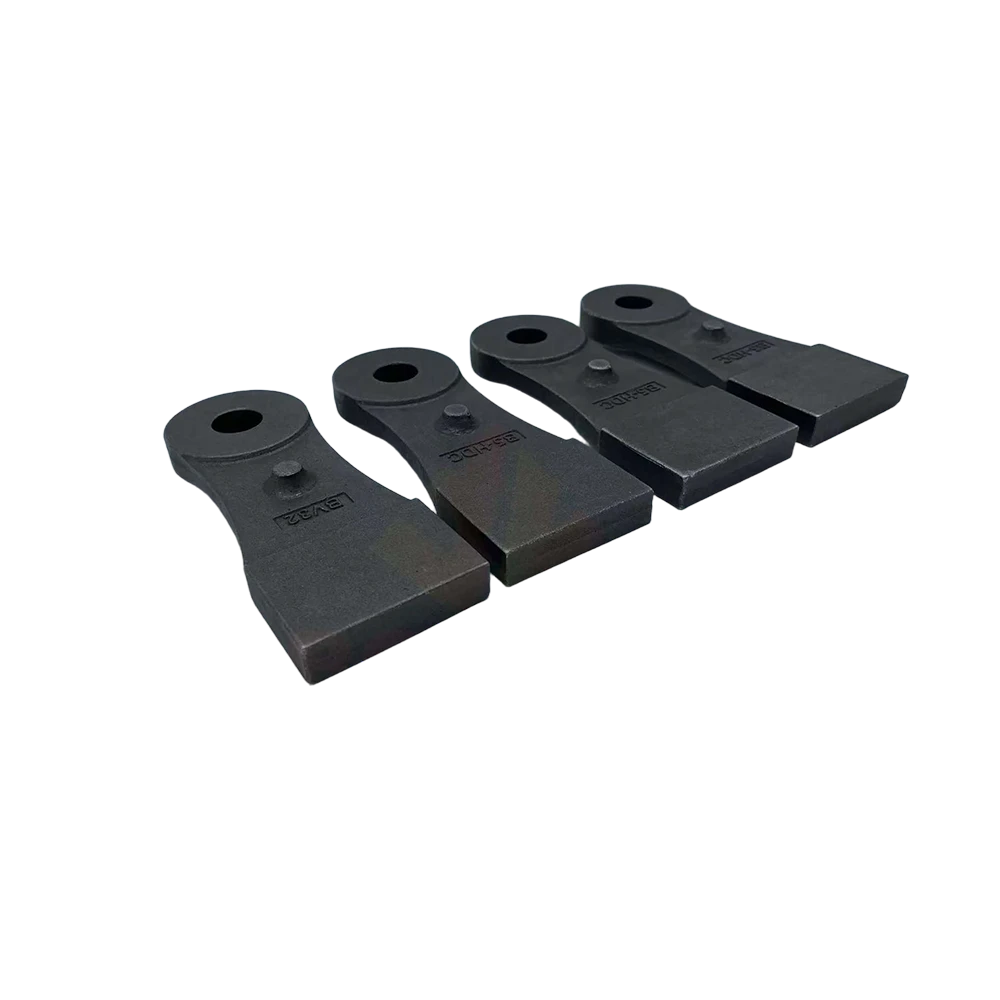
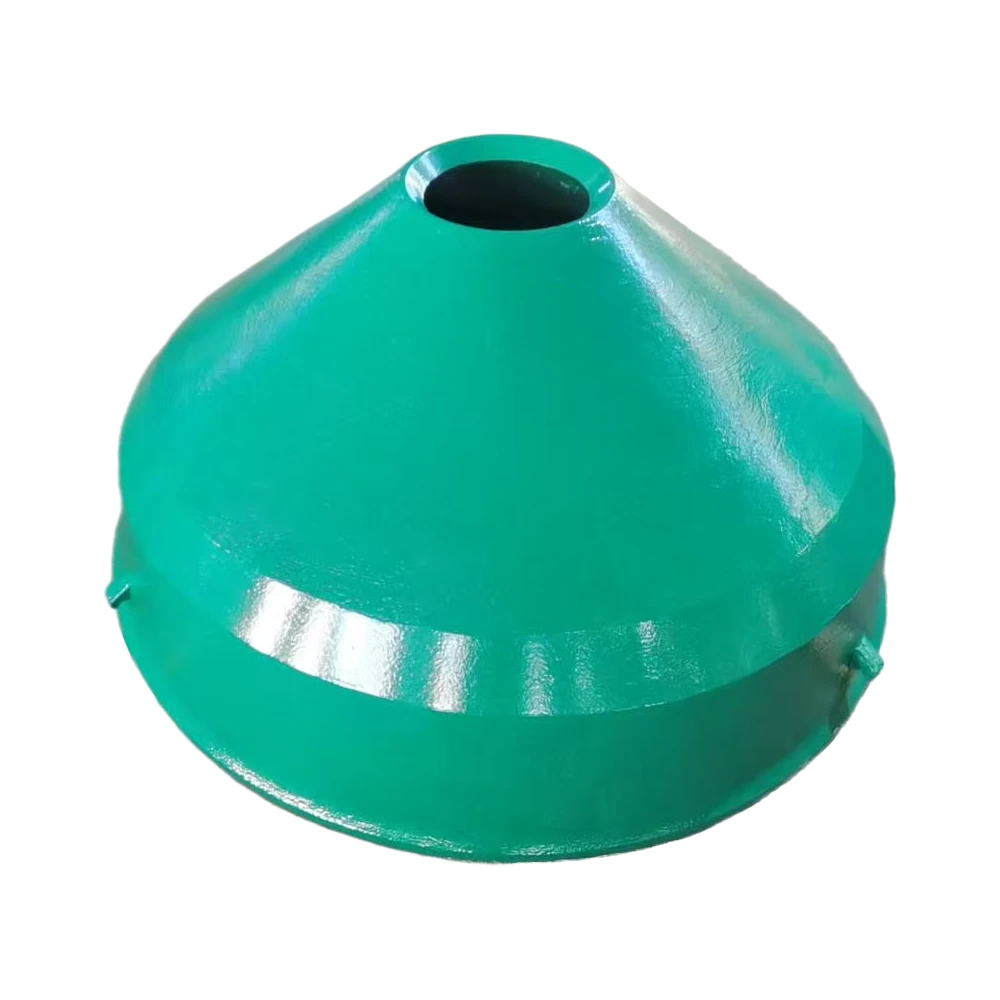
Put simply, a crusher hammer is a heavy-duty tool attached to crusher machines—typically hammer mills or impact crushers—that pulverizes stones, ores, and construction debris into smaller pieces.
Imagine a thick steel arm swinging rapidly to strike rocks 1000 times a minute or more, smashing them until they’re the right size for transport and further processing. This process allows materials to be shaped efficiently without manual labor.
Crusher hammers link industrial demands to practical solutions. They help convert bulky, unusable natural materials—like limestone, granite, or recycled concrete—into resources for building homes, bridges, and roads. So their robust design supports both construction and humanitarian efforts worldwide.
Key Factors Driving Crusher Hammer Performance
Durability and Material Composition
Crusher hammers endure extreme force and abrasion, so they’re usually made from alloy steels enhanced with manganese or chromium. These materials make them resistant to cracking and wear, prolonging lifespan.
Design and Size
The shape and size influence how energy is transferred to the material. Some hammers feature curved designs, improving impact efficiency and reducing material bounce-back, which optimizes crushing.
Cost Efficiency
While premium alloys cost more upfront, they reduce replacement frequency. A well-chosen hammer can dramatically cut maintenance budgets.
Scalability and Customization
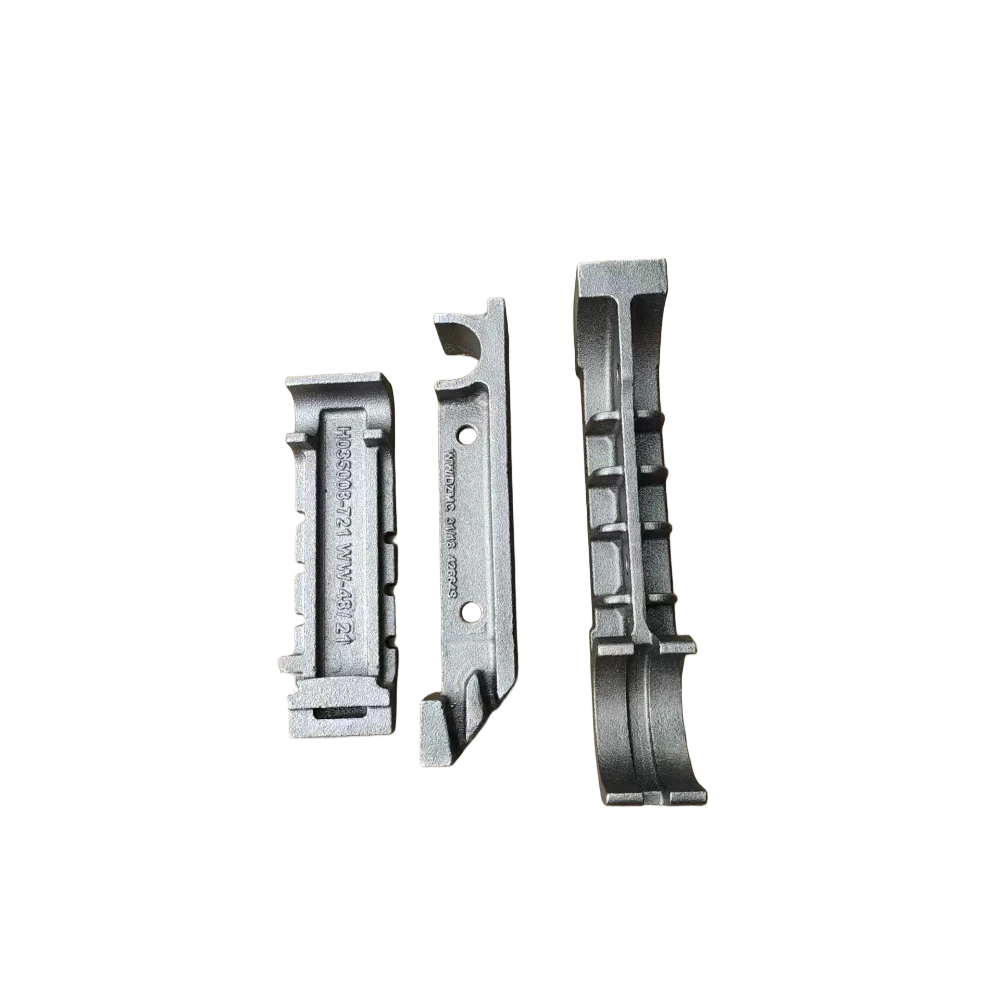
Manufacturers often provide different hammer sizes and mounting options to fit various crushers and scales, from small mobile units to heavy industrial plants.
Easy Maintenance and Replacement
Quick-change designs and modular components help reduce downtime during replacements, a critical factor for operational continuity.
Mini takeaway: The best crusher hammers balance strength, size, cost, and ease of use — each factor critical to efficient industry operations.
Global Applications: Where Crusher Hammers Make a Difference
- Mining Operations: Countries like Australia and Canada depend on robust crusher hammers to process ores and minerals, supporting raw material supply chains.
- Construction Aggregates: In booming urban centers such as Dubai and Shanghai, crusher hammers help provide crushed stone for roads and buildings.
- Recycling and Environmental Management: European nations heavily invest in crushing demolition waste. Durable crusher hammers improve recycling rates and reduce landfill use.
- Disaster Recovery: Post-earthquake rebuilding efforts in places like Nepal often rely on mobile crushing units equipped with specialized crusher hammers to clear debris.
Even remote regions with limited infrastructure benefit from rugged crusher hammers paired with portable crushers, facilitating local resource processing without massive logistics.
Advantages and the Long-Term Value of Investing in Quality Crusher Hammers
High-quality crusher hammers save money in the long run by reducing frequent replacements and unexpected downtime. This reliability translates into safer workplaces, as machinery runs smoothly and requires less intervention, minimizing accidents.
There’s a sustainability angle too. Efficient crushers consume less power and reduce waste, indirectly lowering carbon footprints in line with ISO 14001 environmental standards.
Plus, there’s a subtle but important emotional dimension: workers and operators trust their equipment more if it holds up under tough conditions. Without constant worry about breakdowns, morale improves, supporting better performance.
Future Trends Shaping Crusher Hammer Technology
Innovation doesn’t stop at rugged steel anymore. The future points toward:
- Advanced Materials: Using nanotechnology or ceramics to enhance wear resistance.
- Smart Sensors: Embedding chips to monitor wear and predict replacement times.
- Automation: Integrating crusher hammers with AI-controlled crushers optimizing energy use and output quality.
- Eco-Friendly Manufacturing: Reducing carbon emissions during casting and treatment processes.
These trends are aligned with the international drive for greener, smarter industrial equipment—a theme increasingly mandated by governments and buyers worldwide.
Challenges and Expert Solutions in Using Crusher Hammers
Common issues come down to wear rates under extremely abrasive conditions and machine compatibility. Poor mounting can lead to imbalance and faster destruction.
Experts recommend regular inspection schedules combined with choosing properly engineered hammers tailored for the specific crusher model and material processed. Customized heat treatments and surface coatings also extend life cycles.
There’s no perfect hammer for every situation, but close collaboration between manufacturers and users—for example, via crusher hammer providers—helps develop tailored solutions that perform reliably.
Frequently Asked Questions About Crusher Hammer
- What materials are crusher hammers usually made from?
- They are typically crafted from high-manganese steel alloys or chromium-alloyed steels, designed for impact strength and abrasion resistance.
- How often should crusher hammers be replaced in a mining operation?
- Replacement depends on workload and material abrasiveness, but typically every 3-6 months under heavy use to maintain efficiency and avoid damage.
- Can crusher hammers be customized for specific types of crushers?
- Yes, manufacturers often offer a range of hammer sizes and designs compatible with various crusher brands and models to optimize performance.
- Are advanced monitoring technologies for crusher hammers widely available?
- Smart wear sensors are emerging but not yet widespread. Leading manufacturers are integrating these to predict maintenance and reduce downtime.
- Is investing in premium crusher hammers worth the cost?
- Generally, yes. They last longer, reduce machine wear, and minimize downtime—offsetting the higher initial price over time.
Conclusion: Why a Crusher Hammer Is an Industry Game-Changer
Ultimately, the humble crusher hammer is a workhorse helping power critical sectors worldwide. It blends raw metal science with real-world practicality, translating into smoother operations, lower costs, and greener processes. For industries aiming at growth, sustainability, and resilience, investing in quality crusher hammers isn’t just smart—it’s essential.
Feel free to explore more about industry-leading models and solutions by visiting https://www.dzmccasting.com.
Crusher Hammer Product Specification Table
| Specification | Value |
|---|---|
| Material | High Manganese Steel (Mn 12-14%) |
| Weight Range | 20 to 150 kg per hammer |
| Wear Resistance | High (Improved by heat treatment) |
| Mounting Type | Bolt-on / Pin-mount |
| Operating Temperature | -40°C to 400°C |
| Typical Applications | Mining, Quarrying, Recycling |
Vendor Comparison of Crusher Hammer Suppliers
| Supplier | Material Quality | Customization Options | Lead Time | Price Range |
|---|---|---|---|---|
| DZM Casting | High-grade alloy steel | Fully customizable | 2-4 weeks | Mid to Premium |
| SteelTech Supplies | Standard manganese steel | Limited sizes | 3-5 weeks | Budget |
| Global Hammer Co. | Premium chrome alloy | Custom heat treatment available | 4-6 weeks | Premium |
Oddly enough, sometimes it’s not just the hammer alone but the whole crushing setup that makes the difference. Still, if your hammer’s not up to snuff, nothing else really matters.
References
-
High Performance oem cast heat resistant steel for Industrial UseNewsApr.16,2026
-
Guide to Selecting High Quality Cast Heat Resistant Steel AlloysNewsApr.09,2026
-
Custom Cast Heat Resistant Steel Solutions for High Temperature ApplicationsNewsApr.07,2026
-
Comprehensive Guide to Wholesale Cast Heat Resistant Steel for Industrial ApplicationsNewsApr.04,2026
-
Comprehensive Guide to High Performance Heat Resistant Metal Product SolutionsNewsMar.31,2026
-
Expert Guidance on Heat Resistant Metal Quotes and Alloy SelectionNewsMar.28,2026