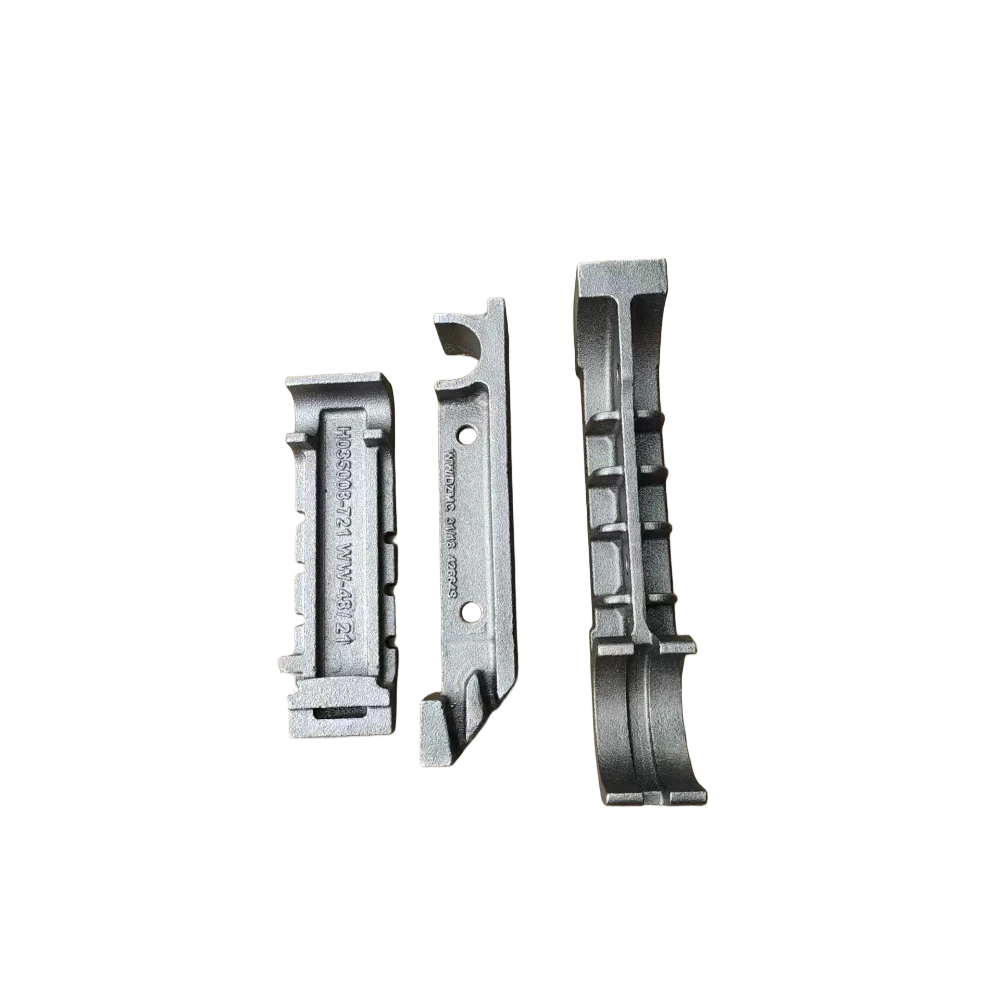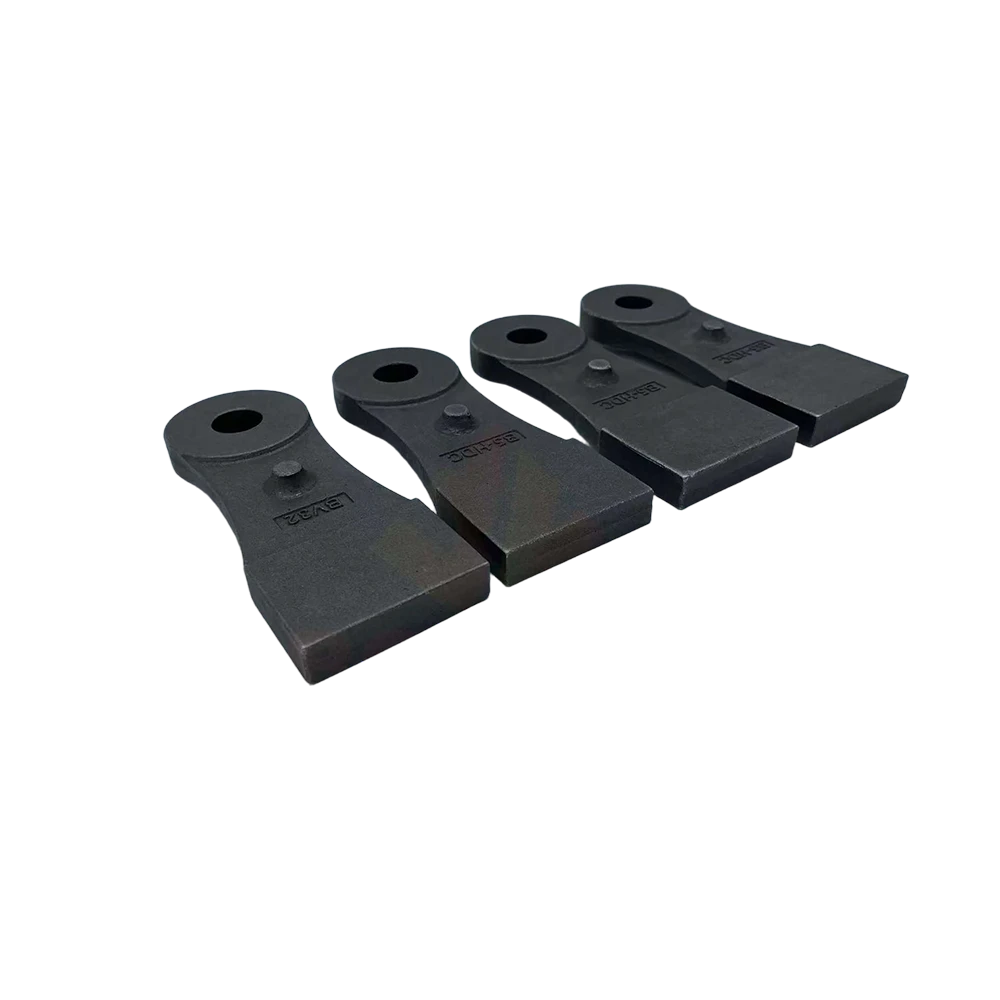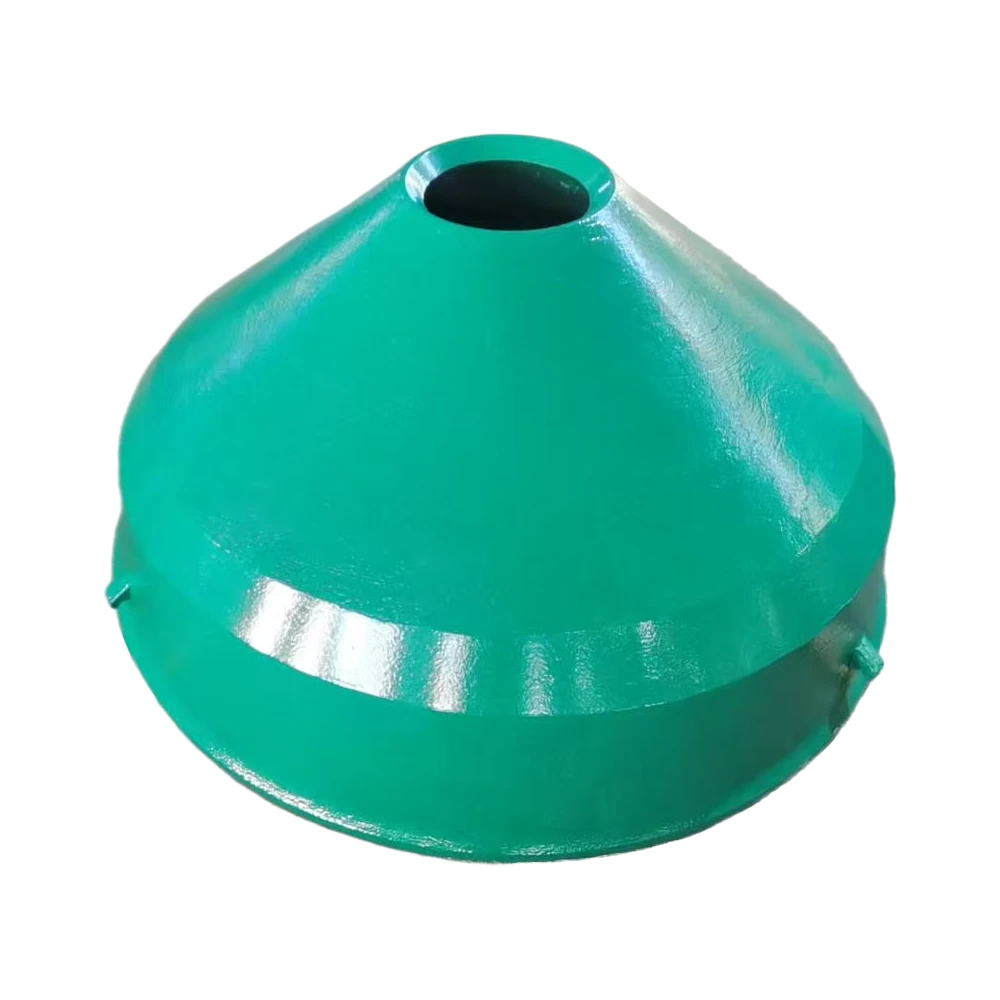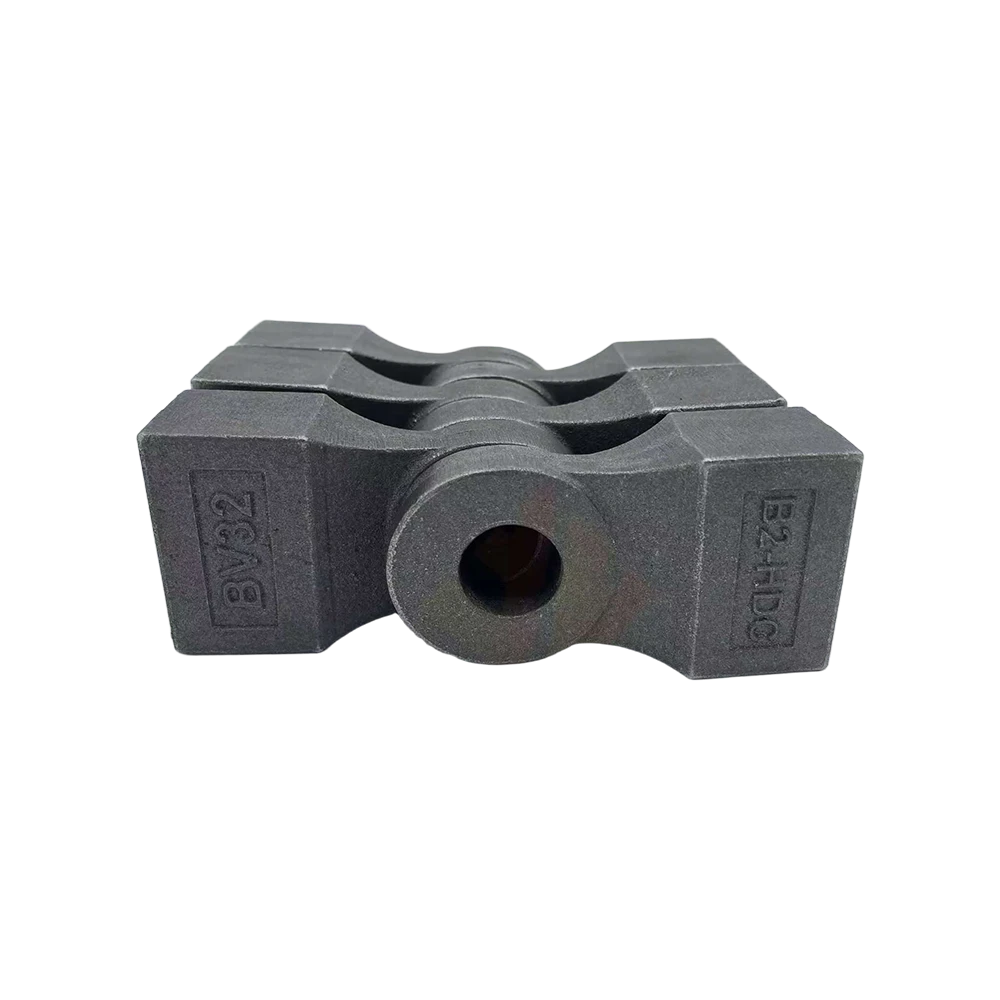
Cast Heat Resistant Steel Product – Durable Solutions for High-Temperature Industries
Understanding the Cast Heat Resistant Steel Product: A Global Industrial Asset
When we talk about cast heat resistant steel product, we're diving into a material that's quietly underpinning critical infrastructures worldwide — from power plants to heavy industry. This steel variant is engineered to endure extreme temperatures without losing strength or integrity, something that plain steel can't guarantee. As industries increasingly push the limits of performance and durability, understanding these products becomes essential not only for engineers and manufacturers but also for policymakers and environmental planners. Frankly, cast heat resistant steel plays a subtle yet powerful role in global economic sustainability and safety.
Global Context: Why Cast Heat Resistant Steel Matters
The importance of heat resistant steels is reflected in growing industrial demands and rising energy needs. According to the International Energy Agency (IEA), global energy consumption is projected to increase by 4.6% in 2024 alone, with many sectors requiring components that operate reliably at high temperatures. Steel that can withstand heat without warping or cracking reduces downtime, lowers maintenance costs, and enhances safety. The International Organization for Standardization (ISO) sets rigorous standards for these materials to ensure quality and performance across borders.
The challenge? Many standard steels fail quickly under thermal stress, reducing operational lifespan and raising potential hazards — which is precisely where cast heat resistant steel product comes into play.
Defining a Cast Heat Resistant Steel Product
Simply put, a cast heat resistant steel product is a steel component shaped through casting processes that contains alloying elements—chromium, nickel, molybdenum, and sometimes vanadium—which give it exceptional resistance to oxidation and deformation at elevated temperatures (often above 600°C/1112°F). These steel castings differ from wrought steels as their microstructure forms during solidification, resulting in unique mechanical properties tailored for challenging environments.
Such steel items are critical in manufacturing boilers, turbine parts, exhaust components, and even piping in petrochemical plants. They’re the unsung heroes in sectors essential for both industrial growth and humanitarian infrastructure, like energy generation and water treatment.
Key Aspects of Cast Heat Resistant Steel Product
1. Durability Under Thermal Stress
Heat resistant steels maintain creep strength and resist thermal fatigue. Oddly enough, their capacity to retain tensile strength while exposed to heat cycles can double the lifecycle compared to standard steel parts.
2. Corrosion and Oxidation Resistance
The alloying elements form protective oxide layers, preventing surface degradation in oxidative atmospheres. This is crucial in industries using fossil fuel or biomass combustion.
3. Castability and Complex Geometries
Since these products are cast, they can feature complex shapes and internal passages that traditional steel fabrication struggles with, allowing for innovative design in high-performance components.
4. Cost Efficiency Over Lifecycle
Though initial costs may be higher, the reduction in maintenance, unplanned shutdowns, and replacements make these products economically sound choices in demanding settings.
5. Compatibility With Automation and Smart Manufacturing
Recent advances incorporate digital molds and additive manufacturing integration, streamlining production and customization.
| Property | Value | Units |
|---|---|---|
| Chromium Content | 20-25 | % |
| Nickel Content | 10-15 | % |
| Maximum Operating Temp | 650 | °C |
| Creep Strength (100,000 hrs) | 45 | MPa |
| Density | 7.9 | g/cm³ |
Mini takeaway: The material intricacies of cast heat resistant steel products deliver an unbeatable combo of toughness and longevity, optimized for high heat applications. Understanding their specs helps engineers choose the right material for critical industrial components.
Global Applications and Real-World Use Cases
Cast heat resistant steel products prove indispensable across diverse industries worldwide. For example:
- Energy Sector: Power plants — coal, gas, and nuclear — use these steels in boilers, turbine blades, and heat exchangers. In Europe alone, nearly 70% of thermal power plants rely on heat resistant cast steel components, per recent industry reports.
- Petrochemical Industry: Refining and chemical processing gear withstand corrosive gases and high temperatures, often in Middle Eastern operations where conditions are harsh.
- Automotive and Aerospace: Exhaust manifolds and turbocharger components benefit from these steels’ resilient castings, especially within the increasingly demanding environment of electric-hybrid engines.
- Disaster Relief and Infrastructure: In remote or post-disaster industrial zones, durable heat resistant steel cast parts ensure critical infrastructure like water treatment and power generation keep functioning reliably.
An anecdote: I once visited a plant in Japan where the cast heat resistant steel valves had been in continuous operation for over a decade—no major repairs needed—standing proof of their long-term value.
Advantages and Long-Term Value
Opting for cast heat resistant steel product conveys more than just durability:
- Cost Savings: Reduced replacement frequency and lower unplanned downtime tilt the financial balance in favor of these steels.
- Sustainability: Longer lasting parts reduce waste and resource consumption, which is increasingly essential amid tightening environmental regulations.
- Safety and Reliability: Components that stand strong under heat stress directly translate to safer operations and less risk of catastrophic failure.
- Social Impact: Reliable energy and infrastructure improve quality of life, fostering dignity and trust within communities and industries alike.
So yes, this seemingly niche product has very real emotional and practical impacts in the broader human story.
Emerging Trends and Innovations
Looking ahead, the cast heat resistant steel product sector is evolving rapidly:
- Green Energy Integration: With growing emphasis on clean energy, steels adapted for new biofuel and concentrated solar power applications are in development.
- Digital Manufacturing: Additive manufacturing (3D metal printing) combined with traditional casting is improving precision and reducing lead times.
- Alloy Optimization: Researchers are experimenting with microalloying for even greater creep resistance and oxidation protection.
- Automation and Smart Systems: Sensor embedded components enable real-time monitoring to predict maintenance before failure.
It feels like this field is a vibrant intersection of traditional metallurgy and cutting-edge technology.
Challenges and Expert Solutions
Of course, nothing is perfect. Common issues include:
- Cost Prohibitions: The specialized alloying process and casting techniques can be expensive upfront.
- Material Defects: Casting flaws like porosity or inclusions require stringent quality controls.
- Recycling Complexity: Due to alloy compositions, recycling these steels isn’t straightforward.
Experienced vendors often solve these hurdles through meticulous process controls and collaborative custom engineering. For example, by selecting suppliers with advanced heat treatment capabilities, they significantly improve product quality and reduce defects.
| Vendor | Alloy Range | Quality Control | Customization | Typical Lead Time |
|---|---|---|---|---|
| DZMC Casting | 20Cr-25Ni, 15Mo | Advanced NDT, X-ray + Ultrasonic | High – custom shapes & sizes | 4-6 weeks |
| SteelCo International | 18Ni-22Cr | Standard QC | Moderate | 5-7 weeks |
| Global Metalworks | Custom Alloys | Comprehensive QC + Certification | Tailored services | 6-8 weeks |
FAQs About Cast Heat Resistant Steel Product
Q1: What industries benefit most from cast heat resistant steel products?
A: Industries like power generation, petrochemical refining, automotive exhaust systems, and aerospace use these products extensively due to their need for reliable, high-temp resistant components.
Q2: How long can a cast heat resistant steel product last under continuous industrial use?
A: With proper maintenance, these castings can last upwards of 10-15 years or more, often outliving comparable wrought steel parts in high-temperature applications.
Q3: Are cast heat resistant steel products environmentally sustainable?
A: Yes, their longevity reduces waste and resource consumption. Plus, manufacturers increasingly follow recycling and green manufacturing standards to minimize environmental impact.
Q4: Can I order a customized cast heat resistant steel product internationally?
A: Absolutely! Many vendors, such as cast heat resistant steel product manufacturers, offer global shipping and custom engineering support to suit specific project needs.
Conclusion and Call to Action
In real terms, investing in cast heat resistant steel products means choosing safety, reliability, and efficiency that lasts decades. Industries can minimize costly downtimes, improve sustainability, and propel innovation by relying on these specialized steels. If you’re looking to explore these high-performance materials further or source quality cast heat resistant steel components, I highly recommend visiting our website to discover the latest in casting technology and product options tailored to your needs.
Thanks for reading — hopefully, this demystifies why cast heat resistant steels quietly matter so much in the bigger picture.
Mini reflection: Cast heat resistant steel products are a fascinating fusion of ancient metalwork and cutting-edge industrial demands. Their quiet resilience in the background of modern life deserves more credit — and perhaps, a closer look by anyone involved in heavy industry or infrastructure.
- International Energy Agency (IEA). World Energy Outlook 2023. https://www.iea.org
- International Organization for Standardization (ISO). https://www.iso.org/standard/11103.html
- Wikipedia contributors. Heat-resistant steel. Wikipedia, The Free Encyclopedia. https://en.wikipedia.org/wiki/Heat-resistant_steel
-
High Performance oem cast heat resistant steel for Industrial UseNewsApr.16,2026
-
Guide to Selecting High Quality Cast Heat Resistant Steel AlloysNewsApr.09,2026
-
Custom Cast Heat Resistant Steel Solutions for High Temperature ApplicationsNewsApr.07,2026
-
Comprehensive Guide to Wholesale Cast Heat Resistant Steel for Industrial ApplicationsNewsApr.04,2026
-
Comprehensive Guide to High Performance Heat Resistant Metal Product SolutionsNewsMar.31,2026
-
Expert Guidance on Heat Resistant Metal Quotes and Alloy SelectionNewsMar.28,2026