China Heat Resistant Metal – Durable, Cost-effective Alloys for Industry
Understanding China Heat Resistant Metal: Why It Matters Today
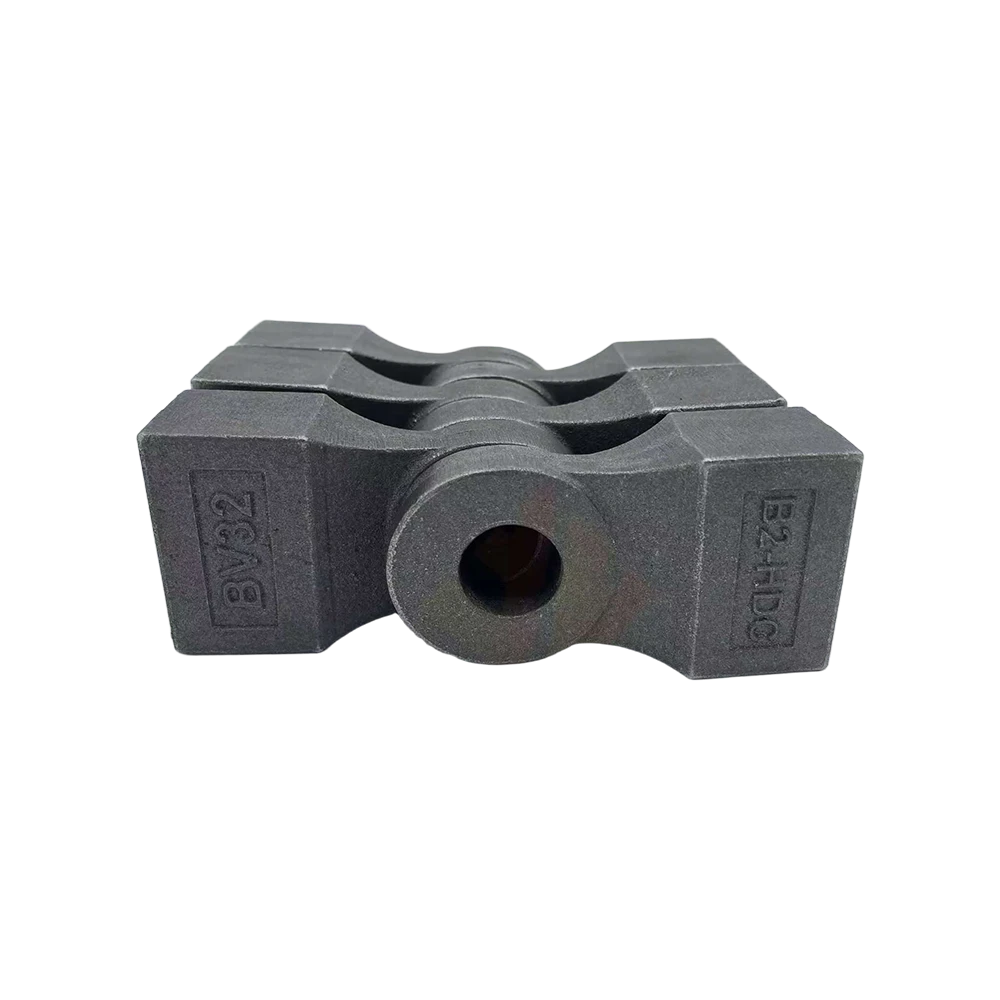
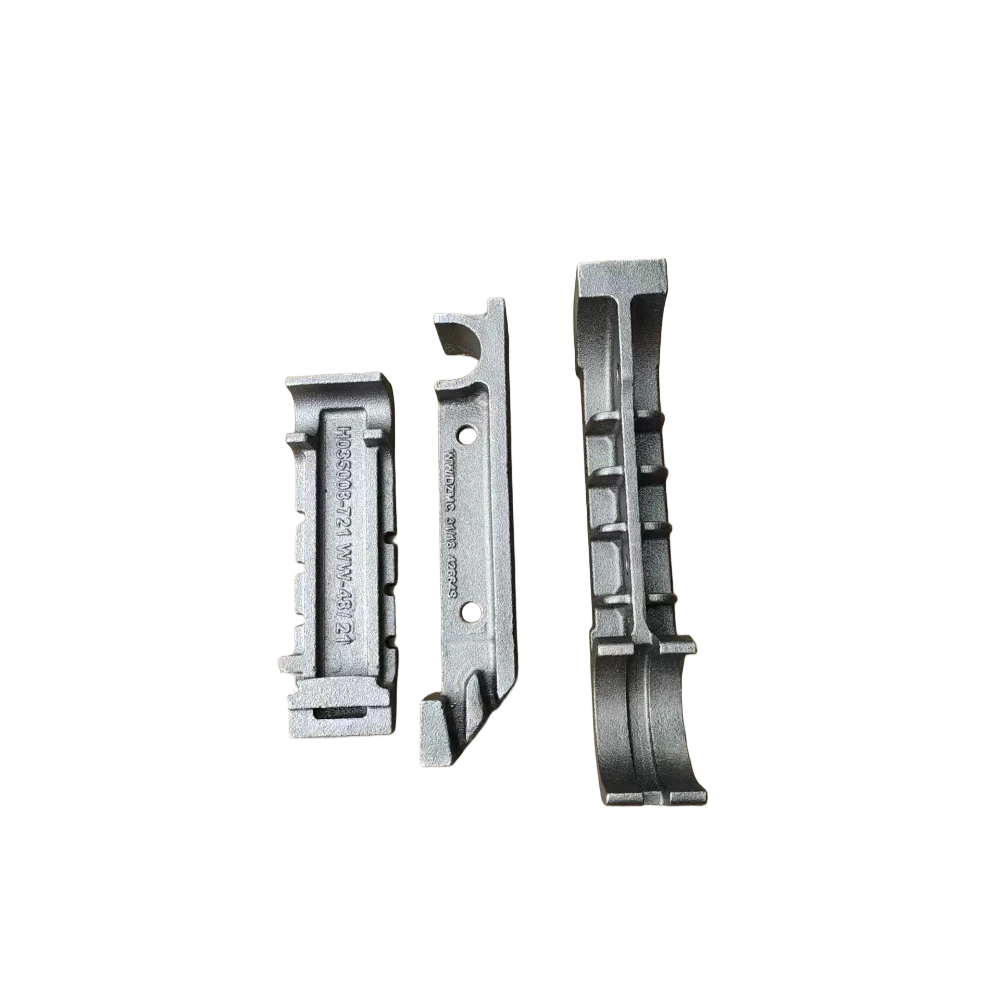
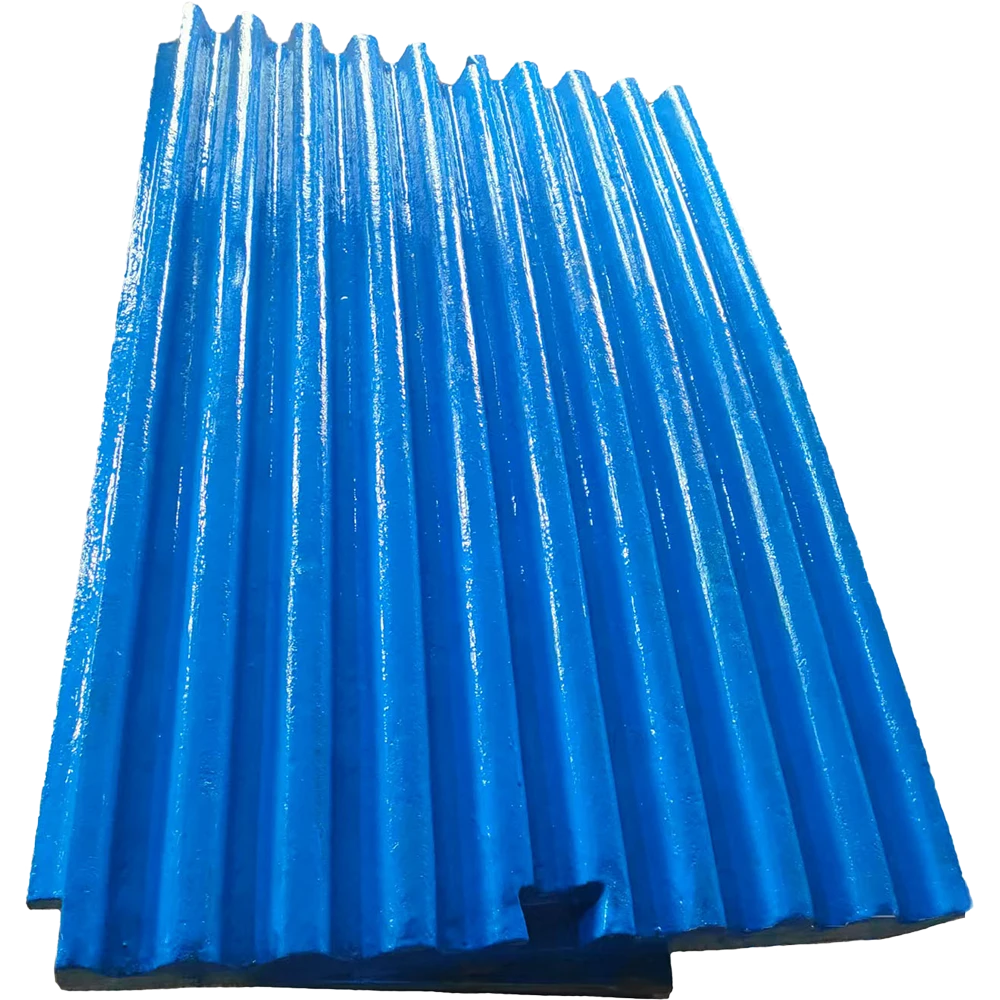
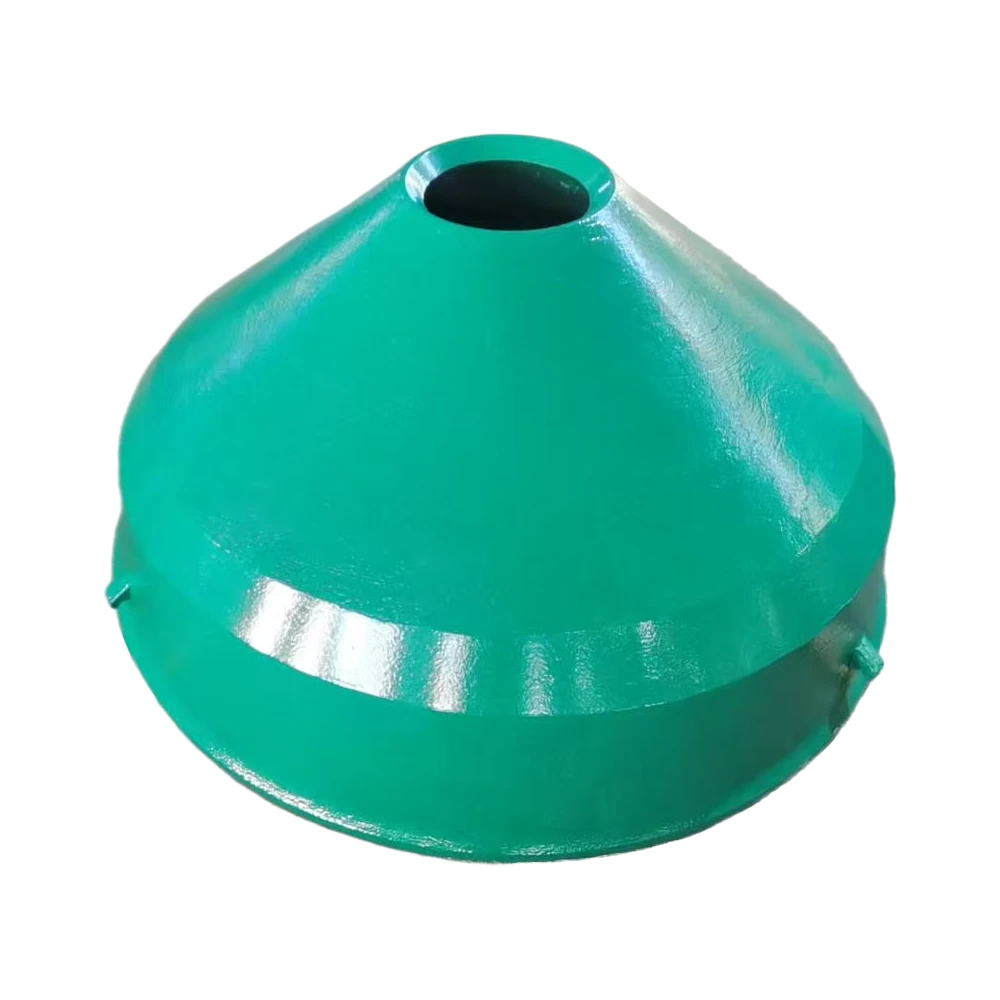
When we talk about china heat resistant metal, it’s more than just a material; it's a solution shaped by global industries’ growing demand for durability under extreme temperatures. From aerospace components to industrial machinery, these metals provide the backbone for safer, longer-lasting products that can withstand harsh heat conditions. Considering the rapid growth of manufacturing and heavy industries in China, understanding the nuances of these metals becomes critical—not only to engineers and manufacturers but also to international buyers seeking quality and cost-efficiency.
Global sustainability efforts also shine a spotlight on the longevity and recyclability of these metals, adding a new layer of importance. Frankly, it’s about more than just resisting heat—it’s about creating materials that keep industries running reliably without costing the earth.
The Global Context of China Heat Resistant Metal
China is currently a world leader in metal production, including specialty alloys capable of resisting extreme heat. According to data from the World Steel Association and industry reports, China accounts for roughly 50% of the global market share in heat-resistant steel manufacturing. With industrial operations spanning from petrochemicals to automotive, these metals address a serious challenge: how to maintain structural integrity under soaring temperatures without spiraling costs.
Heat-induced wear and failure in machinery components can cause delays or even catastrophic accidents. This is where china heat resistant metal comes into play, offering solutions to that key crunch point in industrial safety and efficiency.
What Exactly Is China Heat Resistant Metal?
In simple terms, heat resistant metals from China are specialty alloys designed to withstand temperatures typically above 500°C (932°F) without losing strength or deforming. They include grades of stainless steels, nickel alloys, and superalloys that resist oxidation and corrosion caused by high temperatures. This quality makes them indispensable in industries like aerospace, energy, and manufacturing.
At a broader level, these metals support humanitarian needs too—like prolonging the lifespan of equipment in disaster zones where repairs aren’t feasible fast, ensuring safety and reliability in extreme conditions.
Key Factors That Define Quality in Heat Resistant Metals
1. Durability Under Temperature Stress
Durability isn’t just toughness; it refers to a metal’s ability to maintain performance without fracturing or warping. China’s heat resistant metal often features added elements like chromium and molybdenum, boosting resistance to thermal stress.
2. Corrosion and Oxidation Resistance
Heat and oxidation are an insidious duo. A good heat resistant alloy doesn’t just survive the heat; it fights rust and surface degradation, making it ideal for chemical reactors or power plants.
3. Scalability and Supply Chain Readiness
China’s production capacity means these metals are available not just in tiny quantities for research but in bulk. This scalability is essential when industries demand consistent specs across thousands of units.
4. Cost Efficiency
Despite premium properties, China’s efficient manufacturing often results in competitive pricing. This means manufacturers worldwide can source quality metals without always paying a premium.
5. Compliance and Certification
Reputable Chinese suppliers ensure compliance with international standards like ISO 9001 and ASTM certifications, critical for global acceptance.
Mini Takeaway:
Choosing the right heat resistant metal is a balancing act: strength, corrosion resistance, scale, cost, and quality certification all matter equally.
Real-World Use Cases of Heat Resistant Metals from China
Industrially, these metals pop up across several continents:
- In Asia: Chinese-made heat resistant metals are pivotal in manufacturing electric furnace parts and gas turbines.
- Europe: Automotive companies source these alloys for engine components that face extreme thermal conditions.
- Middle East: Oil and gas sectors use these metals for pipelines and refinery parts resisting high heat during operations.
- Post-disaster Rehabilitation: Durable metals help in building temporary structures exposed to harsh sunlight and heat, especially in remote zones.
Oddly enough, even apparently mundane products like kitchen appliances sometimes employ these metals for better longevity.
Advantages of Using China Heat Resistant Metal
On a practical level, users benefit from:
- Extended durability leading to reduced maintenance costs.
- Improved safety thanks to resistance under thermal stress.
- Greater sustainability because longer-lasting metals reduce waste.
- A balance between cost efficiency and quality, making it viable for a wide range of budgets.
From an emotional perspective, engineers and end-users often express ‘peace of mind’ when relying on these metals for critical parts—trust is huge in high-stakes industries.
Product Specification Table: Typical China Heat Resistant Metals
| Property | Grade A (Stainless Steel 310S) | Grade B (Inconel 625) | Grade C (Titanium Alloy) |
|---|---|---|---|
| Max Operating Temp | 1150°C | 980°C | 600°C |
| Tensile Strength | 515 MPa | 690 MPa | 900 MPa |
| Corrosion Resistance | Good | Excellent | Good |
| Cost (USD/kg) | 5.5 | 20 | 18 |
| Common Applications | Furnace parts, heat exchangers | Gas turbines, aerospace | Marine, aerospace |
Comparing Leading Vendors of China Heat Resistant Metal
| Vendor | Product Range | Certifications | Lead Time | Export Markets | Custom Orders |
|---|---|---|---|---|---|
| Zhejiang Steel Corp. | Wide (Stainless, Nickel alloys) | ISO 9001, ASTM | 3-4 weeks | Asia, Europe, USA | Yes |
| Jiangsu Alloy Metals | Medium (Custom superalloys) | ISO 14001, ASME | 4-6 weeks | Europe, Middle East | Yes |
| Shandong Heat Metals | Narrow (Focus on titanium) | ISO 9001 | 2-3 weeks | Asia, USA | No |
Looking Ahead: Trends and Innovations in Heat Resistant Metals
Innovation in this field is fast-paced. Researchers are exploring high-entropy alloys and nano-coatings that can extend heat resistance even further while reducing weight. There’s also a push to improve recyclability in line with China’s new environmental policies. Automation in the production process means tighter quality control and faster delivery — which in turn ripples out to better supply chain resilience worldwide.
Challenges Faced and How They’re Overcome
Heat resistant metals are not silver bullets. Issues like brittleness at very high temperatures and cost spikes for rare alloying elements challenge manufacturers. To combat these, composite materials and hybrid alloys are being developed, offering a middle ground between cost and performance. Also, close partnerships between suppliers and users help tailor products so they don’t overengineer or waste resources.
FAQ: Common Questions About China Heat Resistant Metal
Q1: How do I ensure a supplier’s heat resistant metal meets international standards?
A: Always ask for certification documents like ISO 9001, ASTM, or ASME. Most reputable Chinese vendors provide testing reports and comply with export regulations.
Q2: What industries benefit most from heat resistant metals sourced from China?
A: Aerospace, automotive, energy (especially oil and gas), manufacturing, and even kitchen appliance makers find these metals invaluable.
Q3: Can heat resistant metals from China be customized?
A: Yes, many vendors accept custom alloy compositions and sizes, especially for bulk orders. It’s advisable to discuss material specifications upfront.
Q4: Are these metals recyclable and environmentally friendly?
A: Generally yes—most heat resistant metals are recyclable. China is pushing more sustainable manufacturing methods, improving overall environmental impact.
In Conclusion: Why China Heat Resistant Metal Is a Smart Choice
Investing in quality heat resistant metals from China can feel like a balancing act at first, but the long-term payoff—durability, safety, and cost-efficiency—is well worth it. Whether you’re building jet engines or reinforcing industrial plants, these metals are evolving alongside global needs for resilience and sustainability. For those interested in digging deeper or sourcing directly, visit our website: https://www.dzmccasting.com to find trusted partners and detailed info.
Quick Summary:
- Global relevance: China dominates production of heat resistant metals with worldwide market impact.
- Core qualities: Durability, corrosion resistance, scalability, and cost-efficiency are key.
- Widespread use: Applied in aerospace, energy, automotive, and humanitarian equipment.
- Innovation ongoing: New alloys and sustainable manufacturing methods underway.
References
-
High Performance oem cast heat resistant steel for Industrial UseNewsApr.16,2026
-
Guide to Selecting High Quality Cast Heat Resistant Steel AlloysNewsApr.09,2026
-
Custom Cast Heat Resistant Steel Solutions for High Temperature ApplicationsNewsApr.07,2026
-
Comprehensive Guide to Wholesale Cast Heat Resistant Steel for Industrial ApplicationsNewsApr.04,2026
-
Comprehensive Guide to High Performance Heat Resistant Metal Product SolutionsNewsMar.31,2026
-
Expert Guidance on Heat Resistant Metal Quotes and Alloy SelectionNewsMar.28,2026