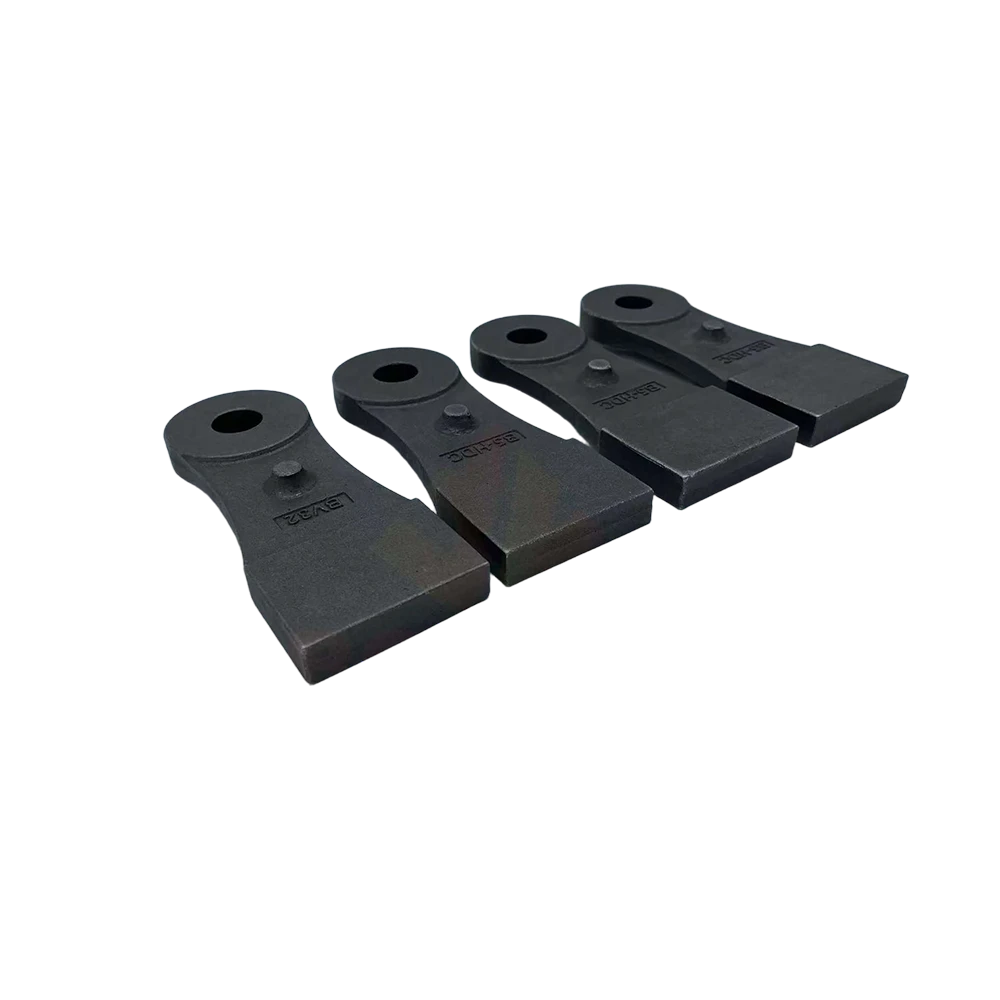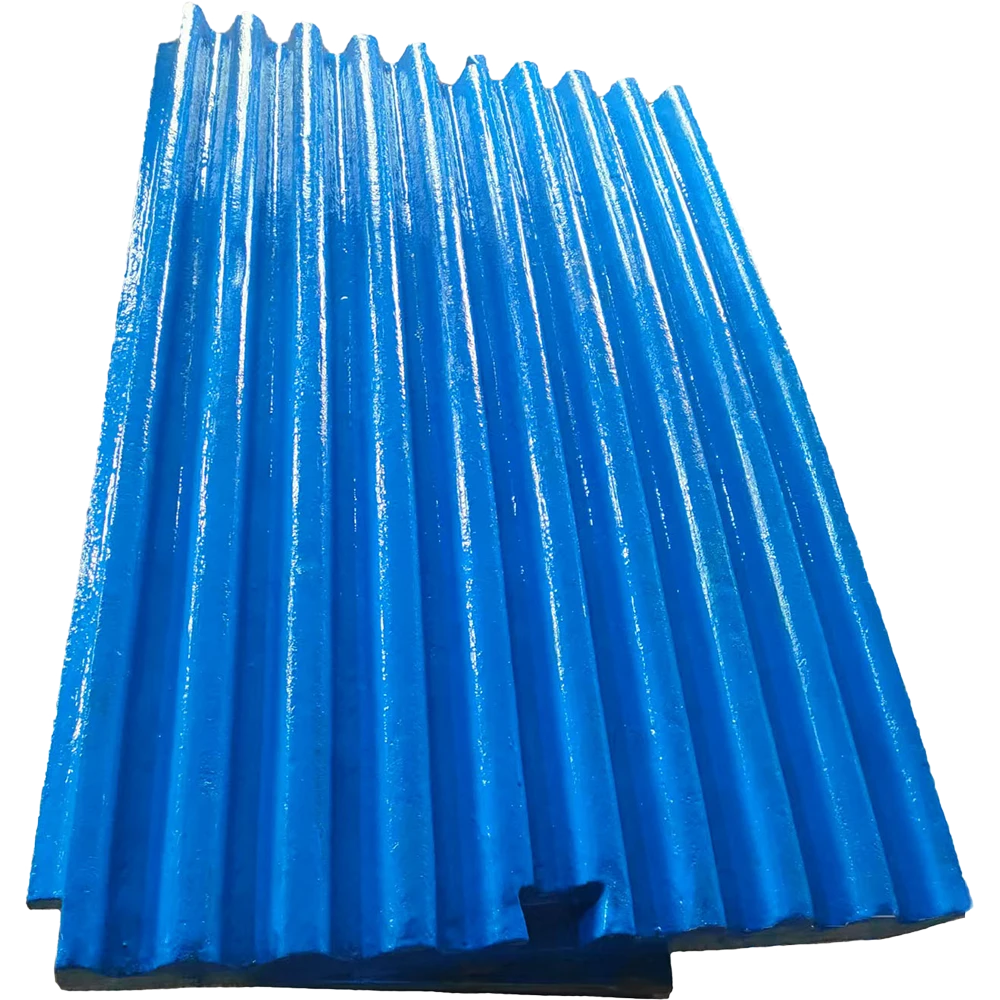
Wholesale Heat Resistant Metal: Industrial Strength & Global Applications
Understanding Wholesale Heat Resistant Metal: Why It Matters Globally
If you’ve ever wondered what keeps the engines of industry running smoothly even under extreme heat, you’re brushing against the world of wholesale heat resistant metal. At its core, it’s about materials designed to withstand high temperatures without losing their structural integrity. This isn’t just niche industrial jargon. It’s a vital global commodity powering everything from aerospace to power plants, helping humanity take on some of its hottest, most demanding challenges.
Why does it matter worldwide? Because as industries grow, especially in emerging markets, the demand for metals that resist heat — and do so reliably and affordably in bulk — has exploded. That means better infrastructure, longer-lasting machinery, and ultimately, safer working conditions. It’s often the unsung hero of modernization.
Mini takeaway: Wholesale heat resistant metal is the backbone for industries dealing with extremes, ensuring durability and innovation across the globe.
The Global Context of Wholesale Heat Resistant Metal
In today's interconnected economy, the need for heat resistant metals only grows. According to the International Organization for Standardization (ISO), industrial sectors like automotive, aerospace, and energy production have seen a roughly 15% annual growth in demand for such metals over the past five years.
UN data further highlights that heat induced material failures cause billions of dollars in industrial losses each year, pointing to a clear problem: industries need metals that can sustain intense heat loads. This isn’t just a technical issue but an economic and safety challenge worldwide.
Plus, with global temperatures rising and energy sectors pushing toward greener power sources — think geothermal, solar thermal plants — the need for wholesale supply of dependable heat resistant metal is more immediate than ever. Without it, their core components would fail prematurely.
Mini takeaway: Wholesale heat resistant metals address critical industrial pain points worldwide, bolstering economic resilience and safety.
What Exactly Is Wholesale Heat Resistant Metal?
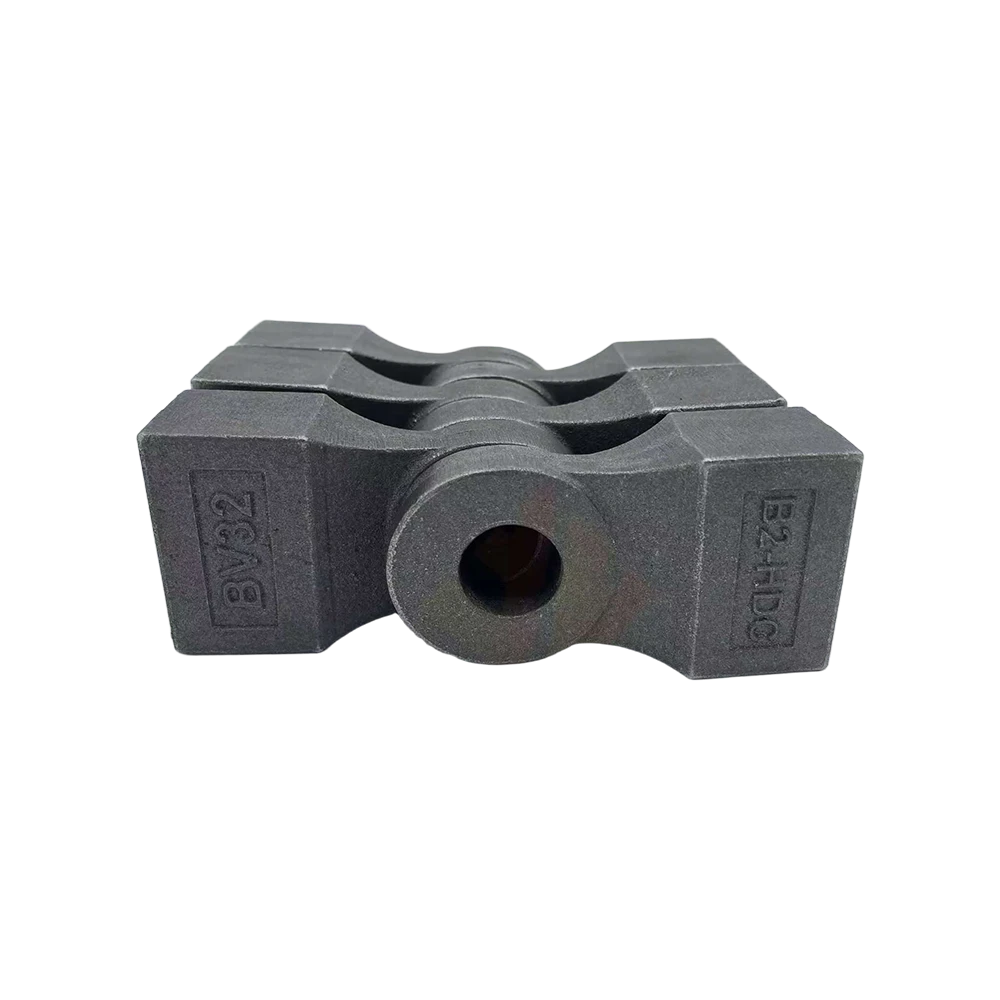
At heart, wholesale heat resistant metal refers to metals and alloys sold in large quantities that maintain strength, shape, and composition at elevated temperatures — often above 500°C (about 932°F). Think stainless steels, Inconels, chromoly steels, and some specialized titanium alloys. They can resist oxidation, corrosion, and physical deformation under heat stress.
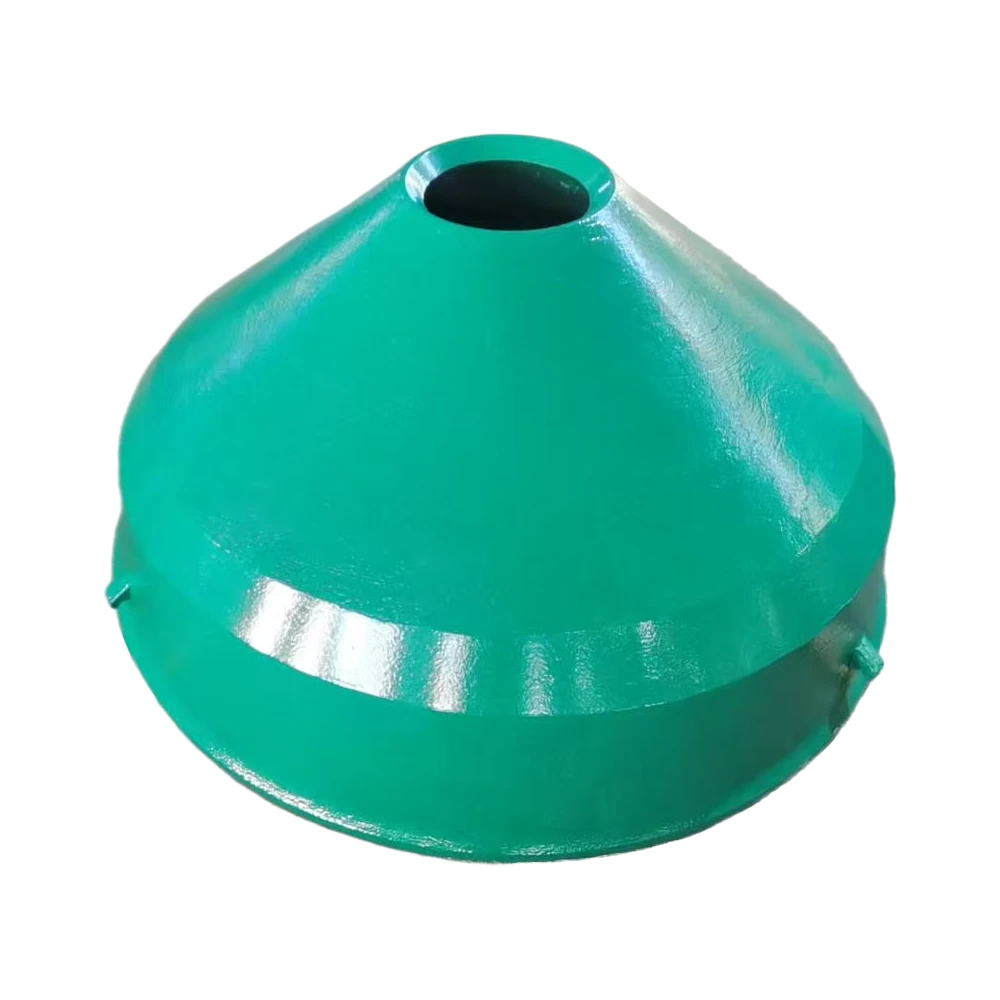
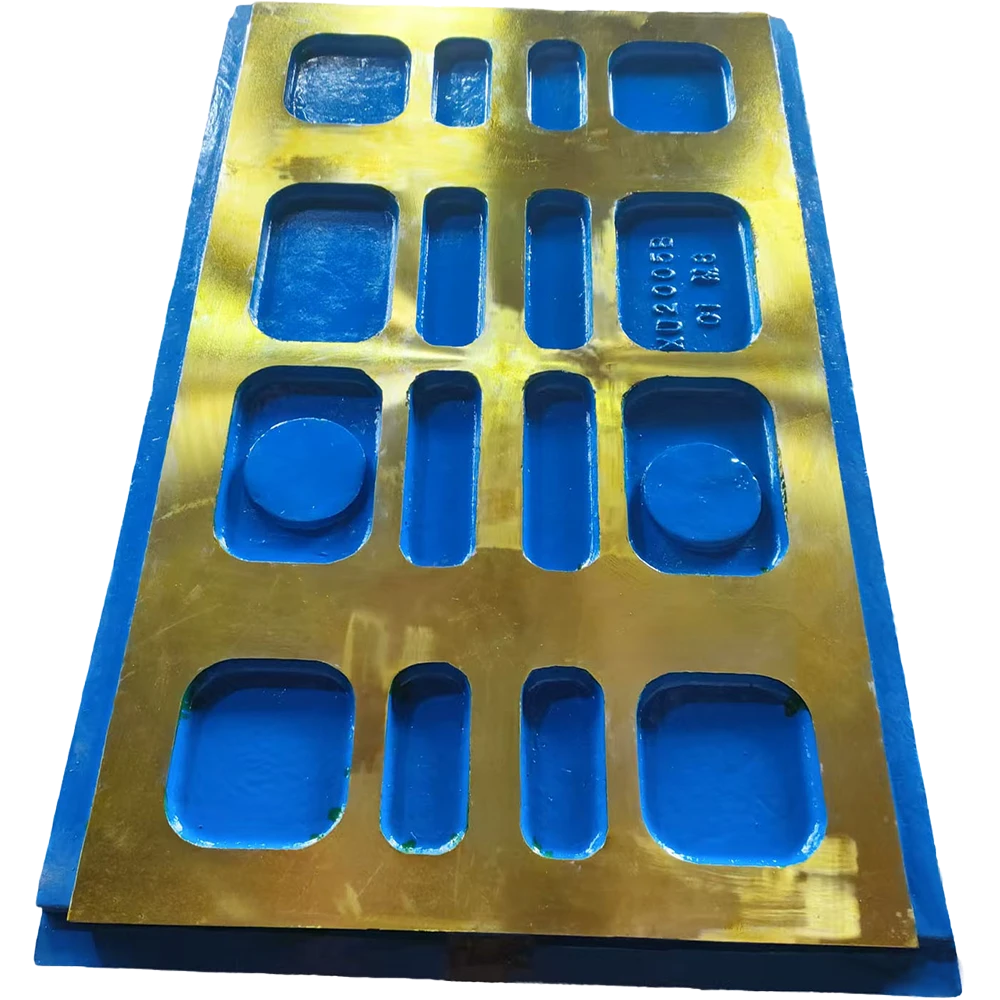
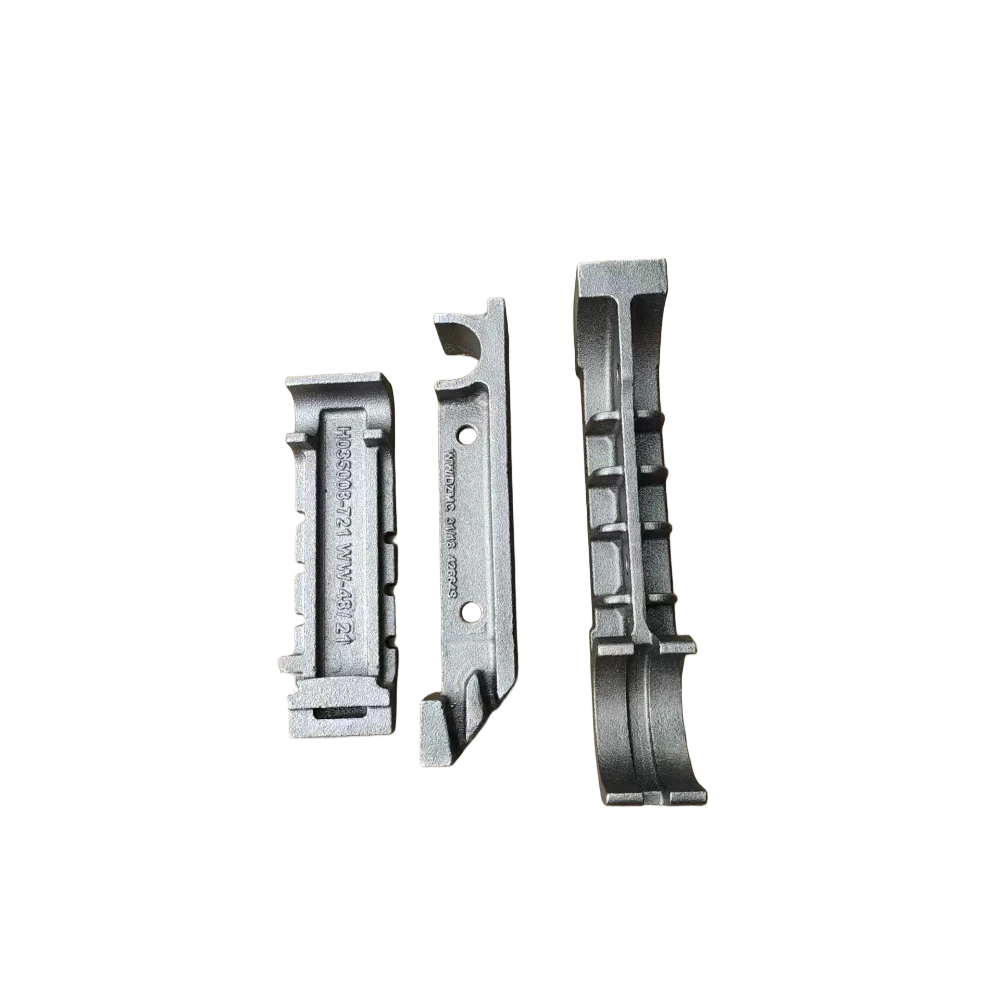
Why wholesale? Because industries require these metals in large volumes — whether raw sheets, rods, or castings — to build machinery, tools, or structural parts designed for heat-heavy environments. It bridges the gap between small-scale customization and mass industrial application.
Interestingly, these metals also serve in humanitarian and infrastructure projects where durable, heat resistant materials enable rapid, scalable deployment — for example, in building reliable emergency power systems or durable cooking stoves in vulnerable regions.
Mini takeaway: Wholesale heat resistant metal is large-scale supply of heat-toughened metals key to modern industrial and humanitarian use.
Key Characteristics Defining Heat Resistant Metals
1. Durability Under High Temperature
Durability is king. Metals must resist warping, cracking, or softening under heat. This directly influences lifespan and safety — say for turbine blades in a power plant. Durability goes hand-in-hand with resistance to oxidation and corrosion, crucial for metals exposed to air or chemicals at high temps.
2. Thermal Conductivity & Expansion
How a metal conducts heat and expands with temperature changes affects application choice. Some industries want low thermal expansion to avoid stress fractures; others need high conductivity to dissipate heat efficiently.
3. Cost Efficiency at Scale
The wholesale aspect means balancing tech specs with price. It’s no use if a metal performs marvelously but costs a fortune — especially in big projects or developing economies. Many manufacturers tweak alloy contents for an optimal cost-performance ratio.
4. Ease of Fabrication
Whatever the heat resistance, the metal must still be machinable, weldable, or castable. Complexity in production adds to cost and timeline — which is a real concern for industries meeting tight deadlines.
5. Availability and Supply Chain Reliability
Finally, dependable access to these metals, especially in wholesale quantities, is a factor often overlooked. Supply disruptions can delay entire projects or increase costs considerably.
Mini takeaway: Durability, thermal properties, cost, fabrication ease, and steady supply form the practical pillars of wholesale heat resistant metals.
Global Applications: Where Does Wholesale Heat Resistant Metal Show Up?
It’s everywhere. Take aerospace — jet and rocket engines rely heavily on nickel-based superalloys to survive blistering combustion temperatures. In power plants, heat resistant alloys form steam turbine components and heat exchangers, running the world's electricity grids.
Manufacturing and processing industries use these metals in furnaces, kilns, and heavy machinery. In automotive, turbochargers and exhaust systems need materials that won’t fail under thermal stress.
Heat resistant metals also play a growing role in infrastructure for renewable energy — especially solar thermal power providers in sunny regions like parts of the US, Middle East, and Australia. Humanitarian organizations even use heat resistant metals in manufacturing portable high-efficiency cookstoves, limiting indoor pollution.
One real-world note: manufacturers in China and India have scaled wholesale heat resistant metal production to supply these vast markets, underscoring not only regional demand but the global interconnectedness of supply chains.
Mini takeaway: From jet engines to cookstoves, countless sectors and regions rely on wholesale heat resistant metals for innovation and safety.
Practical Product Specification Table
| Material Type | Max Operating Temp (°C) | Thermal Expansion (μm/m·K) | Corrosion Resistance | Common Uses |
|---|---|---|---|---|
| Inconel 718 | 700 | 13.0 | Excellent | Aerospace turbines, nuclear reactors |
| 304 Stainless Steel | 870 | 17.2 | Good | Heat exchangers, food processing |
| Chromoly Steel (SAE 4130) | 490 | 12.7 | Moderate | Automotive parts, pipelines |
Advantages and Long-Term Impact of Buying Wholesale Heat Resistant Metal
Choosing wholesale heat resistant metal is about more than just bulk savings—which are, frankly, significant. It’s about securing long-term reliability. When a construction company buys these metals in volume, it’s betting on fewer repairs, less downtime, and safer facilities.
Sustainability is increasingly part of the conversation too. Metals that last longer reduce waste, lower refurbishment needs, and often contribute to more energy-efficient operations. For example, using better heat resistant metals in power plants can improve efficiency, cutting fuel consumption and emissions — a win for business and planet.
On a more human level: these metals enable safer workplaces and infrastructure that supports life even in extreme conditions, giving communities dignity through dependable technology.
Mini takeaway: Bulk procurement of heat resistant metal drives cost savings, sustainability, and workplace safety—a true triple bottom line impact.
Emerging Trends: What’s Next for Wholesale Heat Resistant Metal?
The future is shiny — literally. New alloys, often with nano-scale engineered structures, are pushing temperature thresholds even higher while conserving weight. This benefits the aerospace and automotive sectors making lighter, hotter-running engines.
Digitization and automation in metal fabrication improve quality control for bulk buyers, reducing defects and waste. Also, green manufacturing methods—like electric arc furnaces powered by renewables—are gaining traction, aligning with international sustainability goals.
On the policy side, stricter environmental regulations worldwide demand materials that reduce carbon footprints during production and operation. This pushes innovation and demand for better wholesale heat resistant metals.
Mini takeaway: The industry heads toward smarter, greener, and higher-performance metals, packaged for wholesale buyers ready to future-proof their operations.
Challenges in Sourcing and Using Wholesale Heat Resistant Metals
Of course, no journey is without bumps. Price volatility, especially for nickel and other alloying elements, can disrupt budgets. Supply chain bottlenecks have become all too common since the pandemic.
Moreover, complex fabrication sometimes requires specialized skills or equipment, limiting where these metals can be used cost-effectively.
Experts increasingly recommend smart inventory management and diversified sourcing strategies. Some suppliers now offer pre-fabricated modules or semi-finished goods to cut processing time post-delivery.
Mini takeaway: Awareness of market risks paired with innovative sourcing and fabrication solutions can largely offset wholesale heat resistant metal challenges.
Frequently Asked Questions About Wholesale Heat Resistant Metal
- Q: How can I verify the quality of wholesale heat resistant metals before buying?
- A: Always request certifications, like ISO 9001 or ASTM compliance, from your supplier. Additionally, ask for heat treatment reports and material test certificates (MTCs). When possible, auditing suppliers or sourcing from reputed vendors ensures you get what you pay for.
- Q: Are wholesale heat resistant metals customizable for specific industrial applications?
- A: Yes. Many manufacturers offer alloy tweaks or prefabrication services to tailor metals for particular temperatures, stress, or corrosion needs. It’s best to discuss your exact requirements upfront to secure the right specs in bulk.
- Q: How long can heat resistant metals last in heavy industrial use?
- A: Lifespan varies based on conditions but high-quality alloys in well-maintained environments often last 10–30 years. When leveraged smartly in design and maintenance, wholesale supply supports long-term reliability.
- Q: Is ordering wholesale metals internationally complicated for businesses?
- A: It can be, especially with customs, tariffs, or transport risks. Partnering with experienced vendors or brokers skilled in international logistics helps smooth the process. Many suppliers support global shipping and offer documentation assistance.
Conclusion: Why Wholesale Heat Resistant Metal Is Worth Your Attention
At the end of the day, wholesale heat resistant metal is not just a commodity — it’s a cornerstone of industrial progress, safety, and sustainability. Whether building a state-of-the-art turbine or scaling humanitarian aid projects, having dependable heat resistant metals in plentiful supply makes a tangible difference.
As industries evolve, so too will demand and innovation in these metals. Staying informed and connected will keep your operations ahead of the curve.
Curious to explore options or get technical advice? Visit our website: wholesale heat resistant metal — we’re here to help you find the perfect match.
Vendor Comparison Table
| Vendor | Product Range | Pricing Model | Certification | Delivery Capability |
|---|---|---|---|---|
| DZM Casting | Broad: Inconel, Stainless, Custom Alloys | Competitive volume discounts | ISO 9001, ASTM certified | Global shipping, 2–4 weeks |
| Global Alloys Ltd. | Specialize in superalloys and nickel-based metals | Volume-based pricing with minimum orders | ISO 14001 environmental certified | Regional warehouses in Europe & Asia |
| HeatTech Metals | Niche alloys for aerospace and medical sectors | Premium pricing for tailored products | NADCAP-approved manufacturing | Limited global delivery, urgent orders |
All in all, the world of wholesale heat resistant metal is rich and evolving, held together by the needs of industries that won’t compromise on quality or safety — and at the scale that modern economies demand.
References
-
High Performance oem cast heat resistant steel for Industrial UseNewsApr.16,2026
-
Guide to Selecting High Quality Cast Heat Resistant Steel AlloysNewsApr.09,2026
-
Custom Cast Heat Resistant Steel Solutions for High Temperature ApplicationsNewsApr.07,2026
-
Comprehensive Guide to Wholesale Cast Heat Resistant Steel for Industrial ApplicationsNewsApr.04,2026
-
Comprehensive Guide to High Performance Heat Resistant Metal Product SolutionsNewsMar.31,2026
-
Expert Guidance on Heat Resistant Metal Quotes and Alloy SelectionNewsMar.28,2026