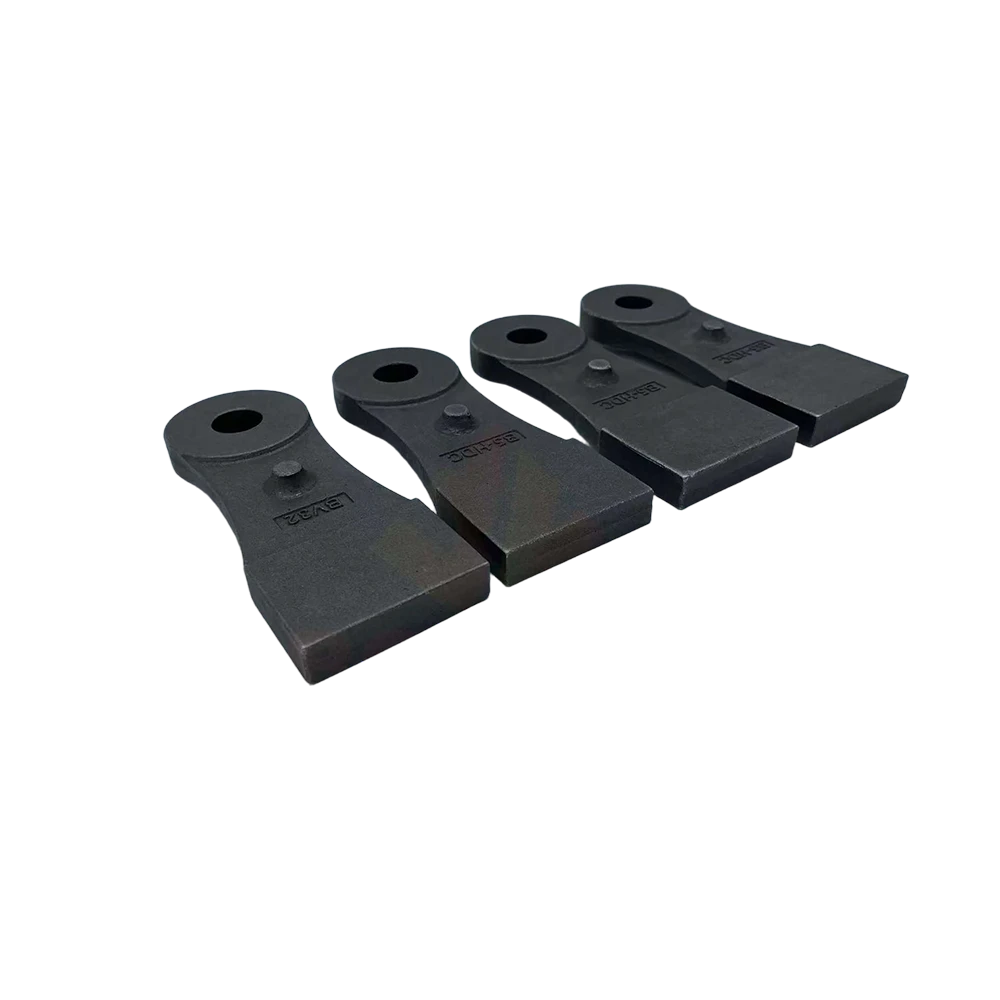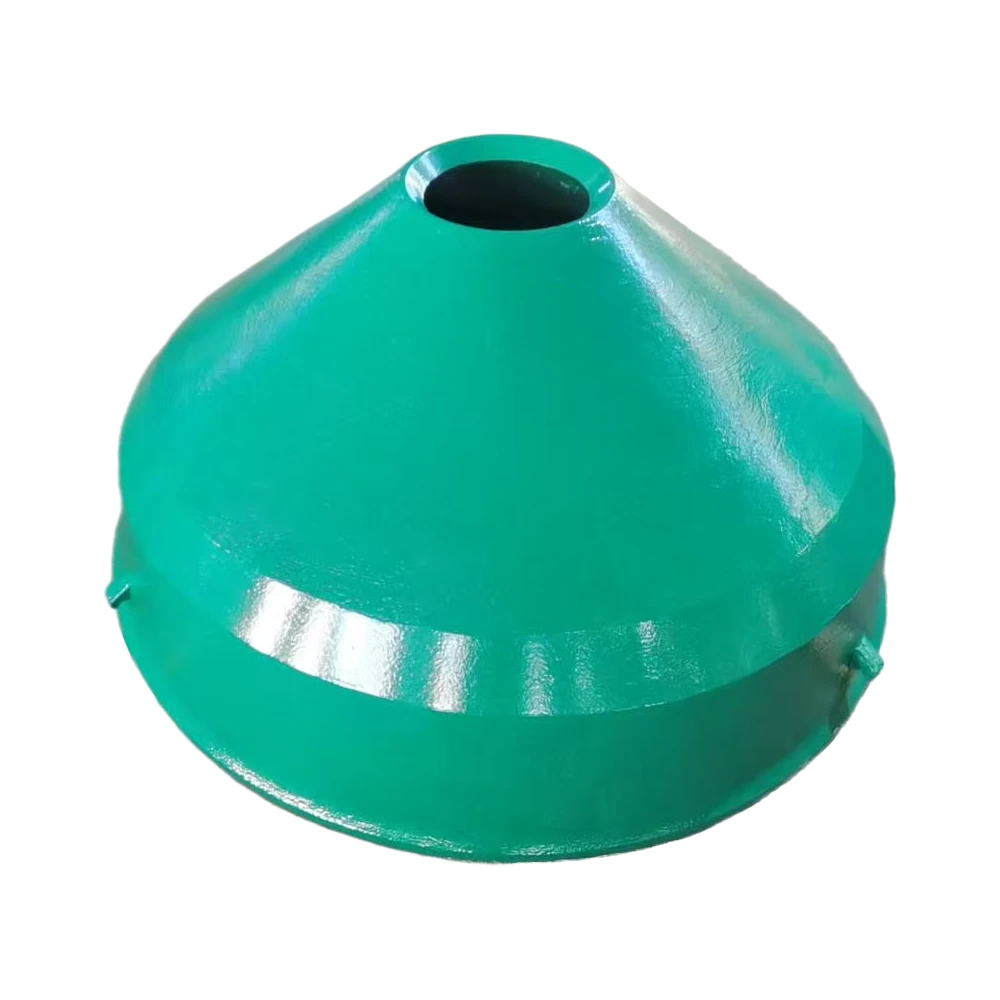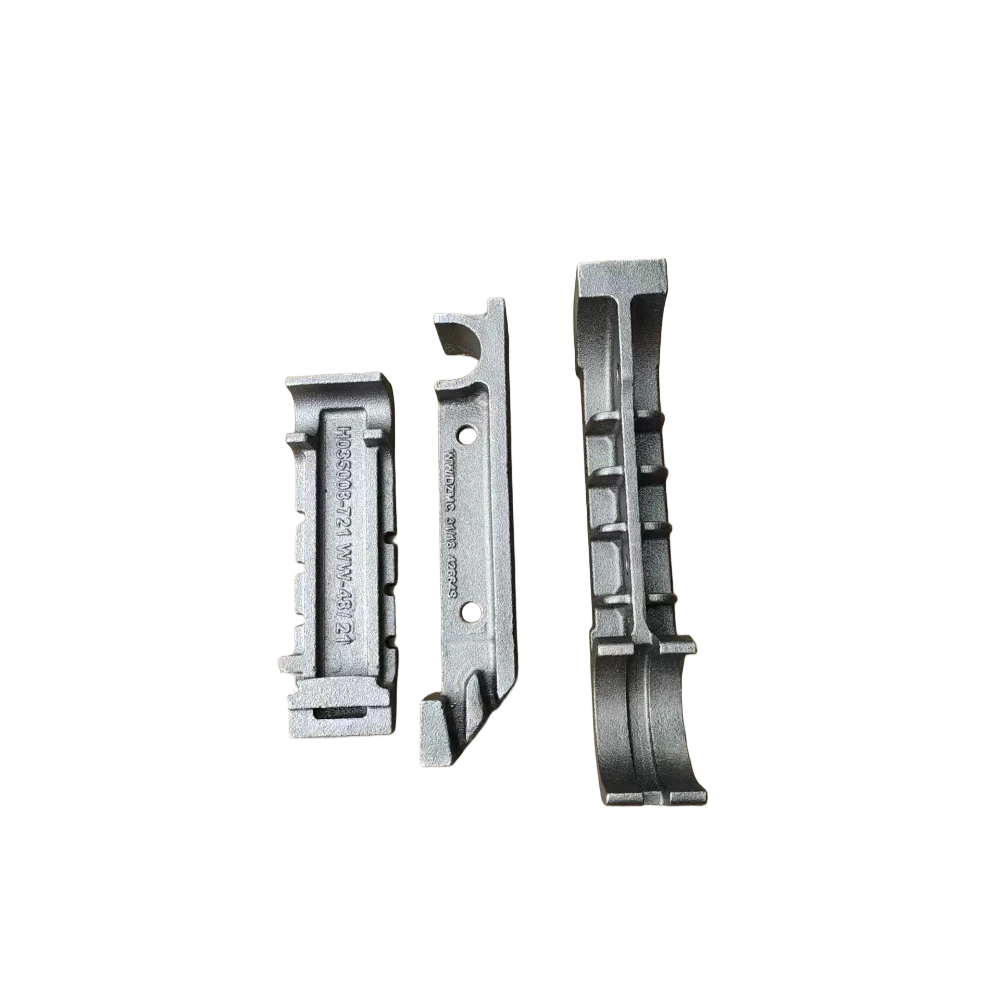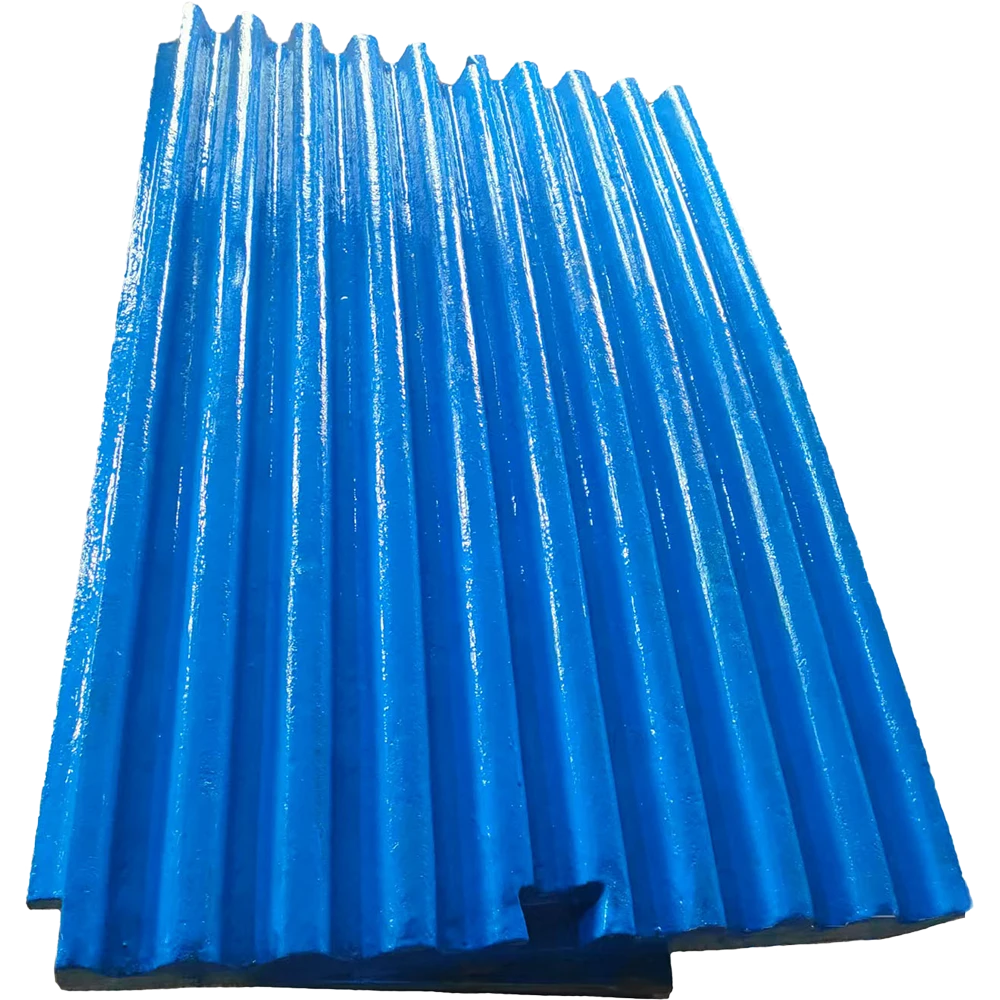
Custom Heat Resistant Metal – Tailored Alloys for Extreme Industrial Performance
Understanding Custom Heat Resistant Metal: Why It Matters More Than Ever
In a world that's constantly pushed to extremes — from industrial furnaces burning hotter than ever to aerospace engineering chasing higher altitudes where temperatures fluctuate wildly — materials that can endure such extremes are priceless. Custom heat resistant metal solutions step into this space, offering tailored alloys designed specifically to withstand high temperatures without warping, melting, or deteriorating quickly. It’s not just a niche playground for metallurgists but a cornerstone of modern industry, affecting everything from power plants to emergency infrastructure.
Why does this matter on a global scale? Well, industries generating over 40% of global energy rely on metals that remain stable under intense heat (according to ISO energy reports). Plus, with climate challenges driving new demands, materials that can keep performing under heat stress are becoming essential — not optional. The benefits? Enhanced safety, reduced downtime, longer equipment lifespan, and often improved energy efficiency. And of course, getting these metals custom-tailored means they fit the precise needs, from complex shapes to specific thermal profiles.
Mini takeaway:
Custom heat resistant metals aren’t just a product — they’re a vital response to some of the world’s most pressing industrial challenges.
Global Context: The Rising Importance of Tailored Heat Resistant Alloys
We often hear about materials science breakthroughs in labs, but their real-world impact can be staggering. According to a 2023 World Bank report, the manufacturing sector's energy use is projected to rise by 15% in emerging economies over the next decade. That means more furnaces, turbines, and engines running hotter. Heat resistant metals tailored for specific uses drastically reduce failure rates and maintenance costs in these harsh environments.
Yet data from the United Nations Industrial Development Organization (UNIDO) points out a challenge: many developing regions still rely on generic metals, which often don’t cut it under prolonged thermal stress. The result? Frequent breakdowns, safety hazards, and costly downtime. Custom heat resistant metal addresses this gap by allowing industries worldwide to optimize materials precisely, rather than settling for one-size-fits-all alloys.
Mini takeaway:
The future of robust, efficient industry is tied to the availability and application of custom heat resistant metals — especially in fast-growing economies.
What Exactly Is Custom Heat Resistant Metal?
At its core, custom heat resistant metal refers to metal alloys specifically engineered to endure elevated temperatures while maintaining mechanical integrity and chemical stability. Unlike off-the-shelf metals, these are fabricated by adjusting chemical compositions and processing methods to suit particular operational conditions: think extreme temps, oxidative environments, or abrasive atmospheres.
Imagine needing structures for an industrial furnace that reach 1,200°C or more — generic steel would warp or melt. But with custom alloys, designers boost elements like chromium, nickel, or molybdenum to enhance heat resistance. This kind of advanced material engineering connects deeply with industries like aerospace, automotive, energy generation, and even humanitarian applications where durable, reliable infrastructure is critical (like emergency shelters made with heat-resistant metal framing).
Mini takeaway:
Custom heat resistant metals aren’t just stronger; they’re smarter — made to last exactly where and how you need them.
Key Characteristics of Custom Heat Resistant Metal
Durability Under Thermal Stress
Durability means resisting deformation or cracking at high temperatures, typically over 500°C. This prevents sudden failures or leaks in critical machinery.
Corrosion and Oxidation Resistance
Hot environments often mean reactive gases. Alloys must resist oxidation to maintain strength — chromium and aluminum are often the heroes here.
Custom Scalability and Shape Flexibility
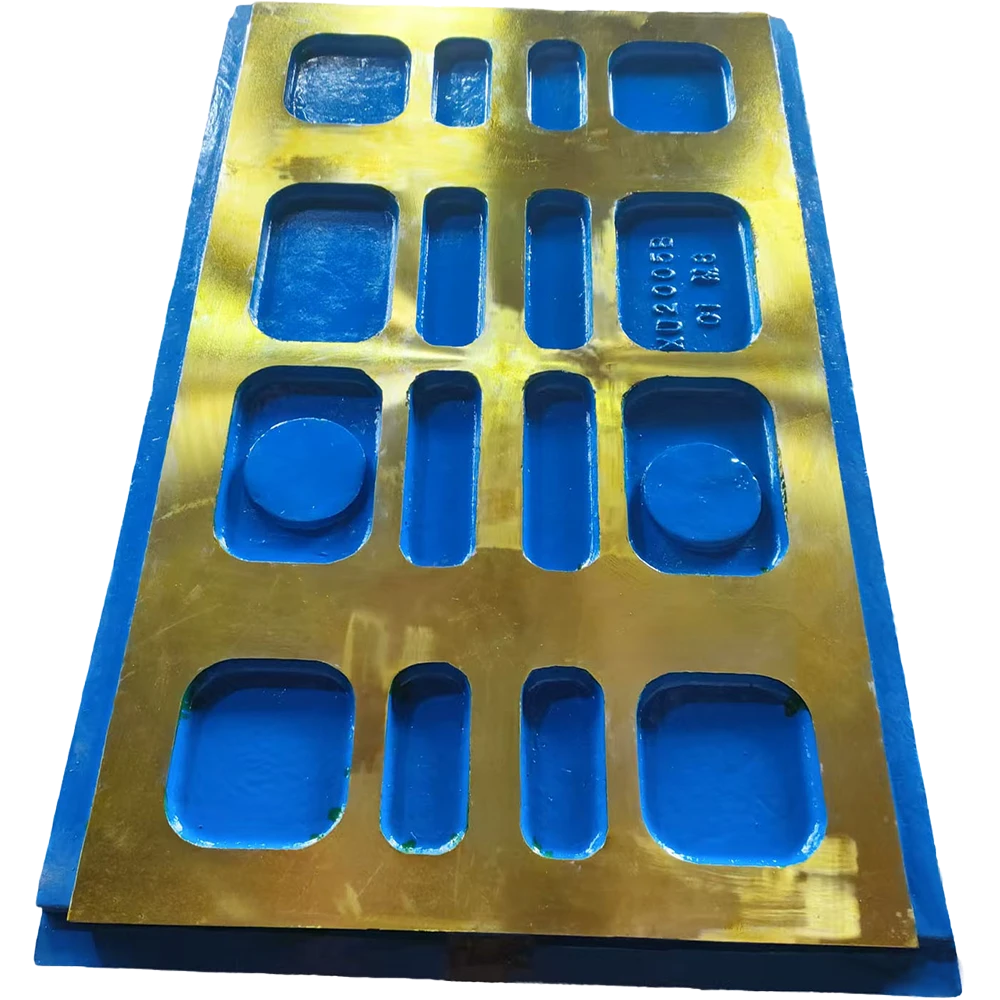
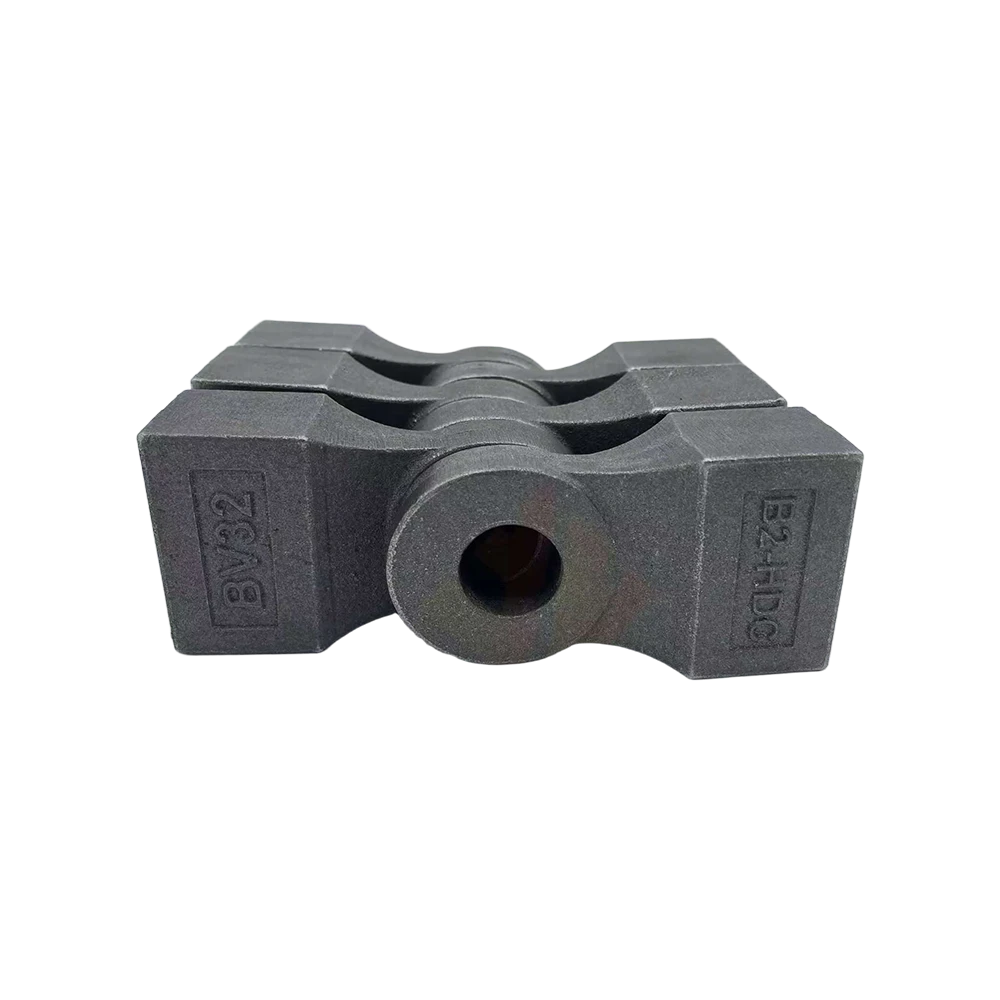
Unlike standard metals, many custom variants can be shaped into intricate parts or thick slabs, meeting precise specs while preserving heat-resistance.
Cost Efficiency for Lifecycle
Yes, these metals might cost more upfront. But their longer lifespan and reduced maintenance mean real savings — particularly in industries where downtime is expensive.
Environmental Compatibility
Modern custom alloys are being engineered with sustainability in mind, reducing reliance on rare or toxic elements wherever possible.
Mini takeaway:
You want a material that not only survives the heat but thrives, saving you time, money, and worry over years.
Worldwide Uses: Where You’ll Find Custom Heat Resistant Metal
- Energy Sector: Boilers, turbines, and heat exchangers worldwide depend on high-performance alloys. For instance, Germany’s renewable energy plants use customized metals to handle cyclic thermal loads reliably.
- Aerospace: Jet engines and spacecraft structures demand metals that withstand extreme temperature shifts from takeoff to high space altitudes.
- Manufacturing Plants: Foundries and glass-production facilities globally rely on heat resistant metals to keep furnace linings and transport belts from degrading.
- Post-Disaster and Emergency Construction: In hot climates, temporary housing or shelters made from heat resistant metallic frames resist degradation and provide longer-term refuge.
Oddly enough, you can even spot custom heat resistant metals in up-and-coming high-temperature battery tech, where battery casings must endure thermal volatility without hazard.
Mini takeaway:
This isn't just theory — these metals are quietly behind the scenes, enabling everything from your power grid to disaster relief shelters.
Key Specification Table: Sample Alloy Properties
| Property | Typical Range | Units | Notes |
|---|---|---|---|
| Melting Point | 1,200 – 1,500 | °C | Varies by alloy (e.g., stainless steel variants) |
| Thermal Conductivity | 10 – 30 | W/m·K | Lower is better for insulation |
| Tensile Strength | 600 – 1,200 | MPa | Maintains strength post heat exposure |
| Oxidation Resistance | High | Qualitative | Important for chemical stability |
Vendor Comparison: Choosing Your Custom Heat Resistant Metal Supplier
| Supplier | Customization Options | Lead Time | Certifications | Price Level |
|---|---|---|---|---|
| DZM Casting | Full alloy & shape tailoring | 4-6 weeks | ISO 9001, RoHS | Medium |
| HeatMetal Co. | Standard alloys, limited shapes | 2-3 weeks | ISO 14001 | Low |
| ThermoAlloy Ltd. | Highly customizable but premium priced | 6-8 weeks | AS9100, ISO 9001 | High |
Advantages & Long-Term Value of Custom Heat Resistant Metals
Frankly, the initial investment in custom heat resistant metals might make engineers flinch. But many report that the long-term payoffs truly justify it. For starters, improved safety alone is a game-changer. Equipment failure caused by thermal fatigue is a major accident hazard — something no one wants on their conscience.
Then there’s sustainability. Longer-lasting metals reduce waste and the environmental cost of material scrap or replacement parts. Socially, industries gain from fewer downtimes, secure energy supplies, and better working conditions — a subtle but impactful dignity boost for workers.
From a branding standpoint, companies offering innovative solutions based on custom metals are seen as more trustworthy and forward-thinking. When a product “just works” despite extreme heat, that trust accumulates over years in client relationships — kind of priceless.
Mini takeaway:
It’s not just about heat resistance; it’s about trust, safety, sustainability, and long-term savings that compound.
The Future: Innovations Shaping the Next Generation of Heat Resistant Metals
Ever heard of additive manufacturing (3D printing) being used for metals? That’s already reshaping how custom heat resistant metals are fabricated — enabling complex geometries that reduce weight and optimize heat flow. Meanwhile, research into green alloying methods is attempting to swap out scarce or hazardous elements with more earth-friendly substitutes.
Digital twins and AI-driven material design are also rising. This means no more trial-and-error: simulations predict how a custom alloy will perform before a single gram is melted. Policies worldwide are nudging industries toward carbon neutrality, pushing the demand for metals that can survive in green hydrogen plants or molten salt reactors.
Mini takeaway:
The marriage of technology and materials science promises smarter, greener, and stronger heat resistant metals soon.
Common Challenges and How Experts Are Solving Them
Challenges do exist. Lead times for highly customized metals can be frustratingly long. Also, the expense is often a barrier for small to medium enterprises. Another hurdle is the complexity of testing — ensuring the material meets every required thermal and mechanical standard before deployment.
Innovative solutions include better modular alloy platforms (mix-and-match bases) to speed ordering, enhanced in-house testing tech, and closer collaboration between clients and suppliers. For instance, custom heat resistant metal providers are increasingly offering pre-certified alloys suited for multiple industries to cut turnaround without sacrificing quality.
Mini takeaway:
These are being addressed and the landscape is improving — a hopeful horizon for material users.
Frequently Asked Questions About Custom Heat Resistant Metal
- Q1: What industries benefit most from custom heat resistant metals?
- A1: Primarily energy generation, aerospace, automotive, manufacturing, and emergency infrastructure sectors. Each demands metals that maintain performance under high thermal stress for safety and efficiency.
- Q2: How long does custom heat resistant metal typically last in harsh environments?
- A2: That depends on conditions but often much longer than standard metals. Lifespans of 10-30 years are common, especially when alloys are tailored to specific heat and oxidation profiles.
- Q3: Are custom heat resistant metals eco-friendly?
- A3: Increasingly yes. Advances in alloy design aim to reduce toxic components and improve recyclability, contributing to greener manufacturing cycles.
- Q4: Can NGOs access these metals for emergency shelter projects?
- A4: Certainly. Many suppliers work internationally and can fast-track orders for humanitarian missions. Understanding import regulations and partnering with trusted vendors helps smooth this process.
- Q5: Does customization increase costs significantly?
- A5: While customization can raise upfront prices, the long-term savings through durability and reduced maintenance usually offset this. Many clients consider it a smart investment rather than an expense.
Conclusion: Why Investing in Custom Heat Resistant Metal Is a Smart Move
If there’s one thing I’ve noticed over time, it’s that industries that invest in the right materials rarely regret it. Custom heat resistant metal might sound like a technical luxury, but in real terms, it translates to safety, sustainability, and steady performance that companies — and frankly entire communities — rely on.
For those considering upgrading their material portfolio, exploring tailored alloys is a wise step. Need a dependable partner? Visit custom heat resistant metal specialists who balance customization with quality and cost efficiency.
It feels like the future is not just about making metals that resist heat — it's about making the right metal for the right place, every time.
References
-
High Performance oem cast heat resistant steel for Industrial UseNewsApr.16,2026
-
Guide to Selecting High Quality Cast Heat Resistant Steel AlloysNewsApr.09,2026
-
Custom Cast Heat Resistant Steel Solutions for High Temperature ApplicationsNewsApr.07,2026
-
Comprehensive Guide to Wholesale Cast Heat Resistant Steel for Industrial ApplicationsNewsApr.04,2026
-
Comprehensive Guide to High Performance Heat Resistant Metal Product SolutionsNewsMar.31,2026
-
Expert Guidance on Heat Resistant Metal Quotes and Alloy SelectionNewsMar.28,2026