China Sintering Machine Parts: Durable, Efficient, & Sustainable Manufacturing Components
Understanding China Sintering Machine Parts: The Backbone of Modern Manufacturing
The world’s manufacturing ecosystem is quietly powered by several unsung heroes — and one of those key players is china sintering machine parts. If you’re wondering what these components are and why they matter beyond factory floors, you’re not alone. Globally, the sintering process is vital for producing metal components used in automotive, aerospace, electronics, and even humanitarian engineering projects. Getting a grip on these parts explains not only how modern industry operates but also highlights advances that improve quality, cost, and sustainability.
Why does the global community care? Well, sintering helps transform powdered metals into solid, functional objects, significantly reducing waste and energy use compared to traditional melting methods. It means lighter, stronger parts manufactured faster and often with less environmental impact — a win-win for global industry ambitions and climate goals alike.
Global Context: The Rise of China Sintering Machine Parts in Industry
According to the World Bank, manufacturing accounts for roughly 16% of global GDP, with China representing a huge chunk of that output. China sintering machine parts specifically have grown in significance as Chinese manufacturers perfected their craft and scaled production. They supply not just domestic industries but increasingly international markets reliant on durable metal components formed through sintering.
However, challenges persist: from material consistency to machine durability and environmental regulations. Addressing these through better-designed sintering machine parts is crucial — not just commercially, but socially, as improved reliability can support everything from infrastructure rebuilding in disaster zones to precision electronics manufacturing.
What Exactly Are China Sintering Machine Parts?
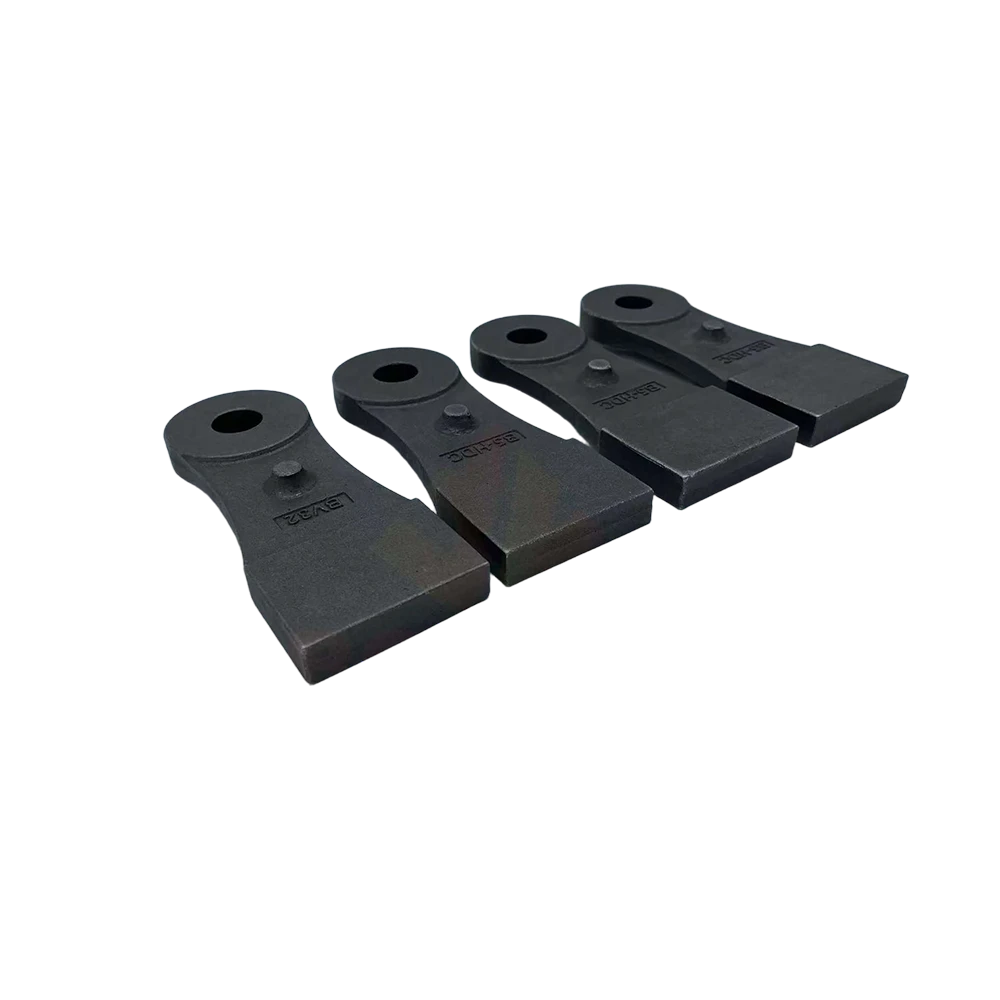
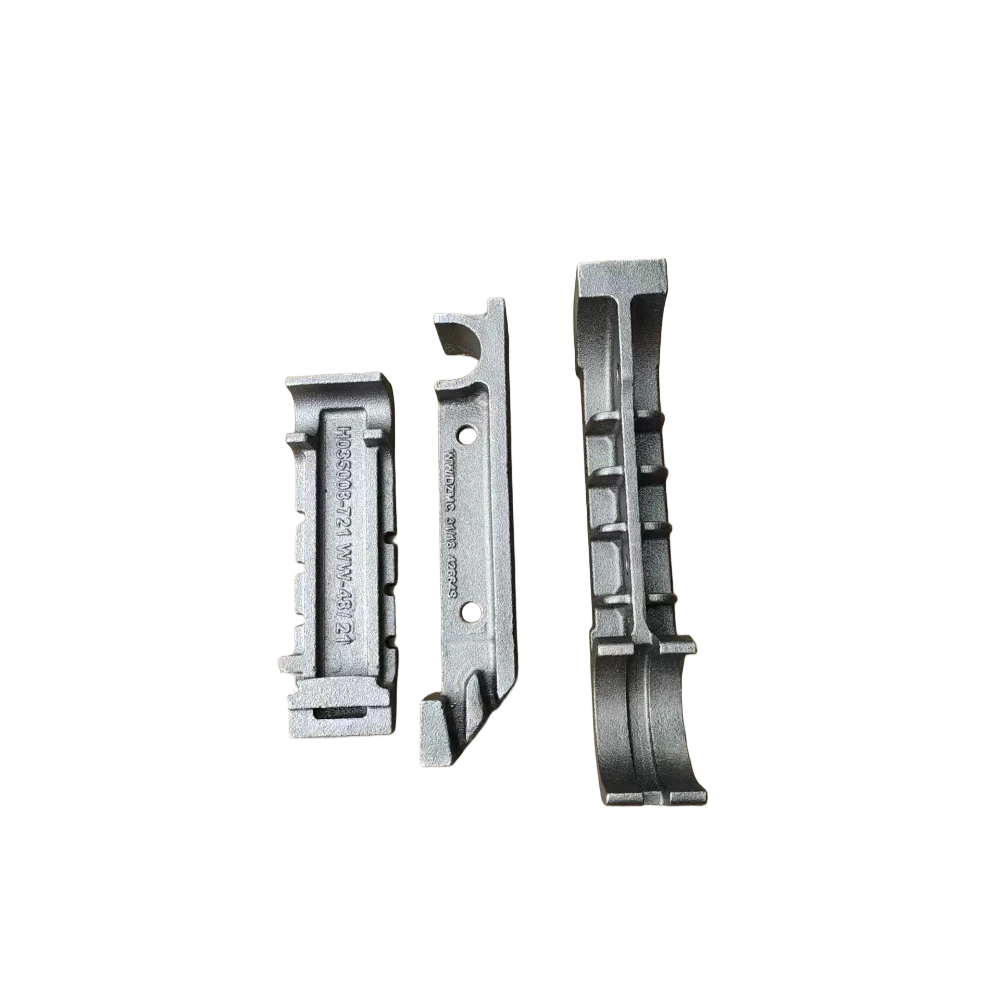
Simply put, sintering machines are industrial systems that fuse metal powders into solid parts by heating them below their melting point. The china sintering machine parts are the core components that make this process effective — including heating elements, conveyor belts, temperature sensors, and molds. They ensure precise control of temperature and pressure, which ultimately determine the quality of the finished product.
The parts’ design and materials directly impact machine performance, energy efficiency, and component lifespan — so picking the right supplier and product specs is not trivial. In fact, these parts link the everyday metal items we rely on to an intricate global supply chain, showcasing how modern industry and humanitarian tech often intersect.
Key Factors in China Sintering Machine Parts
Durability
One noticeable trait engineers seek is resilience. Sintering machines run long cycles at high temperatures, sometimes reaching 1400°C (2500°F), so parts like the furnace lining and heating elements require exceptional heat resistance and mechanical durability.
Precision & Scalability
Accurate temperature control and uniform heat distribution are critical. Advanced sensor parts and control modules from Chinese factories have made strides here, allowing the transition from small lab-scale units to high-throughput industrial sintering lines without quality compromises.
Energy Efficiency
Modern china sintering machine parts increasingly emphasize minimizing power consumption. Innovations such as ceramic heating elements and optimized conveyor designs help reduce operational costs significantly, which matters hugely when running around the clock.
Cost Efficiency
China’s manufacturing ecosystem offers competitive pricing for sintering machine parts. This helps OEMs and component makers keep prices down, stimulating adoption especially in emerging economies where production costs are a major hurdle.
Sustainability
Materials and design choices now align more with environmental standards: recyclable alloys, reduced waste machining, and modular parts that simplify maintenance and repairs.
Product Specifications: Typical China Sintering Machine Parts
| Part Name | Material | Temperature Range | Typical Lifespan | Key Feature |
|---|---|---|---|---|
| Heating Element | Ceramic / Molybdenum Disilicide | Up to 1400°C | 6-12 months (industrial use) | High thermal stability |
| Conveyor Belt | Heat-resistant Steel Mesh | Up to 1300°C | 12-24 months | Durable, low maintenance |
| Temperature Sensors | Thermocouples / RTDs | -50 to 1600°C | 18-24 months | Accurate real-time control |
| Furnace Insulation | High-Density Refractory Bricks | Up to 1450°C | 24-36 months | Thermal retention and safety |
Vendor Comparison: Leading China Sintering Machine Parts Suppliers
| Supplier | Specialization | Price Range | Lead Time | Warranty | Certifications |
|---|---|---|---|---|---|
| DZMc Casting | Custom sintering parts & assemblies | $$ | 4-6 weeks | 12 months | ISO 9001, CE |
| SinoTech Parts | High-temp heating elements | $ | 2-4 weeks | 6 months | ISO 14001 |
| PeakHeat Materials | Refractory insulation & bricks | $$$ | 6-8 weeks | 24 months | ISO 9001 |
Global Uses & Industry Applications
China sintering machine parts find their way into many sectors worldwide. Automotive manufacturers rely on sintered gears and components that offer high strength and lightweight attributes. Aerospace companies prize the process for creating sophisticated turbine parts that withstand extreme stress. Even electronics makers use sintering parts for miniaturized devices.
Oddly enough, these components also play an important role in humanitarian and post-disaster applications. For example, in remote industrial zones where infrastructure is limited, on-site sintering units can repair or fabricate parts quickly, preventing costly delays. NGOs sometimes source machines equipped with reliable Chinese parts for disaster relief programs aiming to rebuild sustainable local industry infrastructure.
- Automotive Industry: Mass production of brakes, filters, and gears.
- Aerospace Sector: High precision turbine blades and heat shields.
- Electronics Manufacturing: Miniature sintered metal parts for devices.
- Disaster Relief: Rapid fabrication units in field operations.
- Energy Sector: Components for solid oxide fuel cells and batteries.
Mini takeaway: The adaptability of china sintering machine parts underlines their indispensable role across diverse markets and regions — far beyond what the name might imply.
Advantages & Long-Term Value
Why lean into sintering and specifically china-made parts? First, cost-efficiency is often touted — competitive pricing without sacrificing quality. But beyond that, these parts deliver reliability, which for industrial users means less downtime, fewer maintenance headaches, and greater output consistency.
There’s also a sustainability angle. Sintering, as a process, uses less energy than remelting metals; and smarter parts mean machines that stay efficient longer and consume less power. That’s reflected in lower greenhouse gas emissions – an increasingly important metric for manufacturers juggling regulatory compliance and corporate responsibility.
On a human level, it’s about innovation enabling safety and dignity. For instance, stronger sintered parts built with these machine components can strengthen infrastructure in developing regions and create durable medical devices — all of which aligns with UN Sustainable Development Goals (SDGs). So the impact feels tangible — a nod to how well-engineered parts can ripple out into society.
Looking Ahead: Future Trends & Innovations for China Sintering Machine Parts
Thankfully, the industry isn’t standing still. Automation and digital monitoring increasingly integrate into sintering machines, supported by smarter component design. Emerging materials, such as graphene-enhanced alloys or nanoceramics, promise higher thermal resilience. Plus, greener policies worldwide push manufacturers to develop recyclable and modular parts, reducing waste and enabling easier repairs.
The digital transformation doesn’t just mean better parts but more connected, data-driven production that optimizes energy use and predicts maintenance — sort of how IoT is reshaping factories. The convergence of these trends likely means china sintering machine parts will keep setting benchmarks.
Challenges & How to Overcome Them
Still, challenges persist. Material inconsistencies can cause premature part failures. Global logistics delays sometimes impact timely sourcing. Environmental regulations push for cleaner processes which require continual R&D investment. But industry experts suggest robust supplier partnerships, ongoing quality verification, and investing in R&D as solutions. Many engineers vouch for working closely with reputable vendors like DZMc Casting who maintain ISO certifications, ensuring parts meet rigorous standards.
Continuous improvement and adopting predictive maintenance technologies also help extend component life and reduce unexpected breakdowns — a valuable insight for any serious manufacturing operation.
Frequently Asked Questions About China Sintering Machine Parts
- Q: How do china sintering machine parts improve the quality of sintered products?
- A: Components like high-precision temperature sensors and durable heating elements help maintain stable processing conditions, resulting in consistent density and microstructure in sintered products. This means fewer defects and better mechanical properties overall.
- Q: Is it cost-effective to source sintering machine parts from China?
- A: Generally, yes. Chinese manufacturers offer competitive prices due to scale and mature supply chains, but it’s important to vet suppliers for quality certifications like ISO and CE to ensure you get reliable parts that don’t compromise performance.
- Q: How long do typical sintering machine parts last under industrial use?
- A: Lifespan varies by part and usage intensity but heating elements generally last 6 to 12 months, conveyor belts around 12 to 24 months, and insulation bricks up to 3 years. Regular maintenance helps extend these periods.
- Q: Can I customize sintering machine parts to fit specific production needs?
- A: Absolutely, many Chinese vendors specialize in custom machining and design tweaks to meet exact specs, which is essential for optimizing your sintering line’s productivity and product quality.
- Q: Are environmentally friendly sintering parts available?
- A: Yes, through advances in sustainable materials and modular designs, greener parts that reduce waste and facilitate recycling are increasingly available from leading suppliers.
Conclusion: Why China Sintering Machine Parts Matter Long-Term
In the grand scheme, the importance of china sintering machine parts extends well beyond their immediate application. They symbolize the intersection of cost-efficient manufacturing, sustainable practices, and global industrial collaboration. As production demands become more complex, these parts ensure machines keep pace — enhancing product quality, reducing waste, and opening doors to innovative uses across industries.
If you’re in the manufacturing sector or considering upgrading your sintering capabilities, I’d say it's time to explore trusted suppliers. For reliable, certified parts, visit https://www.dzmccasting.com and see what they offer.
Mini takeaway: Sintering machine parts from China are more than just components — they’re catalysts for global industry evolution, balancing quality, innovation, and sustainability.
References:
1. World Bank Manufacturing Data - https://data.worldbank.org/indicator/NV.IND.MANF.ZS
2. ISO Standards for Sintering Processes - https://www.iso.org
3. UN Sustainable Development Goals - https://sdgs.un.org/goals
-
High Performance oem cast heat resistant steel for Industrial UseNewsApr.16,2026
-
Guide to Selecting High Quality Cast Heat Resistant Steel AlloysNewsApr.09,2026
-
Custom Cast Heat Resistant Steel Solutions for High Temperature ApplicationsNewsApr.07,2026
-
Comprehensive Guide to Wholesale Cast Heat Resistant Steel for Industrial ApplicationsNewsApr.04,2026
-
Comprehensive Guide to High Performance Heat Resistant Metal Product SolutionsNewsMar.31,2026
-
Expert Guidance on Heat Resistant Metal Quotes and Alloy SelectionNewsMar.28,2026