Wholesale Sintering Machine Parts: A Global Guide to Quality & Procurement
Wholesale Sintering Machine Parts: The Backbone of Modern Manufacturing
In the world of advanced manufacturing, the spotlight often shines on the final products, but the unsung heroes are the parts that make it all possible—like wholesale sintering machine parts. These components are vital to industries ranging from automotive to aerospace to medical device production. Understanding them today isn’t just academic; it’s key to grasping how global supply chains stay resilient and innovation keeps flowing.
Introduction: Why Wholesale Sintering Machine Parts Matter Globally
The global manufacturing landscape is transforming at a breakneck pace. According to ISO reports and World Bank data, industrial growth is projected to outpace GDP in many emerging markets, especially across Asia and Europe. Sintering machines, used for producing complex metal parts through powder metallurgy, are critical. Yet the availability and quality of wholesale sintering machine parts often dictate the productivity and reliability of these machines worldwide.
One pressing challenge? Supply chain disruptions have exposed how vulnerable manufacturers can be when machine parts aren’t readily available or up to spec. Hence, procuring quality wholesale sintering machine parts in bulk has become a tactical move to ensure smooth operation and cost efficiency.
What Exactly Are Wholesale Sintering Machine Parts?
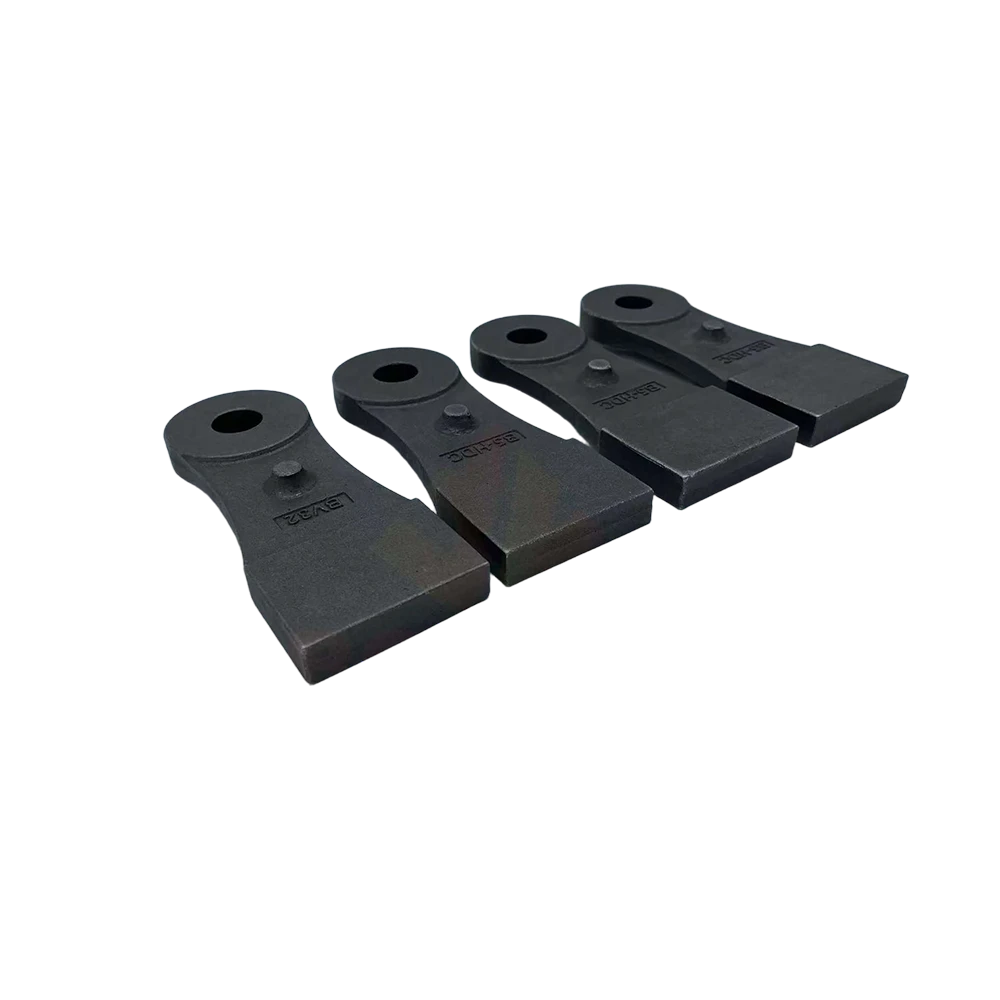
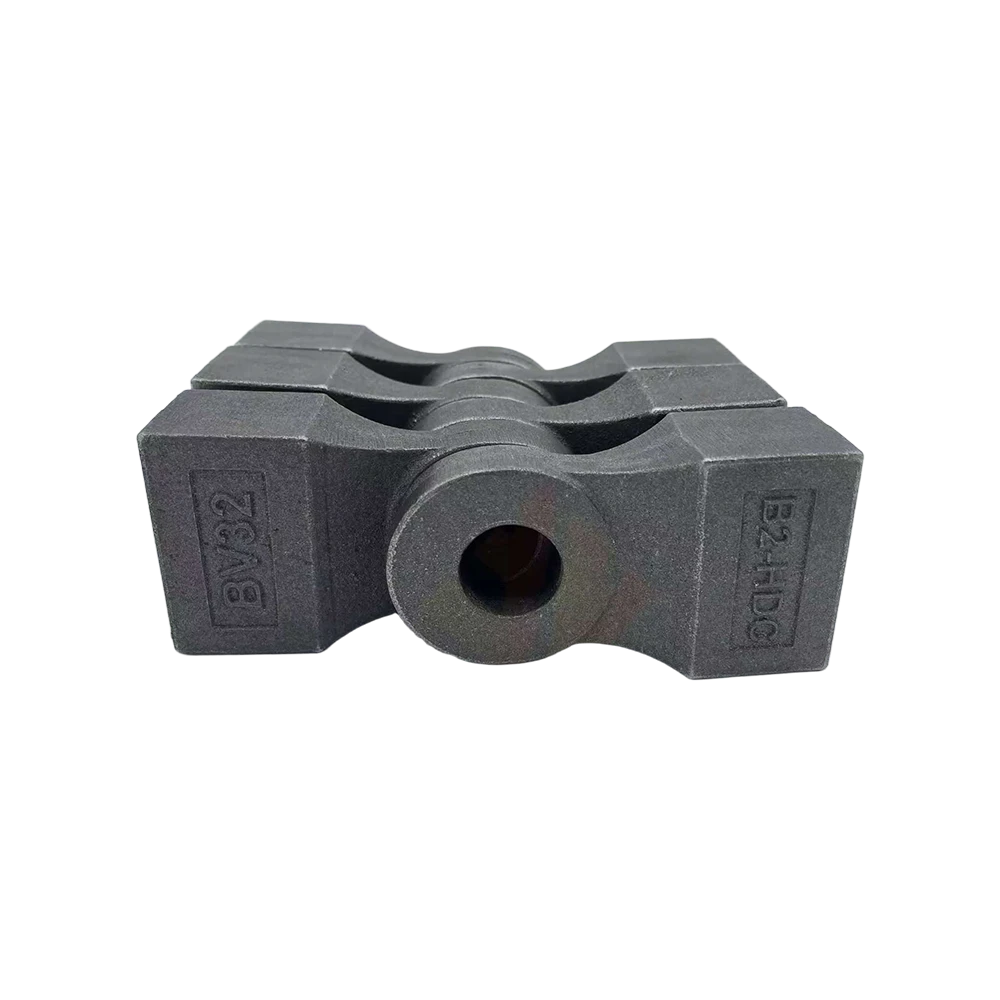
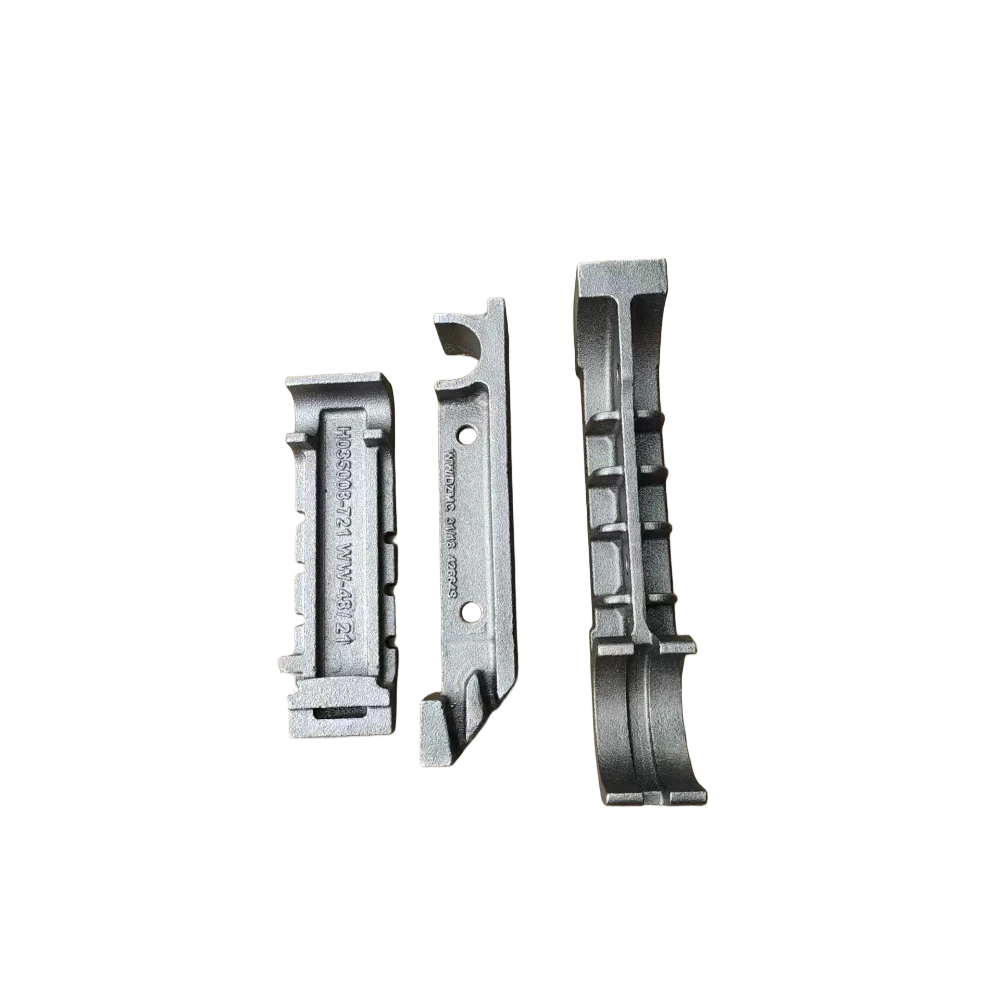
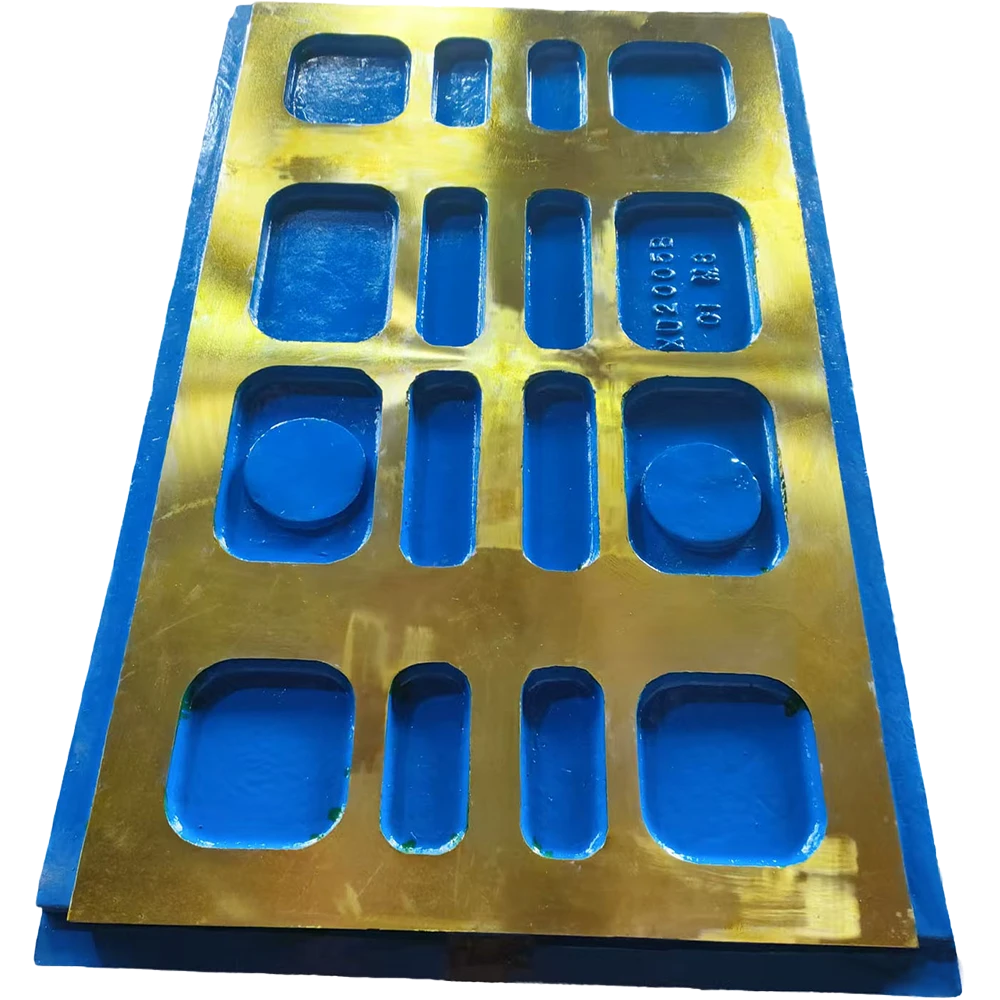
Put simply, wholesale sintering machine parts are the bulk-purchased components used in sintering equipment. Sintering machines fuse powdered metals under heat below the metal’s melting point to produce dense, durable, and complex shapes. The parts include furnace elements, thermocouples, hydraulic assemblies, conveyor belts, control panels, and more.
This process is vital for producing lightweight yet strong components used widely in industrial applications and humanitarian technologies, such as affordable prosthetics or rugged machinery for remote areas. So, wholesale purchasing helps businesses keep costs down while ensuring they can maintain or expand production efficiently.
Key Factors That Define Quality and Usefulness
Durability
Given that sintering machines operate under high temperature and pressure, parts need to be made of durable, heat-resistant materials. Components that wear out quickly increase downtime and maintenance costs — no one wants that.
Scalability
Being able to source parts in wholesale means manufacturers can scale production without sudden shortages or price surges. Bulk orders often come with tighter quality standards and better supplier support, enhancing overall operations.
Cost Efficiency
Purchasing wholesale slices overhead costs, often by as much as 15-30%. This margin can mean the difference between profit and loss in highly competitive markets.
Compatibility and Standardization
Ensuring parts match international standards (ISO 9001, ASTM norms) keeps machinery compatible and safe.
Technological Precision
Modern sintering machines rely on precision parts such as sensors and control units that must function flawlessly to produce quality outputs consistently.
| Part | Material | Temperature Tolerance | Typical Use |
|---|---|---|---|
| Heating Elements | Kanthal, Silicon Carbide | Up to 1400°C | Generate consistent heat |
| Thermocouples | Nickel, Platinum alloys | Up to 1800°C | Temperature monitoring |
| Hydraulic Valves | Stainless Steel | Ambient to 120°C | Pressure regulation |
| Conveyor Belts | Heat-resistant polymer blends | Up to 250°C | Moving parts through furnace |
Where Are They Used? Real-World Applications
Wholesale sintering machine parts find their way into diverse sectors:
- Automotive manufacturing: For producing engine parts, gears, and lightweight components.
- Aerospace: Precision metal parts built for strength and lightness.
- Medical devices: Components such as dental implants and prosthetics.
- Energy sector: Parts for turbines or batteries requiring specific metallurgical properties.
- Emergency and humanitarian relief: Producing equipment and tools in bulk for remote or disaster-hit areas.
For instance, in post-disaster rebuilding efforts in Southeast Asia, sintered parts enable rapid production of durable construction tools. Oddly enough, even in cold Arctic regions, these machine parts help make components that withstand severe temperature swings.
Advantages & Long-Term Value of Wholesale Procurement
It’s tempting to think only in short spurts—’Let’s just buy what we need now’—but planning for wholesale procurement brings big benefits:
- Cost savings: Larger orders drastically reduce per-unit prices and shipping fees.
- Sustainability: Bulk orders minimize packaging waste and lower transport emissions.
- Reliability: You avoid production halts from lack of parts.
- Innovation enablement: Steady parts supply helps manufacturers test and adopt new technologies faster.
- Social impact: The manufacturing jobs and goods resulting touch communities worldwide.
Comparing Top Vendors for Wholesale Sintering Machine Parts
| Vendor | Product Range | Quality Certifications | Pricing (USD/unit) | Lead Time |
|---|---|---|---|---|
| DZMCCasting | Full spectrum (furnace parts, sensors, hydraulics) | ISO 9001, CE | $45 - $120 depending on volume | 2-4 weeks |
| Metallix Components | Heating and control systems | ISO 13485 | $50 - $110 | 3-5 weeks |
| Global Sinter Supplies | Basic hydraulic parts & belts | ISO 9001 | $35 - $95 | 1-3 weeks |
Future Trends and Innovations in Wholesale Sintering Machine Parts
The future is exciting and frankly essential for sustainability. You’ll see AI-driven inventory management tightening supply chains, plus 3D-printed replacement parts designed exactly to spec — cutting waste and delivery time. Green manufacturing is pushing new alloys that sinter with less energy. Also, automation in warehouses can streamline bulk purchasing, making wholesale orders even more efficient.
Digital twin technologies will allow for predictive maintenance, reducing the need for large spare parts inventories, but wholesale purchasing will remain vital as a buffer. The rise of electric vehicles is another driver—demand for specialty sintered parts is expected to surge in battery and motor production.
Challenges in the Wholesale Procurement of Sintering Machine Parts
Still, the path isn't all smooth. Quality control can be tricky when buying at volume, especially across borders. Lead times sometimes stretch unpredictably due to raw material shortages or shipping delays. Customization needs may clash with standard wholesale packs. Experts suggest close collaboration with vendors and diversified sources to overcome these limits.
FAQ: Quick Answers on Wholesale Sintering Machine Parts
Q: How do I ensure the sintering parts I buy wholesale are compatible with my machines?
A: Always provide exact model numbers and specifications to your vendor, and check for ISO or CE certifications. Request sample parts for trial installation if possible.
Q: Can I reduce machine downtime by stocking wholesale sintering machine parts?
A: Yes. Keeping essential parts in inventory reduces wait times for repairs or routine maintenance, preventing costly shutdowns.
Q: Are there environmental benefits to buying parts wholesale?
A: Definitely. Bulk shipping generally means fewer shipments overall, which lowers carbon emissions and packaging waste.
Q: Where can I find reliable wholesale suppliers of sintering machine parts?
A: Trusted vendors like DZMCCasting specialize in high-quality wholesale sintering machine parts with proven certifications.
Conclusion & Call to Action
Wholesale sintering machine parts represent a strategic lever for manufacturers wanting to boost efficiency, lower costs, and future-proof their operations. Whether you are in automotive, aerospace, or remote manufacturing, reliable supply and quality control of these parts enable innovation and resilience. To explore dependable options and comprehensive product lines, visit https://www.dzmccasting.com today and take the next step toward smarter procurement.
Mini takeaway: Keeping your sintering machines humming smoothly starts with smart parts sourcing — and wholesale often makes the most sense.
References
-
High Performance oem cast heat resistant steel for Industrial UseNewsApr.16,2026
-
Guide to Selecting High Quality Cast Heat Resistant Steel AlloysNewsApr.09,2026
-
Custom Cast Heat Resistant Steel Solutions for High Temperature ApplicationsNewsApr.07,2026
-
Comprehensive Guide to Wholesale Cast Heat Resistant Steel for Industrial ApplicationsNewsApr.04,2026
-
Comprehensive Guide to High Performance Heat Resistant Metal Product SolutionsNewsMar.31,2026
-
Expert Guidance on Heat Resistant Metal Quotes and Alloy SelectionNewsMar.28,2026