Custom Sintering Machine Parts: Industry Applications, Benefits & Innovations
Understanding Custom Sintering Machine Parts: Why They Matter Globally
Custom sintering machine parts might sound niche, a bit technical even, but they play a surprisingly vital role in multiple industries worldwide. To put it simply, these components help transform powdered materials into solid, durable products through heat—without melting them completely. This process, known as sintering, is central to manufacturing everything from automotive components to cutting-edge aerospace parts and even some medical devices. The global significance? With growing demands for lightweight, durable, and custom-made materials, understanding and innovating in custom sintering machine parts directly impact resource efficiency, product performance, and sustainability.
In fact, the global powder metallurgy market, where sintering technology is integral, was valued at over USD 8 billion in 2022 and is expected to show steady growth, driven by sectors like automotive, defense, and electronics (source: Statista). But challenges remain—how to optimize parts for better precision, durability, and cost efficiency, all while supporting global trends toward cleaner, leaner manufacturing?
Defining Custom Sintering Machine Parts
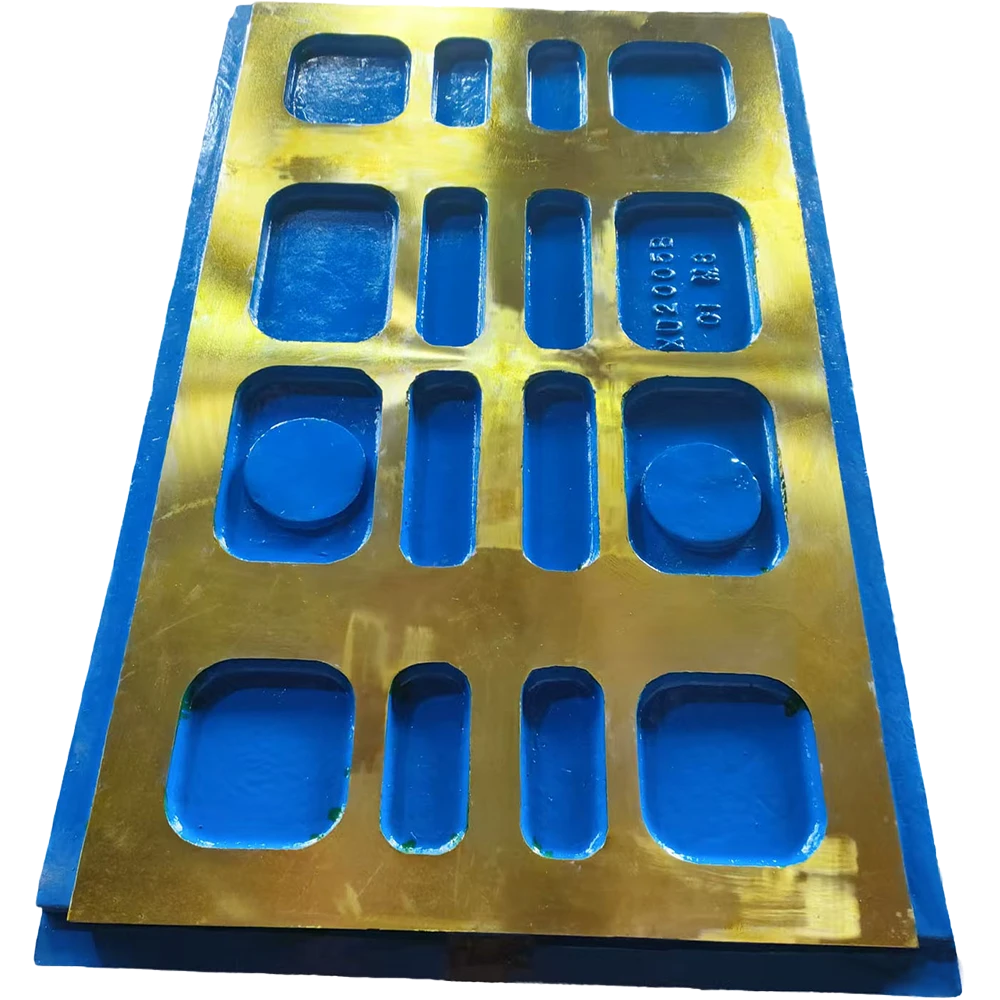
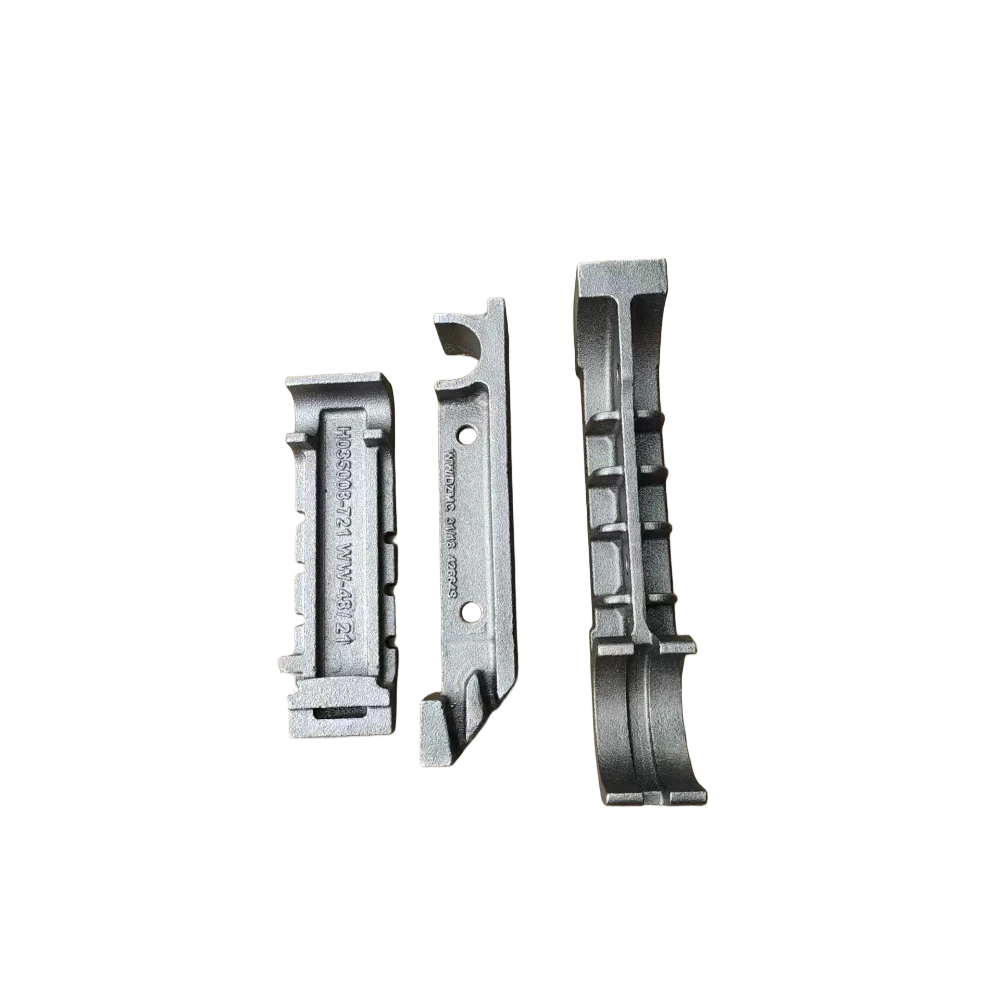
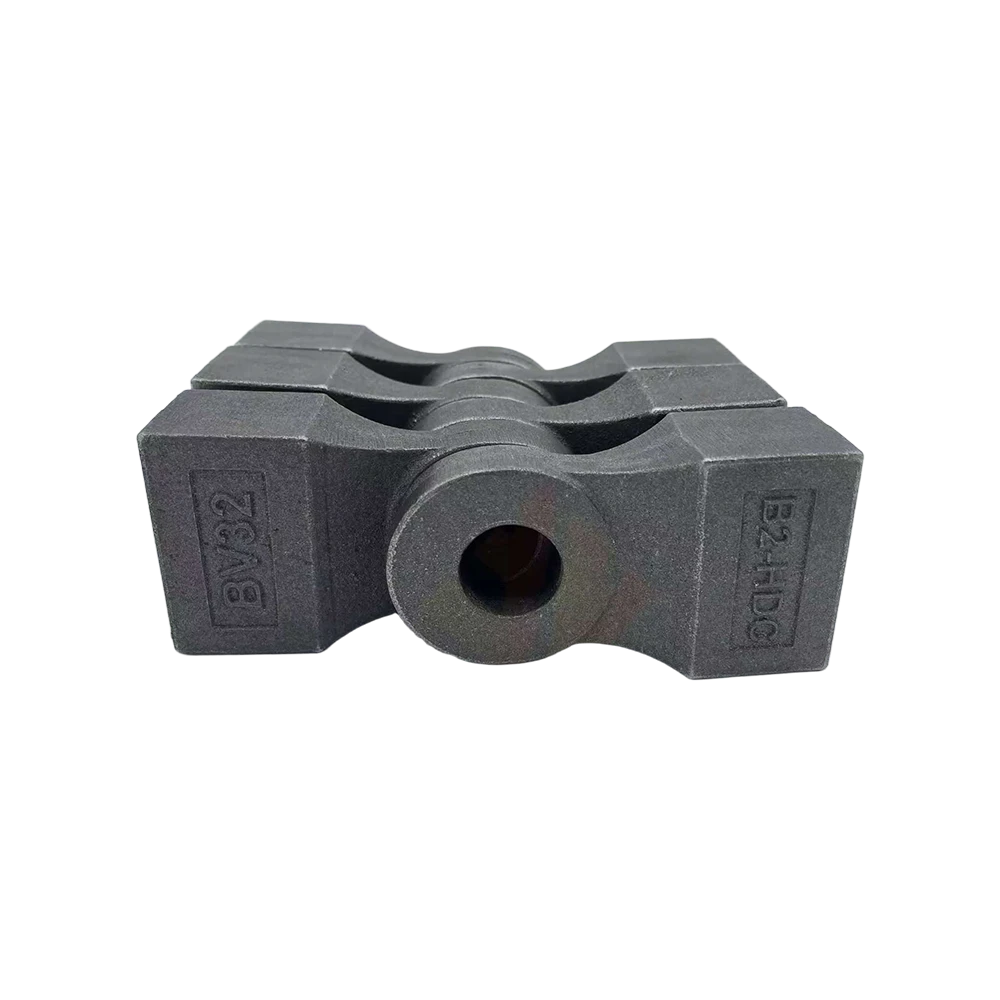
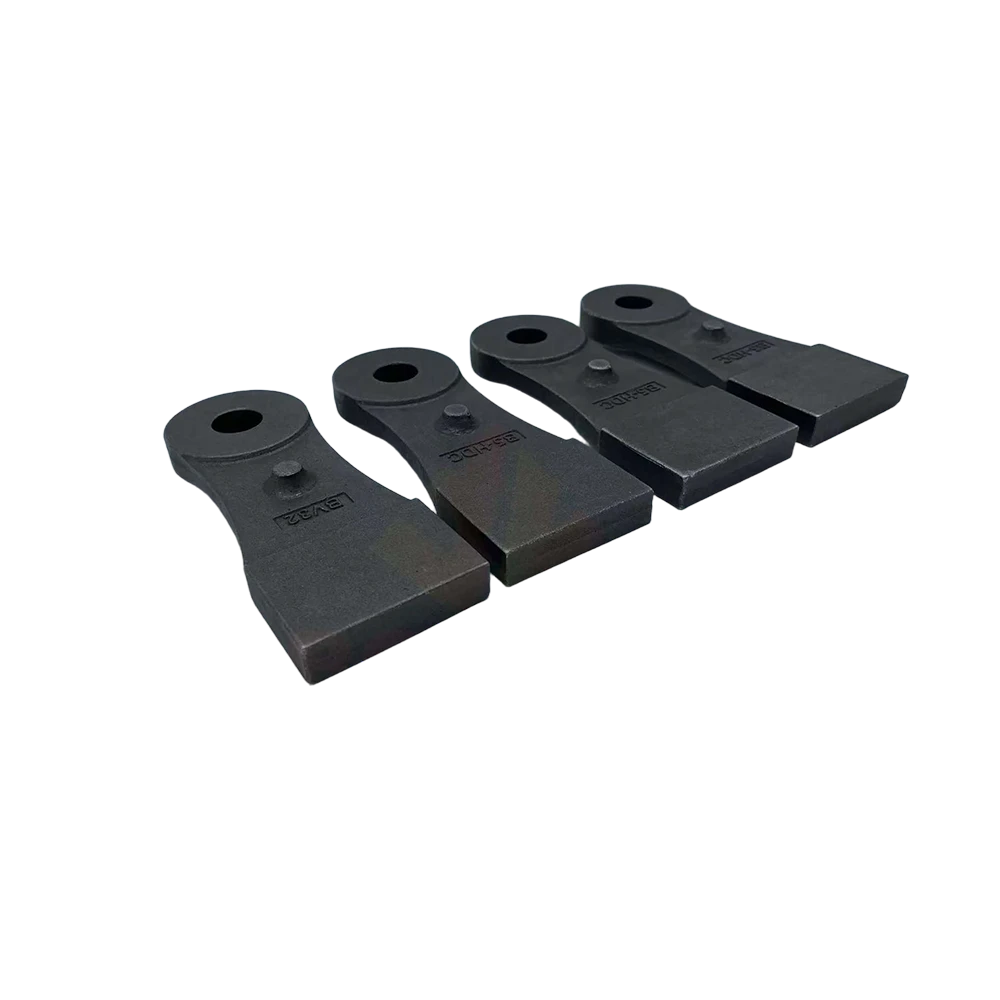
Let’s break it down. Custom sintering machine parts are specialized components designed or modified to meet the specific needs of sintering machines—those huge, precise devices that apply controlled heat and pressure to powder compacts. Unlike off-the-shelf parts, these are tailored to achieve exact performance criteria or fit unique machine builds. The ‘custom’ touches might involve size, shape, material composition, or surface coatings, depending on what’s being sintered and the desired properties.
This customization is crucial because industries increasingly rely on specialized materials, including metal alloys, ceramics, and composites, which require specific sintering conditions. So, the link between these parts and modern manufacturing — frankly — couldn’t be more intertwined. They’re part of a larger movement toward smarter, adaptable industrial machines that can handle evolving demands, whether it’s lightweight aerospace brackets or high-performance automotive gears.
Core Components & Key Factors of Custom Sintering Machine Parts
1. Durability
These parts withstand intense heat cycles (sometimes over 1300°C) and pressures, so materials choice is no joke here. Usually, robust alloys like heat-resistant stainless steels, superalloys, or ceramics form the backbone.
2. Precision & Tolerances
Because sintering affects part geometry, machine components need tight manufacturing tolerances themselves to ensure consistent final product dimensions. Precision machining and quality control play star roles.
3. Scalability
Whether a small batch of custom sintered parts is needed or mass production, the machine parts must be adaptable to different volumes without compromising performance.
4. Cost Efficiency
Customisation often means higher upfront cost, but by optimizing for longer lifespan and less frequent maintenance, the overall cost-of-ownership comes down.
5. Thermal Management
Some components integrate cooling channels or special coatings to manage heat distribution—a factor that directly impacts sintering quality.
6. Compatibility with Automation
As Industry 4.0 trends push forward, these parts are increasingly designed to work with sensors and control systems for automated monitoring.
Mini takeaway: Custom sintering machine parts combine toughness, precision, and smart design to keep sintering machines reliable and adaptable. Without them, industrial innovators face a tough challenge in meeting modern manufacturing needs.
Global Applications & Real-World Use Cases
Oddly enough, this tech does not just belong in faceless factories. In the automotive sector — which dominates powder metallurgy consumption — custom sintering components enable the production of lightweight engine parts that improve fuel efficiency worldwide.
- Aerospace Industry: Precision sintering yields components that meet extreme stress and heat standards, crucial for safer flight.
- Healthcare: Custom sintered implants and surgical tools require exacting tolerances, made possible by these machine parts.
- Post-Disaster Settings: Remote industries and emergency relief zones benefit when sintering machines, equipped with robust custom parts, produce essential parts onsite, reducing logistic delays.
- Electronics Manufacturing: Tiny sintered parts form contacts and connectors that require reliability over millions of cycles.
Mini takeaway: From aerospace hubs in Europe, to automotive plants in Asia, and disaster zones worldwide, custom sintering machine parts are quietly supporting vital production lines and life-saving innovations.
Advantages and Long-Term Value of Custom Sintering Components
When you invest in custom parts, you’re not just buying components—you’re investing in reliability, sustainability, and smarter production methodology. Some key benefits include:
- Cost Savings: Reduced downtime and maintenance thanks to better material choice and design.
- Enhanced Product Quality: Precise control of sintering leads to superior end products with improved strength and lifespan.
- Environmental Impact: Efficient sintering reduces energy waste; longer-lasting parts mean less frequent replacement.
- Social Impact: Improving product reliability in critical sectors (medical, aerospace) supports safety and quality of life.
There’s a deep connection here that goes beyond dollars and cents — it’s about trust, innovation, and the dignity of producing reliable goods that people depend on.
Future Trends and Innovations in Custom Sintering Machine Parts
Look ahead a little, and you see several promising trends:
- Materials Innovation: Ultra-high temperature ceramics and carbon composites are being explored to push durability further.
- Digital Twin Technology: Creating virtual models of sintering machines, including custom parts, helps in predictive maintenance.
- Sustainability Focus: New cooling methods and energy-efficient designs cut the carbon footprint of sintering factories.
- Automation & AI Integration: Sensors embedded directly in parts for real-time monitoring and self-correcting machines.
Combine these, and the future sintering setup looks far smarter and greener.
Challenges and Solutions
Of course, it’s not all smooth sailing. The main hurdles include:
- High Initial Costs: Custom parts typically entail more upfront expense and longer R&D cycles.
- Complex Manufacturing: Advanced materials challenge machining and quality control.
- Supply Chain Risks: Specialized parts can face bottlenecks or delays.
Experts suggest solutions like partnerships with specialized manufacturers, investing in additive manufacturing (3D printing) for prototypes, and modular component designs to mitigate some of these issues.
Product Specifications at a Glance
| Specification | Typical Value / Feature | Notes |
|---|---|---|
| Material | Heat-resistant stainless steel, superalloys, ceramics | Based on sintering temperature & pressure |
| Operating Temperature | Up to 1400°C | Must maintain integrity during heat cycles |
| Tolerance | ±0.02 mm | Ensures consistent sintered part geometry |
| Cooling Features | Integrated coolant channels or special coatings | Improves thermal regulation |
| Compatibility | Designed for automation and sensor integration | Supports Industry 4.0 initiatives |
Vendor Comparison for Custom Sintering Machine Parts
| Vendor | Customization Level | Lead Time | Price Range | Sustainability Initiatives |
|---|---|---|---|---|
| DZM Casting | High (full tailoring options) | 4–6 weeks | Medium | Uses eco-friendly materials & recycling |
| Global SinterTech | Medium | 6–8 weeks | Higher | Limited green policies |
| SinterPro Supplies | Low (standard parts) | 2–4 weeks | Low | Minimal sustainability efforts |
Frequently Asked Questions About Custom Sintering Machine Parts
- What makes custom sintering machine parts better than standard components?
- Custom parts are specifically engineered to match your sintering process requirements—meaning better fit, improved durability, and optimized heat handling. This leads to enhanced machine performance and longer service life, unlike generic parts that may cause uneven sintering or downtime.
- How long do custom sintering machine parts typically last in industrial conditions?
- Depending on material choice and operating conditions, these parts can last anywhere from 1 to 5 years or longer. Proper maintenance and quality manufacturing greatly influence lifespan, and custom components often have extended durability compared to standard ones.
- Are custom sintering machine parts costly to produce?
- They do have higher upfront costs due to design and precise manufacturing, but their improved performance and reduced downtime typically provide strong long-term savings and faster ROI.
- Can NGOs or small industries access custom sintering machine components easily?
- Yes, many vendors like custom sintering machine parts suppliers offer tailored solutions and international shipping, supporting even smaller-scale operations or humanitarian projects worldwide.
- How do automation and sensors integrate into custom sintering machine parts?
- Increasingly, custom parts include embedded sensor mounts or are designed to interface with monitoring systems, allowing real-time data collection and helping maintain optimal sintering parameters with less manual oversight.
Conclusion & Call to Action
Wrapping things up, custom sintering machine parts are not just technical necessities; they’re foundational to the evolving manufacturing landscape. Their role in improving quality, efficiency, and sustainability can’t be overstated. For industries aiming to stay competitive and responsive to global demands, investing in high-quality custom components pays off.
If you want to explore superior options, check out custom sintering machine parts from trusted suppliers who combine experience and innovation to keep your sintering machines running smoothly.
Thanks for reading—sometimes the smallest parts hold the biggest key to innovation.
References
-
High Performance oem cast heat resistant steel for Industrial UseNewsApr.16,2026
-
Guide to Selecting High Quality Cast Heat Resistant Steel AlloysNewsApr.09,2026
-
Custom Cast Heat Resistant Steel Solutions for High Temperature ApplicationsNewsApr.07,2026
-
Comprehensive Guide to Wholesale Cast Heat Resistant Steel for Industrial ApplicationsNewsApr.04,2026
-
Comprehensive Guide to High Performance Heat Resistant Metal Product SolutionsNewsMar.31,2026
-
Expert Guidance on Heat Resistant Metal Quotes and Alloy SelectionNewsMar.28,2026