Clinker Crusher Hammer – Enhancing Cement Production Efficiency & Sustainability
What Exactly is a Clinker Crusher Hammer and Why Should You Care?
At first glance, a clinker crusher hammer might sound like a tool only cement plant insiders obsess about — but trust me, it impacts much more than that. If you’ve ever marveled at the scale of modern infrastructure, from skyscrapers to highways, you unknowingly rely on components like these hammers to keep things running smoothly. They play a crucial role in the clinker crushing process, which ultimately affects how efficiently cement is produced worldwide. And given cement’s global footprint—accounting for roughly 8% of worldwide CO2 emissions—understanding even this tiny piece of the puzzle matters to anyone thinking about sustainable industry.
In a nutshell, mastering how clinker crusher hammers work and their latest advances can lead to better energy efficiency, less waste, and higher productivity in cement manufacturing—one of the biggest industrial challenges on Earth.
The Global Context: Cement, Clinker, and the Crushing Challenge
Globally, cement production stands as a monumental industry, with over 4 billion tonnes manufactured annually (according to the International Energy Agency). This creates massive demand for clinker crushing equipment, hammer tools included. Why the fuss over this tiny hammer? Because traditional crushing wear and inefficiency cause costly downtime, vast energy waste, and frequent replacements—problems that pile up fast in developing regions where infrastructure pushes demand to the max but budgets are tight.
Additionally, as ISO and UN frameworks push industries toward greener production standards, tools like clinker crusher hammers are under scrutiny for how they affect overall energy use and emissions.
So the clinker crusher hammer isn’t just a piece of metal banging on rock—it’s a key lever for innovation in cement plants worldwide.
Defining the Clinker Crusher Hammer: The Heart of Crushing Performance
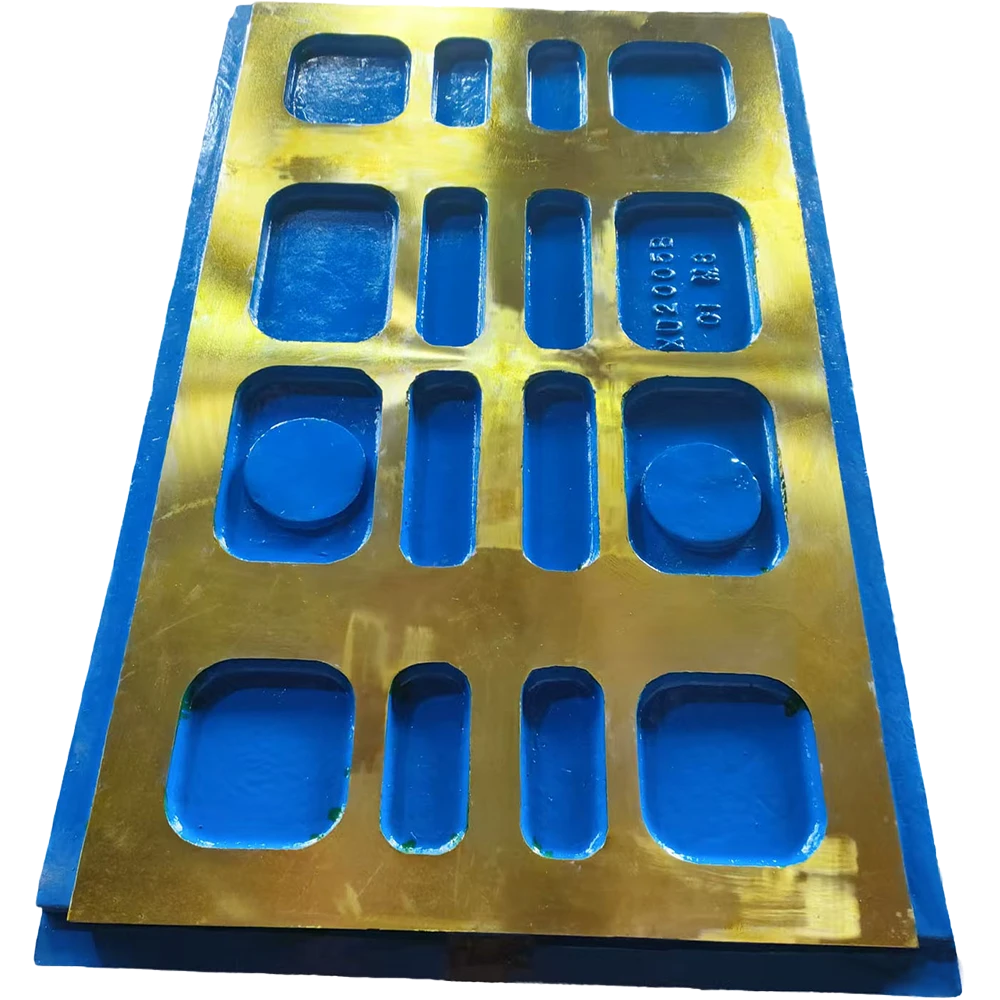
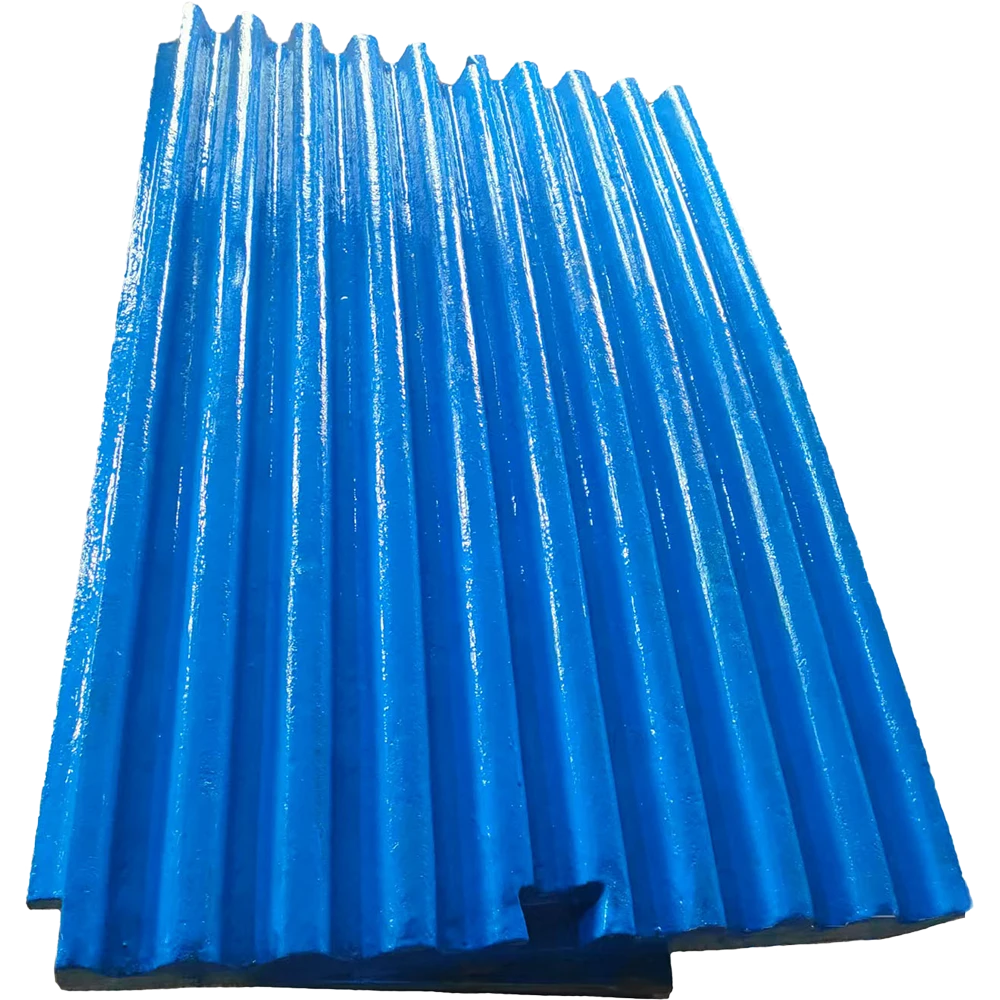
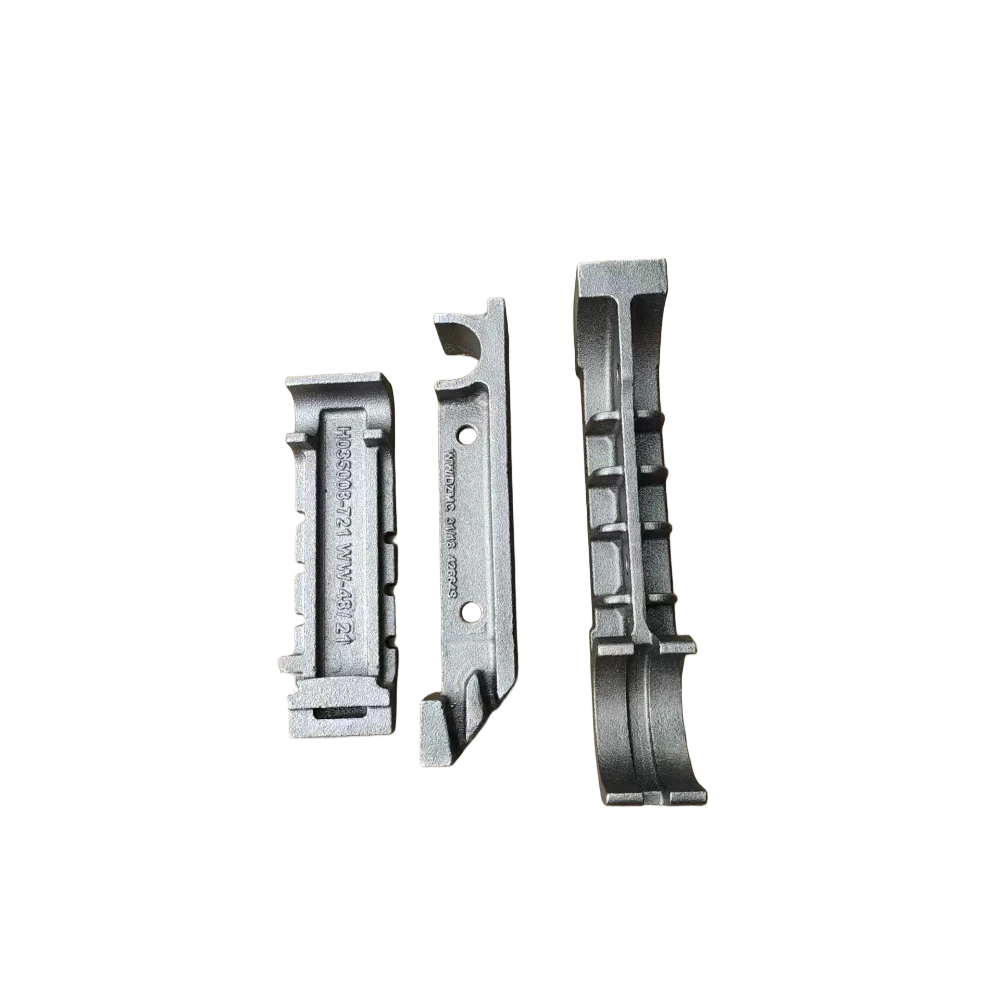
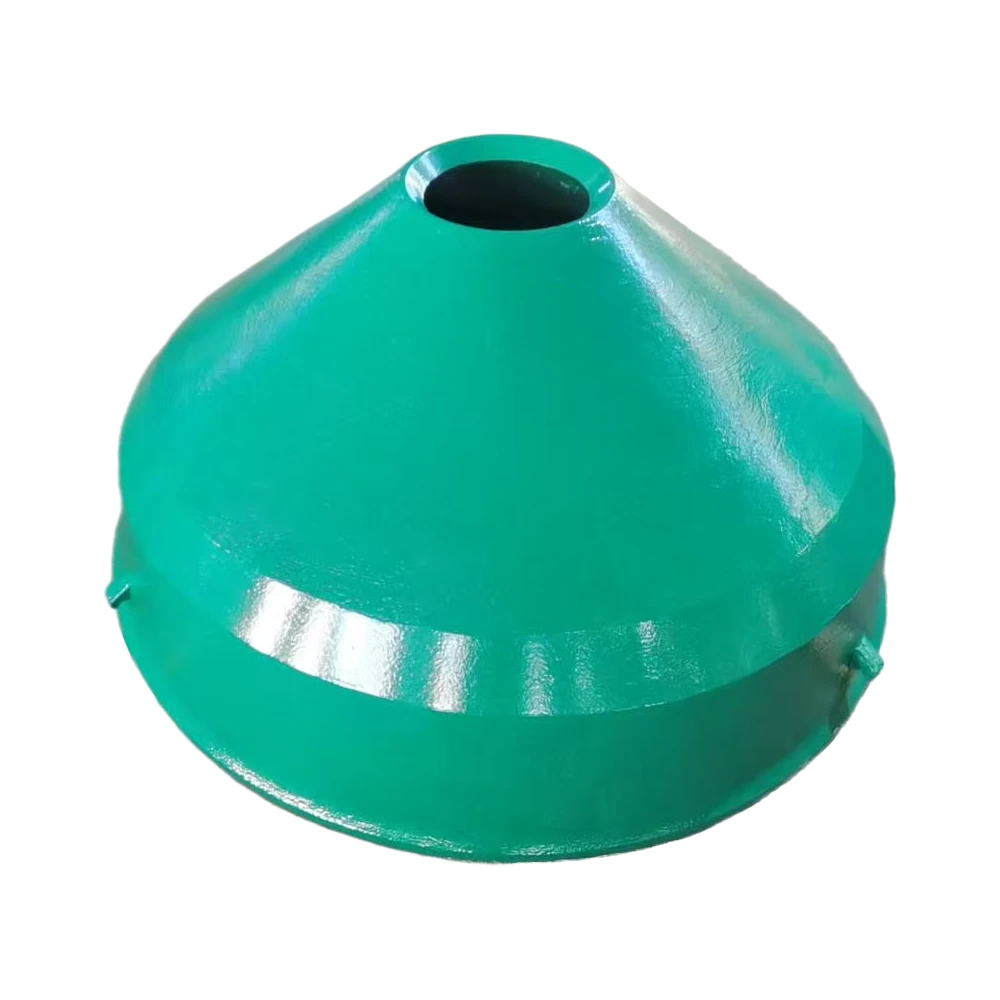
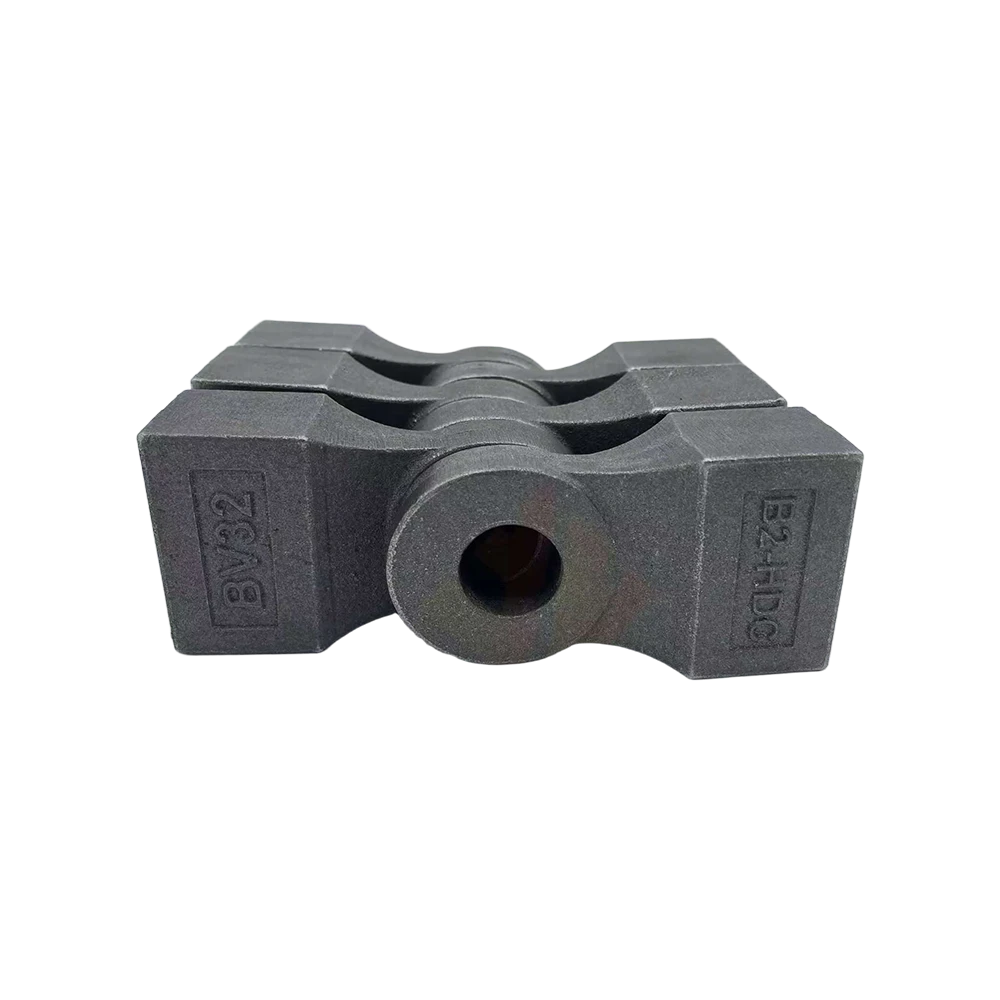
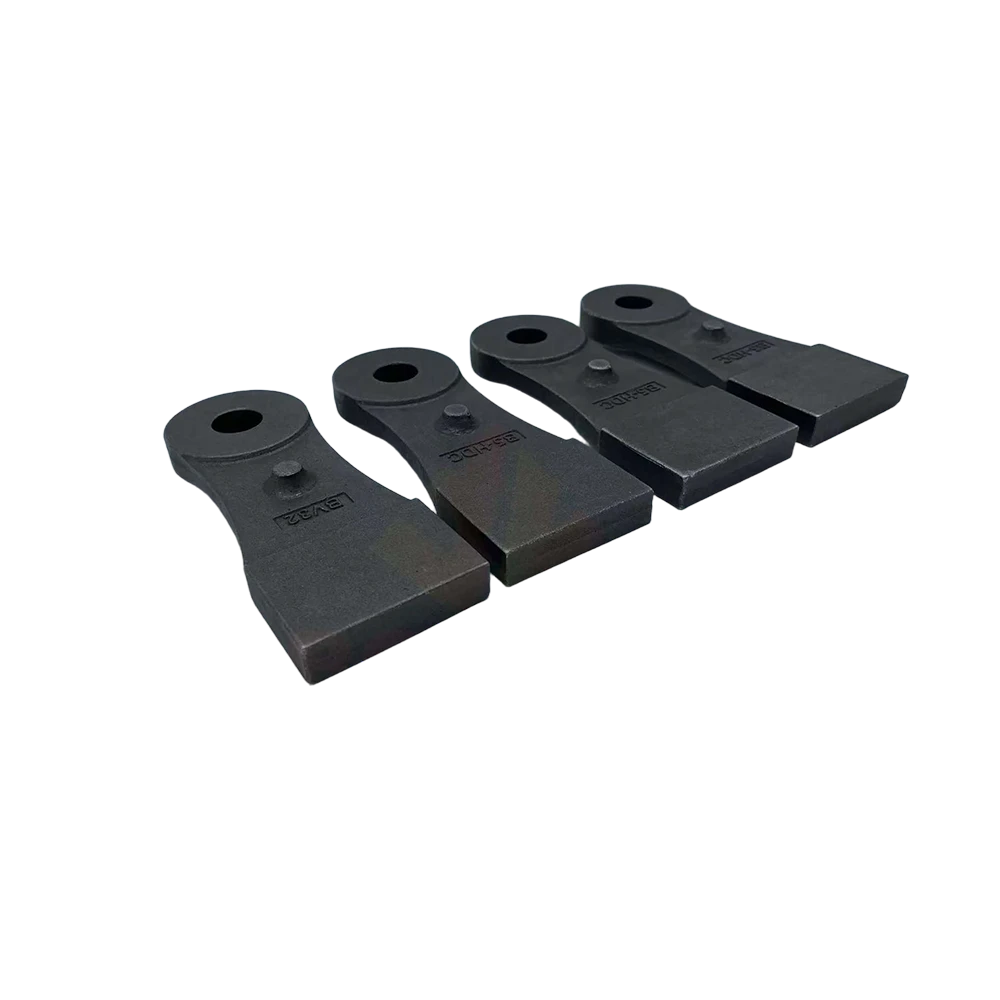
Simply put, a clinker crusher hammer is a heavy-duty component attached to crusher machines that pulverizes the clinker—a hard, nodular material produced during cement manufacturing—into manageable pieces. Without it, you’d have a tough time turning raw clinker into the finely ground cement powder we all depend on.
These hammers must withstand extreme forces, heat, and abrasion while maintaining crushing efficiency. It’s actually pretty impressive engineering when you think about the harsh environment they operate in for months on end. Their performance heavily influences the cement plant's throughput, maintenance costs, and even energy consumption.
Core Components and What Matters Most
Durability and Wear Resistance
The hammer’s material composition—usually high-chromium alloys—makes or breaks (pun intended) its life span. Wear resistance is king here. A cheaper hammer might save cash upfront but lead to more frequent replacements and downtime. Many engineers swear by specific alloys that resist micro-cracks and abrasion.
Design Efficiency and Weight
Size and shape matter. Too heavy, and it stresses the crusher motor; too light, it won’t crush effectively. Designs often feature optimized contours to balance impact force and longevity. Some newer models even incorporate slight tweaks to reduce energy consumption without losing power.
Ease of Replacement and Maintenance
Since crusher downtime means lost production, hammers designed for quick swap-outs are gold. Systems with standardized fittings and modular parts help maintenance crews in busy plants save critical hours.
Cost Efficiency Over Lifecycle
It’s not just about purchase price. The best clinker crusher hammers give you money back over time through longer service, less energy draw, and fewer accidents.
Typical Specifications of a Modern Clinker Crusher Hammer
| Specification | Typical Range/Value |
|---|---|
| Material | High-chromium cast iron or manganese steel |
| Weight | 30 - 150 kg per hammer |
| Wear life | 1,000 - 3,000 operating hours |
| Operating temperature | Up to 600°C |
| Compatibility | Most hammer crushers, impact crushers |
How Clinker Crusher Hammers Make a Difference Worldwide
From cement plants in China to quarries in Brazil, clinker crusher hammers are ubiquitous. Their reliability directly affects millions of dollars in industrial output. In real terms, operators in India report up to 15% energy savings after switching to advanced hammer models. That’s no small potatoes when scaled across industries.
Oddly enough, they’re also essential in post-disaster scenarios where rapid rebuilding depends on expedited cement production. NGOs and governments lean on efficient clinker crushing to accelerate recovery efforts — you can think of these hammers as unsung heroes in infrastructure relief.
Much of the world’s infrastructure modernization depends on equipment that can perform under harsh conditions and tight budgets. Hence, innovations in clinker crusher hammer design hit directly on global development goals.
Vendor Comparison: Picking the Right Clinker Crusher Hammer Supplier
| Brand | Material Quality | Lead Time | Price Range | Warranty |
|---|---|---|---|---|
| DZM Casting | High Chromium Alloy | 2-4 weeks | $$$ | 12 months |
| Vendor B | Manganese Steel | 4-6 weeks | $$ | 6 months |
| Vendor C | Standard Cast Iron | 6-8 weeks | $ | 3 months |
Key Advantages & the Long Game of Clinker Crusher Hammers
- Cost-saving over time: The right hammer means fewer breakdowns, less downtime, and better energy efficiency.
- Sustainability impact: Improved crushing reduces waste and power use—helping plants meet tighter emissions guidelines.
- Operational reliability: Well-engineered hammers give workers confidence to focus on throughput, not breakdowns.
- Social worth: In regions where infrastructure drives economic growth, dependable crushing tools speed everything up, fueling jobs and development.
It feels like these hammers quietly underpin a vital chain—from raw material to the cement in your local construction site.
What’s Next? Trends Powering the Future of Clinker Crusher Hammers
The cement industry is slowly but surely embracing automation and data-driven maintenance. Imagine hammers with embedded sensors measuring wear in real time or new composite materials fueling longer life at lighter weights. There’s also a move toward greener alloys to reduce mining footprints and make recyclability easier.
Digital transformation promises smarter crusher operation with predictive analytics cutting unexpected failures. Plus, as carbon pricing becomes stricter internationally, every kW saved in crushing translates into real money—and less harsh environmental impact.
Challenges & Some Creative Fixes
It’s not all smooth sailing. High wear environments still lead to sudden failures. Sourcing the ideal alloy involves trade-offs, and unpredictable clinker hardness can throw off hammer longevity. Maintenance crews face tough schedules, especially in remote locations.
Some plants are turning to 3D printing for spare parts or modular hammer designs to reduce wait times. Others combine hammer data with crusher motor monitoring to optimize replacement intervals — a great example of tech and human insight working hand in hand.
FAQ: Your Top Questions About Clinker Crusher Hammers
1. How often should clinker crusher hammers be replaced?
Typically, hammers last between 1,000 and 3,000 operating hours depending on clinker hardness and material quality. Routine inspections every few months can catch excessive wear early to avoid surprises.
2. Are high-chromium alloy hammers worth the extra cost?
Generally, yes. While pricier upfront, their superior wear resistance and longer life can cut downtime and energy costs, yielding savings over the hammer’s lifecycle.
3. Can clinker crusher hammers be customized for specific plants?
Absolutely. Many suppliers offer tailoring services to meet unique crusher models, clinker types, and operational preferences, improving crushing efficiency and lifespan.
4. What maintenance best practices improve hammer life?
Regular cleaning, lubrication of crusher bearings, proper alignment, and monitoring for cracks or deformation will all extend hammer durability.
5. Where can I find reliable clinker crusher hammer suppliers?
Trusted vendors like DZM Casting specialize in high-quality hammers with proven track records. Always vet supplier references and warranty terms before purchasing.
Wrapping It Up: Why Clinker Crusher Hammers Matter — And Where to Go From Here
At face value, clinker crusher hammers seem like humble players on an industrial stage — but their impact reverberates across cost efficiency, sustainability, and global infrastructure development. Choosing the right hammer, and staying up to speed on emerging tech, is no longer optional if you want to stay competitive in cement production.
For manufacturers and operators looking to upgrade, or simply learn more, head over to our site. You’ll find a range of durable, high-performance clinker crusher hammers ready to meet your plant’s needs.
Mini Summary:
- Clinker crusher hammers are critical to efficient cement production, impacting costs and sustainability.
- Material quality and design dictate lifespan and energy usage.
- Emerging digital and green technologies will reshape their future.
- Maintenance and trusted sourcing remain key challenges and solutions.
References
-
High Performance oem cast heat resistant steel for Industrial UseNewsApr.16,2026
-
Guide to Selecting High Quality Cast Heat Resistant Steel AlloysNewsApr.09,2026
-
Custom Cast Heat Resistant Steel Solutions for High Temperature ApplicationsNewsApr.07,2026
-
Comprehensive Guide to Wholesale Cast Heat Resistant Steel for Industrial ApplicationsNewsApr.04,2026
-
Comprehensive Guide to High Performance Heat Resistant Metal Product SolutionsNewsMar.31,2026
-
Expert Guidance on Heat Resistant Metal Quotes and Alloy SelectionNewsMar.28,2026