Reliable Crusher Hammer Manufacturer | Durable & Custom Crusher Hammers
Understanding Crusher Hammer Manufacturers: The Backbone of Crushing Technology
At first glance, the term crusher hammer manufacturer might sound a bit niche — maybe even obscure. But if you’ve ever been curious about how raw materials like rocks, ores, or construction debris get broken down efficiently, you’re right at the doorstep of a fascinating industrial story. Globally, the demand for crushing equipment and its components is soaring, driven by rapid infrastructure development, mining booms, and recycling pushes. Understanding who makes the key parts—especially crusher hammers—helps illuminate some of the unsung heroes powering modern industry.
Why does this matter? Well, crusher hammers are essentially the beating heart of crushers, facilitating the breakdown of materials for further processing. If they fail or underperform, operations halt, costs skyrocket, and deadlines slip. Knowing more about the manufacturers who craft these tools means better choices, sustainability, and ultimately smarter industry.
The Global Context: Why Crusher Hammer Manufacturing Is So Important
Across continents—whether you’re looking at the mines in Australia, the quarries in Europe, or the scrap yards in North America—the crusher hammer’s role is remarkably consistent. According to the World Bank, the global mining sector alone accounts for roughly 2.5% of world GDP, involving countless tons of material that need crushing every day. Crusher hammers, manufactured with precision and resilience, make this possible.
But here’s the challenge: these components must endure tough conditions—abrasion, impact, and heat—which pushes manufacturers to innovate continually. ISO standards also emphasize quality control for parts that meet safety and efficiency demands. And oddly enough, in humanitarian contexts, such as post-disaster debris clearing, reliable crushing equipment can expedite rebuilding efforts, making crusher hammer manufacturers quietly vital beyond just commerce.
What Exactly Is a Crusher Hammer Manufacturer?
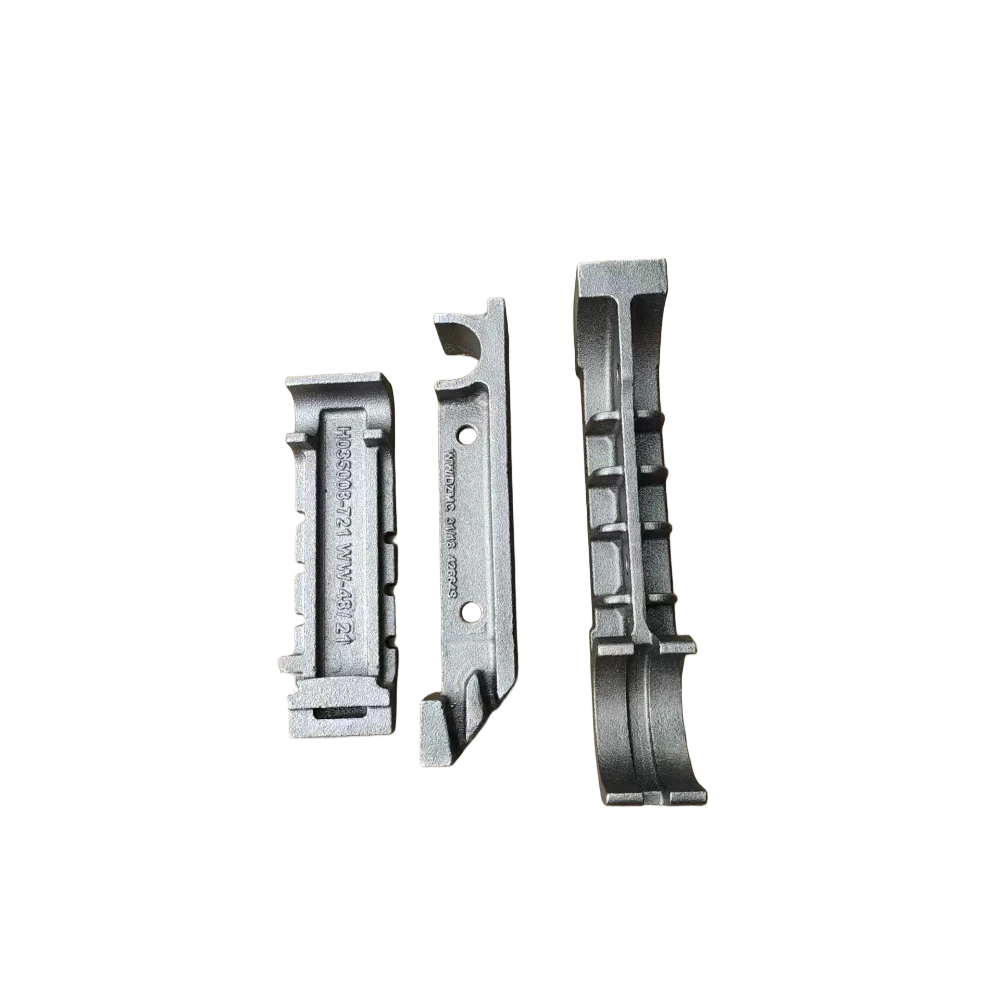
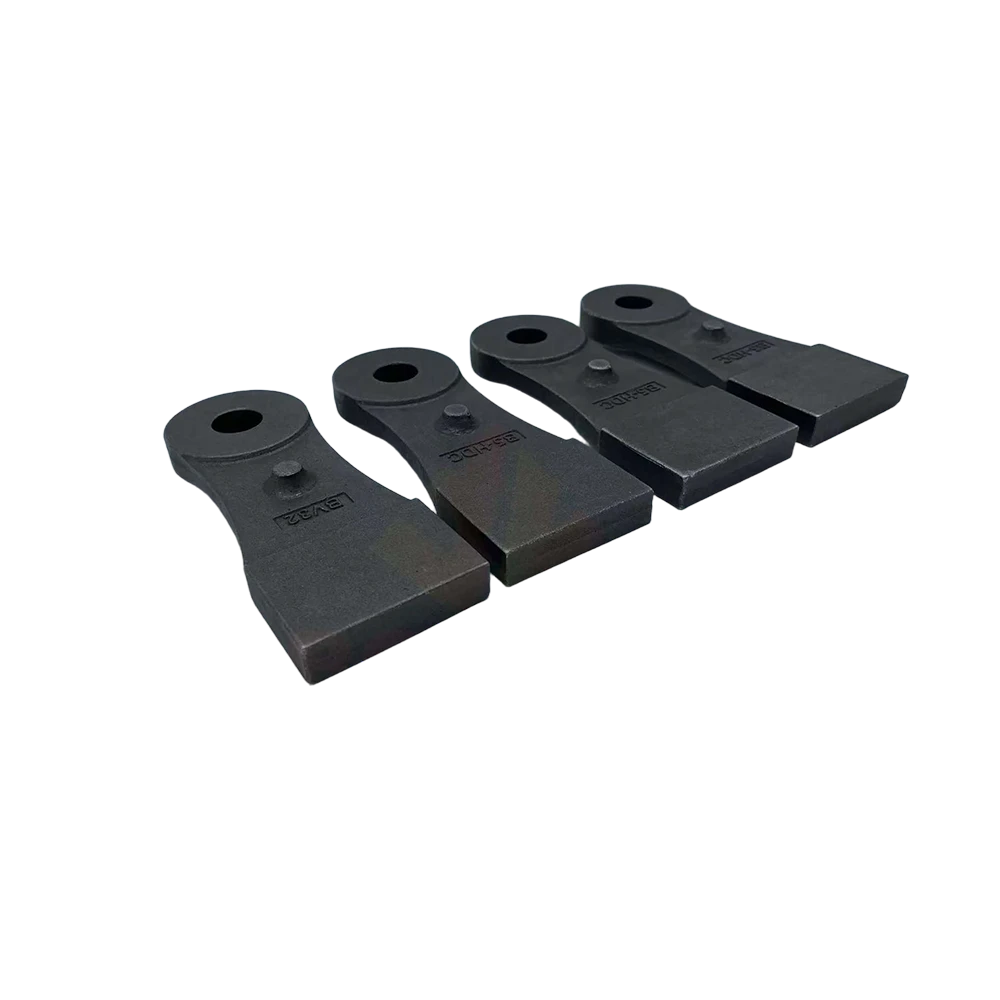
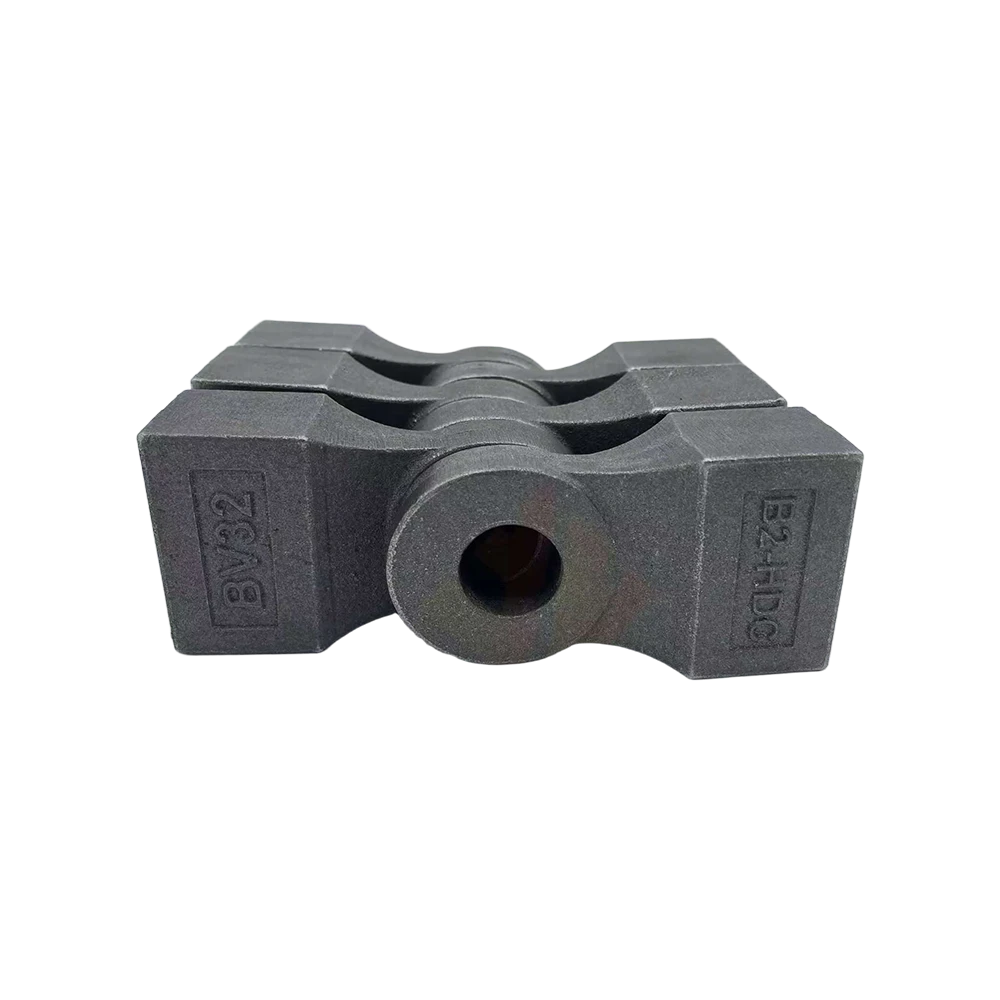
Simply put, a crusher hammer manufacturer specializes in designing and producing the hammers used inside crushing machines. These machines break down large chunks of rock, ore, or material into smaller pieces. The hammer itself is a heavy-duty, replaceable tool attached inside a crusher’s rotor that delivers impact force to the material.
Think of it like a hammer hitting a nail — but on a massively industrial scale, with steel forged or cast under extreme conditions to resist wear. Crusher hammer manufacturers combine metallurgy, engineering, and manufacturing know-how to create these critical parts.
In modern industry, this manufacturing supports sectors ranging from mining to recycling to construction. Without reliable crusher hammers, materials processing simply grinds to a halt.
Key Factors Driving Quality in Crusher Hammer Manufacturing
1. Durability and Wear Resistance
Crusher hammers face brutal mechanical stress. Manufacturers select high-chromium steel alloys or composite materials to boost longevity. The right balance of hardness and toughness means fewer replacements and less downtime. Many engineers say this is the single most important aspect when choosing a manufacturer.
2. Precision Casting and Forging
Whether made by casting or forging, crusher hammers require exact tolerances to fit crusher rotors properly. Imperfect parts can cause imbalanced rotation, leading to destructive vibrations. Advanced manufacturing processes ensure consistency.
3. Scalability and Customization
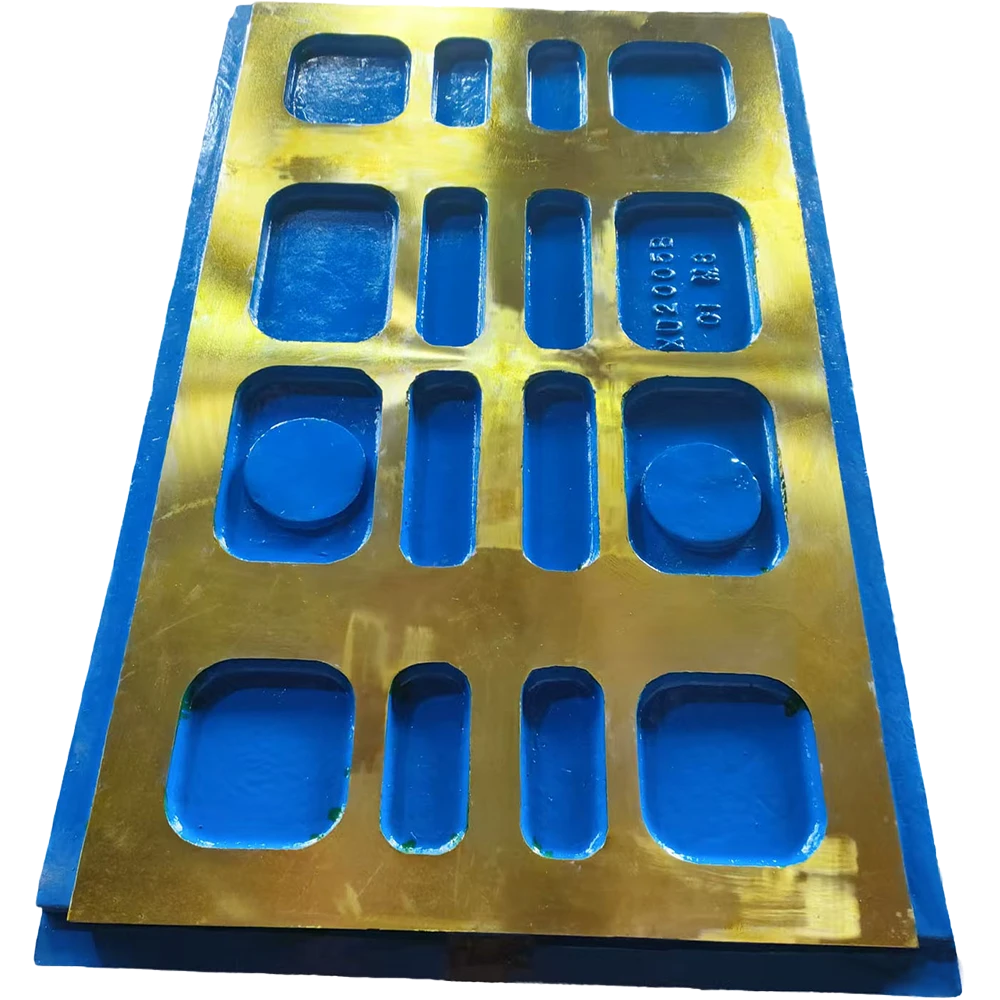
Different industries and machines demand different hammer shapes and sizes. Leading manufacturers can produce bespoke solutions, from small hammers for mobile crushers to giant ones for mining behemoths. This flexibility caters to diverse needs.
4. Cost Efficiency and Lead Times
Production speed and cost remain practical concerns. Manufacturers who optimize supply chains and use modern manufacturing tech often offer competitive pricing and faster delivery—crucial for companies operating on tight schedules.
5. Quality Control and Testing
The best crusher hammer manufacturers invest heavily in testing for hardness, impact resistance, and micro-structural integrity—ensuring every piece can perform under real-world conditions.
Crusher Hammer Specification Example
| Specification | Typical Values |
|---|---|
| Material Composition | High-chromium alloy steel (16-20% Chromium) |
| Hardness (HRC) | 55 - 62 HRC |
| Weight Range | 10 kg - 200 kg |
| Manufacturing Method | Casting / Forging |
| Typical Applications | Mining, Quarrying, Recycling, Cement Industry |
| Average Service Life | 3 - 12 months (varies by material and use) |
Global Applications and Use Cases of Crusher Hammer Manufacturing
Practically every industrializing nation benefits from crusher hammer manufacturing. In Africa’s booming mining sector, durable crusher hammers crush hard ores essential for export economies. In Europe, where recycling and demolition are major trends, crusher hammers help break down construction waste into reusable aggregates.
Take, for example, the aftermath of a natural disaster like an earthquake in Asia: local authorities use crushers fitted with reliable hammer sets to clear rubble quickly, accelerating recovery processes. Similarly, in remote industrial zones in South America, dependable crusher hammers ensure continuous processing of raw materials despite logistical challenges.
Notably, companies frequently seek customized solutions for crushers operating under unique conditions—high humidity, abrasive materials, or extreme temperatures—another reason why trusted crusher hammer manufacturer partnerships are invaluable.
Comparing Leading Crusher Hammer Manufacturers
| Manufacturer | Materials Used | Customization Options | Lead Time | Price Range |
|---|---|---|---|---|
| DZM Casting | High chromium alloy steel | Full customization (shape/weight) | 3-6 weeks | Mid-range |
| HammerTech Inc. | Standard chromium steel | Limited shapes | 6-8 weeks | Budget |
| ForgeMax | Forged alloy steel | High customization | 4-7 weeks | Premium |
| Global Crushers | Various steel grades | Standard range only | 5 weeks | Mid-range |
Advantages and Long-Term Value of Choosing the Right Manufacturer
Opting for a quality crusher hammer manufacturer delivers obvious cost benefits: fewer replacements, reduced downtime, and enhanced crusher efficiency. But there’s also a subtler benefit around sustainability. Durable hammers mean less waste and lower raw material consumption.
Beyond numbers, there’s trust and safety. When a hammer breaks unexpectedly, safety risks escalate and workflows stall. Leading manufacturers provide certifications and warranties that inspire peace of mind — “I can lean on this hammer,” many operators say.
Finally, good partnerships spark innovation. Manufacturers that listen to customer feedback often adapt designs that improve productivity and reduce noise or dust, improving workplace dignity.
Future Trends and Innovations in Crusher Hammer Manufacturing
Looking ahead, crusher hammer manufacturers are embracing digitally driven design tools like 3D modeling and simulation to optimize shapes for less wear and weight.
Materials science continues to push boundaries. Incorporating nano-ceramic coatings or hybrid composites promises longer service life without compromising impact resistance. There's also a rising push to reduce environmental impact by recycling worn hammers.
Automation in production lines means faster turnaround, while green energy-powered foundries align with global decarbonization goals. In line with Industry 4.0, smart sensors embedded in crusher hammers could one day signal wear or damage in real time.
Challenges and Solutions Facing Crusher Hammer Manufacturing Today
No industry sails without waves. Crusher hammer manufacturing struggles with balancing material hardness — too hard, and hammers shatter; too soft, and they wear out quickly. Achieving the “just right” alloy mix requires precision and experience.
Supply chain crunches can delay material sourcing, pushing manufacturers to adopt local alternative materials or innovate recycling processes. Custom orders complicate lead time management, yet modular designs help speed manufacture.
Ultimately, collaboration between manufacturers, clients, and R&D fosters solutions. As one industry insider put it: “It’s not just making a hammer. It’s shaping the future of crushing.”
FAQ: Common Questions About Crusher Hammer Manufacturers
- Q: What factors should I consider when choosing a crusher hammer manufacturer?
A: Look for material quality, customization capabilities, adherence to standards, lead times, and after-sales support. A crusher hammer manufacturer offering reliable delivery and certification is ideal. - Q: How long do crusher hammers typically last before replacement?
A: Service life varies widely based on material type and material being crushed—anywhere from 3 to 12 months in industrial use. Regular inspections can extend operational efficiency. - Q: Are custom crusher hammers significantly more expensive than standard ones?
A: Custom hammers often carry higher upfront costs due to design and tooling but may save money long-term by reducing wear and boosting efficiency. - Q: Can crusher hammers be recycled or repurposed?
A: Yes, worn crusher hammers can often be remelted or repurposed, supporting circular economy goals within mining and recycling industries. - Q: How do I ensure my supplier meets international quality standards?
A: Request ISO certification and detailed quality control documentation. Reputable manufacturers like crusher hammer manufacturer typically provide these upfront.
Conclusion
Choosing the right crusher hammer manufacturer isn’t just a technical decision — it’s a strategic move that impacts cost, safety, and sustainability across whole industrial supply chains. The future looks promising, with innovation and material science reshaping what these humble but mighty tools can do. Whether you’re in mining, recycling, or construction, partnering with a trusted manufacturer ensures you get the best out of your crushers.
Curious to learn more or ready to upgrade your equipment? Visit our website: crusher hammer manufacturer for details, product lines, and expert advice.
References:
1. Wikipedia: Crushing
2. World Bank: Mining Sector
3. International Organization for Standardization (ISO)
-
High Performance oem cast heat resistant steel for Industrial UseNewsApr.16,2026
-
Guide to Selecting High Quality Cast Heat Resistant Steel AlloysNewsApr.09,2026
-
Custom Cast Heat Resistant Steel Solutions for High Temperature ApplicationsNewsApr.07,2026
-
Comprehensive Guide to Wholesale Cast Heat Resistant Steel for Industrial ApplicationsNewsApr.04,2026
-
Comprehensive Guide to High Performance Heat Resistant Metal Product SolutionsNewsMar.31,2026
-
Expert Guidance on Heat Resistant Metal Quotes and Alloy SelectionNewsMar.28,2026