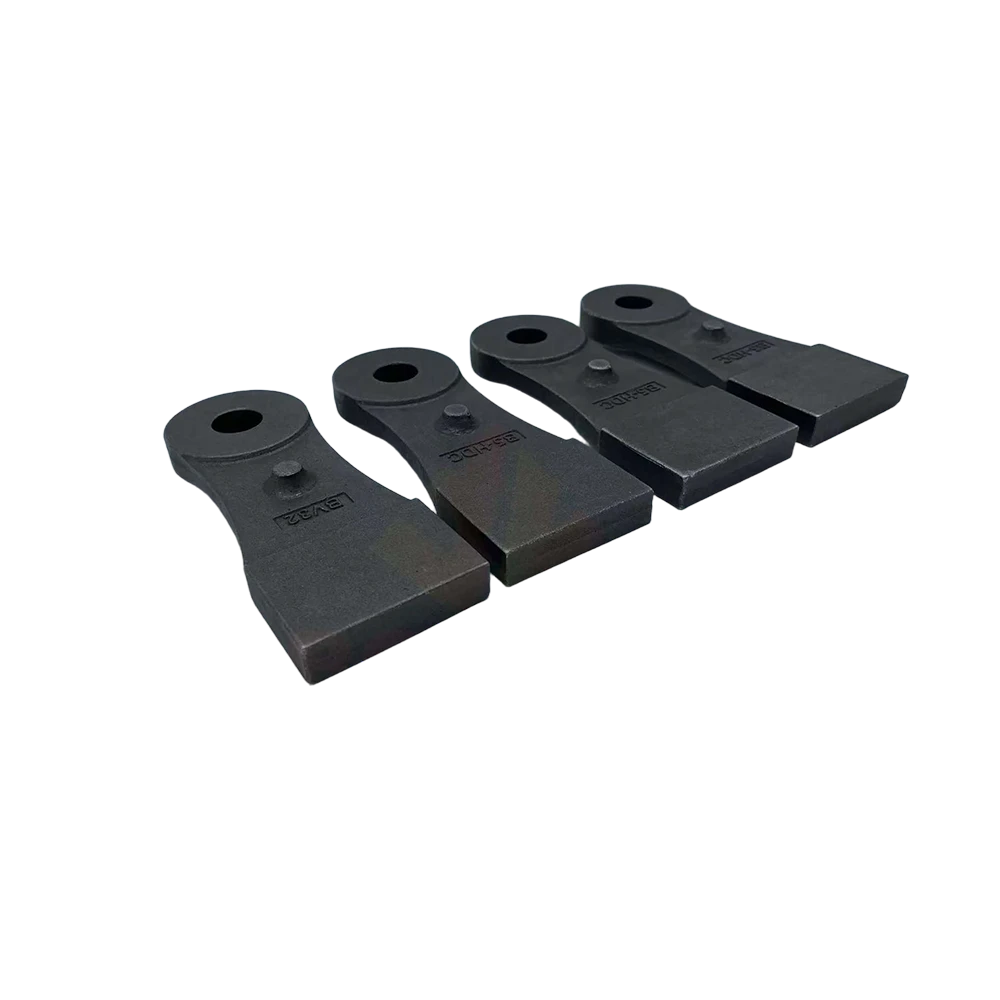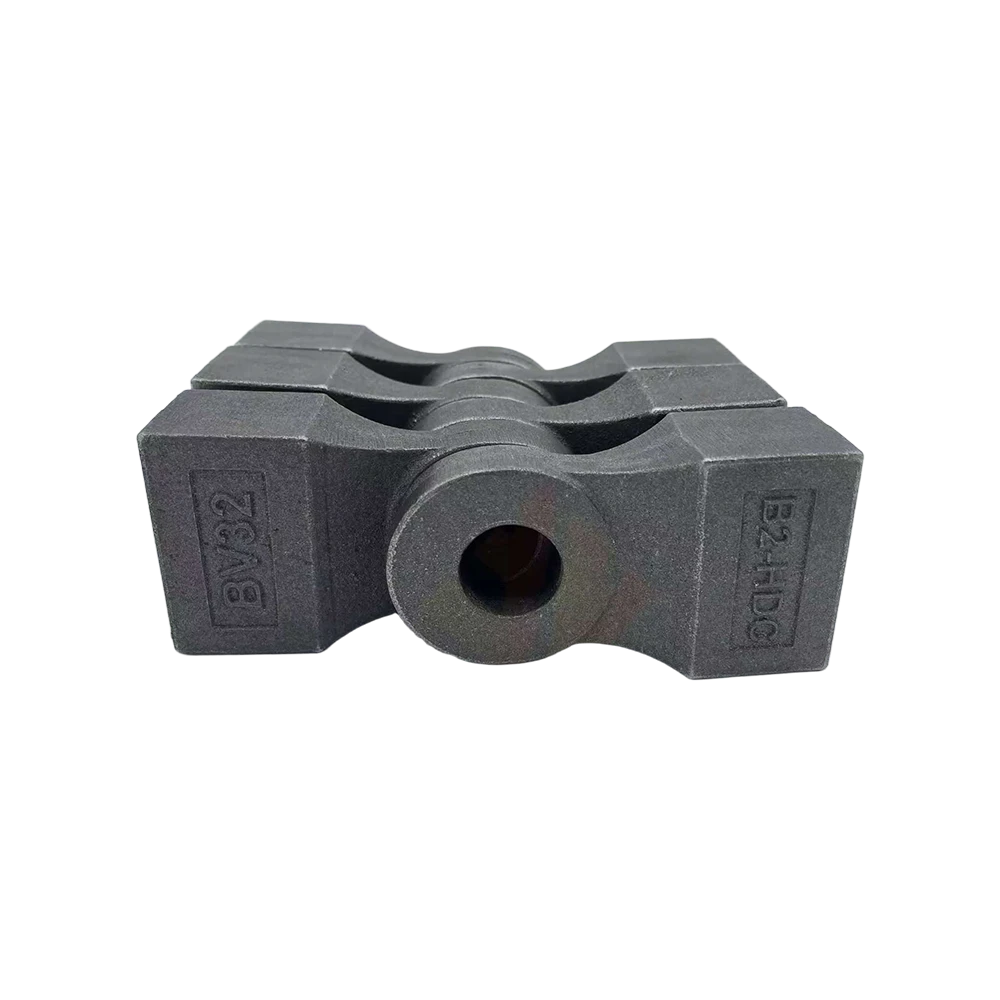
Crusher Hammer Material: Durable Alloys for Efficient Crushing | DZM Casting
Understanding Crusher Hammer Material: Why It Matters Globally
At first glance, "crusher hammer material" might seem like just some industry jargon, but it’s actually a cornerstone in a variety of heavy industries all around the world. Simply put, crusher hammers are the beating heart of crushing machines that break down rocks, ores, and other tough materials — necessary for construction, mining, recycling, and even disaster relief efforts.
Why should you care? Because the kind of material these hammers are made from directly impacts efficiency, cost, and even environmental footprints. With mining and construction industries contributing over 13% to global GDP (World Bank), the durability and reliability of crusher hammer materials can ripple through entire supply chains — affecting cost, sustainability, and worker safety.
Mini takeaway: Understanding crusher hammer materials isn’t just for engineers; it’s key for anyone wanting durable, cost-effective crushing solutions in a world buzzing with demand for raw materials.
Crusher Hammer Material: A Global Perspective
Globally, the demand for robust crusher hammer materials is soaring. The International Organization for Standardization (ISO) notes increasing standards for materials used in heavy machinery, reflecting a need for longer-lasting, harder-wearing components. Mining hubs in Australia, South Africa, and Canada rely heavily on crusher hammer material quality to maintain round-the-clock operations.
However, the challenge is real. Inadequate materials lead to equipment failure, downtime, and heavy maintenance costs. Considering that unplanned shutdowns can cost mining companies thousands per hour, choosing the right hammer material becomes a strategic priority.
Current Challenges:
- Wear and tear under high-impact crushing
- Corrosion resistance in humid or chemical environments
- Balancing cost and longevity
These issues underscore why the composition and treatment of crusher hammer materials are so crucial.
What Exactly Is Crusher Hammer Material?
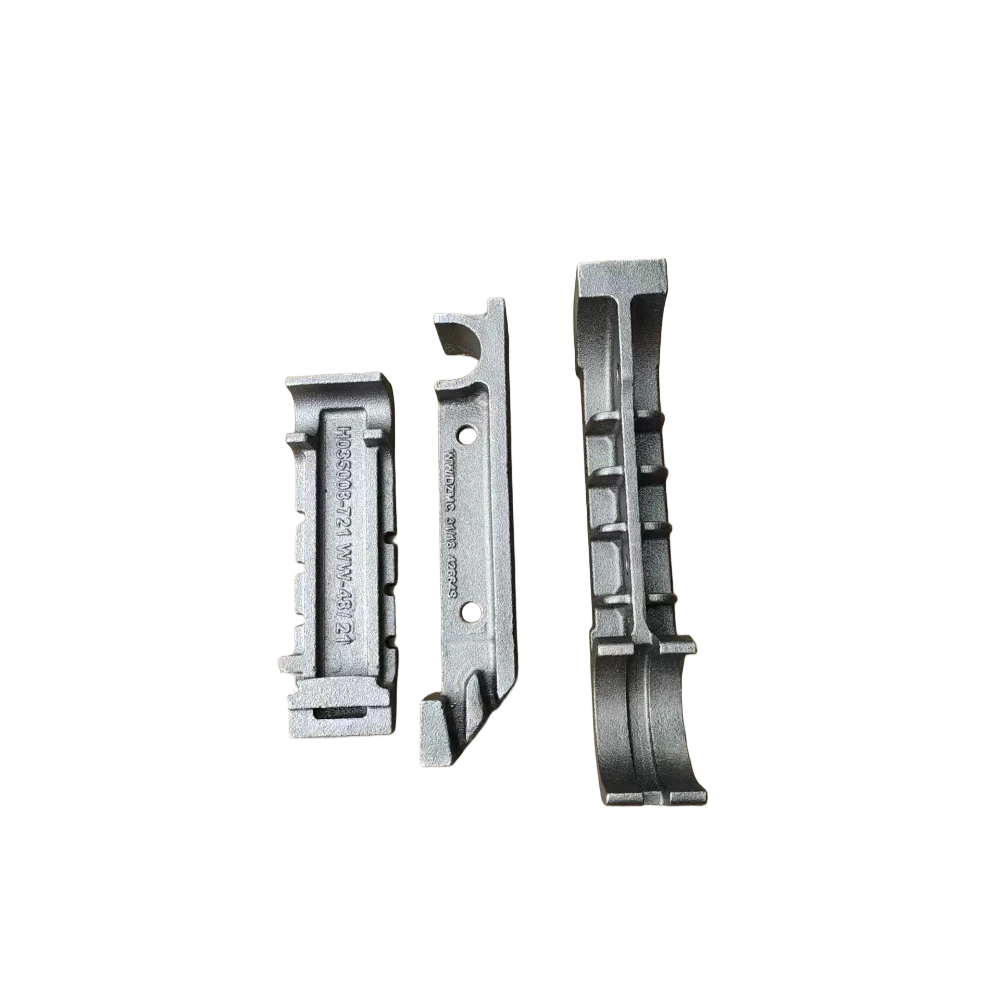
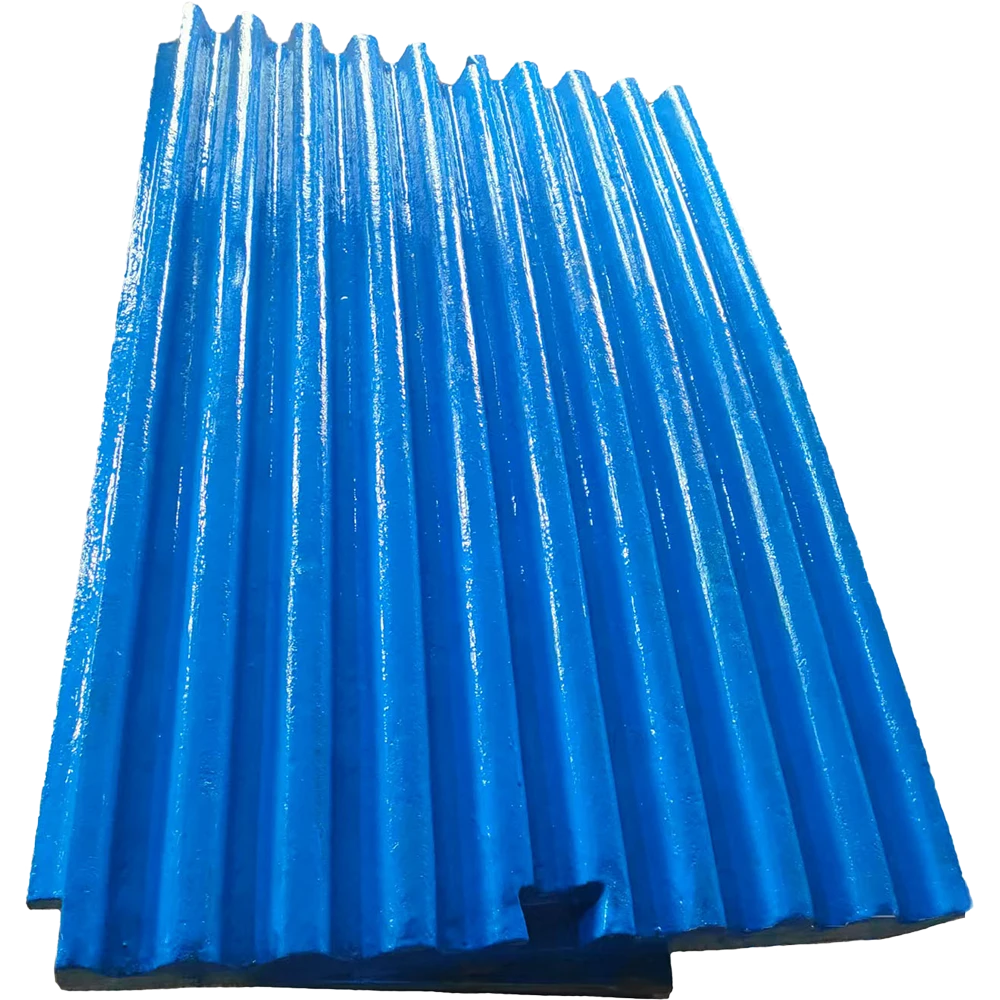
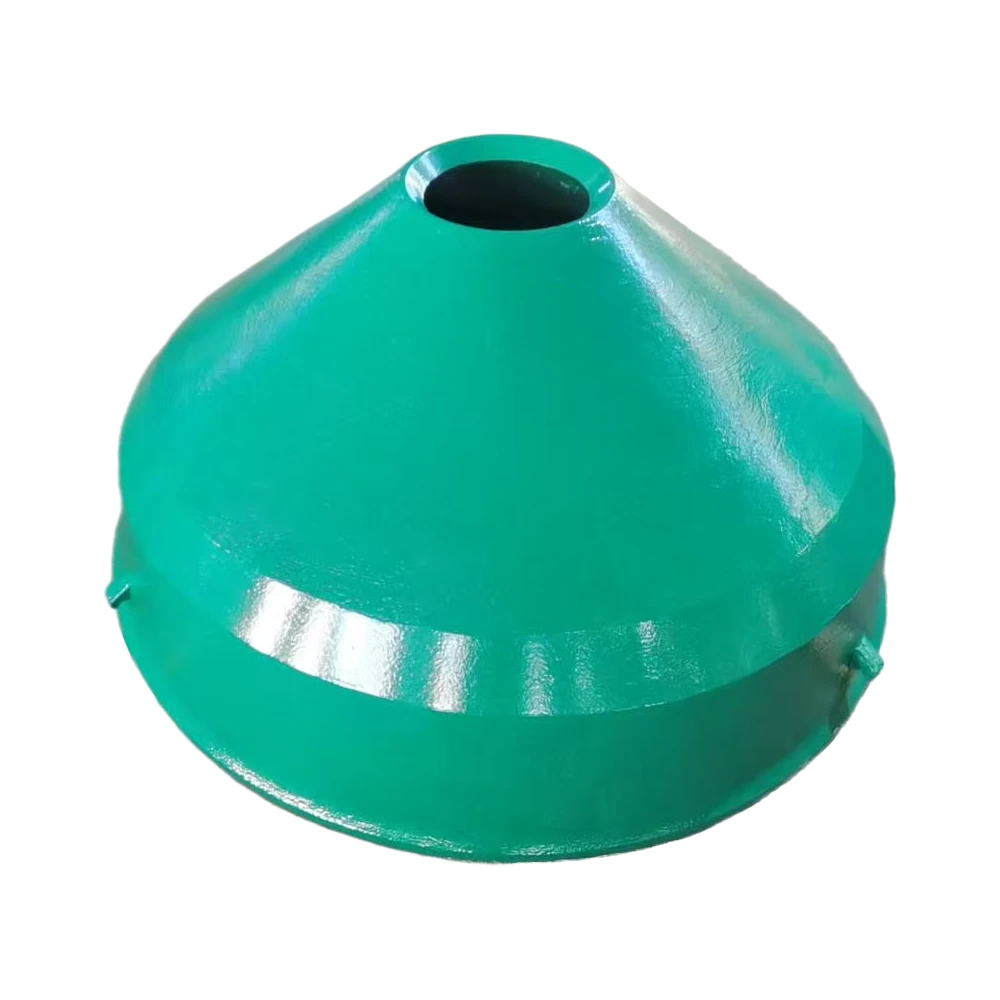
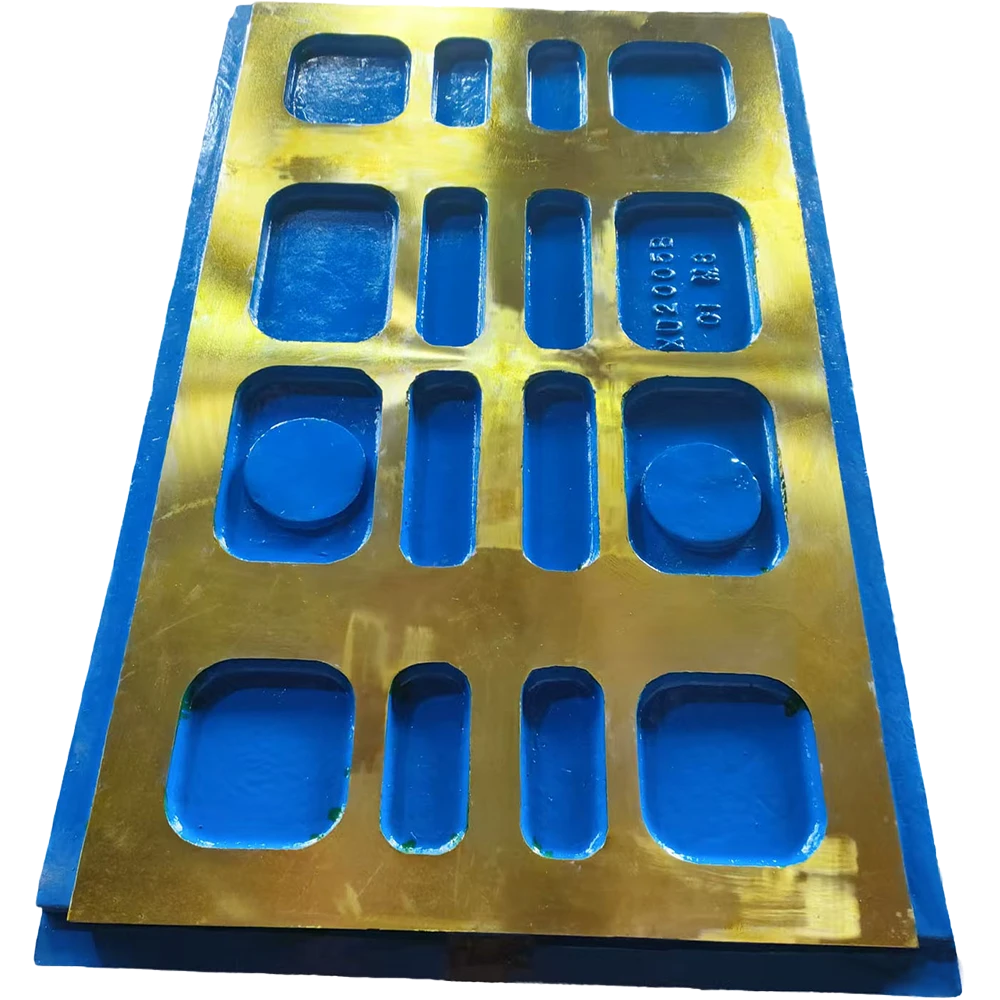
In basic terms, crusher hammer material refers to the metal alloys or composite substances used to manufacture the crushing hammers that pulverize rock or ore. Usually constructed from high-chrome alloys or martensitic steels, these materials are engineered for resilience against abrasion, impact, and heat. They work tirelessly within crushers — machines that reduce the size of hard materials for easier processing downstream.
More than just a chunk of metal, this material must balance brittleness and toughness—too brittle and it shatters; too soft and it wears away quickly. It’s a classic engineering puzzle, finely tuned for various industrial giants ranging from mining companies feeding global supply chains, to recycling plants promoting sustainability by reusing raw materials.
Crucial Traits of Crusher Hammer Materials
Durability
One of the non-negotiable qualities is durability. Crusher hammers often operate in environments where they strike rocks constantly and violently. The materials must resist cracking and deformation over thousands of cycles. High chromium content is commonly sought, as it forms hard carbides in the metal matrix.
Wear Resistance
Wear resistance is tied closely to durability but specifically refers to how the surface withstands abrasion. Metals like chrome-manganese alloys resist surface wear much better than plain carbon steel. This means fewer replacements and reduced downtime.
Impact Toughness
Being tough means the material can absorb shocks without breaking. Impact toughness prevents sudden failure; essential in crushers where materials can have unpredictable hardness or shape. Engineers often use heat treatments to optimize this property.
Corrosion Resistance
Environmental factors, such as moisture or chemicals, can cause corrosion. Choosing materials with good corrosion resistance extends hammer lifespan, especially in humid or chemically aggressive sites.
Cost Efficiency
Balancing top-tier materials with cost-effectiveness is always a challenge. A very expensive alloy might last longer but cost more upfront, whereas cheaper metals wear out faster. Smart procurement strategies analyze total cost of ownership (TCO), not just purchase price.
Manufacturability
Some alloys are harder to cast or machine. Depending on factory capabilities, this affects lead times and customization options, relevant for specialized applications.
Mini takeaway: These components have to be a fine balance of color, chemistry, and craftsmanship — with each factor nudging overall performance.
Where Does Crusher Hammer Material Make a Difference Globally?
Real-world applications run the gamut. Mining regions in Africa and North America depend on crusher hammers to extract minerals critical for electronics and infrastructure. In Asia, recycling plants depend on durable hammers to process construction waste into reusable aggregates. Even in disaster scenarios, mobile crushing equipment with reliable hammers helps clear rubble quickly, aiding relief efforts.
Let’s look at some specific use cases:
- Mining Operations: Copper and gold mines in Chile use specially treated crusher hammers to handle high abrasion from ore types.
- Construction and Demolition Recycling: U.S. facilities rely on hammer crushers made from corrosion-resistant alloys to handle mixed debris.
- Post-Disaster Relief: After earthquakes, crushed rubble must be processed rapidly on-site in countries like Japan and Turkey.
- Remote Industrial Zones: Mines in Siberia depend on long-life materials due to difficulty in part replacement.
Specifications of Typical Crusher Hammer Material
| Property | Typical Value | Notes |
|---|---|---|
| Material Type | High-Chrome Alloy Steel | Usually 12-28% chromium |
| Hardness (HRC) | 55 - 65 | Depends on heat treatment method |
| Impact Toughness (J) | 20 - 35 | Balancing hardness and toughness |
| Corrosion Resistance | Moderate to high | Improved with coatings or alloy selection |
| Density (g/cm³) | 7.6 - 7.9 | Typical steel density range |
Comparing Top Vendors in Crusher Hammer Material Supply
| Vendor | Material Options | Lead Time | Customization | Price Range |
|---|---|---|---|---|
| DZM Casting | High-Chrome Alloys, Chromium-Manganese, Customized | 2-4 weeks | Yes, OEM available | $$$ (Mid-High) |
| Keyline Steel | Martensitic & Austenitic Steels | 3-5 weeks | Limited | $$ (Medium) |
| Metallum Industries | Chrome-Boron Alloys | 4-6 weeks | Yes | $$$ (High) |
Advantages & Long-Term Value of Quality Crusher Hammer Materials
Investing in top-notch crusher hammer material isn’t merely about preventing headaches or downtime—though that’s a huge part of it. It’s about creating a sustainable operation that respects both budgets and workers.
Reliability: High-quality materials mean equipment runs longer and smoother, translating into fewer unexpected breakdowns.
Sustainability: Durable materials reduce frequent replacements, cutting waste and the carbon footprint of manufacturing.
Safety: When crusher hammers fail suddenly, they pose serious risks to operators. Robust materials lessen these risks.
It feels like companies that prioritize these materials build more trust across their supply chains and customers. It’s rarely glamorous, but definitely impactful.
Looking Ahead: Trends in Crusher Hammer Material Technology
Industry innovators are pushing boundaries with new alloys combining wear resistance and toughness thanks to nanotechnology and 3D printing. The push for greener manufacturing processes also means materials requiring less energy to produce without compromising quality.
Automation in crushing plants means fewer human interventions, so materials that can last longer and produce less unplanned downtime are more valuable than ever.
We’re also starting to see intelligent sensors embedded in hammers to monitor wear and predict replacements — technology marrying metallurgy with software.
Challenges Today & How Experts Tackle Them
Not everything is smooth sailing. Even the best materials can’t handle everything perfectly. Variability in crushed materials, inconsistent manufacturing quality, and cost pressures remain obstacles. Experts suggest:
- Rigorous testing: Regular metallurgical and wear tests to verify consistency
- Material blends: Using composite or multi-layered materials to get the best of several properties
- Predictive maintenance: Leveraging wear sensors and analytics to schedule replacements smartly
FAQs About Crusher Hammer Material
What materials offer the best resistance to wear in crusher hammers?
High-chrome alloys with 12-28% chromium content are generally regarded as the best for wear resistance due to hard chromium carbides in the steel matrix, which resist abrasion effectively.
How often should crusher hammers be replaced?
Replacement depends on usage intensity, material crushed, and hammer quality; typically, they last from a few months to over a year. Regular inspection and predictive monitoring improve replacement timing.
Are there eco-friendly options in crusher hammer materials?
Yes, developments in recycled alloys and manufacturing methods with lower carbon footprints are gaining ground. Longer-lasting hammers also reduce waste and environmental impact.
Can crusher hammers be customized for different industries?
Definitely. Many suppliers offer custom alloys and heat treatments depending on the industry needs, whether for mining hard ores or recycling lighter materials.
Where can I learn more about crusher hammer materials?
Industry-specific websites like crusher hammer material manufacturers and standard bodies like ISO provide up-to-date technical details and sourcing options.
Conclusion: Crushing it with the Right Material
To wrap it up, investing attention—and budgets—in quality crusher hammer materials pays dividends in operational uptime, safety, and cost savings. Whether you’re in mining, recycling, or infrastructure, the "right metal" behind the hammer really shapes success.
If you want to explore durable, high-performance options backed by industry expertise, take a moment to visit https://www.dzmccasting.com. Your crushers—and your team—will thank you.
References
-
High Performance oem cast heat resistant steel for Industrial UseNewsApr.16,2026
-
Guide to Selecting High Quality Cast Heat Resistant Steel AlloysNewsApr.09,2026
-
Custom Cast Heat Resistant Steel Solutions for High Temperature ApplicationsNewsApr.07,2026
-
Comprehensive Guide to Wholesale Cast Heat Resistant Steel for Industrial ApplicationsNewsApr.04,2026
-
Comprehensive Guide to High Performance Heat Resistant Metal Product SolutionsNewsMar.31,2026
-
Expert Guidance on Heat Resistant Metal Quotes and Alloy SelectionNewsMar.28,2026