Comprehensive Guide on Jaw Plate HSN Code — Classification and Global Trade Benefits
Understanding the Jaw Plate HSN Code: Why It Matters in Global Trade
At first glance, a jaw plate HSN code might just look like a random number you toss into customs paperwork. But dig a little deeper, and it’s a key to unlocking smoother industrial supply chains, faster customs clearance, and even better industry compliance. These little codes — a part of the Harmonized System Nomenclature (HSN) — tie together the manufacturing, shipping, and trade worlds seamlessly, especially when it comes to heavy machinery parts like jaw plates. For companies and stakeholders trading internationally, understanding the correct jaw plate HSN code isn’t just bureaucratic tedium; it directly influences cost, regulatory clarity, and operational speed.
The Global Context of Jaw Plate HSN Codes
You might wonder: why is something so localized — say, a jaw plate used in crushers and excavators — discussed on global platforms? Well, owing to rapid industrialization and infrastructure projects worldwide, the trade of such critical machine components now spans continents. According to the World Trade Organization, machinery parts represent billions in trade annually, with Asia, Europe, and North America leading the charge.
The challenge often boils down to classification. Without the right jaw plate HSN code, import duties can balloon unexpectedly, delaying shipment release, and causing ripple effects down production lines. Particularly for industries like mining, construction, and recycling, these delays aren't just inconvenient — they affect national economies and livelihoods. So, the relevance of the jaw plate HSN code is much bigger than a few digits on a form.
What Exactly Is the Jaw Plate HSN Code?
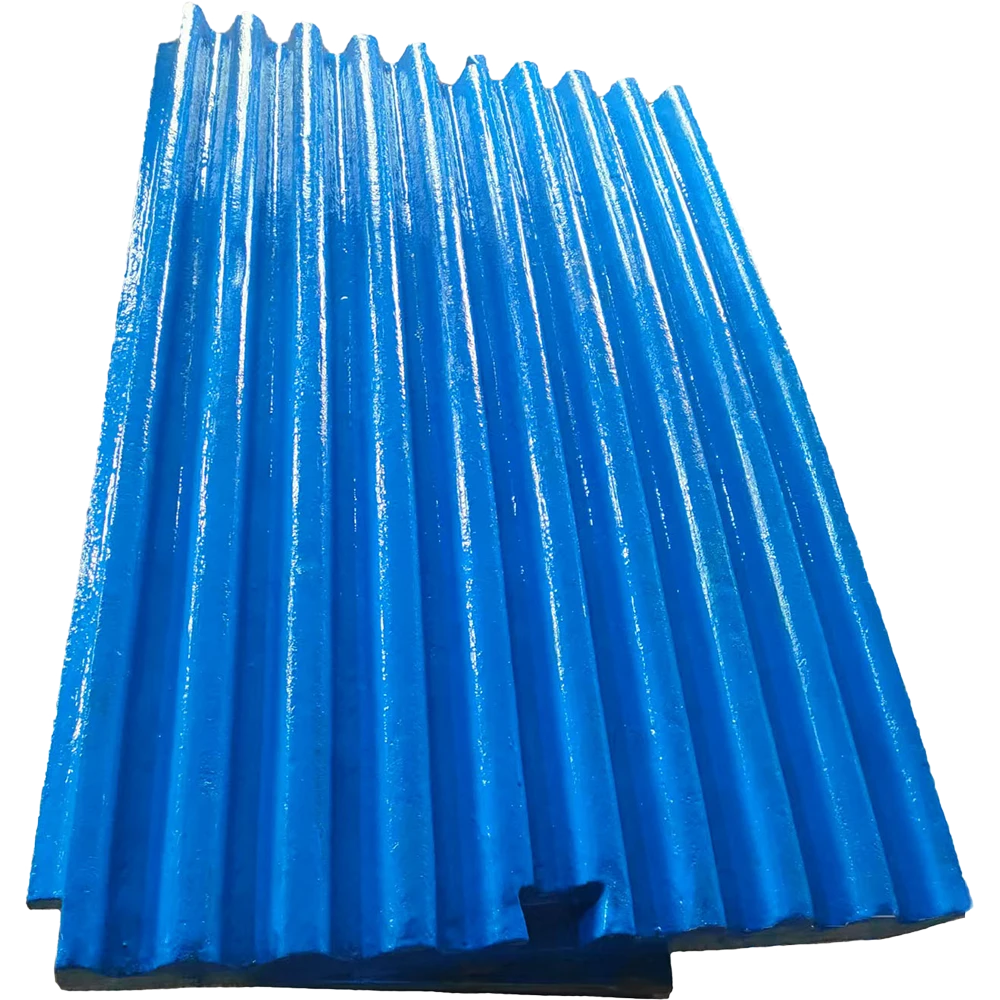
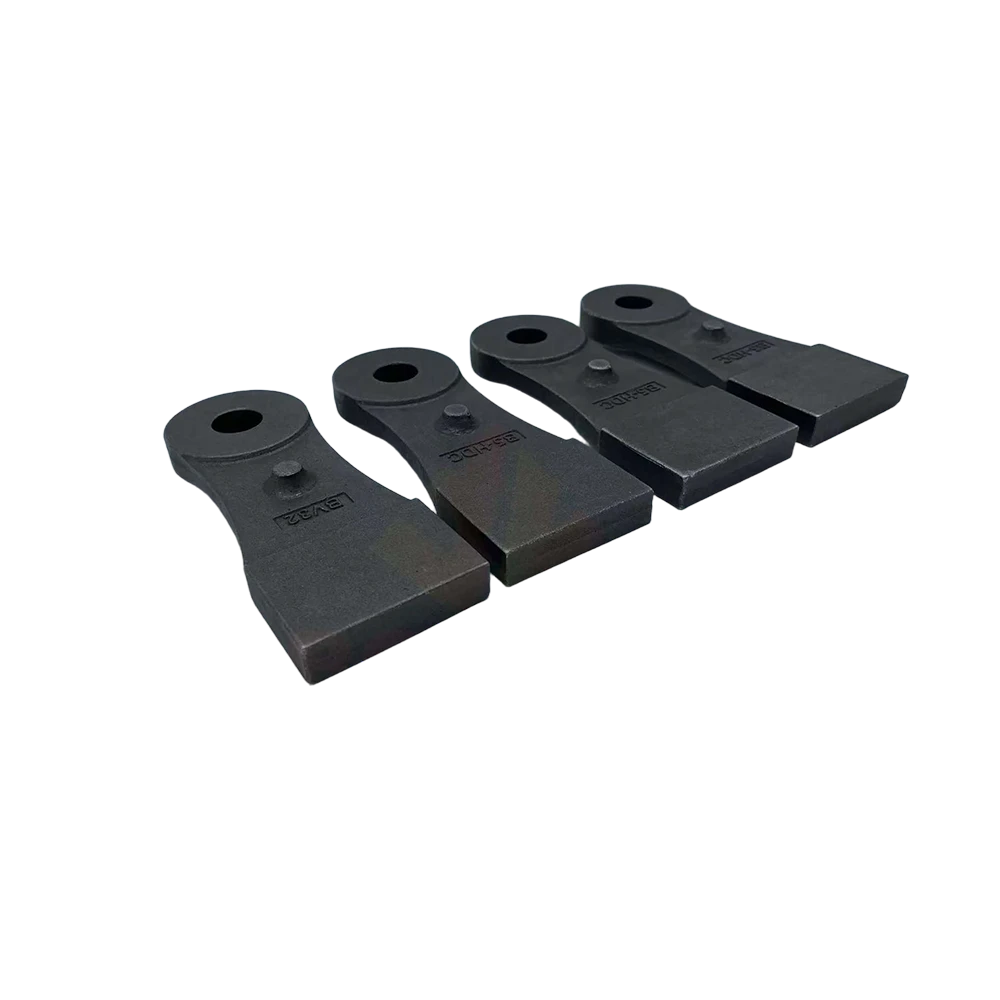
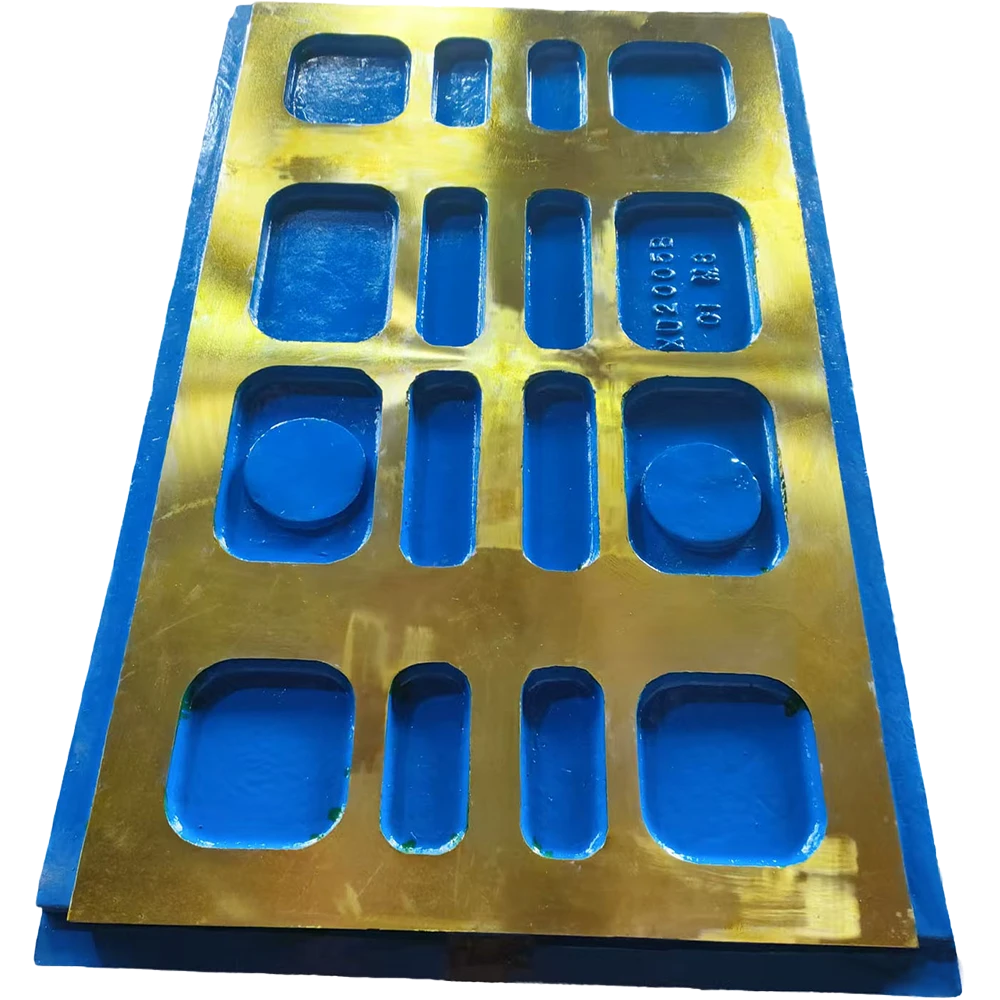
In simple terms, the jaw plate HSN code is a standardized numeric identifier assigned to “jaw plates,” typically the replaceable metal components used in jaw crushers and related heavy equipment. The HSN system — developed by the World Customs Organization — is designed to harmonize classifications of goods internationally, making customs and trade processes more predictable and less costly.
More than just labels, these codes categorize jaw plates under a global framework, reflecting specifications like material type (cast iron or steel), intended machinery application, and manufacturing process. With globalization pushing rapid equipment replacements and spare part shipments, accurate HSN coding has become essentially the language that smooths cross-border transactions.
Key Components of the Jaw Plate HSN Code System
1. Standardized Classification
The backbone of the system is standardization — ensuring that all countries and businesses “speak the same tongue” when it comes to jaw plates. It mitigates confusion in identifying parts that might otherwise have wildly varying local names or specs.
2. Material Identification
Jaw plates differ in composition — manganese steel, forged steel, or cast iron — and the HSN code reflects this to distinguish durability and use-case, affecting tariffs and compliance checks.
3. Industry Relevance
The code links products to industry sectors like mining, aggregate processing, or waste management, which is essential when governments incentivize or tax specific sectors differently.
4. International Compliance
Using the correct jaw plate HSN code ensures adherence to international trade regulations, helping companies avoid penalties or shipment rejections.
5. Cost and Tax Implications
Accurate coding influences applicable GST or VAT rates in many countries, directly impacting the landed cost of the parts, which can be critical for budget forecasting.
Mini takeaway:
Getting the jaw plate HSN code right is a cornerstone in harmonizing supply chains, ensuring parts arrive on time without surprise fees.
Global Applications & Use Cases
The jaws of crushers — equipped with plates classified under the jaw plate HSN code — are vital in industries ranging from mining in South Africa, construction surge in India, to recycling plants in Germany. For example:
- Mining operations in Australia rely on quick replacement of jaw plates after wear, using the HSN code for expedited customs clearance.
- Infrastructure projects in Southeast Asia often deal with importing these components from regional hubs, where accurate classification reduces lead times.
- Disaster relief constructionteams in post-earthquake zones often need fast-arriving materials—and knowing the jaw plate HSN code aids in faster customs processing under emergency trade agreements.
Even emerging markets have taken notice; in Latin America, for instance, non-compliance with HSN codes has previously caused expensive import bottlenecks.
Advantages & Long-Term Value
Why fuss over the jaw plate HSN code? Aside from obvious smoother customs flow, here are some benefits that many manufacturing firms note:
- Cost Savings: Reduced tariff errors and faster cargo clearance save money and avoid downtime
- Sustainability: Streamlined trade lessens idle machinery periods — indirectly cutting wasteful energy use
- Industry Trust: Compliance signals professionalism, gaining favor with distributors and regulators
- Innovation Boost: Accurate product categorization encourages firms to improve materials and design, supported by clear regulatory frameworks
On a human level, it also means safer working environments with well-maintained equipment delivered on time.
Future Trends & Innovations Around Jaw Plate Classification
The broad push for digital customs has brought in innovations like AI-driven classification tools that auto-assign the most accurate HSN codes after scanning invoices or product documents. Imagine a future where a jaw plate shipment’s paperwork is processed in seconds, using blockchain validation for authenticity.
Further, greener materials and additive manufacturing (3D printing of wear parts) will soon push HSN coding systems to evolve, distinguishing more advanced composite versions or hybrid steel and composite parts.
Challenges & How Industry Overcomes Them
Frankly, the complexity of HSN classification sometimes trips up even seasoned exporters — different countries may interpret codes slightly differently, or updates to the HSN list occur at varied paces worldwide.
One useful approach is consulting dedicated customs brokers who specialize in machinery parts, or leveraging online platforms updated in real-time. Multinational companies often establish internal compliance teams just for this.
Another solution is vendor-side transparency. Reliable suppliers include exact HSN codes right on invoices or product datasheets, cutting confusion from the get-go.
Product Specification Table: Typical Jaw Plate Models
| Model | Material | Weight (kg) | Typical Use | HSN Code |
|---|---|---|---|---|
| JP-300 | Manganese Steel | 150 | Medium crushers | 84314900 |
| JP-500 | Forged Steel | 350 | Heavy-duty mining | 84314900 |
| JP-1000 | Cast Iron Alloy | 600 | Large crushers & quarries | 84314900 |
Vendor Comparison: Major Suppliers of Jaw Plates
| Vendor | Material Options | Customization | Lead Time | Pricing |
|---|---|---|---|---|
| SteelParts Co. | Manganese, Forged Steel | High (size & design) | 3-4 weeks | $$$ |
| CrusherGear Ltd. | Cast Iron, Alloy Steel | Medium | 2-3 weeks | $$ |
| GlobalJaw Components | Forged Steel, Composite | Custom engineering available | 4-6 weeks | $$$$ |
Frequently Asked Questions About Jaw Plate HSN Code
Q1: What exactly is the HSN code for a jaw plate, and why do I need it?
The HSN code for jaw plates generally falls under 8431.49.00, which covers parts for crushers. You need this code to correctly classify the item for customs, which affects duties and compliance. Using the right code helps smooth import/export procedures.
Q2: Can the jaw plate HSN code vary between countries?
The base HSN structure is international, but some countries add additional digits for further classification. So yes, while the primary code like 84314900 stays consistent, local variations might exist, affecting tax or regulatory requirements.
Q3: How do I find the correct HSN code if I manufacture custom jaw plates?
Consult the official customs tariff schedules or contact your national customs authority. Companies often work with licensed customs brokers or use online databases for updated classifications. Always keep technical datasheets handy for precise identification.
Q4: Will incorrect jaw plate HSN code affect my shipment?
Absolutely. Misclassification can result in delayed customs clearance, penalties, and unexpected import duties. It can also trigger inspection or rejection of goods, so accuracy is vital.
Q5: Where can I learn more about jaw plate HSN codes and their updates?
Leading resources include national customs websites, the World Customs Organization, and specialized industrial trade portals. Also, check jaw plate hsn code for product-specific info and expert insights.
Wrapping It Up: A Small but Mighty Part of Global Industry
So, after unpacking quite a few layers, it’s clear that understanding the jaw plate HSN code is a surprisingly pivotal aspect of industrial operations and trade compliance. It kind of feels like that unsung hero of logistics — invisible but essential. Master it, and you unlock smoother customs processes, cost savings, and improved trust across global supply chains.
Thinking about your own operations and spare parts imports? Don’t let paperwork roadblocks hold you back. Visit our website for detailed guidance and expert assistance on jaw plate HSN codes and related products. It’s worth it — trust me.
References
-
High Performance oem cast heat resistant steel for Industrial UseNewsApr.16,2026
-
Guide to Selecting High Quality Cast Heat Resistant Steel AlloysNewsApr.09,2026
-
Custom Cast Heat Resistant Steel Solutions for High Temperature ApplicationsNewsApr.07,2026
-
Comprehensive Guide to Wholesale Cast Heat Resistant Steel for Industrial ApplicationsNewsApr.04,2026
-
Comprehensive Guide to High Performance Heat Resistant Metal Product SolutionsNewsMar.31,2026
-
Expert Guidance on Heat Resistant Metal Quotes and Alloy SelectionNewsMar.28,2026