Durable & Efficient Crusher Liner Plates | Solutions for Mining & Construction
Understanding Crusher Liner Plates: The Unsung Heroes of Industrial Crushing
At first glance, a crusher liner plate might seem like a small cog in the vast machinery of mining or construction. Yet, these plates — the protective shields inside crushers — are crucial. They literally take the hit so that the crusher’s core remains intact. Understanding these plates isn’t just about fixing machines; it ties into global efforts around sustainability, resource extraction efficiency, and cost-effectiveness. Anyone remotely involved in heavy industries knows that a liner’s performance can make or break entire operations.
Global Context: Why Crusher Liner Plates Matter Worldwide
World mining and quarrying industries are enormous — valued at hundreds of billions of dollars annually — and they rely heavily on crushers to process raw materials. According to the International Organization for Standardization (ISO), the quality and durability of components like crusher liner plates influence overall equipment effectiveness and operational sustainability (1).
But here’s the kicker: unreliable or short-lived liner plates lead to frequent downtime, wasted energy, and unnecessary material loss. That’s particularly problematic in regions depending on mining for economic development or humanitarian infrastructure — think rebuilding roads after a cyclone in Southeast Asia or securing borders in remote sub-Saharan Africa. In essence, a seemingly small wear component has global ripples.
What Exactly Is a Crusher Liner Plate?
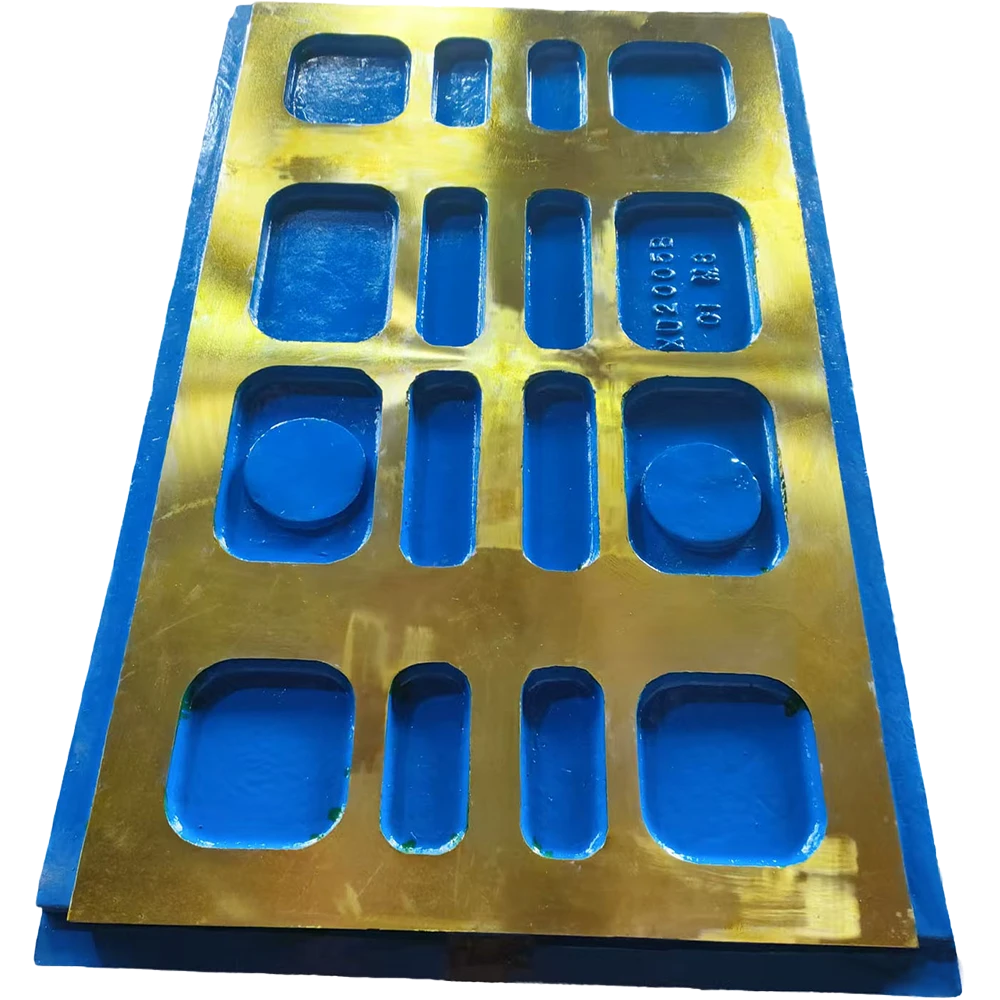
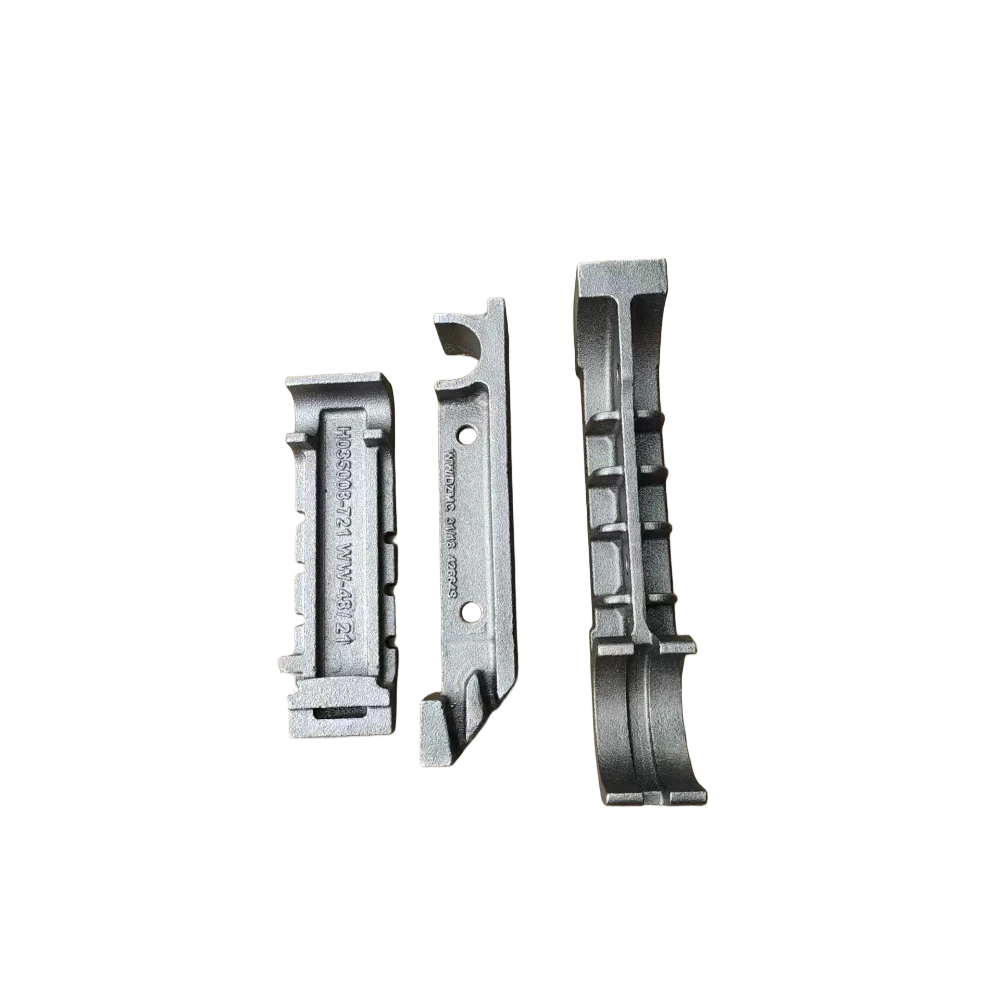
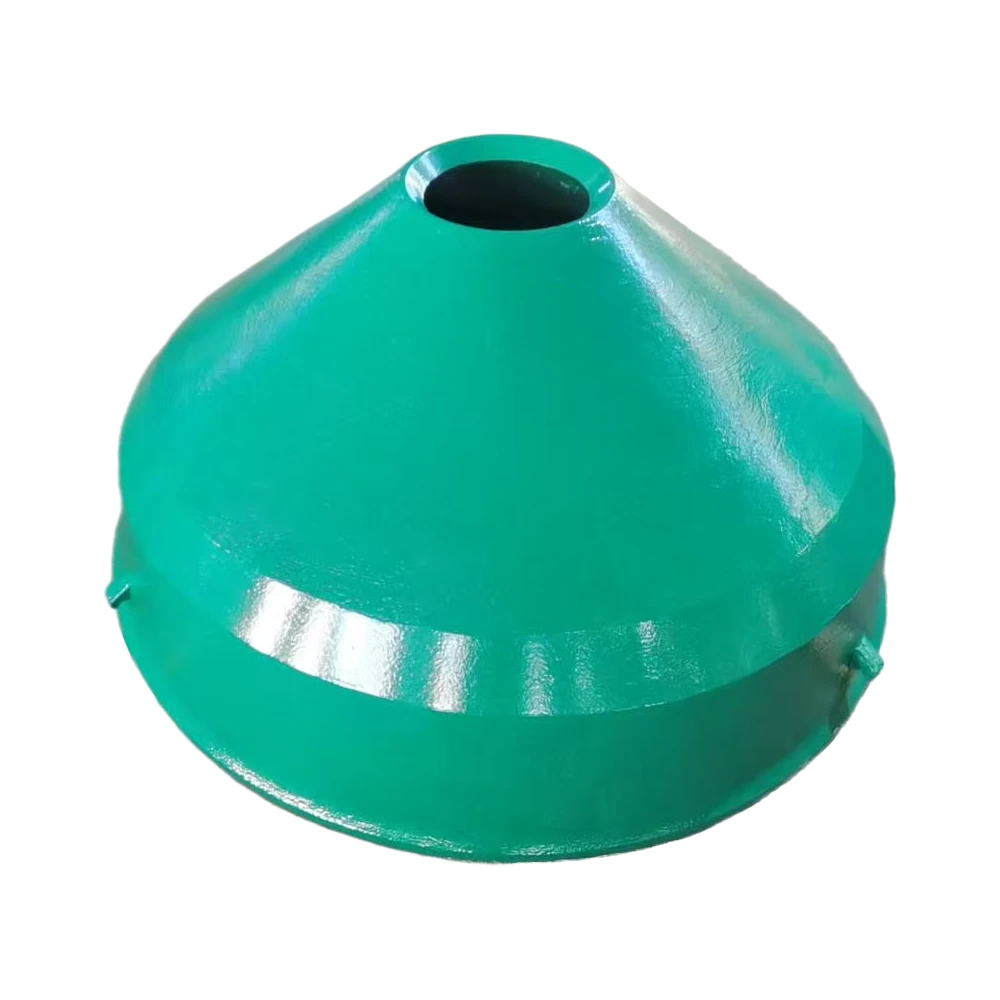
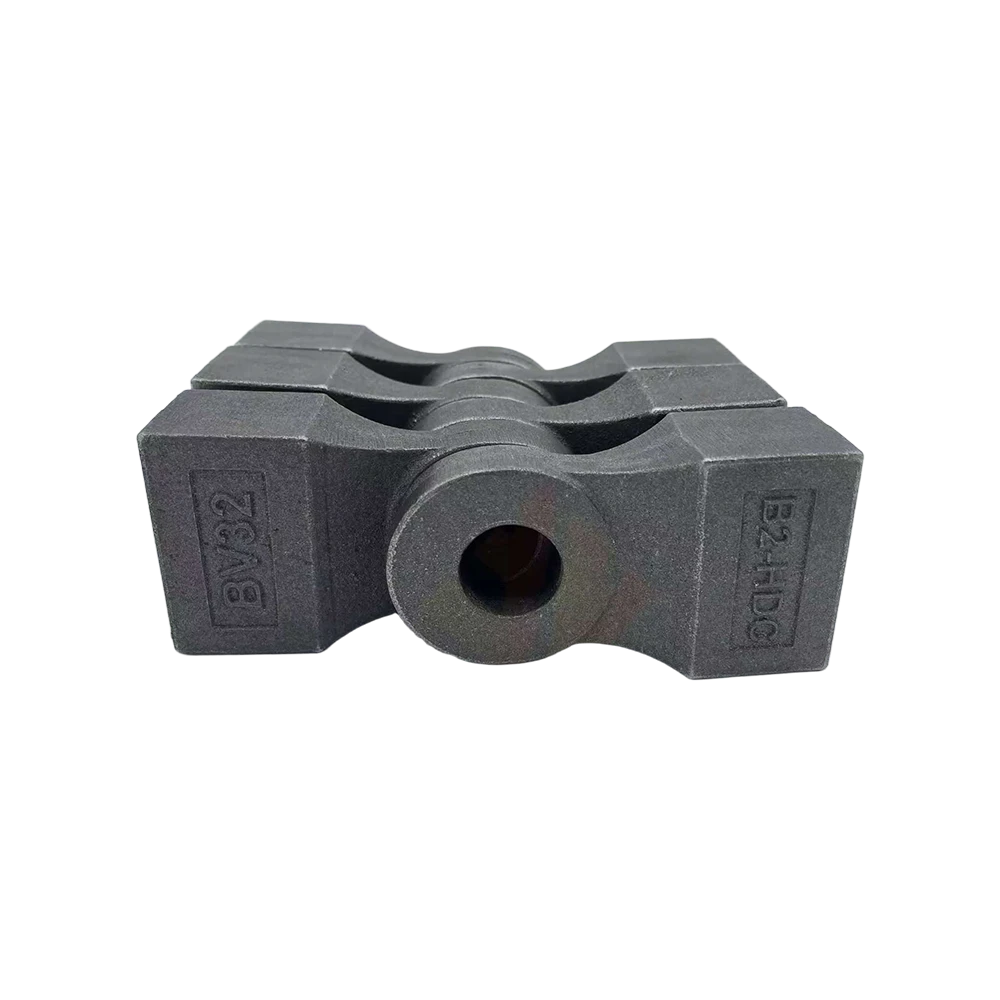
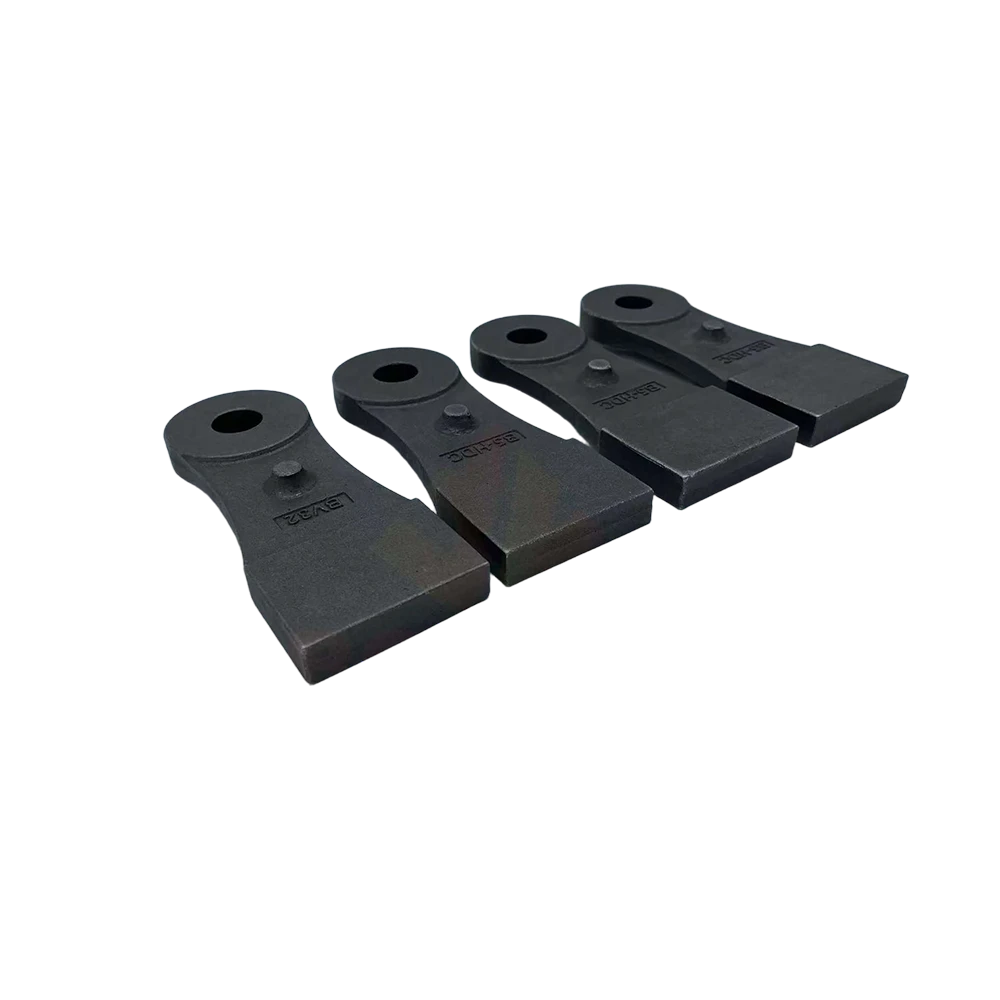
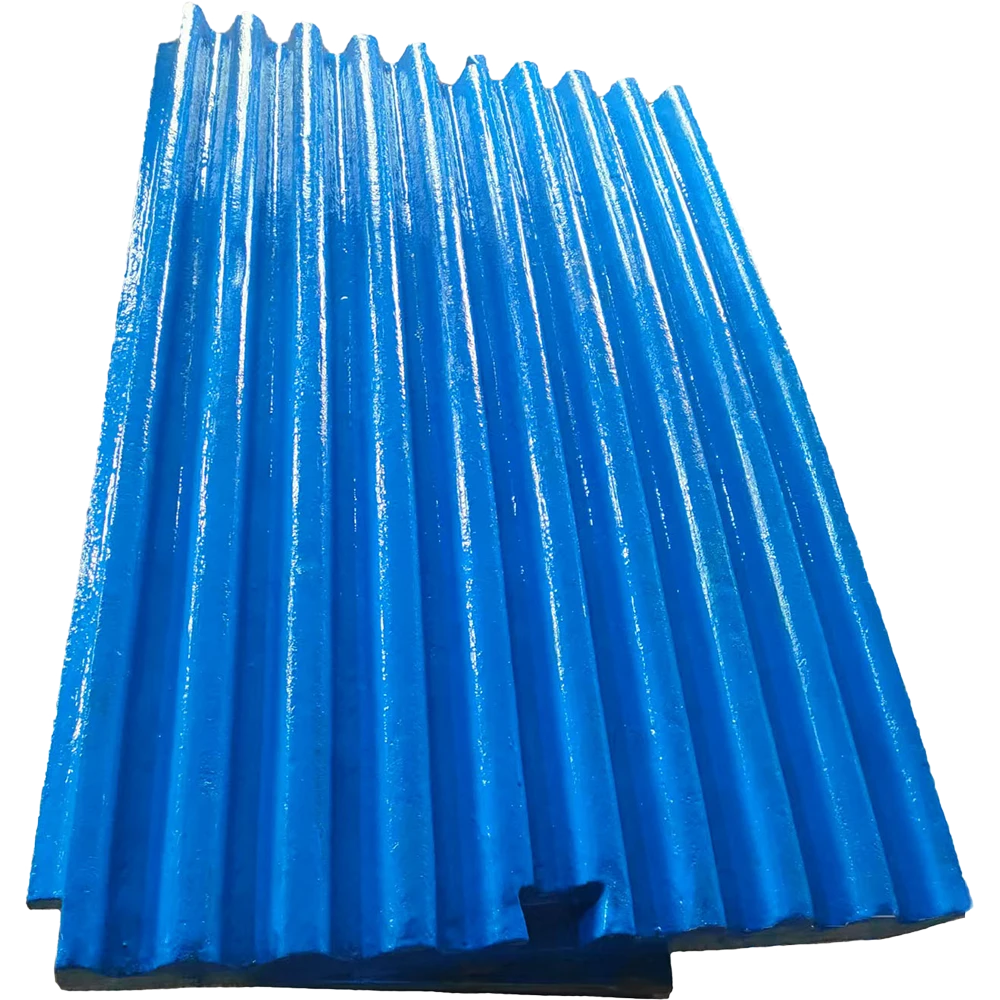
Simply put, crusher liner plates are the replaceable, wear-resistant shields inside crushers. Their job is to protect the main structure of crushers from damaging forces — crushing rocks, ores, or recycled materials. Made from specially formulated wear-resistant alloys or manganese steel, these plates absorb impact, abrasion, and spalling during crushing operations.
Modern industrial systems, from aggregate processing plants to demolition recycling, depend on these plates for reliability and operational safety. Without liners functioning properly, crushers risk catastrophic failure, putting workers and project timelines in jeopardy.
Key Factors Defining Crusher Liner Plate Performance
1. Durability and Wear Resistance
The primary concern. Liners must stand up to thousands of tonnes smashed every day, resisting gouging and chipping. Manganese steel is often used because it hardens under impact — a neat trick that some engineers liken to a boxer’s hardened knuckles after training.
2. Material Composition
Different alloys serve different purposes. Some liners emphasize toughness, others prioritize corrosion resistance — depending on the crushing environment. For example, recycling operations with mixed metals need corrosion-resistant liners to avoid premature degradation.
3. Design and Fit
How the liner plate fits the crusher also impacts longevity. Poor fitting leads to uneven wear or vibration, which could escalate into dangerous failure. Advanced CAD and simulation software are widely used now to optimize shapes, reducing stress points and enhancing performance.
4. Cost Efficiency
Sure, premium liners cost more upfront, but their extended lifespan cuts down on downtime and replacement expenses. It’s a classic trade-off — and one many operators say pays for itself quickly.
5. Ease of Replacement
When liners wear out, downtime costs money. Modular, easy-to-handle liners are becoming more popular, allowing faster changeouts — a matter of hours instead of days in some cases.
Where Are Crusher Liner Plates Making a Difference?
From the deserts of Australia to the just-rebuilt roads in Nepal, these liners silently support vital operations.
- Mining Industry: Crushers break down ores for precious metals. Durable liners minimize downtime in remote, costly-to-access sites.
- Recycling Facilities: Here, crushers handle a variety of mixed construction debris — liners must be versatile to cope with unpredictable materials.
- Construction Projects: Liners support crushing of stone for building roads and infrastructure, often in disaster-relief scenarios where quick turnaround is essential.
- Quarry Operations: Large-scale aggregate production relies heavily on liners to withstand continuous heavy wear.
For instance, after the 2015 Nepal earthquake, rapid restoration of infrastructure relied heavily on local quarries where crushers ran continuously, protected by robust liner plates that prevented costly shutdowns (2).
Benefits That Stand the Test of Time
Long-term benefits of good crusher liner plates aren’t just financial. They protect workers by preventing unexpected failures, ensuring projects keep moving. Environmentally, efficient liners reduce waste from frequent replacements and energy lost during downtime. Socially, they help communities by smoothing the supply of raw materials essential for housing, sanitation, and transportation in developing regions.
Companies that invest in quality liners also build trust with partners and regulators, showing a commitment to operational excellence and sustainability.
The Road Ahead: Trends and Innovations
Eco-friendly alloys and advanced manufacturing like 3D printing are shaking things up. Imagine a liner tailored perfectly to specific crushing profiles, printed on-demand to minimize waste.
Automation and IoT sensors are now embedded into crushers, monitoring liner wear in real-time, alerting maintenance crews before any downtime — a little predictive magic that saves millions annually. Green manufacturing initiatives are pushing vendors to reduce environmental footprints while improving liner life (3).
Challenges and How to Overcome Them
The main headaches lie in balancing cost against performance and dealing with unpredictable material feed diversity. Quick-wear environments still pose a threat to efficiency.
Many companies address this through rigorous material testing, combining manganese steels with chromium or nickel to tweak hardness and toughness. Meanwhile, modular designs and smarter installation methods reduce replacement risks and time.
FAQ: Your Questions About Crusher Liner Plates Answered
- Q1: How often should crusher liner plates be replaced?
- A: The replacement interval varies widely based on usage but typically ranges from a few weeks to several months. Monitoring wear indicators and using sensor data can help forecast the optimal replacement time, minimizing downtime.
- Q2: Can crusher liner plates be customized for specific materials?
- A: Absolutely. Many manufacturers offer custom alloys and shapes designed for the material characteristics, such as hardness or abrasiveness, optimizing performance and extending liner life.
- Q3: Are there eco-friendly options for crusher liner plates?
- A: Yes. Some vendors are now producing liners using recycled metals or low-impact manufacturing processes, reducing the environmental footprint without sacrificing durability.
- Q4: What risks arise from poor liner maintenance?
- A: Neglecting liner upkeep can cause uneven wear, leading to equipment damage, unexpected shutdowns, and safety hazards. Regular inspections and timely replacements mitigate these risks.
Product Specification: Typical Crusher Liner Plate
| Specification | Details |
|---|---|
| Material | High manganese steel (Mn 12-14%) with chromium alloy |
| Hardness | 370-450 HB (Brinell Hardness) |
| Thickness | 15 - 120 mm (customizable) |
| Weight | Varies by size, typically 10-50 kg per plate |
| Coating | Optional anti-corrosive treatment |
| Expected lifespan | 6 to 18 months (depending on usage & environment) |
Comparing Top Vendors of Crusher Liner Plates
| Vendor | Material Options | Customization | Lead Time | Price Range |
|---|---|---|---|---|
| DZMCCasting | Manganese steel, chromium alloys | Full customization | 2-4 weeks | Mid-range |
| Global Casting Co. | Standard manganese | Limited sizes | 4-6 weeks | Budget |
| Prime Liners Ltd. | High chromium alloys | Custom shapes with 3D scanning | 3-5 weeks | Premium |
For those interested, a good starting point to explore detailed product options and services is crusher liner plate offerings from DZMCCasting — a vendor known for balancing innovation and cost.
In Conclusion: Why Invest in Quality Crusher Liner Plates?
The humble liner plate might not sound glamorous, but it underpins the crushing machines doing the heavy lifting in mining, construction, and recycling worldwide. Their durability, design, and ease of replacement contribute to safer worksites, fewer interruptions, and more sustainable industrial practices. As future technologies merge with green manufacturing and digital monitoring, investing in high-quality liner plates today is an investment in operational resilience tomorrow.
Want to learn more or browse high-performance liner plate options? Visit our website for the latest solutions.
References:
-
High Performance oem cast heat resistant steel for Industrial UseNewsApr.16,2026
-
Guide to Selecting High Quality Cast Heat Resistant Steel AlloysNewsApr.09,2026
-
Custom Cast Heat Resistant Steel Solutions for High Temperature ApplicationsNewsApr.07,2026
-
Comprehensive Guide to Wholesale Cast Heat Resistant Steel for Industrial ApplicationsNewsApr.04,2026
-
Comprehensive Guide to High Performance Heat Resistant Metal Product SolutionsNewsMar.31,2026
-
Expert Guidance on Heat Resistant Metal Quotes and Alloy SelectionNewsMar.28,2026