Durable Crusher Wear Liners for Efficient Mining & Construction
Why Crusher Wear Liners Matter More Than You Think
When we hear “crusher wear liners,” it might sound like an unexciting piece of industrial jargon — but these components are quietly vital on a global scale. From mining operations in remote mountain ranges to large-scale construction sites reshaping urban skylines, crusher wear liners protect machines that crush rocks, ore, and other materials. Understanding their role isn’t just about machinery; it’s about efficiency, sustainability, and cutting costs in industries that literally build our modern world.
What’s fascinating is how these liners contribute to global engineering milestones while addressing operational challenges like wear and tear, downtime, and safety hazards — issues that have far-reaching economic and environmental impacts.
The Global Context: Why Crusher Wear Liners Are Key to Industry Efficiency
Mining and construction industries worldwide generate trillions annually, guided by UN and World Bank reports emphasizing infrastructure development and resource extraction as crucial economic drivers. Industry watchers from ISO standards committees frequently cite that downtime caused by equipment failure — often due to insufficient wear protection — can cost operators millions annually.
It’s estimated that equipment wear accounts for about 30-40% of total maintenance costs in the crushing industry, according to industry analyses. This is where crusher wear liners come into play, tackling one major challenge: how to extend machine life while maintaining output quality.
Mini Takeaway:
- Crusher wear liners are essential for reducing costly downtime globally.
- They enhance operational efficiency in mining, construction, and recycling.
What Exactly Are Crusher Wear Liners?
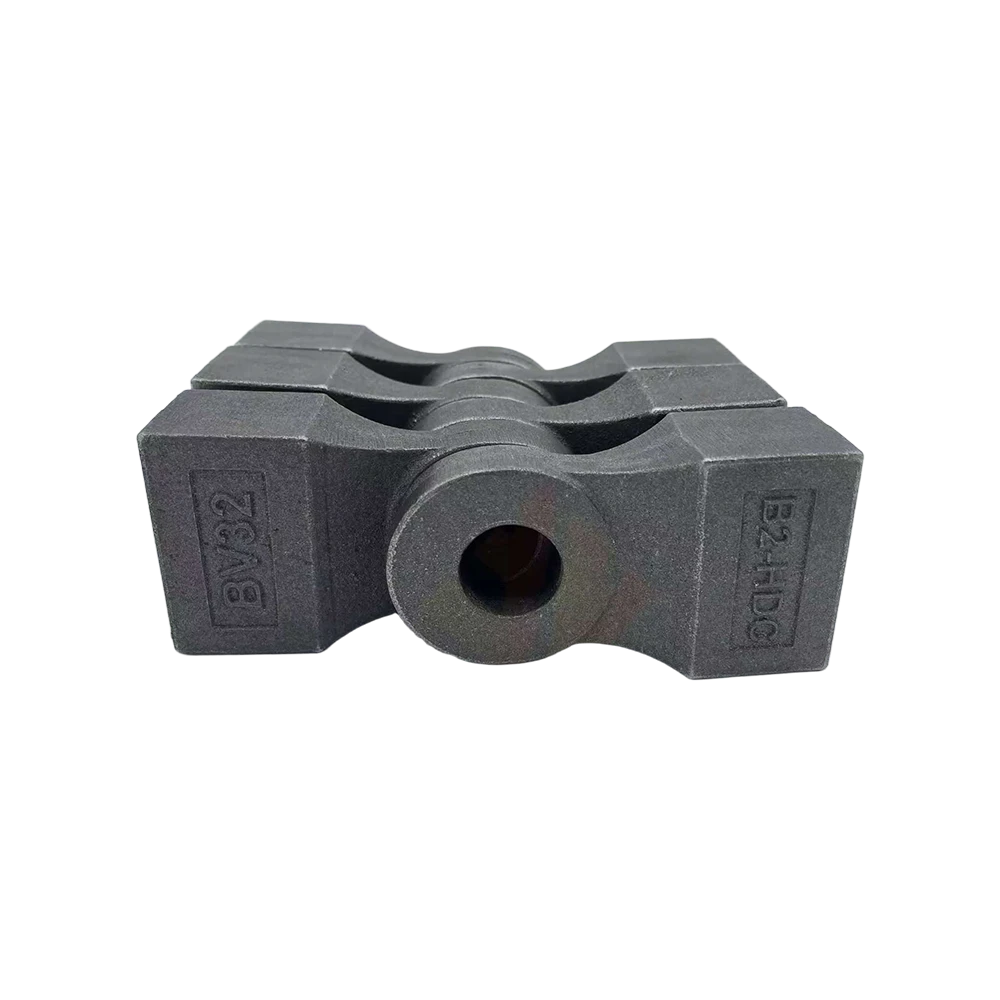
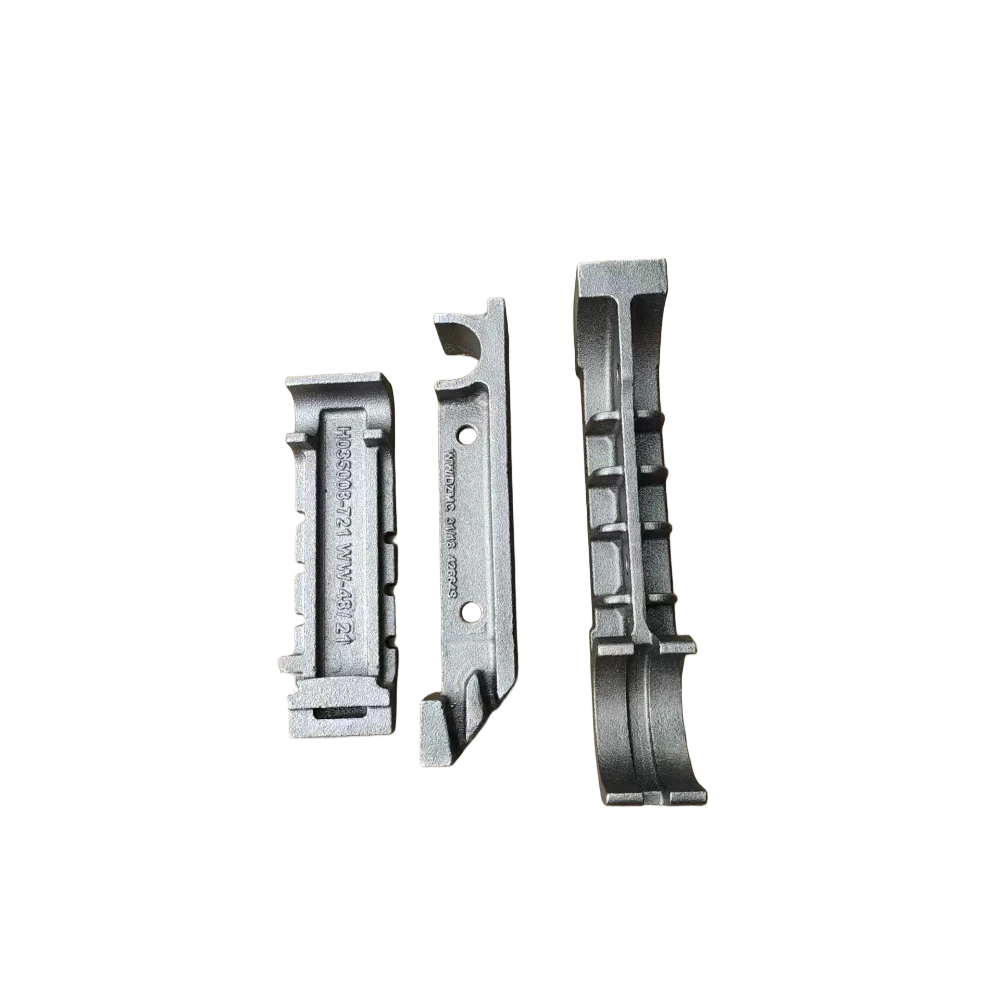
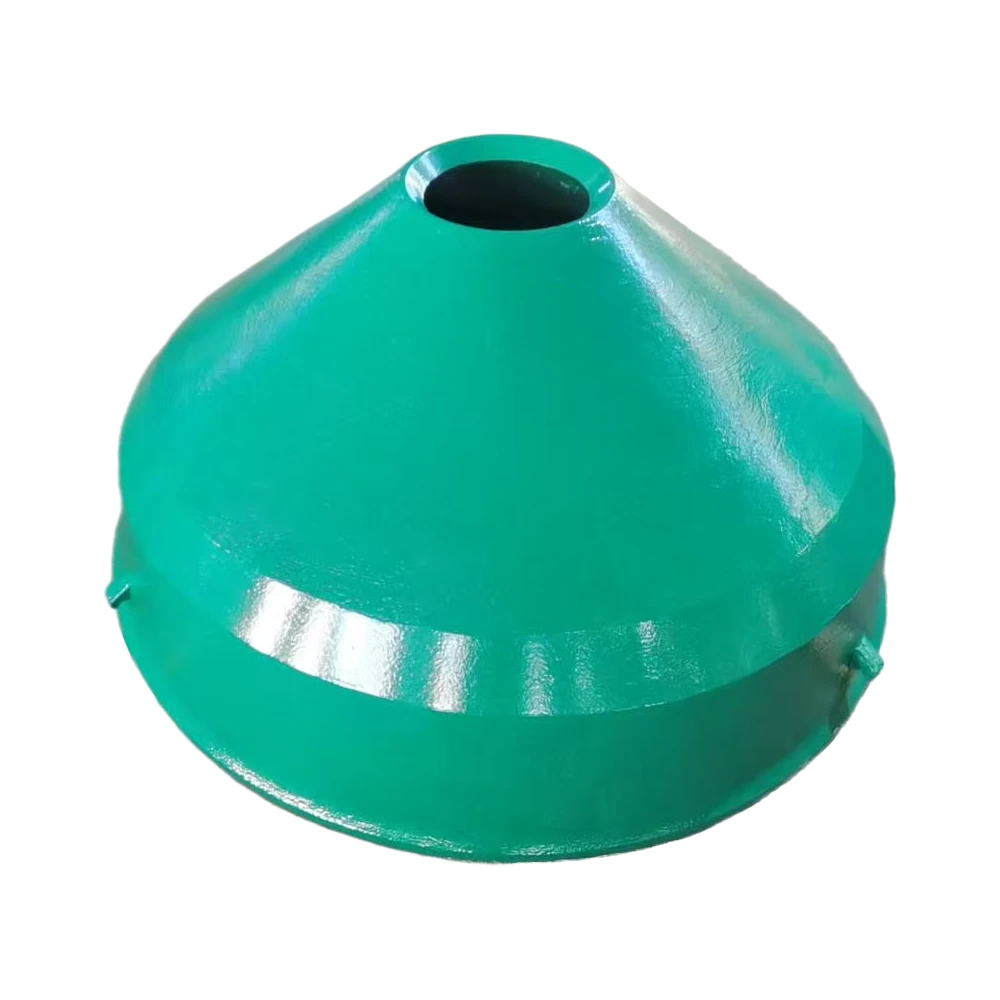
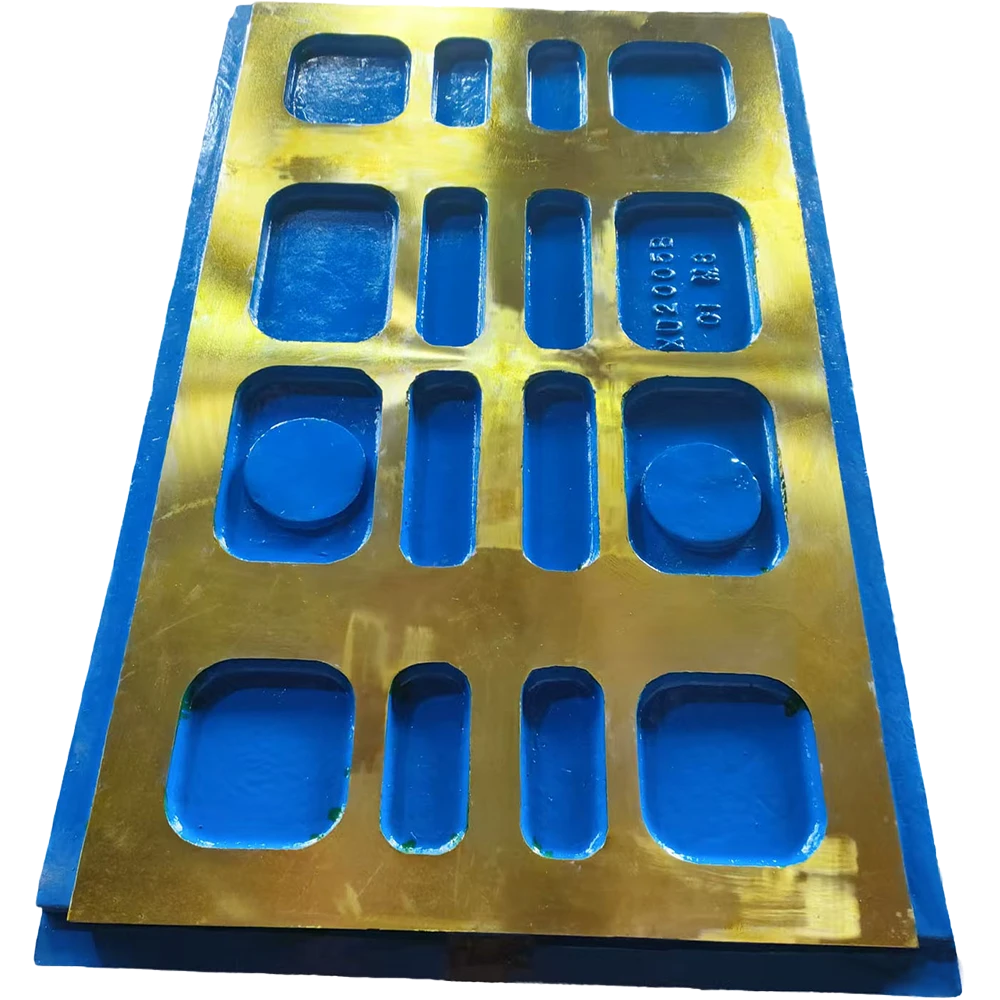
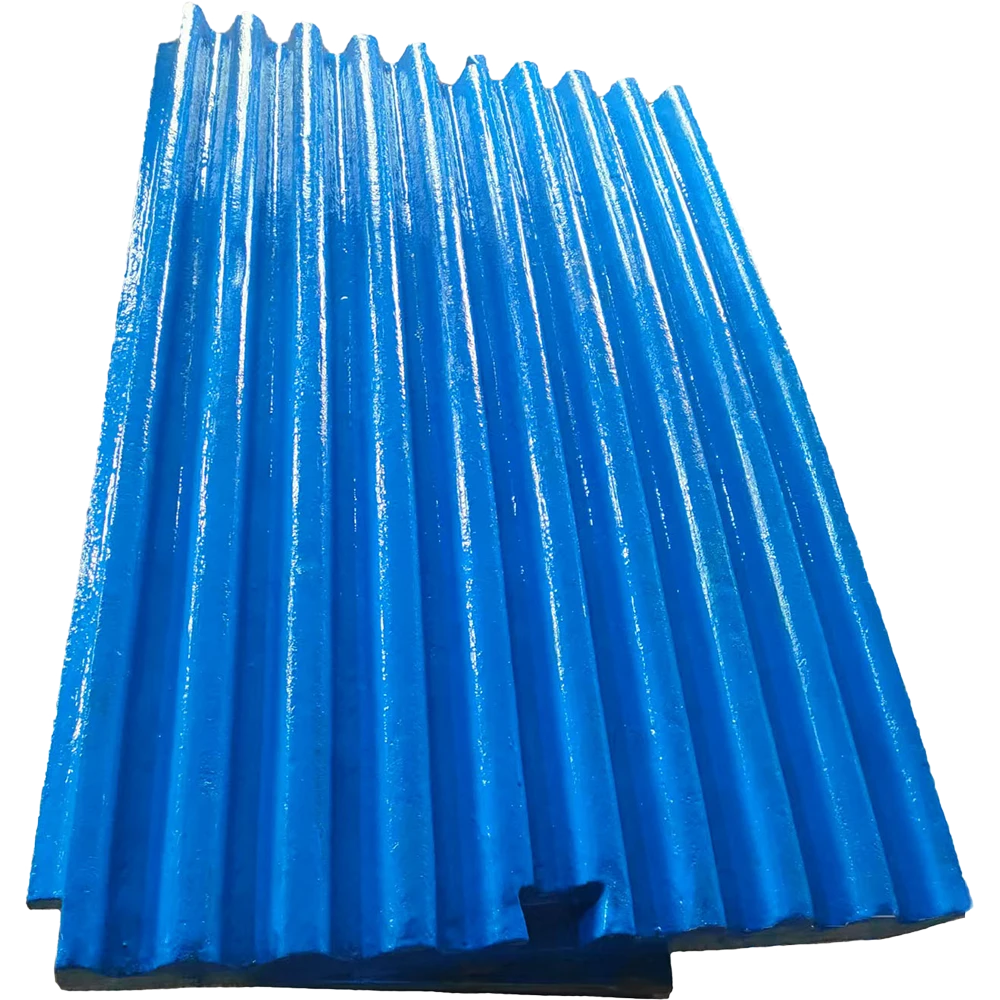
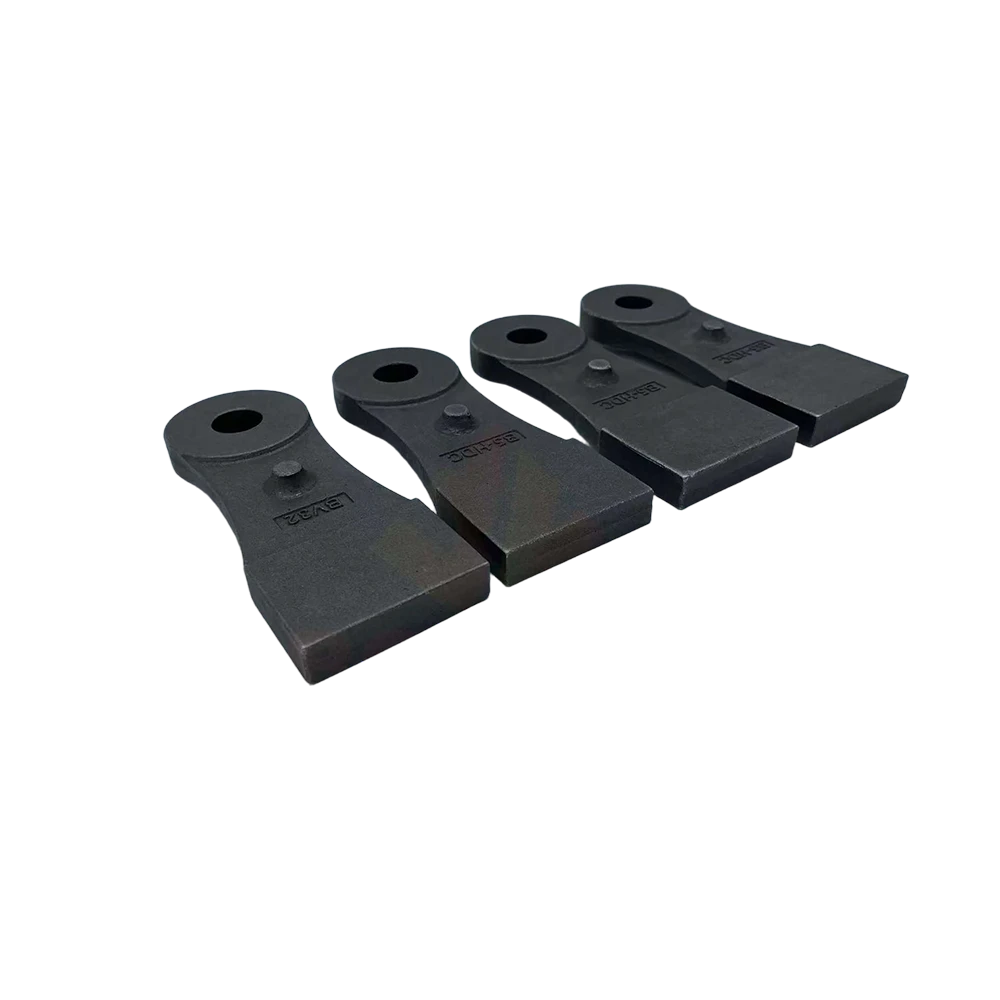
Simply put, crusher wear liners are protective plates or sheets fitted inside crushers to shield the equipment’s inner surfaces from abrasion and impact during material processing. Think of them as the tough, replaceable "skin" that takes a beating so that the machine’s vital components don’t.
This protection is critical because crushers handle massive forces crushing hard materials, often in harsh environments where dust, moisture, and varying particle sizes complicate wear behaviors. Their design and material composition ensure they can withstand these stresses repeatedly.
Mini Takeaway:
- Wear liners protect crushers from direct damage and prolong equipment life.
- They’re engineered for strength and resilience, tailored for different crusher types.
Key Factors Driving Crusher Wear Liner Performance
1. Durability and Material Composition
Most liners use manganese steel, alloy steels, or composite ceramics — materials chosen for hardness and energy absorption. Manganese steel, for example, hardens as it’s impacted. It’s fascinating because the material gets stronger at the very moment it's hammered repeatedly, reducing the rate of abrasion. Quality liner materials directly correlate with longer service intervals and less frequent replacement.
2. Design and Fit
These liners aren’t one-size-fits-all. Their design ensures a tight fit within the crusher to minimize movement, which otherwise accelerates wear. Advances in CAD and 3D printing allow manufacturers to customize liners that perfectly match crusher geometries.
3. Cost Efficiency
Good liners not only extend machinery lifespan but also reduce costs associated with emergency repairs and production halts. While premium wear liners can carry higher upfront costs, their return on investment often comes within months through less downtime and greater throughput.
4. Scalability and Adaptability
Whether it’s a small-scale recycling plant or a giant open-cast mine, wear liners need to be scalable. Suppliers often provide modular solutions to suit equipment size variations and different types of crushed material — a must-have for operators facing varied workloads.
5. Environmental Resistance
Corrosion resistance and tolerance to moisture or chemical exposure extend liner life. For crushers operating in wet or acidic environments, this factor is often a game-changer.
| Specification | Description | Value/Range |
|---|---|---|
| Material Type | High manganese steel or composite ceramic | Mn13, Mn18, Ceramic composites |
| Thickness | Liner thickness affects wear life | 15–50 mm typical |
| Hardness | Measures surface resistance to abrasion | 350–450 HBW (Brinell Hardness) |
| Recommended Applications | Suitable crusher types | Jaw, cone, gyratory crushers |
| Wear Life | Service interval before replacement | 3–12 months (varies by use) |
Mini Takeaway:
- Material, design, and environment dictate liner lifespan.
- Choosing well-engineered liners saves operational headaches.
Where Crusher Wear Liners Are Making a Mark Worldwide
In mining hubs like Australia’s Pilbara region and South Africa’s mineral-rich zones, operators rely heavily on durable wear liners. They’re also indispensable in aggregate production sites across Europe and North America, where consistent quality and uptime matter deeply. In fact, the recycling industry uses wear liners differently — often for handling scrap metal and mixed materials, where variability adds wear complexity.
Interesting example: Post-disaster reconstruction efforts often involve rapid removal and crushing of rubble, where efficient wear liners can mean faster clearing and safer environments. In many developing nations, crushers with durable liners help convert mining waste into reusable aggregates, supporting both economic growth and environmental management.
Mini Takeaway:
- Crusher wear liners have diverse roles globally, from mining to disaster relief.
- Regional material types and operating conditions shape liner choices.
The Long-Term Advantages of Investing in Quality Crusher Wear Liners
Investing in high-quality crusher wear liners delivers both tangible and intangible benefits. Operators see fewer shutdowns, translating to fewer project delays and reduced labor costs. On a sustainability note, better liners reduce the need for frequent replacements, lowering manufacturing waste and the carbon footprint of transportation and production.
Beyond the bottom line, there’s a bit of a "feel-good" factor: teams working with reliable machines feel safer and more confident, knowing their equipment won’t suddenly fail mid-cycle. This trust nurtures innovation and productivity — kind of like how good tools inspire good craftsmanship.
What’s Next? Innovations and Trends in Crusher Wear Liners
New research focuses on crusher wear liners using advanced alloys and ceramic matrix composites, pushing hardness and impact resilience further. Digital transformation is also catching up; predictive wear monitoring using sensors and IoT devices is emerging, allowing operators to plan liner replacement before catastrophic failure.
Environmentally, manufacturers aim to use recycled materials and more sustainable production methods. Automation in manufacturing liners improves the precision of fitting parts, reducing waste and installation time.
Challenges in Current Practices & How Experts Are Addressing Them
One major challenge is balancing liner hardness and brittleness — harder materials resist wear but are prone to cracking, softer ones wear faster but absorb shock better. Designers often have to find a middle ground, sometimes deploying hybrid liners combining both properties.
Additionally, improper installation or using liners not matched well to crusher types can rapidly degrade performance. This is why many engineers recommend tailored consulting and site-specific wear assessments.
Frequently Asked Questions About Crusher Wear Liners
- How often should crusher wear liners be replaced?
- Replacement depends on usage intensity, material abrasiveness, and liner quality. Typically, liners last between 3 and 12 months, but constant monitoring is key to avoid unexpected downtime.
- Can crusher wear liners be customized for specific materials?
- Absolutely. Manufacturers design liners according to the crushed material’s characteristics—hardness, moisture, and particle size—to optimize wear resistance and crusher efficiency.
- Are crusher wear liners recyclable?
- Some liners, especially those made from steel alloys, can be recycled. Recycling efforts are growing in the industry to reduce environmental impact, but composite liners may require different disposal methods.
- How do I choose the right vendor for crusher wear liners?
- Look for vendors offering technical support, customization options, and proven wear-resistance standards. Comparing quality certifications and customer reviews can help narrow choices.
- Is it possible to retrofit liners in older crusher models?
- Yes, but it depends on the crusher design. Many wear liners are engineered to fit legacy models, though some modifications may be necessary for optimum fit and performance.
| Vendor | Material Options | Customization | Technical Support | Price Range |
|---|---|---|---|---|
| DZM Casting | Mn13, Mn18, Ceramic blends | Full CAD-based customization | 24/7 support, installation guidance | Mid-High |
| SteelWear Inc. | High-manganese & alloy steels | Standard & semi-custom | Business hours only | Mid |
| Reprotec Solutions | Composite ceramics focus | Highly customizable | Consulting & training offered | High |
Wrapping Up: Why You Should Care About Crusher Wear Liners
In the grand scheme of industrial equipment, crusher wear liners might seem a small piece of the puzzle — but they’re the unsung heroes of uptime, cost savings, and sustainability. Investing in the right liners means your crushing operation stays robust longer, adapts to diverse materials more fluidly, and aligns better with today’s push for environmental stewardship.
Whether you’re running a giant ore mine or a compact recycling plant, smart choices around wear liners affect everything from safety to profit. For more detailed specs, customization options, and expert guidance, visit crusher wear liners today and explore solutions tailored to your needs.
Final Thought:
In a world where every minute of downtime costs money, and where sustainability grows ever more critical, crusher wear liners quietly keep the wheels turning — literally and figuratively.
References
-
High Performance oem cast heat resistant steel for Industrial UseNewsApr.16,2026
-
Guide to Selecting High Quality Cast Heat Resistant Steel AlloysNewsApr.09,2026
-
Custom Cast Heat Resistant Steel Solutions for High Temperature ApplicationsNewsApr.07,2026
-
Comprehensive Guide to Wholesale Cast Heat Resistant Steel for Industrial ApplicationsNewsApr.04,2026
-
Comprehensive Guide to High Performance Heat Resistant Metal Product SolutionsNewsMar.31,2026
-
Expert Guidance on Heat Resistant Metal Quotes and Alloy SelectionNewsMar.28,2026