Comprehensive Guide to Cone Crusher Bowl – Specs, Trends & Vendors
Demystifying the Cone Crusher Bowl: What It Is and Why It Matters
At first glance, the term cone crusher bowl might sound like something tucked away in heavy industry jargon. But don’t be fooled—this component plays a pivotal role in shaping how we extract and process materials that keep our modern world ticking. Whether you’re in mining, quarrying, or construction, understanding what a cone crusher bowl is and why it matters globally can unlock efficiency, cost savings, and sustainability. Plus, it’s pretty fascinating from an engineering perspective!
Introduction: Why the Cone Crusher Bowl Shapes Global Industry
Globally, industries like mining and aggregates produce over 45 billion tonnes of material each year. (According to the International Organization for Standardization (ISO)). At the heart of this massive operation is the crushing equipment—and specifically, the cone crusher bowl, which helps break down large rocks into usable sizes. Without it, building infrastructure, roads, and even renewable energy projects would be set back significantly. But here's the kicker — the demands for faster, safer, and more sustainable processing put intense pressure on this component to perform better than ever.
Challenges like wear resistance, downtime, and cost efficiency continue to push engineers to improve the design and materials of cone crusher bowls. And with increasing environmental regulations worldwide, the stakes are only getting higher.
What Exactly Is a Cone Crusher Bowl?
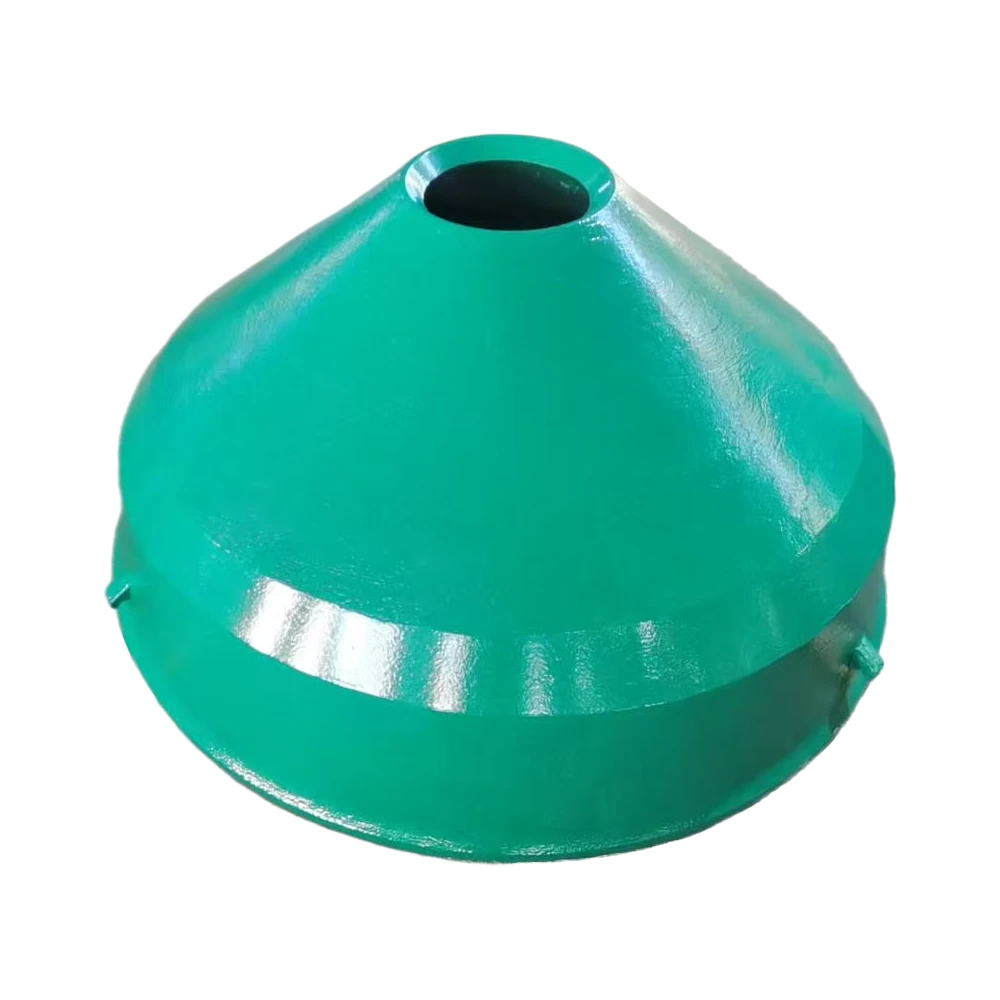
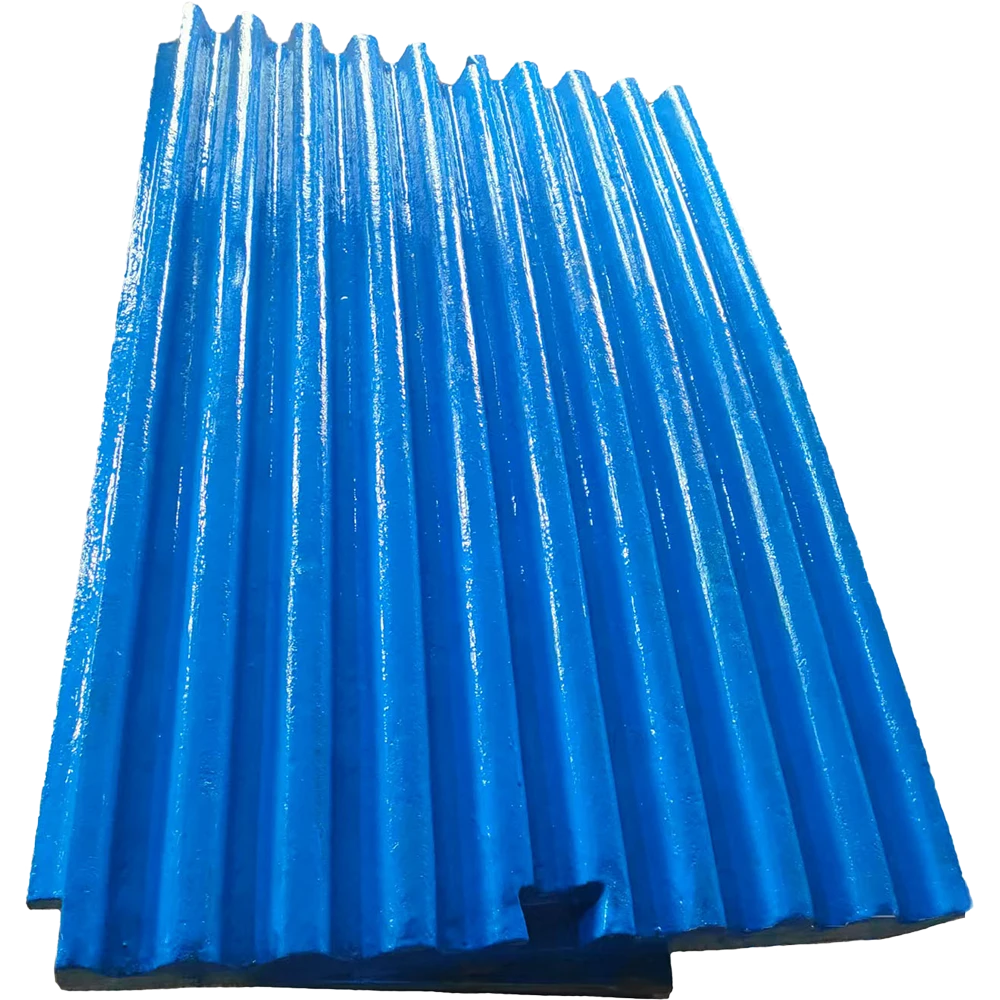
Simply put, the cone crusher bowl is a part of the cone crusher machine that wraps around the crushing cone and holds it in place, allowing it to crush rocks down to smaller sizes. Think of it as the bowl-shaped “housing” or “shell” that receives and guides the rock against the cone head for crushing. Its design and durability directly impact the crusher's output and operational lifespan.
In an industry context, these bowls aren’t just mechanical parts; they’re essential for producing construction aggregates, improving mining efficiency, and even supporting humanitarian needs like rebuilding after natural disasters. For example, reliable crushing equipment speeds up debris clearance and material repurposing in post-disaster relief—a ripple effect many forget.
Key Factors: What Makes a Great Cone Crusher Bowl?
Durability and Wear Resistance
This is the biggie. The cone crusher bowl must withstand constant friction and high pressures from crushing rock. Materials like manganese steel alloys are commonly used because they harden under impact, making the bowl last longer without cracking or deforming.
Scalability and Size Options
Depending on the operation scale—small quarry vs. large-scale mining—you’ll find bowls vary widely in diameter and thickness. Proper matching to crusher size ensures optimal output and efficiency.
Cost Efficiency Over Lifecycle
We often think upfront cost is everything, but many engineers say the total lifecycle cost matters more. A slightly pricier bowl that lasts twice as long may save tens of thousands in downtime and replacement parts.
Maintenance and Ease of Replacement
Since crushers run nearly 24/7, downtime to service or replace the cone crusher bowl needs to be minimized. Designs that allow quicker swaps reduce lost production time and improve profitability.
Compatibility with Crushing Applications
Different materials (hard granite vs softer limestone) and applications (secondary vs tertiary crushing) require bowls with specific profiles or thicknesses. Selecting the right bowl profile optimizes crushing characteristics and extends wear life.
How and Where Are Cone Crusher Bowls Used Worldwide?
Concrete examples help here. In massive mining operations in Australia and Canada, cone crusher bowls are critical for processing ore containing copper, gold, and other metals. Without them, economies that depend on mineral exports would sputter.
In South-East Asia’s booming infrastructure projects, crushers equipped with durable bowls turn mountains into gravel for roads connecting remote communities.
Oddly enough, even humanitarian organizations in disaster-prone zones have started incorporating mobile crushers with cone crusher bowls to quickly recycle rubble, turning demolition waste into usable aggregates for rebuilding.
Regional Applications At a Glance:
- Australia & Canada: Mining and mineral processing
- China & India: Large-scale infrastructural development
- Africa: Small-scale mining and construction aggregates
- Disaster-prone regions: Rapid recovery and recycling operations
Advantages & Long-Term Value of Investing in Quality Cone Crusher Bowls
A reliable cone crusher bowl is more than a cost—it’s an investment in safety, sustainability, and innovation. Quality materials reduce the risk of failure, protecting workers and equipment. Longer wear life means less frequent replacements and fewer disruptions to production schedules, which can otherwise cost both time and money.
Environmentally, improving efficiency in crushers translates indirectly to fewer emissions and less waste. This matters more than ever, especially as industry standards tighten.
And frankly, there’s peace of mind in knowing your machinery won’t fall apart mid-shift. It supports a culture of trust between operators and engineering teams that keeps the wheels — or rocks — turning smoothly.
| Parameter | Typical Range | Notes |
|---|---|---|
| Diameter | 700 mm – 2000 mm | Depends on crusher size & model |
| Material | Manganese Steel Alloy | High impact and wear resistance |
| Wall Thickness | 40 mm – 110 mm | Varies by application |
| Weight | Up to 3000 kg | Heavier sizes for large crushers |
| Service Life | 6-12 months or more | Depends on usage intensity |
Comparing Leading Cone Crusher Bowl Vendors
| Vendor | Material Quality | Customization | Lead Time | Global Support |
|---|---|---|---|---|
| DZMCCasting | Premium manganese alloys | Custom-tailored to application | 4-6 weeks | Worldwide, 24/7 assistance |
| Vendor B | Standard manganese steel | Limited customization | 6-8 weeks | Regional only |
| Vendor C | Premium material, pricey | High customization cost | 8-10 weeks | Selective markets |
Emerging Trends: What’s Next for Cone Crusher Bowls?
Looking ahead, digital transformation is changing everything. Smart sensors embedded inside crushers monitor strain and wear on the cone crusher bowl in real-time, enabling preemptive maintenance before unexpected failures.
On the materials side, researchers explore advanced alloys and surface treatments that could extend wear life by 30% or more. There’s also a push towards eco-friendly manufacturing processes, reducing carbon footprints during production.
Automation and AI-driven control systems optimize crusher settings based on the bowl condition and incoming material—kind of making smart crushers that “think” and adjust on the fly.
Confronting Challenges and Smart Solutions
Of course, nothing’s perfect. Common problems include premature wear from abrasive materials, delayed replacement due to logistics, and high initial costs. Many operators experience downtime that could be avoided with better bowl design and predictive maintenance.
Innovations like modular bowl sections allow faster onsite replacement of worn parts, reducing downtime. Advanced logistics platforms track inventory and delivery to synchronize replacements with production demands.
FAQ: Frequently Asked Questions About Cone Crusher Bowl
- 1. How often should a cone crusher bowl be replaced?
- Typically, depending on usage and material abrasive nature, a cone crusher bowl lasts between 6 to 12 months. Regular inspection and monitoring can extend lifespan by catching wear early.
- 2. What materials are cone crusher bowls made from?
- Most are crafted from manganese steel alloys due to their impact and wear resistance, with some advanced types incorporating special surface coatings to improve durability.
- 3. Can cone crusher bowls be customized for specific materials?
- Yes, many manufacturers, including cone crusher bowl suppliers, offer customization options like varying thickness, diameter, and profile to optimize performance for particular material types.
- 4. What are signs that a cone crusher bowl needs maintenance or replacement?
- Increased vibration, decreased crushing efficiency, visible cracks, or excessive metal wear are common indicators that attention is needed.
- 5. Is it expensive to replace a cone crusher bowl?
- While upfront costs can be significant, investing in high-quality bowls reduces long-term expenses by minimizing downtime and extending replacement cycles, making it cost-efficient overall.
Wrapping It Up: The Rock-Solid Value of the Cone Crusher Bowl
In a nutshell, the cone crusher bowl might be one of those hidden heroes of heavy industry. It’s a perfect little blend of engineering, materials science, and practical design that supports everything from mining vital materials to enabling resilient infrastructure around the globe. Choosing the right bowl—not just any bowl—is key to squeezing maximum efficiency and sustainability out of your crushing operations.
If you want to explore reliable options with proven track records, be sure to visit us at https://www.dzmccasting.com — where understanding the nuances of the cone crusher bowl isn’t just business, it’s a craft.
References:
1. International Organization for Standardization (ISO)
2. Wikipedia: Crusher
3. United Nations Environment Programme (UNEP)
-
High Performance oem cast heat resistant steel for Industrial UseNewsApr.16,2026
-
Guide to Selecting High Quality Cast Heat Resistant Steel AlloysNewsApr.09,2026
-
Custom Cast Heat Resistant Steel Solutions for High Temperature ApplicationsNewsApr.07,2026
-
Comprehensive Guide to Wholesale Cast Heat Resistant Steel for Industrial ApplicationsNewsApr.04,2026
-
Comprehensive Guide to High Performance Heat Resistant Metal Product SolutionsNewsMar.31,2026
-
Expert Guidance on Heat Resistant Metal Quotes and Alloy SelectionNewsMar.28,2026