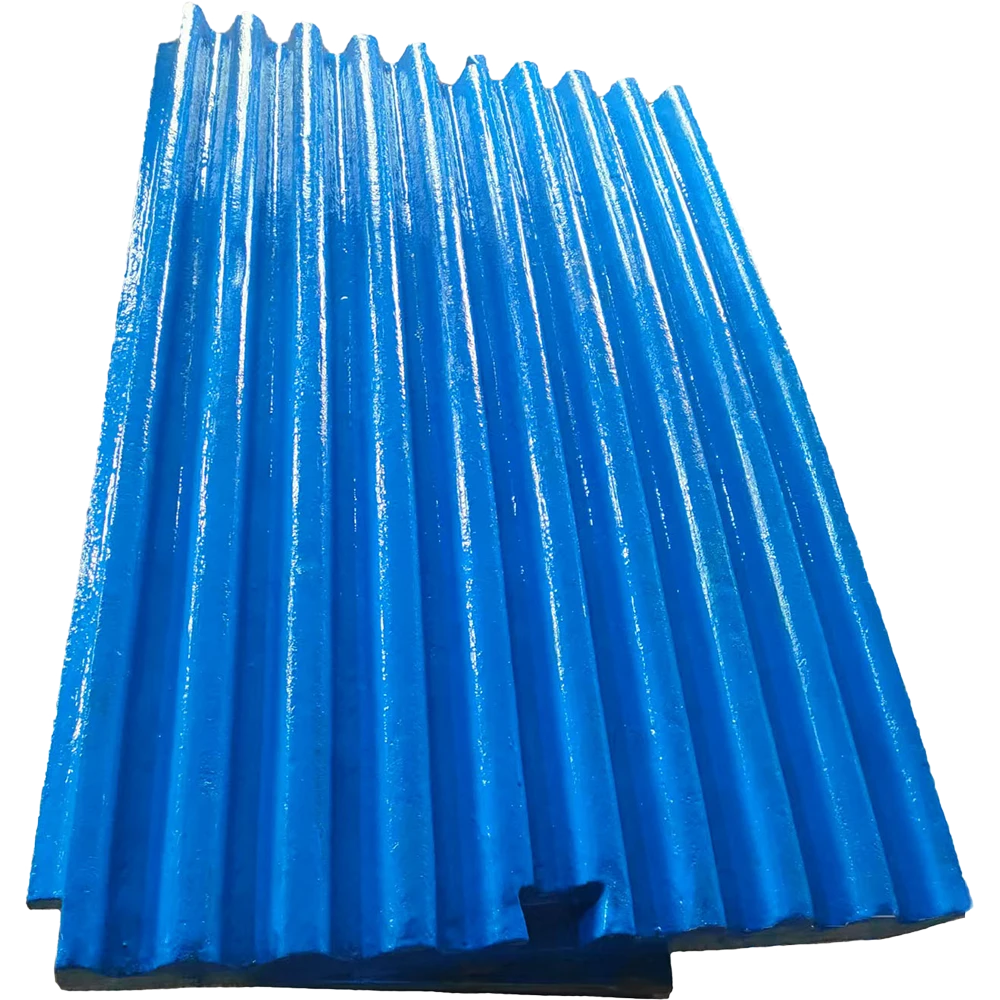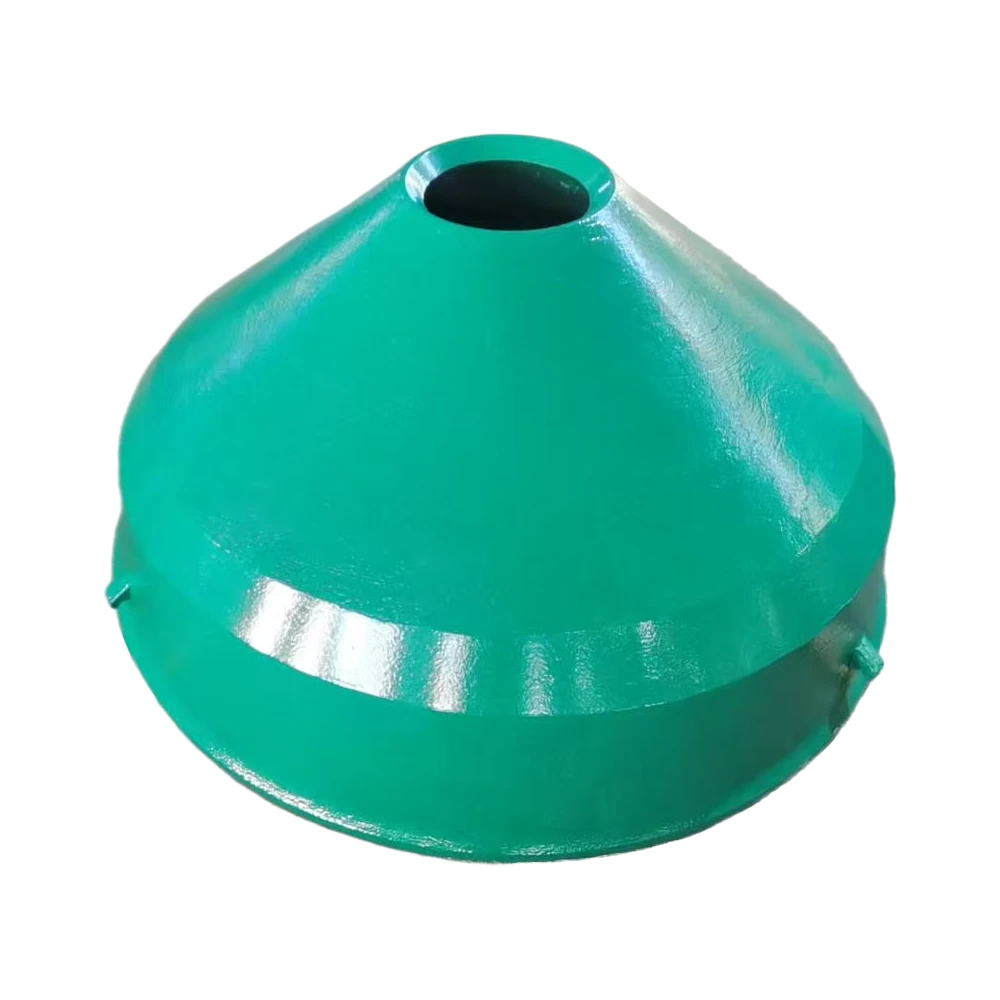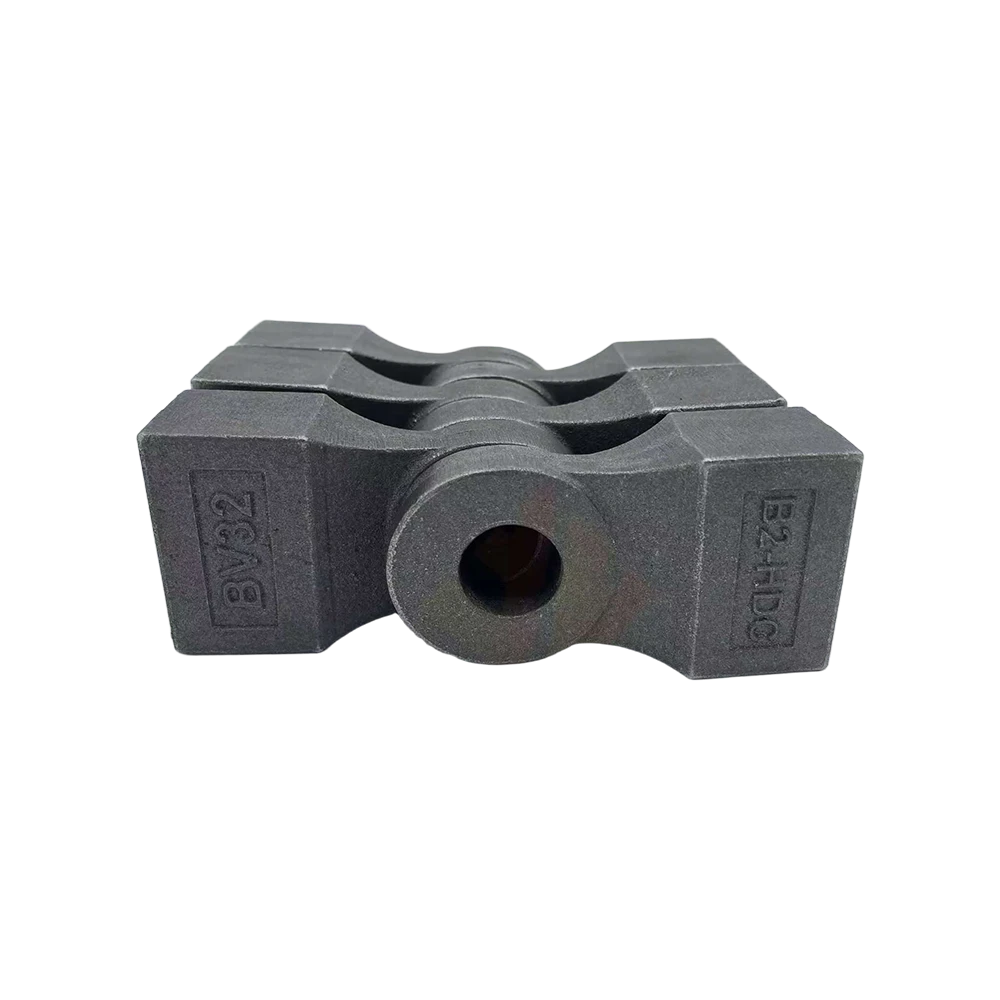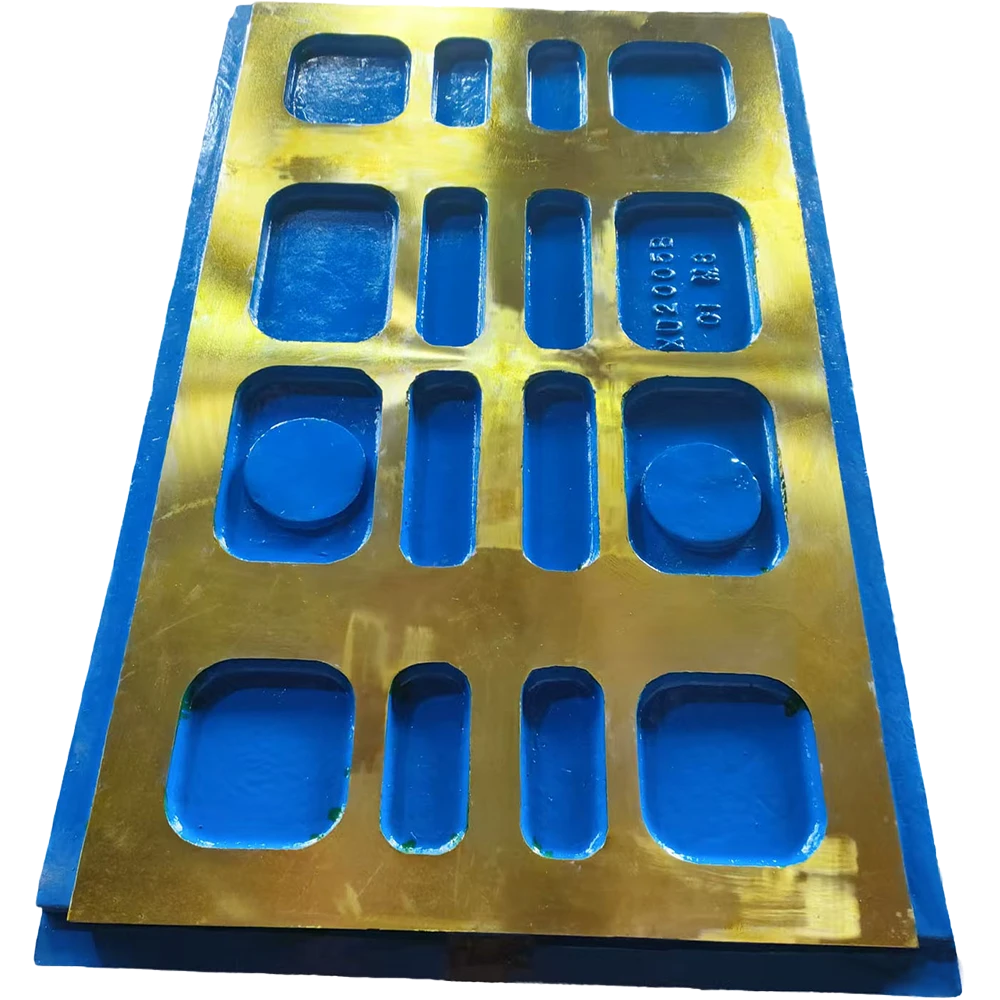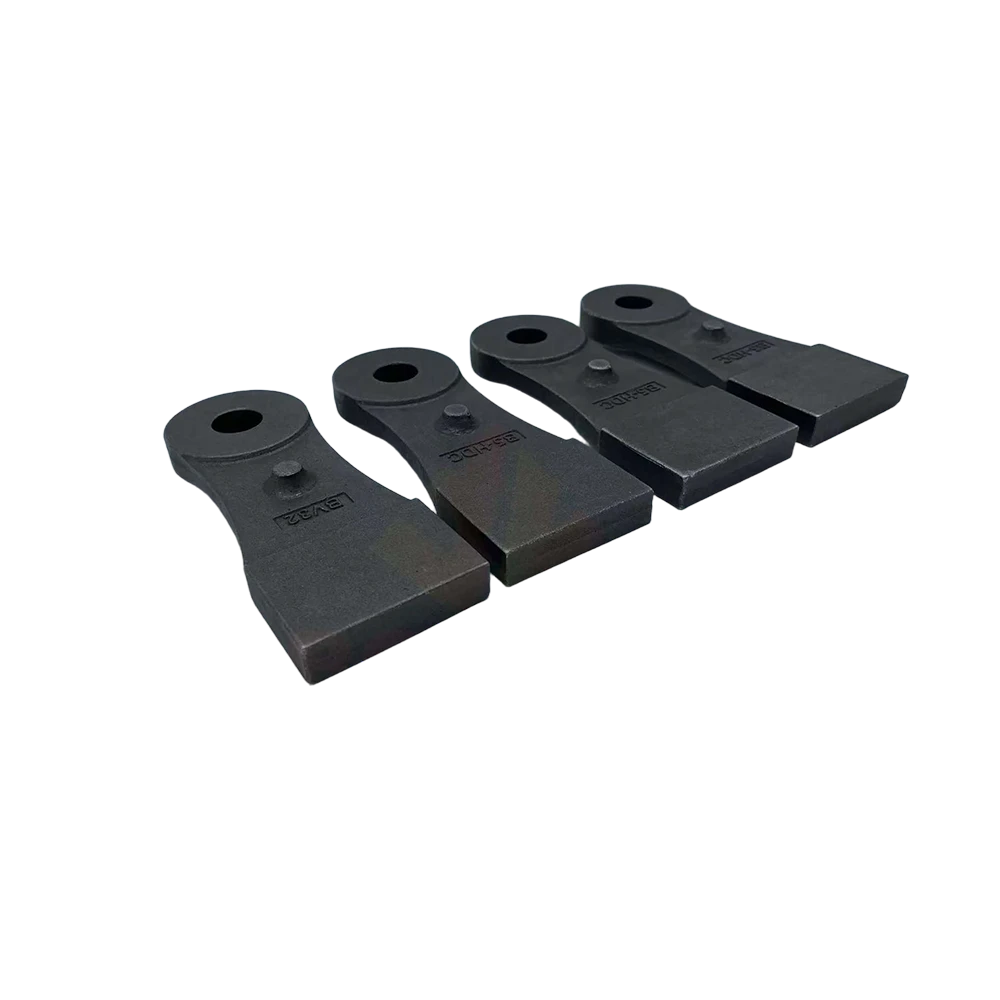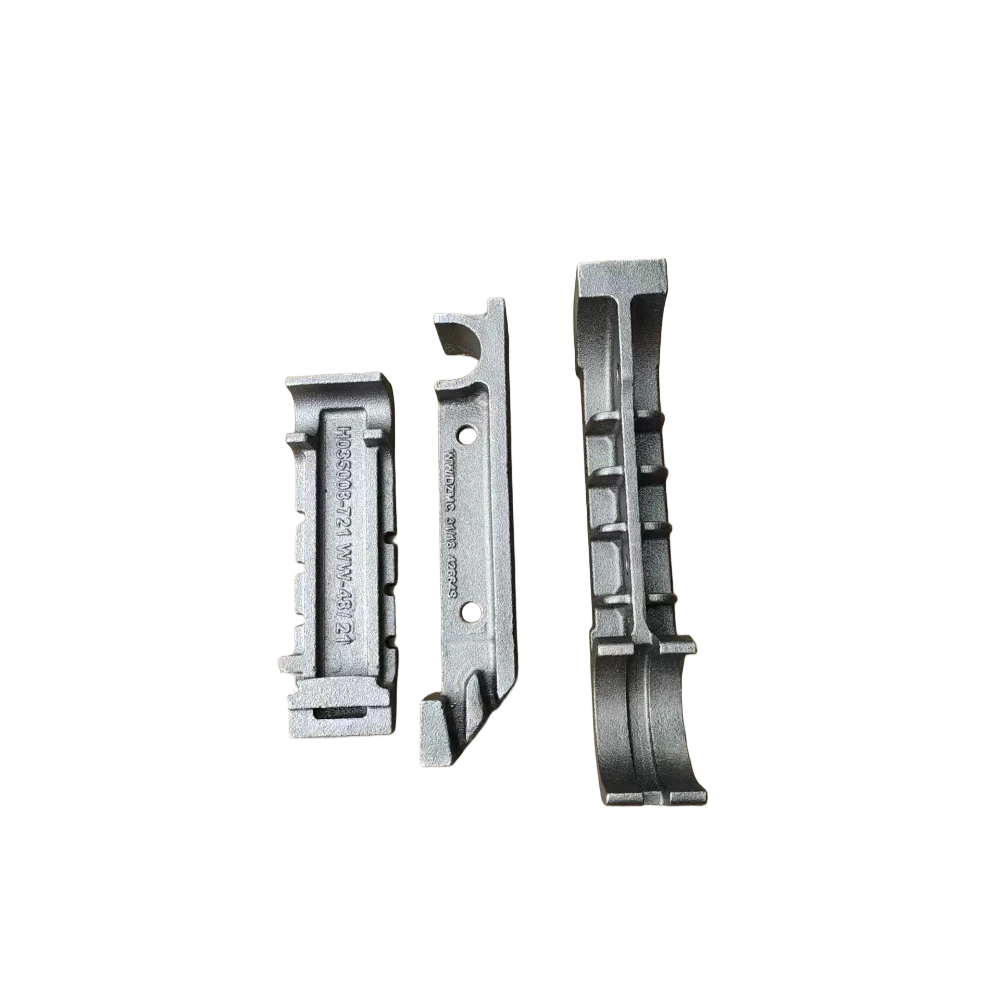
Comprehensive Guide to Crusher Hammer Material Composition and Its Global Impact
Understanding Crusher Hammer Material Composition: Why It Matters Worldwide
If you’ve ever been near a construction site or looked into mining operations, you’ve likely heard about crusher hammers. But did you know the crusher hammer material composition itself is a quietly crucial factor in global infrastructure, mining efficiency, and even humanitarian projects? It’s true. This seemingly technical niche impacts everything from the durability of mining equipment to sustainable raw material usage worldwide.
In broad terms, understanding what makes up these crusher hammers helps industries reduce downtime, save costs on replacements, and optimize crushing performance. With raw materials becoming scarcer and more expensive, making informed decisions on the right material mix can dramatically improve the lifespan and functionality of hammers used in crushing machines.
The Global Context: How Crusher Hammer Materials Shape Industry Infrastructures
Globally, construction and mining industries contribute billions to GDP (World Bank estimates over $2 trillion annually for mining alone). Yet these sectors face enormous challenges: wear and tear on equipment, fluctuating raw material costs, and environmental regulations tightening. Crusher hammer material composition enters here as a silent player ensuring efficiency.
The International Organization for Standardization (ISO) highlights that material quality directly affects machine reliability and workplace safety. In fact, a significant portion of machine failure comes down to unsuitable materials in hammers and grinding components, causing costly breakdowns.
Oddly enough, this issue is even more pressing in emerging markets where equipment needs to endure harsh conditions but budgets are tight. The right composition reduces the frequency of replacements—something critical in remote locations where spare parts may take weeks to arrive.
What Exactly Is Crusher Hammer Material Composition?
At its simplest, crusher hammer material composition refers to the mixture of metals and alloys used to manufacture the hammer’s core. These hammers crush rock, ore, and other tough materials, so their composition governs how resistant they are to wear, impact, and corrosion.
Materials commonly include manganese steel, chromium steel, and sometimes additions like nickel or molybdenum to enhance toughness or hardness. The exact formula is meticulously engineered to balance impact strength (so it doesn’t shatter) and wear resistance (to last through heavy use).
This connects directly to modern industrial needs—from mining valuable minerals to recycling and even disaster debris clearing. Sturdy, reliable crusher hammers ensure that industries can operate efficiently without frequent shutdowns or safety risks.
Key Components That Make Up an Effective Crusher Hammer
Durability for Longevity
Durability is the bread and butter of hammer material selection. Manganese steel, for instance, is famous for its work-hardening ability. The surface becomes harder under impact, which extends hammer life substantially in high-impact environments.
Wear Resistance
This determines how long the hammer keeps its shape and efficiency. Adding chromium improves resistance to abrasive wear, which is common with rocks and ores. Some manufacturers tailor the chromium content between 10% and 14% for optimum balance.
Impact Toughness
It's not just about hardness; the hammer must also tolerate shock loads without cracking. This factor involves controlling carbon content and alloying elements that help absorb impact energy.
Corrosion Resistance
For hammers used in humid or chemically active environments, corrosion can be a silent killer. Material composition often includes elements like nickel or molybdenum to guard against rust and chemical degradation.
Cost Efficiency
Finding materials that deliver performance without breaking the bank remains a key concern. High alloy steels offer excellent properties but can be costly. Balancing cost and value is an ongoing engineering challenge.
Summary: The composition of crusher hammers is a finely tuned blend focusing on durability, wear resistance, toughness, and cost — directly impacting machine reliability on the ground.
Real-World Applications of Crusher Hammer Material Composition
Industries worldwide harness optimized crushing tools, and the materials behind them define success stories. For example:
- Mining Operations: In the copper-rich regions of Chile, high-alloy hammers with superior wear resistance reduce the downtime during ore processing.
- Construction Demolition: Urban redevelopment projects in Europe use specialized crusher hammers to recycle concrete and materials efficiently, saving landfill space.
- Post-Disaster Relief: Particularly in remote zones like Southeast Asia or parts of Africa, mobile crushing machines with robust hammers expedite debris clearing after floods or earthquakes, helping communities rebuild faster.
- Recycling Plants: Steel scrap recycling plants depend on hammer materials that can withstand constant abuse without frequent replacement.
Interestingly, many NGOs and industrial agencies evaluate hammer composition carefully to match local challenges — from climate to raw resource types.
Advantages & Long-Term Value: More Than Just Metal
It might sound straightforward, but the right crusher hammer alloy has a ripple effect:
- Cost Savings: Longer-lasting hammers slash replacement and maintenance costs.
- Sustainability: Durable materials reduce waste and resource extraction—a win for the environment.
- Safety Improvements: Reliable materials lessen the risk of sudden tool failure, improving worker safety.
- Operational Reliability: Machines stay online longer, increasing productivity.
On a human level, dependable crushing equipment supports projects that improve living standards and infrastructure, indirectly supporting social dignity and development.
Upcoming Trends Shaping the Future of Crusher Hammer Materials
In real terms, innovation is brewing. Some of the key trends to watch include:
- Advanced Alloys: Research into nano-structured materials and hybrid alloys offering unprecedented hardness without brittleness.
- Green Manufacturing: Using recycled metals and eco-friendly processing to minimize environmental footprint.
- Digital Material Testing: AI-powered analysis for predicting wear life and customizing the composition before production.
- Automation Integration: Crafting hammers adapted for automated crushing systems, enhancing efficiency.
This future is promising, especially for industries trying to balance cost, durability, and sustainability goals.
Common Challenges and How Experts Tackle Them
Of course, no material is perfect. Some ongoing challenges include:
- Balancing Hardness vs. Toughness: Too hard and the hammer can crack; too soft and it wears quickly.
- Cost Constraints: Premium alloying elements cost more, squeezing budgets.
- Corrosion Under Harsh Conditions: Finding cost-effective corrosion resistance remains tricky.
Experts approach these by continuously testing new blends, using simulation software, and sometimes customizing hammers per client needs. For those curious, diving deeper into the crusher hammer material composition options helps reveal the nuanced trade-offs.
Product Specification Table: Typical Crusher Hammer Material Composition
| Component | Typical Content (%) | Function / Benefit |
|---|---|---|
| Manganese (Mn) | 11 - 14 | Work-hardening for impact resistance |
| Chromium (Cr) | 10 - 14 | Wear and corrosion resistance |
| Carbon (C) | 0.8 - 1.3 | Hardness and structural integrity |
| Nickel (Ni) | 1 - 3 | Corrosion resistance and toughness |
| Molybdenum (Mo) | 0.5 - 1.5 | Strengthens and resists abrasion |
Vendor Comparison Table: Leading Crusher Hammer Manufacturers
| Vendor | Material Specialties | Typical Applications | Lead Time | Price Range |
|---|---|---|---|---|
| DZM Casting | High chromium manganese steel alloys | Mining, recycling, construction demolition | 2–4 weeks | Moderate |
| HammerTech Inc. | Custom alloy blends with molybdenum & nickel | Heavy-duty mining, cement plants | 3–5 weeks | High |
| Global Crusher Supplies | Standard manganese steel alloys | General construction, recycling | 1–3 weeks | Low |
FAQs about Crusher Hammer Material Composition
Q1: Why does manganese content matter so much in crusher hammers?
A1: Manganese provides exceptional work-hardening properties. When the hammer surface gets hit, it becomes harder, increasing wear resistance without becoming brittle. This makes manganese an essential element in most high-quality crusher hammers.
Q2: Can crusher hammers be made with eco-friendly materials?
A2: While the core metals need to meet durability standards, some manufacturers incorporate recycled steel and use greener manufacturing practices. Advances in alloy design also aim to reduce material waste and energy consumption during production.
Q3: How often should crusher hammers be replaced?
A3: Replacement cycles vary by application but generally depend on wear levels, impact frequency, and material composition. Using hammers with optimized alloy blends can extend their life by 20–30% compared to generic options.
Q4: Does the hammer material affect machine safety?
A4: Absolutely. A hammer that breaks unexpectedly can cause equipment damage or endanger workers. Using well-formulated compositions ensures consistent toughness and reduces risk of sudden failure.
Q5: Are customized crusher hammer materials worth the extra cost?
A5: For critical operations or harsh environments, customizing alloys delivers better performance and longer hammer life, which often saves money over time by reducing downtime and maintenance.
Wrapping Up: Why Crusher Hammer Material Composition Deserves Your Attention
So, there you have it. Understanding the makeup of crusher hammer materials is less glamorous than the machinery itself but arguably just as important. It’s that insightful blend of manganese, chromium, carbon, and other elements that quietly keeps industries humming and projects on track.
Whether you’re in mining, demolition, or recycling, the choice of hammer composition influences costs, safety, and sustainability — things no operator or manager wants to overlook. If you want to explore the range of solutions, feel free to visit DZM Casting’s crusher hammer material composition page for specifics and expert advice.
In the long run, investing time in understanding crusher hammer composition pays off with fewer headaches and happier machines.
References:
-
High Performance oem cast heat resistant steel for Industrial UseNewsApr.16,2026
-
Guide to Selecting High Quality Cast Heat Resistant Steel AlloysNewsApr.09,2026
-
Custom Cast Heat Resistant Steel Solutions for High Temperature ApplicationsNewsApr.07,2026
-
Comprehensive Guide to Wholesale Cast Heat Resistant Steel for Industrial ApplicationsNewsApr.04,2026
-
Comprehensive Guide to High Performance Heat Resistant Metal Product SolutionsNewsMar.31,2026
-
Expert Guidance on Heat Resistant Metal Quotes and Alloy SelectionNewsMar.28,2026