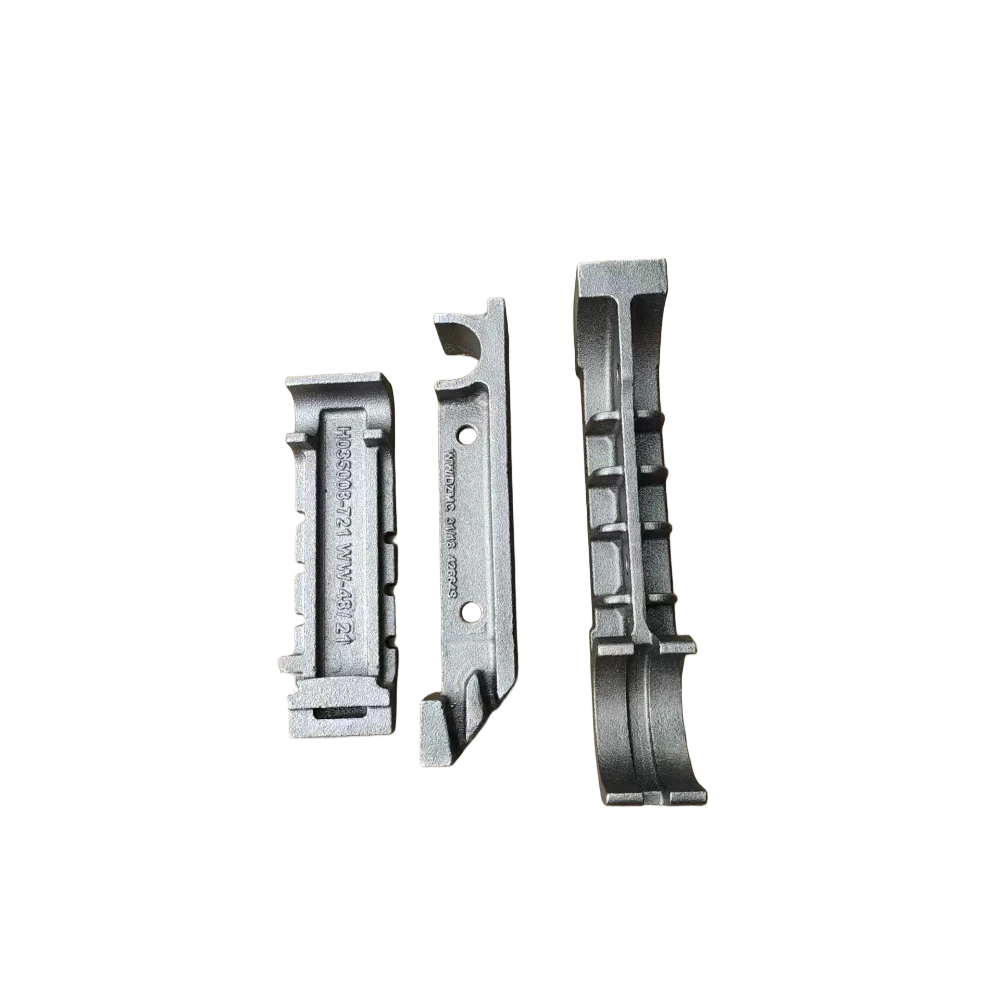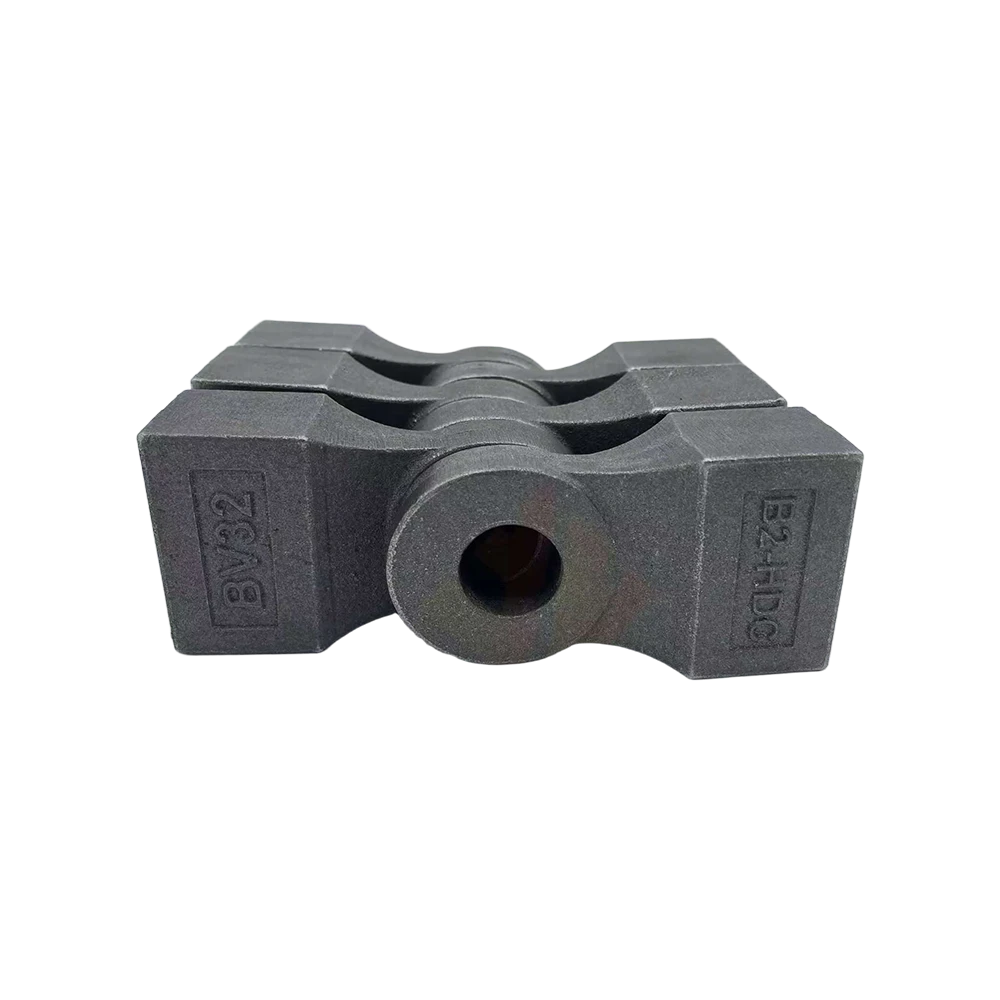
Reliable Coal Crusher Machine Parts for Efficient Coal Processing | DZM Casting
Coal Crusher Machine Parts: The Hidden Backbone of Modern Industry
When you think of coal mining and processing, the spotlight often falls on big machines and roaring operations. But take a step back and consider the coal crusher machine parts — those essential components ensuring coal is broken down efficiently for further use. Globally, with coal still accounting for roughly 27% of primary energy consumption (according to the International Energy Agency), understanding these parts is key. Not only because they impact operational productivity, but because they factor directly into safety, environmental sustainability, and the overall economics of energy production.
Introduction: Why Coal Crusher Machine Parts Matter Worldwide
Here's a curious thing: despite the surge in renewables, coal remains a vital energy source in many countries, especially in Asia and parts of Eastern Europe. As per recent statistics from the IEA, coal still powers more than 37% of electricity globally. Efficient coal processing depends largely on the reliability and precision of coal crusher machine parts. Breakdowns or inefficiencies in these parts can cascade into significant operational delays, increased costs, and even unsafe working conditions.
Moreover, as industries pivot towards cleaner, leaner mining processes, the demand for robust, wear-resistant, and easy-to-maintain crusher components has never been greater. Fact is, the coal crushing process is where physical transformation and economic value converge — so getting these parts right is no small matter.
What Are Coal Crusher Machine Parts? A Simple Breakdown
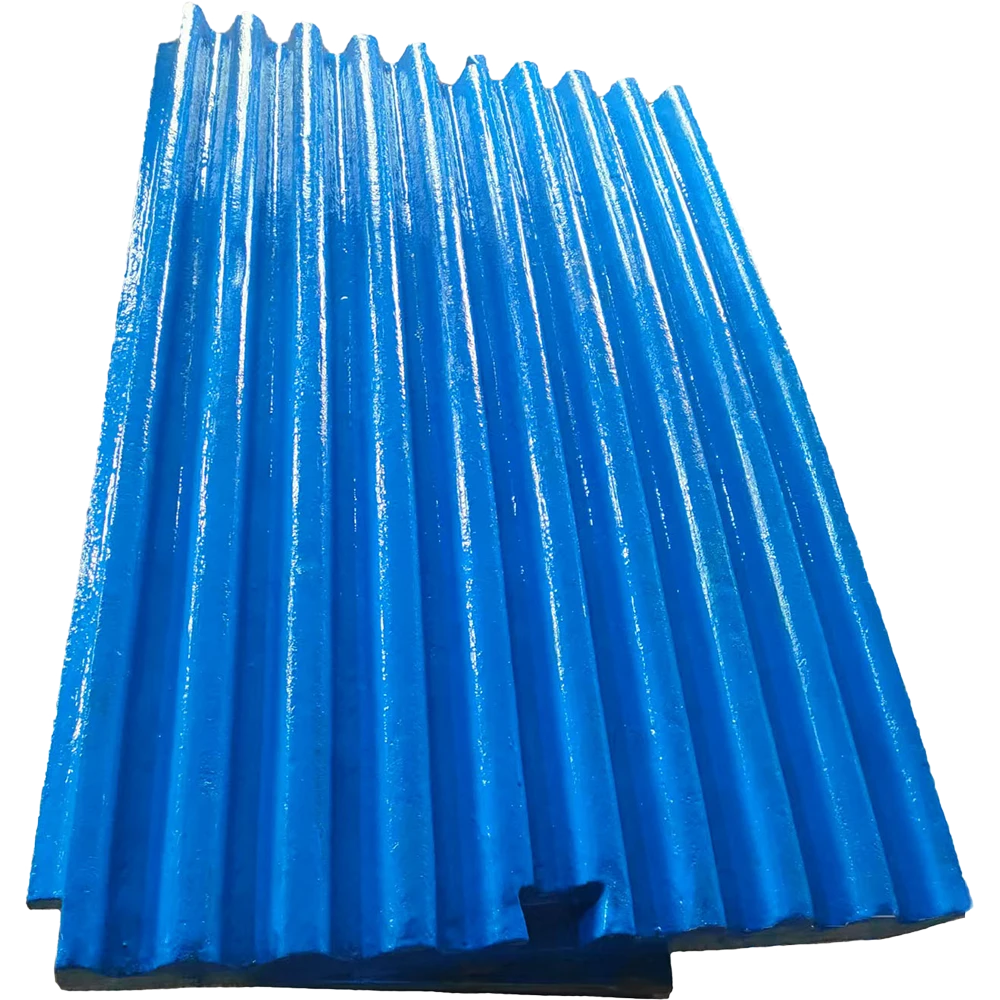
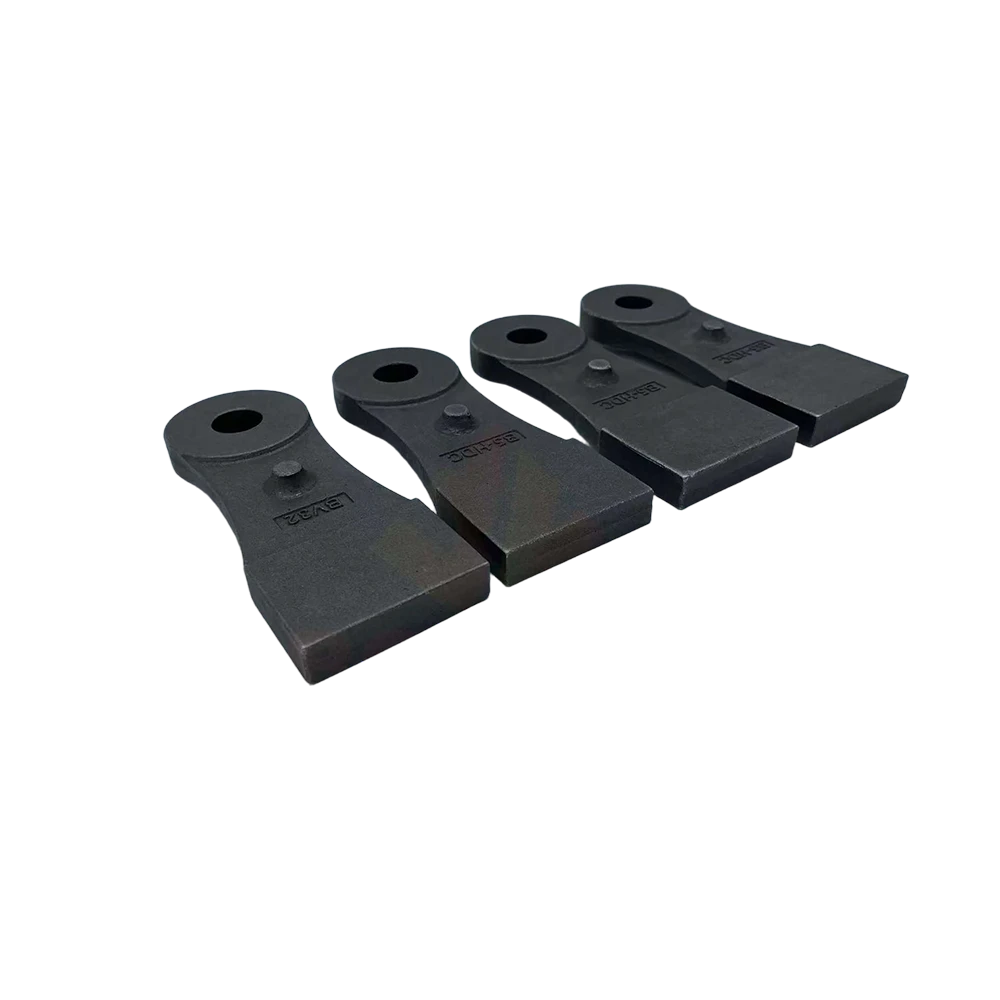
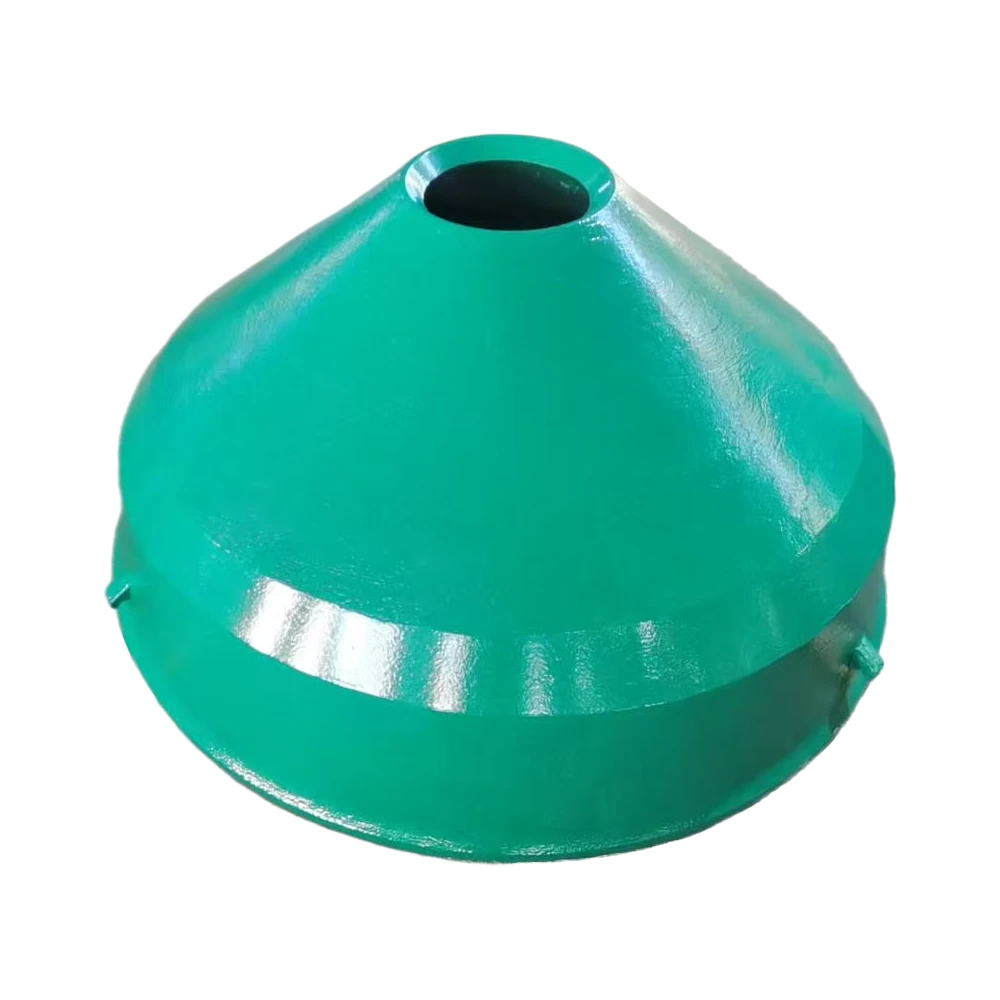
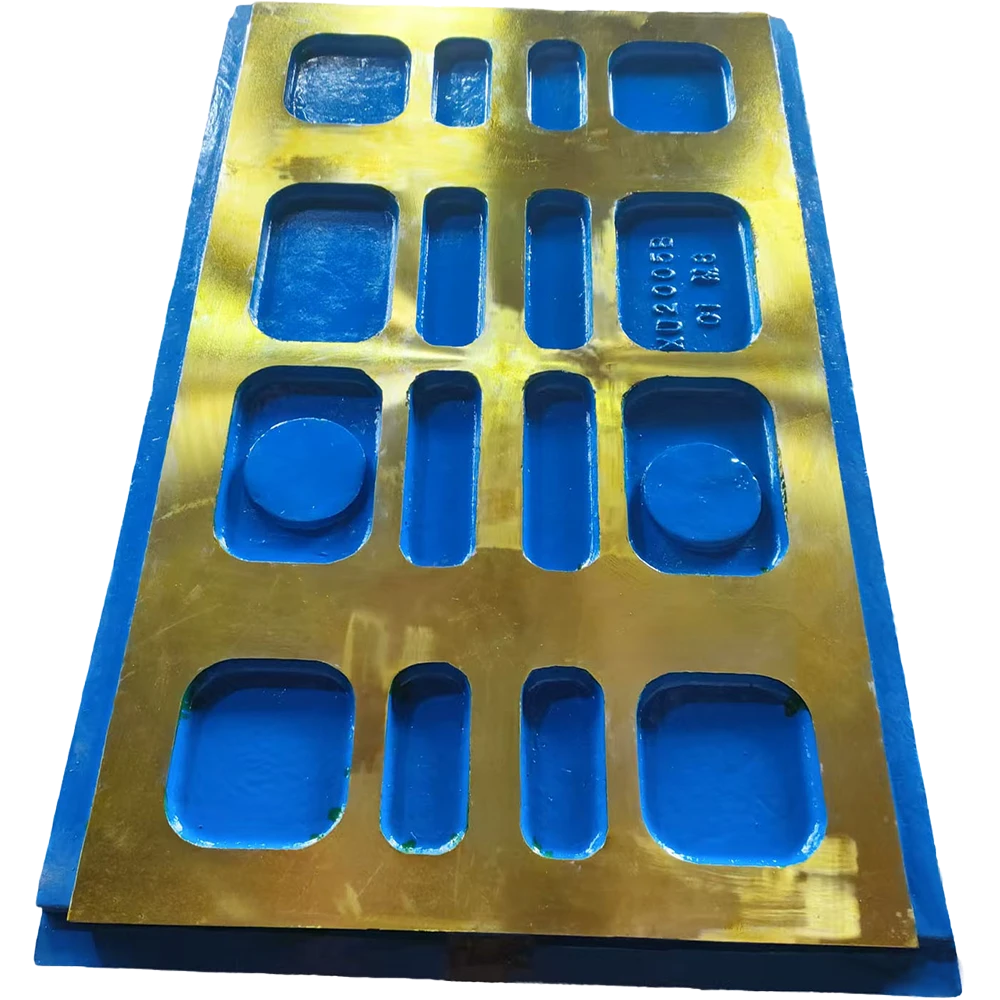
Alright, so what exactly are these parts? At the heart of it, coal crusher machine parts include all the individual components that make a coal crushing unit work effectively. Think of things like the crusher jaws, hammers, impact plates, rotor assemblies, screens, and bearing housings. Each plays a role in transforming large chunks of raw coal into smaller, manageable pieces ready for further processing, transport, or direct use in power plants.
Without these parts functioning seamlessly, crushing equipment can falter — translating into lower output or even equipment damage. Their design and durability also connect closely to humanitarian efforts in regions reliant on coal as their main energy source. Ensuring efficient coal processing indirectly supports energy security and community stability.
Key Features & Core Components of Coal Crusher Machine Parts
Durability & Wear Resistance
Given the abrasive nature of coal and surrounding rock, crusher parts must stand up to relentless wear and tear. Materials like high manganese steel or alloyed cast iron are popular choices. Engineers often say, “the right steel keeps the coal moving, the wrong one stops the line.”
Modularity & Scalability
Modern designs favor parts that are easily replaceable. Think of it like swapping tires rather than an entire axle. This approach boosts machine uptime, reduces maintenance costs, and allows for scalable production adjustments.
Cost Efficiency
Efficiency matters. Parts must balance upfront costs with longevity and performance. Cutting corners on rigidity or surface treatment can save money initially — but often spells trouble down the line.
Compatibility & Integration
Not all crusher machines are created equal. The challenge? Designing parts that fit multiple models or brands. A standard-compliant part helps streamline supply chains and lowers operational headaches.
Safety & Environmental Compliance
Leading manufacturers embed safety features directly into their component designs. For example, guard systems on crusher jaws or vibration dampeners prolong life while protecting staff. Additionally, dust suppression parts are increasingly important to meet environmental guidelines.
Mini Takeaway: Robust coal crusher machine parts combine smart materials and thoughtful design to keep coal processing efficient, safe, and sustainable.
Global Applications and Real-World Use Cases
Interestingly, coal crusher machine parts are at work everywhere — from vast coal fields in Australia’s Bowen Basin to the industrial hubs along China’s Shanxi province, where coal dominates energy production.
In disaster relief contexts, like after floods in mining regions, reliable crusher parts help restore disrupted coal supply chains quickly. And in remote industrial zones, where maintenance teams are thin and downtime costly, parts designed for longevity truly shine.
Specifications at a Glance: Typical Coal Crusher Machine Parts
| Component | Material | Typical Lifespan | Primary Function |
|---|---|---|---|
| Jaw Plates | High manganese steel | 6-12 months (varies by usage) | Primary crushing of large coal chunks |
| Impact Hammers | Alloy cast iron | 4-8 months | Secondary crushing and size reduction |
| Rotor Assembly | Forged steel | 12-18 months | Drives impact hammers and crushing motion |
| Screens & Grates | Steel alloys with wear-resistant coating | 6-12 months | Coal sizing and sorting |
Vendor Comparison: Choosing the Right Coal Crusher Parts Supplier
| Supplier | Material Quality | Customization Options | Lead Time | Price Range |
|---|---|---|---|---|
| DZM Casting | High manganese steel & alloy castings | Full OEM custom parts | 3-4 weeks | Mid-range |
| Global Crushers Inc. | Standard manganese steel | Limited sizes | 5-6 weeks | Budget |
| Superior Metalworks | Premium alloys, heat-treated | Custom designs & rapid prototyping | 2-3 weeks | Premium pricing |
Advantages and Long-Term Value of Coal Crusher Machine Parts
Frankly, investing in quality coal crusher machine parts pays off over the life cycle of a mining operation. Here's why:
- Cost Savings: Lower maintenance frequency means fewer shutdowns and a better bottom line.
- Sustainability: Durable parts reduce waste and environmental impact, aligning with ISO environmental standards.
- Safety: Well-designed components contribute to safer work environments by minimizing failure risks.
- Reliability & Trust: Knowing your crushers won’t quit unexpectedly builds confidence across teams and suppliers alike.
It’s a subtle kind of innovation that can quietly transform an operation’s daily rhythm — almost like having a trusted coworker you never have to worry about.
Looking Ahead: Future Trends in Coal Crusher Machine Parts
Despite the pressure on coal as a fuel, the equipment side faces an interesting push toward modernization. Expect to see more digital monitoring integration — sensors that track wear in real-time and predict replacements before catastrophe. Add to that specialized coatings derived from nanotechnology for even tougher resistance.
And oddly enough, sustainability trends are inspiring materials that embed recycled content without sacrificing strength. Green energy companies elsewhere might scoff, but there’s innovation in refining coal machinery that echoes broader industrial changes.
Challenges and Innovations: Navigating Troubled Waters
Here’s the rub: coal processing environments are harsh, dusty, and unpredictable. Parts often face premature failure, downtime, and supply chain disruptions. Plus, global trade tensions can delay critical shipments.
Solutions include advances like modular designs for faster field swaps, local manufacturing partnerships to cut lead times, and automated cleaning systems to prolong component life. Many engineers also swear by preemptive mineral sorting upstream to extend parts’ lifespans — a bit like treating the problem before it even hits the crusher.
FAQ: Common Questions About Coal Crusher Machine Parts
Q1: How often should key coal crusher parts be replaced?
A: Replacement intervals depend on usage intensity and coal type, but typically jaw plates last 6-12 months, while hammers might need swapping every 4-8 months. Regular inspections and wear analysis help optimize schedules.
Q2: Can crusher parts be customized for different coal grades?
A: Absolutely. Customization is common to handle specific coal hardness or moisture content. Suppliers like coal crusher machine parts manufacturers often tailor materials and designs accordingly.
Q3: Are all crusher parts interchangeable across brands?
A: No, compatibility varies. While some parts follow industry standards, others are proprietary, so sourcing from the original equipment manufacturer (OEM) or verified suppliers is prudent.
Q4: How do environmental regulations affect crusher parts design?
A: Increasingly, parts must support dust suppression systems and reduce noise levels, pushing for new materials and safety features that comply with ISO and local laws.
Q5: Is it possible to extend the lifespan of crusher parts?
A: Yes, through regular maintenance, using protective coatings, optimizing operational parameters, and leveraging predictive maintenance tools.
Wrapping It Up: Why Coal Crusher Machine Parts Should Be on Your Radar
In the complex dance of coal processing, coal crusher machine parts might not be the flashiest performers, but they are undoubtedly the backbone. Their quality dictates not just efficiency but the long-term viability of operations in a world where energy security and sustainability weigh heavily.
Want to explore top-grade parts tailored to your operational needs? Visit our website to discover how DZM Casting can keep your coal crushers running smoother, longer.
References:
-
High Performance oem cast heat resistant steel for Industrial UseNewsApr.16,2026
-
Guide to Selecting High Quality Cast Heat Resistant Steel AlloysNewsApr.09,2026
-
Custom Cast Heat Resistant Steel Solutions for High Temperature ApplicationsNewsApr.07,2026
-
Comprehensive Guide to Wholesale Cast Heat Resistant Steel for Industrial ApplicationsNewsApr.04,2026
-
Comprehensive Guide to High Performance Heat Resistant Metal Product SolutionsNewsMar.31,2026
-
Expert Guidance on Heat Resistant Metal Quotes and Alloy SelectionNewsMar.28,2026