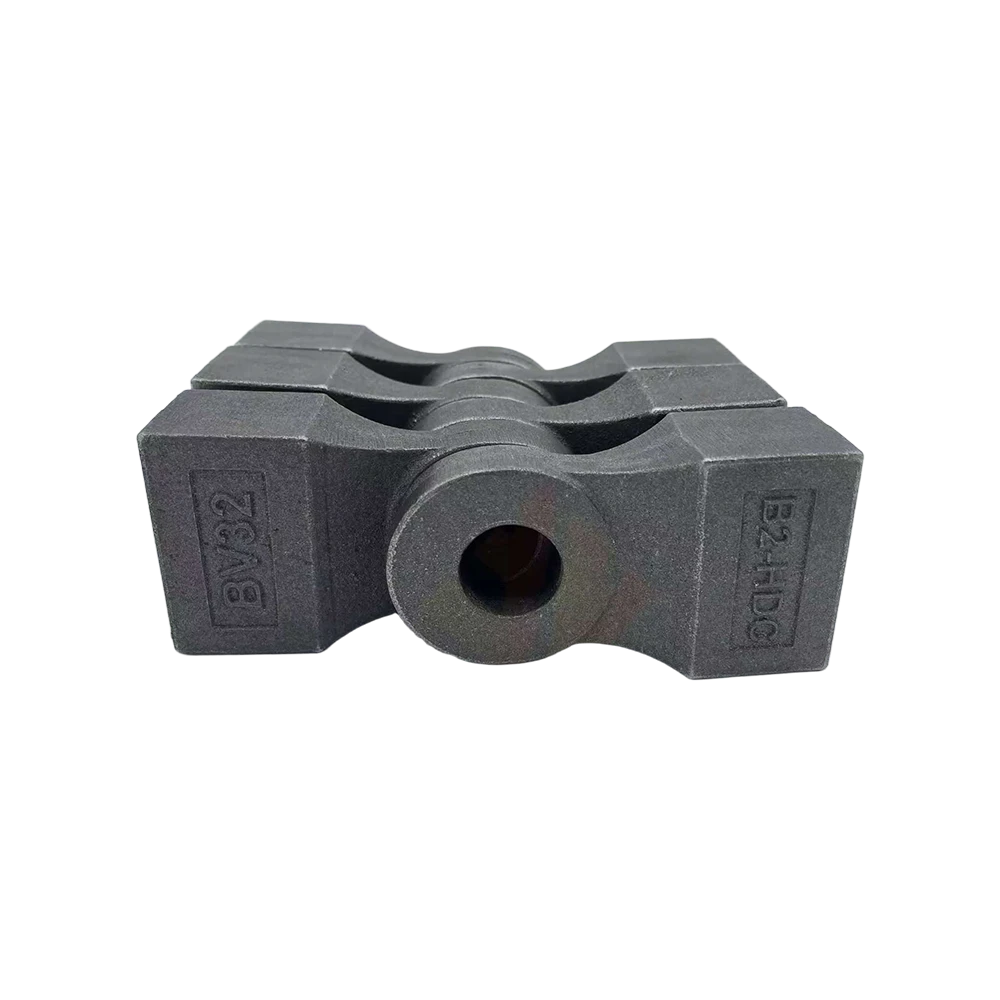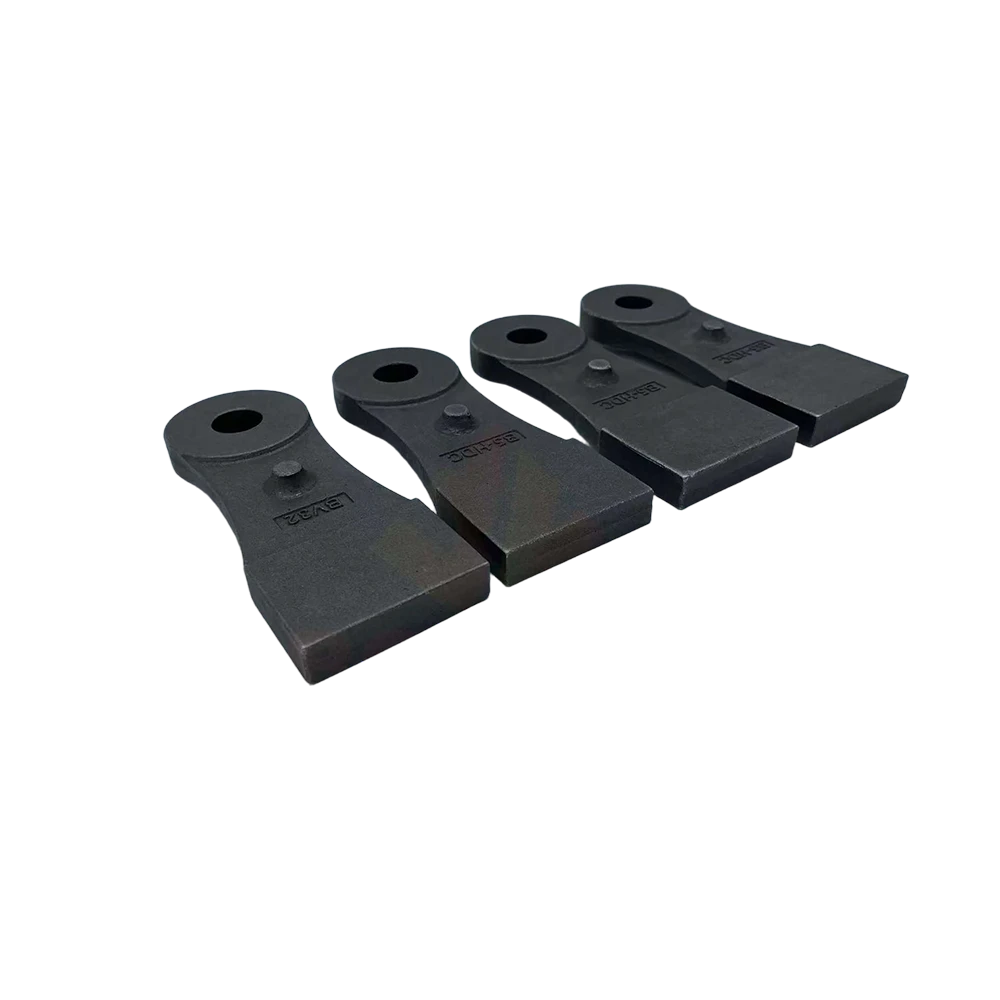
High-Quality Coal Crusher Parts for Efficient and Durable Coal Processing
Understanding Coal Crusher Parts: The Backbone of Efficient Coal Processing
Coal crusher parts might not be the most glamorous term in the industrial dictionary, but trust me, their role in global energy supply chains is nothing short of vital. At its core, these parts keep coal crushers operational, transforming large chunks of coal into manageable sizes for power generation and other uses. Given coal’s enduring role in energy production worldwide—despite renewable pushes—knowing about these components isn’t just for engineers or technicians. It’s about appreciating a small piece of the complex puzzle keeping our lights on and industries humming.
To put it bluntly: coal crusher parts matter because they keep the crushers running steadily, reduce downtime, and help maintain operational safety and efficiency. This matters on a global scale, especially in coal-intensive economies and emerging industrial hubs.
The Global Context: Why Coal Crusher Parts Are Still In Demand
Even as worldwide energy policies aim toward sustainability, coal remains a major player. According to the International Energy Agency (IEA), coal accounted for about 36% of global electricity generation as late as 2023. This means coal crushers—and their parts—are in continuous demand for mining sites, power plants, and shipping hubs from Asia to Africa, and even parts of Europe.
But here’s an interesting challenge: coal crusher parts must endure harsh operating environments—abrasive coal, large impact forces, and heavy mechanical strain. If they fail, the whole supply chain suffers setbacks. For operators, minimizing downtime is more than money-saving—it’s about maintaining energy security for millions.
For example, in rapidly developing regions such as India and Southeast Asia, demand for reliable coal processing solutions is steadily rising. Industrial facilities in these places rely heavily on well-maintained coal crusher parts to meet growing energy and production needs.
So, What Exactly Are Coal Crusher Parts?
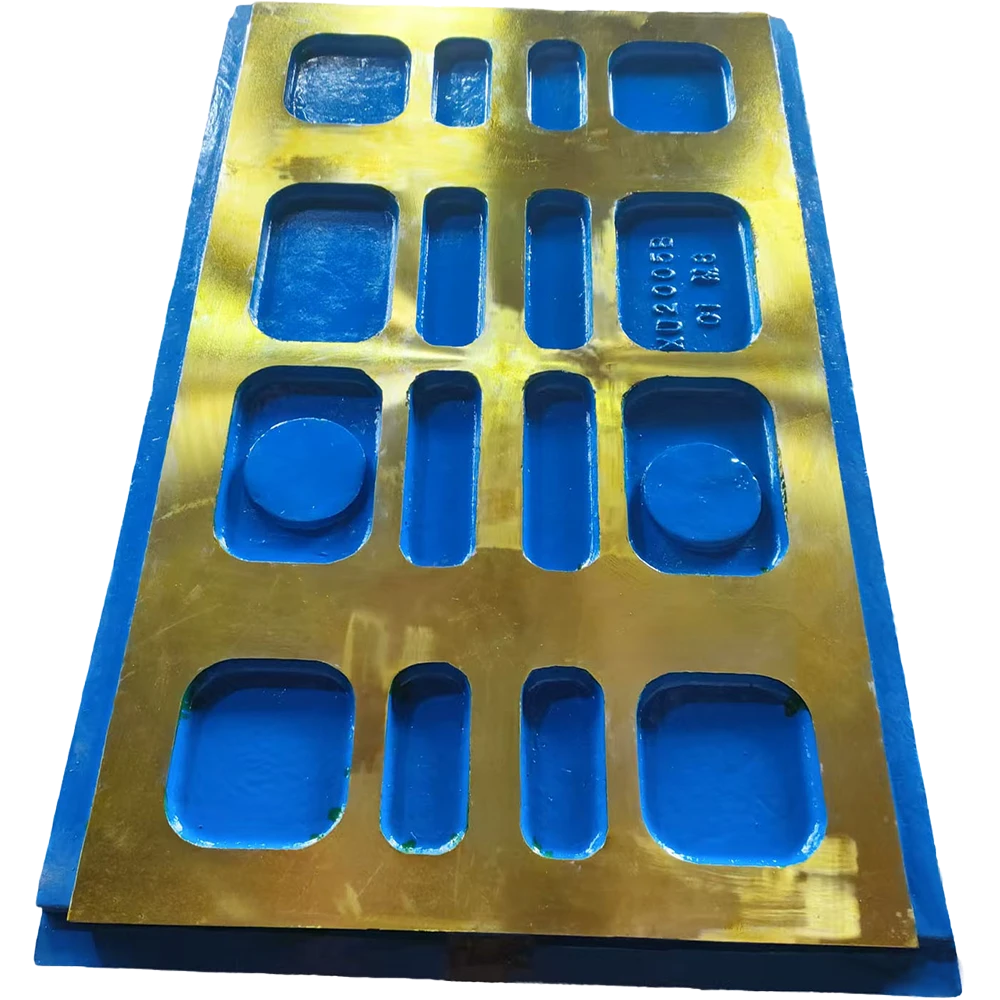
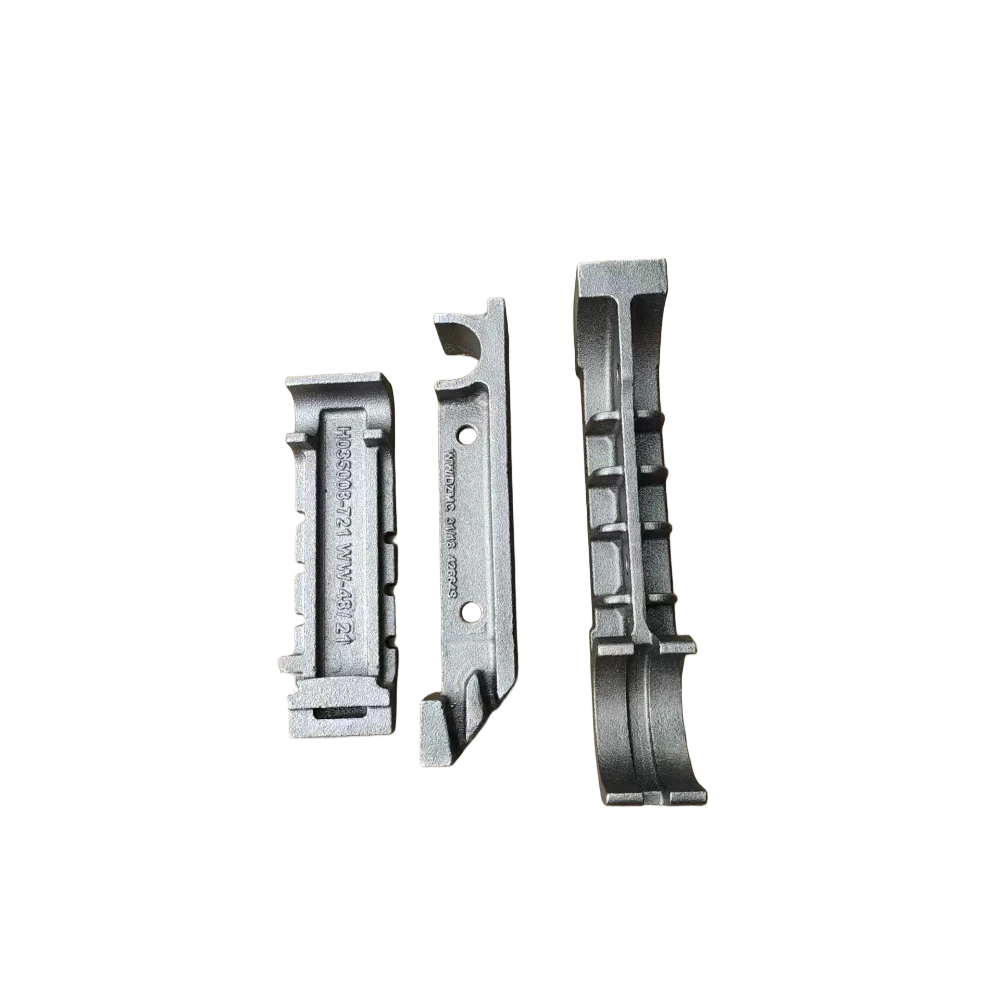
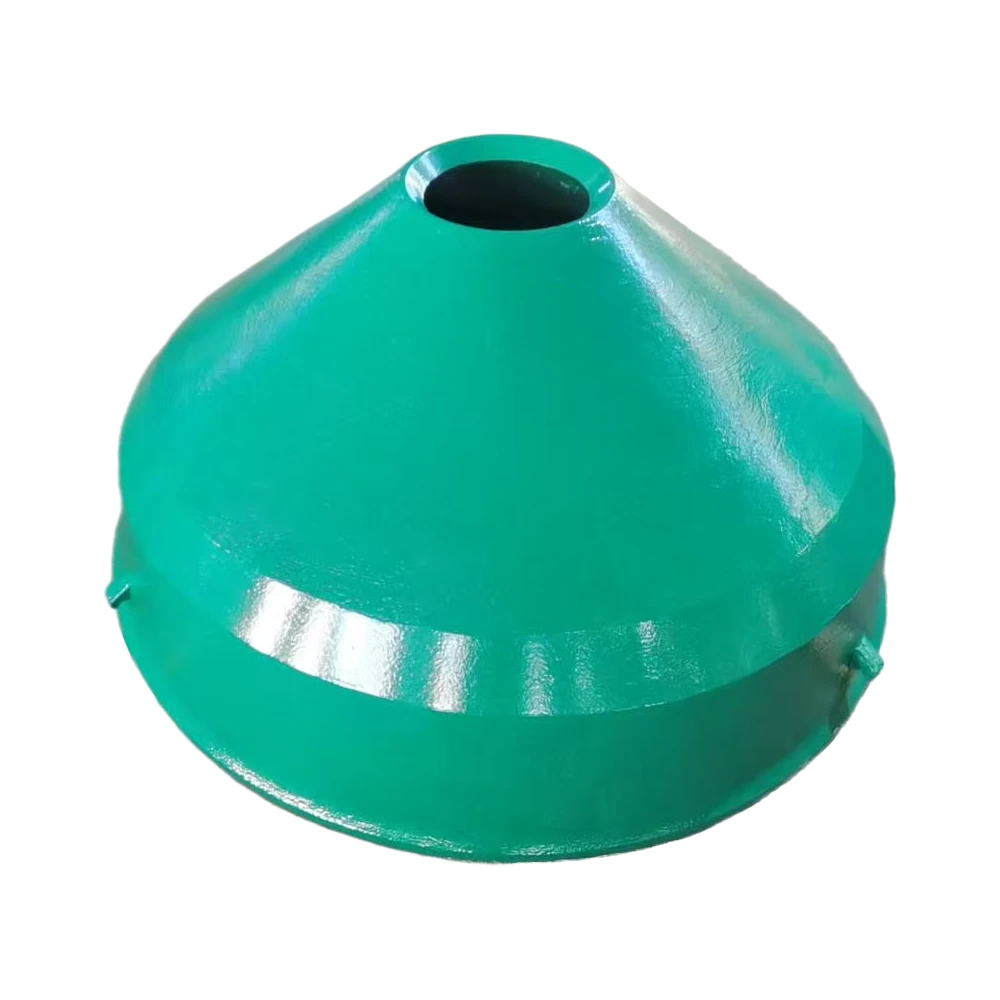
Let’s keep it simple: coal crushers are machines designed to reduce coal rocks from large lumps to smaller, manageable sizes, ready for use or transport. Coal crusher parts encompass all the components that make this crushing possible—from the jaws that grip and crush, to the shafts, bearings, rotary drums, and protective liners.
Without these parts working smoothly, the crushers would grind to a halt (pun intended). The heart of coal processing facilities, these parts enable uninterrupted coal feed into power plants and factories, helping maintain modern life’s energy rhythm. In some humanitarian contexts, reliable coal processing supports heating and electricity in remote areas, underlining an unexpected social dimension to these technical elements.
Core Aspects of Quality Coal Crusher Parts
1. Durability under Harsh Conditions
Coal is abrasive and heavy—meaning parts face constant wear and tear. Materials like manganese steel are often used to withstand impact and abrasion. Durability reduces the need for frequent replacements, saving costs and downtime.
2. Precision Engineering & Fit
The compatibility of parts—like jaws, liners, and bearings—matters. Poorly fitting elements cause vibrations, inefficiency, and faster breakdowns. High-precision design improves performance and equipment lifespan.
3. Scalability & Customization
Not all coal crushers are alike. Depending on the application—from small-scale plants to massive mining operations—custom parts or modular systems are needed to adapt capacity and function.
4. Cost Efficiency
Good coal crusher parts balance price and quality. Over-investing with ultra-premium parts may not always pay off, but cheap substitutes often fail prematurely. Finding the right supplier and part quality is crucial.
5. Ease of Maintenance
Quick, user-friendly installation and replacement reduce stoppage times. Some vendors design parts to be maintenance-friendly, with features like bolt-on liners or standardized bearings.
Specifications Snapshot: Typical Coal Crusher Parts
| Component | Material | Approx. Lifespan | Typical Use |
|---|---|---|---|
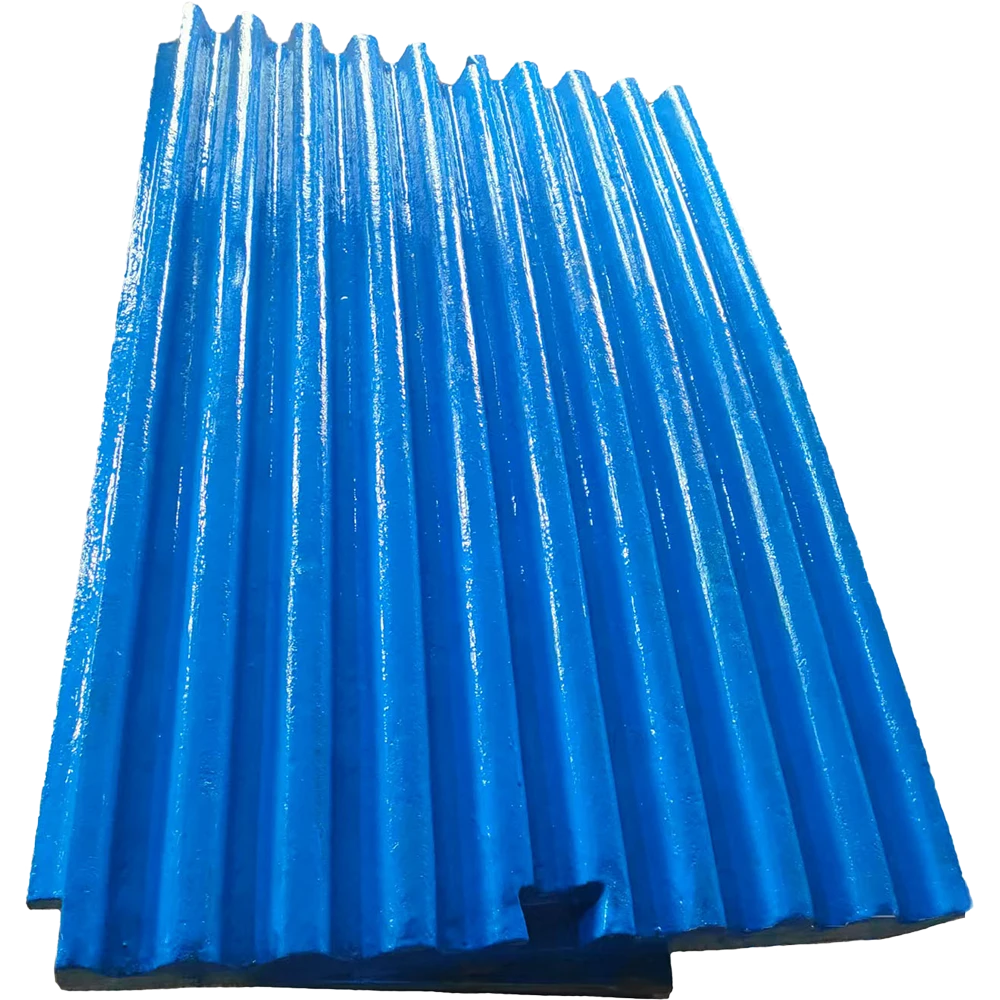
| Jaw Plates | Manganese Steel | 6–12 months (heavy use) | Primary crushing |
| Bearings | High-grade Steel | 12–24 months | Rotational support |
| Eccentric Shaft | Forged Steel | 2–3 years | Crushing motion |
| Crusher Liners | Alloy Steel | 6–18 months | Protective wear parts |
Global Applications: Who Really Uses Coal Crusher Parts?
Worldwide industries rely heavily on these components. Mining companies in Australia and South Africa maintain huge fleets of crushers to feed coal plants. In China and India, dense coal-based power generation necessitates frequent, reliable part replacements. Interestingly, even smaller countries with industrial growth like Vietnam or Turkey depend on these parts to ensure steady fuel supply.
Beyond industry, aid organizations sometimes use coal processing in post-disaster recovery—say, providing localized power generation in regions where infrastructure is damaged. Without robust coal crusher parts, even temporary setups falter under pressure.
For anyone working in coal handling, the connection often becomes clear: maintenance cycles for coal crusher parts can mean the difference between steady output and costly outages. These parts may seem small, but their impact is enormous.
Vendor Comparison: Finding the Right Coal Crusher Parts Supplier
| Vendor | Range of Parts | Customization | Lead Time | Price Range |
|---|---|---|---|---|
| DZMCCasting | Comprehensive (jaws, shafts, liners, bearings) | High (custom alloys and sizes) | 2–4 weeks | Competitive |
| GlobalCrusherSupplies | Broad | Medium | 3–6 weeks | Moderate |
| IndustrialWearParts | Limited | Low | 1–2 weeks | Lower |
For many operators, this table mirrors the choices they face daily. DZMCCasting, for example, is highly rated for quality and customization, and offers coal crusher parts that meet tough specification requirements.
Key Advantages & Long-Term Value of Investing in Quality Coal Crusher Parts
- Reduced Downtime: Durable parts mean fewer breakdowns and less production halt.
- Cost Savings Over Time: Though initial costs may be higher, premium parts reduce long-term replacement and labor expenses.
- Safety Improvements: Reliable components lower accident risks caused by mechanical failures.
- Sustainability: Longer-lasting parts reduce waste and the frequency of manufacturing new components.
- Trust & Reputation: Facilities with consistent uptime build stronger customer and stakeholder confidence.
It’s often said in industry circles: "You get what you pay for," but in coal crusher parts, this truth extends beyond money—it’s about operational integrity, worker safety, and environmental responsibility.
What’s Next? Trends and Innovations to Watch
The coal crusher parts industry isn’t frozen in time. Trends toward automation and digital monitoring now help operators predict part wear before failure—preventing costly downtime. Smart sensors and IoT integration let maintenance teams get ahead of issues.
Material innovation is another arena. New, wear-resistant alloys and composite materials promise longer life spans. Meanwhile, sustainability policies encourage manufacturers to reduce environmental footprints by refining production processes.
Also worth noting: with the coal industry evolving, some parts have to be compatible with different crusher designs—like mobile crushers used in remote areas or smaller plants.
Challenges & Solutions in Managing Coal Crusher Parts
Of course, it’s not all smooth sailing. Supply chain delays, inconsistent supplier quality, and harsh operating conditions frequently disrupt coal crusher maintenance.
Solutions? Many plant operators now embrace vendor partnerships for rapid-response spares. Others invest in predictive maintenance software. On the engineering side, better design tolerances and modular parts simplify on-site replacements.
FAQs: Practical Answers About Coal Crusher Parts
Q1: How often should coal crusher parts be inspected for wear?
A1: Inspection frequency depends on operating hours and coal hardness. Generally, monthly inspections are recommended, with more frequent checks if processing abrasive coal or operating continuously—especially focusing on jaw plates and bearings.
Q2: Can I use generic replacement parts to save costs?
A2: While cheaper generic parts exist, they often lack the durability and precision of OEM or specialized vendor parts. This can lead to faster breakdowns and overall higher costs. It’s usually better to invest in quality, especially for critical components.
Q3: Are all coal crusher parts interchangeable across crusher brands?
A3: No, parts are often designed to fit specific crusher models and manufacturers. Using incompatible parts can cause damage or poor performance. Always verify compatibility with your equipment specs.
Q4: How can operators extend the lifespan of coal crusher parts?
A4: Regular maintenance, timely lubrication, avoiding overload, and using quality parts all contribute to prolonging component life. Implementing predictive maintenance technologies also helps detect early wear.
Q5: Is it possible to customize coal crusher parts for unique operational needs?
A5: Absolutely. Vendors like DZMCCasting offer tailored parts made from specialized alloys or customized dimensions to fit specific crushing requirements or environmental challenges.
A Final Word on Coal Crusher Parts
Looking beyond the obvious, coal crusher parts are emblematic of industrial resilience. They handle brute natural forces every day so systems downstream can function smoothly. Investing in good parts isn’t just about the immediate return—it’s about future-proofing operations, maintaining safety, and contributing to a steady energy supply globally.
If you’re thinking about upgrading your supply chain or just want dependable parts that last, don’t hesitate to visit our website. The right parts make all the difference.
And really, when was the last time you gave a thought to those humble components? Probably right now—because they’re quietly running the show.
1. International Energy Agency (IEA) – Coal Information
2. Wikipedia: Coal Mining
3. ISO Standards for Mining Machinery and Wear Parts
-
High Performance oem cast heat resistant steel for Industrial UseNewsApr.16,2026
-
Guide to Selecting High Quality Cast Heat Resistant Steel AlloysNewsApr.09,2026
-
Custom Cast Heat Resistant Steel Solutions for High Temperature ApplicationsNewsApr.07,2026
-
Comprehensive Guide to Wholesale Cast Heat Resistant Steel for Industrial ApplicationsNewsApr.04,2026
-
Comprehensive Guide to High Performance Heat Resistant Metal Product SolutionsNewsMar.31,2026
-
Expert Guidance on Heat Resistant Metal Quotes and Alloy SelectionNewsMar.28,2026