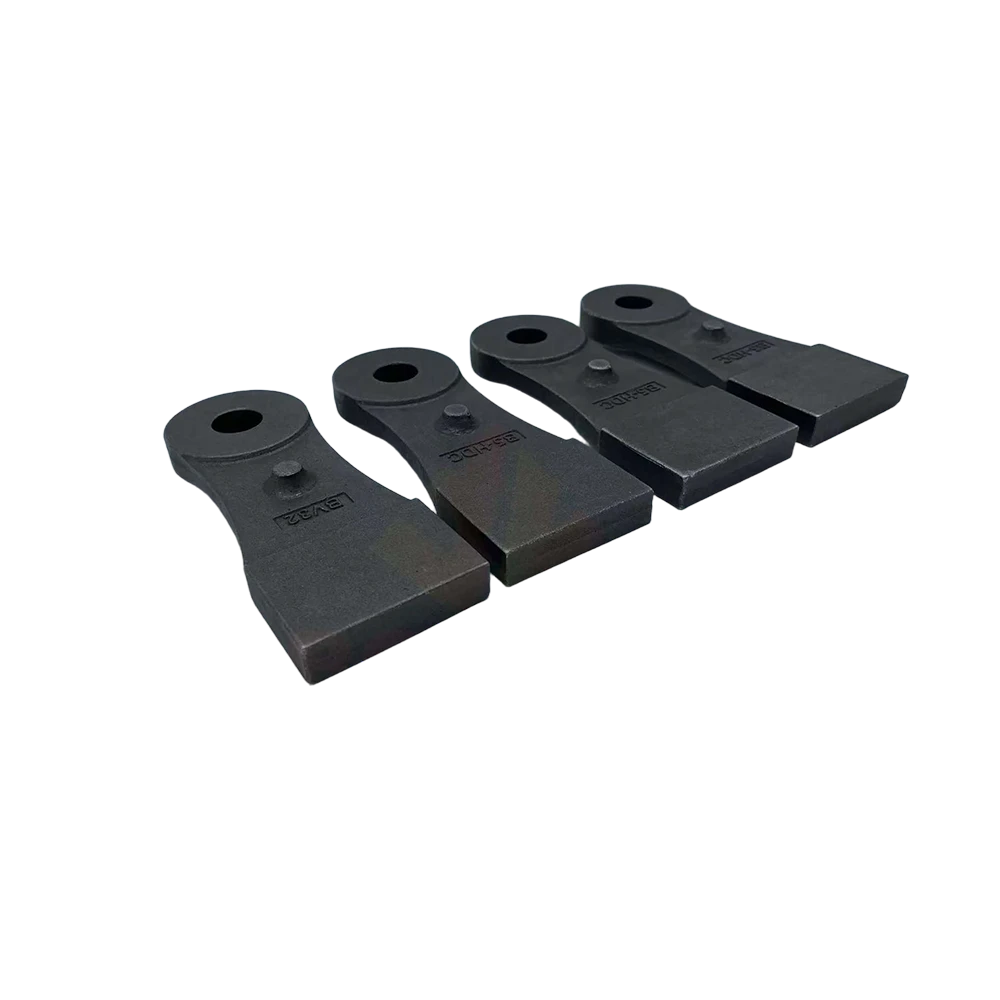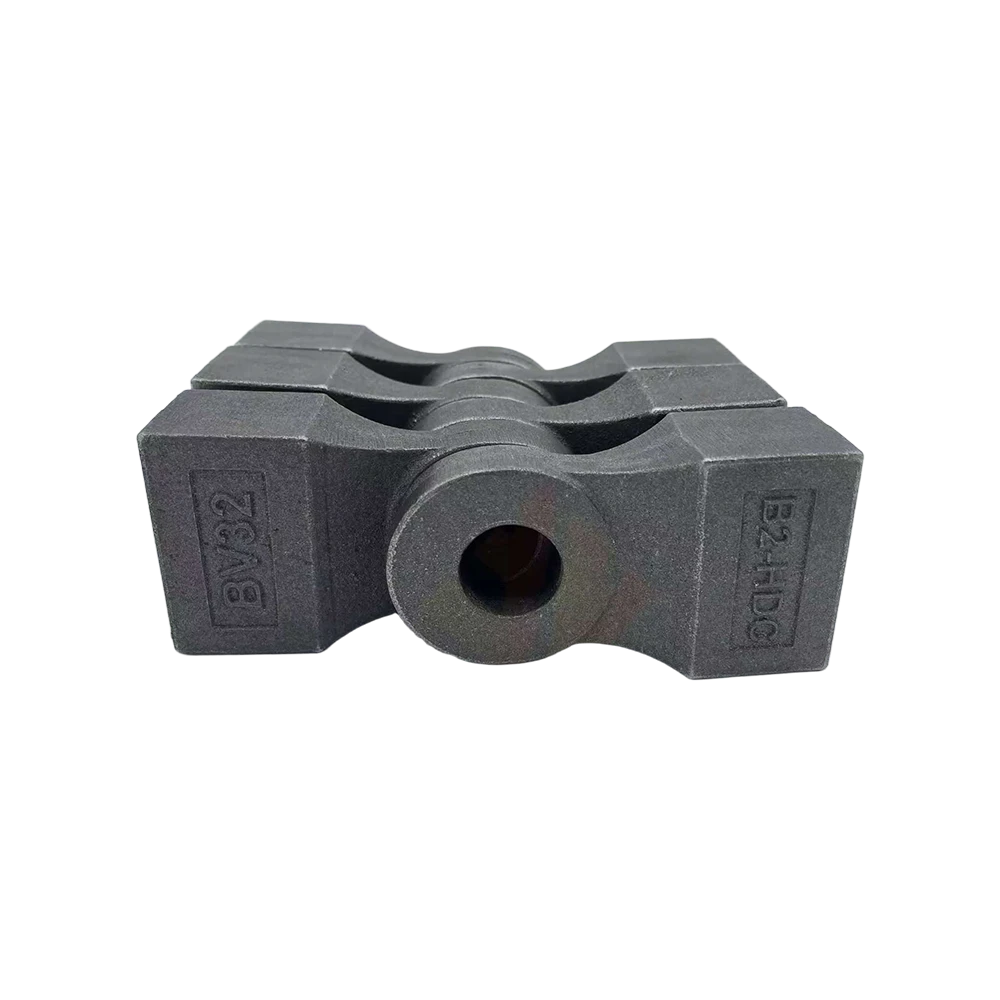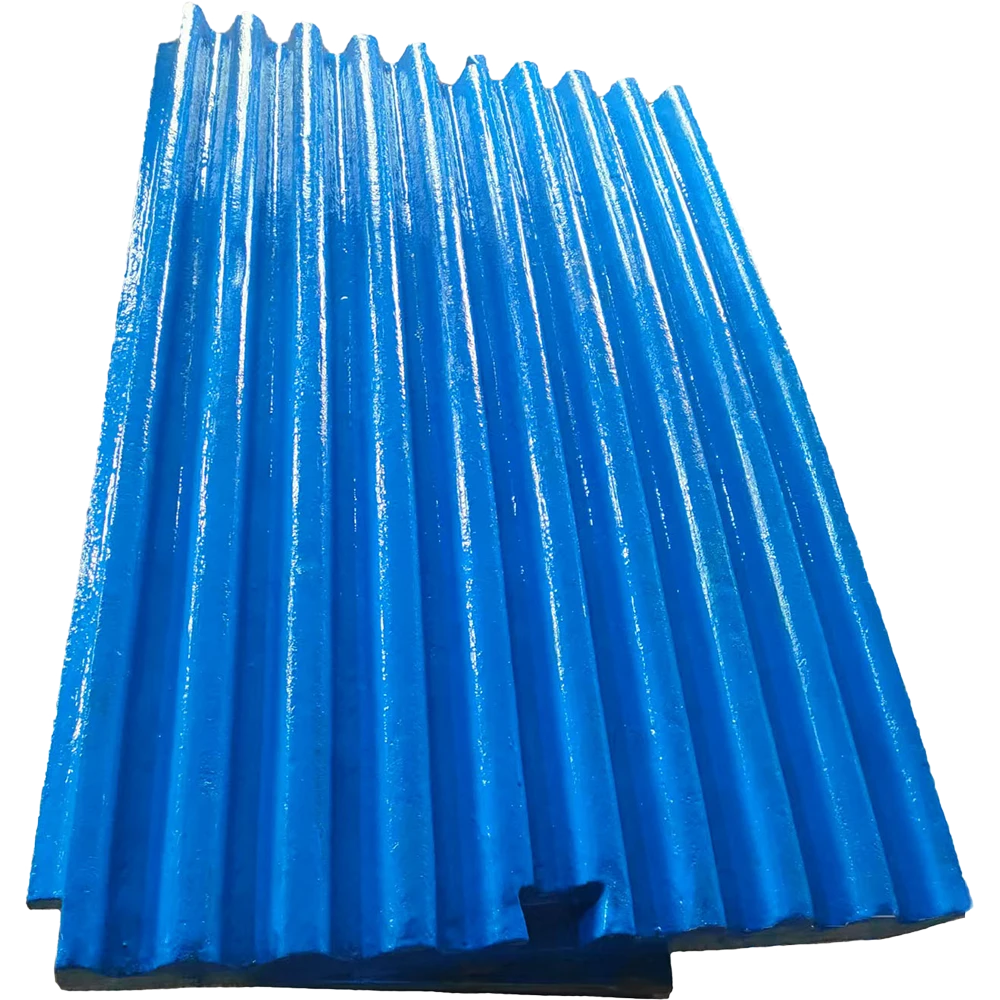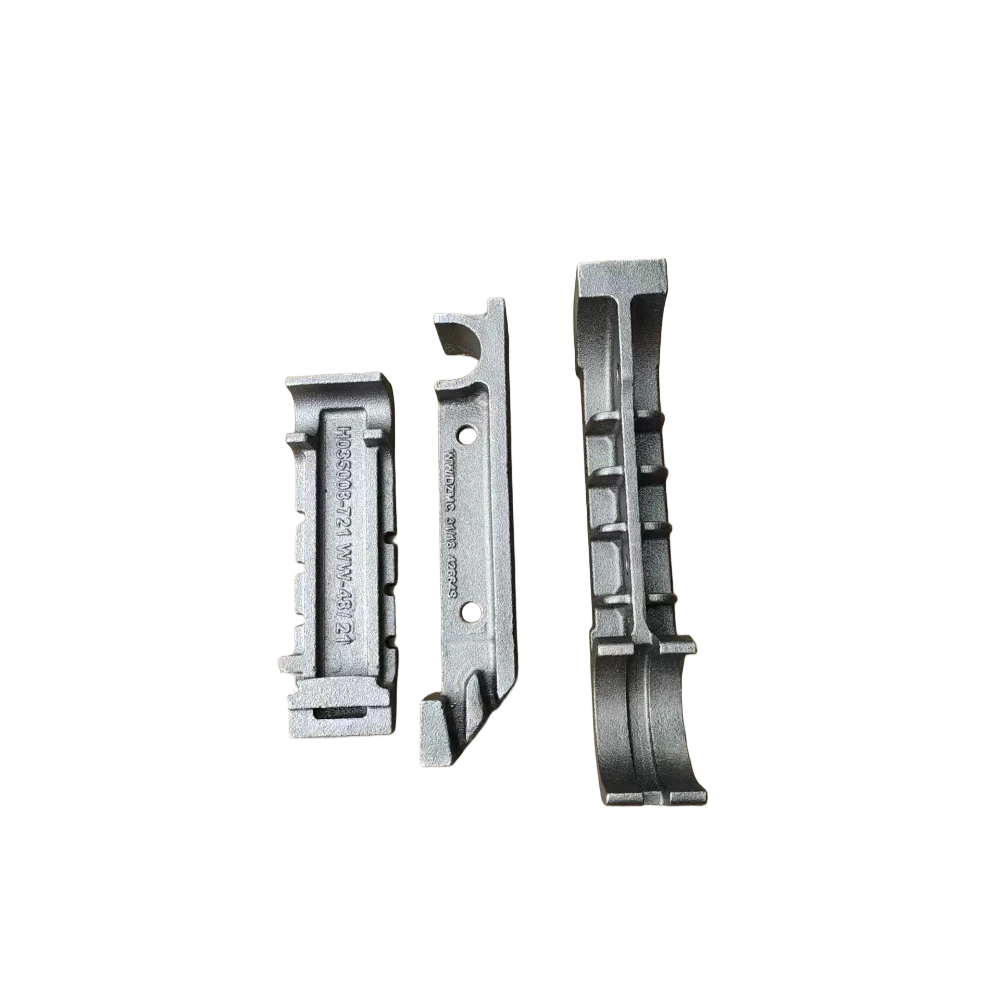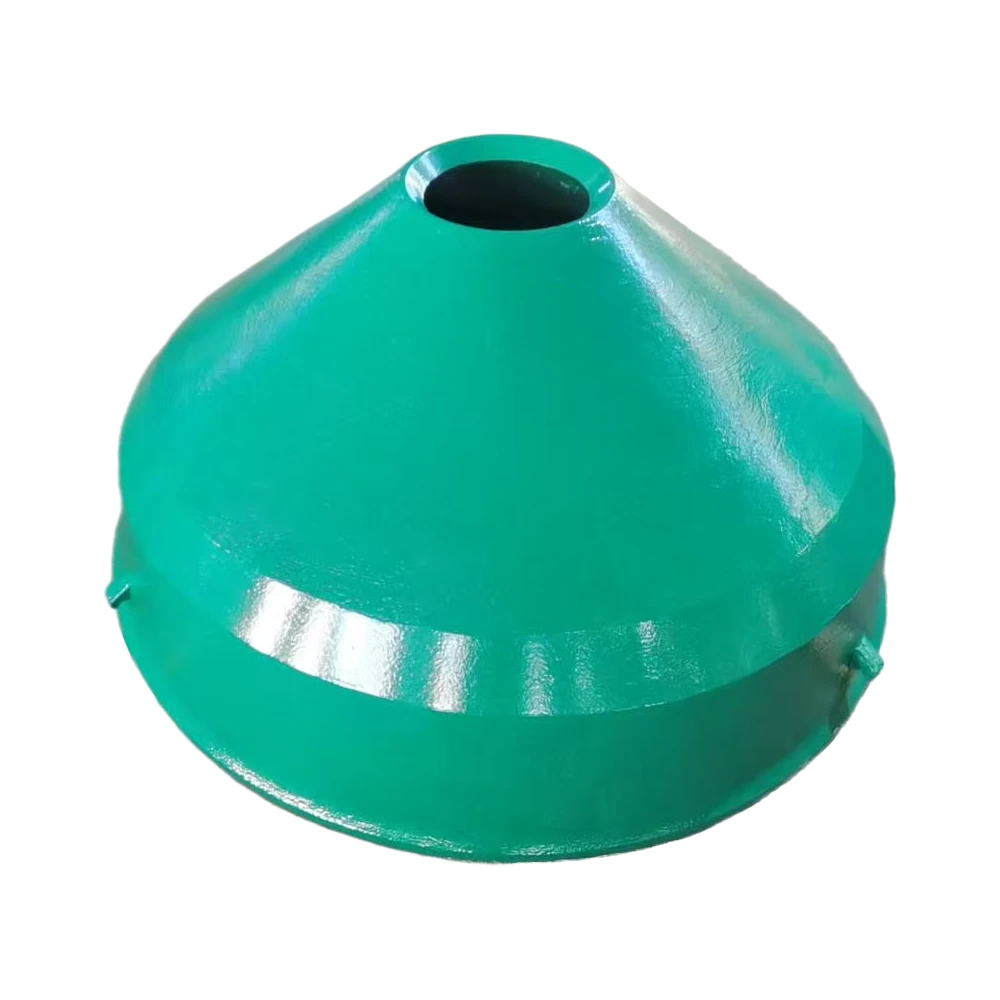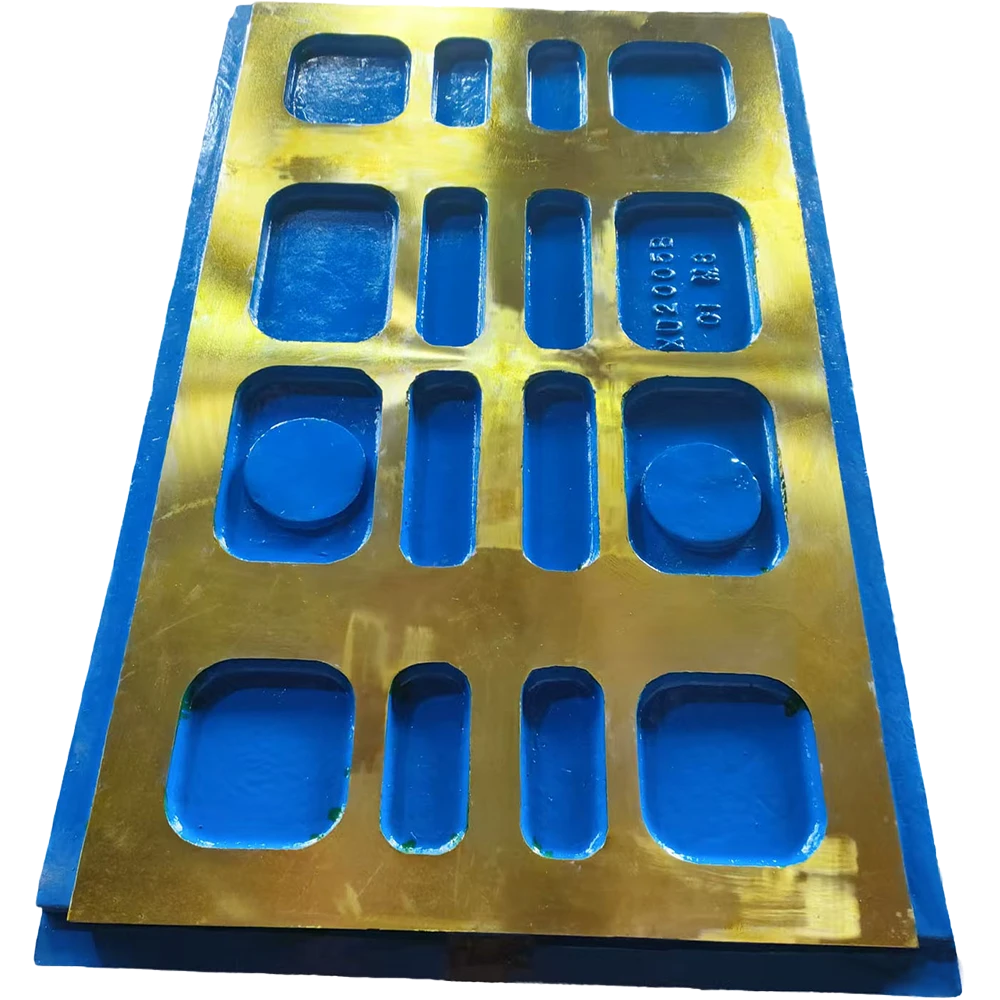
High-Quality Coal Crusher Hammer Material for Reliable Crushing
Understanding Coal Crusher Hammer Material: Why It Matters Globally
If you’re involved in mining, power generation, or heavy industry, you might have already come across coal crusher hammer material. It’s one of those unsung heroes of industrial machinery – a small but crucial component that keeps the coal crusher hammer material within crushers running efficiently. Globally, coal remains a primary source of energy in many countries, so understanding what goes into these hammers can mean better equipment longevity, cost savings, and environmental benefits.
The world consumes roughly 7,500 million tons of coal annually (according to the International Energy Agency, 2023). In that massive flow, crushers play a pivotal role, and the hammers themselves bear the brunt of wear and tear. So, why does the material itself matter? Because the right metal can drastically reduce downtime, prevent costly replacements, and improve the quality of crushed coal, which ultimately impacts energy efficiency and carbon emissions.
In summary: Picking the right coal crusher hammer material isn’t just a technical detail. It’s a move with economic, environmental, and operational consequences.
Setting the Stage: Global Context of Coal Crusher Hammer Material
Coal may be facing increasing scrutiny worldwide, but it remains essential in countries like India, China, and parts of Eastern Europe. However, there’s a catch: coal crushing equipment operates in very tough conditions—abrasive mining environments, extreme impact forces, and high temperatures.
A recent ISO report explains that machinery downtime caused by hammer failure can reduce plant productivity by up to 15%, and replacing hammers frequently contributes significantly to operational costs.[1] So, experts and engineers focus a lot on the metallurgy behind these hammers to extend life and efficiency.
Oddly enough, even small improvements in hammer material—like alloy recipes or heat treatment—can cascade into big savings and, if done right, lead to fewer environmental impacts. That’s why many manufacturers collaborate globally to enhance these materials while balancing cost and performance.
What Exactly Is Coal Crusher Hammer Material?
At its simplest, the coal crusher hammer material is the metal or alloy from which the crusher hammers are made. These hammers are attached to a rotating shaft inside the crusher and impact the coal to break it down into more manageable sizes.
Now, the challenge here is that these hammers must resist both abrasion from the hard, gritty coal and impact stress from constant hammering. Materials typically used include high manganese steel, alloy steels rich in chromium and molybdenum, and sometimes composite metals designed to balance toughness and hardness.
In real terms, the choice of material affects not just how long the hammer lasts, but also how it affects the crusher’s efficiency, the quality of the output coal, and ultimately, the pollution levels of the power plant or furnace it feeds.
Main Factors to Consider for Coal Crusher Hammer Material
Durability and Impact Resistance
These hammers face pounding forces and abrasive particles. Their core material must withstand fatigue without cracking or breaking. High manganese steel is popular because it work-hardens on impact, effectively becoming tougher the more it’s struck.
Wear Resistance
Coal is dirty and gritty, meaning surface wear is a constant issue. Some alloys incorporate chromium or nickel to improve hardness on the surface, reducing erosion and prolonging hammer life.
Weight and Balance
Heavier hammers deliver more impact energy but can strain shaft bearings. Engineering the right weight without sacrificing strength is a delicate balance, influencing both material choice and hammer design.
Cost Efficiency
It’s no secret that high-end alloys cost more upfront. However, many operators report that paying a premium for superior hammer material pays off through lower downtime and replacement intervals.
Manufacturability and Repair Potential
Advanced heat treatment and casting processes affect how easily hammers can be repaired or remanufactured. This is crucial in remote mining areas where replacement parts might not be immediately available.
Mini takeaway: Coal crusher hammer materials aren't just about raw strength. They’re about balancing durability, wear, weight, and cost to fit real-world crusher dynamics.
Real-World Applications That Rely on Quality Hammer Materials
Globally, coal crusher hammers are used extensively in thermal power plants, mining operations, cement factories, and steel production facilities. For example, in China’s massive coal fields, crushers equipped with manganese steel hammers operate continuously to meet energy demands. Meanwhile, India’s thermal plants benefit immensely from improved hammer materials that reduce costly shutdowns.
I heard of one remote mining site in Australia where switching to a chromium-alloyed coal crusher hammer material extended maintenance intervals from two weeks to over six weeks. Given the logistical challenges, that change alone saved thousands of dollars.
NGOs and governments working in disaster relief also depend on rugged crusher machinery for clearing sites and maintaining power supply in affected regions. Reliable hammer material can make all the difference during critical recovery windows.
Product Specification Table: Typical Coal Crusher Hammer Material Properties
| Property | Typical Alloy | Value / Range | Significance |
|---|---|---|---|
| Material Type | High manganese steel / Chromium alloy | - | Impact and wear resistance |
| Hardness (Brinell) | 400–550 HB | 400–550 | Surface wear resistance |
| Tensile Strength | Mn steel-based | 900–1200 MPa | Resists breaks/fractures |
| Density | Steel alloys | 7.6–7.8 g/cm³ | Balance between weight and strength |
| Heat Treatment | Quenching & tempering | Variable | Optimizes hardness and toughness |
Comparing Leading Manufacturers for Coal Crusher Hammer Materials
| Manufacturer | Material Types Offered | Typical Applications | Warranty / Support | Geographic Reach |
|---|---|---|---|---|
| DZM Casting | High manganese steel, Chrome alloy | Thermal plants, mining | 1-year warranty, custom casting | Global (focus: Asia, Europe) |
| Buhler | Alloy steels | Cement, power generation | Comprehensive supply chain | Worldwide |
| Metso Outotec | Wear-resistant alloys | Mining, aggregates | Aftermarket services & parts | Global |
Advantages and Long-Term Value of Quality Hammer Materials
Investing in superior coal crusher hammer material is both practical and strategic. Many plant managers note less frequent maintenance, enhanced safety by preventing hammer failures, and smoother coal crushing operations. Moreover, reliable hammers foster trust among operators and enhance company reputation.
From an environmental perspective, durable materials reduce waste—fewer hammers discarded and less energy consumed making replacements. Over time, this helps align coal plants with stricter emissions and sustainability goals. There's also a certain peace of mind knowing the equipment won't unexpectedly fail during peak demand.
What’s Next? Innovation and Future Trends
We’re seeing stronger focus on composite materials that could further boost durability without excessive weight. Advances in metallurgy, like nanostructured alloys, and 3D printing for custom hammer shapes, hint at a future where wear parts last much longer. Digitally integrated sensors embedded in hammers might soon enable real-time condition monitoring, preventing failures before they happen.
Sustainability efforts encourage using recycled metals and lean manufacturing processes. In time, these efforts may transform the entire coal crusher hammer material industry from simple steel casting shops into high-tech materials innovators.
Hurdles Along the Way and How to Overcome Them
Of course, challenges remain. Some alloys can be expensive or difficult to work with, and remote locations may limit access to specialized materials or repairs. However, some manufacturers now offer modular hammers or onsite refurbishment services to reduce these obstacles.
Another hurdle is balancing hammer life with crusher efficiency—too hard, and the hammer might fracture; too soft, and it wears down fast. Here, experience, testing, and manufacturer partnership play crucial roles.
FAQs About Coal Crusher Hammer Material
- What are the most common materials used for coal crusher hammers?
- High manganese steel and chromium alloys dominate due to their balance of toughness and wear resistance. These materials can handle heavy impact and abrasive coal effectively.
- How often should coal crusher hammers be replaced?
- Replacement frequency varies depending on material, coal abrasiveness, and operational intensity. Typically, with quality material, intervals can range from several weeks to months; some advanced alloys push this even longer.
- Is costlier hammer material really worth it?
- In most industrial settings, yes. While upfront costs rise, the extended lifespan, reduced downtime, and fewer replacements often save money over the long term.
- Can coal crusher hammers be repaired or refurbished on site?
- Certain hammers can be welded and reheated to restore shape and strength, but this depends on the alloy and local facilities. Manufacturers often advise on best practices.
- How does coal crusher hammer material affect crusher performance?
- Material quality directly impacts crushing efficiency, coal size uniformity, and equipment lifespan. Better material usually means more consistent crushing and less risk of mechanical failure.
Final Thoughts and Next Steps
The humble coal crusher hammer material represents a fascinating crossroads of metallurgy, engineering, and operational strategy. Its global significance is undeniable—fueling power plants, enabling mining, and supporting infrastructure worldwide. Choosing the right hammer material is not just a technical choice but a long-term investment in reliability, performance, and sustainability.
Interested in finding out more or upgrading your current hammers? Visit our website at https://www.dzmccasting.com to explore our latest solutions and expert guidance on coal crusher hammer materials.
References
-
High Performance oem cast heat resistant steel for Industrial UseNewsApr.16,2026
-
Guide to Selecting High Quality Cast Heat Resistant Steel AlloysNewsApr.09,2026
-
Custom Cast Heat Resistant Steel Solutions for High Temperature ApplicationsNewsApr.07,2026
-
Comprehensive Guide to Wholesale Cast Heat Resistant Steel for Industrial ApplicationsNewsApr.04,2026
-
Comprehensive Guide to High Performance Heat Resistant Metal Product SolutionsNewsMar.31,2026
-
Expert Guidance on Heat Resistant Metal Quotes and Alloy SelectionNewsMar.28,2026