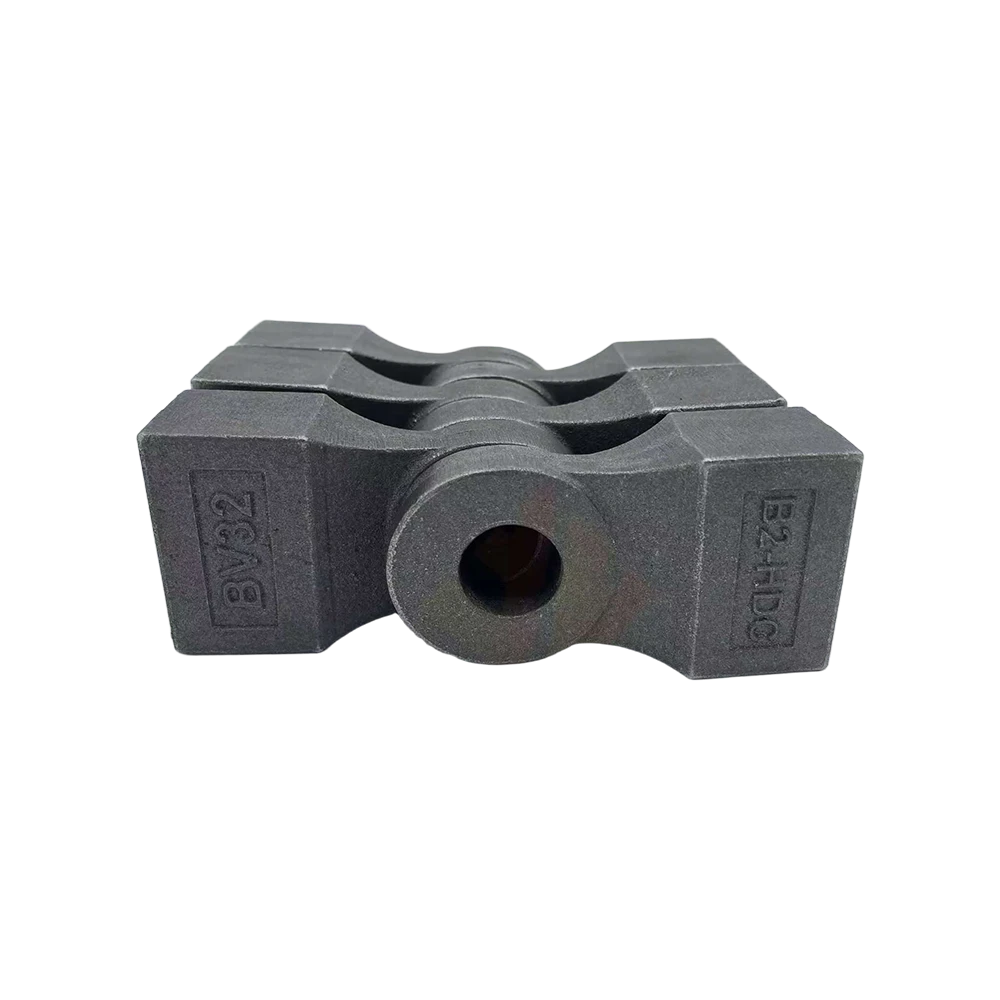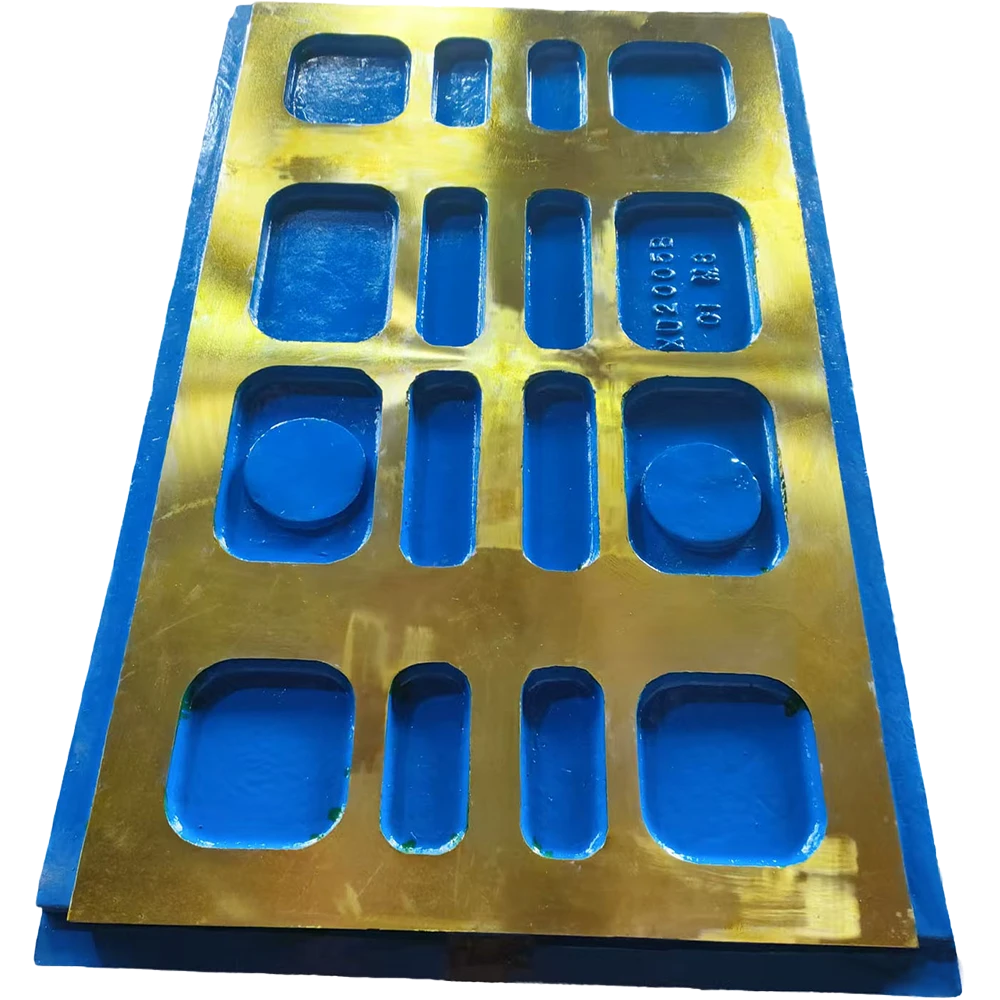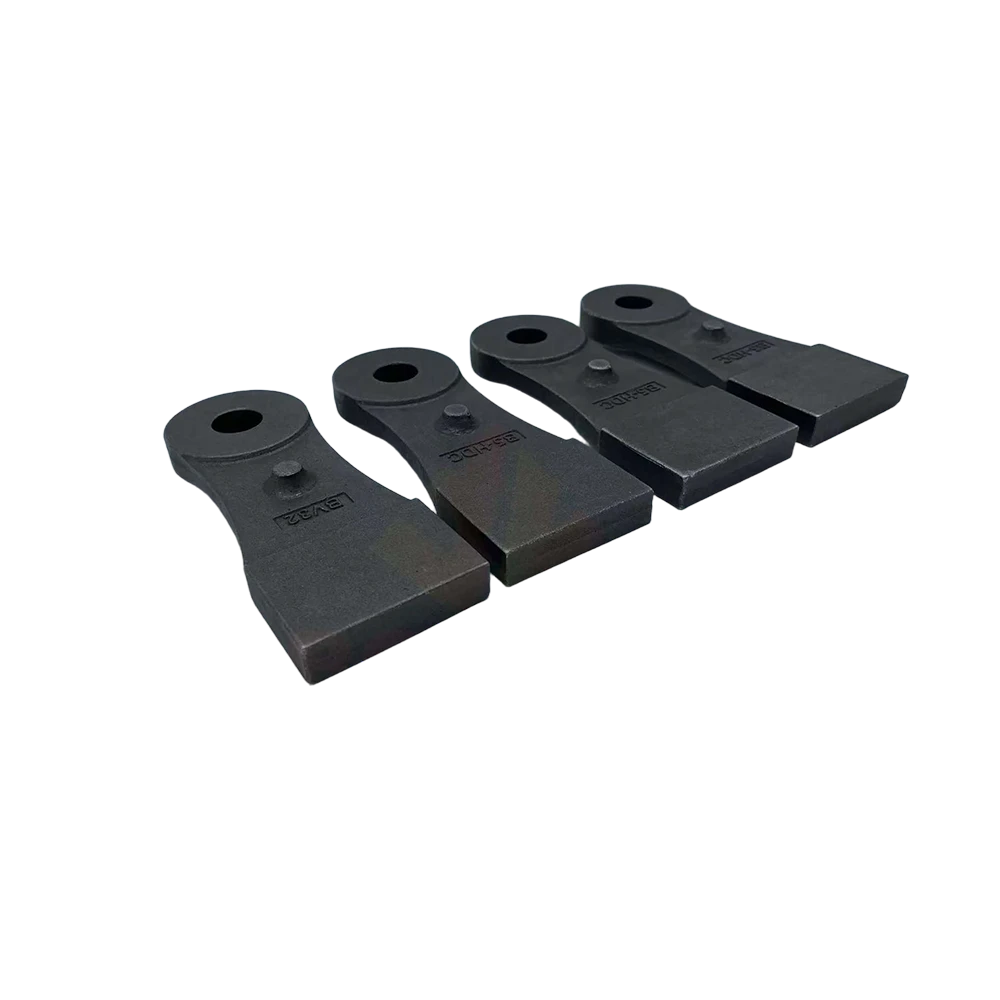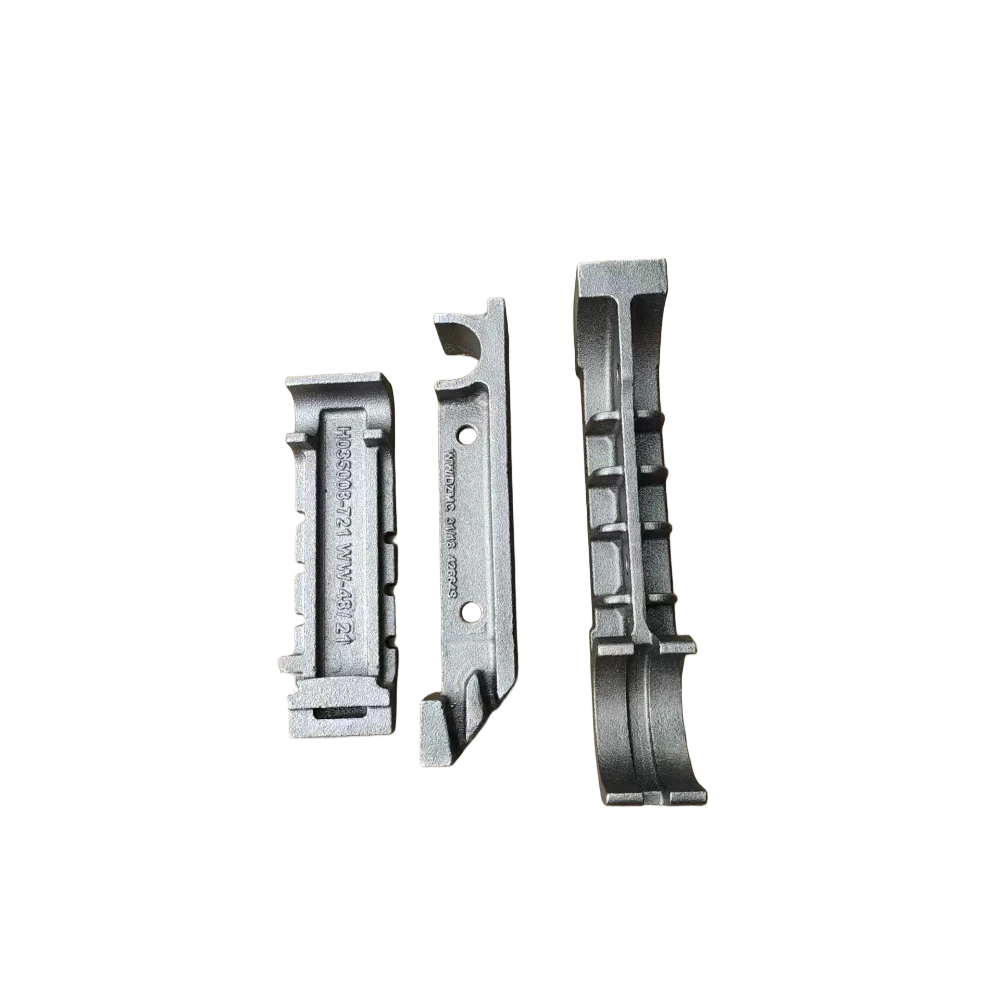
Premium China Heat Resistant Steel – Durable, Cost-Effective & Globally Trusted
Understanding China Heat Resistant Steel and Why It Matters Globally
In the sprawling world of metallurgy and industrial materials, china heat resistant steel is quietly shaping the future. But what exactly makes this steel so special, and why does it command such global interest? Put simply, heat resistant steel from China offers enhanced durability and thermal stability in high-temperature environments, crucial for industries ranging from automotive to energy generation. Given how climate change and urbanization are pushing industries to operate under more extreme conditions, materials like this are no longer just nice-to-haves; they’re essential. Understanding its advantages unlocks better infrastructure reliability, reduces maintenance costs, and ultimately supports economic growth across continents.
The Global Landscape: Why Heat Resistant Steel from China Is Central to Industry
Globally, steel remains the backbone of construction, manufacturing, and transportation. According to the International Organization for Standardization (ISO), demand for specialized steels is increasing by roughly 4-6% annually, largely attributed to the need for materials that can withstand harsh thermal stresses. China, as the world's largest steel producer by far (accounting for nearly 50% of global output, per World Steel Association data), has been optimizing steel formulations to craft alloys specifically suited to high-temperature conditions. But why the push? Many industries face challenges: turbines heating beyond design limits, automotive engines running hotter, or power plants needing faster turnaround without material fatigue. Heat resistant steel addresses these exact problems — helping avoid catastrophic failures and costly downtime.
Mini Takeaway:
- China drives much of the world’s supply of heat resistant steel.
- Demand is tied directly to modern industrial challenges involving heat and durability.
Defining China Heat Resistant Steel: Quality That Withstands the Heat
So what is china heat resistant steel exactly? At its core, it’s a category of steel alloys formulated to maintain mechanical strength and resist oxidation or scaling at elevated temperatures—often between 400°C and 1100°C. Compared to typical carbon steel, this variation often includes elements like chromium, molybdenum, and nickel, which enhance resistance to heat-induced degradation. Beyond mere lab specs, these steels are designed to support industries that rely on continuous, safe operation of equipment — think refining plants, chemical reactors, or even aerospace components exposed to flame. It isn’t just about toughness; it’s about preserving safety margins in places where thermal stress can cause disastrous failures.
Mini Takeaway:
- Heat resistant steel withstands high temperatures without losing strength.
- Special alloying elements enable this resistance in China’s formulations.
Core Components That Make Heat Resistant Steel Tick
1. Durability Under Thermal Cycling
Frequent heating and cooling cycles would normally induce cracking or warping in regular steels. China heat resistant steel is optimized with alloying elements such as chromium and cobalt to prevent this, lending the material remarkable thermal fatigue resistance.
2. Oxidation and Corrosion Resistance
Elevated temperature exposure accelerates oxidation, but with elements like chromium forming a protective oxide layer, these steels fend off corrosion in harsh industrial atmospheres.
3. Mechanical Strength & Toughness
Maintaining structural integrity at high temps is essential. These steels retain tensile strength and impact resistance where others would soften and deform.
4. Scalability and Consistency in Manufacturing
Production processes in China’s sophisticated mills ensure a consistent alloy microstructure, making mass production feasible for global needs without sacrificing quality.
5. Cost Efficiency
Thanks to China’s scale and supply chains, these steels are often more affordable than those from Western manufacturers, which can be game-changing for companies balancing performance and budgets.
Mini Takeaway:
- Each factor enhances practical use in high-heat environments.
- Chinese producers balance performance and cost effectively.
Product Specifications
| Specification | Typical Range | Notes |
|---|---|---|
| Operating Temperature | 400°C - 1100°C | Dependent on alloy composition |
| Chromium Content | 12% - 25% | Forms protective oxide layer |
| Tensile Strength | 450 - 600 MPa | At room temperature |
| Thermal Fatigue Life | Up to 10,000 cycles | Varies with use case |
| Corrosion Resistance | Excellent | In oxidizing atmospheres |
How Heat Resistant Steel from China Powers Real-World Solutions
You might be surprised to learn just how broad its applications are. For instance, power plants in Northern Europe rely on heat resistant steel tubes and boilers to push efficiency without risk of failure. Meanwhile, automotive manufacturers in Japan and Germany incorporate Chinese heat resistant steel in turbochargers and exhaust systems where temperatures soar unpredictably. Notably, in emerging economies like India and Brazil, construction sectors leverage these steels to improve furnace linings and piping systems, which must endure intense heat cycles.
In humanitarian contexts, rapid-deployment shelters that include heat resistant steel frames are increasingly used in wildfire-prone zones of Australia and California—a practical lifeline for emergency responders. On a different front, chemical plants in Saudi Arabia and the UAE benefit from corrosion-resistant piping to handle aggressive, high-temperature fluids safely.
Mini Takeaway:
- Applications span from energy and automotive to humanitarian aid.
- China export steel supports a global network of industries requiring thermal reliability.
Comparing Leading Vendors of Heat Resistant Steel from China
| Supplier | Product Range | Lead Time | Price Competitiveness | Global Reach |
|---|---|---|---|---|
| DZM Casting | Wide (Alloy types & sizes) | 4-6 weeks | Highly competitive | Strong (Asia, EU, Americas) |
| HBIS Group | Moderate (Focused alloys) | 6-8 weeks | Moderate | Primarily Asia |
| Baosteel | Extensive (Custom alloys) | 5-7 weeks | Premium pricing | Global, with emphasis on Asia & Europe |
Advantages and Long-Term Value of China Heat Resistant Steel
On the surface, it boils down to safety, cost, and durability — but peel back the layers, and you realize it’s about trust, innovation, and sustainability. These steels reduce downtime, lower maintenance costs, and extend equipment lifespans. Emotionally, engineers often say it’s a relief to rely on materials that won’t suddenly fail under pressure. Investors appreciate the risk mitigation, and communities gain better infrastructure resilience. Even from a sustainability standpoint, longer-lasting materials mean less frequent resource consumption and waste generation.
Looking Ahead: Innovations and Future Trends
The industry is buzzing with ideas involving nanostructured alloys, coatings that adapt to temperature fluctuations, and digital integration for real-time stress monitoring. China's R&D is pushing toward greener production methods, reducing carbon footprints while keeping the heat resistance top-notch. Given global shifts toward green energy, especially in solar thermal plants or hydrogen production facilities, specialized steels need to evolve alongside. Automation in manufacturing will also shrink lead times further, making supply chains more responsive.
Challenges and How They're Met
No product is perfect. Sometimes impurities creep in during mass production or supply bottlenecks lead to delays. Uniformity over large batches remains a tightrope walk. Yet innovative heat treatment techniques and AI-based quality control sensors are changing the game, allowing producers like DZM Casting to maintain consistent outputs and predict maintenance before failures occur. Moreover, evolving international standards push suppliers toward continuous improvement.
Frequently Asked Questions About China Heat Resistant Steel
- 1. What industries benefit most from china heat resistant steel?
- Primarily power generation, automotive, chemical processing, and construction industries where components must withstand constant high temperatures without degradation.
- 2. How does china heat resistant steel compare in price to Western alternatives?
- Thanks to China's scale, their heat resistant steel often comes at a lower cost while maintaining competitive quality, offering excellent value, especially for large-volume projects.
- 3. Can heat resistant steel be customized for specific temperature ranges?
- Yes, alloy compositions can be tailored with varying chromium, nickel, and molybdenum percentages to meet desired operating temperature and corrosion resistance requirements.
- 4. How sustainable is the production of heat resistant steel in China?
- Major producers are increasingly adopting green manufacturing methods, including energy recovery and emissions control, aligned with global sustainability goals.
Conclusion: Why Investing in China Heat Resistant Steel Makes Sense
In real terms, choosing China heat resistant steel is more than just buying a raw material—it’s investing in reliability, innovation, and cost-effective quality. Its global reach and continuous advancements promise to support industries facing rising demands for thermal resilience. Whether you’re upgrading power plants, building state-of-the-art machinery, or enhancing emergency structures, this steel could well be the unsung hero in your operation.
Curious to learn more or ready to explore options? Visit DZM Casting for a deep dive and expert guidance.
Final sidebar thought:
Materials science isn’t glamorous to most — but it’s the quiet foundation of every bold technological leap we see around us. China’s role in heat resistant steel is a fascinating blend of tradition, innovation, and global impact. Frankly, watching this space unfold feels like witnessing the brewing forces behind tomorrow’s infrastructure.
References
-
High Performance oem cast heat resistant steel for Industrial UseNewsApr.16,2026
-
Guide to Selecting High Quality Cast Heat Resistant Steel AlloysNewsApr.09,2026
-
Custom Cast Heat Resistant Steel Solutions for High Temperature ApplicationsNewsApr.07,2026
-
Comprehensive Guide to Wholesale Cast Heat Resistant Steel for Industrial ApplicationsNewsApr.04,2026
-
Comprehensive Guide to High Performance Heat Resistant Metal Product SolutionsNewsMar.31,2026
-
Expert Guidance on Heat Resistant Metal Quotes and Alloy SelectionNewsMar.28,2026