Comprehensive Guide to Crusher Parts: Components, Applications & Future Trends
Understanding Crusher Parts: Essential Components Driving Global Industry
If you've ever paused to think about what makes large-scale mining, construction, or recycling possible, crusher parts are a key piece of that puzzle. Globally, these components matter because they enable the efficient processing of raw materials—be it ores, aggregates, or demolition debris—which ultimately fuels infrastructure and economic growth worldwide. Knowing the ins and outs of crusher parts isn’t just industrial trivia; it unlocks insights into improving performance, cutting costs, and advancing sustainability in vital sectors.
Introduction: The Global Significance of Crusher Parts
The scale at which mining and construction operate today is simply staggering. According to the World Bank, global mining contributes over $1.6 trillion annually to the economy, with crushing equipment at the heart of material processing. Oddly enough, despite their enormous role, crusher parts often fly under the radar. From quarries in Australia to urban infrastructure projects in Europe, reliable crusher components ensure continuous operation — minimizing downtime and maximizing output.
Yet, this arena faces challenges: wear and tear, supply chain disruptions, and an urgent need for greener, cost-efficient solutions. Understanding crusher parts helps industries tackle these issues head-on, maintaining resilience while adapting to new regulations and technologies.
What Are Crusher Parts? A Simple Definition
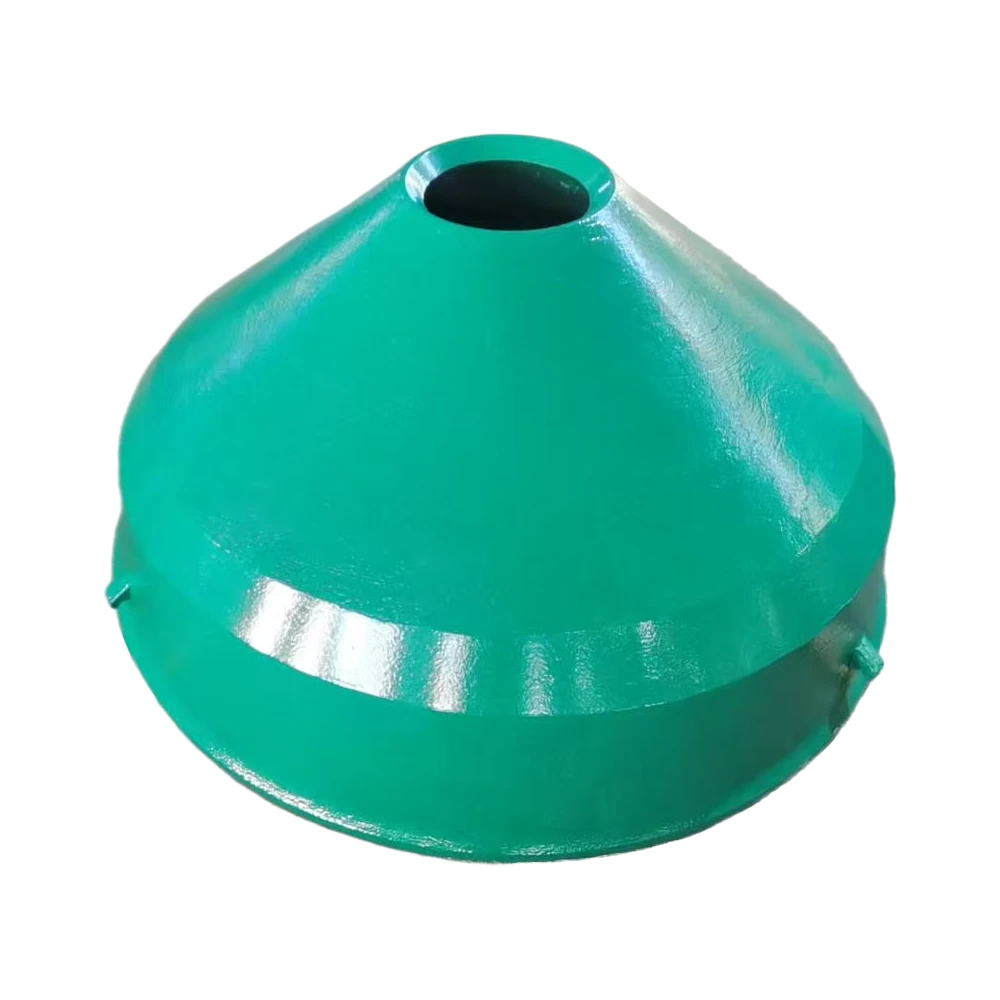
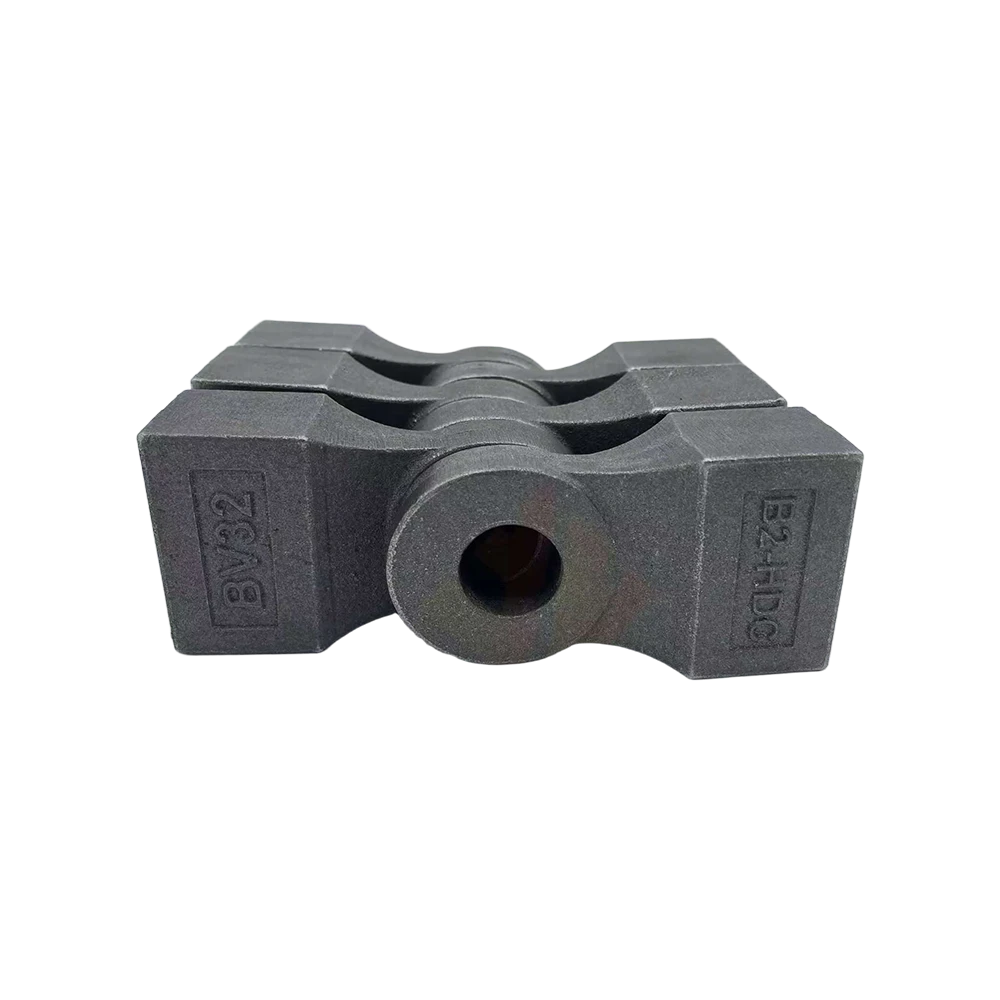
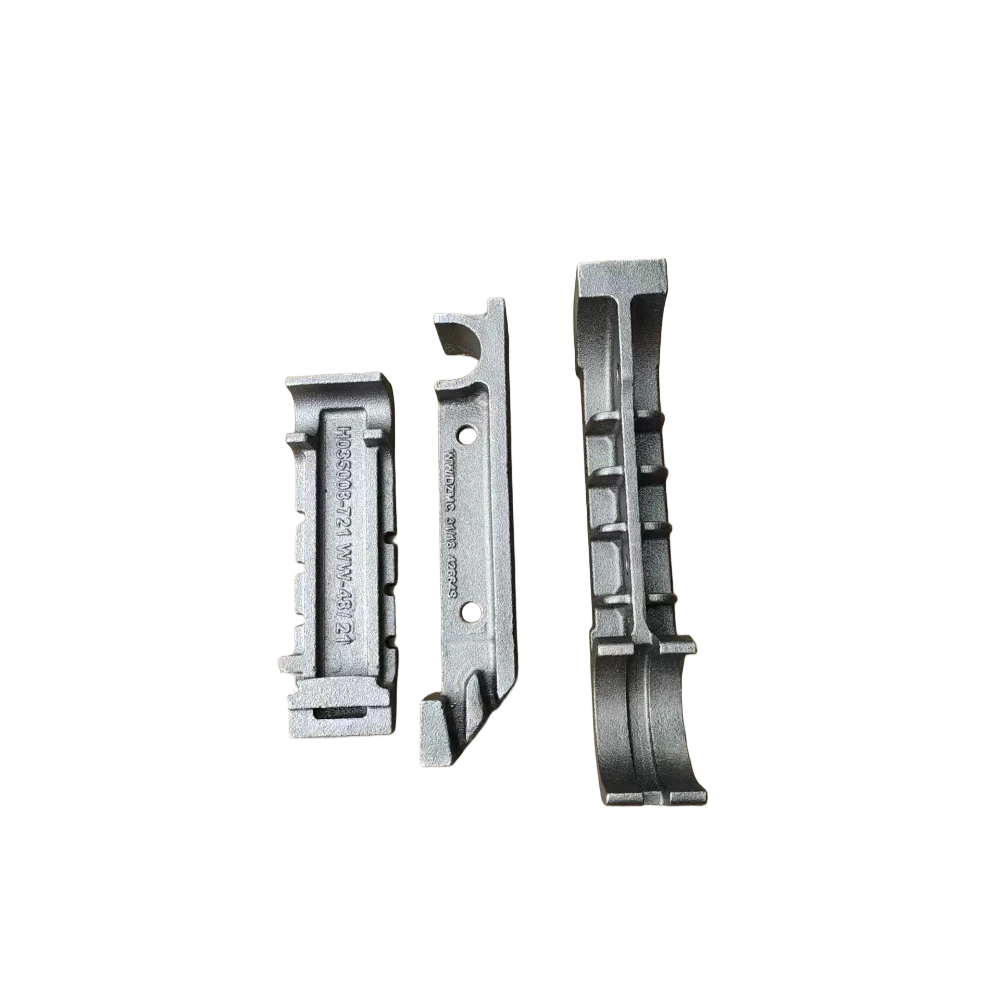
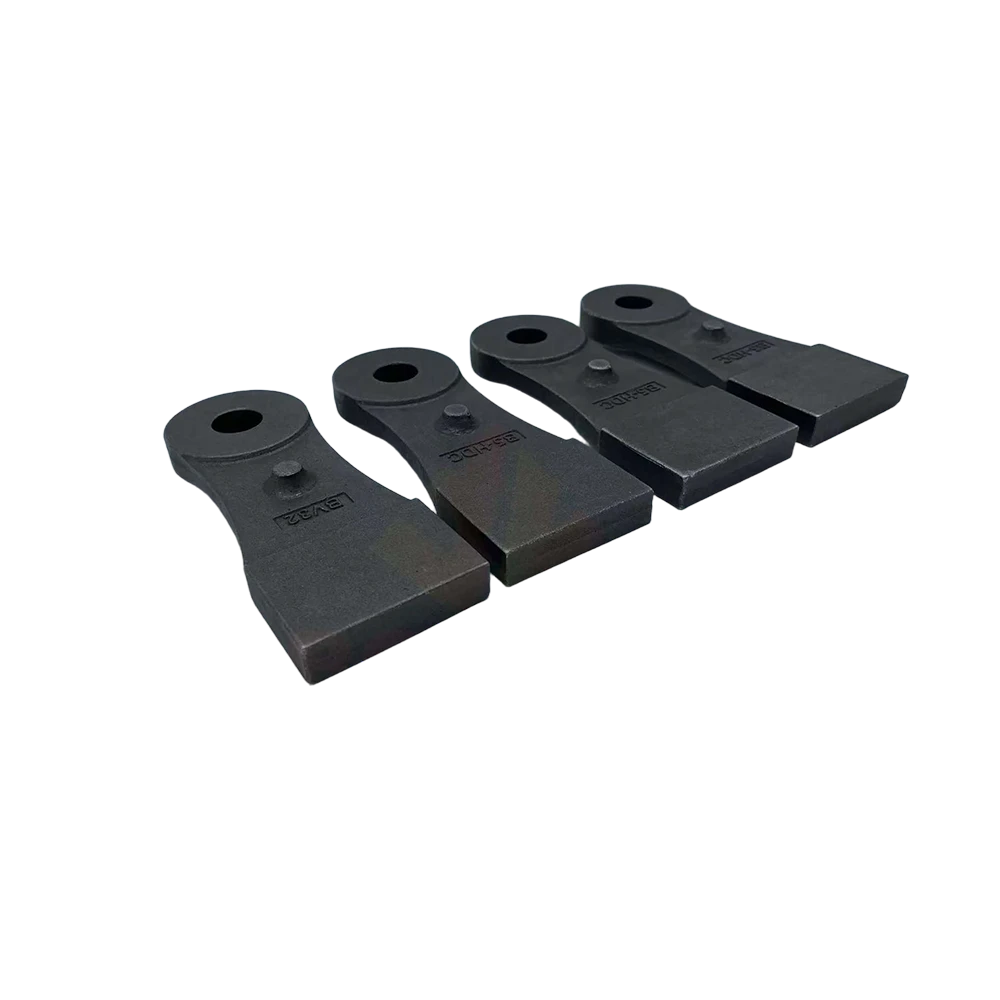
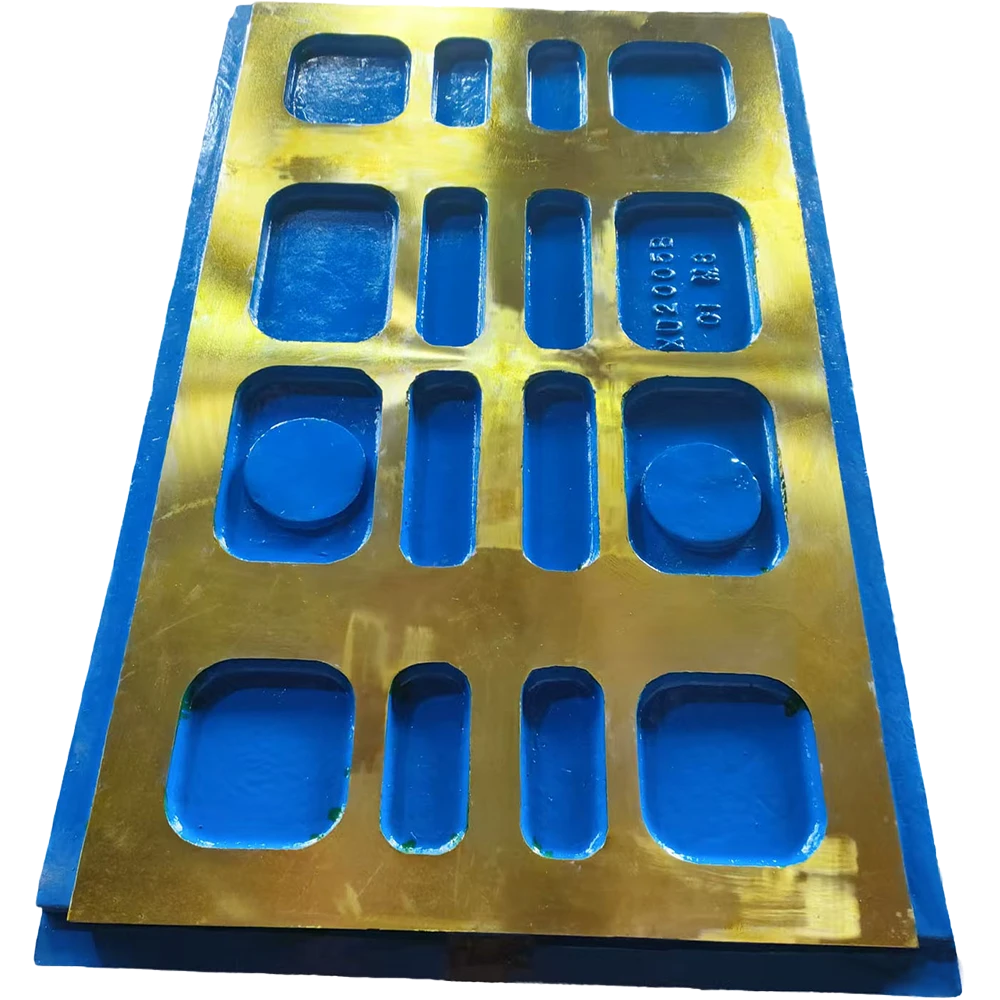
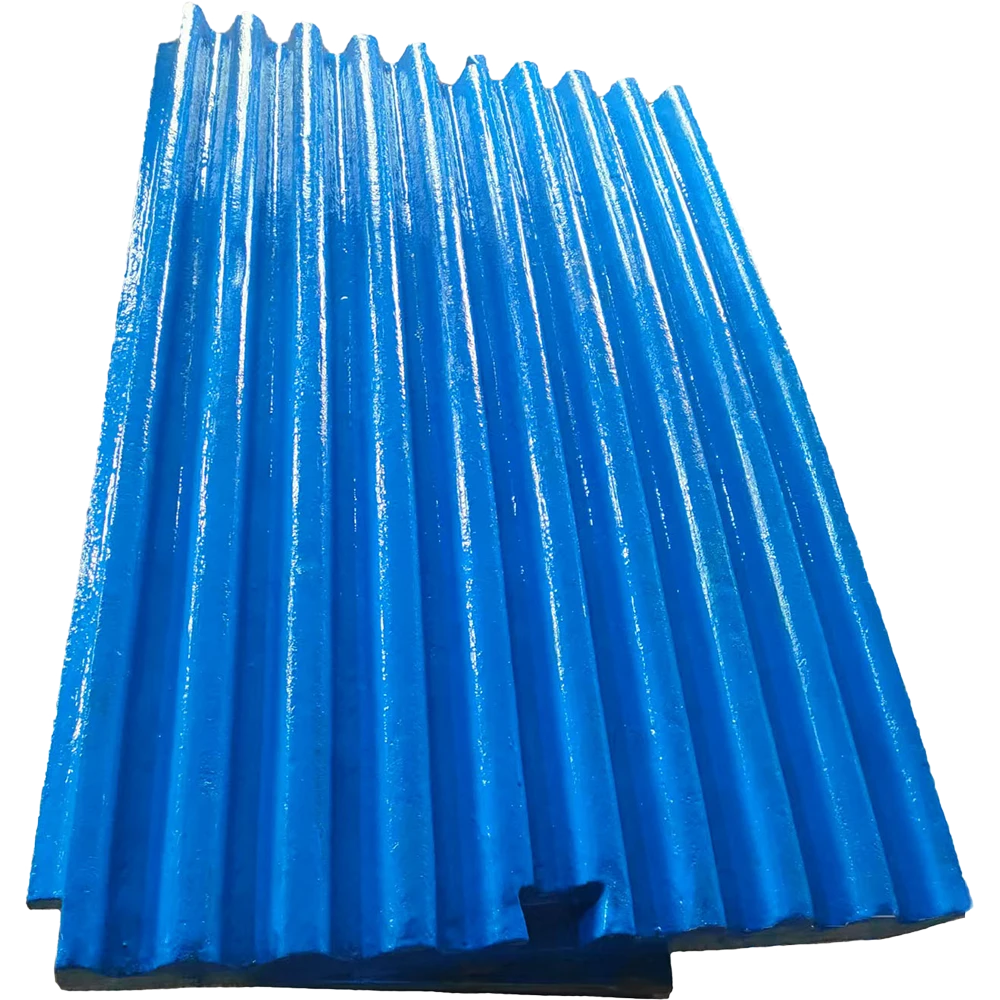
Put simply, crusher parts are the individual components that make up crushing machines. These parts—like jaws, cones, liners, mantles, and toggle plates—work together to break down large chunks of stone or other materials into smaller, manageable sizes. In modern industry, these parts are critical not just for efficiency but also for safety and sustainability. They're connected to humanitarian needs, too: crushed stone is foundational to building shelters, roads, and water infrastructure in developing regions and disaster relief zones.
Key Components of Crusher Parts
Durability
Crusher parts are subjected to intense forces and abrasion. The materials chosen—often manganese steel or alloy composites—must withstand relentless impact. Without durable parts, machines fail quickly, causing costly downtime.
Cost Efficiency
Buying parts that last longer means fewer replacements and less wasted operational time. Many manufacturers balance cost with quality, so choosing the right crusher parts requires thorough understanding of your operational needs.
Scalability
Industries ranging from small-scale quarries to giant mining operations need crusher parts that scale. Whether a jaw crusher or a gyratory crusher, parts must fit specific machine sizes and capacities.
Ease of Maintenance
Parts designed for quick replacements reduce labor and machine downtime. This feature is particularly vital in remote or high-output environments.
Customization
Not all crushers or applications are identical. Tailored parts that meet specific hardness levels, sizes, or coating requirements make a difference in performance and lifespan.
Crusher Parts in Global Applications
From the Americas to Asia, crusher parts are everywhere. For example:
- Mining: In remote Australian zones, crushers reduce iron ore to shipping size, relying heavily on wear-resistant liners and mantles.
- Construction: Urban development in Europe uses crushers to recycle concrete, creating sustainable building materials with specialized jaws and toggle plates.
- Post-disaster relief: After major earthquakes, crushed stone created by mobile crushers helps rebuild roads and housing with critical speed.
Understanding how crusher parts fit into these use cases highlights their broader industrial and social importance.
Mini Takeaway:
Crusher parts are small pieces with outsize impact, responsible for driving multiple industries worldwide. Durability and customization matter especially when environments vary so widely.
Advantages & Long-Term Value of Quality Crusher Parts
Investing in superior crusher parts yields clear benefits:
- Lower operational costs: Fewer replacements and less downtime save money upfront and over the long haul.
- Sustainability: Recycling raw materials reduces environmental impact, supported by parts engineered to process recycled aggregates effectively.
- Safety: Reliable parts minimize the risk of machine failure, protecting workers on site.
- Social impact: Faster infrastructure development supports communities, especially in recovering or developing regions.
Many industry insiders say a focus on crusher parts quality ultimately builds trust between manufacturers, operators, and end-users—kind of an often-overlooked form of industrial confidence.
Future Trends & Innovations in Crusher Parts
Technological evolution isn’t slowing. Here’s what’s brewing:
- Advanced materials: Research into composites promises lighter, harder, and more heat-resistant parts.
- Digital monitoring: Smart sensors embedded in parts could track wear in real-time, enabling predictive maintenance.
- Green manufacturing: More eco-friendly production methods reduce the carbon footstep of parts fabrication.
- Automation: Robots may handle assembly and replacement, speeding up repairs and reducing human risk.
This future paints a picture where crusher parts are smarter and more sustainable than ever.
Challenges & Solutions
Of course, challenges persist:
- Wear rates: Constant abrasion still limits lifespan, though alloy innovations help.
- Supply delays: Global logistics can interrupt the steady flow of parts — diversifying suppliers is key.
- Cost pressures: Operators want cheap parts, but quality must not be sacrificed.
Leading engineers advise a balanced approach—invest in trusted brands and plan maintenance carefully. Customized parts, sourced from reliable vendors, mitigate many issues.
Product Specification Table: Sample Crusher Parts
| Part | Material | Typical Lifespan | Compatible Crusher Type |
|---|---|---|---|
| Jaw Crusher Plate | Manganese Steel | 6-12 months | Jaw Crusher |
| Cone Crusher Mantle | Alloy Steel | 8-14 months | Cone Crusher |
| Toggle Plate | Cast Steel | 4-10 months | Jaw Crusher |
Vendor Comparison Table: Crusher Parts Suppliers
| Vendor | Product Range | Customization Options | Global Distribution | Lead Time |
|---|---|---|---|---|
| DZMC Casting | Wide (Jaw, Cone, Impact Parts) | High (Materials & Dimensions) | Worldwide (crusher parts) | 2-4 weeks |
| Global Crusher Supplies | Medium (Jaw & Cone) | Medium | Mostly Americas & Europe | 3-6 weeks |
| Industrial Parts Ltd. | Niche (Impact Parts) | Low | Regional, Asia-Pacific | 2-3 weeks |
Frequently Asked Questions About Crusher Parts
1. What are the most common crusher parts that need frequent replacement?
Jaw plates, mantles, liners, and toggle plates typically wear out the fastest because they bear the brunt of crushing impacts. Replacement frequency depends on material hardness and usage, but good maintenance can extend their lifespan.
2. How can I tell if my crusher parts need replacing before failure?
Look out for reduced crushing efficiency, unusual noises, or visible wear patterns. Some operators use wear sensors or perform regular manual inspections to catch potential failures early.
3. Are custom crusher parts worth the investment?
Absolutely, especially if your crusher handles unique materials or situations. Customized parts tailored for hardness or size can improve performance and reduce long-term costs.
4. How do crusher parts affect sustainability efforts in mining?
Efficient crusher parts reduce energy consumption and material wastage. Parts designed to process recycled materials also support circular economy goals.
5. Where can I source reliable crusher parts internationally?
Suppliers like DZMC Casting offer global shipping with a broad range of parts and customization options, making international procurement easier.
Conclusion: Investing in Crusher Parts Today for a More Efficient Tomorrow
Crusher parts may not make headlines, but their role is fundamental to many industries shaping our world. From economic growth to sustainable development and disaster recovery, these components underpin vital processes. Choosing durable, customized, and cost-effective parts saves money, boosts productivity, and supports environmental goals. If you’re looking to improve your operations or replace worn parts, consider checking trusted global suppliers like crusher parts for reliable options and expert support.
It feels like paying attention to these small components can unlock surprisingly big benefits—both in real terms and long-term trust.
Mini Takeaway:
Crusher parts are a small detail with massive impact—choose wisely to keep your operations rock solid.
References:
-
High Performance oem cast heat resistant steel for Industrial UseNewsApr.16,2026
-
Guide to Selecting High Quality Cast Heat Resistant Steel AlloysNewsApr.09,2026
-
Custom Cast Heat Resistant Steel Solutions for High Temperature ApplicationsNewsApr.07,2026
-
Comprehensive Guide to Wholesale Cast Heat Resistant Steel for Industrial ApplicationsNewsApr.04,2026
-
Comprehensive Guide to High Performance Heat Resistant Metal Product SolutionsNewsMar.31,2026
-
Expert Guidance on Heat Resistant Metal Quotes and Alloy SelectionNewsMar.28,2026