Crusher Wear Part: Essential Guide to Industrial Durability and Efficiency
Understanding the Role of Crusher Wear Part in Industry
At first glance, a crusher wear part might seem like just another industrial component — a replaceable item in heavy machinery, quietly doing its job. But take a step back, and you realize these parts are pivotal to industries across the globe, from mining to construction and recycling. They impact operational efficiency, costs, and even environmental footprint. So, why exactly does the crusher wear part deserve our attention? Well, it’s because these components directly influence not only machine longevity but also the quality of processed materials that fuel modern life.
Global Context: Why Crusher Wear Parts Matter Worldwide
Globally, the mining, quarrying, and recycling sectors are booming. According to the United Nations Environment Programme, sustainable resource extraction must coincide with efficient machinery management to reduce waste and environmental damage. That’s where crusher wear parts come in. They stand at the frontline of this challenge: protecting crushers that break down rocks and ores, ensuring smooth, uninterrupted production. Faulty or worn wear parts can cause costly downtime or even unsafe failures. Oddly enough, something as small as the wear plate can ripple out to affect entire supply chains and economies.
To add perspective, the global crushing and screening equipment market is projected to grow steadily—underlining the rising demand for high-performance components like wear parts. Efficient crushers mean longer machine life, lower maintenance costs, and fewer delays.
Mini takeaway: Crusher wear parts aren't just machine bits; they play a vital role in global industrial sustainability, influencing productivity and cost-efficiency across multiple sectors.
What Is a Crusher Wear Part? Simple Definition
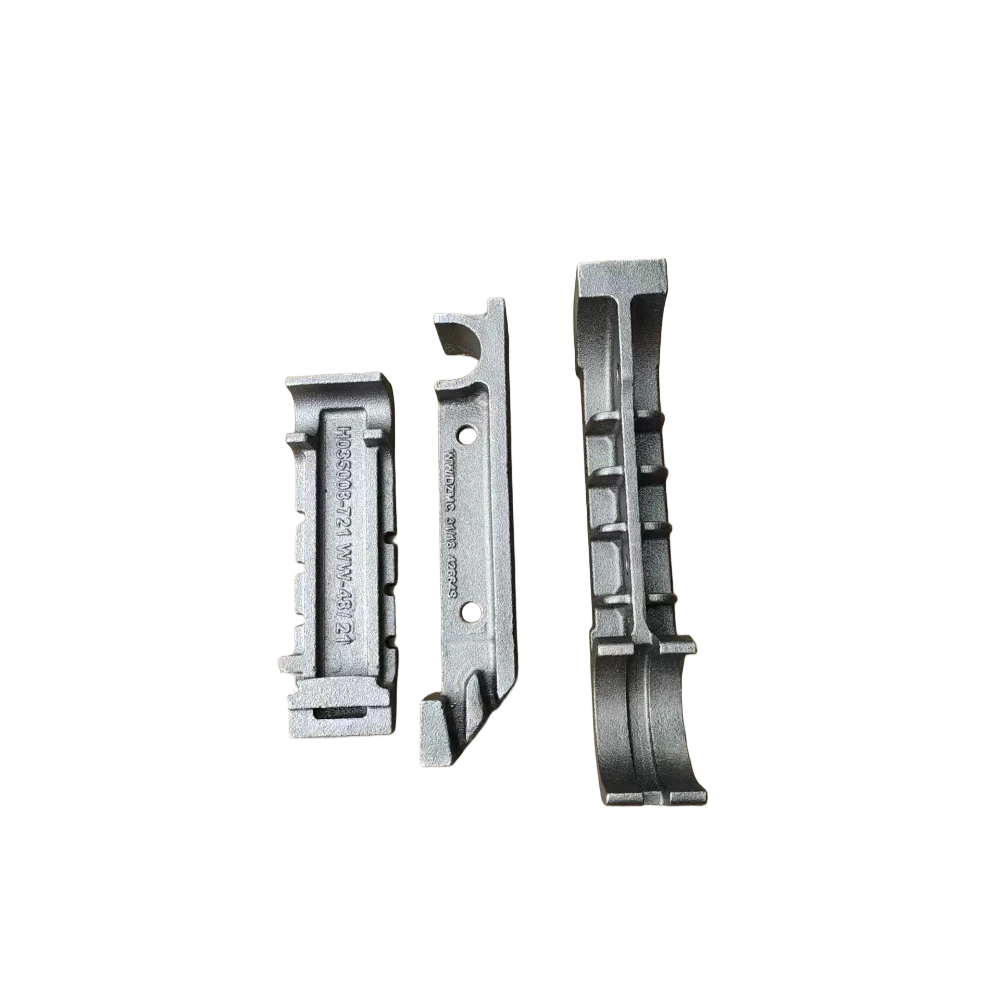
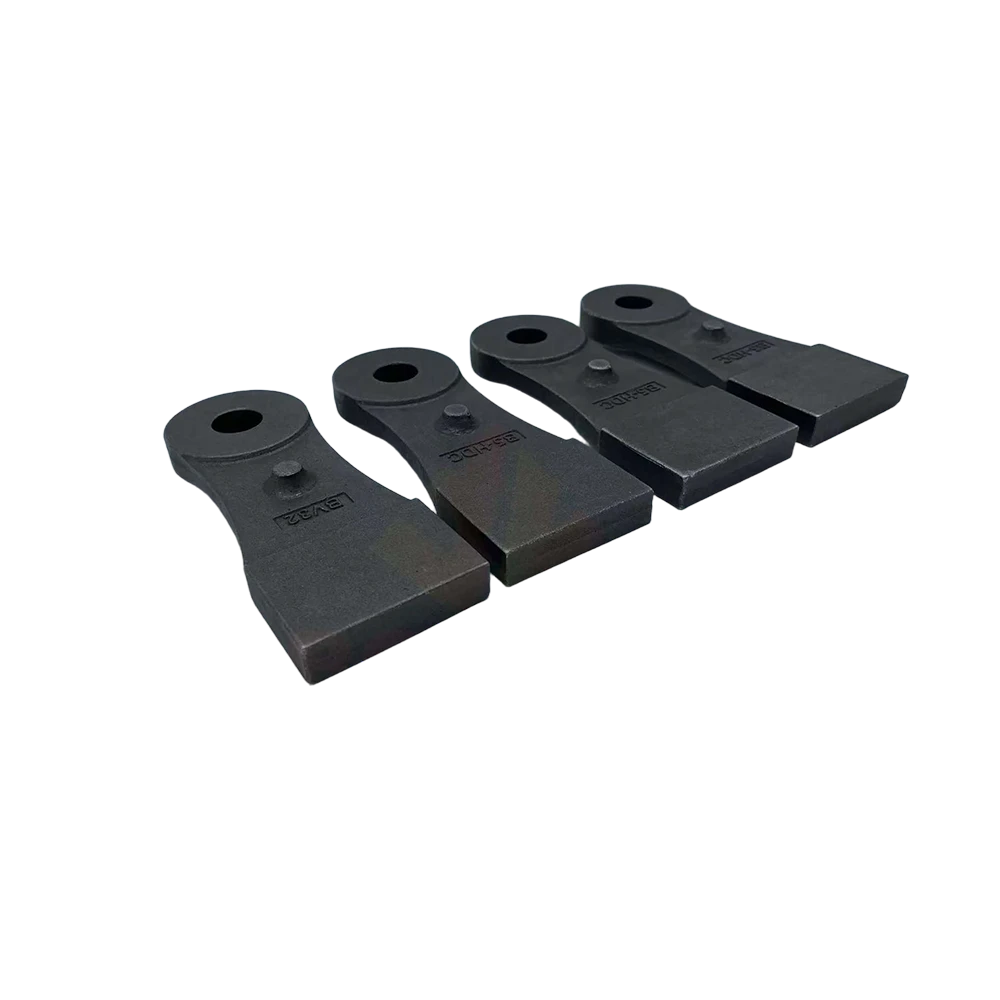
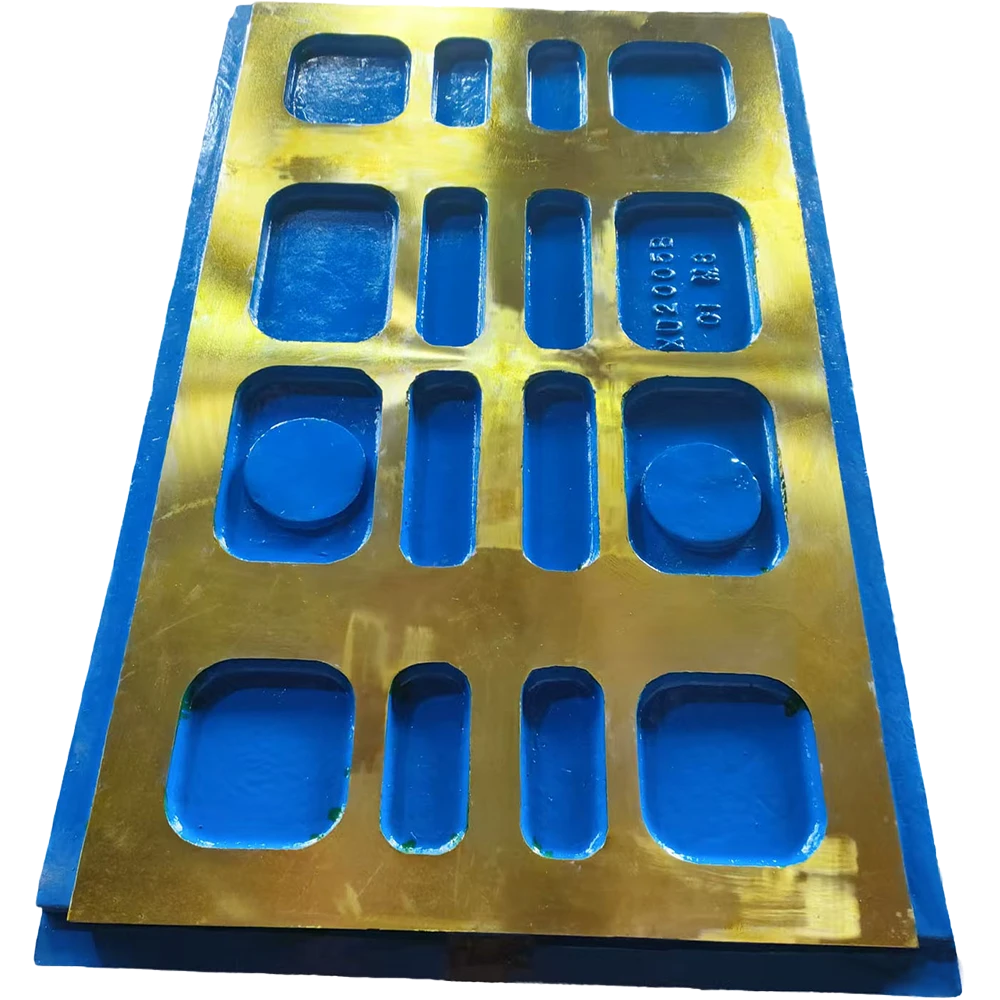
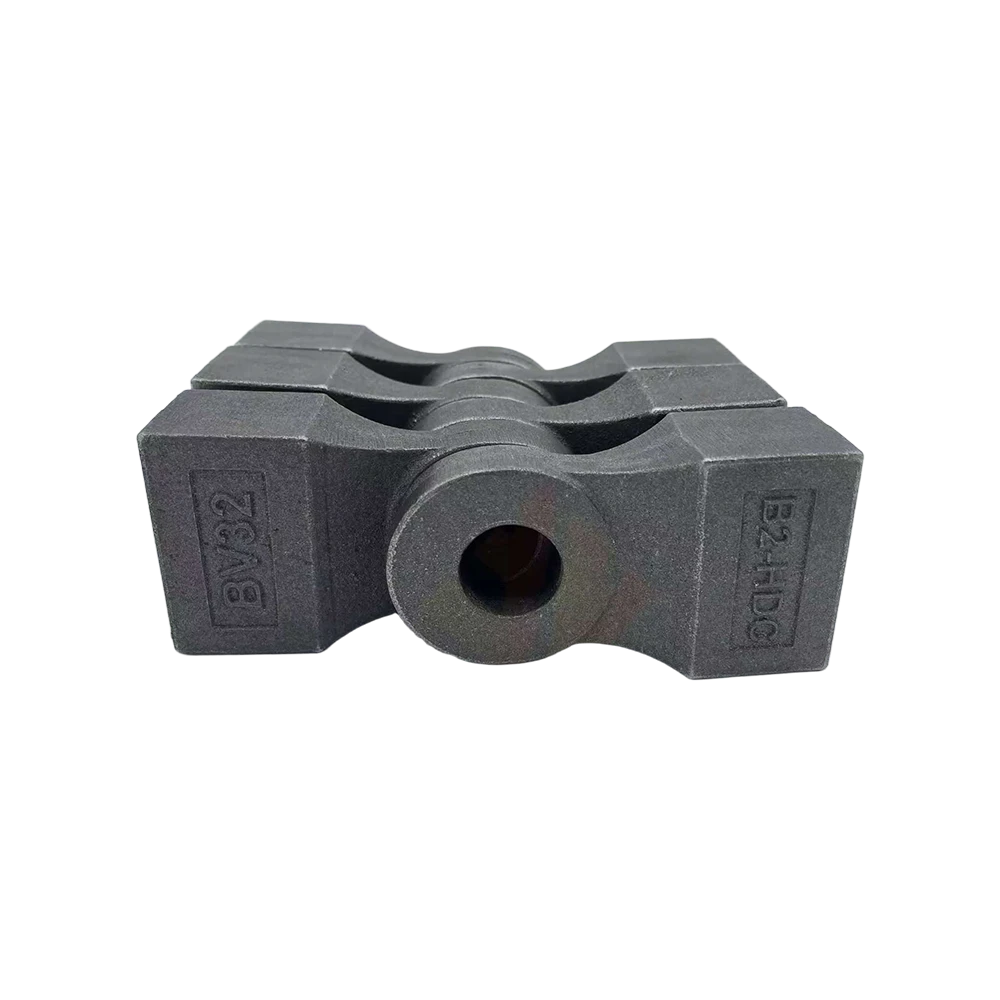
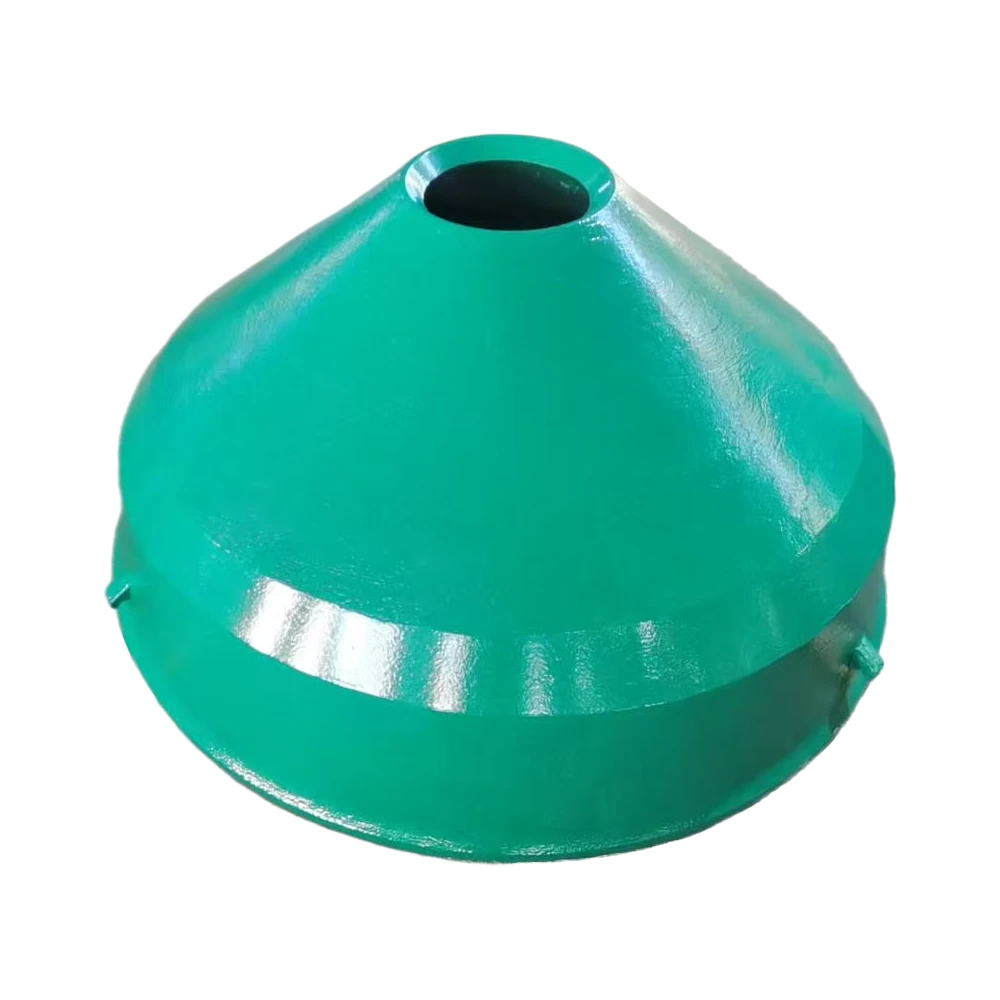
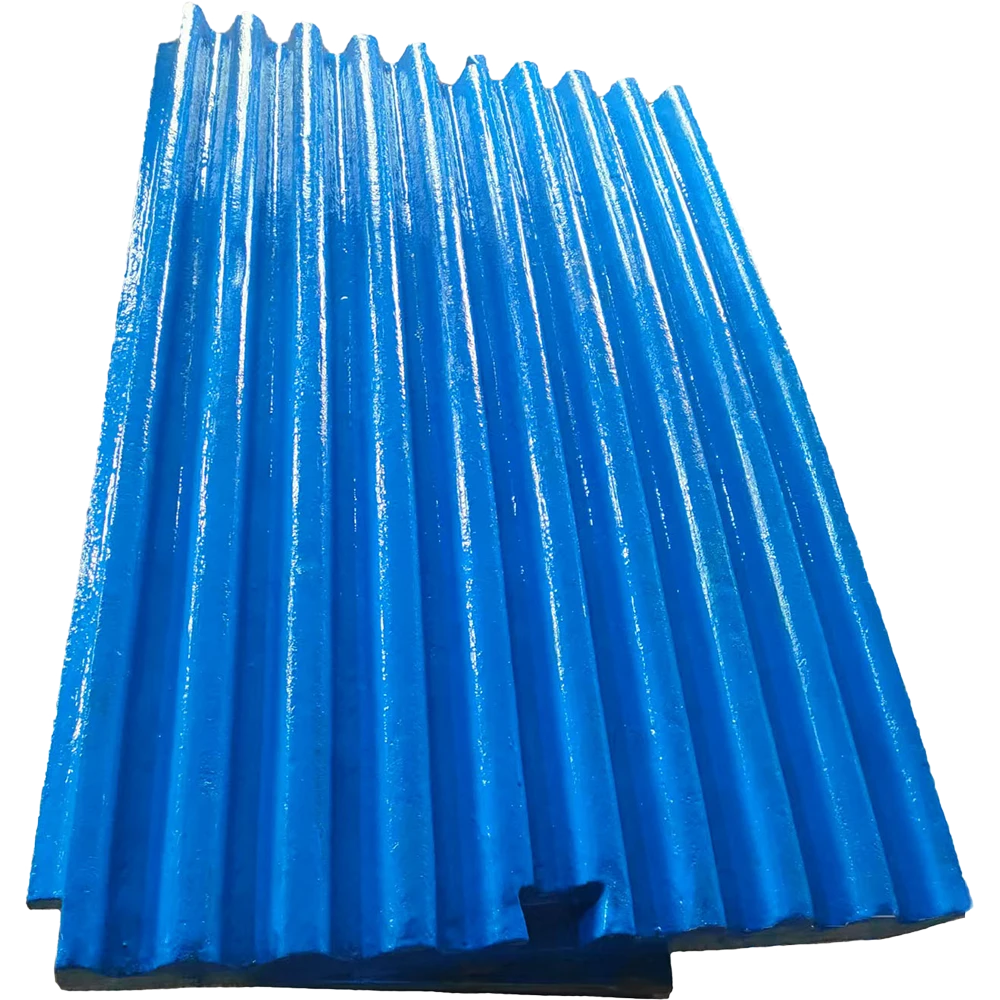
Simply put, a crusher wear part is a consumable component within a crusher machine that contacts and breaks down hard materials like stone, ore, or recycled concrete. These parts include liners, mantles, jaw plates, and blow bars — the surfaces that wear down over time due to heavy impact and abrasion. Without these wear parts, crushers cannot perform their function properly or safely.
In modern industry, these components enable constant material processing necessary for construction, mining, and recycling—fields that indirectly support humanitarian efforts by providing infrastructure materials for housing, roads, and more.
Core Components and Key Factors of Crusher Wear Parts
1. Durability
Durability is probably the foremost concern. Wear parts are crafted to withstand relentless impact and grinding. Materials like manganese steel or forged alloys are common, but manufacturers constantly experiment with blends to extend lifespan without driving costs up.
2. Compatibility
Each crusher model requires wear parts with precise dimensions and fit. Compatibility ensures optimal crushing action and prevents additional machine strain.
3. Cost Efficiency
Balancing price with wear life is an art. Cheaper parts might save upfront cash but wear out quickly, causing downtime and higher replacement frequency. Meanwhile, premium parts often push productivity gains over the long term.
4. Ease of Replacement
Minimizing machine downtime means wear parts must be relatively easy to remove and install, especially in remote or harsh field conditions.
5. Design Innovation
Manufacturers integrate advanced geometries and heat treatments to improve wear resistance and breakage patterns, supported by ongoing R&D.
Product Specification of a Typical Crusher Wear Part
| Specification | Detail |
|---|---|
| Material Type | Manganese Steel (Mn13-Mn18) |
| Hardness | 320-360 HB |
| Application | Jaw crushers, cone crushers |
| Typical Lifespan | 300-1200 operating hours |
| Weight | Varies by part - 20kg to 250kg+ |
Global Applications and Industry Use Cases
Crusher wear parts see use across continents and industries:
- Mining Sectors: In resource-rich regions like Australia, Canada, and Africa, wear parts keep crushers operational 24/7 for ore extraction.
- Construction & Infrastructure: In fast-growing Asian markets, wear parts ensure steady production of aggregate for roads and buildings.
- Recycling Plants: Cities worldwide require robust wear parts to break down concrete, metal scraps, and glass efficiently, minimizing landfill waste.
- Post-Disaster Relief: After natural disasters, mobile crushers fitted with reliable wear parts help clear debris swiftly to accelerate reconstruction.
For example, a remote mining operation in Chile credits rugged jaw plate liners for extending crushing uptime by 25%, directly impacting monthly output.
Mini takeaway: Crusher wear parts, though unseen, are foundational in diverse settings enabling industrial productivity and disaster resilience.
Advantages and Long-Term Value of Quality Wear Parts
Investing in quality wear parts pays dividends well beyond immediate cost savings. Here’s what stands out:
- Lower Maintenance Costs: Durable parts reduce frequency of replacements and unexpected machine failures.
- Environmental Benefits: Efficient crushing uses less energy and generates less scrap, supporting green initiatives.
- Worker Safety: Reliable wear parts minimize sudden breakages that could endanger operators.
- Operational Trust: Consistent machine performance fosters confidence for planners and engineers, making project timelines more predictable.
Vendor Comparison: Crusher Wear Part Providers
| Vendor | Material Quality | Custom Solutions | Pricing | Lead Time |
|---|---|---|---|---|
| DZMC Casting | High-grade manganese steel, ISO-certified | Yes, tailored to machine specs | Competitive | 2-4 weeks |
| GlobalWearParts Inc. | Standard alloys | Limited customization | Mid-range | 4-6 weeks |
| WearTech Solutions | Advanced alloys, proprietary treatments | Extensive | Premium | 3-5 weeks |
Future Trends and Innovations in Crusher Wear Parts
Material science breakthroughs promise to revolutionize wear parts. Imagine parts that tune their hardness dynamically or integrate sensors. Technologies like 3D printing allow more intricate geometries and faster prototypes, while digital monitoring predicts maintenance needs before failures. Sustainability is also front and center with greener casting processes and recycling initiatives for spent components. It feels like an exciting time for a component many overlook.
Challenges and Solutions in Crusher Wear Part Usage
Even with all the advances, challenges remain. Abrasion, corrosion, and mechanical stress differ drastically across applications. It’s not always easy balancing cost with performance, especially for smaller operators. Here, bespoke solutions and thorough operator training come into play, as well as supplier partnerships offering fast delivery and technical support. In fact, many companies recommend preventative maintenance schedules combined with high-quality wear parts to maximize uptime.
FAQ: Frequently Asked Questions About Crusher Wear Part
Q1: How often should crusher wear parts be replaced?
A1: Replacement depends on crushing material hardness and machine load but averages 300-1200 hours. Inspections can help optimize timing.
Q2: Are all wear parts compatible with every crusher model?
A2: No, compatibility varies. Always check manufacturer specs to avoid fitting issues and premature damage.
Q3: Does investing in premium wear parts save money overall?
A3: Often yes. Longer-lasting parts cut downtime and reduce labor, offsetting higher initial cost.
Q4: Can I use sensor technology with crusher wear parts?
A4: Increasingly yes. Embedded sensors track wear in real time, enabling predictive maintenance.
Conclusion and Call to Action
Crusher wear parts may not grab headlines, but their role in enabling efficient, safe, and sustainable crushing is undeniable. By choosing quality components and keeping abreast of industry innovations, you ensure your operations stay a step ahead. For reliable, tailored wear parts backed by expertise, visit DZMC Casting today and start optimizing your crusher’s performance.
A small reflection: In the world of industrial machinery, it often feels like the quiet, tough components like crusher wear parts do the heavy lifting behind the scenes, enabling entire industries to thrive. Paying attention to these details, I suppose, is where real reliability hides.
-
High Performance oem cast heat resistant steel for Industrial UseNewsApr.16,2026
-
Guide to Selecting High Quality Cast Heat Resistant Steel AlloysNewsApr.09,2026
-
Custom Cast Heat Resistant Steel Solutions for High Temperature ApplicationsNewsApr.07,2026
-
Comprehensive Guide to Wholesale Cast Heat Resistant Steel for Industrial ApplicationsNewsApr.04,2026
-
Comprehensive Guide to High Performance Heat Resistant Metal Product SolutionsNewsMar.31,2026
-
Expert Guidance on Heat Resistant Metal Quotes and Alloy SelectionNewsMar.28,2026