Essential Parts of a Crusher & What You Should Know | Industrial Equipment
Understanding the Essential Parts of a Crusher
Having spent a good chunk of my career in the industrial equipment sector, I’ve come to appreciate the often overlooked intricacies of the humble crusher — a rugged workhorse that’s the backbone of countless operations. If you ever find yourself wondering what exactly makes these machines tick, then you’re in the right spot.
A crusher’s design and components deeply affect its efficiency, durability, and maintenance cycles. Oddly enough, many operators tend to zoom in on brand names or price tags and sometimes forget how fundamental it is to understand each part of a crusher. Let me walk you through the key parts, their materials, and a few little details you won’t find in glossy brochures.
Main Parts and Their Roles
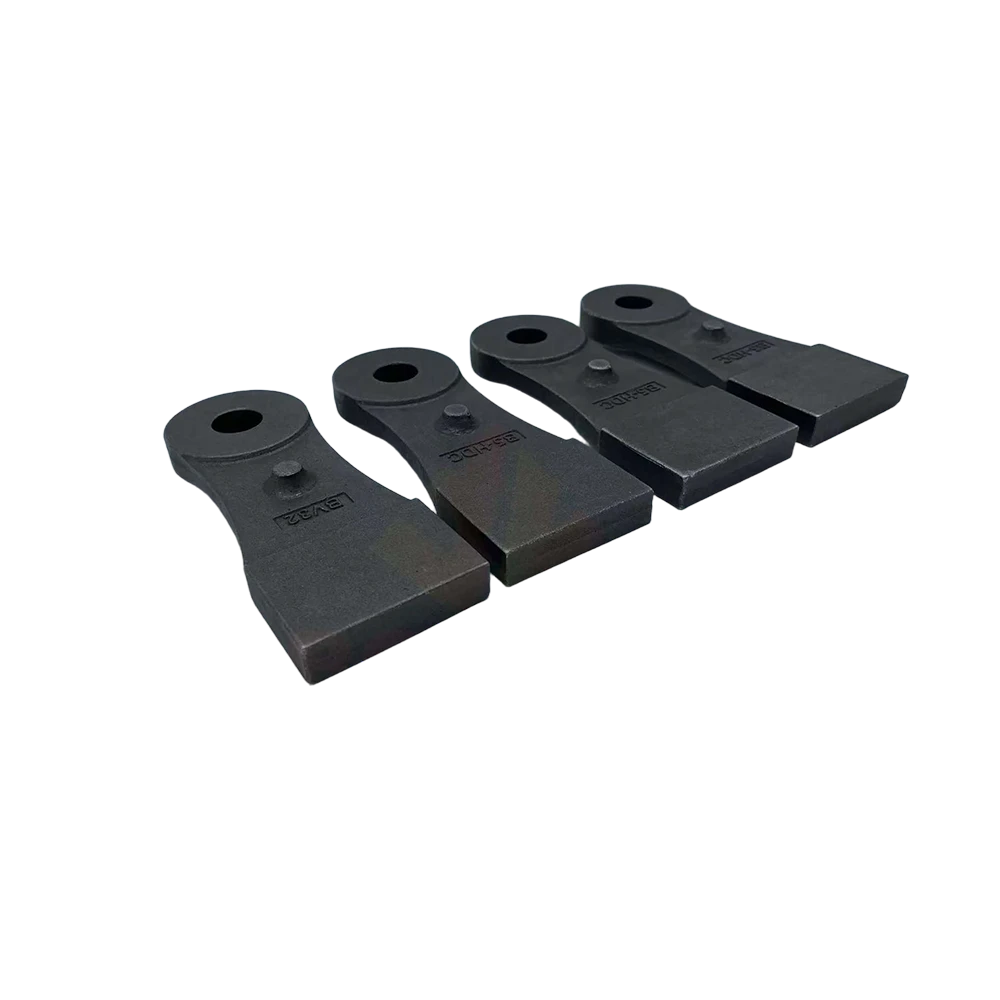
A standard crusher—whether a jaw crusher, cone crusher, or impact crusher—shares a few common components, but each type has its own quirks. From my experience, these are the always-critical parts:
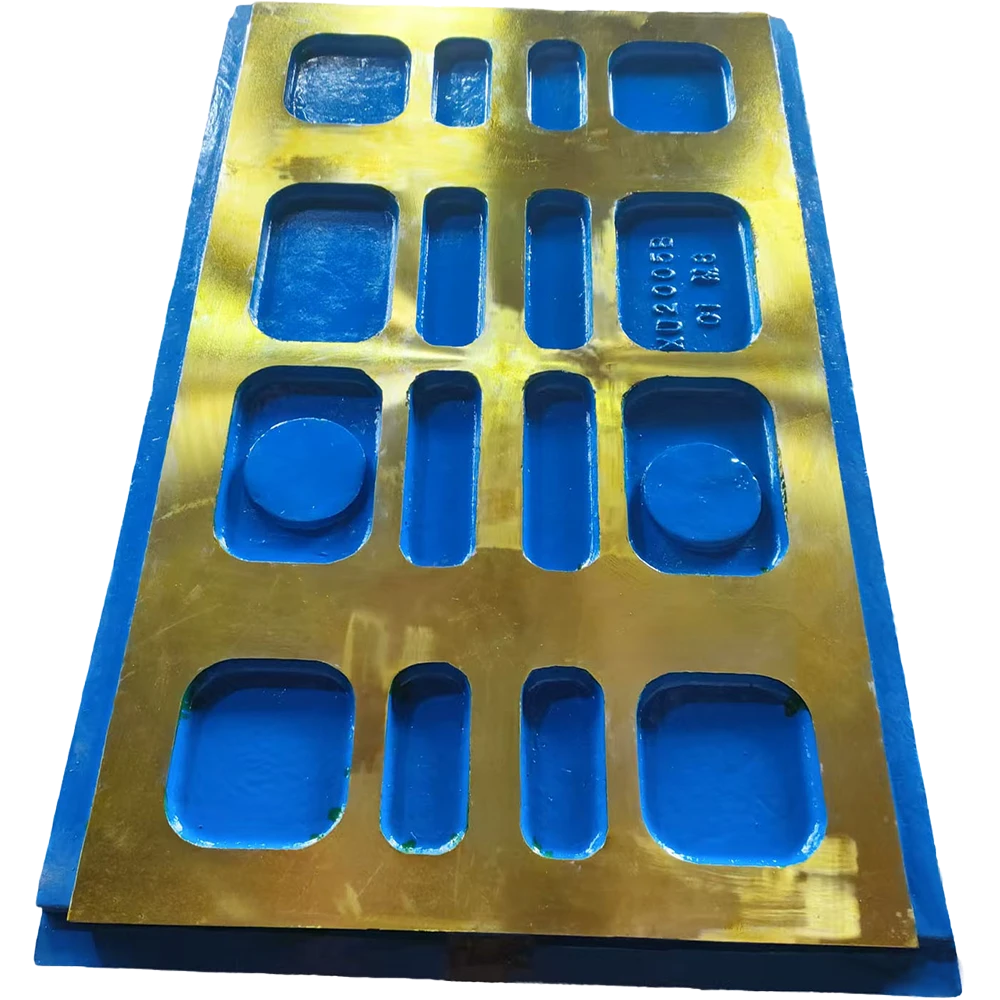
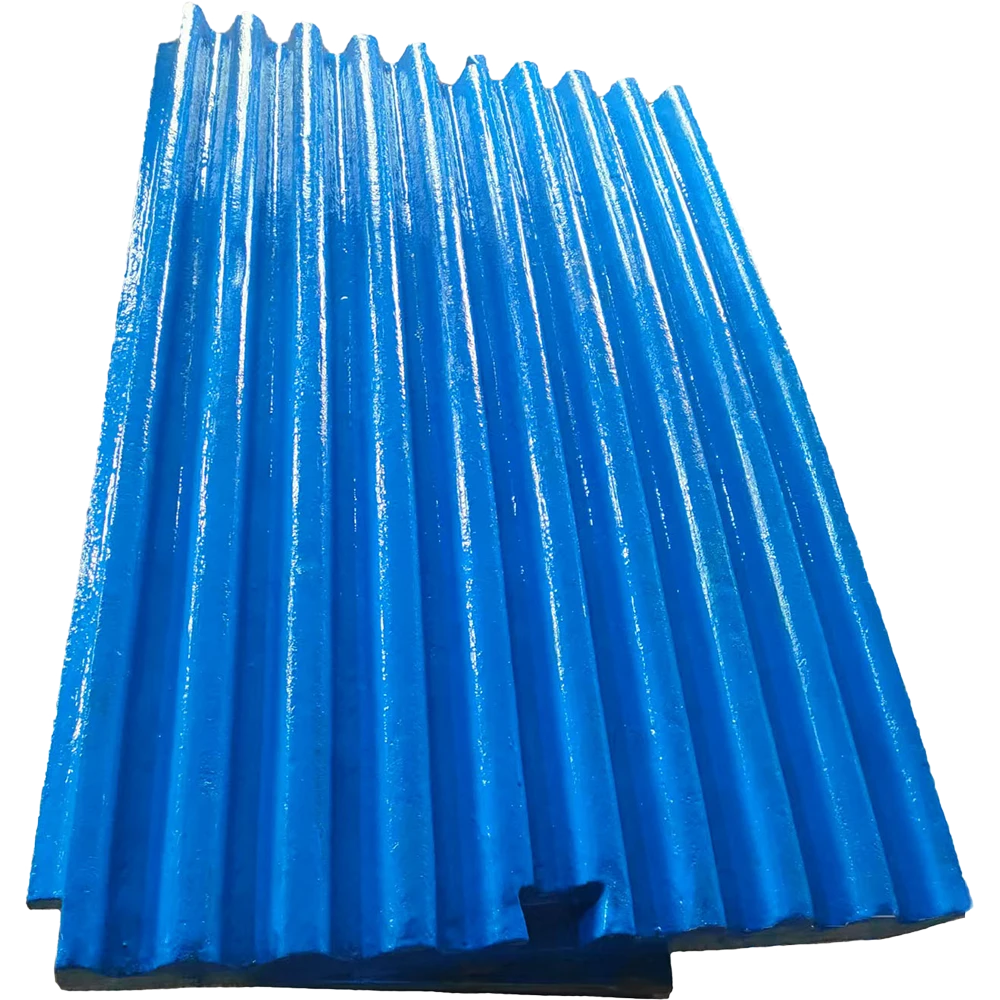
- Jaw Plates: This is the heart of a jaw crusher. Made usually from high manganese steel, jaw plates endure the most abuse. They literally crush rock by squeezing it. I've noticed that the choice of alloy here influences wear life dramatically.
- Rotor: In impact crushers, the rotor spins at high speed to fling materials against impact plates. Balancing durability and weight here is a delicate game.
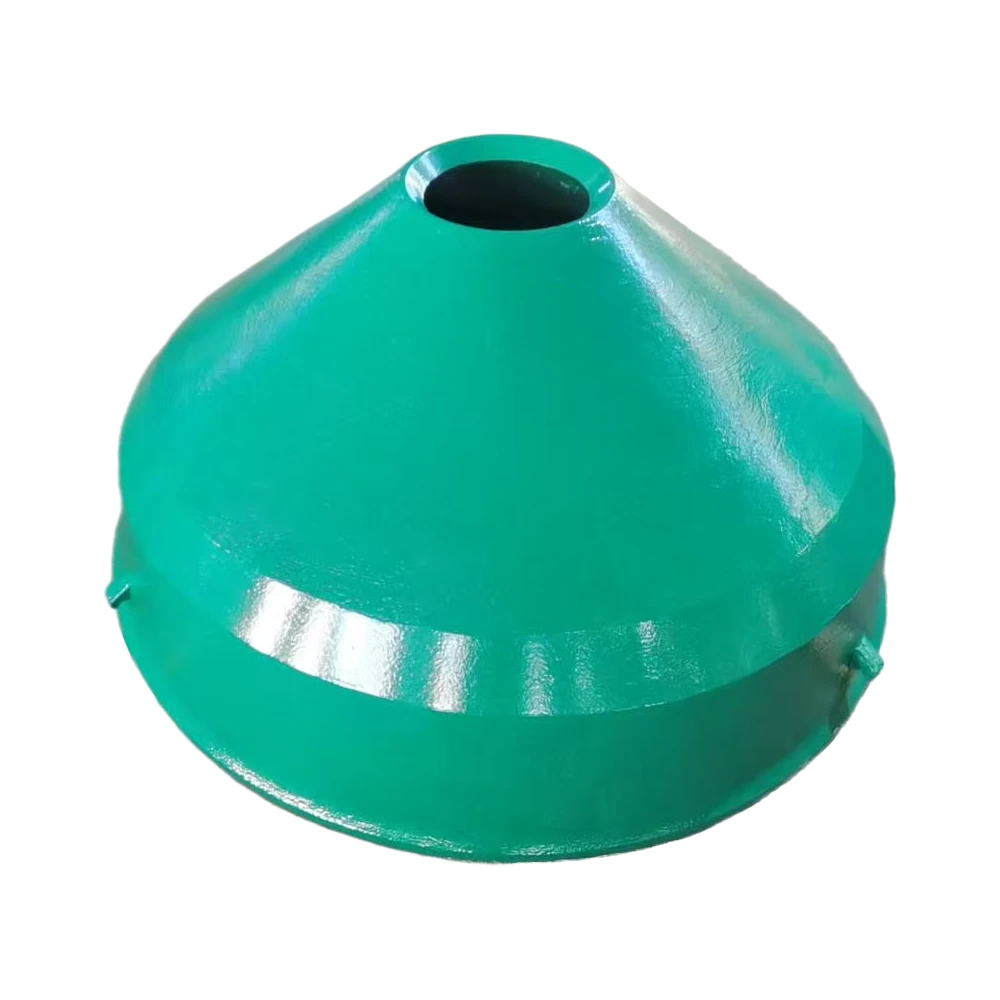
- Cone Mantle and Bowl Liner: For cone crushers, these curved surfaces do the crushing by pressure. They require precision casting and tough alloy blends.
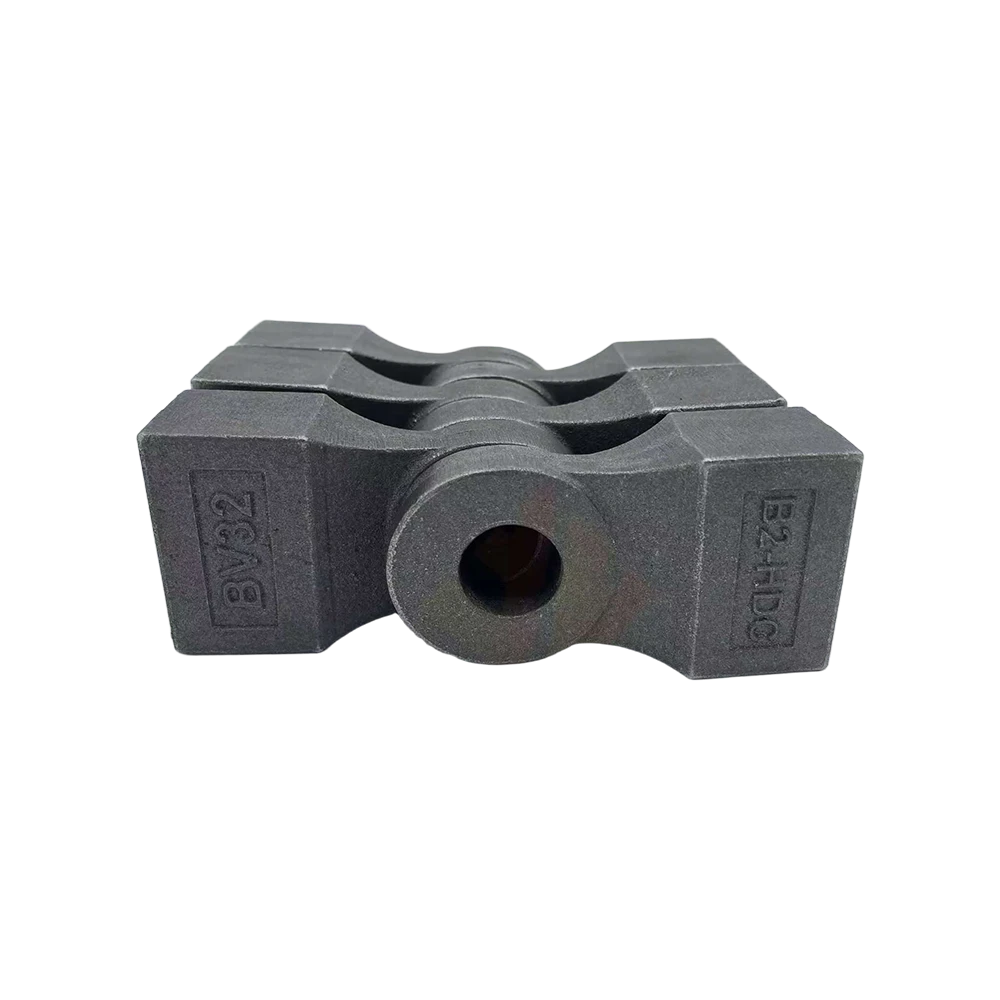
- Toggle Plate: This part serves as a safety mechanism in jaw crushers—kind of a mechanical fuse that breaks to protect more expensive parts when uncrushable materials enter.
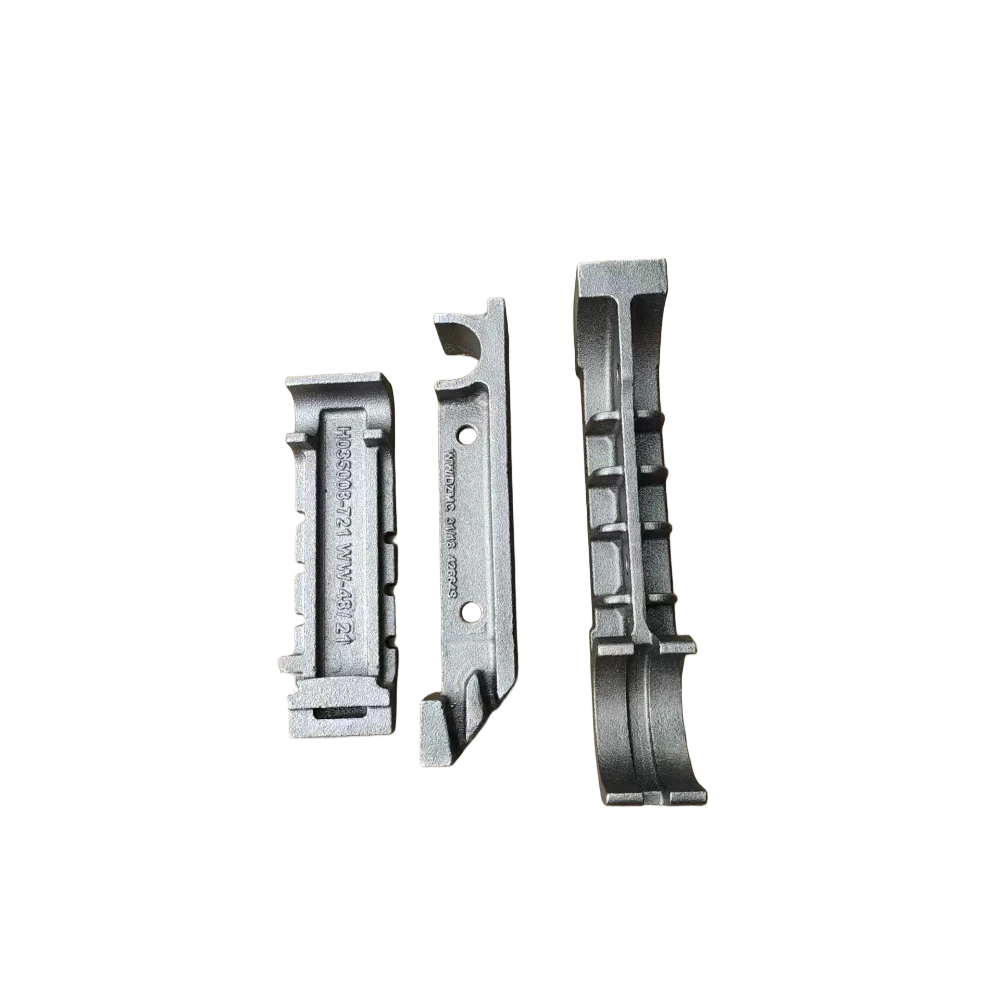
- Feed Hopper and Discharge Chute: These funnel material in and out; while basic, their design influences flow rate and clogging issues.
Frankly, the quality of casting and heat treatment of these components can either make or break your operation’s uptime. I remember a site visit where worn jaw plates were causing downtime—once replaced with better-cast replacements, productivity jumped by nearly 20%.
Materials and Manufacturing Insights
Most crusher wear parts are manufactured through casting — a process that, if done right, yields components with uniform hardness and resistance. Companies like DZM Casting have carved out a niche by focusing on alloy customization and quality control. I’m a big believer in getting parts from vendors who can adjust the chemistry for specific applications because that helps avoid premature failures.
Heat treatment after casting is another critical stage—this is where the component’s toughness and wear resistance are locked in. If it’s rushed or done without precision, you’ll see cracks or faster wear.
| Part | Material | Typical Hardness (HRC) | Wear Life |
|---|---|---|---|
| Jaw Plate | High Manganese Steel | 50-60 | 4,000 - 8,000 hrs |
| Cone Mantle | Alloy Steel + Heat Treatment | 55-65 | 5,000 - 9,000 hrs |
| Rotor | Forged Steel | 45-55 | 3,500 - 7,000 hrs |
Comparing Top Casting Vendors
Choosing who supplies your crusher parts isn’t just a checkbox on an order form—it’s a strategic decision. I’ve seen everything from local foundries cutting corners to global suppliers that rarely miss specs. Here’s a quick comparison among three well-known vendors in this niche:
| Vendor | Material Quality | Customization | Delivery Time | Price Range |
|---|---|---|---|---|
| DZM Casting | High (Alloy tailoring) | Excellent | 4-6 weeks | Mid-High |
| Local Foundry X | Medium | Limited | 2-3 weeks | Low |
| Global Steel Corp | High | Good | 6-8 weeks | High |
I once worked with a client who switched from a local foundry with quick delivery to a vendor like DZM Casting for the improved alloy options and quality. It took longer, sure... but the reduction in unscheduled downtime made a noticeable difference.
To sum it up: knowing your crusher’s parts — their materials, how they’re made, and who you buy from — will save you headaches. Honestly, it feels like an investment in understanding your machine just as much as sourcing quality components. You end up not just buying parts, but reliability.
Stay curious, test thoroughly, and keep your crushers crushing.
References:
1. ASM Heat Treatment Principles,
2. Industry case studies on crusher wear parts longevity,
3. Vendor material data sheets and customer testimonials.
-
High Performance oem cast heat resistant steel for Industrial UseNewsApr.16,2026
-
Guide to Selecting High Quality Cast Heat Resistant Steel AlloysNewsApr.09,2026
-
Custom Cast Heat Resistant Steel Solutions for High Temperature ApplicationsNewsApr.07,2026
-
Comprehensive Guide to Wholesale Cast Heat Resistant Steel for Industrial ApplicationsNewsApr.04,2026
-
Comprehensive Guide to High Performance Heat Resistant Metal Product SolutionsNewsMar.31,2026
-
Expert Guidance on Heat Resistant Metal Quotes and Alloy SelectionNewsMar.28,2026