Comprehensive Guide to Crusher Replacement Parts: Durability, Applications & Future Trends
Mastering Crusher Replacement Parts: Longevity and Efficiency in Industrial Operations
Crusher replacement parts might sound like a niche detail reserved for heavy industry insiders, but their importance spans globally—touching sectors from mining to construction and even disaster relief. In a world increasingly dependent on robust industrial machinery, understanding these components isn’t just practical—it’s essential. Why? Because the lifespan and performance of crushers directly impact productivity, sustainability, and safety.
Frankly, knowing the ins and outs of crusher replacement parts means fewer costly downtimes and a more responsible approach to resource use. So whether you’re an engineer, a procurement manager, or just curious about the gears that grind the world, this guide sheds some light on why these replacement parts matter and how they’re evolving.
Global Context: Why Crusher Replacement Parts Matter Worldwide
Industrial crushers—used predominantly in mining, recycling, and aggregate production—are vital worldwide. According to ISO standards and World Bank data, demand for crushed materials is set to grow steadily, driven by urbanization and infrastructure projects. For instance, the UN reports that global infrastructure investment will reach trillions of dollars in the coming decade, much of it reliant on aggregate materials produced via crushers.
With such massive usage, crusher replacement parts become a critical factor. A simple worn-out jaw plate or faulty bearing can stop an entire line, costing thousands per hour in lost output and safety risks. The challenge? Ensuring reliability without enormous maintenance overhead—which is why having quality parts readily available is a worldwide concern.
What Exactly Are Crusher Replacement Parts?
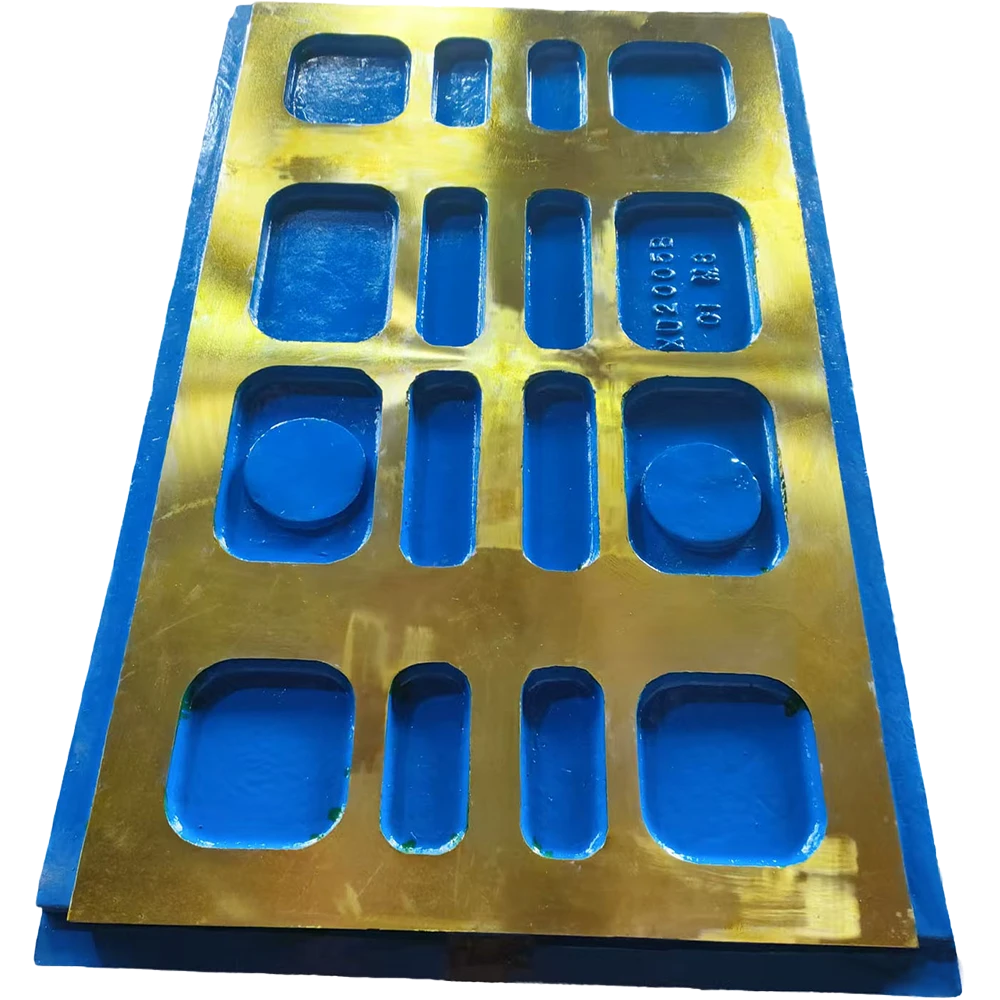
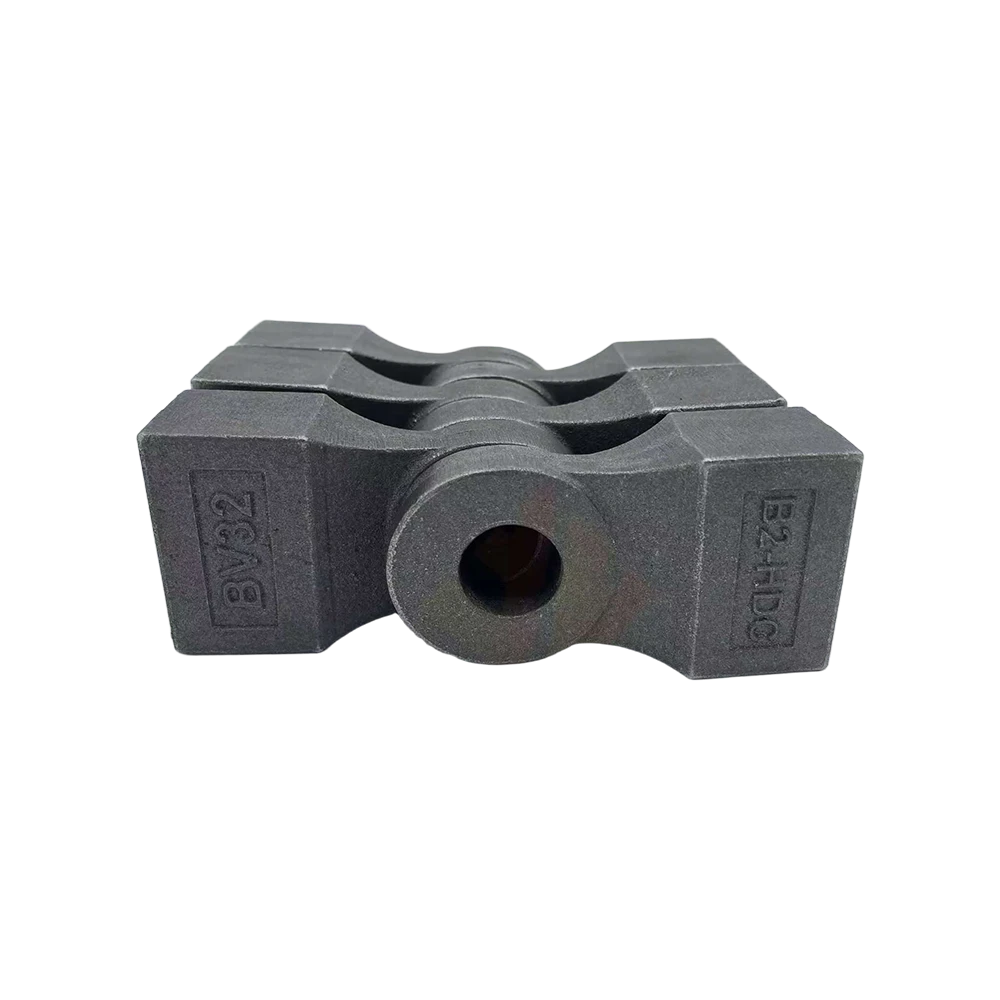
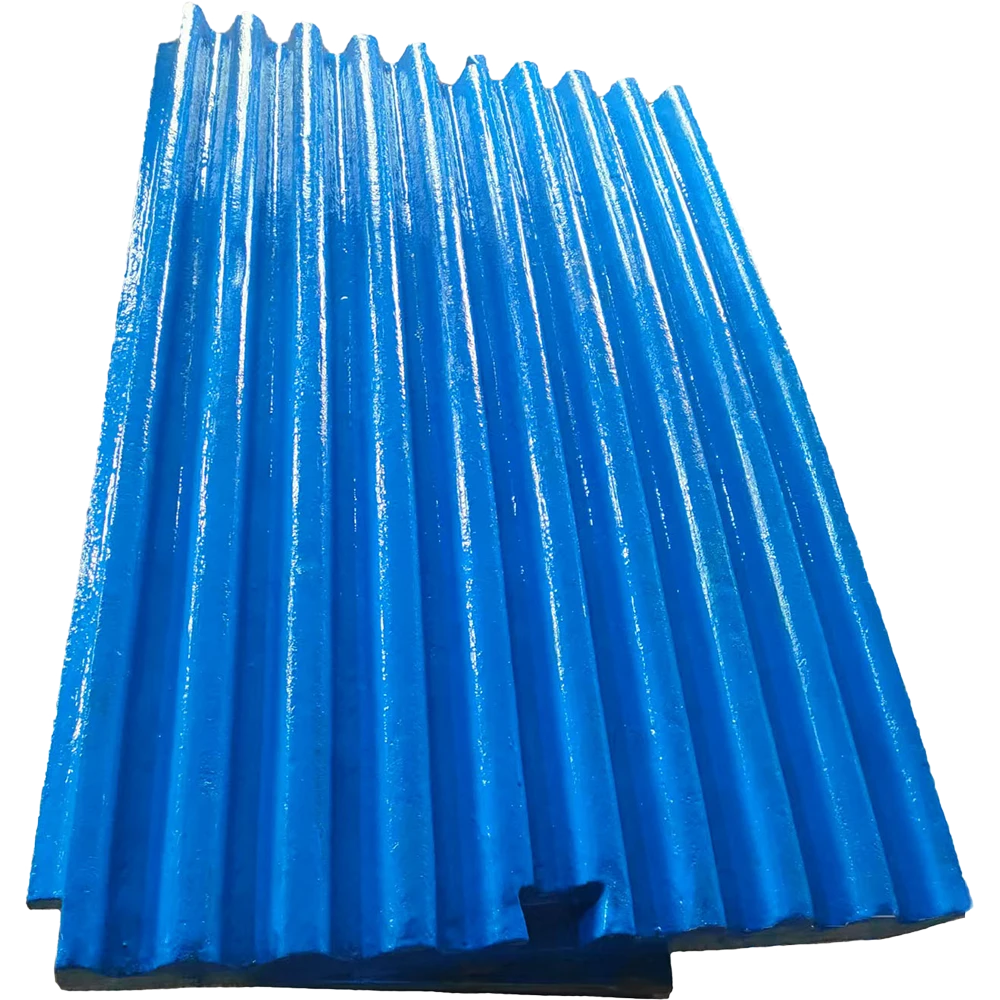
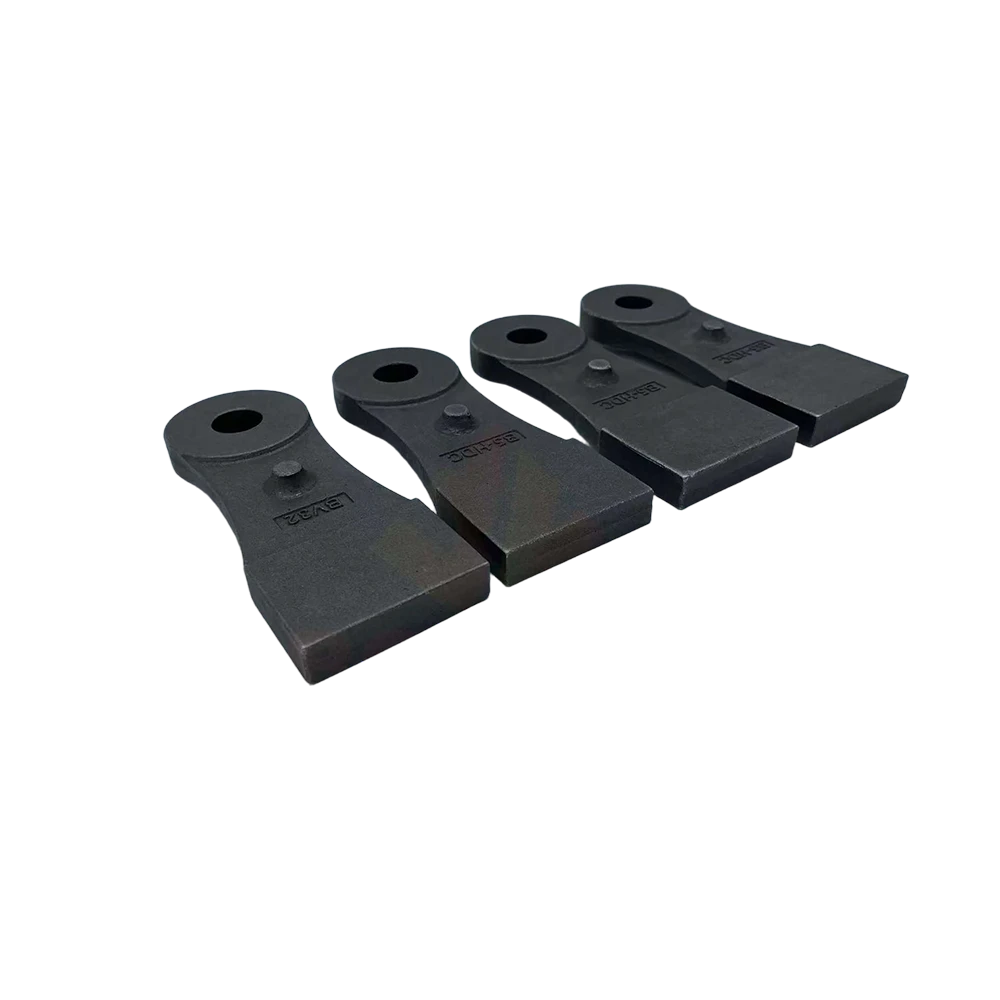
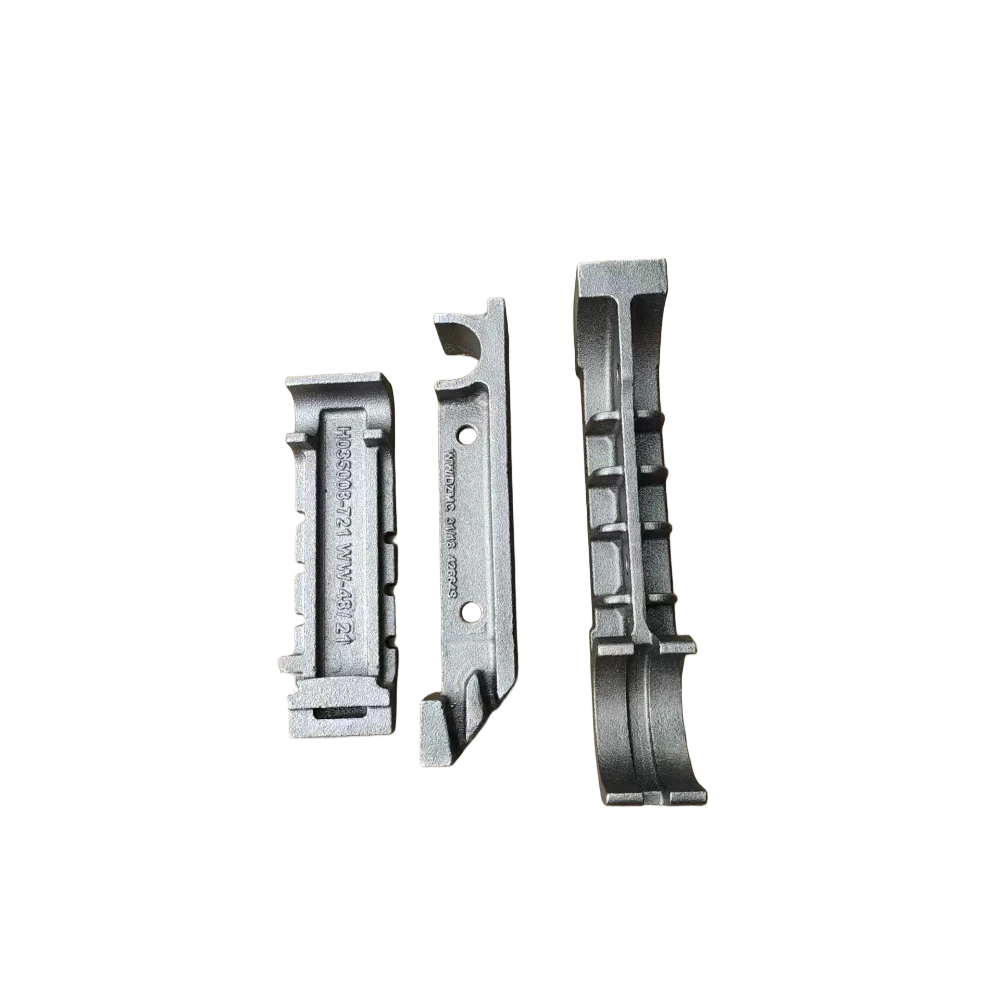
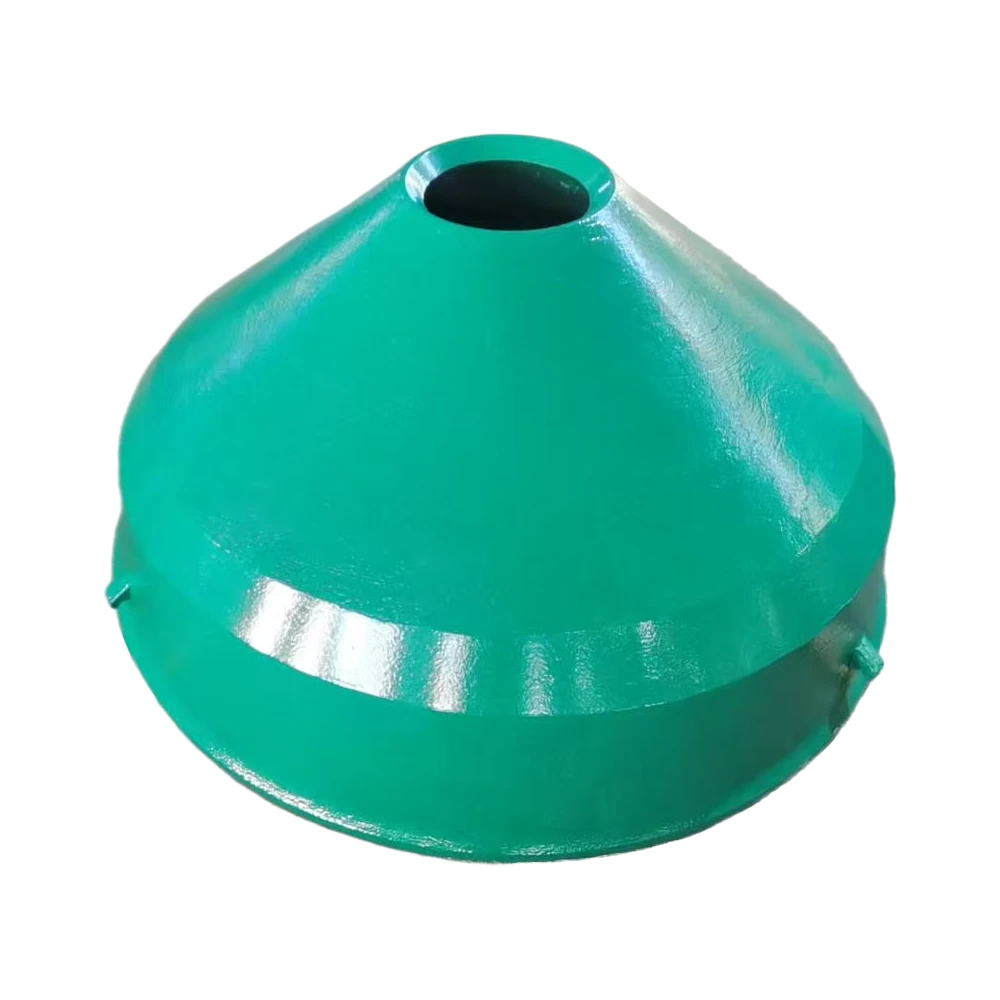
In simple terms, crusher replacement parts are components installed to replace worn or broken pieces within crushers — those hefty machines that crush stones, ores, and debris. Parts include jaw plates, liners, mantles, cones, bearings, and shafts among others.
These parts aren’t just arbitrary substitutions; they're designed for durability, precision-fit, and industry compliance. They allow existing crushers to keep running efficiently without investing in entirely new machinery—sometimes a matter of economic survival for smaller operators or humanitarian logistics providers using crushers in remote areas.
Key Factors That Define Effective Crusher Replacement Parts
Durability
Parts must withstand intense wear and tear. High-grade alloys and engineered designs extend lifespan, avoiding premature failure. Many engineers say that a part's metallurgy is half the battle—a cheap part that wears out quickly ends up costing more over time.
Compatibility
Not all crushers are created equal, nor their replacement parts. Accurate match to the crusher model ensures optimal performance and safety. Mismatched parts can damage machinery or dig into efficiency.
Cost Efficiency
There’s a balance to strike between upfront cost and long-term value. Bulk procurement or partnering with trusted suppliers can reduce costs without skimping on quality. crusher replacement parts vendors often offer this kind of tailored solution.
Ease of Installation and Maintenance
Well-designed parts minimize downtime. Fast installation means the crusher is back online sooner, which translates directly to less revenue lost.
Environmental Impact
Sustainable materials and improved designs that lengthen component longevity reduce waste—important if you’re thinking beyond the bottom line.
| Part | Material | Applicable Crusher Type | Estimated Lifespan |
|---|---|---|---|
| Jaw Plate | High manganese steel | Jaw Crushers | 6–12 months (variable by use) |
| Cone Mantle | Chromium alloy steel | Cone Crushers | 1–2 years |
| Rotor | Forged steel | Impact Crushers | 12–18 months |
Where Crusher Replacement Parts Make a Real-World Difference
The use cases for crusher replacement parts span continents and industries. For example, mining operations in Australia rely heavily on quick access to quality jaw plates and cone mantles to keep extraction rates high and costs manageable. Oddly enough, these parts also find crucial roles in humanitarian contexts—say, in rebuilding infrastructure after natural disasters in Southeast Asia where aggregate materials must be rapidly produced to restore roads and buildings.
Even remote industrial zones in Africa are expanding demand, where local availability of replacement parts can dictate how quickly a project moves forward. The ripple effects affect not just economics but the very safety and dignity of communities relying on infrastructure development.
Comparing Leading Vendors of Crusher Replacement Parts
| Vendor | Product Range | Custom Fabrication | Lead Time | Warranty |
|---|---|---|---|---|
| DZMC Casting | Wide (jaw plates, mantles, liners) | Yes | 3–5 weeks | 12 months |
| Vendor B | Selective jaw plates only | No | 2–4 weeks | 6 months |
| Vendor C | Comprehensive | Limited | 4–6 weeks | 18 months |
Advantages and Lasting Value of Quality Crusher Replacement Parts
- Cost savings: Extending machinery life reduces capital expenditures.
- Reliability: Sustains consistent production – critical for meeting deadlines and safety standards.
- Sustainability: Durable parts minimize scrap and waste, essential for eco-conscious operations.
- Social impact: Infrastructure projects backed by dependable equipment improve community wellbeing.
It feels like these parts quietly underpin entire economies, yet are often out of sight and mind until there’s a breakdown. Keeping them in focus means fostering innovation, respect for resources, and ultimately building trust within industries.
Emerging Trends: The Future of Crusher Replacement Parts
Technology continues reshaping this field. The push towards lightweight, wear-resistant composite materials may soon reduce costs and environmental footprint. Also, digital transformation—where parts carry embedded sensors to monitor wear in real-time—promises proactive maintenance and fewer surprises.
Add automation and green energy integration to the mix, and we’re approaching a more resilient, smart industrial future. It’s something I find fascinating—and crucial—because these advancements ripple through supply chains, worker safety, and sustainability metrics.
Challenges in Crusher Replacement Parts and How Experts Address Them
Every shining gem has a flaw, and crusher parts face challenges like material fatigue, supply chain lags, or imprecise fit. Some operators still struggle with counterfeit products, risking damage or inefficiency.
To mitigate these, many turn to trusted suppliers—like crusher replacement parts specialists—who not only guarantee quality but also offer tailored engineering support. Plus, better metallurgical testing and international standards compliance help safeguard investments.
Frequently Asked Questions About Crusher Replacement Parts
- How do I know when to replace crusher replacement parts?
- Signs include decreased output, abnormal noises, visible wear, or vibration. Regular inspections combined with equipment monitoring help predict optimal replacement timing to avoid unexpected breakdowns.
- Can crusher parts be customized for specific materials?
- Absolutely. Custom fabrication lets you tailor hardness, shape, and thickness depending on the crushed material’s abrasiveness or size. This customization enhances lifespan and productivity.
- What’s the typical turnaround time for ordering replacement parts?
- It varies by supplier and part. For example, many reliable vendors like DZMC Casting provide lead times of about 3-5 weeks. Planning ahead mitigates downtime.
- Are aftermarket crusher parts as reliable as OEM parts?
- Quality aftermarket parts can match or exceed OEM specifications if sourced from reputable manufacturers that use high-grade materials and precise manufacturing processes.
Conclusion: Keep Crushing Efficiently With Quality Parts
To wrap up, having access to durable, compatible, and intelligently designed crusher replacement parts isn’t merely a logistical detail — it’s a strategic asset. They safeguard productivity, improve cost efficiency, and support sustainability goals. Whether you’re mining rock or building the next big runway, these components quietly keep the world turning.
For anyone looking for trusted solutions, visit https://www.dzmccasting.com to explore a complete range of crusher replacement parts tailored to your needs.
Quick takeaway: Investing in quality crusher replacement parts pays dividends in reliability, cost savings, and sustainability.
References
-
High Performance oem cast heat resistant steel for Industrial UseNewsApr.16,2026
-
Guide to Selecting High Quality Cast Heat Resistant Steel AlloysNewsApr.09,2026
-
Custom Cast Heat Resistant Steel Solutions for High Temperature ApplicationsNewsApr.07,2026
-
Comprehensive Guide to Wholesale Cast Heat Resistant Steel for Industrial ApplicationsNewsApr.04,2026
-
Comprehensive Guide to High Performance Heat Resistant Metal Product SolutionsNewsMar.31,2026
-
Expert Guidance on Heat Resistant Metal Quotes and Alloy SelectionNewsMar.28,2026