In-Depth Look at Crusher Jaw Plate Casting: Durability, Applications & Innovations
Crushing the Numbers: Understanding Crusher Jaw Plate Casting
If you've ever wondered how quarries or mining operations manage to break down enormous chunks of rock into manageable gravel or sand, crusher jaw plate casting plays a surprisingly pivotal role. These components are the unsung heroes in heavy machinery, shaping industries from construction to environmental cleanup worldwide.
Why does this matter on a global scale? Well, as urbanization accelerates and infrastructure projects multiply, the demand for efficient, durable crushing technology skyrockets. According to the International Organization for Standardization (ISO), maximizing equipment lifespan and reducing downtime are critical for sustainable mining and construction practices. Understanding crusher jaw plates, their manufacture, and their performance can literally save time, money, and resources on a massive scale.
Defining Crusher Jaw Plate Casting
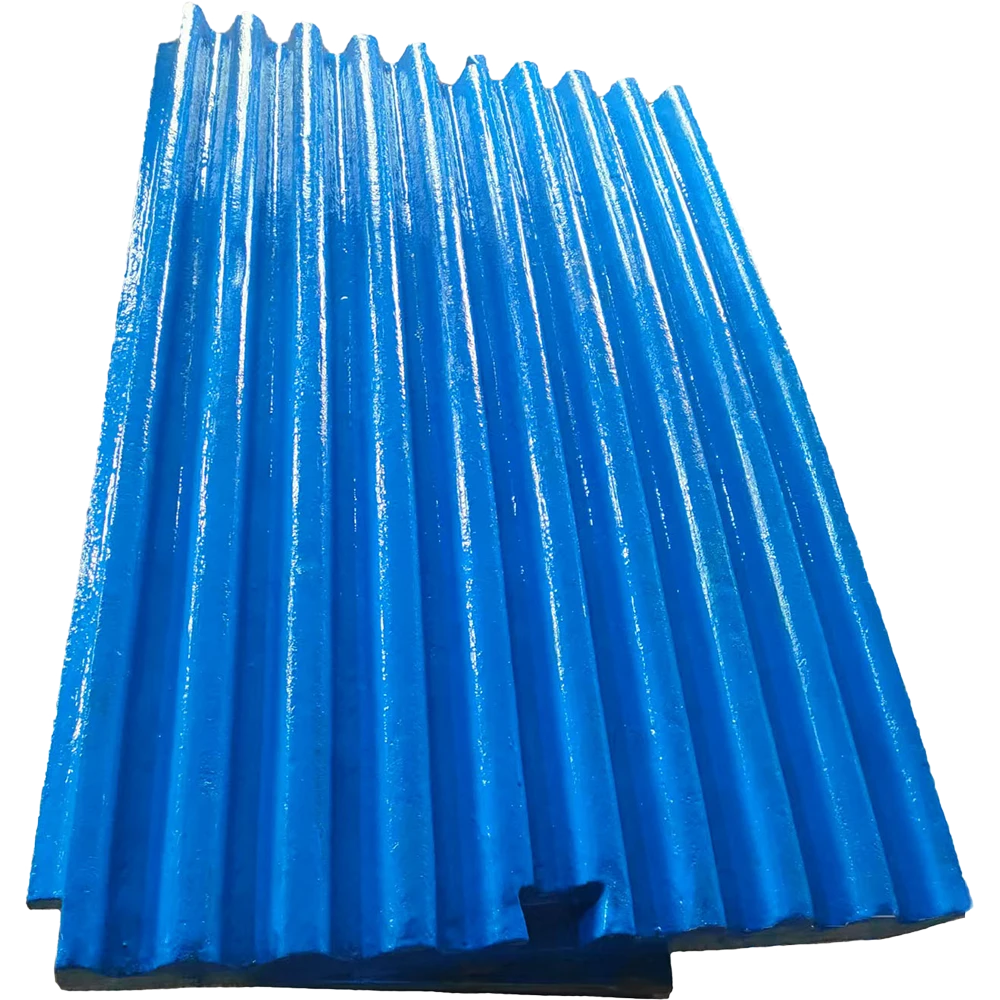
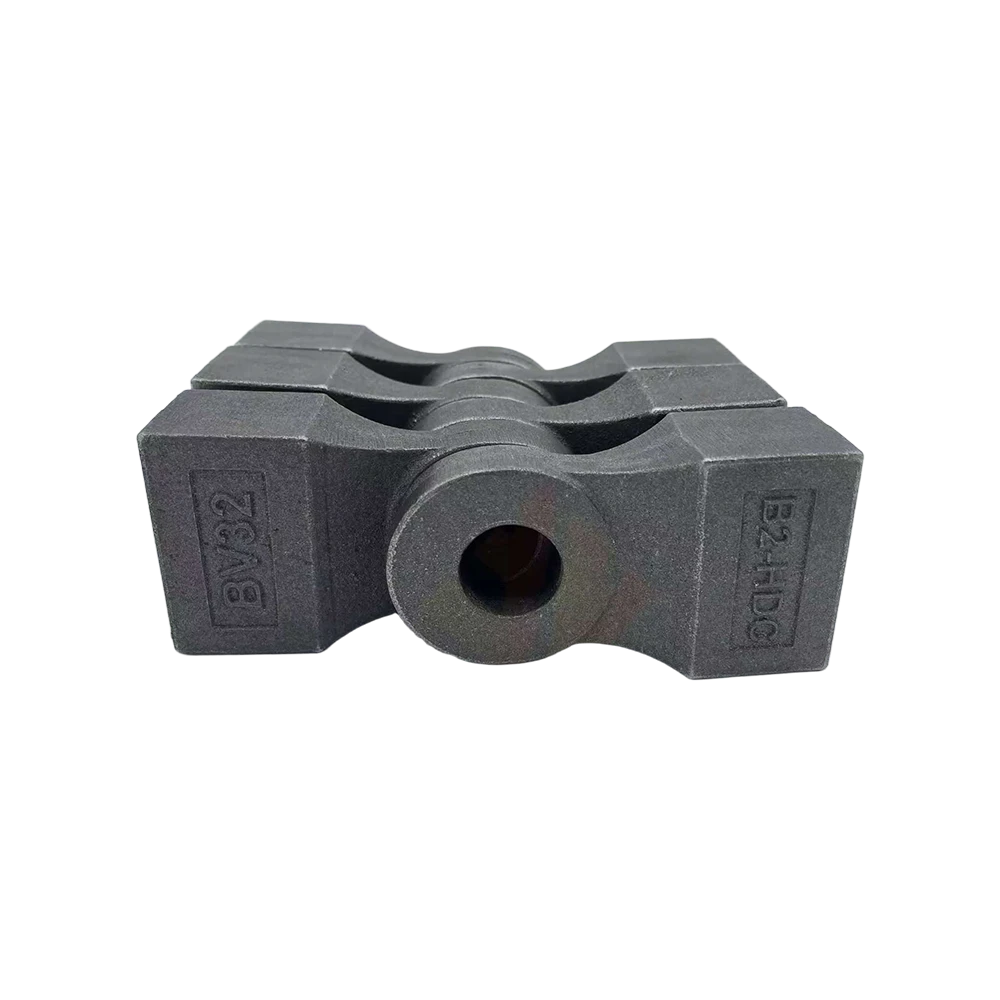
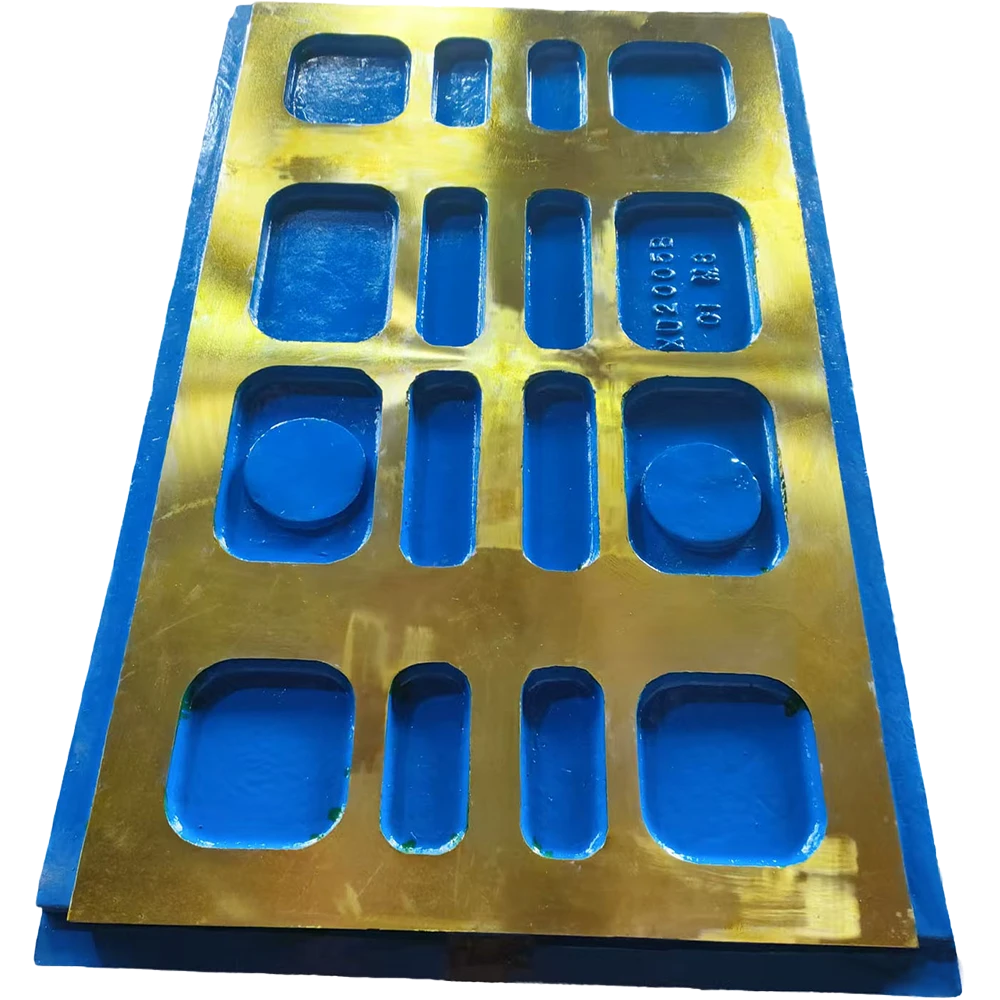
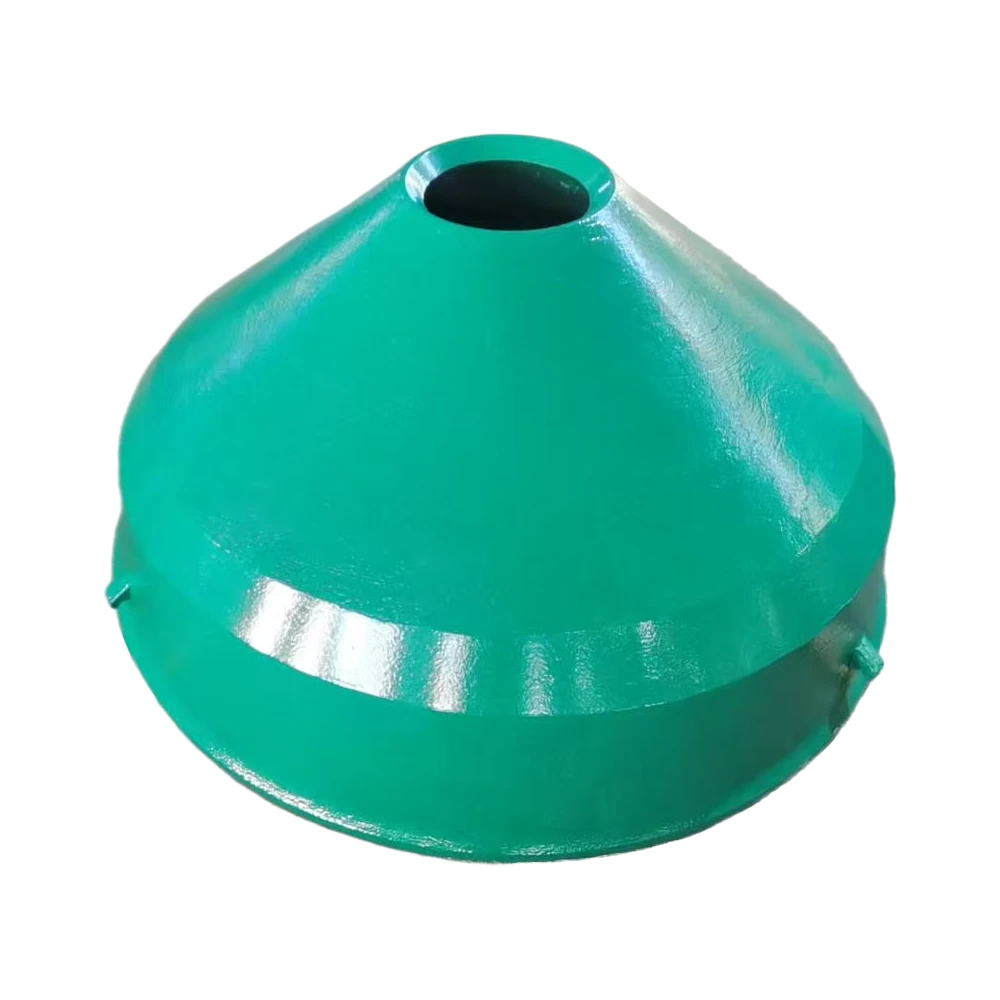
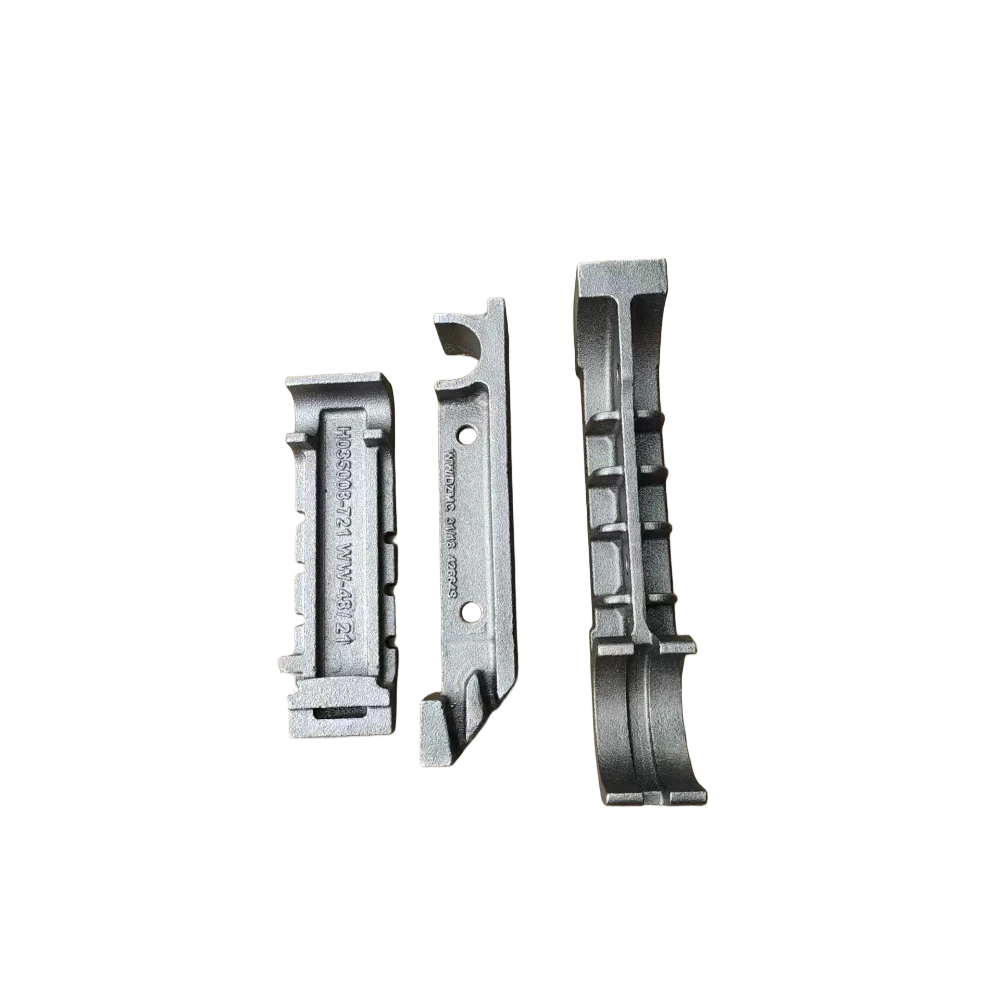
So, what exactly is a crusher jaw plate casting? In simple terms, it’s a cast metal component designed as the main wear part of jaw crushers. These plates are bolted inside jaw crusher machines, where they bear the brunt of heavy-rock crushing. They’re typically made by pouring molten steel or alloy into molds — hence "casting" — which allows precise shaping and consistent properties essential for rugged use.
Modern industries rely on these plates not just for crushing stone but also for recycling construction debris, processing ores, and even humanitarian efforts like clearing disaster rubble. The technology ensures that breakdown and rebuilding happen faster and more economically.
Key Factors in Crusher Jaw Plate Casting
Durability
The defining trait. Jaw plates need to withstand constant impact and abrasion, often from materials much harder than steel itself. High manganese steel is a common choice, thanks to its toughness and ability to harden under stress — a fascinating self-strengthening mechanism engineers love.
Precision and Fit
It’s not just brute strength; the plates must fit perfectly into their jaw crushers. Poorly cast plates cause vibration, reduce crushing efficiency, and increase wear — problems that cascade into costly repairs and machine downtime.
Cost Efficiency
While it might be tempting to cut corners on materials or craftsmanship, investing in high-quality casting means fewer replacements and less operational disruption. In the long run, this saves heaps of money.
Material Innovation
Emerging alloys and heat-treatment techniques are pushing these wear parts into new territory — lighter, stronger, and more environmentally friendly. Some manufacturers are even experimenting with composites, although steel remains king for now.
Global Applications & Use Cases
Crusher jaw plate castings are everywhere — from massive mining projects in Australia’s Outback to urban demolition in Europe, and increasingly in developing nations building their first highways or airports.
- Mining: Extracting minerals and metals demands robust crusher jaw plates to handle tough conditions and abrasive materials.
- Construction: Efficient recycling of concrete and stone drastically reduces landfill waste, aided by reliable jaw plates.
- Disaster Relief: After earthquakes or hurricanes, heavy-duty crushers help clear rubble quickly, enabling faster rescue and rebuilding operations.
- Remote Industrial Zones: In places where repair access is limited, long-lasting jaw plates minimize breakdown risks.
Oddly enough, many operators have noticed that a good crusher jaw plate casting literally changes how reliably their plant runs — fewer interruptions mean projects finish on time, or early, which makes everyone breathe easier.
Technical Specifications of Typical Crusher Jaw Plate Casting
| Specification | Typical Value/Standard |
|---|---|
| Material | High Manganese Steel (Mn13 - Mn18) |
| Hardness after work hardening | 220-250 BHN (Brinell Hardness Number) |
| Casting Method | Sand Casting or Shell Molding |
| Typical Lifespan | 3,000 to 8,000 operational hours depending on material & use |
| Weight Range | 15 - 300+ kg (based on crusher size) |
| Standard Compliance | ISO 9001 Certified Manufacturing |
Vendor Comparison: Crusher Jaw Plate Casting Suppliers
| Vendor | Material Quality | Customization Options | Pricing | Lead Time | Location |
|---|---|---|---|---|---|
| DZM Casting | High manganese steel, ISO certified | Full size and alloy customization | Competitive, volume discounts | 4-6 weeks | China |
| Metallix Components | Standard manganese steel, third-party tested | Limited sizes | Mid-range | 6-8 weeks | Germany |
| OreTech Solutions | Alloy innovation, premium grade | Custom engineering services | Premium | 3-5 weeks | USA |
Advantages & Long-Term Value
In real terms, using quality crusher jaw plate casting means fewer unexpected stoppages — a win for every manager who's tried to juggle project timelines under pressure. The emotional relief of knowing your equipment won’t fail mid-shift can't be overstated, and the financial impact is just as important. Better parts equal less waste and lower carbon footprint, which is becoming a key concern for the ISO 14001 environmental standards many companies now adhere to.
From the standpoint of social impact, reliable crushing equipment aids in infrastructure rebuilding after disasters, creating safer, more resilient communities. Reliability breeds trust — among operators, investors, and end-users — and encourages innovation cycles as well. Summing it up: durability, efficiency, and environmental care form the trifecta for long-term sustainability.
Future Trends & Innovations
The crusher jaw plate casting space isn’t frozen in time. Future-forward manufacturers are experimenting with digital modeling and 3D printing to reduce prototyping times and increase precision. The use of smarter alloys that adapt their hardness depending on stress is another budding frontier.
Sustainability is becoming a bigger driver, with recycled materials being investigated for inclusion in casting processes. Plus, automation in foundries accelerates production while reducing human error.
Challenges & Solutions
Of course, challenges remain. One classic issue is “spalling,” where pieces of the jaw plate chip or break off due to fatigue. The solution often lies in better metallurgy and improved heat-treating cycles. Another headache is matching plates perfectly to non-standard crusher models, which calls for stronger collaboration between vendors and clients to develop customizable solutions — something crusher jaw plate casting specialists are increasingly adept at.
Frequently Asked Questions About Crusher Jaw Plate Casting
- How long do crusher jaw plates typically last?
Depending on materials and conditions, plates last between 3,000 and 8,000 operational hours. Proper maintenance and using high-grade materials extend service life considerably. - What materials are best for jaw plate casting?
High manganese steel dominates due to its toughness and work-hardening properties, though alloys with added chromium or nickel can enhance wear resistance. - Can jaw plates be customized to fit specific crusher models?
Yes, most manufacturers offer tailored casting options to match dimensions, profiles, and alloys based on client specifications. - Is it possible to recycle used jaw plates?
Absolutely. These plates can be melted down and recast, supporting circular economy practices and reducing environmental impact. - What industries benefit most from crusher jaw plate casting?
Mining, construction, recycling, and disaster relief operations are primary users, where durability and efficiency matter the most.
Conclusion
Ultimately, crusher jaw plate casting is more than just a manufacturing detail—it’s a crucial nexus between metal science, heavy industry, and global infrastructure progress. Insights into its design, materials, and application open up opportunities for cost savings, enhanced sustainability, and safer operations. For companies seeking dependable crusher jaw plate casting solutions, selecting a vendor that combines quality, customization, and expert knowledge is key.
Ready to upgrade your crushing efficiency? Visit our website: https://www.dzmccasting.com for tailored solutions that fit your operations like a glove.
For those of us who tinker with heavy machinery or just want to understand how the pieces fit behind the scenes, the humble jaw plate casting is a story worth knowing.
References:
1. ISO 9001 Quality Management Systems
2. Wikipedia: Jaw Crusher
3. United Nations Sustainable Development Goals
-
High Performance oem cast heat resistant steel for Industrial UseNewsApr.16,2026
-
Guide to Selecting High Quality Cast Heat Resistant Steel AlloysNewsApr.09,2026
-
Custom Cast Heat Resistant Steel Solutions for High Temperature ApplicationsNewsApr.07,2026
-
Comprehensive Guide to Wholesale Cast Heat Resistant Steel for Industrial ApplicationsNewsApr.04,2026
-
Comprehensive Guide to High Performance Heat Resistant Metal Product SolutionsNewsMar.31,2026
-
Expert Guidance on Heat Resistant Metal Quotes and Alloy SelectionNewsMar.28,2026