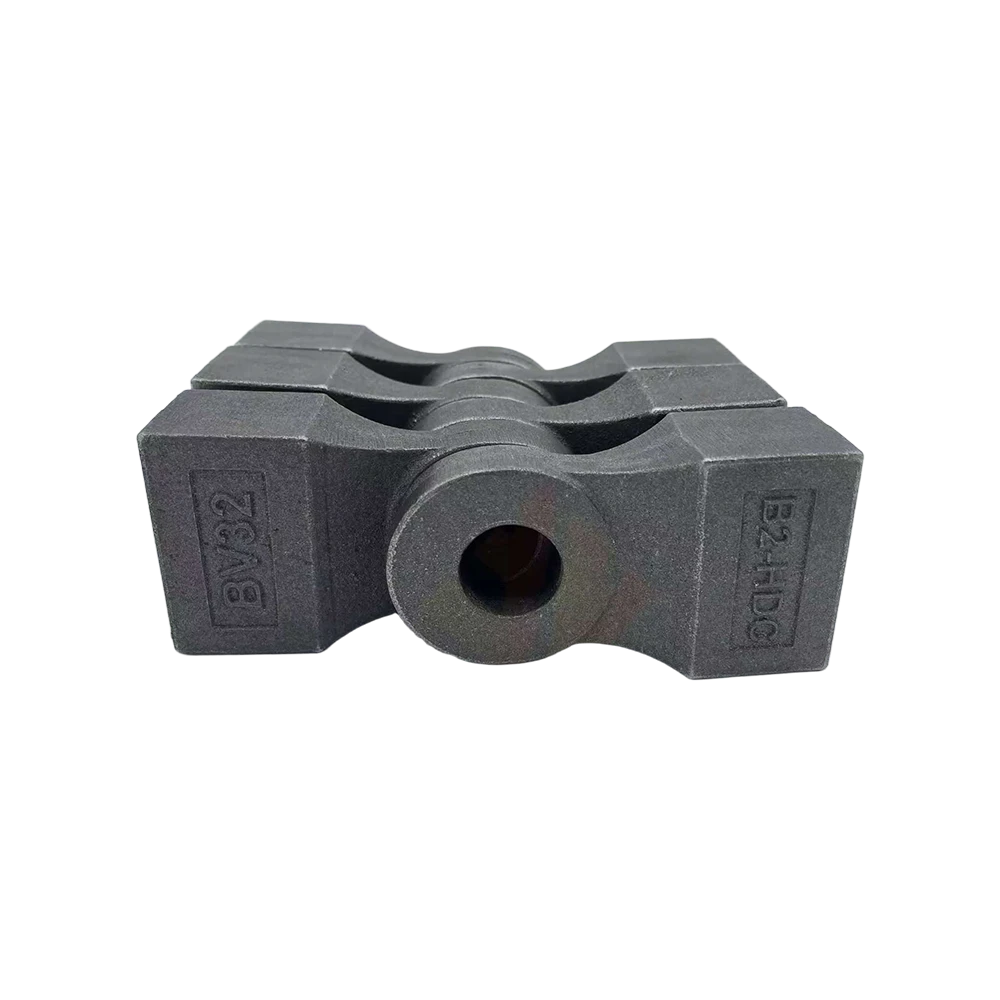
Crusher Spare Part Insights: Quality and Reliability Matters
Crusher Spare Part: Essential Insights from an Industry Vet
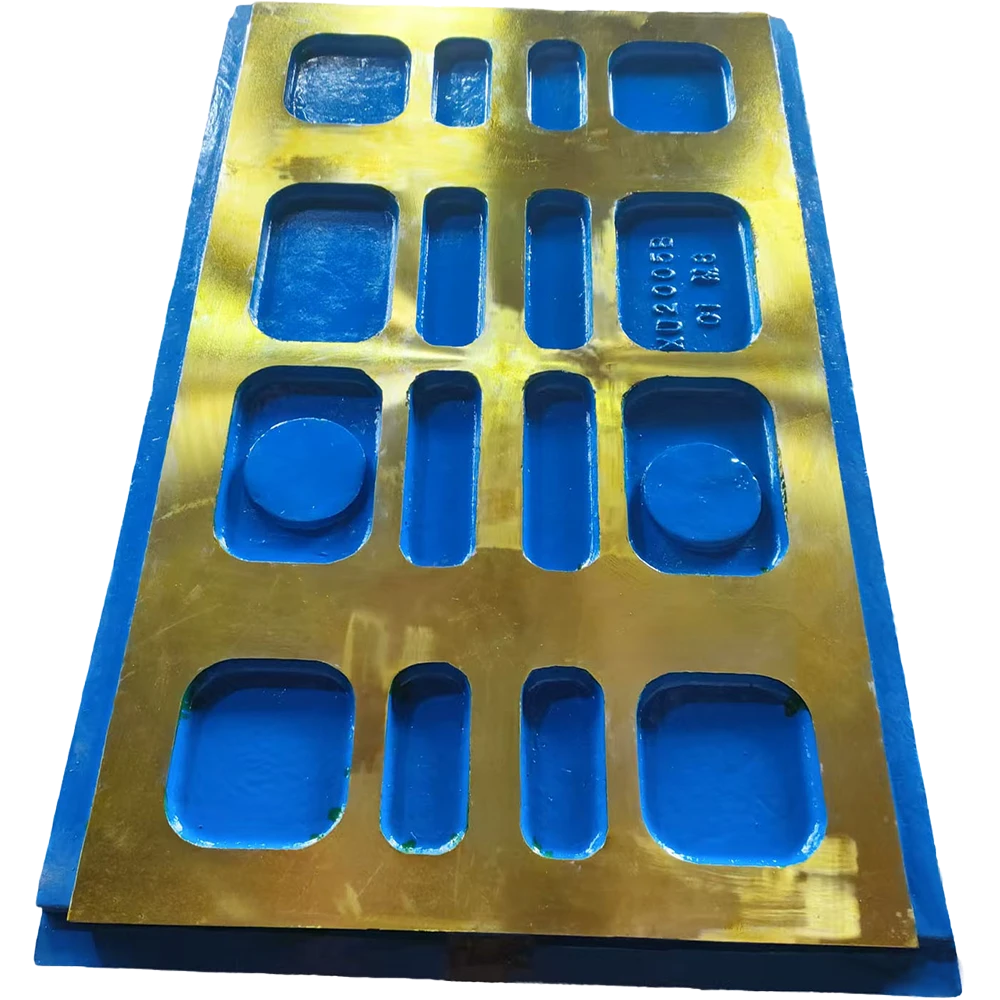
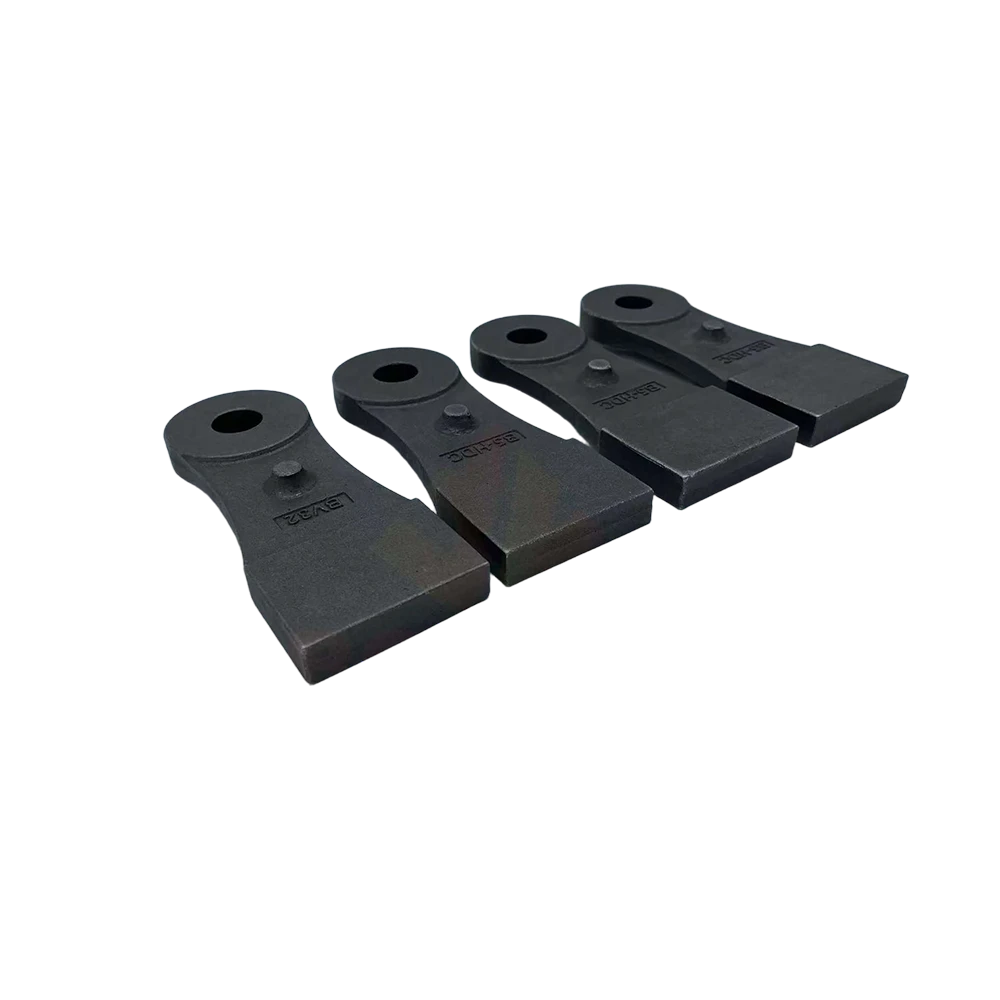
Having spent over a decade circling the rumbling behemoths of crushers in industrial plants, I’ve come to appreciate the subtle — yet crucial — differences that well-made crusher spare parts can make. Frankly, not all spares are created equal. You might think a replacement tooth or liner is just a chunk of metal, but it’s really the heart of consistent operation. Oddly enough, those parts that look simple often carry the biggest responsibility on the production line.
In real terms, a reliable spare part translates to minimized downtime, keeping costs low, and production meeting targets. This is why manufacturers like DZMCCasting — a name that has shown up in more maintenance schedules than I can count — matter so much. They focus on quality casting, heat treatment, and precise metallurgy, which in this industry is everything.
Talking specifications, it’s not just about shape and size; it’s the materials and hardness grades that count. Chromium content, manganese levels, and controlled microstructure all play a part. Many engineers I’ve worked with swear by certain alloys for jaw plates and mantles that balance toughness and wear resistance perfectly.
| Part Name | Material | Hardness (HRC) | Typical Usage |
|---|---|---|---|
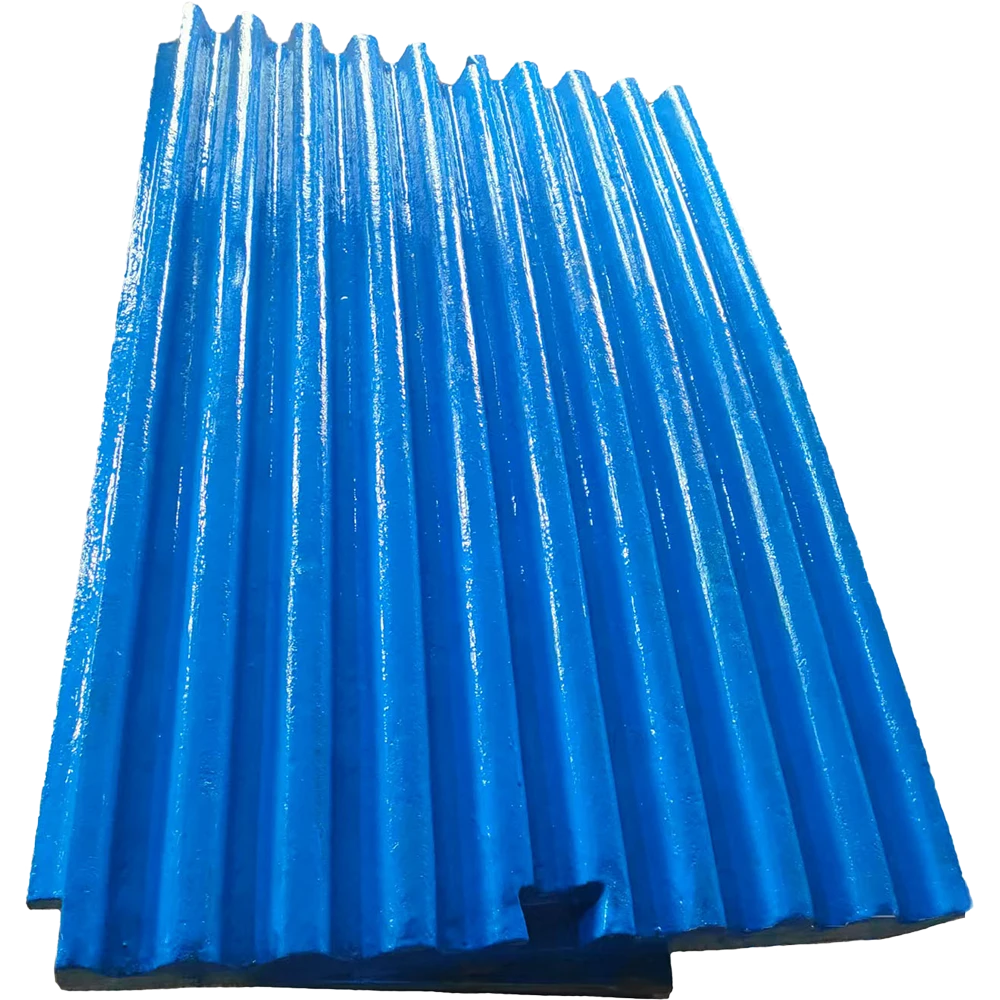
| Jaw Plate | High Manganese Steel | 55–62 | Primary crushing |
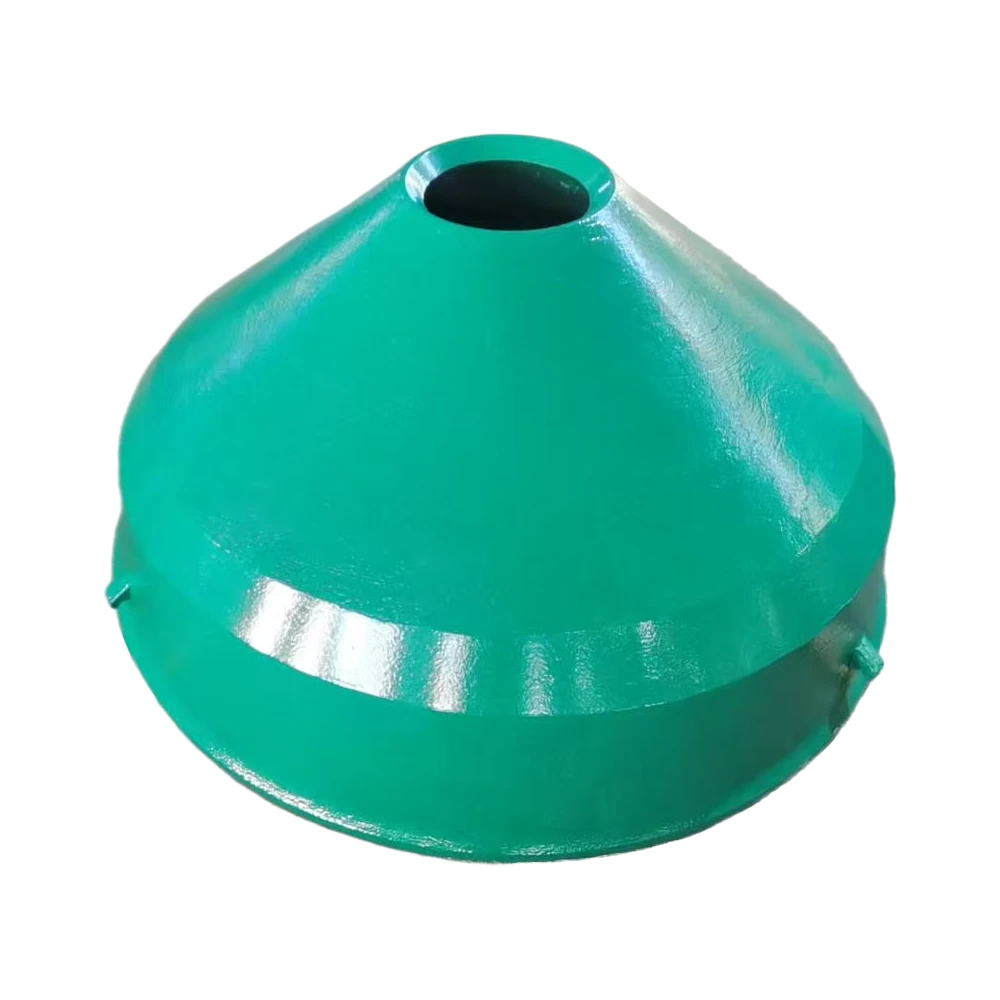
| Mantle | Manganese Alloy | 58–63 | Cone crusher wear surface |
| Toggle Plate | Cast Steel | 45–50 | Force transmission |
If you ask anyone who maintains crushers regularly — and I mean those with grease under their nails after every shift — you’ll learn how crucial OEM compatibility and precision casting really are. A poorly fitting toggle plate or cheek plate can lead to catastrophic failures, not just inefficiencies.
Customization also gets overlooked sometimes. Industrial sites, of course, vary wildly; the ores and rocks processed differ, and so do the crushing conditions. That’s why vendors who offer bespoke heat treatments or minor shape modifications score high marks from maintenance teams. DZMCCasting, for instance, provides responsive adjustments that often feel like a custom-tailored suit for your crusher rather than off-the-rack wear parts.
| Vendor | Material Quality | Customization | Lead Time | Price Level |
|---|---|---|---|---|
| DZMCCasting | High-grade alloys with strict QC | Available on request | 2–4 weeks | Competitive |
| Generic Supplier A | Standard manganese steel | Limited | 1–2 weeks | Lower |
| Supplier B | Variable alloy composition | No | 3+ weeks | Mid-range |
One anecdote that sticks with me is from a mine site where a worn mantle caused unusual vibrations. The team was skeptical at first, blaming the crusher frame — but after swapping in a tailored mantle from DZMCCasting, smooth operation returned and production was back on track in days. Yeah, sometimes it's the smallest part that delivers the biggest relief.
You know, all this talk of equipment might sound super technical, but at the end of the day, what matters most is uptime and reliability. A quality crusher spare part isn't just a replacement — it’s a commitment to sustaining industrial heartbeat without unexpected stops.
So if you’re scouting for replacements, keep your eyes on quality certifications, metallurgy details, and vendor reputation. Don’t be fooled by price alone — it’s that old story: pay less upfront, pay more later in downtime.
In closing, if you want parts that last, it’s worth trusting suppliers who combine technical expertise, consistent quality, and a real understanding of crusher work. Long experience has taught me that. And I suppose, that’s why I keep coming back to reliable names like DZMCCasting – because when you need a spare, you want to get it right the first time.
Happy crushing, and here’s to fewer breakdowns ahead.
References:
1. Wear-resistant materials in crusher manufacturing, Journal of Mining Equipment, 2021
2. Case Study: Crusher maintenance & spare parts effectiveness, Industrial Machinery Review, 2019
3. Metallurgy insights for crusher liners, Materials Today, 2022
-
High Performance oem cast heat resistant steel for Industrial UseNewsApr.16,2026
-
Guide to Selecting High Quality Cast Heat Resistant Steel AlloysNewsApr.09,2026
-
Custom Cast Heat Resistant Steel Solutions for High Temperature ApplicationsNewsApr.07,2026
-
Comprehensive Guide to Wholesale Cast Heat Resistant Steel for Industrial ApplicationsNewsApr.04,2026
-
Comprehensive Guide to High Performance Heat Resistant Metal Product SolutionsNewsMar.31,2026
-
Expert Guidance on Heat Resistant Metal Quotes and Alloy SelectionNewsMar.28,2026