Comprehensive Guide to Parts of Crusher Plant: Key Components & Industry Insights
Understanding the Essential Parts of Crusher Plant: What You Need to Know
When we talk about the parts of crusher plant, it’s a doorway into one of the most critical processes in modern industry—breaking down large rocks and ores into smaller, more manageable pieces. This seemingly straightforward task actually influences entire supply chains, from construction to mining to recycling. Globally, the demand for efficient, reliable crushing plants is surging, driven by infrastructure booms and rising mineral extraction needs. Frankly, if you work in sectors like construction or mineral processing, understanding these components isn’t just academic — it can dramatically affect productivity, safety, and costs.
Introduction: The Global Context of Crusher Plant Parts
Across continents, the mineral processing industry plays a crucial role in economic development. According to the World Bank, mining and mineral processing account for more than 40 percent of the global manufacturing GDP. Central to this is the crusher plant, whose parts work in unison to deliver consistent and durable outcomes.
In regions rich with earth materials like Australia, South Africa, and parts of Asia, crusher plants are a backbone of livelihood. Yet, challenges persist. Supply chain disruptions, wear and tear from processing abrasive materials, and demand for environmentally sustainable designs are pushing manufacturers to innovate. Understanding the nuanced roles of crusher plant parts helps address these challenges head-on.
What Are the Parts of Crusher Plant?
Simply put, a crusher plant is a collection of machinery used to break down raw stone or ore into smaller fragments. The parts of crusher plant include several key pieces of equipment—each with a distinct function but harmonious in operation.
- Feeder: Controls the amount of raw material entering the crusher, ensuring steady flow and efficiency.
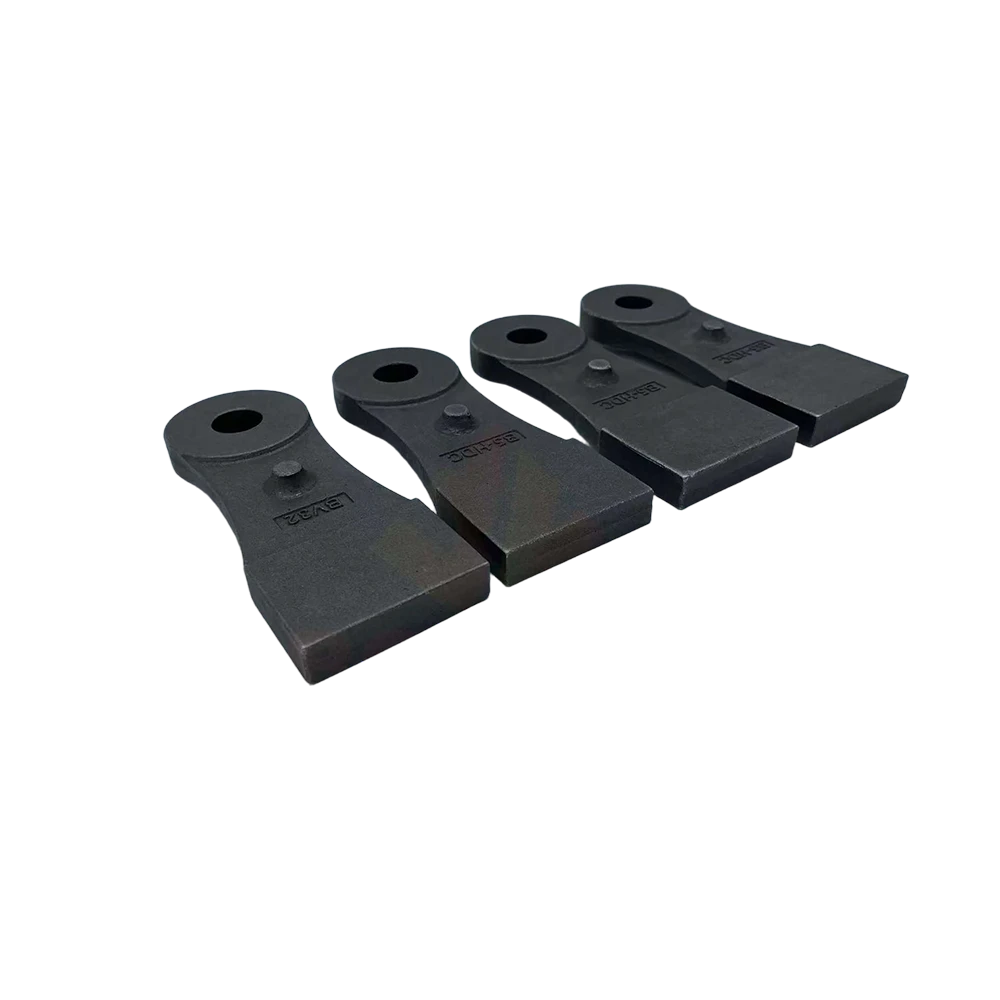
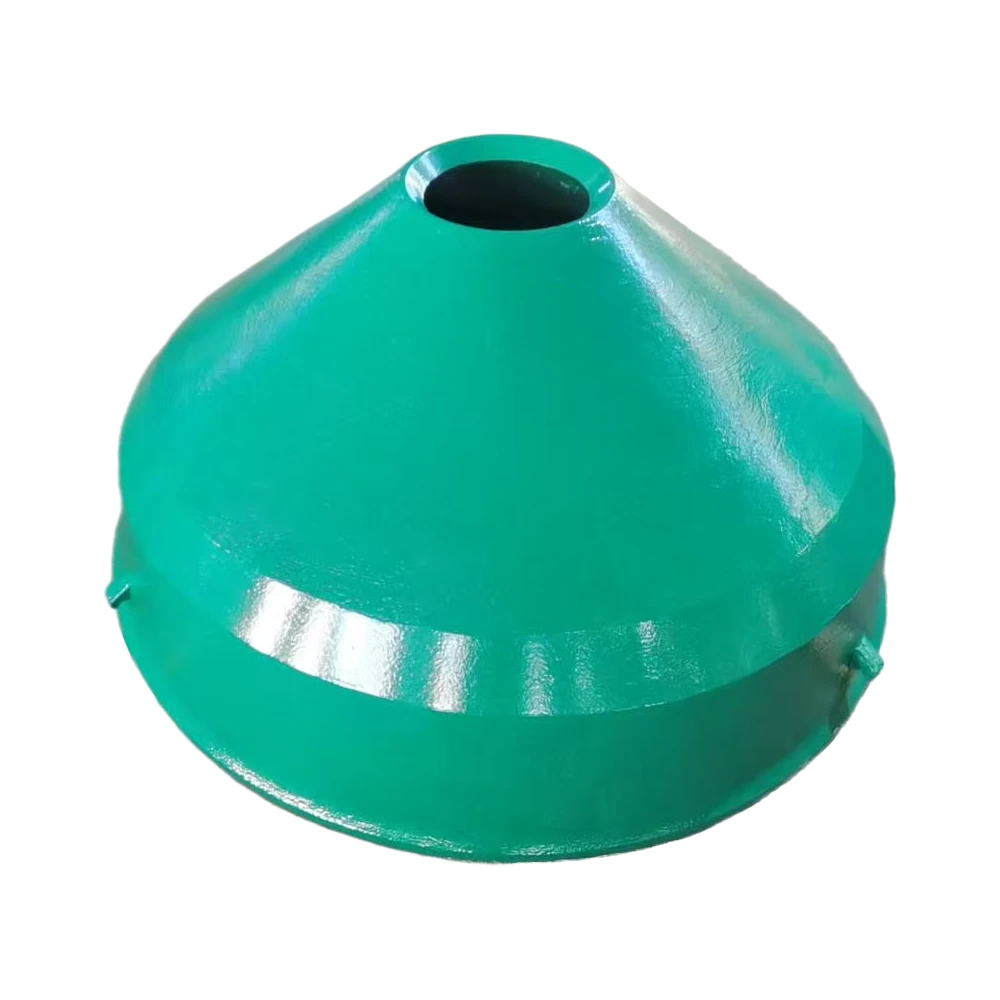
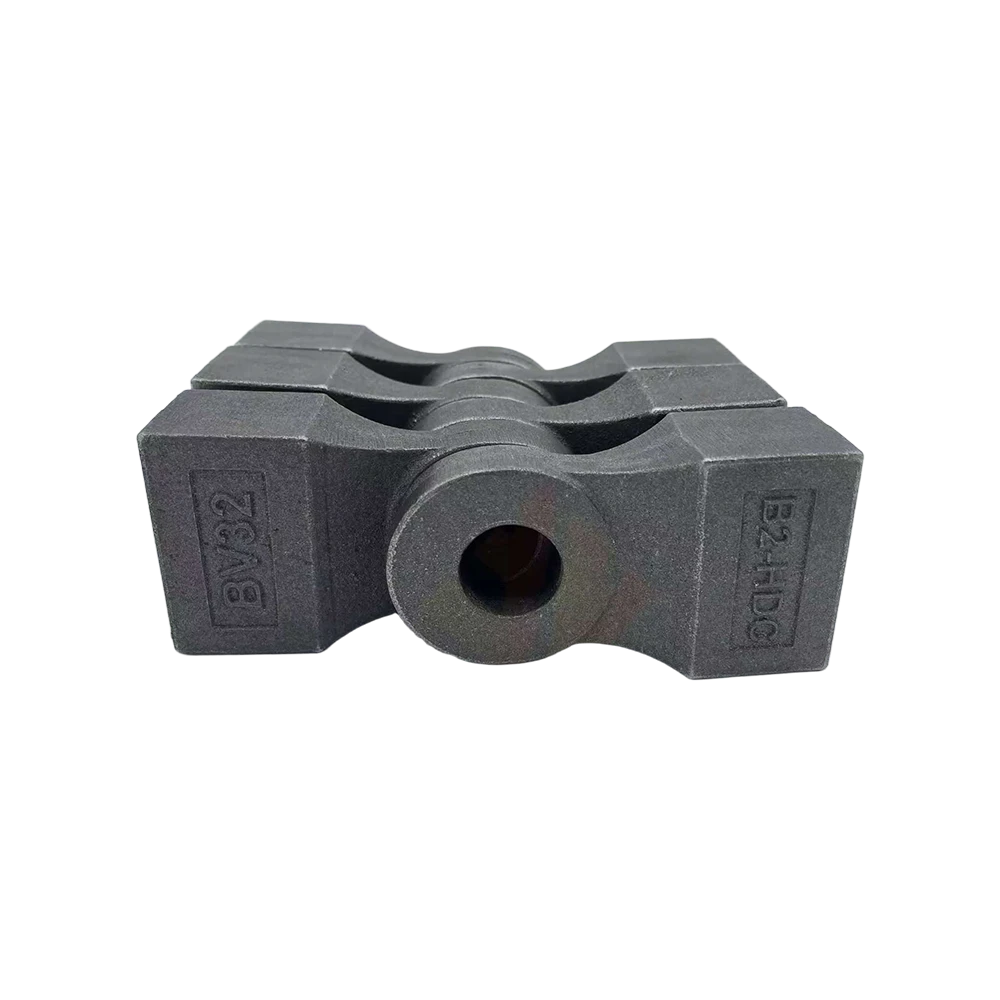
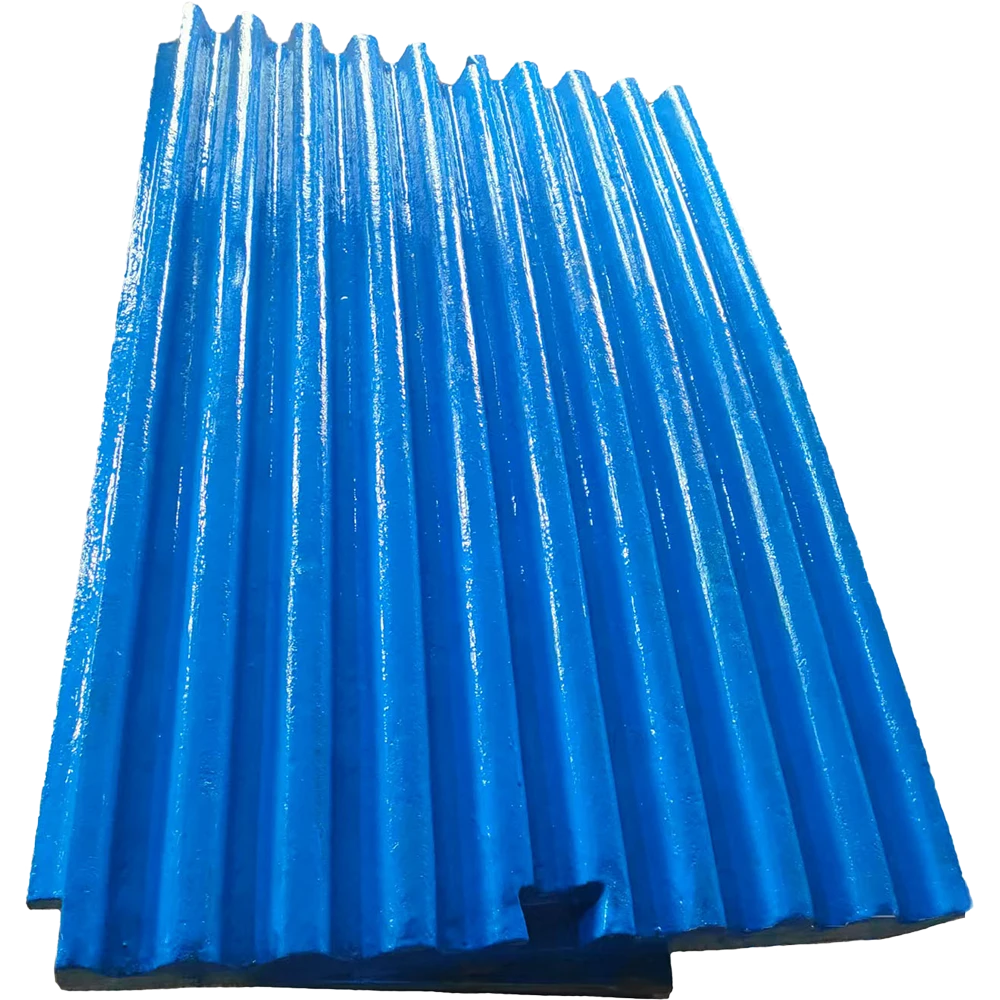
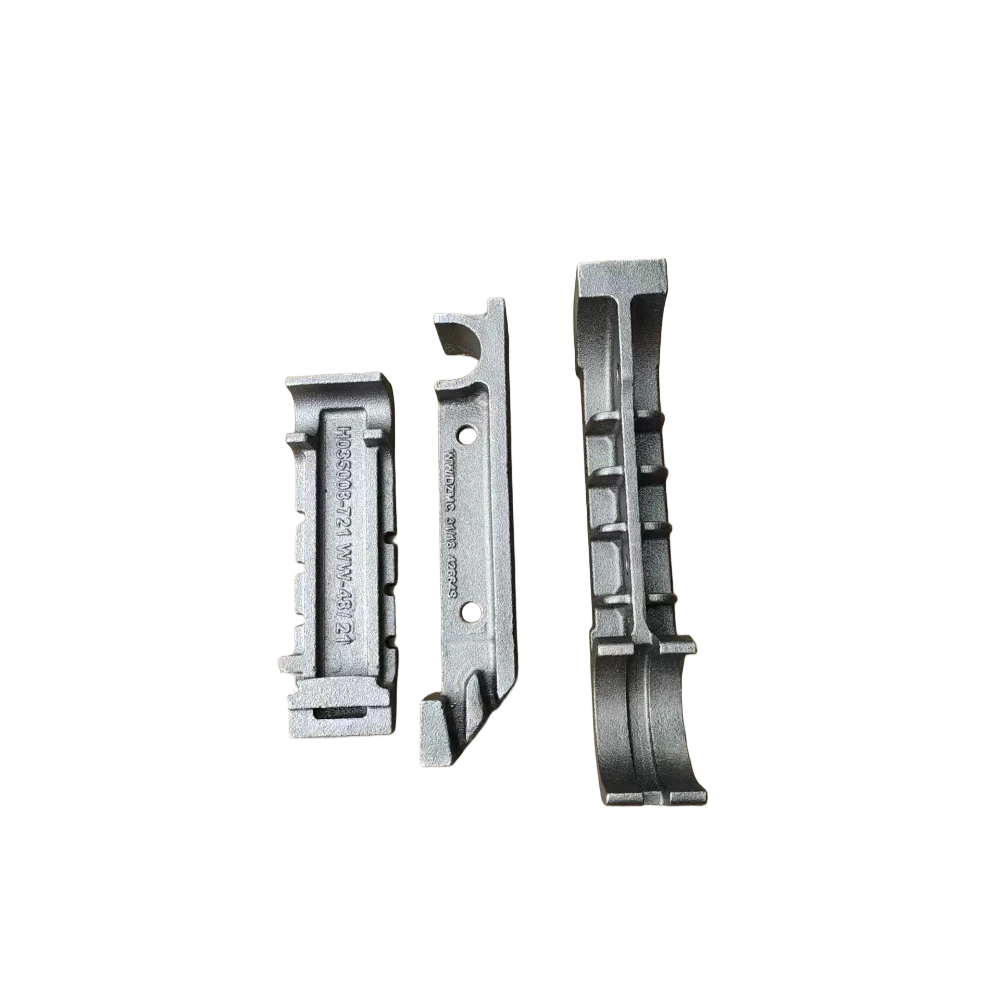
- Crusher: The heart of the plant using mechanical force to break down big rocks. Varieties include jaw crushers, cone crushers, and impact crushers.
- Screening Equipment: Sorts crushed particles by size for further processing or final use.
- Conveyors: Transport materials between different stages of crushing and screening.
- Dust Suppression System: Minimizes airborne dust improving worker safety and environmental compliance.
These components are more than just parts—they’re a technical ecosystem engineered for durability, efficiency, and adaptability to different raw materials.
Key Components and Their Practical Importance
Durability
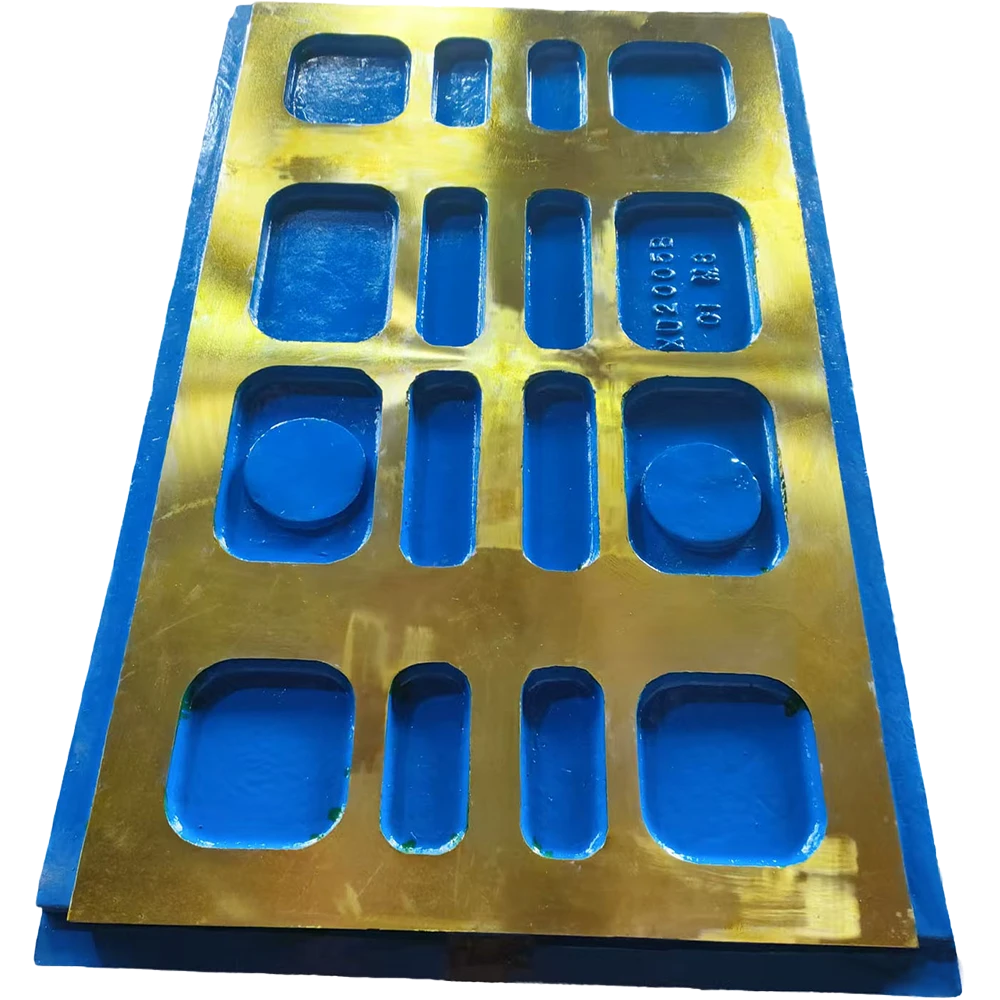
The materials used in crusher plant parts must withstand enormous loads and abrasion. High manganese steel and alloys dominate crusher jaw plates and liners because they resist wear and extend service life.
Scalability
Plants can be customized to handle differing volumes — from small quarry operations to large-scale mining projects. Modular feeders, crushers, and conveyors enable upgrades without complete replacement.
Cost Efficiency
Optimized designs minimize power consumption while maximizing output, directly impacting operational expenses. For instance, hydraulic adjustments in crushers reduce downtime.
Environmental Compliance
Dust control and noise reduction are vital, especially in built-up areas. Modern dust suppression sprays and soundproofing materials help satisfy increasingly strict regulations.
Ease of Maintenance
Designs incorporate quick-change components and remote monitoring, reducing labor costs and unplanned halts.
Practical Application Around the World
Take the mining districts in Canada, for example. There, robust parts of crusher plant enable the extraction of critical minerals, feeding manufacturing and green energy sectors globally. In post-disaster construction in Southeast Asia, rapid deployment of portable crushing plants—with easy-to-assemble parts—helps clear rubble and rebuild infrastructure swiftly.
In emerging economies, affordable yet reliable crusher plant components have democratized access to construction aggregates, enabling local businesses to thrive. It’s also used in recycling operations, turning concrete waste into usable material, thus supporting circular economy initiatives worldwide.
Product Specifications Highlight
| Component | Material | Capacity (t/h) | Power Consumption (kW) |
|---|---|---|---|
| Jaw Crusher | High Manganese Steel | 50 - 600 | 30 - 110 |
| Cone Crusher | Chromium Alloy | 70 - 800 | 55 - 160 |
| Vibrating Feeder | Steel | Varies | 0.37 - 2.2 |
| Dust Suppression System | Polyethylene Pipes | N/A | 0.55 - 1.0 |
Vendor Comparison: Who Offers What?
| Manufacturer | Specialization | Warranty | Price Range | Global Presence |
|---|---|---|---|---|
| DZMC Casting | Custom Crusher Parts | 12 months | $$ | Asia, Europe |
| Metso | Crushers & Plants | 24 months | $$$ | Global |
| Sandvik | High-End Crusher Components | 18 months | $$$ | Global |
Advantages & Long-Term Value of Proper Parts Selection
Choosing and maintaining quality crusher plant parts offers robust benefits. Operational reliability means fewer breakdowns and reduced downtime — crucial for meeting tight project deadlines. From a social perspective, dust suppression and noise reduction provide safer working conditions, preserving dignity for laborers and nearby communities.
Cost savings add up over time, thanks to increased lifespan of parts and energy-efficient designs. There’s an emotional satisfaction knowing that your operations respect environmental guidelines and invest in sustainable practices, which frankly resonates with current regulatory and consumer expectations.
The Road Ahead: Innovations & Trends in Crusher Plant Components
Advanced materials like wear-resistant composite alloys and ceramics are stepping onto the scene, promising even longer lifespans. Smart sensors integrated into crusher components provide real-time diagnostic data, heralding a digital transformation. Automation systems are improving precision, lowering human error, and enhancing safety.
Moreover, greener technologies — such as electric-powered crushers reducing fossil fuel use — align with global sustainability goals outlined by institutions like the ISO 14001 Environmental Management Standard.
Challenges in Crusher Plant Parts and How to Address Them
The toughest challenges arise from wear and tear under harsh conditions, supply chain delays, and sometimes improper matching of parts to raw materials. Thankfully, innovative alloy advancements and predictive maintenance software are mitigating these issues.
Collaboration among manufacturers, vendors, and end-users to customize parts precisely for their intended application turns out to be a winning strategy, reducing failures and unexpected costs.
FAQ: Frequently Asked Questions About Parts of Crusher Plant
- Q: How often should crusher plant parts be replaced?
A: Replacement frequency depends on material abrasiveness and usage intensity, but typically jaw plates last anywhere from 6 to 24 months. Regular inspections improve lifespan by catching wear early. - Q: Are there eco-friendly crusher plant components available?
A: Yes! Manufacturers now offer parts crafted from recycled materials and designs that reduce dust and noise, supporting greener operations. - Q: Can crusher plant parts be customized for specific mining materials?
A: Absolutely. Custom alloys and specialized wear-resistant parts can be tailored to handle everything from granite to softer materials like limestone. - Q: Is digital monitoring widely adopted in crusher plants?
A: It’s growing fast. More plants incorporate sensors and software to predict maintenance needs, greatly reducing downtime and costs.
Conclusion: Why Knowing About Parts of Crusher Plant Matters
In real terms, mastering the details of parts of crusher plant unlocks improvements in efficiency, safety, and sustainability. Whether you’re running a quarry or managing a mining operation, investing time and resources into understanding and selecting the right parts pays off across the board.
For those interested in quality, tailored crusher parts backed by reliable service, looking into DZMC Casting’s offerings is a smart move.
Ready to enhance your crusher plant’s performance? Visit DZMC Casting today!
Takeaway: Good crusher plant parts are the quiet workhorses of industrial progress, quietly crushing challenges and shaping futures.
-
High Performance oem cast heat resistant steel for Industrial UseNewsApr.16,2026
-
Guide to Selecting High Quality Cast Heat Resistant Steel AlloysNewsApr.09,2026
-
Custom Cast Heat Resistant Steel Solutions for High Temperature ApplicationsNewsApr.07,2026
-
Comprehensive Guide to Wholesale Cast Heat Resistant Steel for Industrial ApplicationsNewsApr.04,2026
-
Comprehensive Guide to High Performance Heat Resistant Metal Product SolutionsNewsMar.31,2026
-
Expert Guidance on Heat Resistant Metal Quotes and Alloy SelectionNewsMar.28,2026