Durable Crusher Components for Industrial Crushing Equipment | DZMC Casting
Exploring Essential Crusher Components for Robust Industrial Performance
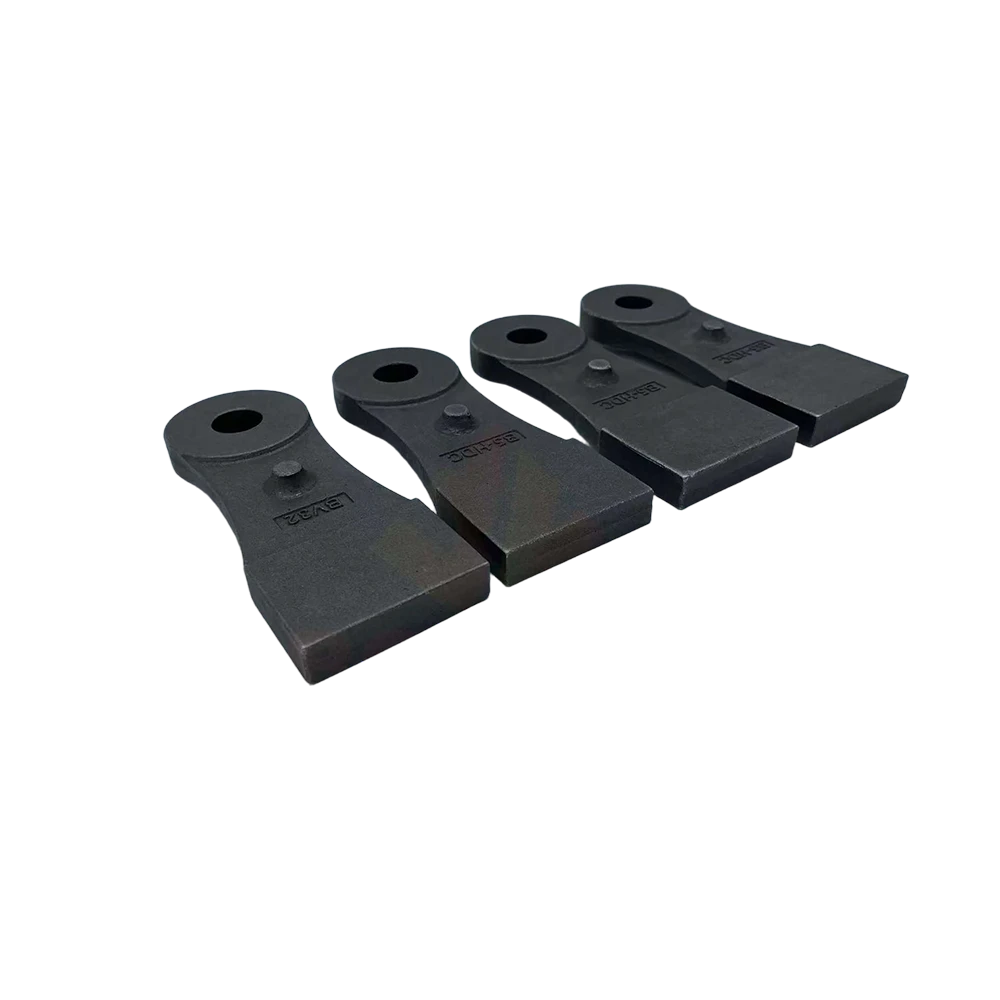
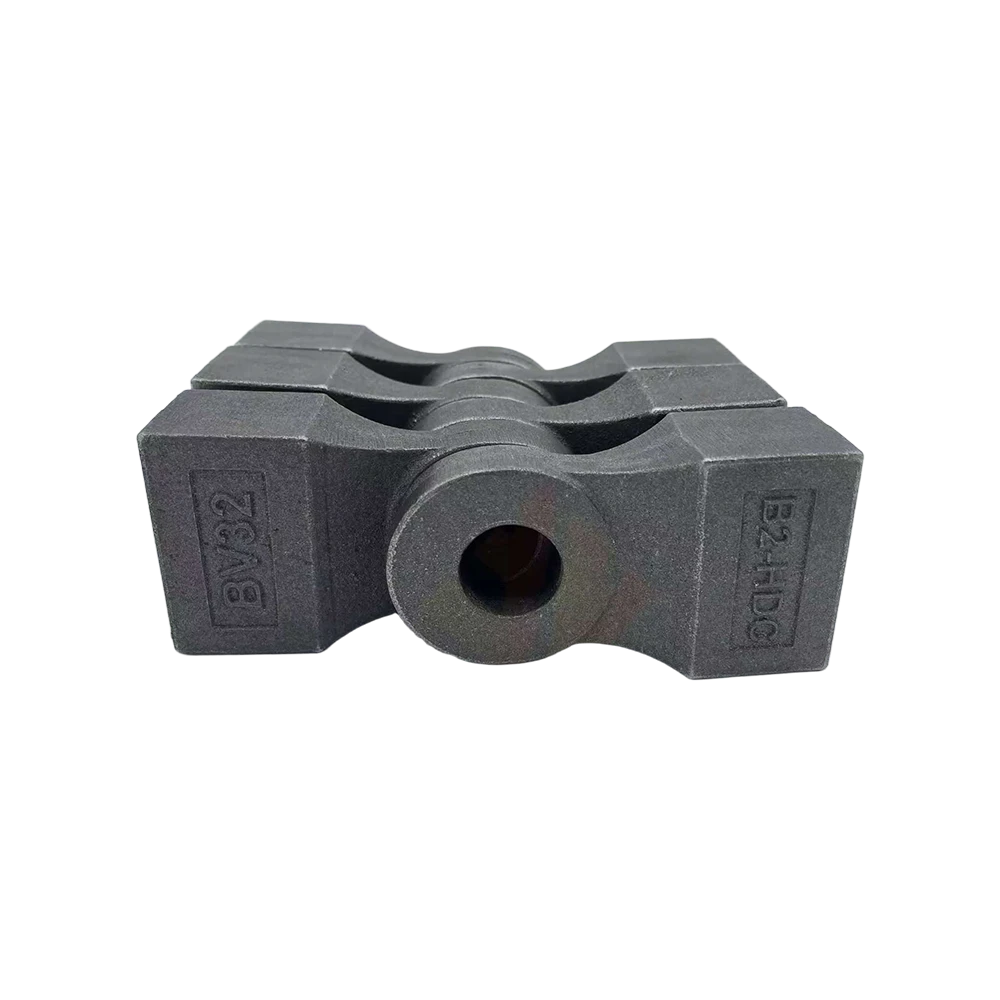
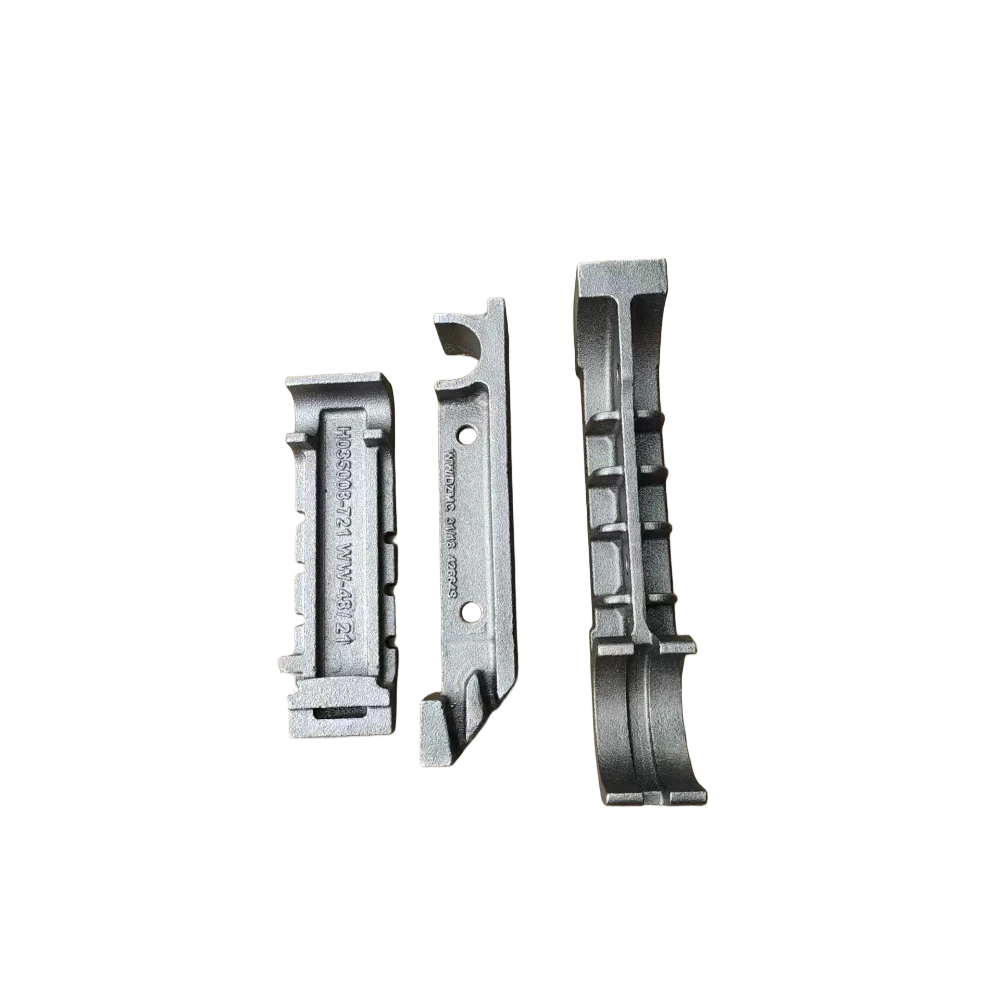
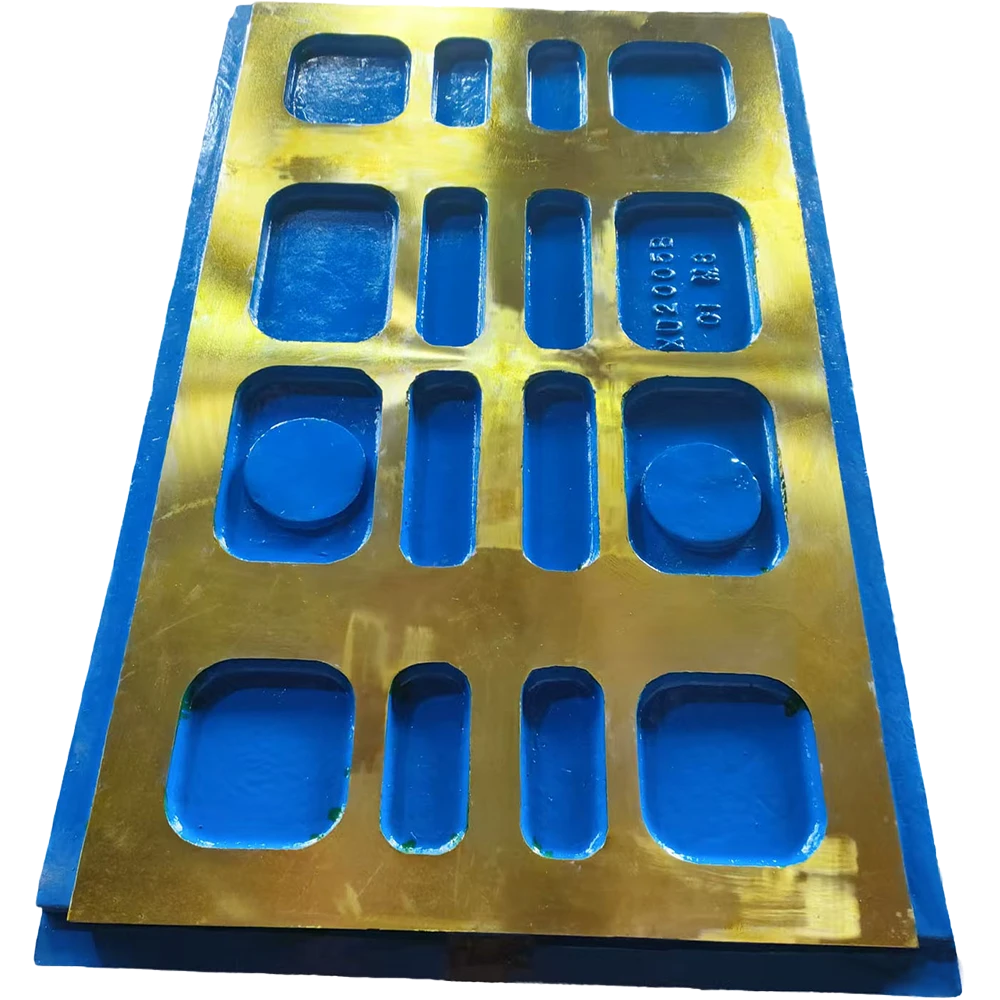
Having spent over a decade in the industrial equipment sector, especially around crushing machinery, I can tell you that crusher components tend to be the unsung heroes in heavy-duty operations. Oddly enough, most folks focus on the crushers themselves, but it’s really the parts underneath—the wear parts, the frames, eccentric shafts, and liners—that determine longevity and efficiency.
In many plants I’ve visited, proper selection and maintenance of these components directly translate into higher uptime and better throughput. The materials used, usually high manganese steel or super alloys for wear resistance, make a huge difference. It feels like a small difference on paper but in real terms translates to weeks, sometimes months, between part replacements.
One thing I’ve always found interesting is how customization often outperforms standard parts, especially when companies push machines harder. You know, adapting components to your specific feed material or plant environment—say iron ore versus construction rubble—can save you headaches down the line.
| Component | Material | Typical Lifespan | Function |
|---|---|---|---|
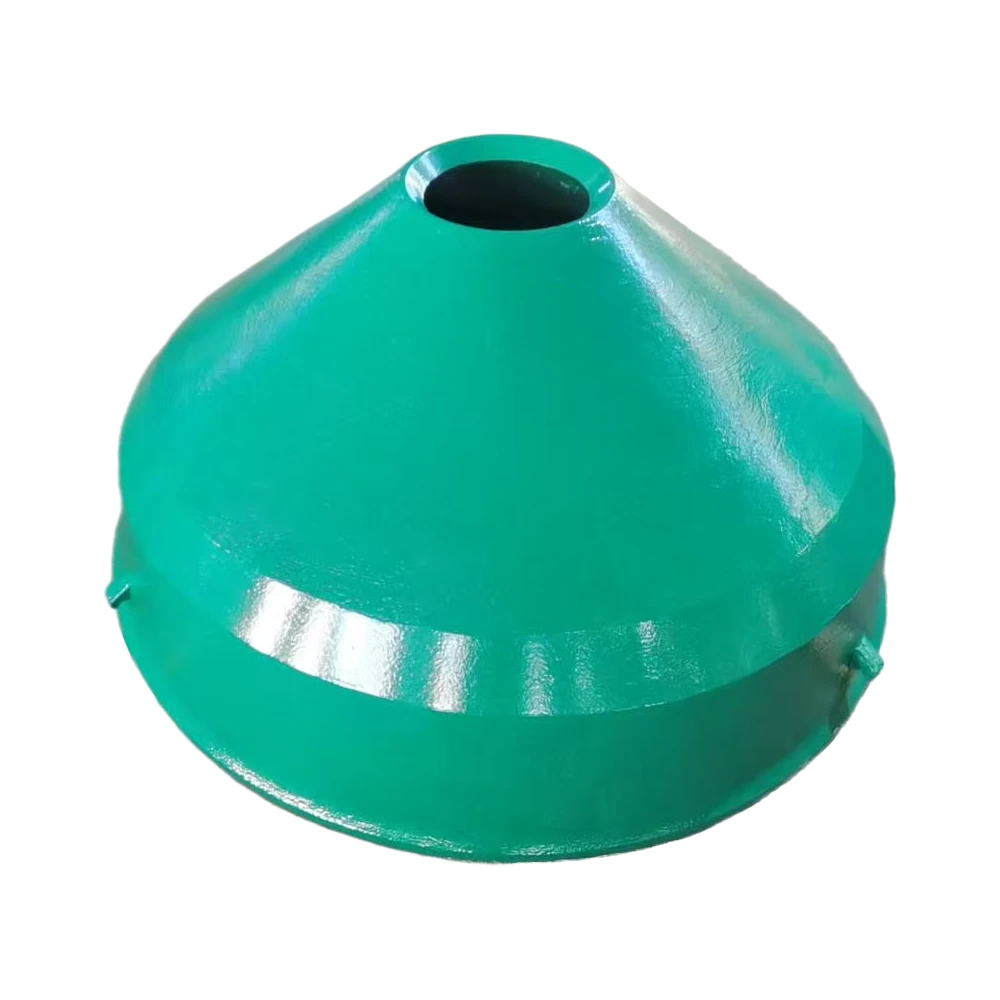
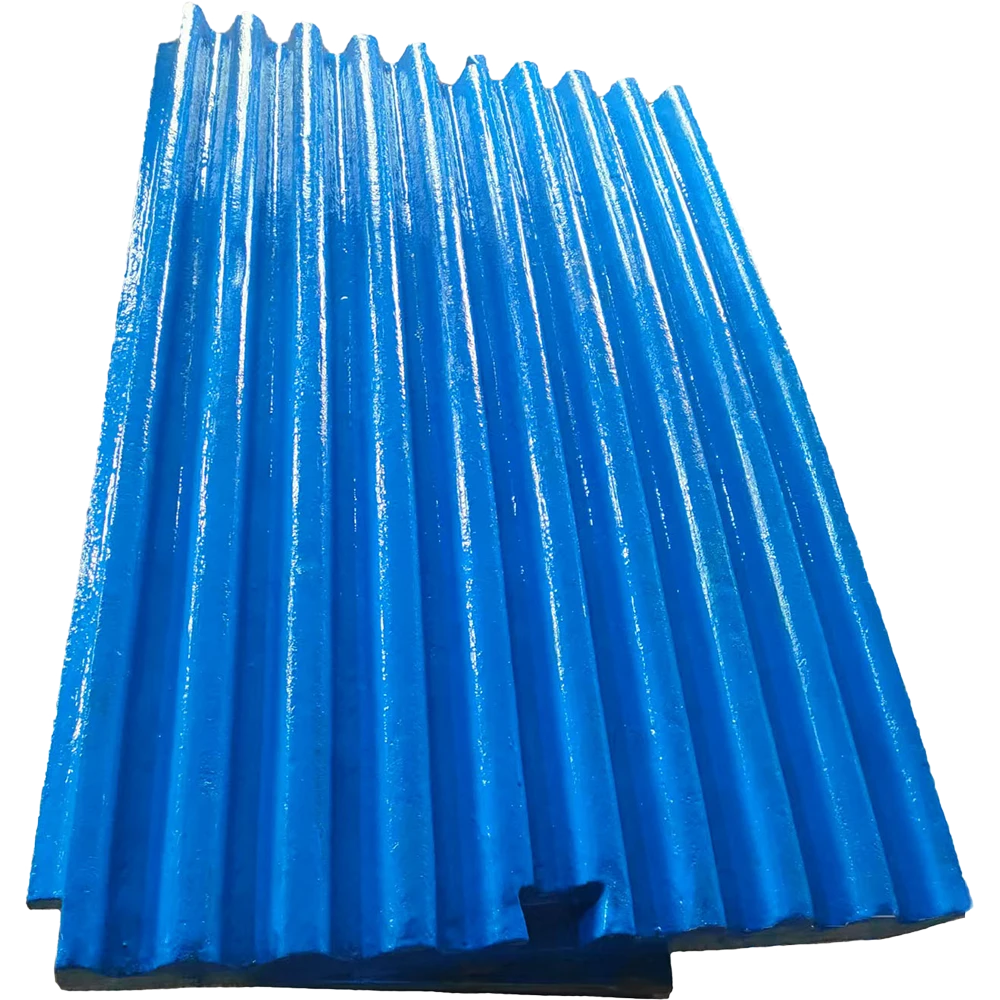
| Mantle & Concave Liners | High manganese steel (Mn 13-18%) | 3–6 months (depends on feed) | Crushing surfaces, wear protection |
| Eccentric Shaft | Forged alloy steel (e.g., 42CrMo) | 2–4 years | Drives gyrating motion |
| Crusher Frame | Cast steel or fabricated plate steel | 5 years or more | Structural support, alignment |
| Bearings & Seals | Chrome steel/ceramic options | 6 months–2 years (maintenance-dependent) | Rotational support, reduces friction |
Don’t get me wrong, sourcing these components isn’t always straightforward. There are a few big names in the industry, each with benefits and trade-offs. From my experience, it often comes down to service quality and lead times as much as technical specs.
| Vendor | Material Quality | Customization Options | Typical Lead Time | Service & Support |
|---|---|---|---|---|
| DZMC Casting | Premium high manganese steel alloys | Full tailor-made patterns & sizes | 4–6 weeks | Proactive technical consultation |
| ABC Wear Parts | Standard manganese steel castings | Limited size range | 3–5 weeks | Basic post-sale support |
| Global Components Co. | Varied steel grades, including ceramics | Custom orders available but pricey | 6–8 weeks | Extensive worldwide network |
Back when I was overseeing a plant upgrade, we worked with a vendor that couldn’t quite deliver on customized eccentric shafts quickly enough. Switching to a more responsive supplier made a clear difference — downtime dropped by nearly 25%. It’s anecdotes like this that really stick with me because, frankly, equipment specs don’t always tell the full story.
Testing and quality control also can’t be overlooked. Manufacturers who run non-destructive testing, magnetic particle inspection, or heat treatment certification usually produce parts that hold up better. I’ve seen “budget” parts fail prematurely and force emergency stops. That’s costly beyond the price tag—safety risks multiply, morale dips.
Ultimately, when you’re investing in crusher components, think of them as the backbone of your crushing system’s reliability. They’re not flashy, but they keep the wheels turning, literally and figuratively. You want crusher components that can take a beating and keep your operations humming smoothly.
In my experience, it’s worth partnering with suppliers who understand your operation’s nuances and provide solid after-sales and technical support—you’ll thank yourself down the road.
Takeaway: Don’t just look at crusher machines, focus deeply on selecting quality components—they’re what truly make or break your plant’s productivity.
- Mukherjee, S. “Wear Resistance in Crusher Liners,” Industrial Engineering Journal, 2019.
- Johnson, T. “Forging Quality Eccentric Shafts,” Heavy Machinery Digest, 2021.
- DZMC Casting official quality tests and certifications, dzmccasting.com.
-
High Performance oem cast heat resistant steel for Industrial UseNewsApr.16,2026
-
Guide to Selecting High Quality Cast Heat Resistant Steel AlloysNewsApr.09,2026
-
Custom Cast Heat Resistant Steel Solutions for High Temperature ApplicationsNewsApr.07,2026
-
Comprehensive Guide to Wholesale Cast Heat Resistant Steel for Industrial ApplicationsNewsApr.04,2026
-
Comprehensive Guide to High Performance Heat Resistant Metal Product SolutionsNewsMar.31,2026
-
Expert Guidance on Heat Resistant Metal Quotes and Alloy SelectionNewsMar.28,2026