Comprehensive Guide to Jaw Plate Material: Durability, Trends & Comparison
Understanding Jaw Plate Material: Why It Matters More Than Ever
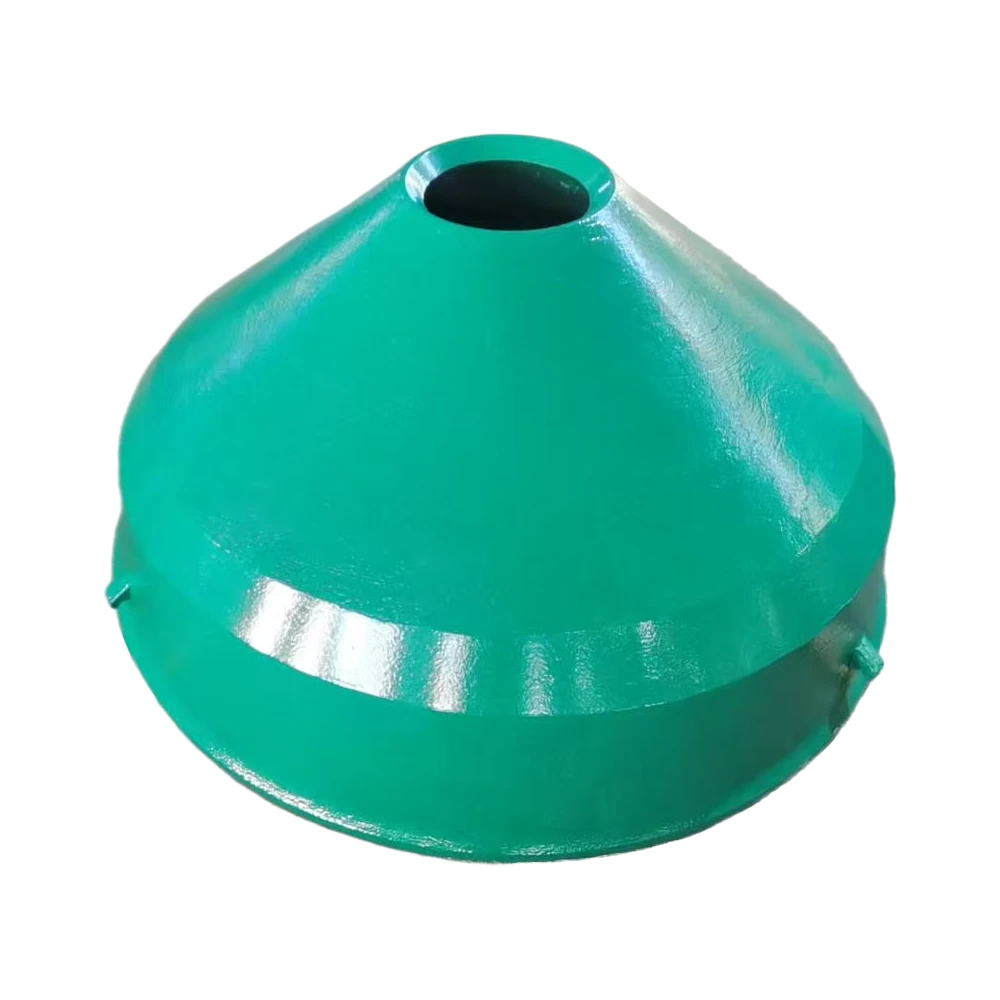
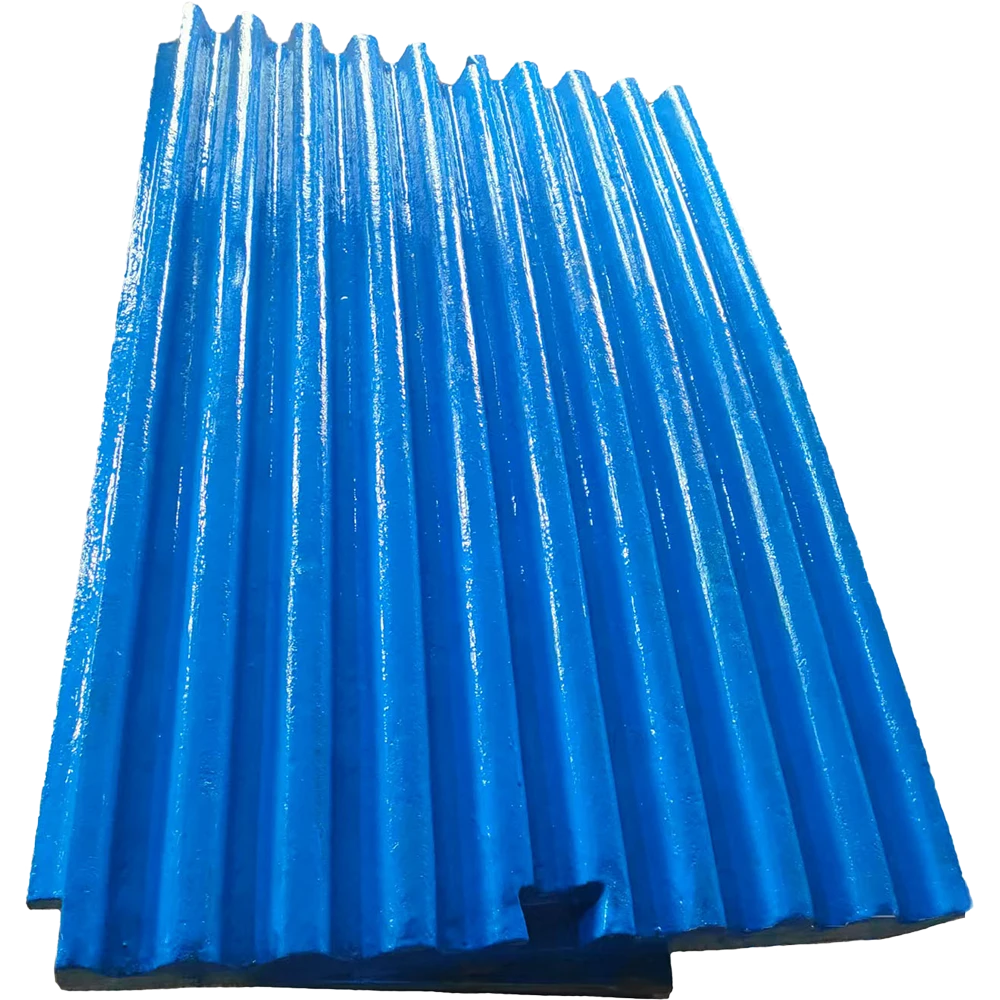
Jaw plate material might not be on your daily radar, but it plays a pivotal role in industries ranging from mining to construction worldwide. At its core, jaw plates are the tough surfaces inside crushers that literally bear the brunt of crushing rocks and ores. The choice of jaw plate material determines durability, efficiency, and overall performance on the job. As demand for raw materials surges globally, understanding these materials isn't just for engineers—it’s for anyone invested in modern infrastructure and resource extraction.
Globally, mining and quarrying contribute over 15% to the industrial sector’s GDP (source: UNIDO), and jaw plates are the unsung heroes that keep that momentum going. Selecting the right jaw plate material ensures machines work longer, safer, and more cost-effectively, ultimately impacting everything from the cost of your smartphone to the steel in skyscrapers.
The Global Context Behind Jaw Plate Material
Given the scale of industrial activity worldwide, the demand for reliable and high-performance crusher components is booming. For example, according to the World Bank’s recent data, global mineral extraction has increased steadily by roughly 1.5% annually over the past decade. That means jaw plates need to perform under more pressure, with less downtime, while handling harder and more abrasive materials.
Yet many industrial operations face a recurring challenge: jaw plate wear leads to unexpected breakdowns, costly replacements, and production bottlenecks. Globally, minimizing this downtime directly ties into sustainability goals too—reducing waste and energy use. This pushes engineers and manufacturers to explore innovative jaw plate material options that strike a balance between toughness and longevity.
Mini takeaway: Globally increasing industrial activity means jaw plate material must evolve to meet higher performance and sustainability demands.
What Exactly Is Jaw Plate Material?
Simply put, jaw plate material refers to the metal alloy composition used to make the crushing plates inside jaw crushers. These plates constantly grind and crush rocks and ores, which is a punishing job by any standard. Usually made of manganese steel or variations thereof, these materials are chosen for their unique ability to harden under impact, resist abrasive wear, and tolerate harsh conditions.
Beyond metallurgy, this material choice intersects with the needs of industries that rely on efficient and durable crushing equipment—be it mining companies extracting vital minerals or civil engineers supplying gravel for roadworks. In humanitarian contexts, reliable crushing materials help speed up construction of shelters or infrastructure after disasters.
Key Factors in Selecting Jaw Plate Material
Durability and Wear Resistance
One can’t overstate how important it is for jaw plates to resist wear. Abrasive materials like quartz-rich ores literally scrape the plates down. High manganese content alloys, sometimes with added chromium, improve resistance. Some modern plates boast wear lives up to 3x longer than traditional steel. Engineers often say it’s a game-changer for reducing downtime.
Impact Toughness
Jaw plates frequently undergo rapid impact from large stones. Too brittle a material and plates crack or chip, costing big bucks in repairs. Material scientists balance hardness and toughness to produce plates that absorb shock yet maintain shape.
Cost Efficiency
Of course, price matters. Exotic alloys offer fantastic longevity but can be 40–60% pricier upfront. Calculating total cost of ownership often favors premium materials because of fewer replacements. Knowing the right balance depends on application specifics — you wouldn’t fit the same material for crushing soft limestone as you would for iron ore.
Environmental and Regulatory Compliance
With growing global regulations to minimize environmental impact, some manufacturers now offer low-embodied energy alloys or recycled content materials. Compliance with ISO standards ensures that jaw plate material meets quality benchmarks while contributing to circular economy goals.
Mini takeaway: The best jaw plate material balances wear resistance, impact toughness, and cost—while aligning with environmental standards.
Practical Applications of Jaw Plate Materials Worldwide
Regions heavily reliant on mineral extraction like Australia, Brazil, and South Africa understandably prioritize advanced jaw plate materials to handle their diverse ores. In fact, some remote industrial zones in Canada have adopted specialized high-chrome manganese plates to extend crusher lifespans in cold climates.
Beyond mining, these materials feature in aggregate production for construction. For example, after the 2020 cyclone in Southeast Asia, rapid deployment of crushers with durable jaw plates sped up reconstruction by providing quick access to crushed stone.
Even humanitarian organizations have started considering modular crushing setups utilizing recycled steel jaw plates to build temporary roads and shelters efficiently in disaster zones.
Jaw Plate Material Specification Table
| Material Type | Composition | Hardness (HRC) | Wear Life | Cost Index | Typical Uses |
|---|---|---|---|---|---|
| High Manganese Steel | 12–14% Mn + Fe | 230–260 HV | Standard | Low | General Crushing |
| High Chrome Alloy | 18% Cr, 1.5% C | 650–700 HV | 3x Longer | Medium | Hard Ores |
| Carbon Steel (heat treated) | 0.3% C + Fe | 200–250 HV | Short | Very Low | Soft Materials |
Advantages and Long-Term Value of Quality Jaw Plate Material
- Cost Savings: Reduced maintenance frequency means big dollar savings on labor and replacement costs.
- Operational Reliability: Less breakdown risk means smoother workflows and higher throughput.
- Environmental Impact: Longer life spans reduce waste and energy consumption from manufacturing replacements.
- Safety: Stronger materials reduce failure risks that can threaten operator safety.
- Social Impact: Reliable mineral processing supports jobs and local economies, sometimes in vulnerable regions.
Leading Vendors Compared: A Quick Snapshot
| Vendor | Material Types Offered | Customization Options | Global Presence | Lead Time | Warranty |
|---|---|---|---|---|---|
| DZMC Casting | Manganese, High Chrome | Yes, precise tailoring | Asia, Americas, Africa | 4-6 weeks | 12 months |
| GlobalSteelTech | Carbon Steel, Manganese | Limited | Europe, Asia | 3-5 weeks | 6 months |
| OreMax Solutions | High Chrome | Yes, alloy blends | North America | 6-8 weeks | 18 months |
Emerging Trends and Innovations in Jaw Plate Material
Quite frankly, the future looks both promising and complex. Researchers are currently experimenting with nanostructured coatings that add an extra wear-resistant layer atop traditional alloys. There’s also movement toward environmentally friendly alloys made from recycled metals, aligned with ISO 14001 sustainability goals.
Digital monitoring integrated into crushers helps operators predict wear in real-time and schedule replacements just in time—minimizing waste and unexpected failures. Automation and AI in materials science might soon customize jaw plate alloys based on the specific rock profile you feed your crusher daily. It’s a bit like custom-fitting armor for your machines.
Challenges in Using Jaw Plate Material and How to Address Them
One ongoing challenge is balancing toughness and hardness without sacrificing one for the other. Some suppliers cut corners with cheaper materials that initially look good but fail prematurely. Proper quality control, material certification, and choosing vendors wisely can prevent this. I also noticed that customized solutions, though initially costly, tend to pay back quickly in reliability.
Another concern is sourcing materials with lower environmental impact. Thankfully, some manufacturers are adopting circular economy principles—recycling scrap jaws into new plates without losing strength. Industry collaboration on standardizing wear testing also helps users make better-informed choices.
Frequently Asked Questions About Jaw Plate Material
- Q: How long do jaw plates typically last before replacement?
- A: Lifespan varies widely based on material and application. Standard manganese steel plates may last several months under heavy use, while high-chrome or customized alloys can last up to three times longer, cutting down downtime significantly.
- Q: Can jaw plates be customized for specific crusher models?
- A: Absolutely. Many vendors, including DZMC Casting, offer tailored designs and alloys to match crusher dimensions and material characteristics, improving efficiency.
- Q: Are high chrome jaw plates more expensive?
- A: They are pricier upfront, typically 30–50% more than manganese steel, but their extended wear life often results in lower total cost over time.
- Q: What environmental standards should I look for in jaw plate materials?
- A: Look for compliance with ISO 14001 and certifications covering recycled content. Some producers highlight low embodied energy manufacturing processes as well.
Wrapping Up: Why Jaw Plate Material Deserves Your Attention
So, why should you care about jaw plate material? Because these seemingly humble components silently keep the gears of industry turning—from the tiniest grain of sand to massive construction projects. Choosing the right material can save money, protect the environment, and ensure steady industrial progress. Trusted vendors like DZMC Casting offer expertise that extends beyond just selling parts—they partner in your success.
For those curious to dive deeper or explore your options, I recommend visiting their website for detailed product info and expert advice.
References
- UNIDO Industrial Development Report, 2022 - unido.org
- World Bank Data on Mineral Extraction, 2023 - data.worldbank.org
- ISO Environmental Management Standards - iso.org
-
High Performance oem cast heat resistant steel for Industrial UseNewsApr.16,2026
-
Guide to Selecting High Quality Cast Heat Resistant Steel AlloysNewsApr.09,2026
-
Custom Cast Heat Resistant Steel Solutions for High Temperature ApplicationsNewsApr.07,2026
-
Comprehensive Guide to Wholesale Cast Heat Resistant Steel for Industrial ApplicationsNewsApr.04,2026
-
Comprehensive Guide to High Performance Heat Resistant Metal Product SolutionsNewsMar.31,2026
-
Expert Guidance on Heat Resistant Metal Quotes and Alloy SelectionNewsMar.28,2026