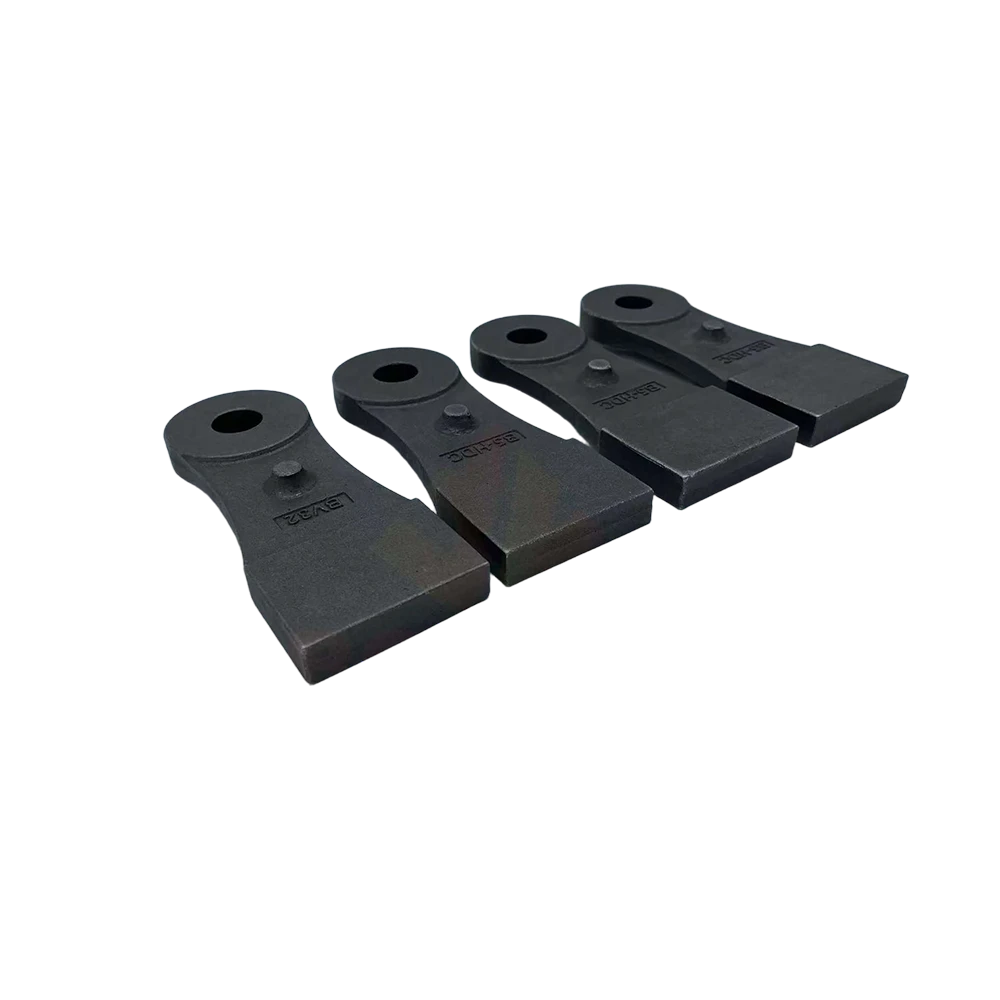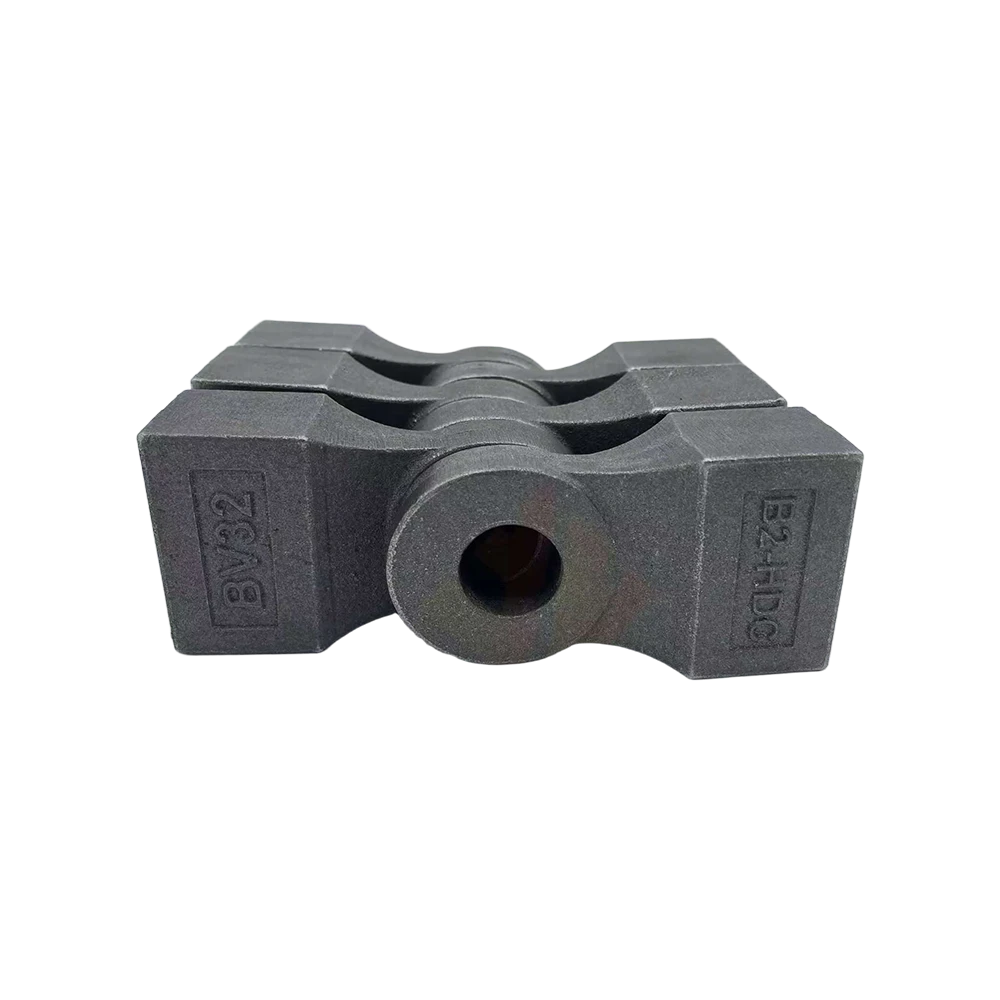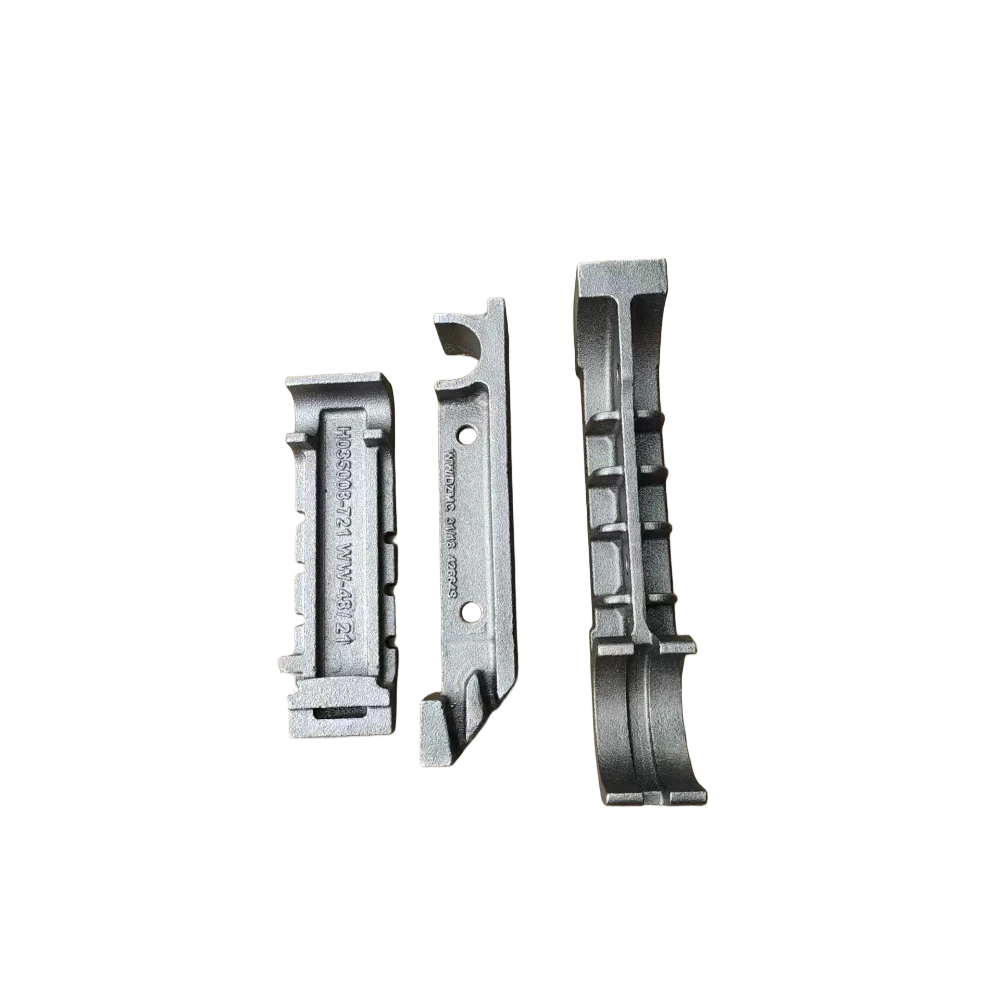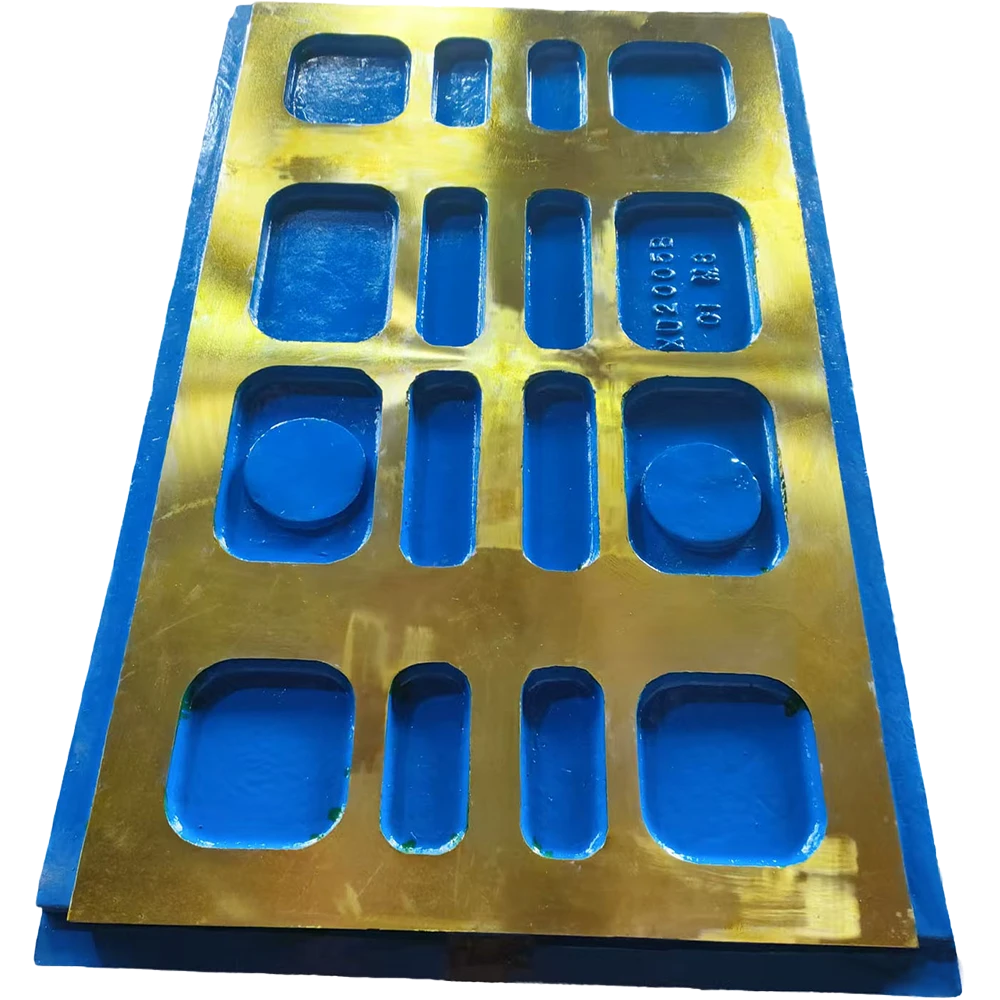
Jaw Crusher Plate Material Composition Explained: Key Benefits & Industry Insights
Understanding Jaw Crusher Plate Material Composition: Why It Matters Today
Whether you’re in mining, construction, or recycling, the jaw crusher plate material composition is an unsung hero in the crushing process. At first glance, it might sound niche, but when you think about the volume of rock, ore, or rubble breaking down globally every hour, material choice matters — a lot. The right composition reduces downtime, increases productivity, and even affects environmental sustainability.
By grasping what goes into these plates, manufacturers and operators can significantly boost machine lifespan, optimize costs, and even improve safety in harsh environments. Considering the scale — nearly a billion tons of crushed material yearly worldwide — making smart decisions about jaw crusher materials is no minor detail.
The Global Context: Why Jaw Crusher Plates Are a Big Deal
Globally, the crushing equipment industry is a key backbone for infrastructural growth. According to the ISO and UN data, mining and aggregates contribute trillions in economic output, while construction activities continue expanding rapidly, especially across developing regions of Asia and Africa.
Yet the industry faces a persistent challenge: abrasive wear and fatigue on crusher plates. The material composition of jaw crusher plates directly affects their durability, maintenance downtime, and operational efficiency. Think about it: a high-wear plate means more frequent replacements and costly interruptions.
This creates a ripple effect — from project delays to budget overruns, and even environmental costs linked to material waste. Hence, engineers and operators worldwide obsess over the fine balance between strength, toughness, and cost-efficiency in these essential components.
Mini takeaway:
- Jaw crusher plate material composition impacts machine life and productivity.
- Global infrastructure growth pushes demand for longer-lasting crushing materials.
- Choosing the right material reduces operational costs and environmental waste.
What Exactly Is Jaw Crusher Plate Material Composition?
Simply put — the jaw crusher plate material composition refers to the chemical and structural makeup of the steel or alloy used for manufacturing jaw crusher plates. These plates are the heavy-duty, wear-resistant parts that crush rocks by compressive force.
The best compositions balance hardness (to resist abrasive wear) and toughness (to avoid brittle failure). Producers leverage different steel grades, carbon content, manganese percentages, and even microalloying elements to tailor their performance.
This science is not just about brute strength but a smart trade-off between physical forces and machine efficiency. It’s a perfect example of modern metallurgy meeting practical problems in mining, quarrying, and recycling.
Mini takeaway:
- Composition balances hardness and toughness for effective crushing.
- Manganese, carbon, and steel grades are key factors.
- Material science directly influences durability and performance.
Key Components of Jaw Crusher Plate Material Composition
1. Manganese Content
Manganese steel (often 12-14% Mn) makes plates highly resistant to impact and work-hardening. It’s what gives the plates their signature toughness and abrasion resistance. However, too much manganese can make the steel brittle during casting if not handled properly.
2. Carbon Percentage
Carbon affects hardness and wear resistance. Typical ranges hover around 0.5% to 1.2%. Higher carbon increases hardness but reduces toughness. The ideal balance depends on operational requirements — softer materials might be forgiving but wear faster, whereas harder ones last longer but risk cracking.
3. Microalloying Elements
Elements like chromium, nickel, and molybdenum are often added to improve corrosion resistance, toughness, or strength. These alloys also influence weldability and heat treatment efficacy.
4. Heat Treatment Process
Even the best alloy composition won’t perform if heat treatment is subpar. Proper quenching and tempering optimize the steel’s microstructure, ensuring longevity and performance under cyclic crushing stress.
5. Plate Geometry & Surface Hardening
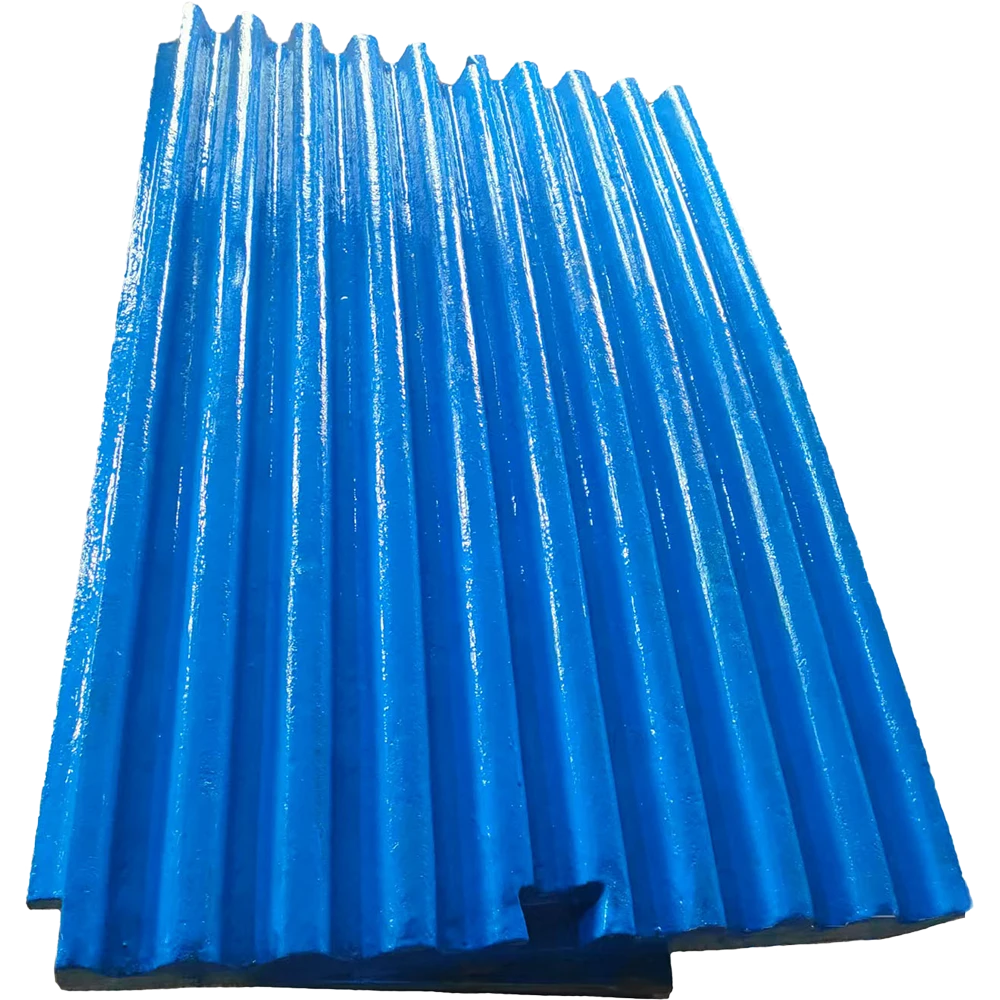
Material composition works synergistically with physical design — raised or corrugated patterns and surface hardening techniques (like carburizing) can extend effective life and improve crushing efficiency.
Mini takeaway:
- Manganese and carbon content are stress points for balancing properties.
- Microalloys fine-tune corrosion and toughness.
- Heat treatment and design enhance real-world durability.
Global Applications & Industry Use Cases
The jaw crusher plate material composition finds its way into multiple sectors:
- Mining: Processing ores like bauxite, copper, and iron requires plates that withstand both abrasion and impact in often remote, tough environments.
- Construction: Aggregate production for roads, bridges, and buildings relies on crushers that can handle variable stone hardness and repeated cycles without failure.
- Recycling: Crushing concrete and demolition waste benefits from wear-resistant plates that reduce downtime and contamination.
- Disaster Relief: In post-disaster relief operations, mobile crushing units rely on durable plates to recycle rubble quickly and safely in remote or infrastructure-poor zones.
For instance, a steel plant in South Africa reported a 30% reduction in replacement frequency after switching to a high manganese content jaw plate — showing how tailored composition saves costs.
Mini takeaway:
- Widely used across tough industries from mining to emergency relief.
- Effective plate composition adapts to highly variable environments.
- Improves both safety and operational continuity.
Jaw Crusher Plate Material Specification at a Glance
| Specification | Typical Range | Importance |
|---|---|---|
| Manganese (%) | 12–14% | Increases work-hardening and toughness |
| Carbon (%) | 0.5–1.2% | Controls hardness and wear resistance |
| Chromium (%) | 0.3–1% | Improves corrosion resistance and strength |
| Heat Treatment | Quenching & Tempering | Enhances microstructure & durability |
| Operating Environment | Abrasive, Impact-Loaded | Influences wear and fatigue factor |
Comparing Leading Jaw Crusher Plate Vendors
| Vendor | Typical Material Composition | Pricing | Lead Time | Warranty |
|---|---|---|---|---|
| DZM Crushing Solutions | Manganese Steel 13%, Carbon 1% | Competitive | 2 Weeks | 12 Months |
| SteelWear Corp. | Manganese 14%, Carbon 0.9% | Premium | 3-4 Weeks | 18 Months |
| EduMetals Ltd. | Carbon Steel 1.2%, Chromium 0.5% | Budget | 1 Week | 6 Months |
Advantages & Long-Term Value of Optimal Jaw Crusher Plate Composition
Investing in the right composition isn’t just a technical choice; it’s good business with social and environmental dividends.
- Cost Efficiency: Fewer replacements and less downtime translate directly into budget savings.
- Sustainability: Longer-lasting plates mean less scrap, reduced manufacturing emissions, and lower resource consumption.
- Reliability & Safety: Durable materials lower the risk of catastrophic plate failure — safeguarding operators and equipment.
- Innovation & Trust: Operators trust suppliers who use cutting-edge material science, which fosters continuous improvements.
Exploring Future Trends in Jaw Crusher Plate Materials
Looking ahead, the industry is slowly integrating green metallurgy and smart alloys that combine wear resistance with recyclability. Digital tracking of plate wear through IoT sensors is another frontier, allowing proactive maintenance and avoiding unexpected failures. Automation in casting and heat treatment processes promises even more consistent quality, while development of composite materials may redefine plate performance.
Challenges & Practical Solutions
Despite advances, common challenges persist—balancing hardness and toughness is tricky, and quality control in casting manganese steel can be inconsistent. Thermal stresses lead to cracks, and poor heat treatment can sabotage otherwise optimal compositions.
Experts advise rigorous testing and partnering with experienced vendors who understand both metallurgy and on-site demands. Customized alloy formulations, alongside modern surface hardening techniques, are becoming standard solutions.
FAQs About Jaw Crusher Plate Material Composition
- Q1: What is the ideal manganese content for jaw crusher plates?
- A: Typically, 12–14% manganese creates a good balance. This level delivers excellent impact resistance and work hardening to extend plate lifespan without excessive brittleness.
- Q2: Why can't we use just any steel for crusher plates?
- A: Ordinary steel lacks the wear resistance and toughness needed. In crushing environments, too soft materials wear quickly, while some harder steels can crack under impact loads.
- Q3: How does heat treatment influence plate durability?
- A: Proper quenching and tempering align the microstructure to optimize strength and toughness, reducing shrinkage cracks and improving wear resistance.
- Q4: Are higher carbon levels better for wear resistance?
- A: Increased carbon hardens the plate but makes it more brittle. The trick is to find a balance that doesn't sacrifice toughness or increase cracking risk.
- Q5: Can I find eco-friendly jaw crusher plates?
- A: Yes, eco-friendly options focus on recyclable alloys, reduced waste in manufacturing, and longer plate life — all reducing environmental impact.
Wrapping It Up: Your Next Step in Choosing Jaw Crusher Plates
Understanding the jaw crusher plate material composition opens the door to smarter procurement, better machine uptime, and reduced costs. It’s clear that material science isn’t some abstract lab thing but a real-world advantage.
If you are looking to upgrade or replace your crusher components, investing time in evaluating material composition and vendor expertise is money well spent. For tailored consulting and quality manganese steel plates, visit DZM Casting — they combine experience, competitive pricing, and solid warranties, a rare mix in today’s market.
In the end, a jaw crusher plate might seem a small player, but it carries the weight of entire industries forward.
References
-
High Performance oem cast heat resistant steel for Industrial UseNewsApr.16,2026
-
Guide to Selecting High Quality Cast Heat Resistant Steel AlloysNewsApr.09,2026
-
Custom Cast Heat Resistant Steel Solutions for High Temperature ApplicationsNewsApr.07,2026
-
Comprehensive Guide to Wholesale Cast Heat Resistant Steel for Industrial ApplicationsNewsApr.04,2026
-
Comprehensive Guide to High Performance Heat Resistant Metal Product SolutionsNewsMar.31,2026
-
Expert Guidance on Heat Resistant Metal Quotes and Alloy SelectionNewsMar.28,2026