Understanding the Jaw Plate HS Code: Global Trade Essentials for Crushers and Mining
The Global Importance of the Jaw Plate HS Code
If you've ever dived into the labyrinth that is international shipping or customs clearance, you know stuff can get complicated fast. One such seemingly obscure but actually crucial element is the jaw plate HS code. At face value, it’s just a number. Yet, it acts as a universal language for identifying this essential mining and crushing component worldwide. Knowing it well can save you headaches, delays, and even unexpected tariffs.
Globally, billions of tons of minerals and aggregates pass through crushing equipment every year. Jaw plates—the replaceable, wear-resistant components in crushers—bear the brunt of this industrial heavy lifting. Properly classifying them via HS codes ensures smooth trade flows, fair taxation, and compliance with regulations in every port or customs checkpoint you hit.
How does it really matter? Well, supply chains intertwine globally, and a jaw plate shipped from China to South Africa might hit numerous borders governed by strict import rules. Misclassify it or miss the right jaw plate hs code, and you’re in for fines or delays that ripple downstream.
Mini takeaway: Even this modest-looking numeric code wields enormous influence in making global trade of jaw plates safe, efficient, and transparent.
Jaw Plate HS Code: What Is It Exactly?
The Harmonized System (HS) Code is an internationally standardized set of numbers used to classify traded products. When we speak about the jaw plate HS code, we’re referencing the specific identifier used to categorize jaw plates within this global tariff and customs framework. It's a subset of the broader HS system maintained by the World Customs Organization (WCO).
In simple terms: the code helps customs officials and traders speak the same language about what exactly is being shipped. Instead of vague descriptors, a six- to ten-digit number spells out the product’s nature, material composition, and intended use. This system aligns with the Universal Customs Tariff and tightens international trade rules so everyone — importer, exporter, broker — plays by the same rulebook.
Given jaw plates’ role in crushing raw materials in mining, construction, and recycling, having a clear HS code is vital. It’s not only about fines or taxes but also safety standards. Certain codes trigger environmental or quality checks designed for heavy-duty steel components.
Mini takeaway: The jaw plate HS code is a global "barcode" for customs and trade, ensuring jaw plates are classified precisely and consistently worldwide.
Key Components Behind the Jaw Plate HS Code
1. Material Composition
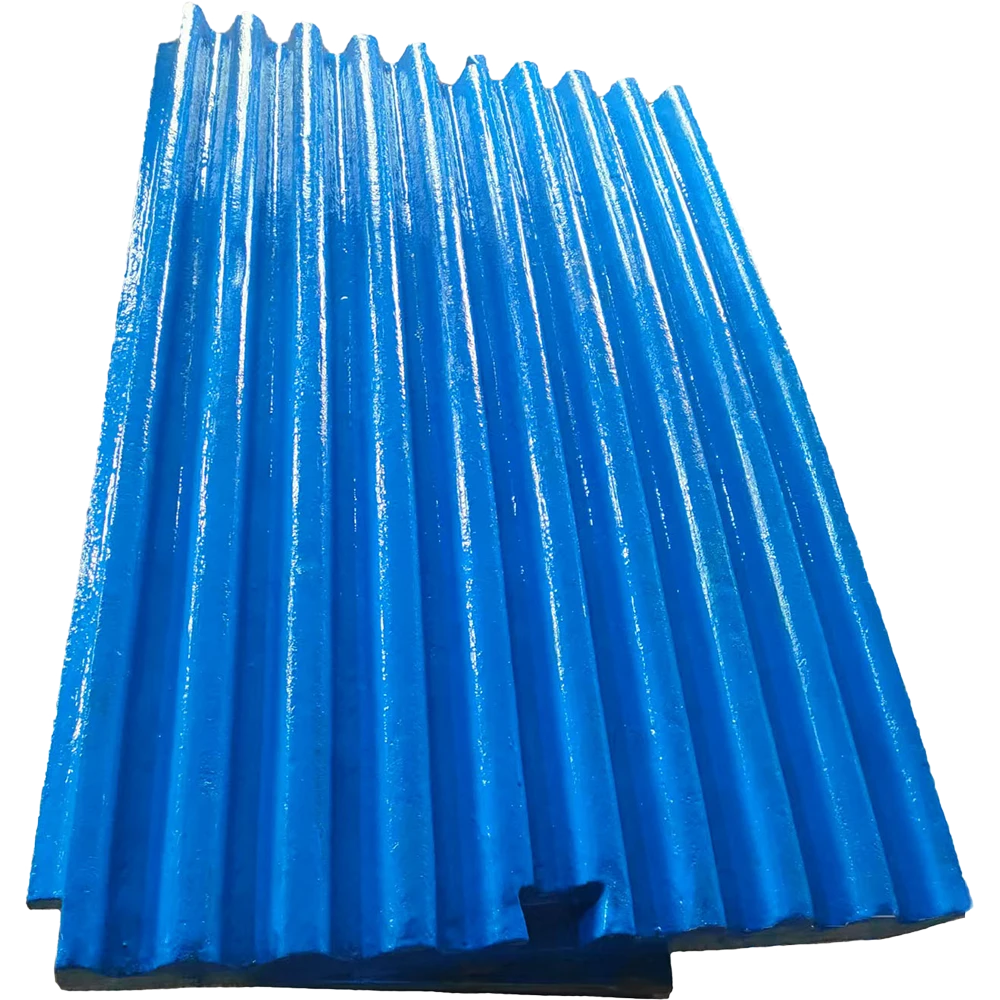
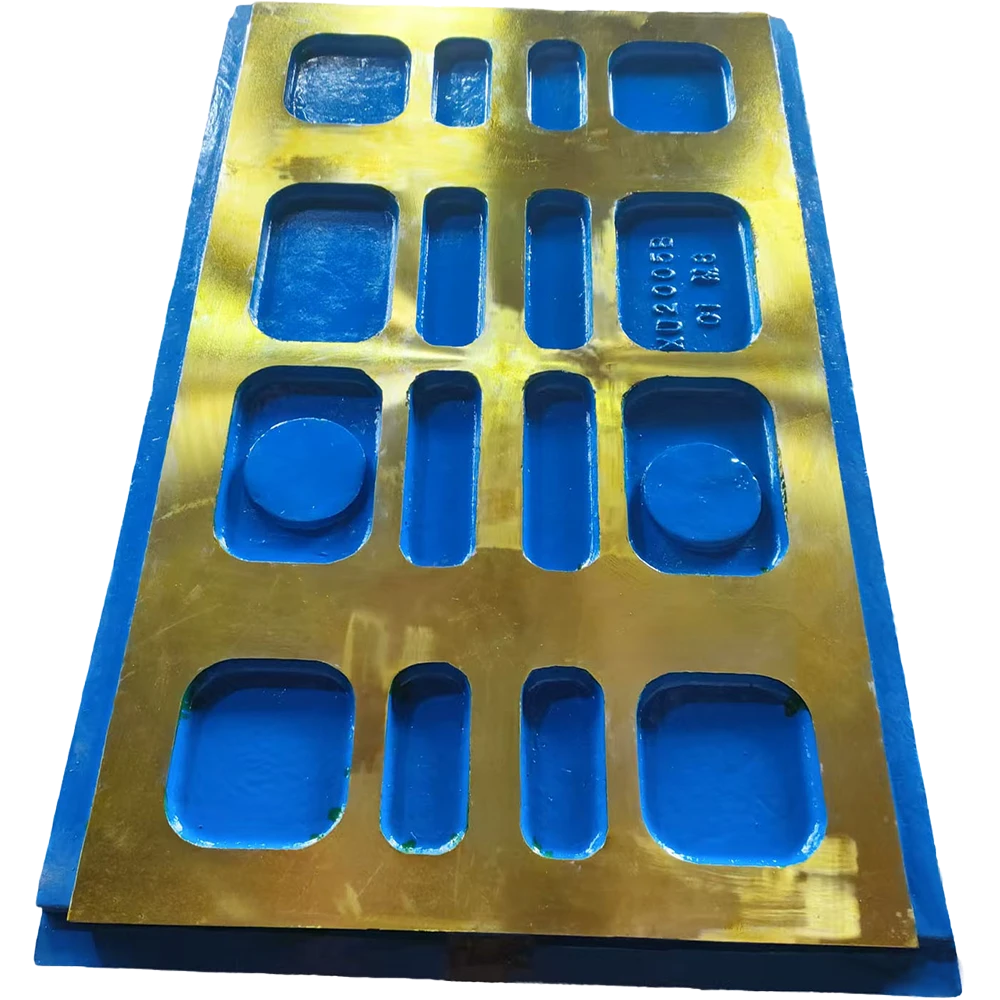
Jaw plates typically consist of high-manganese steel or other wear-resistant alloys. The selected material determines which HS code applies because tariffs and import restrictions may vary depending on whether metals are classified as cast iron, alloy steel, or other subgroups. This nuance matters since the same-shaped part made from different metals falls under different codes.
2. Functional Classification
Jaw plates are considered machine parts designed to withstand intense mechanical stress. Their classification depends on whether they are sold independently or as part of a crusher. Most countries want separate codes for parts to avoid confusion and to regulate maintenance supply chains properly.
3. Size & Weight Markings
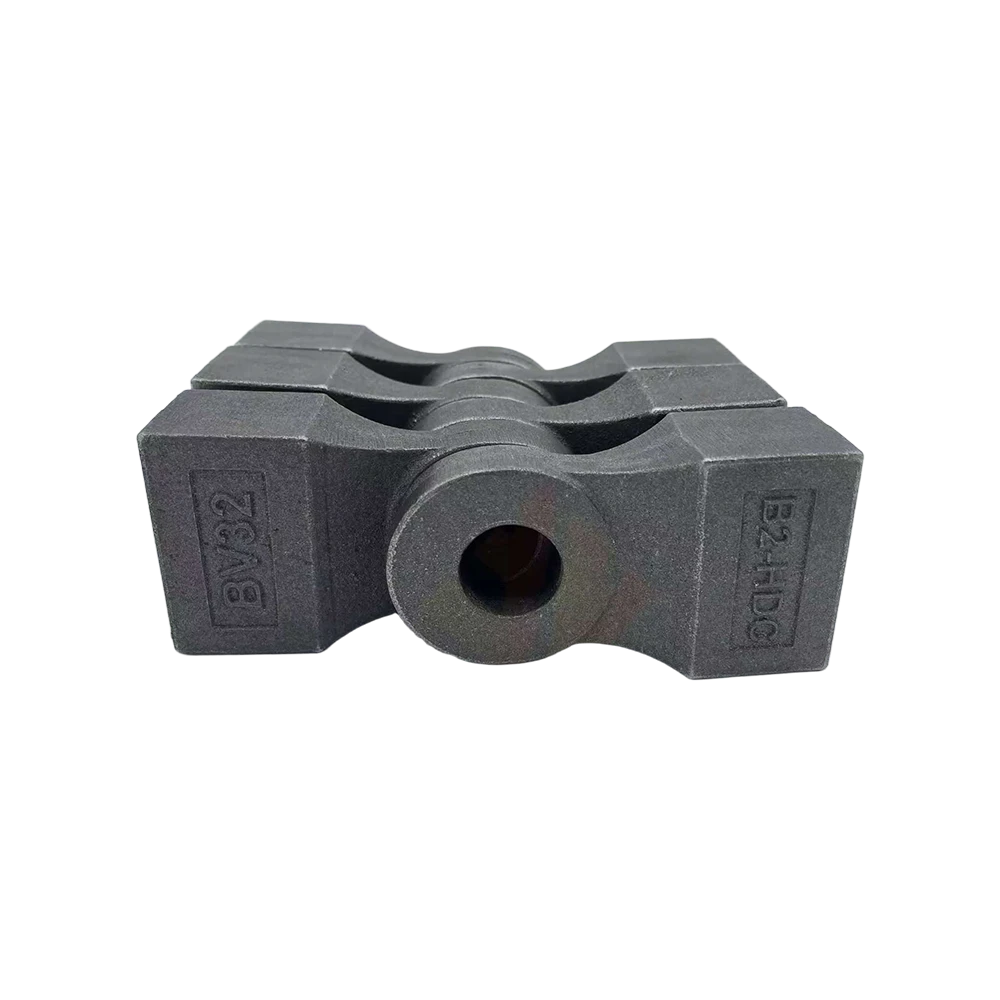
While usually less relevant for HS codes, some jurisdictions factor in size or weight thresholds when classifying machinery parts. This can affect customs duties or permit requirements.
4. Tariff Harmonization
Because jaw plates enter many ports globally, the HS code must harmonize with local free trade agreements and regional trade pacts (like ASEAN, NAFTA/USMCA). The correct code facilitates tariff reductions or exemptions aligned with those agreements.
Mini takeaway: Material, function, and international agreements all influence the precise jaw plate HS code that’s applied. It’s rarely a one-size-fits-all scenario.
Real-World Uses and Applications
The jaw plate isn’t some fixed, static item—it’s a hard-working player in industries that move the world’s infrastructure. Mining outfits in Australia, quarry operators in Brazil, and recycling plants in Europe all rely on these parts. With jaw plate HS codes in hand, companies can import and export spare parts quickly, minimizing costly crusher downtime during peak operations.
In remote industrial zones like West Africa’s mineral belt, timely shipment of wear parts like jaw plates determines project viability. NGOs involved in infrastructure rebuilding even use these codes to source parts across borders without red tape—think restoring road-building machinery after natural disasters or conflicts.
Example:
- South African mining corporation imports replacement jaw plates under the correct HS code to ensure zero delay during monsoon season.
- European crusher manufacturer uses HS codes to streamline cross-border shipments to clients in the Middle East.
- Charity organizations leverage these codes to procure spare parts for disaster relief constructions overseas.
Mini takeaway: Globally, the jaw plate HS code powers the supply chains that keep vital crushing operations rolling—often in tough conditions.
Jaw Plate Technical Specifications in Brief
| Specification | Typical Range | Notes |
|---|---|---|
| Material | High-Manganese Steel (14-18% Mn) | Wear-resistant alloy essential for durability |
| Thickness | 20-50 mm | Depends on crusher model and jaw size |
| Weight | 10-150 kg | Varies by dimension and manufacturer |
| Hardness | 220-270 HB (Brinell) | Indicative of wear resistance |
| Surface Treatment | Heat treated or quenched | Enhances lifespan |
Vendor Comparison: Jaw Plate HS Code Implementation
| Vendor | HS Code Accuracy | Customs Support | Documentation Quality | Global Reach |
|---|---|---|---|---|
| Vendor A | Excellent | 24/7 Customs Consultancy | Highly Detailed | North America, Europe |
| Vendor B | Good | Standard Support Hours | Sufficient | Asia, Africa |
| Vendor C | Moderate | Limited | Basic Documentation | Local Only (South America) |
Advantages of Using the Correct Jaw Plate HS Code
Getting the HS code right isn’t just bureaucratic busywork. It pays off in practical and long-lasting ways.
- Cost control: Avoid overpaying customs fees or facing unexpected penalties.
- Faster clearance: Shipments move through customs with minimal delays, especially critical for parts needed urgently in operations.
- Enhanced compliance: Reduce legal risks by adhering to local and international trade laws.
- Sustainability alignment: Correct classification can support tracking of environmental standards applied to materials sourcing.
- Trust & transparency: Builds stronger buyer-seller relationships across global supply chains.
From a personal perspective, many engineers I’ve spoken to say that understanding these nuances — or having someone on the team who does — feels like a silent productivity booster in the background. It’s those little efficiencies that compound.
Future Trends in Jaw Plate Classification and Trade
The landscape isn’t set in stone. As digital customs systems improve, automated classification using AI is increasingly on the horizon. This could reduce human errors in assigning jaw plate HS codes.
Additionally, the push for greener materials and sustainability audits tied to HS codes means tomorrow’s jaw plates might be grouped differently if made with recycled metals or new alloys.
There’s also growing lobbying for tariff simplification in global free trade zones, which would dramatically smooth cross-border machinery parts shipping.
Look out, too, for blockchain-led trade documentation transparency initiatives where the HS code is linked directly to digital certificates and provenance records.
Common Challenges and Expert Solutions
One big headache is inconsistent interpretation of HS codes by customs agents. This can cause delays or disputes. Keeping precise technical documentation and keeping updated with local trade databases can help here.
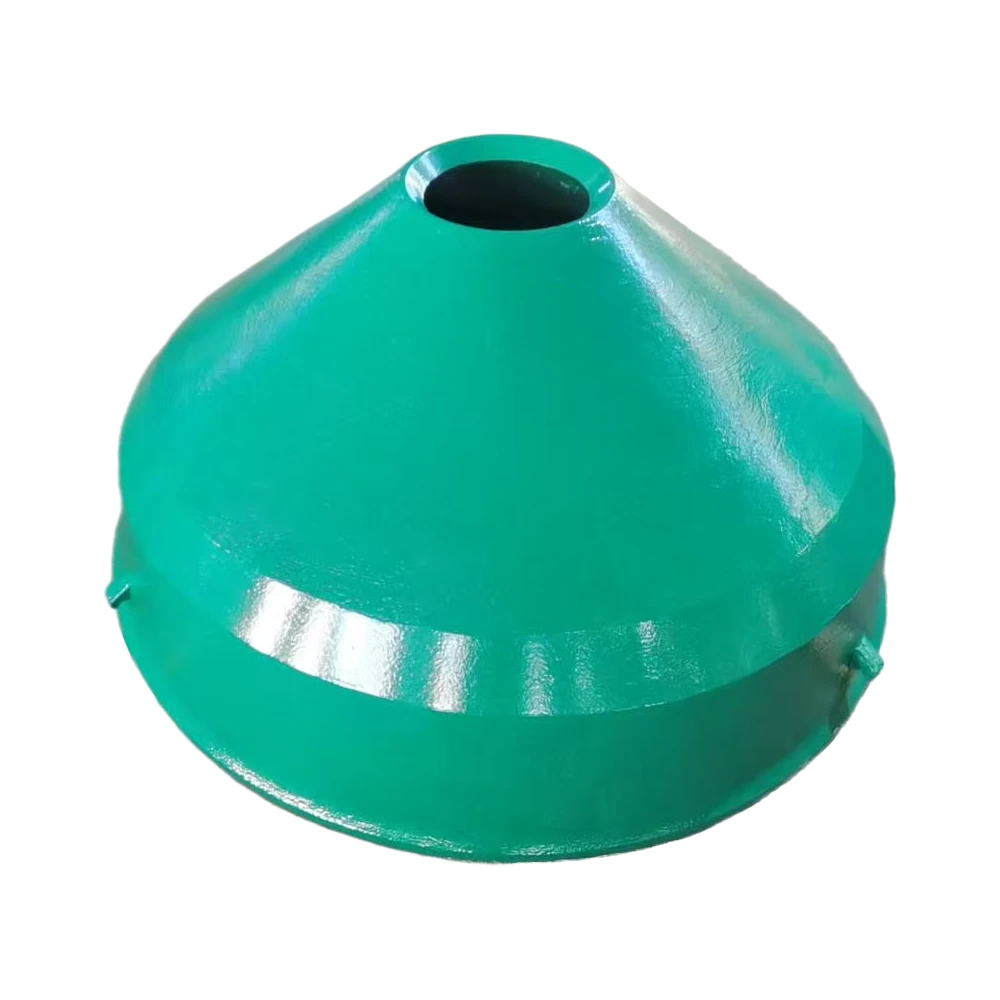
Another challenge is the sheer variety of crusher models and their parts, which complicates the coding process. Industry groups often advocate for expanding HS code subcategories to be more granular and logical.
Worth a try: partnering with seasoned freight forwarders or customs experts who specialize in mining machinery to glide through the paperwork maze.
FAQs About Jaw Plate HS Code
- Q: How do I find the correct jaw plate HS code for my product?
- A: Begin by checking the World Customs Organization’s HS system and your country’s customs database. Consult with your supplier or freight forwarder who often provide the relevant code based on material and intended use.
- Q: Is the HS code same worldwide for jaw plates?
- A: The base HS codes are internationally harmonized up to six digits. Beyond that, countries add extra digits for further classification. So, it’s broadly consistent but varies in detail and tariffs.
- Q: Can an incorrect HS code delay my shipment?
- A: Absolutely. Customs may hold shipments for verification or impose fines if the HS code is wrong or missing. Always aim for accuracy to avoid costly setbacks.
- Q: Are there sustainability requirements linked to jaw plate HS codes?
- A: Increasingly, yes. Some regions require proof of environmentally responsible sourcing or manufacturing under specific tariff lines. Staying informed through official customs updates is key.
Wrapping Up: Why Understanding Jaw Plate HS Code Matters
In the end, the humble jaw plate HS code might look like a technical footnote, but it’s a lynchpin of smooth international trade for industries that power everything from mining to infrastructure. Getting it wrong causes friction daily; getting it right is often invisible but incredibly valuable.
If you want to streamline your import/export processes or simply get a better grip on how these parts move globally, consider exploring resources further or visiting our website. The devil’s always in the details, but once you crack the code—literally and figuratively—it’s a relief.
Mini takeaway: Mastering the jaw plate HS code is one of those underrated wins that can save time, money, and effort — globally.
References
-
High Performance oem cast heat resistant steel for Industrial UseNewsApr.16,2026
-
Guide to Selecting High Quality Cast Heat Resistant Steel AlloysNewsApr.09,2026
-
Custom Cast Heat Resistant Steel Solutions for High Temperature ApplicationsNewsApr.07,2026
-
Comprehensive Guide to Wholesale Cast Heat Resistant Steel for Industrial ApplicationsNewsApr.04,2026
-
Comprehensive Guide to High Performance Heat Resistant Metal Product SolutionsNewsMar.31,2026
-
Expert Guidance on Heat Resistant Metal Quotes and Alloy SelectionNewsMar.28,2026