Comprehensive Guide to Jaw Plate Price: Factors, Benefits & Future Trends
Understanding Jaw Plate Price: Why It Matters in Modern Industry
In industries from mining to construction, the cost of jaw plates can have a surprisingly big impact—not just on budgets, but on the efficiency and safety of major operations worldwide. The jaw plate price is more than just a number on a quote sheet; it’s a key indicator of quality, durability, and long-term value that operators and buyers pay close attention to. Understanding what influences these costs can mean the difference between frequent downtime or smooth crushing processes.
Globally, the crushing equipment market is expected to keep growing, driven by expanding infrastructure needs and resource extraction; therefore, optimizing jaw plate investments is becoming increasingly critical. This article dives into what jaw plate price really means, how it varies, and why getting to know it well is essential, whether you’re a plant manager or procurement professional.
A Global View: Why Jaw Plate Price is a Hot Topic in Industry
On a macro scale, raw material extraction and processing industries contribute billions globally—ISO estimates the mining sector alone accounts for over 2% of world GDP (source: ISO). Jaw crushers, fitted with their respective plates, form the backbone of many such operations. Yet, unexpected downtime from worn-out or ill-fitting jaw plates can result in significant lost productivity.
According to recent World Bank reports, many developing regions heavily rely on mineral exports, making cost-effective equipment maintenance a matter of economic stability. But challenges arise because jaw plate prices can fluctuate depending on metallurgy, manufacturing complexity, and supply chain issues. This uncertainty sometimes leads operators to make short-term purchasing decisions that backfire over time.
Simply put, knowing how jaw plate price works globally helps organizations plan procurement better, reduce hidden costs, and improve operational reliability — this is why it’s a topic of growing strategic importance.
What Exactly Is Jaw Plate Price?
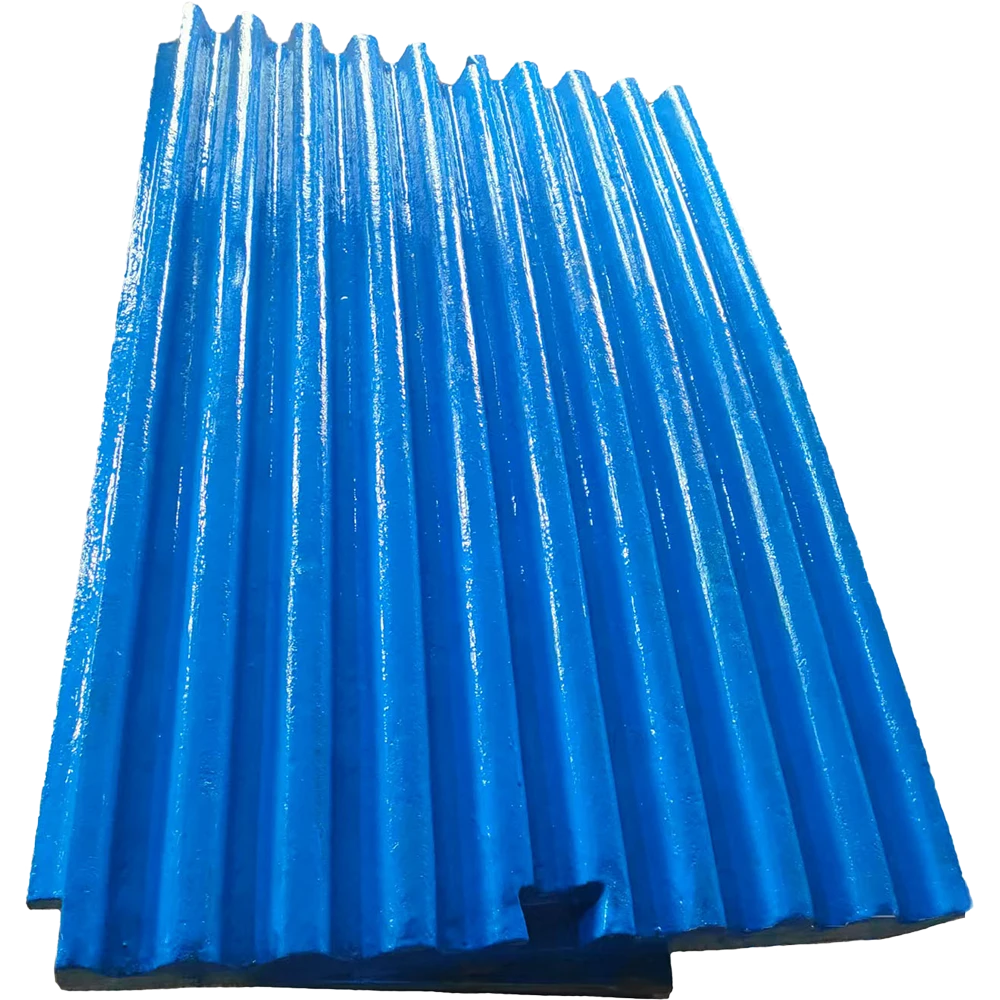
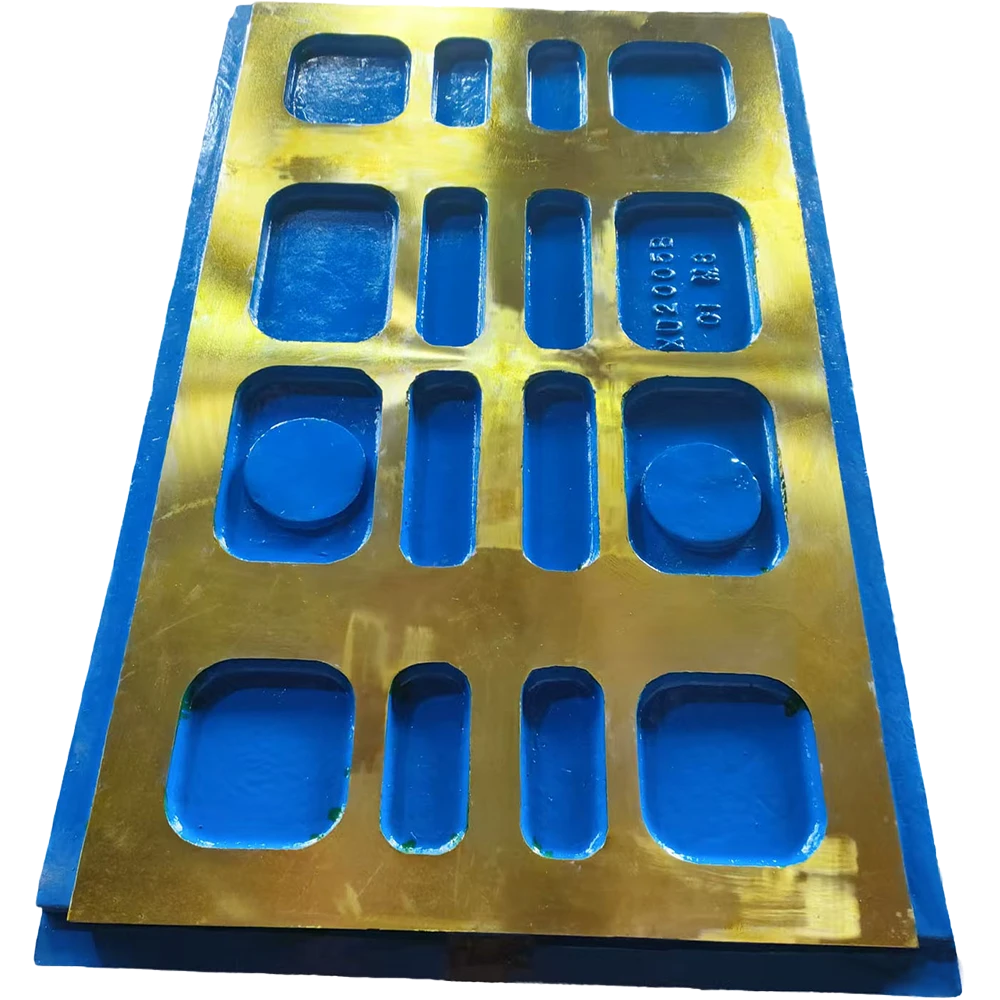
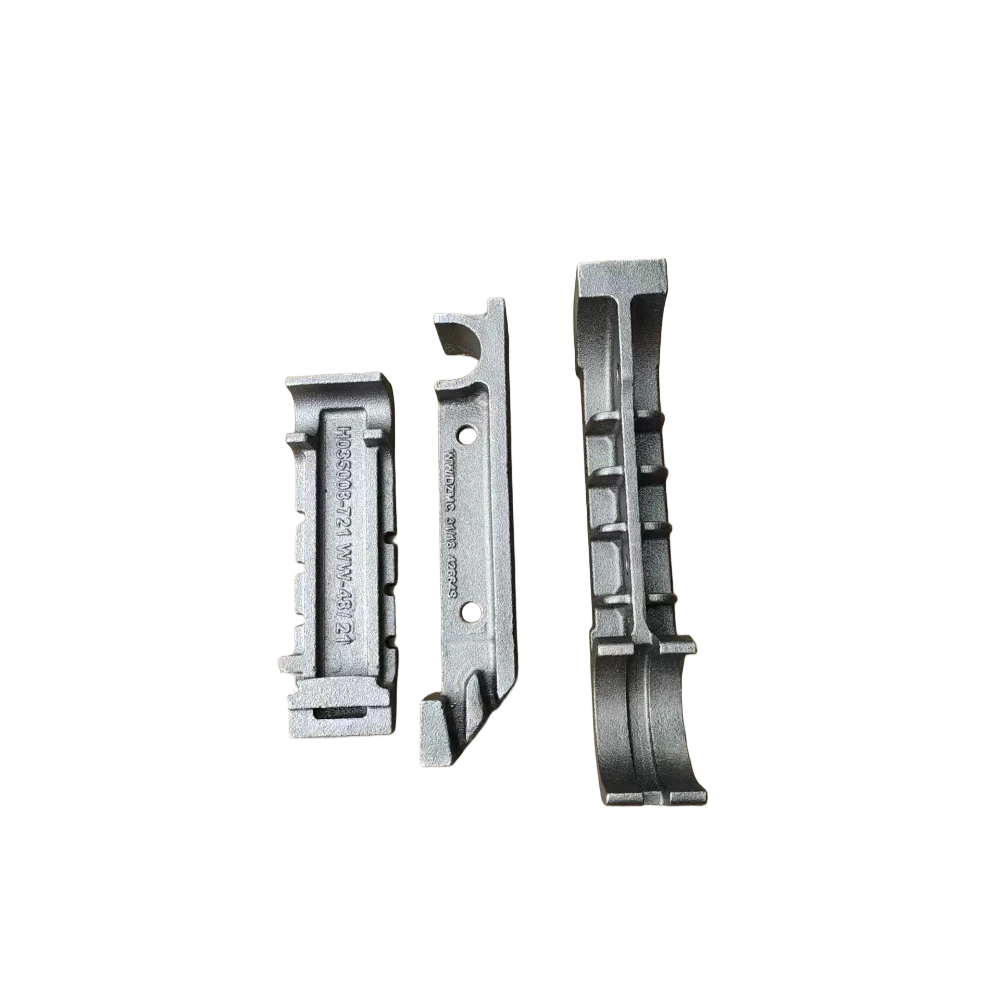
To demystify the term, a jaw plate is the replaceable steel part inside a jaw crusher, the heavy-duty machine used to crush stones, ores, and other materials. The jaw plate price refers to the cost associated with purchasing these plates. But it’s not as straightforward as it seems.
Factors such as material grade, design specifics, manufacturing technique, and even the brand can sway this price significantly. These plates must take incredible mechanical stress and wear every day, so higher prices often reflect advanced alloy compositions and heat treatments that boost lifespan.
In practical terms, jaw plate pricing intersects deeply with modern industrial challenges—improving cost efficiency, reducing downtime, and enabling faster scaling during infrastructure projects or humanitarian reconstruction efforts.
Key Factors Affecting Jaw Plate Price
1. Material Composition and Durability
One of the top influencers on jaw plate cost is the steel or alloy used. High manganese steel, for instance, is prized for wear resistance, which translates into fewer replacements and less frequent shutdowns.
2. Manufacturing Complexity
Advanced casting and heat treatment technologies not only affect strength but also precision fit. More sophisticated manufacture generally ups the price but also gives better crushing performance.
3. Size and Design Specifics
Jaw plates come in myriad sizes tailored to crusher models. Larger or custom-shaped plates tend to cost more due to increased material volume and machining effort.
4. Brand Reputation and Warranty
Trusted suppliers often charge a premium owing to proven track records and post-sale support — factors that many buyers weigh heavily.
5. Market Demand and Supply Chain Conditions
Global raw material pricing fluctuations, transport delays, or tariffs can cause unpredictable jumps in jaw plate price in the short term.
6. Volume and Purchasing Terms
Bulk orders or long-term partnerships often unlock discounts, making negotiation skills crucial in purchasing these components.
Mini takeaway: Deciding on jaw plates means balancing upfront costs against long-term durability and operational reliability — not always an easy call.
Real-World Use Cases of Jaw Plates Across Regions
Jaw plates serve as the core components in core-breaking tasks worldwide — from the gold mines of South Africa to construction rock quarries in Southeast Asia and infrastructure projects in the US. Here are a few examples:
- Post-Disaster Relief: In earthquake-hit regions, mobile jaw crushers fitted with high-quality plates allow rapid debris processing, facilitating faster rebuilding efforts.
- Remote Industrial Sites: Remote mines in Australia rely heavily on jaw plates priced competitively to avoid costly transport delays for replacements.
- Urban Construction: Developing cities in Latin America reuse concrete rubble crushed by jaw crushers with durable plates, optimizing costs and reducing landfill.
Understanding how jaw plate price affects these scenarios provides better budgeting and operational planning for stakeholders ranging from mining engineers to humanitarian logistics teams.
The Lasting Benefits of Choosing the Right Jaw Plate
Spending more on premium jaw plates often means:
- Improved crushing efficiency, meaning higher throughput.
- Reduced frequency of replacements, cutting downtime and machinery wear.
- Greater safety, as durable plates lessen risk of unexpected failures.
- Lower total lifecycle costs despite a higher initial outlay.
- Enhanced trust in supplier relations due to warranties and consistent quality.
Emotionally, reliable equipment lends confidence to operators — it feels like fewer headaches, less stress. Logically, it aligns with the trend towards sustainable, resource-efficient operations.
Looking Ahead: Innovations That Could Change Jaw Plate Pricing
The future looks exciting. Additive manufacturing, for instance, is beginning to offer ways to print highly wear-resistant jaw plates with complex geometries that traditional casting can’t achieve easily. Meanwhile, emerging smart materials promise plates that can self-heal or change hardness as conditions demand.
Additionally, digital transformation enables companies to predict wear via sensors, optimizing when plates get replaced — potentially changing how vendors price them.
On the policy side, increasing environmental regulations could push demand for eco-friendlier alloys, affecting costs but also opening sustainability advantages.
Tackling Challenges When Selecting Jaw Plates and Pricing Issues
Despite all advantages, buyers inevitably face common hurdles:
- Price volatility caused by raw material market swings.
- Quality inconsistencies when buying from unknown or low-cost suppliers.
- Downtime penalties from poorly chosen plates that fail early.
Experts recommend thorough vetting, trial periods, and establishing supplier relationships for better pricing stability. Some firms have shifted towards integrated leasing or service contracts rather than pure purchase — a model that could gain traction.
Comparing Popular Jaw Plate Vendors: An Overview
| Vendor | Material | Warranty | Average Price Range (USD) | Lead Time (weeks) |
|---|---|---|---|---|
| ZH Coal | Manganese Steel 13-14% Mn | 12 months | $250 - $400 | 3-5 |
| DZM Casting | Heat-treated Alloy Steel | 18 months | $300 - $450 | 2-4 |
| Mineral Tech | High Chrome Steel | 10 months | $220 - $380 | 4-6 |
Jaw Plate Product Specifications at a Glance
| Specification | Typical Value | Comments |
|---|---|---|
| Material | High Manganese Steel 13-14% | Offers excellent wear resistance |
| Weight Range | 50 - 400 kg per plate | Varies with crusher size |
| Surface Treatment | Heat treated & tempered | Increases toughness and hardness |
| Typical Lifespan | 3-6 months under normal conditions | Depends on material & application |
| Compatibility | Fits major crusher brands | Often interchangeable with minor adjustments |
Frequently Asked Questions About Jaw Plate Price
Q1: Why do jaw plate prices vary so much between suppliers?
A1: Differences in steel quality, manufacturing processes, warranties, and supply chain factors can cause significant price variation. Cheaper plates may save money upfront but often wear out faster, driving replacement costs higher. It’s essential to balance cost with expected lifespan and supplier reliability.
Q2: How does the choice of material affect jaw plate price?
A2: Materials like high manganese steel cost more due to superior wear resistance and toughness. Using better alloys results in longer plate life, reducing downtime and total ownership costs—even if the initial price is higher.
Q3: Can bulk purchasing lower jaw plate price?
A3: Absolutely. Many manufacturers and distributors offer discounts or better payment terms when ordering multiple plates or committing to long-term contracts, improving cost predictability and saving money overall.
Q4: Are custom-designed jaw plates more expensive?
A4: Yes, customization usually increases costs due to special tooling or design work. However, if the crusher has non-standard dimensions or application needs, custom plates can optimize performance and may be worthwhile.
Q5: How do shipping and logistics impact jaw plate price?
A5: Shipping heavy steel parts internationally adds to landed costs, and delays can affect replacements’ availability. Local suppliers or those with regional warehouses often provide better pricing by minimizing these added expenses.
Wrapping It Up: Why Knowing Jaw Plate Price Pays Off
In summary, jaw plate price is a window into the quality, durability, and efficiency of a critical industrial component. Investing a little more upfront often means less frequent downtime, safer operations, and better long-term savings. On the flip side, one can’t just chase the lowest price without risking headaches down the road.
For those hunting reliable quotes, a great place to start would be jaw plate price listings from reputable suppliers like DZM Casting, who combine quality metallurgy with competitive pricing and strong warranties.
Ultimately, it’s about smart procurement that’s informed by more than just numbers—but by proven performance, expert advice, and practical experience. So next time you’re budgeting or evaluating crushers, a deeper look into jaw plate price will almost certainly pay off.
References:-
High Performance oem cast heat resistant steel for Industrial UseNewsApr.16,2026
-
Guide to Selecting High Quality Cast Heat Resistant Steel AlloysNewsApr.09,2026
-
Custom Cast Heat Resistant Steel Solutions for High Temperature ApplicationsNewsApr.07,2026
-
Comprehensive Guide to Wholesale Cast Heat Resistant Steel for Industrial ApplicationsNewsApr.04,2026
-
Comprehensive Guide to High Performance Heat Resistant Metal Product SolutionsNewsMar.31,2026
-
Expert Guidance on Heat Resistant Metal Quotes and Alloy SelectionNewsMar.28,2026