Comprehensive Guide to Plate Crushers - Efficiency and Sustainability in Metal Recycling
Understanding Plate Crushers: Why They’re Crucial Worldwide
The humble plate crusher is a cornerstone in many industries—yet many people outside manufacturing and recycling might never hear the term. At its heart, a plate crusher is a mechanical device designed to break down materials, typically metal plates, into smaller, manageable pieces. This isn’t just about smashing things for the sake of it—it’s about resource efficiency, circular economies, disaster relief, and even environmental sustainability.
Globally, the demand for effective crushing equipment is skyrocketing; according to the International Organization for Standardization (ISO), efficient crushing and recycling can reduce landfill waste by up to 40% [1]. As we embrace tighter environmental regulations and push for sustainable manufacturing, understanding the role and nuances of plate crushers becomes more than academic — it’s essential.
The Global Angle: Plate Crushers in Context
Worldwide, metal consumption has doubled over the last two decades, a trend driven by construction, automotive, and infrastructure sectors. The World Bank reports that steel production reached 1.8 billion tonnes in 2023 alone [2]. Plate crushers enter the field here as silent heroes — enabling recycling plants and scrap yards to break down steel sheets effectively, making materials reusable instead of wasted.
Yet, despite their significance, many facilities worldwide face challenges: inconsistent crushing quality, operational downtime, and rising energy costs. Plate crushers tackle these head-on, bridging the gap between raw material demand and supply, helping industries meet sustainability goals while controlling costs.
What Exactly Is a Plate Crusher?
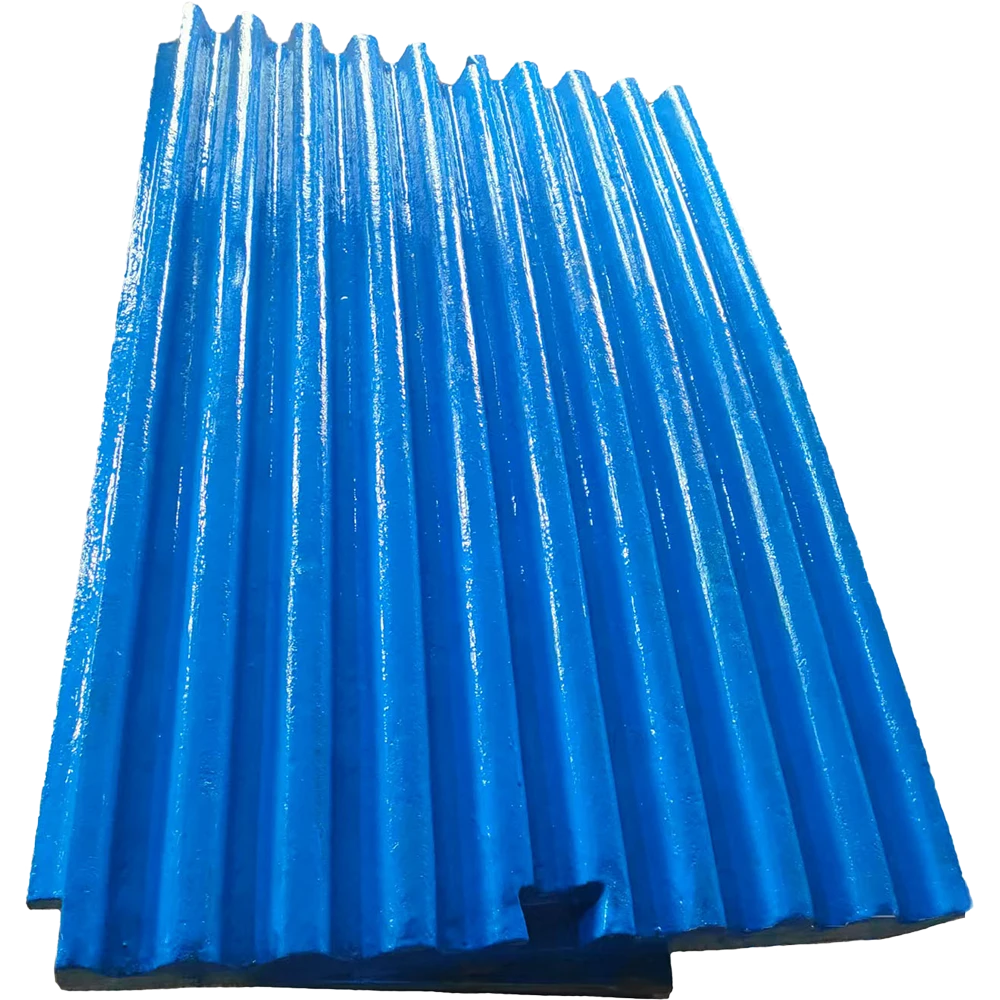
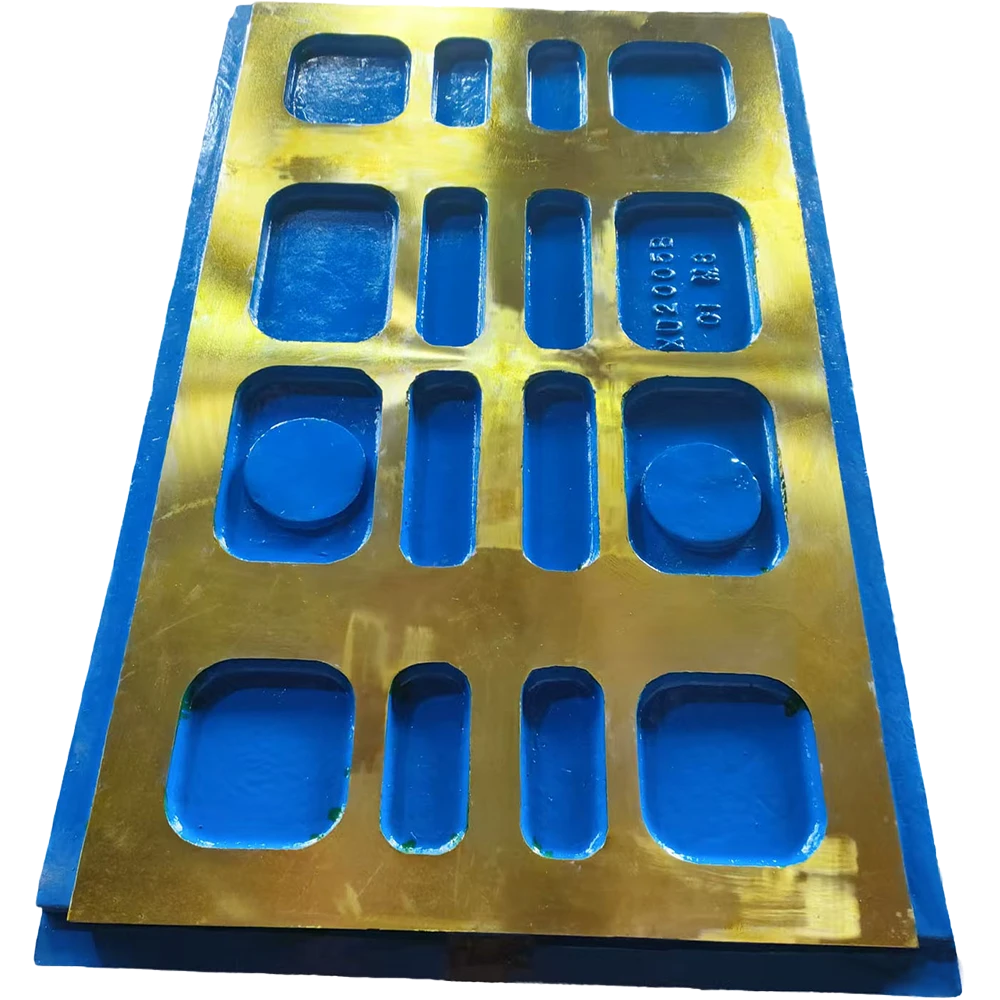
Simply put, a plate crusher is a machine engineered to crush or shred metal plates into smaller, more workable fragments. Think of it as an industrial-scale nutcracker or pestle — but instead of nuts or herbs, it handles hefty steel sheets, aluminum plates, or other metal panels. These crushed pieces then feed into other processes: melting, remanufacturing, or transport.
Beyond heavy industry, plate crushers sometimes play vital humanitarian roles — for example, repurposing scrap metal into emergency shelter infrastructure or construction materials in disaster-hit zones.
Core Aspects of Plate Crushers That Matter in Real Use
Durability
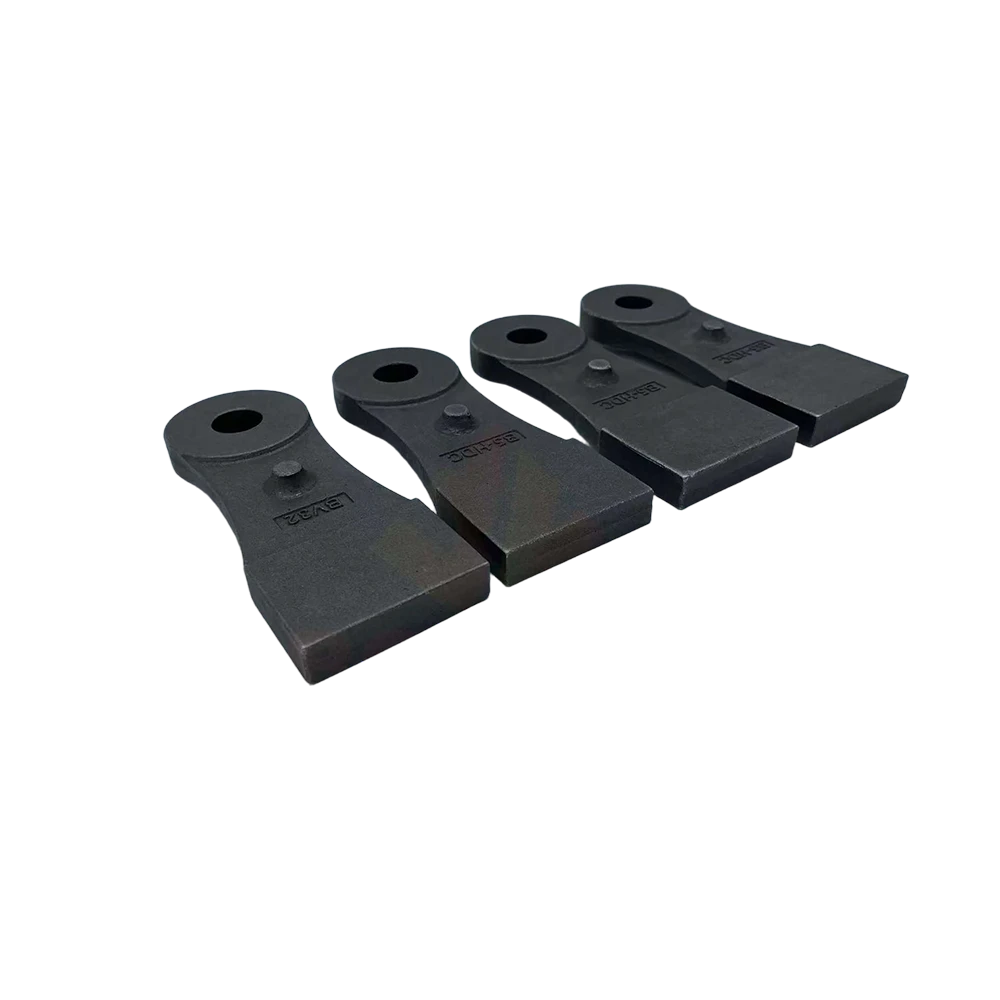
Crushing thick metal plates isn’t for the faint of heart. The components have to withstand constant wear, shocks, and abrasive materials. Many plate crushers use high-grade steel or specialized alloys to keep blades and plates from premature failure. Durability isn’t just a selling point; it’s a deal maker for uptime and cost control.
Scalability
Does your operation need a machine that crunches a few hundred kilograms per hour or several tons? Plate crushers come in a variety of sizes and power ratings, from compact units for small scrapyards to massive industrial crushers capable of continuous operation. The right scale reduces energy waste and matches material flow.
Cost Efficiency
Upfront cost is obvious, but operating expenses matter just as much — energy consumption, maintenance downtime, and replacement parts influence long-term budgets. Engineers I spoke with often mention that a seemingly pricier crusher might save more in power bills over its lifespan.
Automation & Control Systems
Modern plate crushers aren’t just big smashing boxes. Many incorporate digital controls, sensors for load balancing, and even remote monitoring. This kind of “smart” operation can prevent jams and allow preemptive maintenance, increasing reliability substantially.
Environmental Compliance
Dust, noise, and energy use are always concerns. Leading manufacturers design crushers with dust suppression systems and noise dampeners that comply with international environmental standards. This can be crucial in urban areas or facilities near residential zones.
Ease of Maintenance
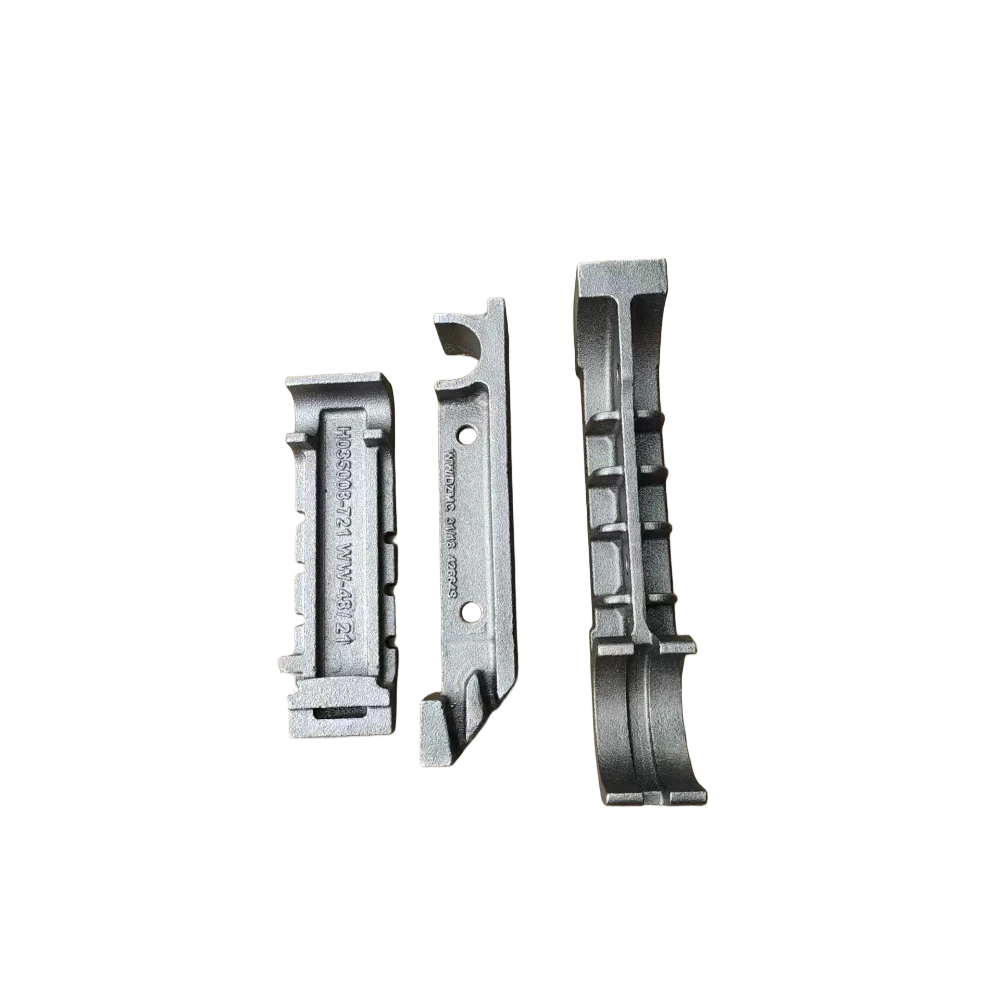
Since crushers are often in operation around the clock, easy access for inspections and part replacements keeps downtime minimal. Designs that prioritize maintenance save headaches on the factory floor.
Mini takeaway:
When choosing a plate crusher, it’s the sum of these aspects that defines success. Not just raw power, but durability, scalability, cost, and environmental notes — a blend that makes crushing efficient and sustainable.
Real-World Uses: Where and How Plate Crushers Matter
Plate crushers have found homes across varied applications worldwide. Here are a few real examples:
- Recycling centers in Europe: Efficiently breaking down car body panels to feed steel mills, cutting down waste and reducing CO₂ footprints.
- Construction & demolition sites in Asia: Crushing metal plate debris from old buildings to reclaim usable metal.
- Post-disaster relief operations: Converting scrap from damaged infrastructure into plates for emergency shelters or temporary bridges.
- Remote mining operations: Processing waste metal onsite to reduce transport costs and environmental impact.
The diversity of these uses demonstrates the versatility of plate crushers. Oddly enough, deploying one in a place like an urban scrapyard versus an isolated industrial zone demands very different operational features, which keeps manufacturers on their toes.
Typical Plate Crusher Technical Specifications
| Feature | Description | Typical Range |
|---|---|---|
| Processing Capacity | Amount of metal crushed per hour | 500 kg – 10,000 kg |
| Power Source | Electric motor or hydraulic system | 15 kW – 120 kW |
| Crusher Weight | Total machine weight | 800 kg – 6,000 kg |
| Noise Level | Operational noise emission in dB | 75 – 95 dB |
| Dimensions (LxWxH) | Physical size of unit | 2.5m x 1.5m x 1.8m (average) |
Quick Overview of Popular Plate Crusher Vendors
| Vendor | Strengths | Typical Clients | Price Range (USD) |
|---|---|---|---|
| DZM Casting | Durability, custom designs, energy efficiency | Recyclers, industrial manufacturers | 15,000 – 60,000 |
| MegaCrush Industrial | High capacity, automation friendly | Mining, construction | 25,000 – 75,000 |
| EcoCrush Solutions | Eco-friendly, low noise, compact | Urban recycling, small scale operations | 12,000 – 40,000 |
Why Plate Crushers Offer Lasting Value
Choosing the right plate crusher goes beyond crunching steel. First, the environmental impact is tangible: by optimizing scrap reprocessing, factories lower their carbon emissions dramatically. In fact, steel recycling uses 58% less energy than producing new steel from raw ore (source: Wikipedia).
On the emotional side, many operators I talked to fondly noted how their machinery helps communities survive by enabling the reuse of materials in emergency shelters or rebuilding efforts. There’s a kind of quiet pride in that.
What Lies Ahead? Trends Shaping Plate Crusher Technology
- Green energy integration: Solar and hybrid-powered crushers reduce dependency on grid electricity.
- IoT and predictive maintenance: Sensors monitor blades and motors to predict failures before they happen.
- Advanced materials: New alloys for crusher parts that last longer and resist wear.
- Automation: Robotic feeding systems reduce human risk and improve throughput.
Common Challenges and How They're Tackled
No machine is perfect. Plate crushers face issues like blade wear, material jams, and variable feedstock quality. However, vendors increasingly offer modular parts and remote diagnostics to reduce downtime. Some facilities also use pre-sorting to minimize unexpected contaminants that can damage machinery.
Frequently Asked Questions About Plate Crushers
Q1: How do I know what size plate crusher suits my scrap yard?
The answer depends on your daily processing volume and the types of materials you handle. A smaller crusher might suffice if you process a few hundred kilos daily. For large operations or industrial scrap, a crusher with higher capacity—say 5,000+ kg/hr—is better. Always consider future growth too.
Q2: Can plate crushers handle mixed materials or only metal plates?
While primarily designed for metal plates, some crushers can handle heterogeneous inputs, including mildly contaminated scrap. However, excessive non-metal materials can damage the machine or clog it, so pre-sorting is advised.
Q3: What maintenance is required for a plate crusher?
Routine checks include inspecting blades/shredders for wear, lubricating moving parts, and keeping hydraulic systems functioning well. Many modern machines have sensors to indicate when maintenance is due, simplifying upkeep.
Q4: Are plate crushers energy intensive?
Crushing metal is naturally power-consuming, but advances in motor efficiency and automation reduce wasted energy. Choosing a right-sized crusher and scheduling operation during off-peak hours can also lower costs.
Q5: How do NGOs or businesses source these machines internationally?
Most vendors, including DZM Casting, provide export and installation support worldwide. Engaging directly with the supplier ensures compliance with local regulations and solutions tailored to your needs.
Wrapping Up: Why Plate Crushers Should Matter to You
Whether you’re in scrap processing, industrial manufacturing, or humanitarian relief, a reliable plate crusher offers multiple benefits—from resource conservation and cost savings to social impact and innovation. It feels like a small piece of heavy machinery, but its contributions ripple into sustainability goals and even community resilience.
Interested in exploring specific models or custom options? Visit our partners at DZM Casting and discover how the right plate crusher can turn metal waste into valuable raw material — safely, efficiently, and responsibly.
References
-
High Performance oem cast heat resistant steel for Industrial UseNewsApr.16,2026
-
Guide to Selecting High Quality Cast Heat Resistant Steel AlloysNewsApr.09,2026
-
Custom Cast Heat Resistant Steel Solutions for High Temperature ApplicationsNewsApr.07,2026
-
Comprehensive Guide to Wholesale Cast Heat Resistant Steel for Industrial ApplicationsNewsApr.04,2026
-
Comprehensive Guide to High Performance Heat Resistant Metal Product SolutionsNewsMar.31,2026
-
Expert Guidance on Heat Resistant Metal Quotes and Alloy SelectionNewsMar.28,2026