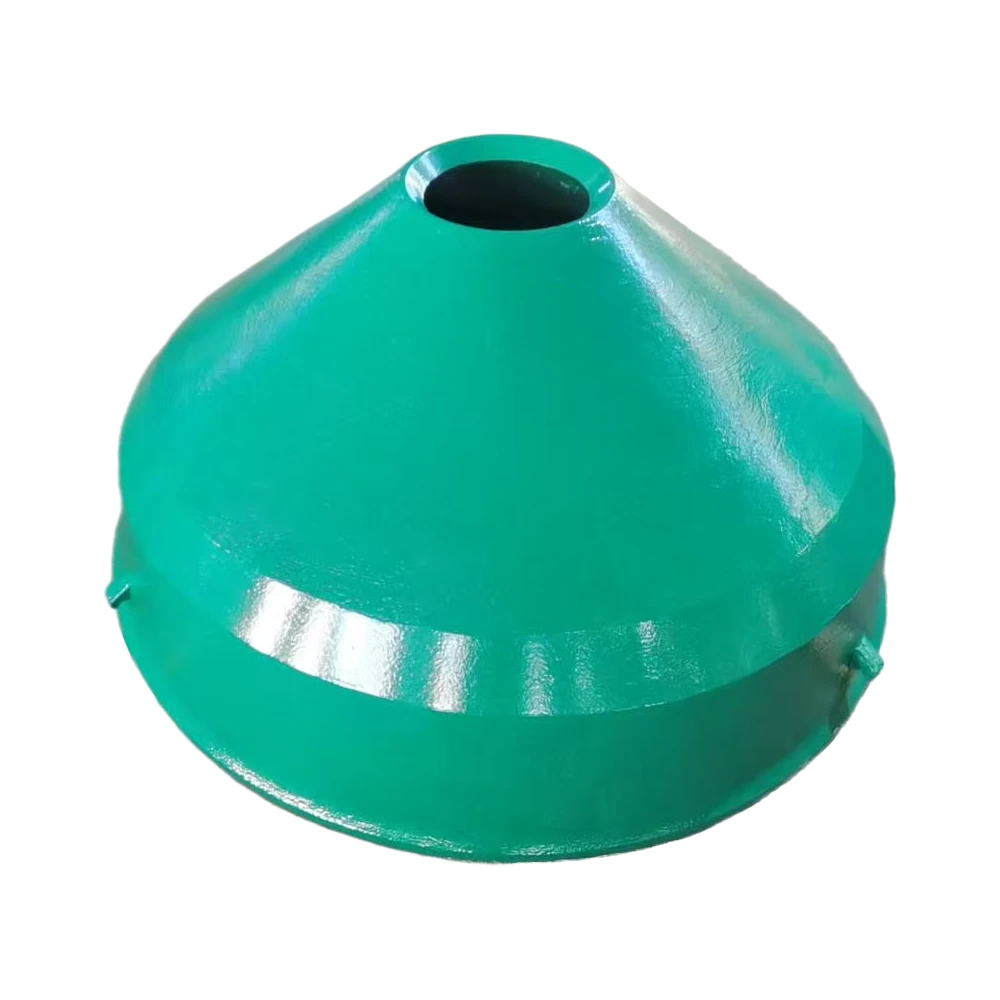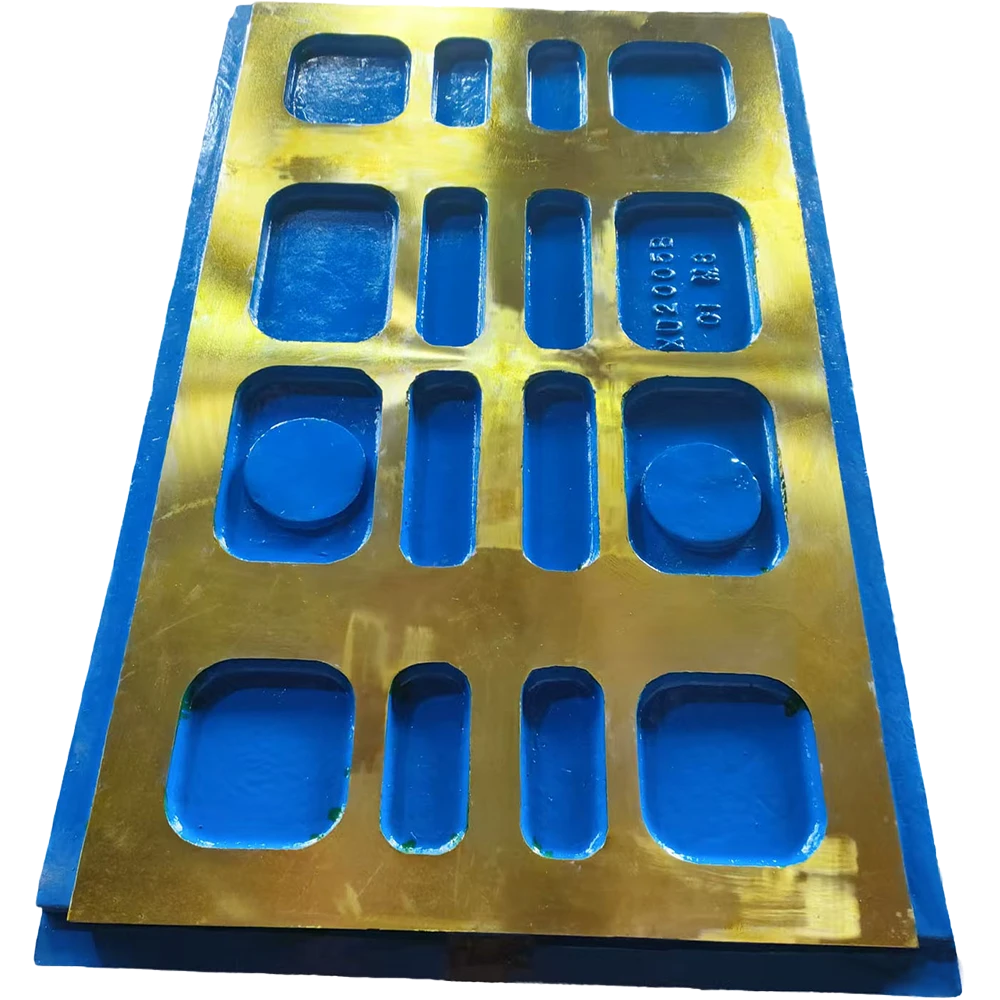
Durable Moving Jaw Plates for Efficient Jaw Crushers | DZMCCasting
Moving Jaw Plate: The Unsung Hero of Crushing Technologies
When you think about heavy industrial machinery, certain components don’t always steal the spotlight, but they shape the entire system’s performance. The moving jaw plate is exactly that—often overlooked, yet crucial. If you’ve ever dealt with rock crushing in mining, construction, or recycling, you’ve indirectly depended on this vital part. It’s the linchpin in crushing efficiency, durability, and output quality. But why does it matter on a global scale? Simply put, the demand for mineral resources globally, tied to infrastructure growth and manufacturing, means crushers are operated nonstop. A high-quality, reliable moving jaw plate is what keeps these machines crunching without costly downtime.
Global Context: Why the Moving Jaw Plate Is Critical
The global mining industry produced roughly 18 billion metric tons of minerals in 2022 (source: USGS). Crushing plants processing ores rely heavily on jaw crushers equipped with moving jaw plates. These plates face intense wear and tear, and selecting the right wear parts can save millions in maintenance costs. Emerging economies investing in construction (think: Asia-Pacific and Africa) hike demand for such equipment, while stringent environmental regulations push manufacturers toward longer-lasting, more recyclable parts. But the real challenge? These plates need to balance toughness with cost efficiency without skipping a beat under extreme stress.
Mini takeaway: The moving jaw plate isn’t just a wear part—it’s a frontline player in the continuous global demand for minerals and construction materials.
What Exactly Is a Moving Jaw Plate?
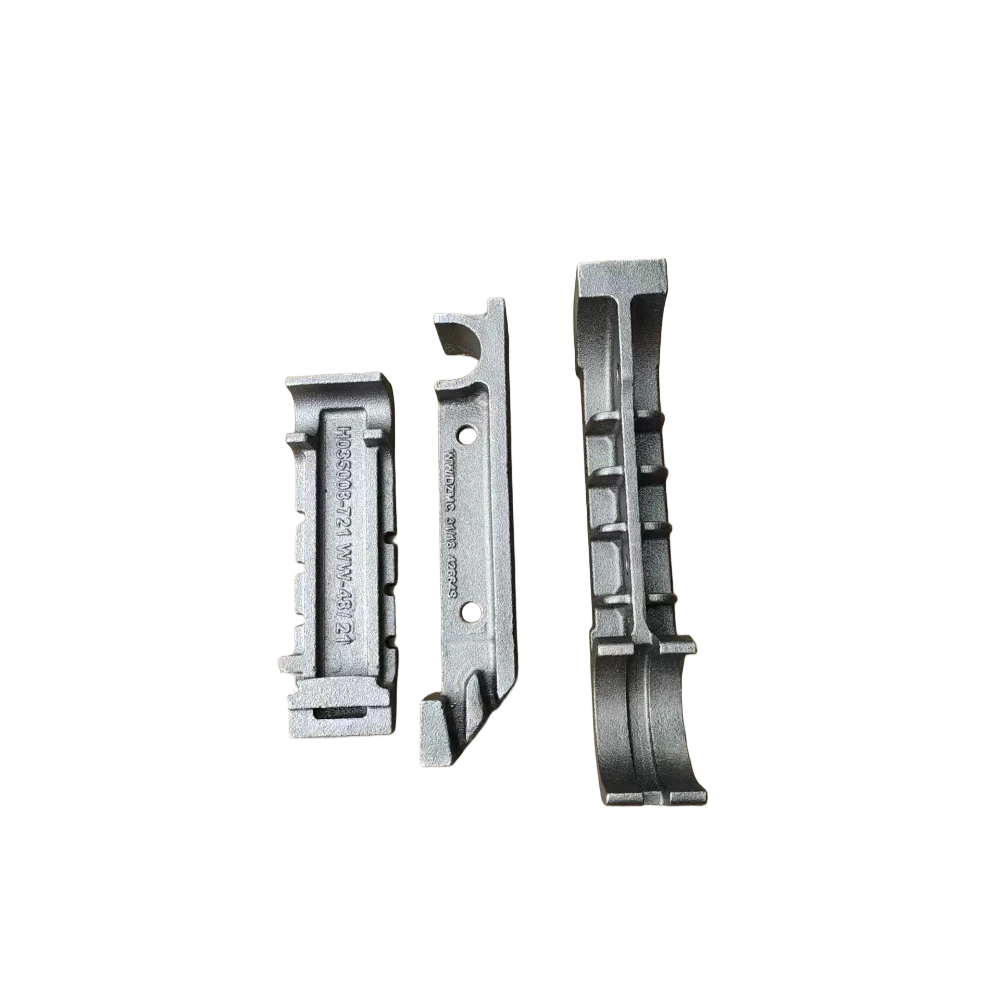
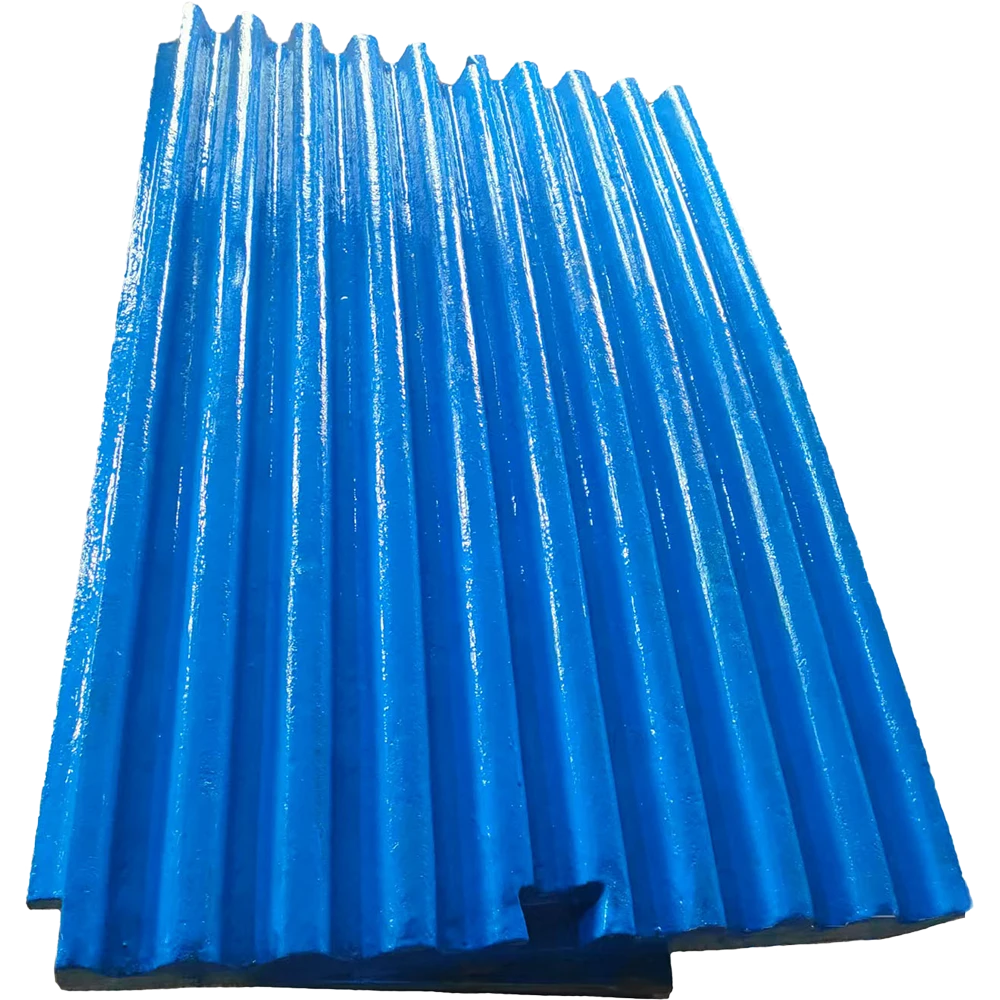
Let’s break this down. A moving jaw plate is the replaceable wear surface attached to the moving jaw of a jaw crusher. Its job? To crush large rocks or ore by pressing them against a fixed jaw plate. Unlike the fixed part, the moving jaw swings in an arc, creating the crushing action. It’s a bit like how scissors work, but sideways and way more powerful.
In modern industries, this component is vital wherever size reduction of raw materials is needed. Without a robust moving jaw plate, crushers would falter or require frequent downtime. Also, the quality of the plate directly impacts crushing efficiency and product size consistency—key factors in everything from mining throughput to concrete quality.
Key Aspects of Moving Jaw Plates
1. Durability and Wear Resistance
The moving jaw plate endures constant impact, abrasion, and pressure. High-grade manganese steel is popular because it work-hardens the more it’s used—almost like it gets tougher under stress. Sometimes, manufacturers combine this with special heat treatments or alloy layering to extend lifespan significantly.
2. Design and Profile
The contour of the moving jaw plate must optimize crushing efficiency and reduce material slip. Profiles vary depending on the crusher model and the material being processed, ensuring the best “bite” for different aggregate types.
3. Cost Efficiency
Though premium plates might cost more upfront, their extended durability means fewer change-outs and less downtime—directly improving ROI. On the flip side, poorer quality plates may lead to machine damage, which spirals costs quickly.
4. Compatibility and Customization
Not all jaw crushers use the same size or shape moving jaw plates. Vendors often tailor plates to fit unique crusher models or tough geological conditions, distinguishing themselves from off-the-shelf options.
5. Ease of Installation and Maintenance
Quick replacement systems reduce operational pauses. Some designs even allow in-situ repairs, like welding overlays, to stretch plate life in remote sites.
Mini takeaway: The moving jaw plate’s performance boils down to its material, design, and maintenance ease—factors that determine crushing uptime globally.
Global Applications & Who Benefits Most?
The reach is vast. Mining heavy hitters in Canada, Australia, and South Africa prioritize tough moving jaw plates to tackle hard ores. Meanwhile, infrastructural projects in India and Brazil use these crushers extensively to produce aggregates for roads and buildings.
Relief operations sometimes deploy portable jaw crushers fitted with high-performance moving jaw plates to recycle debris post-disasters. This both aids speedy cleanup and supports rebuilding efforts sustainably.
Even remote industrial zones in Russia and Mongolia rely on durable plates, because machine downtime there can mean weeks of lost productivity owing to logistical delays in replacement parts. Customizable plates help tailor crushers to regional resource properties—whether granite, basalt, or limestone.
Product Specification Table for Typical Moving Jaw Plates
| Specification | Typical Values | Notes |
|---|---|---|
| Material | Manganese Steel (Mn13 to Mn18) | Work hardening alloys preferred |
| Length | 500 mm - 1500 mm | Depends on crusher capacity |
| Thickness | 20 mm - 50 mm | Thickness affects wear life |
| Weight | 30 kg - 150 kg | Varies by size |
| Compatibility | Fits standard jaw crushers like PE, PEX, C series | Custom machining available |
How Do Moving Jaw Plate Vendors Stack Up?
| Vendor | Material Quality | Customization | Lead Time | Price Level |
|---|---|---|---|---|
| DZMCCasting | High (Mn14 - Mn18 alloys) | Tailored profiles & sizes | 2-3 weeks | Mid-range |
| Global Industrial Ltd. | Medium (Mn13 alloy) | Limited | 3-4 weeks | Budget |
| CrushTech Supply Co. | Premium (Mn18 alloys + heat treated) | Highly customizable | 4-6 weeks | High-end |
Advantages & Long-Term Value of Quality Moving Jaw Plates
A top-tier moving jaw plate reduces crushing downtime, lowers maintenance costs, and improves output consistency. For engineers and site managers, that means smoother workflows and less unexpected stress. There’s even an emotional factor—the quiet confidence that your equipment won’t fail mid-shift, especially in remote or harsh conditions. This kind of reliability builds trust, not just in machines but in partners and supply chains.
Environmentally, longer-lasting plates reduce waste and the carbon footprint tied to manufacturing replacements. Many manufacturers are now focusing on recyclable materials or modular repair options to extend life cycles sustainably.
The Future: Innovations & Trends in Moving Jaw Plates
Crushing technology isn't standing still. Advanced casting techniques, laser profiling, and the integration of digital wear sensors allow real-time monitoring of plate conditions. Imagine a crusher that tells you, "Hey, this moving jaw plate’s wearing out soon"—saving both downtime and money.
On materials, composites and nano-alloys hint at higher toughness-to-weight ratios, potentially reducing wear and energy use. Plus, eco-conscious design with lower-impact casting chemicals are slowly becoming standard, aligning with ISO sustainability goals.
Common Challenges & How to Overcome Them
One persistent challenge with moving jaw plates is unpredictable wear patterns, mainly due to varying rock hardness and operator settings. However, many experts recommend periodic re-profiling and installation of wear-resistant liners to prolong the plate life. Also, tight collaboration with vendors (like moving jaw plate suppliers) ensures you receive plates with the best fit and alloy for your exact crushing needs.
FAQ: Your Top Questions About Moving Jaw Plates
- Q: How often should a moving jaw plate be replaced?
- A: Replacement depends on usage intensity and material hardness but typically ranges from 6 to 12 months in heavy-duty environments. Regular inspections help catch wear before efficiency drops.
- Q: Can a moving jaw plate be customized for unusual rock types?
- A: Absolutely. Many manufacturers tailor the material grade and profile to specific minerals, improving crushing effectiveness and wear life.
- Q: What signs indicate a moving jaw plate needs immediate maintenance?
- A: Look for visible cracking, excessive thinning, or irregular crushing patterns. Sudden increases in noise or vibration also warrant inspection.
- Q: Are high manganese steel plates recyclable?
- A: Yes. High manganese steel can be recycled and recast, which is beneficial for lowering environmental impacts and production costs.
Wrapping Up: Why Moving Jaw Plates Matter More Than You Think
Moving jaw plates might be “just” wear parts, but they’re also critical determinants of jaw crusher operation quality. Picking the right plate means fewer headaches, better crush rates, and long-term savings. So the next time you see a jaw crusher at work, a little nod to the humble moving jaw plate wouldn’t be misplaced.
Want to dive deeper or get your crushers outfitted with industry-best parts? Visit our website and explore a range of durable, customizable moving jaw plates perfected for your toughest jobs.
References
-
High Performance oem cast heat resistant steel for Industrial UseNewsApr.16,2026
-
Guide to Selecting High Quality Cast Heat Resistant Steel AlloysNewsApr.09,2026
-
Custom Cast Heat Resistant Steel Solutions for High Temperature ApplicationsNewsApr.07,2026
-
Comprehensive Guide to Wholesale Cast Heat Resistant Steel for Industrial ApplicationsNewsApr.04,2026
-
Comprehensive Guide to High Performance Heat Resistant Metal Product SolutionsNewsMar.31,2026
-
Expert Guidance on Heat Resistant Metal Quotes and Alloy SelectionNewsMar.28,2026