Nov . 27, 2025 16:05
Back to list
Cone Crusher Liner: Durable Solutions for Efficient Crushing
The Global Importance of the Cone Crusher Liner in Modern Industry
If you’ve ever spent time around mining sites, or in the aggregate and construction business, chances are you’ve heard about cone crushers and their liners. But why does this somewhat niche component really matter in global industrial conversations? The cone crusher liner, simply put, is crucial for crushing rocks and ores effectively — and well, without it, the backbone of infrastructure, mining, and construction simply couldn't operate efficiently. Globally, the mining and construction sectors contribute trillions to the economy. According to the World Bank, mineral raw materials play a key role in the GDP and industrial output of many nations. Now, consider that a big portion of extracted materials needs to be crushed to precise sizes before processing or transportation. Here’s where cone crusher liners come in: they protect the crusher’s main body, improve crushing efficiency, and, frankly, keep whole operations from grinding to a halt. Yet, the challenges lie in maximizing durability while maintaining cost efficiency. Worldwide, finding liners that last longer reduces downtime and improves worker safety — both of which have ripple effects beyond the plant floor. Mini takeaway: A humble component like the cone crusher liner quietly supports global industrial productivity — a vital piece in the puzzle of building, mining, and rebuilding our world.What Exactly Is a Cone Crusher Liner?
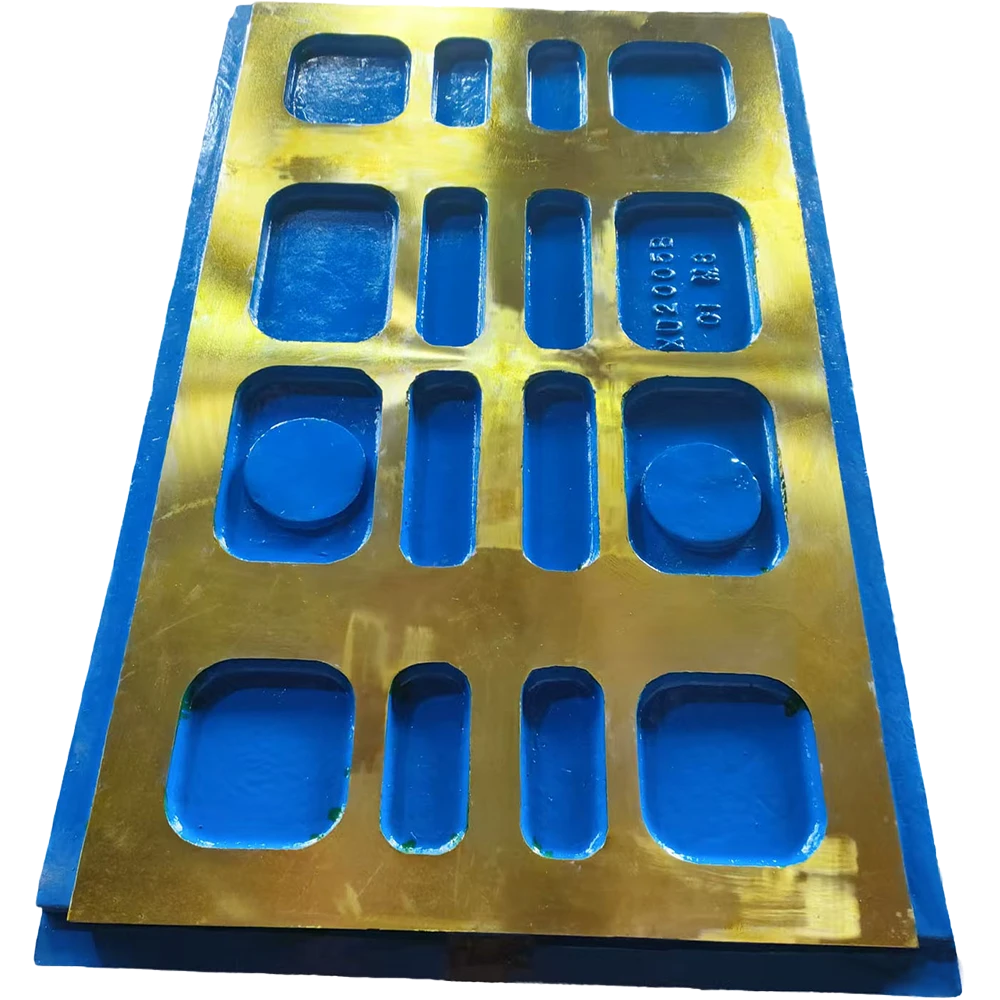
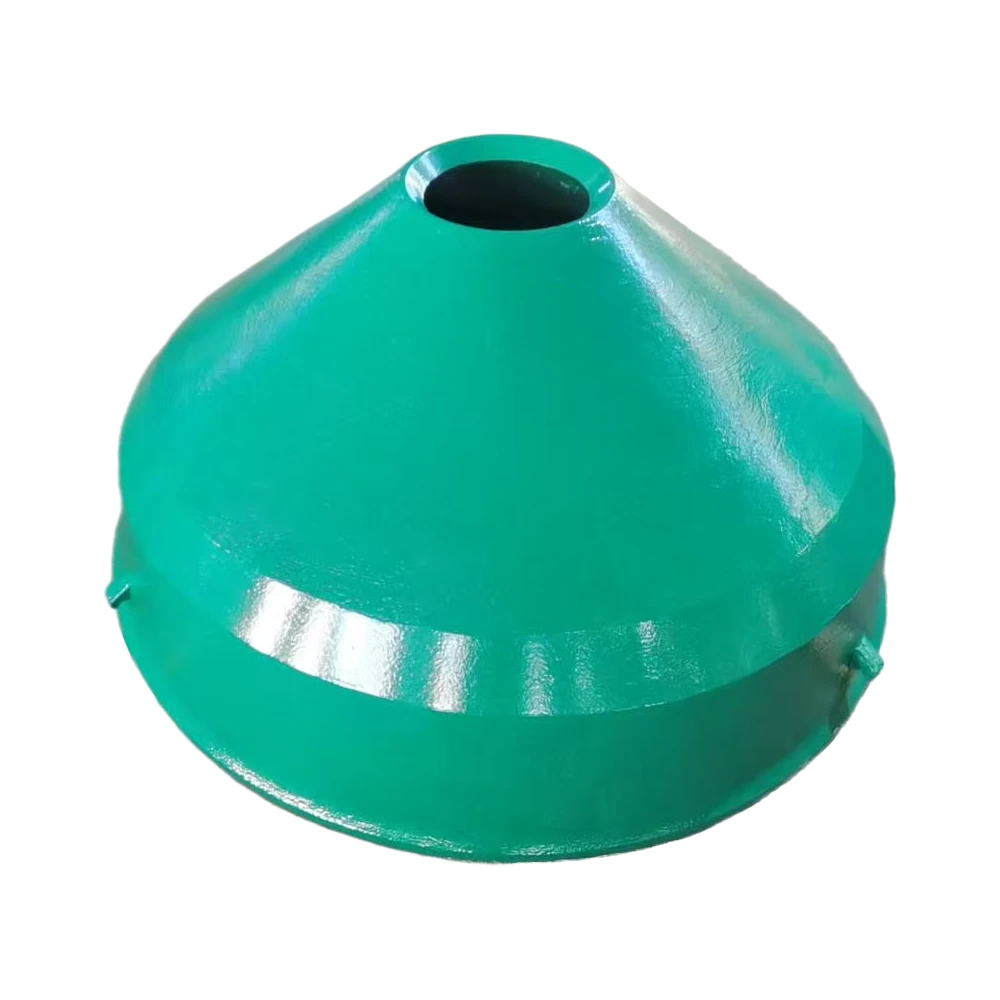
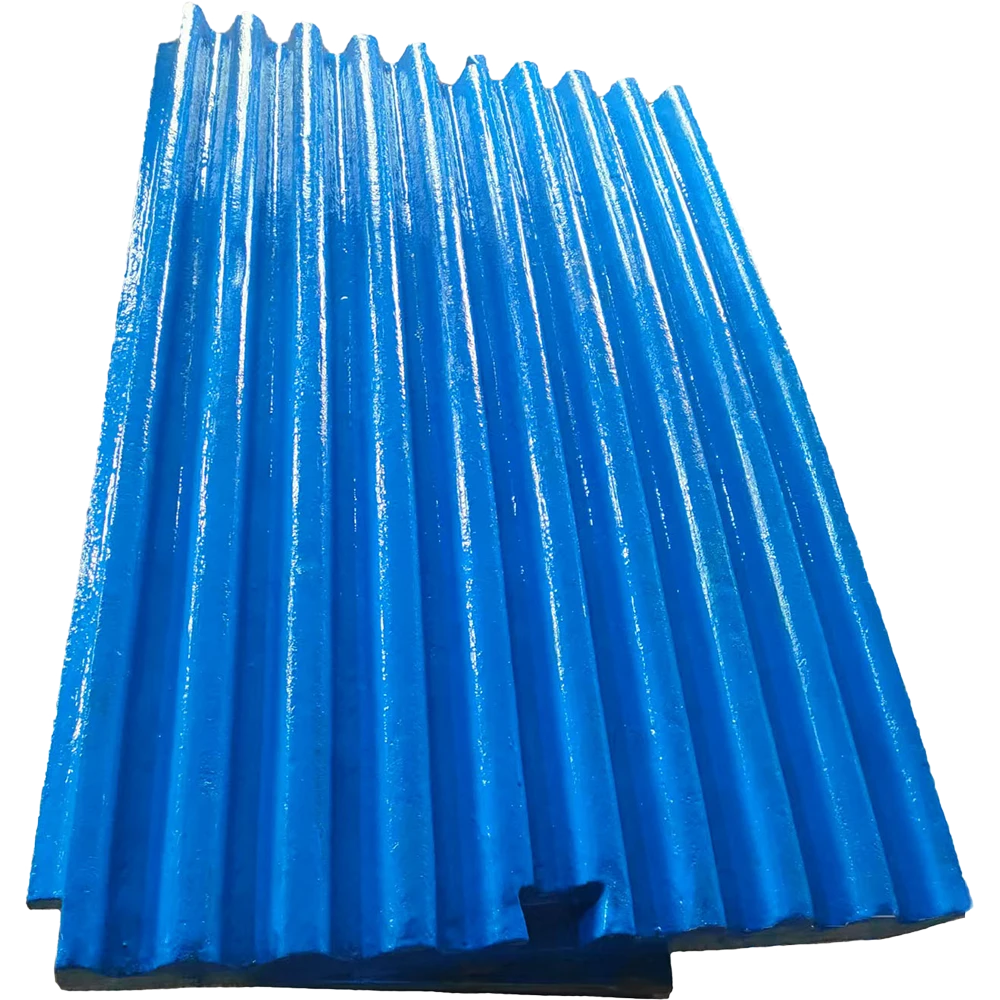
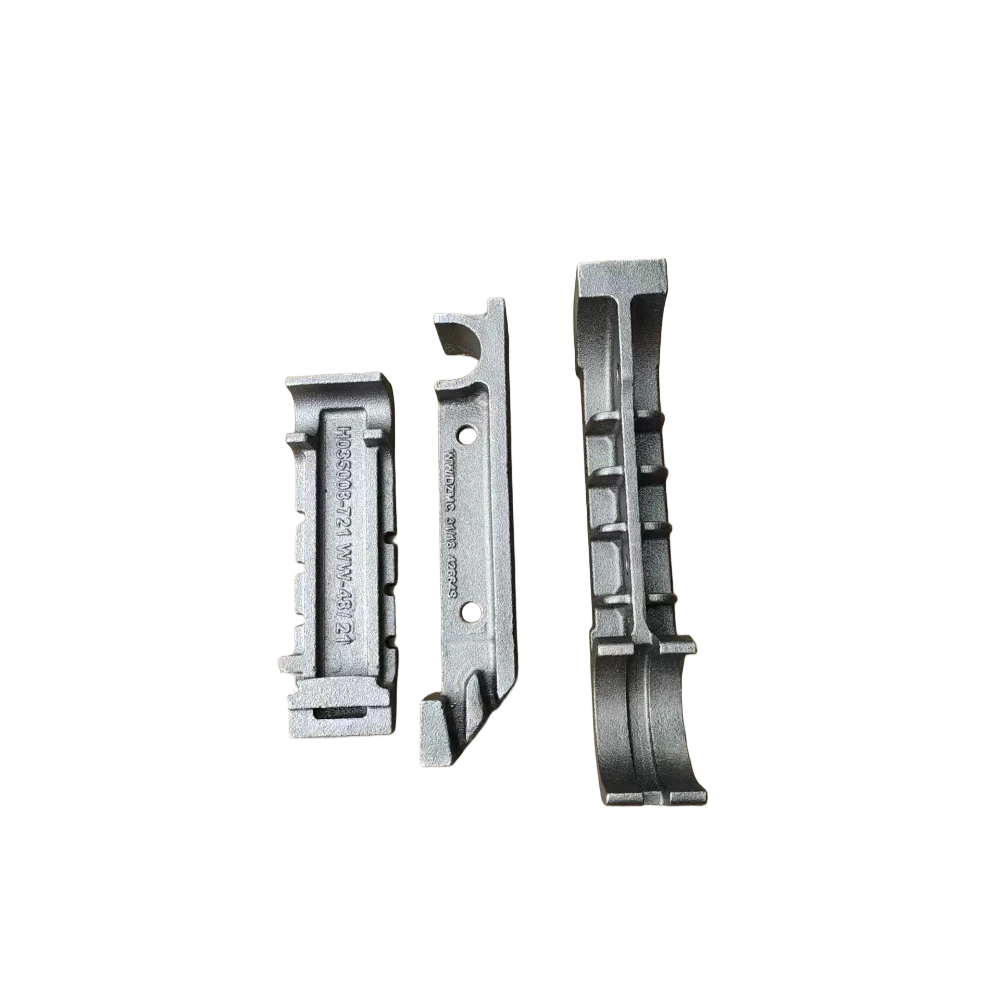
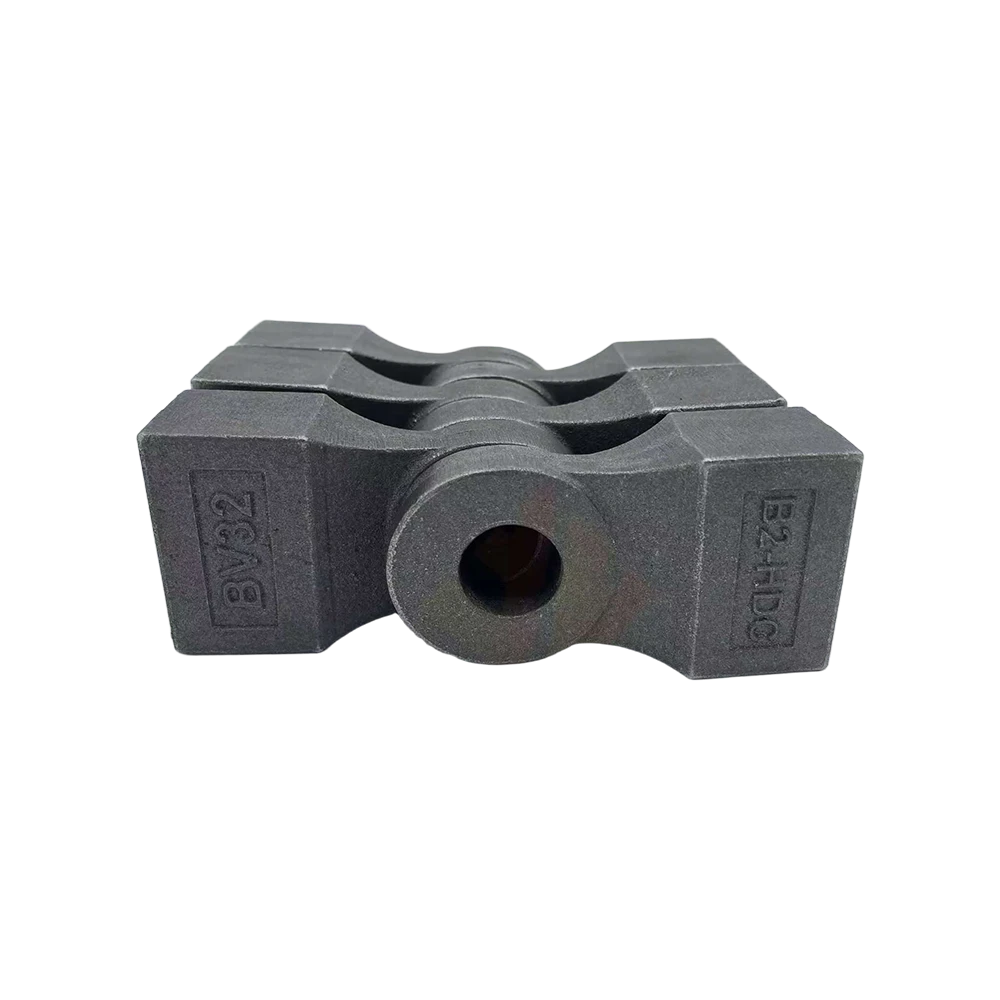
So, what are we really talking about here? At its core, a cone crusher liner is a replaceable wear-resistant plate inside a cone crusher. The “cone” crusher itself crushes materials through a compression process: the cone-shaped part moves in an eccentric motion squeezing rocks between it and the stationary outer liner. The liners come in two main types: the mantle (attached to the movable cone) and the bowl liner (the fixed outer part). Together, these liners take an awful lot of wear and tear while breaking down hard rock and minerals. At a humanitarian level, efficient crushing ensures the speedy production of essential materials like gravel for roads, concrete for shelters, or ores critical for technologies — so, indirectly, it touches everything from disaster relief rebuilding efforts to electrification projects. Mini takeaway: The cone crusher liner is the gritty, hardworking guardian inside crushers, making sure rock gets crushed efficiently and reliably.Critical Features of Cone Crusher Liners That Make a Difference
1. Durability and Wear Resistance
By far the most talked-about feature. Cone crusher liners are made with chromium alloy steel or manganese steel – materials geared toward resisting abrasion, impact, and deformation. Why? Because liners face constant pounding by hard rock, and if they fail, crusher damage or downtime can be costly.2. Efficient Crushing Performance
The shape and profile of liners affect how material breaks down — and therefore impact productivity. Engineers often design profiles tailored to feed size and hardness, to optimize output and reduce power consumption.3. Cost Efficiency and Longevity
Liners that wear out too fast require frequent replacements, which means higher costs and machine downtime. Quality manufacturing and materials bring longer life spans, lowering operational expenses over time.4. Scalability and Customization
Depending on the application, liners can be customized to suit particular crushing needs — whether for mining giant’s heavy-duty needs or small aggregate production plants. Vendors increasingly offer tailored solutions, which helps companies avoid a one-size-fits-all mismatch.5. Ease of Installation and Maintenance
Some liners come designed with quick-fit features or bolt-in plates, saving precious labor hours during scheduled repairs. Mini takeaway: Balancing wear resistance, performance, and cost in cone crusher liners is a juggling act — but gets better as materials advance.Where in the World Are Cone Crusher Liners Making the Biggest Impact?
Mining regions like Australia, Canada, South Africa, and Latin America rely heavily on advanced cone crusher liners to optimize mineral processing. Similarly, rapid urbanization in East Asia creates huge demand for quality construction aggregates, pushing the need for more durable liners. Out in extremely remote sites, where mining operations last for months without easy access to spare parts, the choice of liner can mean the difference between finishing a project or costly stoppages. In post-disaster rebuilding efforts, reliable crushed stone and gravel — made possible by efficient crushers with solid liners — speed up the restoration of infrastructure. The United Nations, for example, recommends using local materials processed on-site where possible, meaning crushers and their liners often become frontline tools in recovery efforts. Mini takeaway: From deserts to mountains, liners quietly keep the mineral and construction supply chains humming — literally building the world.Advantages and Long-Term Value of Choosing the Right Cone Crusher Liner
Investing in high-performance cone crusher liners means:- Reduced downtime: Longer wear life means less frequent replacement, which boosts productivity.
- Cost savings: Better materials & design translate to less total cost per ton crushed.
- Lower environmental footprint: Durable liners reduce waste and energy use associated with manufacturing replacements.
- Worker safety: Reliable liners prevent unexpected failures and risky, last-minute repairs.
- Improved product quality: Consistent crushing leads to uniform aggregate size, important for construction and processing quality standards.
An Overview of Standard Cone Crusher Liner Specifications
| Specification | Typical Range / Value | Details |
|---|---|---|
| Material Composition | Manganese Steel, Chromium Alloy | High wear resistance for tough crushing |
| Typical Weight | 50-150 kg (varies by crusher size) | Balancing robustness and handling |
| Expected Wear Life | 1,000–3,000 hours (depending on feed & rock hardness) |
Varies by operational parameters |
| Design Types | Standard, Heavy Duty, Custom Profile | Configurable to crushing tasks |
| Installation Method | Bolt-on or Welded | Depends on maintenance preferences |
Comparing Leading Cone Crusher Liner Vendors
| Vendor | Material Quality | Customization | Lead Time | Price Range |
|---|---|---|---|---|
| DZMC Casting | High Chromium Alloy Steel | Fully Custom Profiles | 3–5 weeks | Mid to High |
| Vendor B | Manganese Steel | Standard Options | 4–6 weeks | Mid Range |
| Vendor C | Alloy Steel Blend | Limited | 2–4 weeks | Budget Friendly |
Looking Ahead: Innovations and Future Trends
What’s next for cone crusher liners? Many manufacturers are investing in new alloys and heat treatment processes that push service life beyond previous limits. Added to this, smart sensors and digital monitoring are making inroads—enabling predictive maintenance to find wear spots before failures. Green manufacturing is also influencing liner production. Using recycled metals, optimizing casting methods, and improving liner recyclability all reflect the industry’s push toward sustainability. Plus, automation in crushers themselves means liners might be optimized to work in tandem with AI-powered crushing cycles — a fascinating blend of old-school metallurgy and new tech!Tackling Challenges in Cone Crusher Liner Usage
Despite their importance, liners face several issues: - Rapid wear in certain rock types: Some ores are so abrasive that even premium liners wear quickly. - Downtime for replacement: While better liners reduce frequency, downtime is still lost production. - Costs vs. performance: Higher-quality liners cost more upfront, posing budgeting dilemmas. Experts suggest blending smart material choices, real-time monitoring, and modular designs to speed liner swaps. Plus, training operators on feed control can extend liner life surprisingly well.Frequently Asked Questions About Cone Crusher Liners
- Q1: How long does a typical cone crusher liner last under normal conditions?
- A: Depending on feed material hardness and machine settings, liners can last from 1,000 to 3,000 operational hours. Proper maintenance and using high-quality materials increase lifespan.
- Q2: Can cone crusher liners be customized to fit specialized crushing needs?
- A: Absolutely. Manufacturers offer tailored designs and profiles to optimize crushing performance for specific materials or output size requirements.
- Q3: How often should liners be inspected or replaced?
- A: Routine inspections every few weeks are recommended, with replacement once liner thickness drops to the manufacturer’s minimum tolerance — to avoid machine damage.
- Q4: What materials are best for heavy-duty crushing applications?
- A: High chromium alloy steels and manganese steel blends are preferred for their superior wear resistance and toughness.
- Q5: Are there environmental considerations in liner disposal or recycling?
- A: Yes, worn liners can often be recycled. Some vendors also prioritize sustainable casting processes minimizing waste and energy.
In Closing: Why Cone Crusher Liners Continue to Matter
To sum it all up: the cone crusher liner might sound like a simple part, but it’s fundamental in making sure industries run smoothly — whether you’re mining copper deep underground or producing gravel for a community rebuilding effort. Investing in quality liners pays dividends in reliability, efficiency, and sustainability. If you want to learn more or source the right liner for your needs, do check out cone crusher liner specialists — places that understand what’s on the line every day. Here’s to smart crushing!References
Latest news
-
High Performance oem cast heat resistant steel for Industrial UseNewsApr.16,2026
-
Guide to Selecting High Quality Cast Heat Resistant Steel AlloysNewsApr.09,2026
-
Custom Cast Heat Resistant Steel Solutions for High Temperature ApplicationsNewsApr.07,2026
-
Comprehensive Guide to Wholesale Cast Heat Resistant Steel for Industrial ApplicationsNewsApr.04,2026
-
Comprehensive Guide to High Performance Heat Resistant Metal Product SolutionsNewsMar.31,2026
-
Expert Guidance on Heat Resistant Metal Quotes and Alloy SelectionNewsMar.28,2026