Crusher Castings | Wear-Resistant Crusher Jaw Plate OEM
Crusher Castings is a key solution in the mining & aggregates industry, specifically within quarrying and cement production. This article explores how HEBEI DEZHONG MACHINERY CO.,LTD supports professionals with durable, high-performance products, and explains why this product is an ideal choice for businesses in these sectors. Industry classification: Manufacturing → Mining & Quarrying → Crushing & Screening Wear Parts.
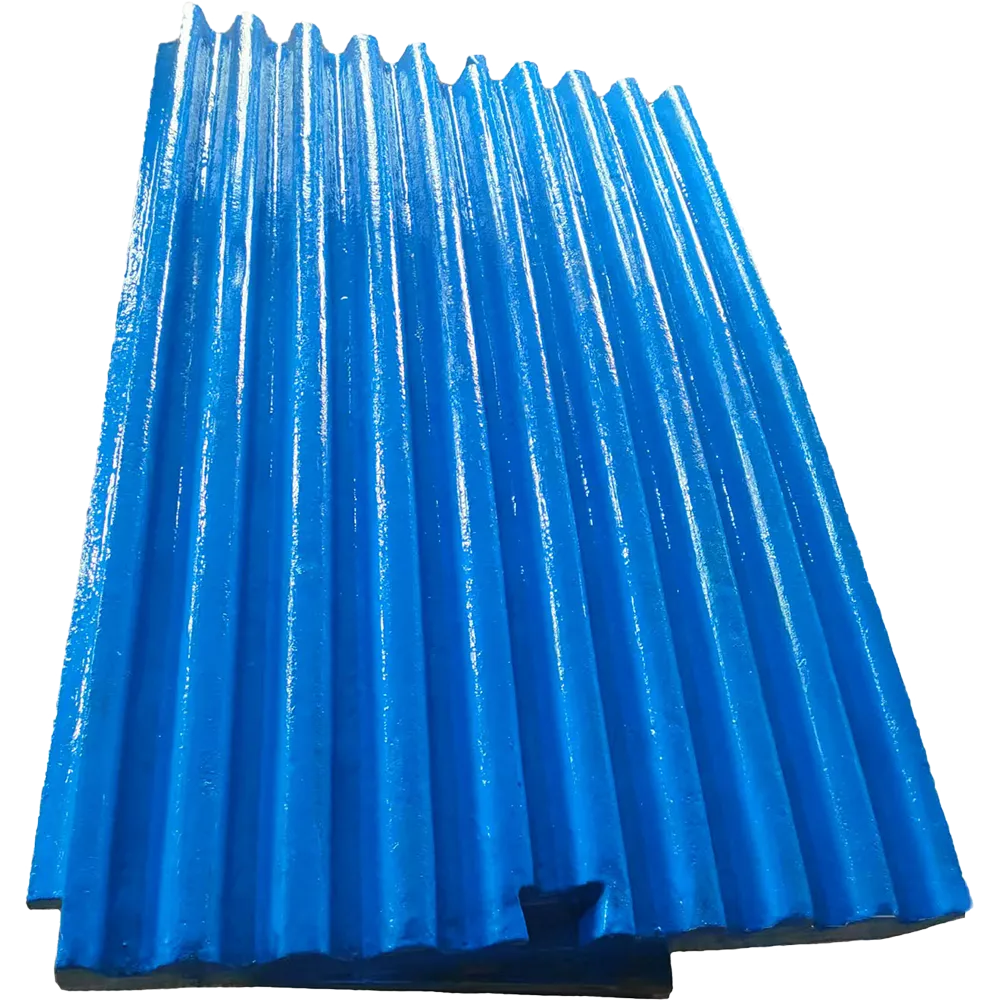
Table of Contents
- Crusher Castings Overview
- Benefits & Use Cases of Crusher Castings in Mining, Quarrying & Cement
- Cost, Maintenance & User Experience
- Sustainability & Market Trends in Mining, Quarrying & Cement
- Conclusion on Crusher Castings from HEBEI DEZHONG MACHINERY CO.,LTD
Crusher Castings Overview
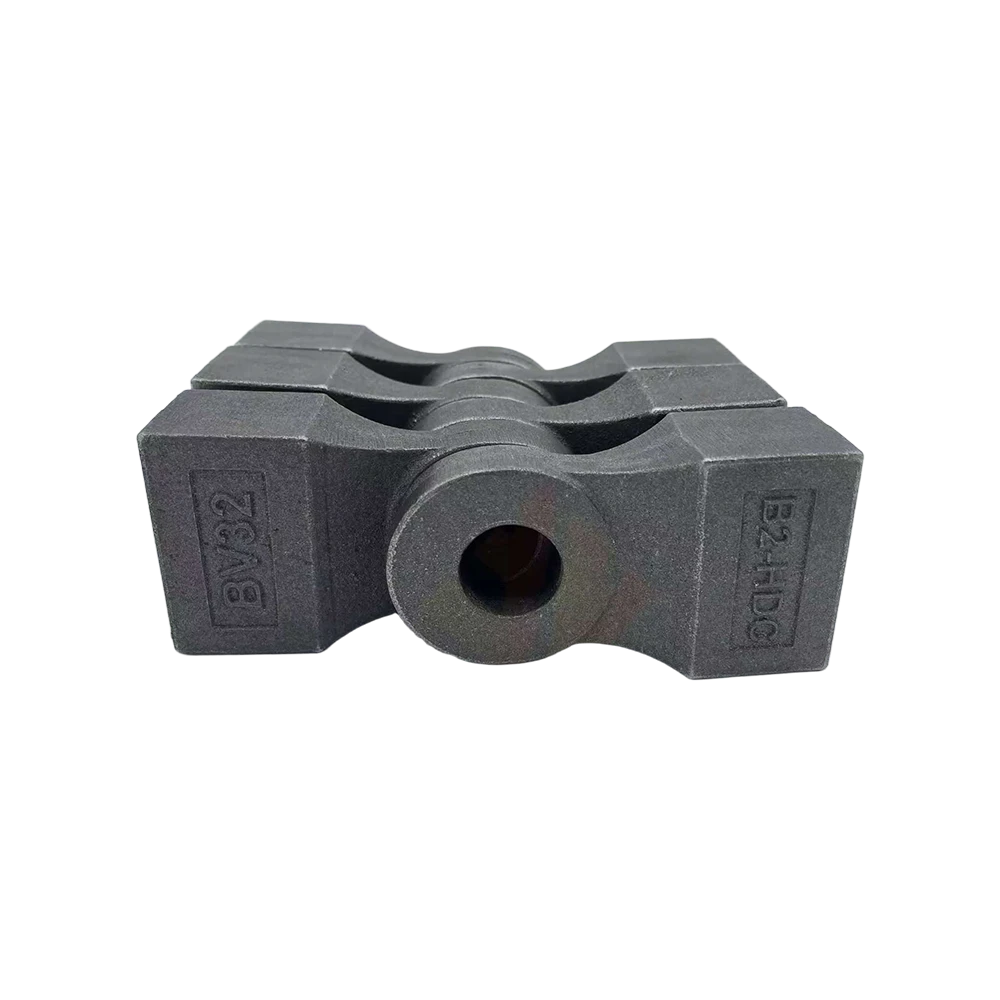
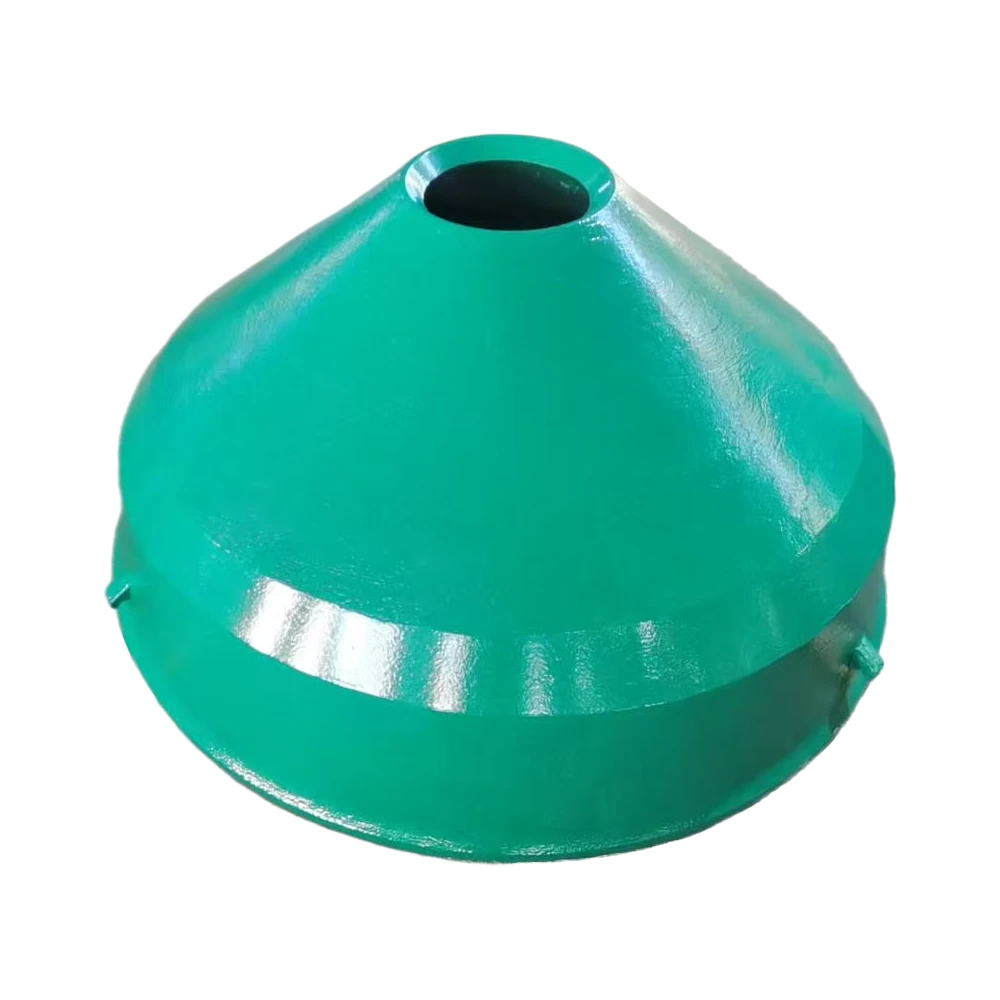
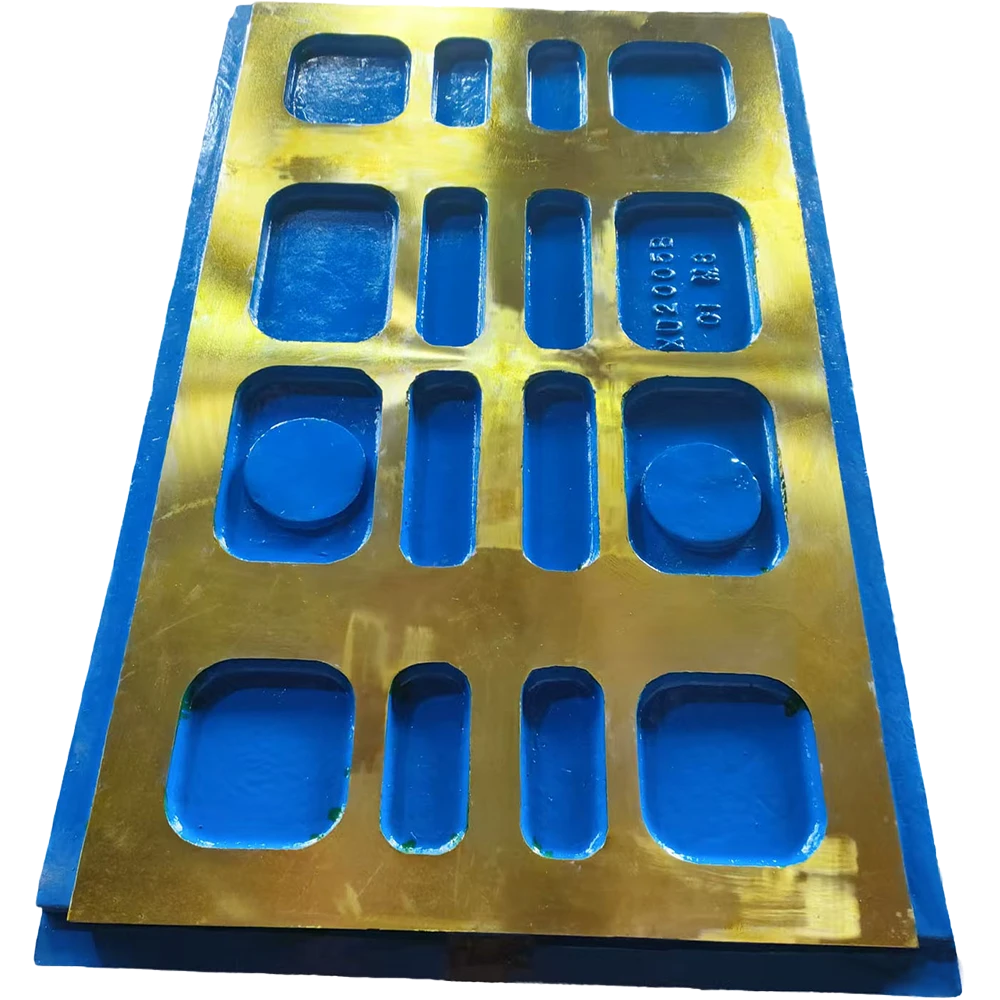
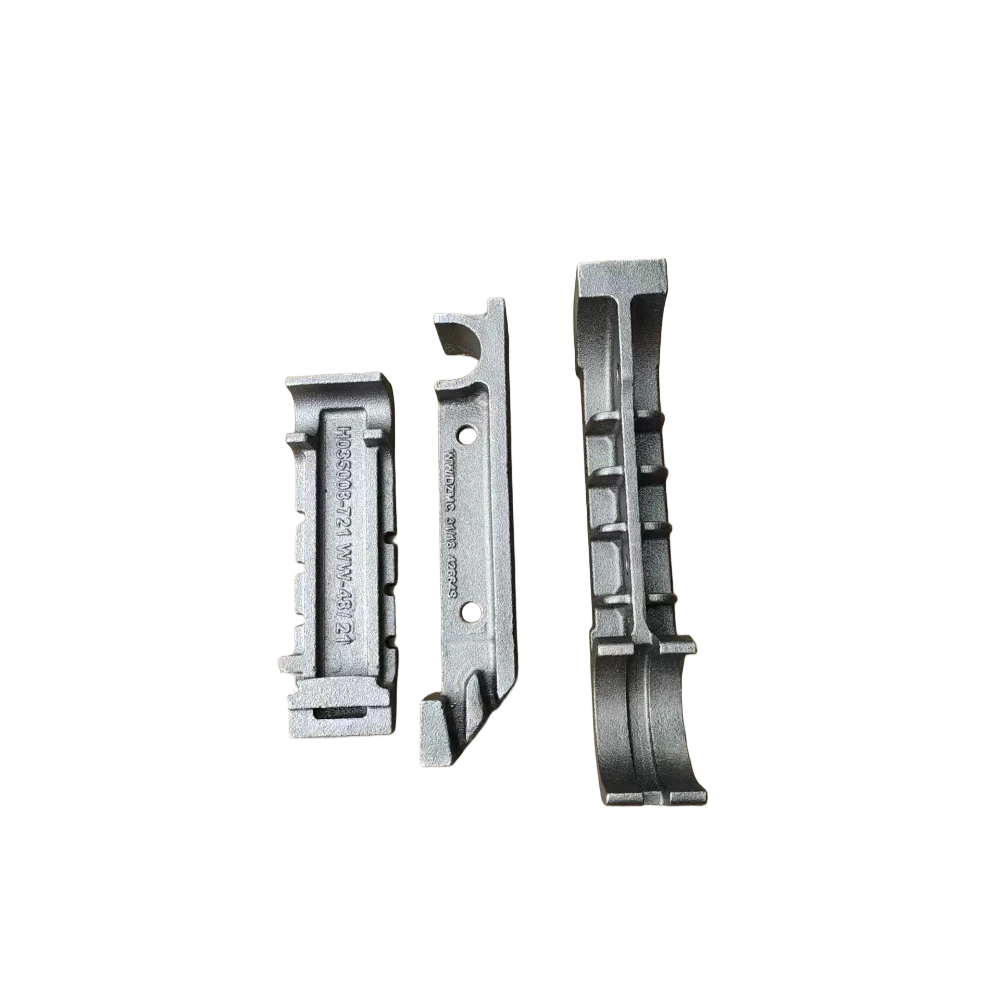
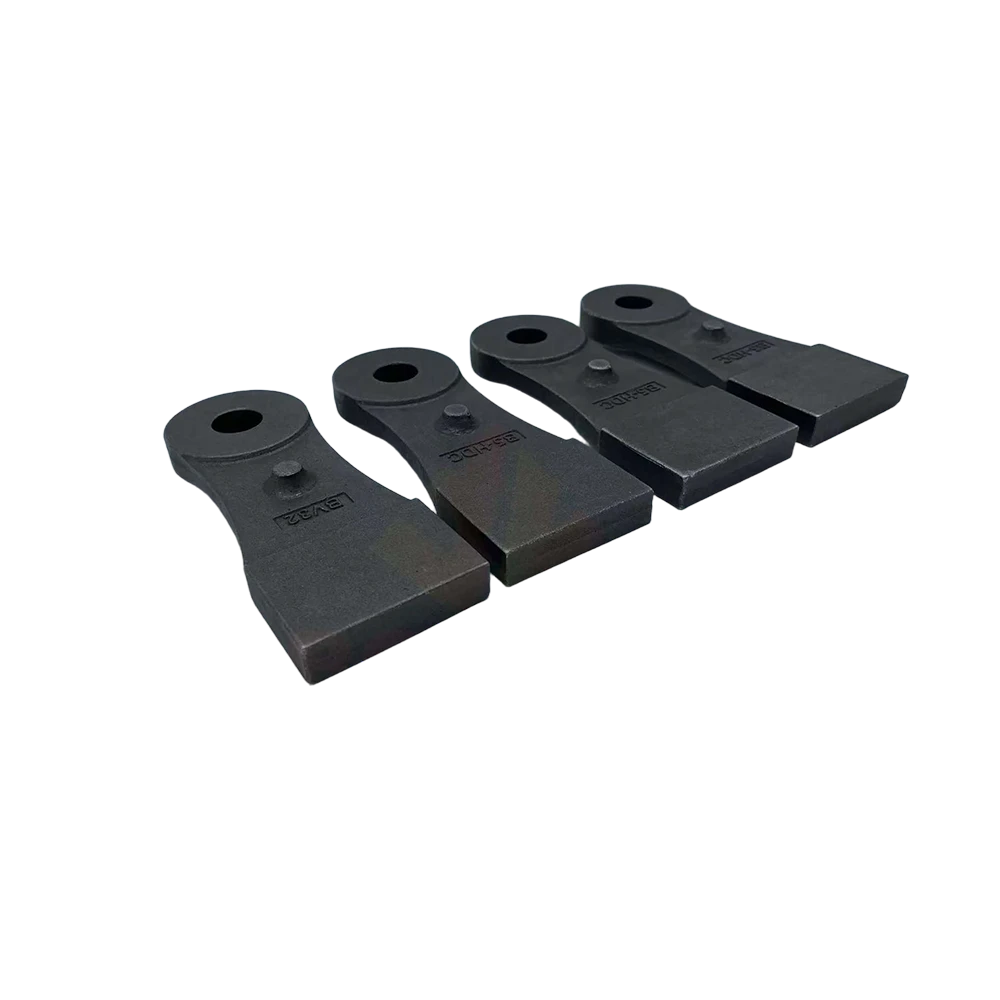
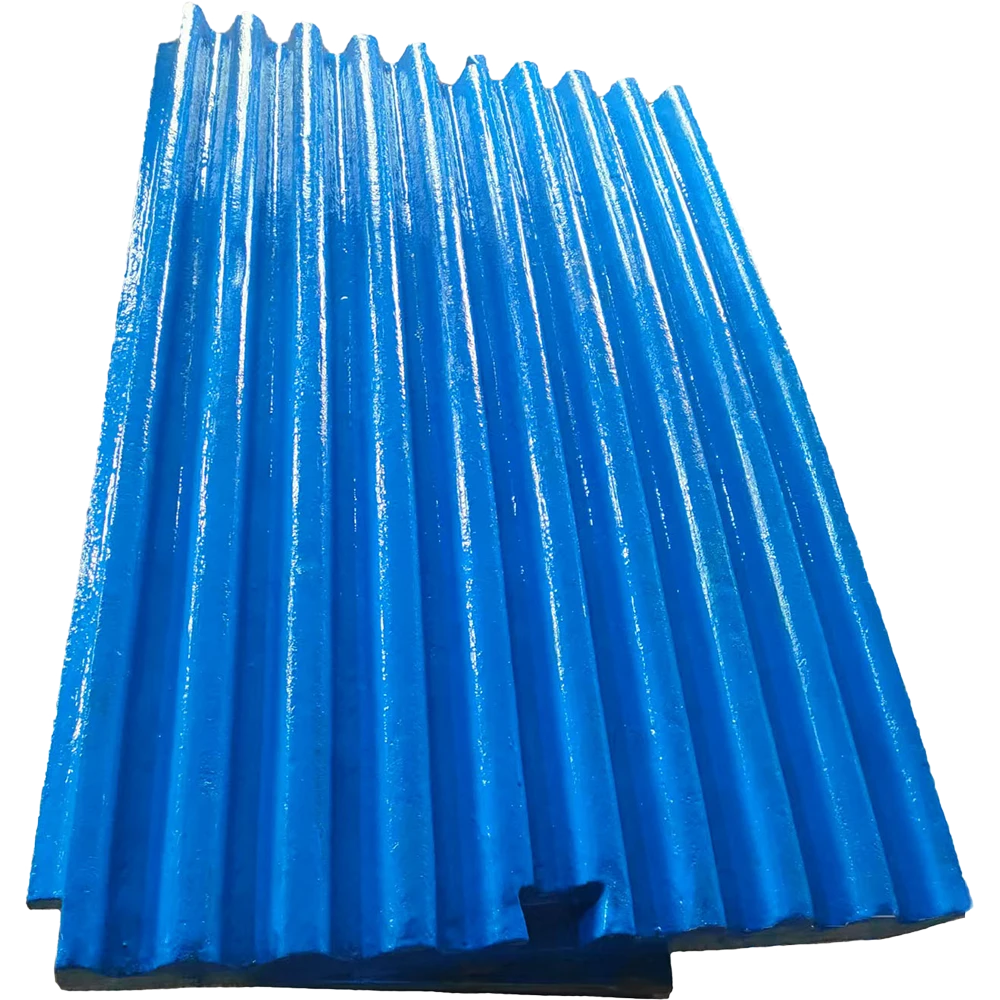
Crusher castings are engineered wear components that protect and optimize crushing equipment across mining, quarrying, and cement operations. Typical parts include the crusher jaw plate (stone crusher jaw plate), cheek plates, and liners. These parts are produced from high-performance alloys—such as Mn13, Mn18, Mn22, and Mn18Cr2 austenitic manganese steel—chosen for their work-hardening capability and impact resistance. For abrasive feeds or high-impact conditions, options like martensitic steel with ceramic (TiC) inserts and high-chrome overlays are available to balance toughness and wear life. HEBEI DEZHONG MACHINERY CO.,LTD designs and manufactures precision-fit plates for leading OEM models, supported by pattern control, 3D scanning, and controlled heat treatment to achieve consistent microstructure and hardness. By aligning tooth profiles, surface hardness, and metallurgy with the specific application, Crusher Castings deliver longer wear life, safer operation, and reduced downtime for B2B decision makers seeking reliable throughput.
- Relevance in mining / quarrying / cement: extends service intervals, stabilizes product gradation, and protects critical crusher components from premature failure.
- Technical focus: alloy selection (Mn18Cr2+TiC, martensitic options), optimized tooth geometry, and precise fit-up to reduce bedding-in time.
- Manufacturer credibility: HEBEI DEZHONG MACHINERY CO.,LTD delivers consistent quality control and application-specific engineering for crusher jaw plates and related castings.
Benefits & Use Cases of Crusher Castings in Mining, Quarrying & Cement
From primary jaw stations to mobile crushers in reclamation projects, Crusher Castings are integral to uptime and cost control. In hard rock mining, a high-manganese stone crusher jaw plate work-hardens under impact, improving surface hardness while maintaining core toughness. Aggregates producers handling granite or basalt often standardize on Mn18Cr2 jaws with deep corrugation for better grip and reduced slippage. In cement raw material preparation, alternative tooth profiles and smooth jaws help control fines while protecting downstream mills. HEBEI DEZHONG MACHINERY CO.,LTD supports these use cases with metallurgy matched to abrasiveness, feed size, and nip angle—ensuring the right balance of wear life and energy efficiency.
- Applications: primary and secondary jaw crushing, mobile recycling of construction & demolition waste, and cement plant raw feed sizing.
- Advantages: optimized tooth geometry for improved bite, alloy options for abrasive or impact duty, precision casting for easy change-outs, and consistent hardness for predictable wear patterns.
- HEBEI DEZHONG MACHINERY CO.,LTD expertise: engineered crusher jaw plate designs, fast lead times, and compatibility across major crusher brands to simplify inventory and procurement.
Cost, Maintenance & User Experience
Total cost of ownership for Crusher Castings is driven by wear life, downtime, change-out labor, and energy consumption. Selecting the correct stone crusher jaw plate metallurgy can extend intervals between liner changes, reducing unplanned stops and overtime. Many buyers find that a slightly higher-grade alloy pays back through longer service and fewer shutdowns. An indicative ROI view: ROI = (downtime avoided + replacement parts saved + throughput gains − price premium) ÷ price premium. In practice, predictable wear patterns enable planned maintenance windows and better shift scheduling, improving crusher availability and overall plant OEE.
- Durability & ROI: correct fit and alloy selection reduce breakage risk, while work-hardening manganese sustains performance under impact loading.
- User feedback: B2B operators report smoother commissioning when plates are dimensionally accurate, with easier torqueing and fewer early-life adjustments. Best practices include regular nip angle checks, timely “turns” (top-to-bottom plate flips), primary shim/binding inspections, and monitoring feed distribution to prevent localized wear.
Sustainability & Market Trends in Mining, Quarrying & Cement
Sustainability priorities are reshaping wear parts procurement. Longer-lasting Crusher Castings lower steel consumption per ton produced and reduce logistics emissions associated with frequent change-outs. Foundry best practices—like recycled scrap usage, sand reclamation, and energy-efficient melting—support ESG goals increasingly emphasized by mining majors and cement producers. Market trends point to digital specification management, simulation-led tooth profile design, and traceability for metallurgy and heat treatment to ensure consistent performance across sites and seasons.
- Regulatory and growth outlook: tighter environmental standards, greater reliance on aggregates for infrastructure, and increased use of recycled materials in construction all favor reliable, efficient crushing operations.
- HEBEI DEZHONG MACHINERY CO.,LTD positions itself as forward-thinking and eco-conscious by focusing on metallurgical optimization for extended wear life, precise casting to minimize rework scrap, and collaborative engineering that reduces total waste in the crushing circuit.
Conclusion on Crusher Castings from HEBEI DEZHONG MACHINERY CO.,LTD
For mining, quarrying, and cement producers, high-quality Crusher Castings—especially the crusher jaw plate and stone crusher jaw plate—are decisive levers for uptime, safety, and cost control. HEBEI DEZHONG MACHINERY CO.,LTD combines material science, fit precision, and application engineering to help B2B decision makers achieve predictable wear life and reliable throughput. Partner with a supplier that understands your feed characteristics, target gradation, and maintenance windows.
- Recap: engineered Crusher Castings enhance productivity and reduce lifecycle cost across mining / quarrying / cement.
- Reputation: HEBEI DEZHONG MACHINERY CO.,LTD delivers dependable quality and application-specific solutions.
- Strong CTA: Contact us: email: wallacefdp@sina.com — Visit our website: https://www.dzmccasting.com
-
High Performance oem cast heat resistant steel for Industrial UseNewsApr.16,2026
-
Guide to Selecting High Quality Cast Heat Resistant Steel AlloysNewsApr.09,2026
-
Custom Cast Heat Resistant Steel Solutions for High Temperature ApplicationsNewsApr.07,2026
-
Comprehensive Guide to Wholesale Cast Heat Resistant Steel for Industrial ApplicationsNewsApr.04,2026
-
Comprehensive Guide to High Performance Heat Resistant Metal Product SolutionsNewsMar.31,2026
-
Expert Guidance on Heat Resistant Metal Quotes and Alloy SelectionNewsMar.28,2026