Stone Crusher Parts Name Explained: Insider’s Guide to Key Components
Stone Crusher Parts Name: An Insider's Guide
Having spent several years in industrial equipment — specifically with stone crushers — I can tell you that the components inside these beasts are more than just metal chunks. They're engineered with care, each part playing a critical role in the whole crushing process. If you’ve ever found yourself wondering what the names of the different stone crusher parts are, or why they matter, this little walkthrough will hopefully clear things up.
First off, it’s always fascinating to see how these machines are constructed in layers of robust components, all designed for durability and efficiency. You know, there are primary crushers, secondary ones, and each comes with a unique set of parts meant to handle varying rock sizes and hardness levels. Without the right parts, you really couldn't get the kind of throughput today's mining and construction sectors demand.
Key Stone Crusher Components & Their Names
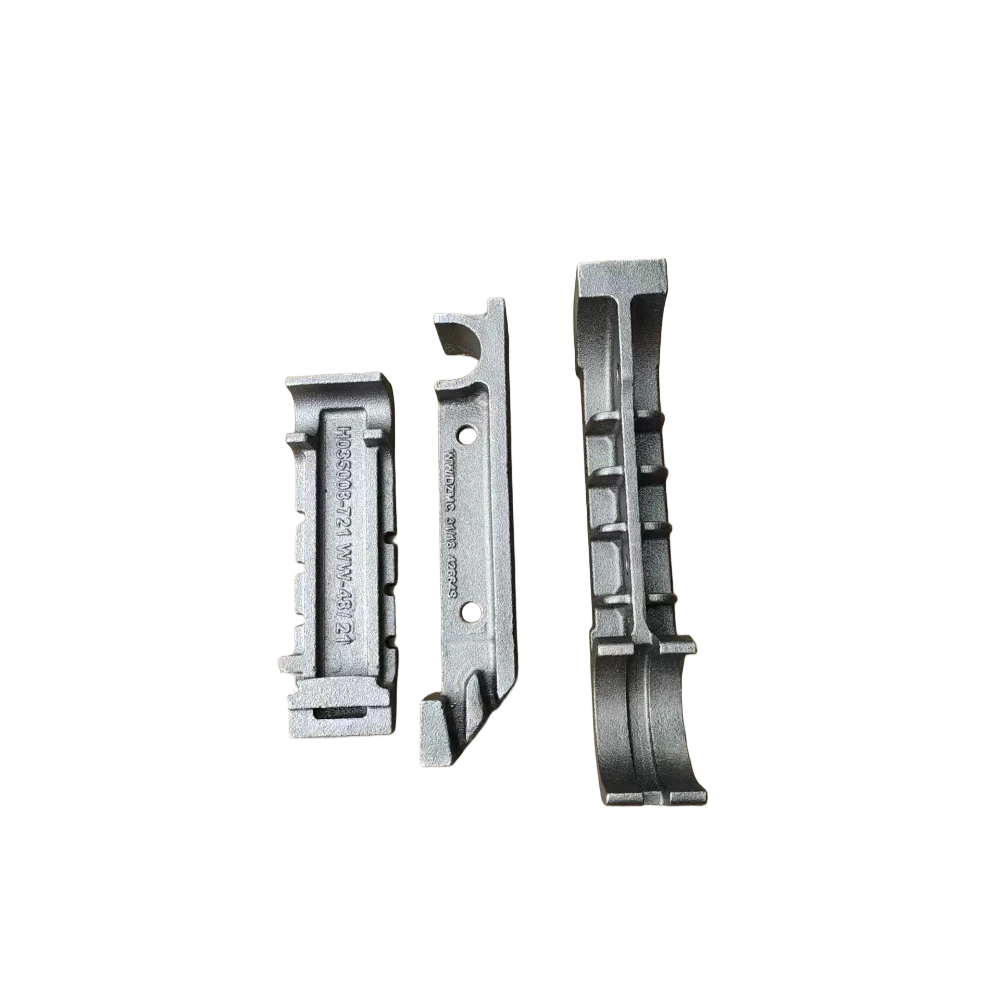
Here’s a quick shout-out to the main players inside these crushers — some names might be familiar, others less so, but they’re all essential:
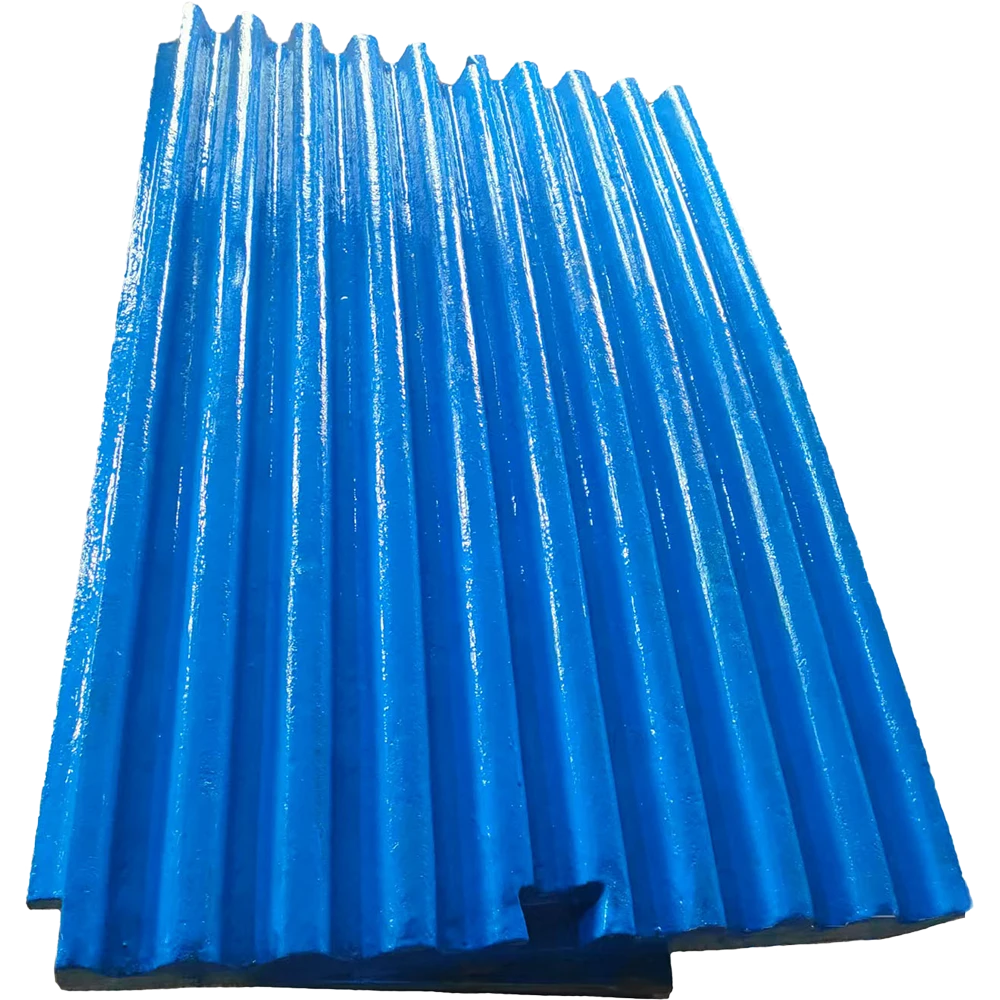
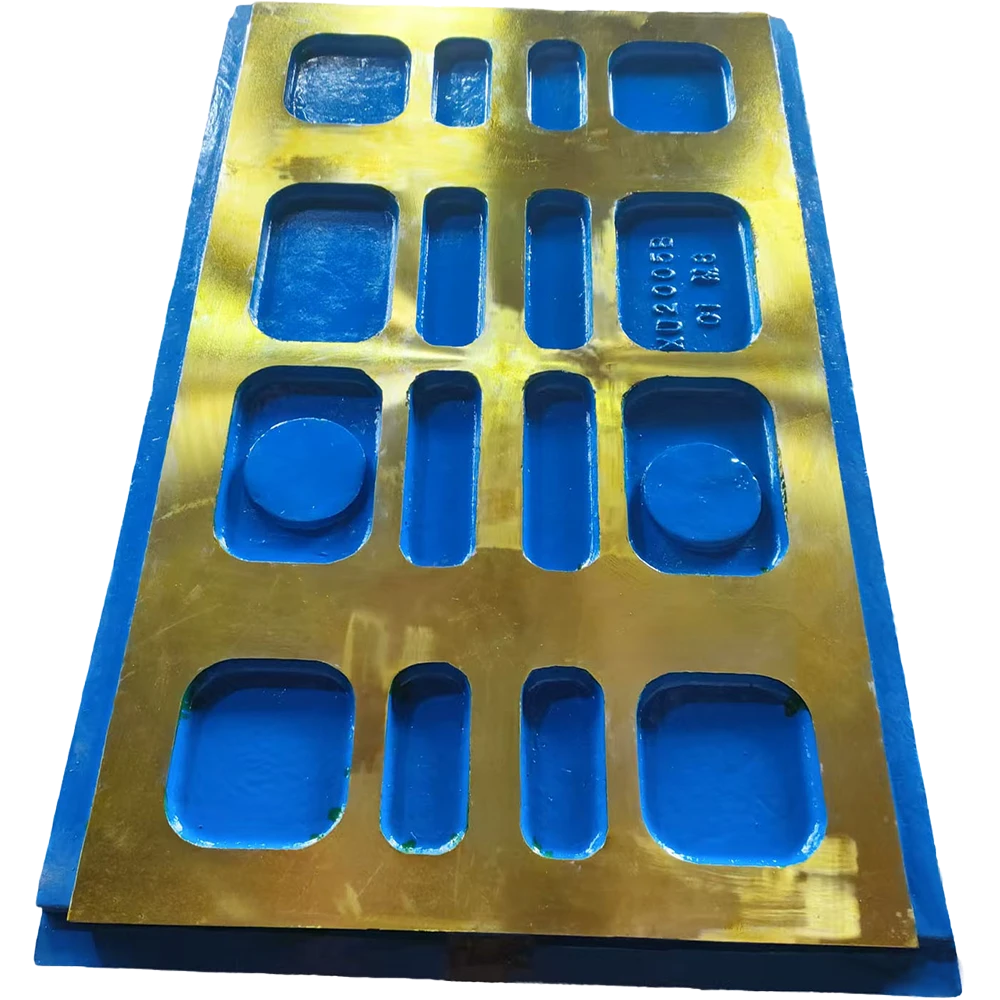
- Jaw plates: These crush the rocks by compression, usually made from manganese steel for high wear resistance.
- Toggle plate: Acts as a safety device, it can break if the crusher hits an uncrushable object, saving the rest of the machine.
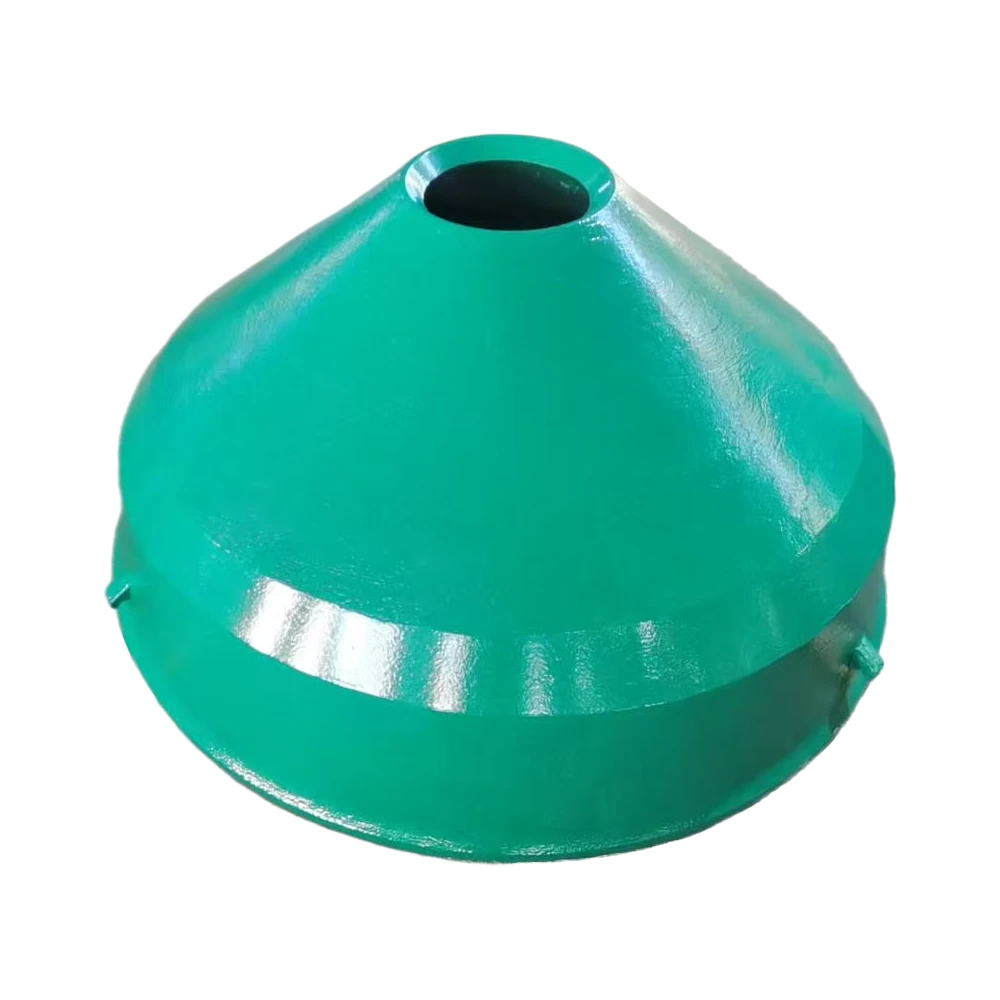
- Crusher bowl liner: Protects the bowl from wear and tear during crushing operations.
- Mantle: Mounted on an eccentric shaft, it performs the gyrating movement that crushes rocks against the bowl liner.
- Drive pulley: Transfers power from the motor to the crusher, usually via belts.
- Flywheel: Maintains the crusher's momentum and smooth operation.
- Adjusting ring: Allows for adjustment of the discharge opening, controlling output size.
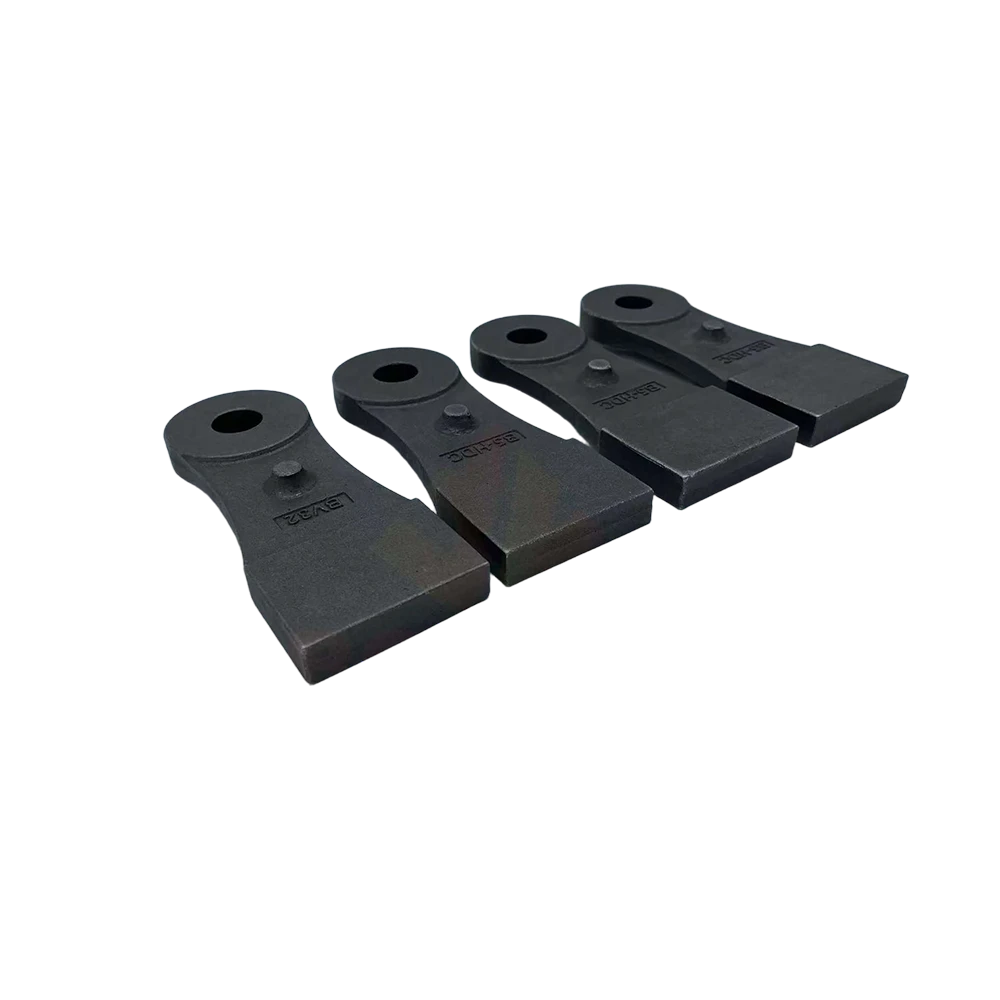
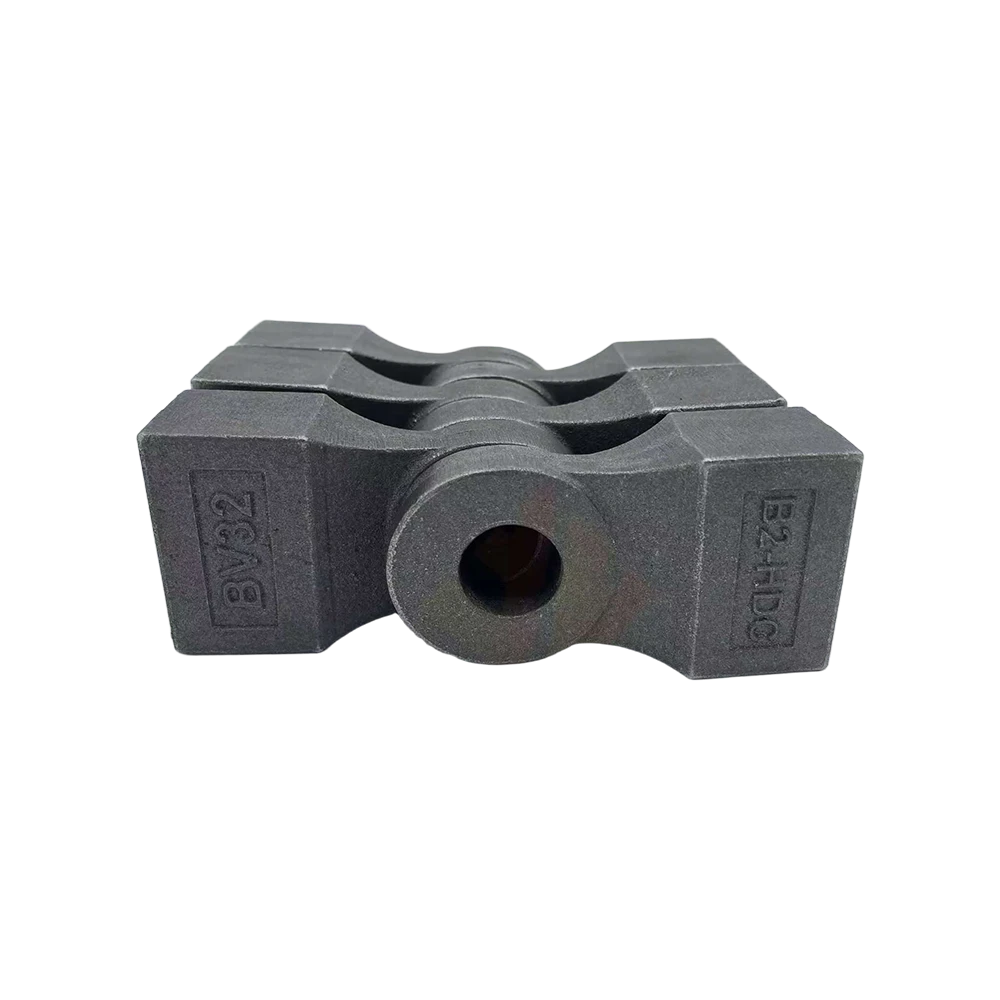
Not to mention, there are bearings, eccentric shafts, frame bodies, and more — all built tough to handle the dirt, dust, and constant pounding.
A Quick Spec Table for Typical Stone Crusher Parts
| Part Name | Material | Function | Typical Lifetime |
|---|---|---|---|
| Jaw Plate | Manganese Steel | Crushes rock by compression | 6-12 months (depending on usage) |
| Toggle Plate | Alloy Steel | Safety break during jams | Replaced upon breakage |
| Crusher Bowl Liner | Carbon Steel & Manganese | Protects bowl from abrasion | 8-14 months |
| Mantle | Alloy Steel with high manganese | Gyrates to crush rock | 8-12 months |
| Drive Pulley | Cast Iron/Steel | Power transmission | 3-5 years |
Comparing Leading Stone Crusher Parts Vendors
| Vendor | Material Quality | Customization Options | Global Reach | Warranty |
|---|---|---|---|---|
| DZMC Casting | High manganese alloy steel | Full customization available | Worldwide | 12 months |
| Vendor B | Standard alloy steel | Limited options | Regional (Asia/EU) | 6 months |
| Vendor C | Mixed steel grades | Custom on order only | Global but limited stock | 9 months |
Once, on a site near the Midwest, I observed how swapping a worn mantle and bowl liner from DZMC Casting’s parts drastically reduced downtime. It felt good to witness parts made precisely and shipped promptly. Ordering from a trusted vendor proved more than just a preference; it was a necessity.
Also, the importance of material quality cannot be overstated. Things like manganese content seriously affect wear resistance—and ultimately your maintenance cycles. So, picking parts is not just about names or looks, but also about metallurgy, testing, and how well the vendor supports you.
In real terms, understanding these stone crusher parts names helps operators communicate better, manage inventory, and troubleshoot faster. The next time you order a "jaw plate," make sure you get the right alloy, thickness, and fit — it’s not one-size-fits-all, oddly enough.
So, if you want to save time and money, I’d say always go for trusted manufacturers with transparent specs and customization options—like DZMC Casting.
After all, stone crushing is tough work, but with the right parts names under your belt, and the right vendor at hand, you can keep the crushers humming smoothly for years.
— End of my crusher parts musings —
References:
1. Industry manuals on crusher maintenance
2. DZMC Casting product literature
3. Personal site visits and experience in the field
-
High Performance oem cast heat resistant steel for Industrial UseNewsApr.16,2026
-
Guide to Selecting High Quality Cast Heat Resistant Steel AlloysNewsApr.09,2026
-
Custom Cast Heat Resistant Steel Solutions for High Temperature ApplicationsNewsApr.07,2026
-
Comprehensive Guide to Wholesale Cast Heat Resistant Steel for Industrial ApplicationsNewsApr.04,2026
-
Comprehensive Guide to High Performance Heat Resistant Metal Product SolutionsNewsMar.31,2026
-
Expert Guidance on Heat Resistant Metal Quotes and Alloy SelectionNewsMar.28,2026