Crusher Wear Plates: Durable Solutions for Global Crushing Needs | DZMC Casting
What Are Crusher Wear Plates and Why Do They Matter Globally?
If you've ever pondered how massive rocks get crushed into gravel, or how heavy industries boost efficiency without breaking budgets, you’ve brushed against the world of crusher wear plates. These unassuming steel plates are the unsung heroes inside crushing machines, facing punishing impacts and abrasion daily.
Worldwide, mining, construction, and recycling sectors depend on these plates to keep operations smooth. Their wear resistance directly affects downtime, costs, and productivity — which all have ripple effects on resource availability and infrastructure development globally. Especially in emerging economies and disaster recovery efforts, knowing what crusher wear plates are and how they perform can be a game changer.
Mini takeaway: Crusher wear plates may sound niche, but they’re vital components that support the backbone of numerous industries worldwide.
The Global Landscape: Why Crusher Wear Plates Are More Relevant Than Ever
The global crushing equipment market is forecasted to grow significantly, driven by urban expansion and infrastructure projects, according to the latest data from the World Bank. With over 30 billion tons of rock processed yearly, the demand for efficient, long-lasting crusher wear plates is nothing short of critical.
Often overlooked, wear plate failures lead to costly delays. Imagine a remote mining operation in sub-Saharan Africa losing days rebuilding worn-out internal components — not to mention the safety risks involved. Manufacturers have responded with advanced metallurgy and innovative designs, but challenges remain.
Think about it: The crushing industry is a big piece of the sustainability puzzle. Wear plates that last longer mean less waste, fewer replacements shipped across continents, and fewer disruptions in food and construction supply chains.
What Exactly Are Crusher Wear Plates?
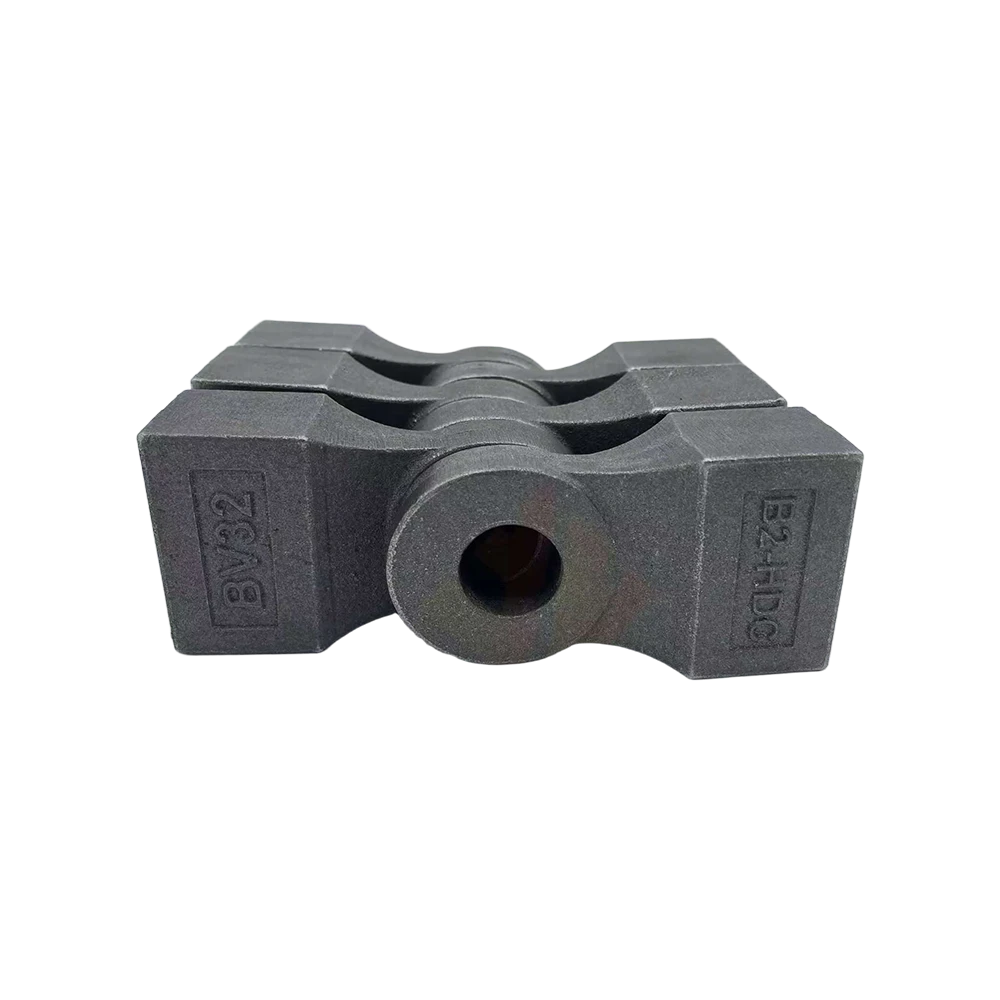
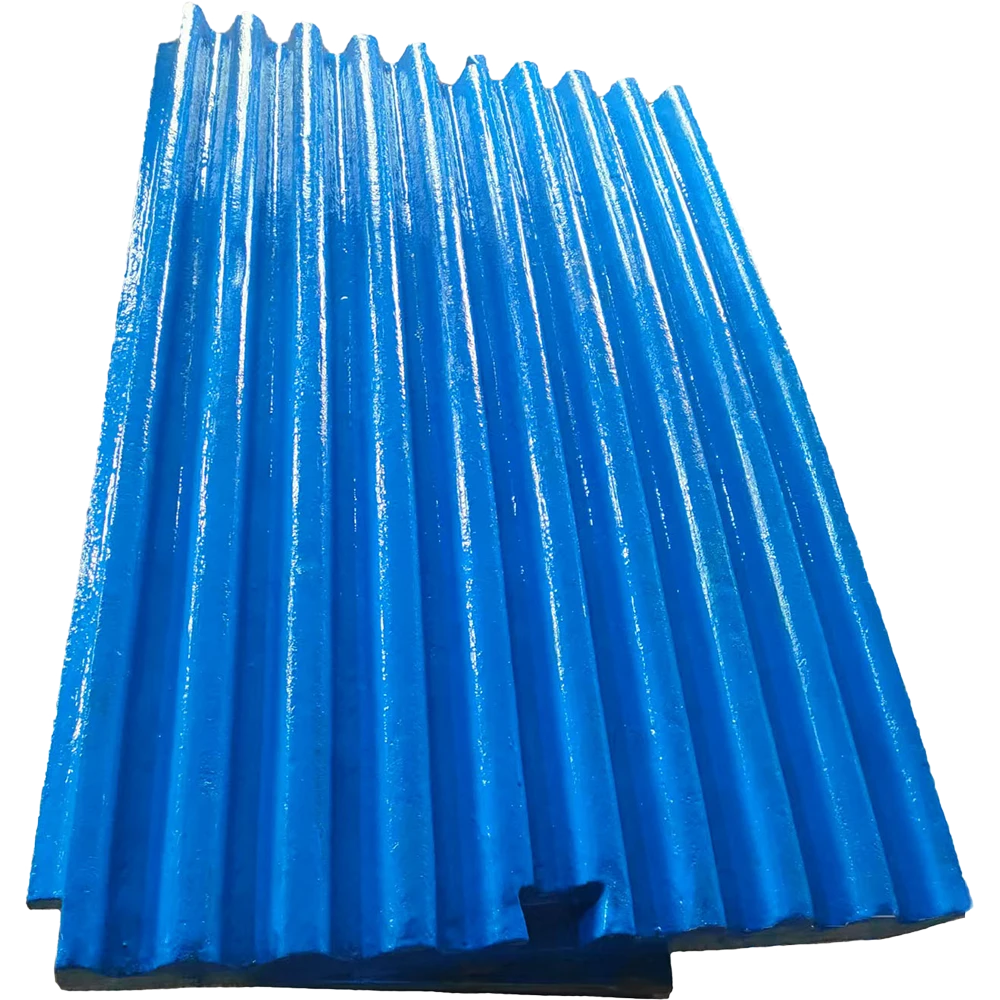
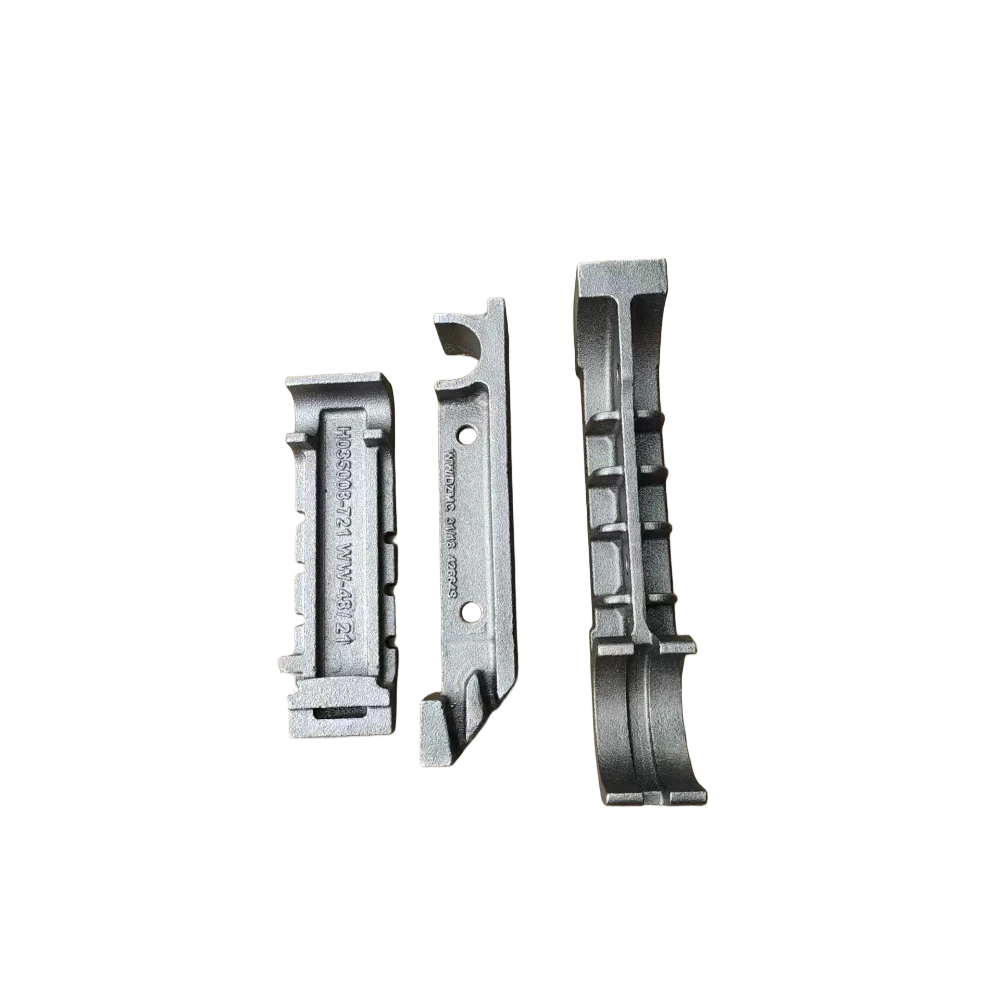
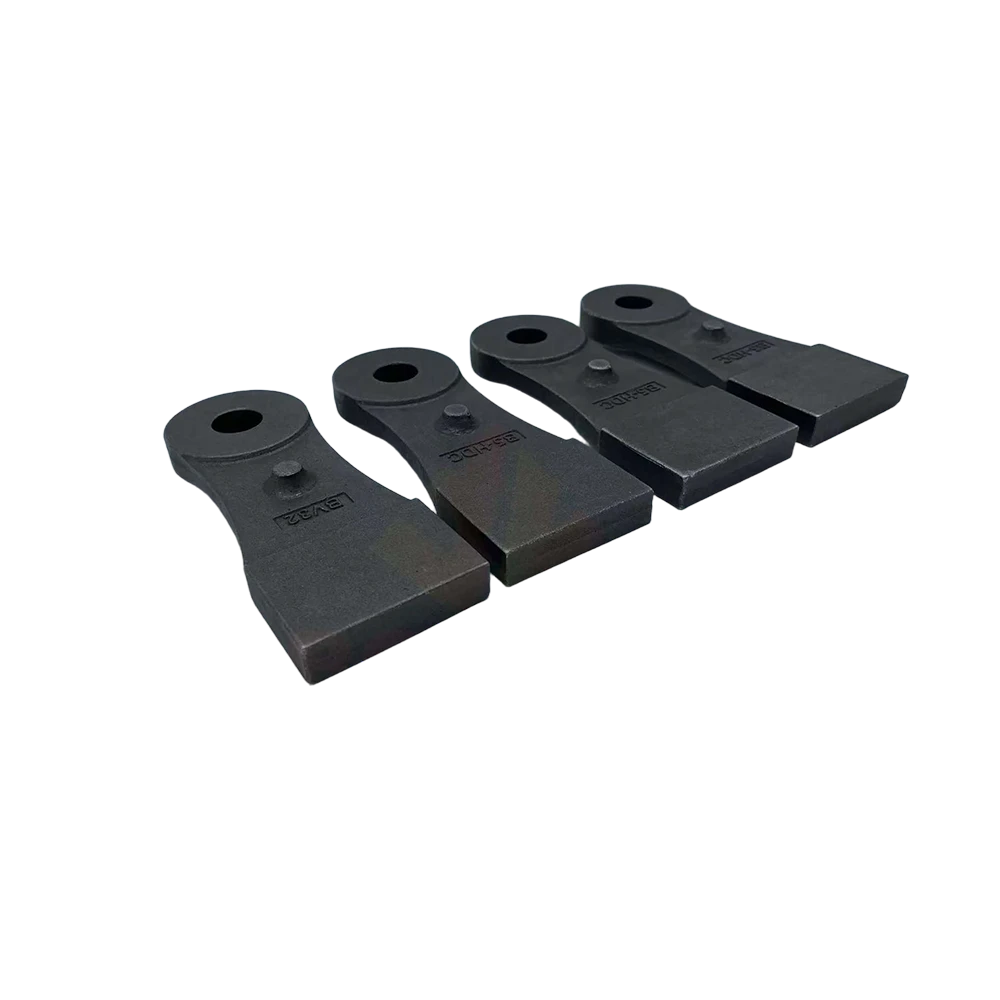
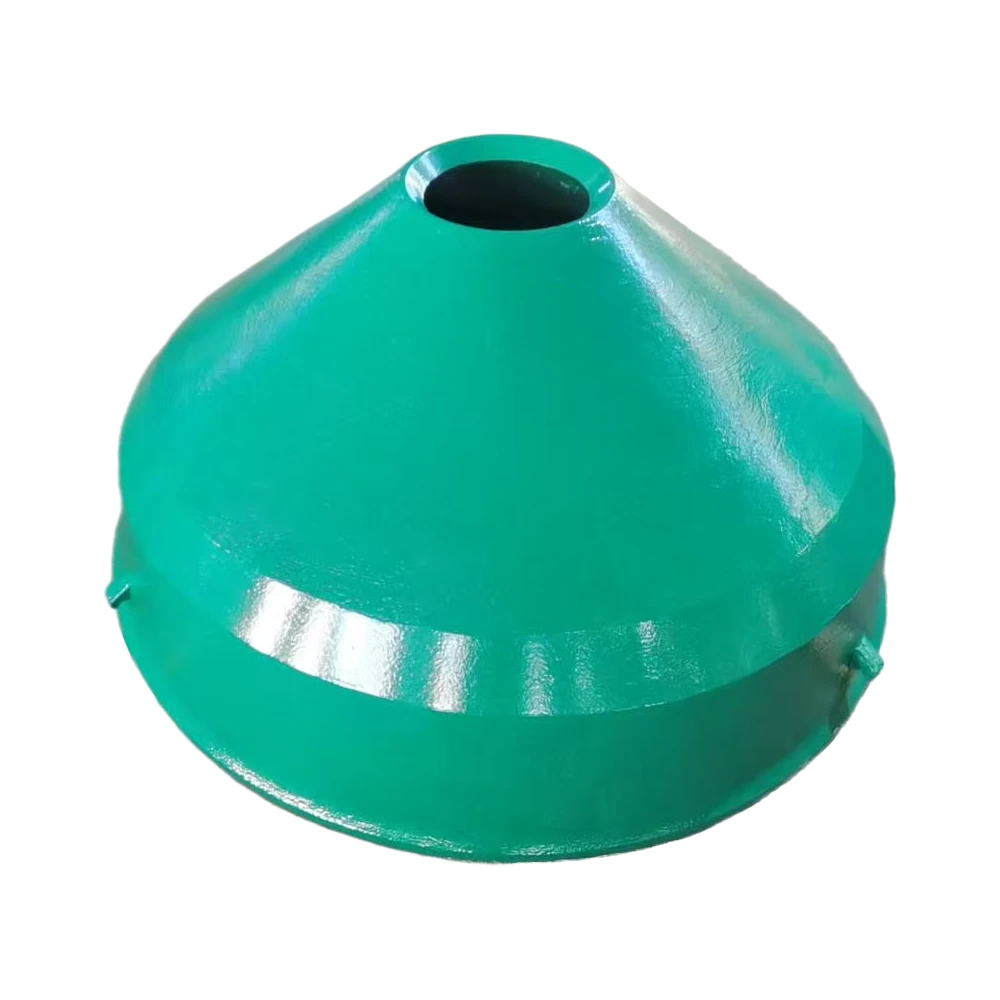
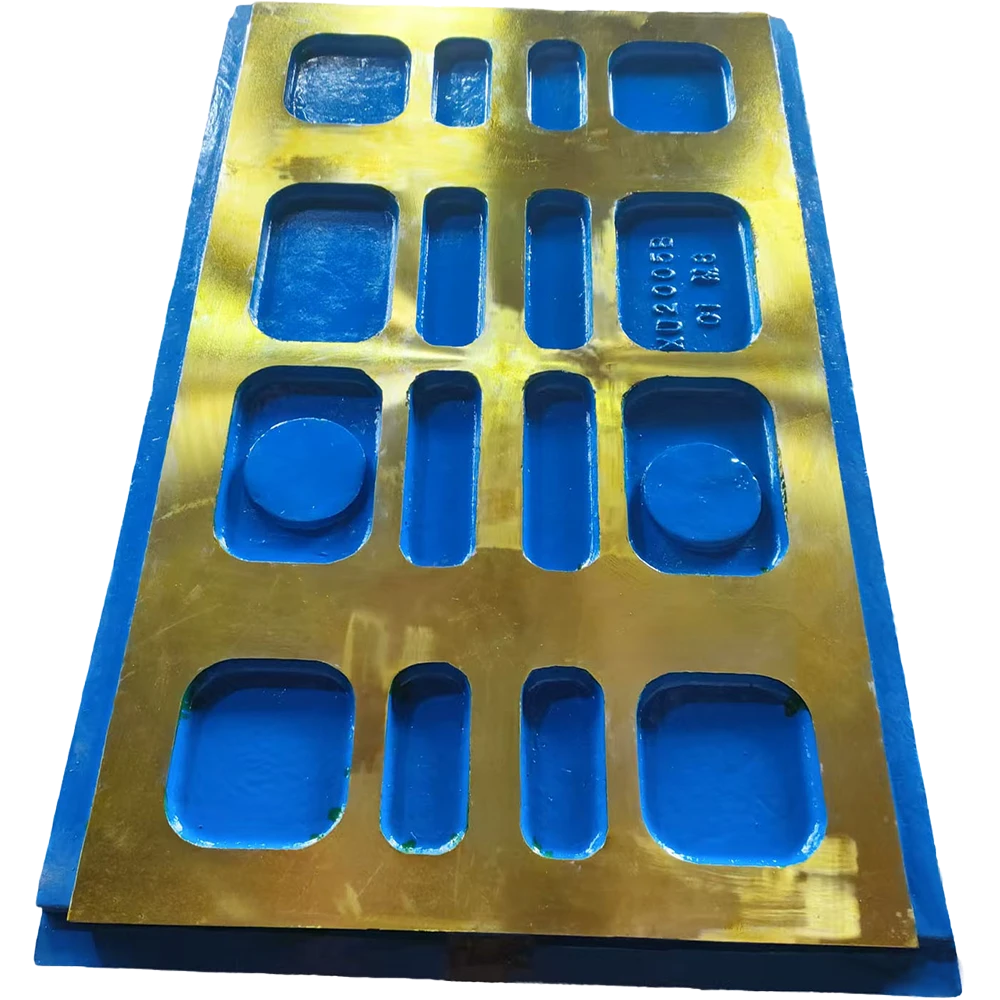
Put simply, crusher wear plates are flat or contoured steel liners installed inside crushers that protect the machine’s core structure from abrasive materials. Their job is to absorb the intense force and friction generated when rocks and ores are broken down.
But they’re far from just simple shields. Many modern plates incorporate high-chrome alloys or manganese steel, which work-harden as they bear load, extending life dramatically. These plates ensure continuous performance in sectors as diverse as mining, recycling, cement plants, and even disaster debris clearance.
Oddly enough, these plates aren’t flashy, but without them, crushers would need constant repairs. So, they're quietly linked to humanitarian aid, by enabling rapid debris cleanup after natural disasters, for example.
Key Factors To Consider In Crusher Wear Plates
Durability and Hardness
This is the heart of it. Plates must resist abrasive wear and impact, which means material selection is paramount. Manganese steel offers self-hardening but can be brittle. Chrome alloys are tougher but costlier. Finding the sweet spot impacts operational costs hugely.
Design and Fit
Wear plates aren't one-size-fits-all. They must fit the crusher model exactly, whether it's a jaw, cone, or impact crusher. A poor fit can cause uneven wear, equipment damage, or even safety hazards.
Cost Efficiency
The initial price per plate matters less than lifespan and performance. Some cheaper plates fail prematurely, leading to downtime and higher total costs. Smart buyers consider total cost of ownership.
Ease of Installation
Time is money — plates that are easier to install or swap during scheduled maintenance keep crushers running longer and reduce labor costs.
Corrosion Resistance
Especially for crushers in humid or chemical-exposed environments, coatings or alloy choices that minimize rust improve plate longevity.
Environmental Impact
More manufacturers are focusing on recyclable materials and energy-efficient production processes, responding to global sustainability trends.
Mini takeaway: Choosing the right crusher wear plate involves balancing performance, cost, and environmental considerations tailored to your specific application.
How Crusher Wear Plates Power Real-World Solutions
- Mining in Australia and Canada: Huge copper mines rely on wear plates that endure tough ore bodies, reducing replacement frequency and improving throughput.
- Construction sites in Europe: Recycled concrete and demolition material crushers utilize special plates engineered to handle mixed debris.
- Disaster Relief Operations: In earthquake-hit regions, mobile crushers fitted with durable wear plates enable quick rubble clearance, allowing aid access.
- African Infrastructure Projects: Remote roads and dams benefit from rugged crushers with wear parts that withstand sparse maintenance conditions.
One insightful example: a quarry operator in Brazil cut downtime by 30% after switching to premium alloy crusher wear plates, translating to millions saved over one wet season.
The Advantages of High-Quality Crusher Wear Plates
For operators, the benefits translate into real-world value:
- Lower Operating Costs: Longer-lasting plates reduce the frequency of costly replacements and unplanned shutdowns.
- Improved Safety: Well-fitted, durable wear plates minimize unexpected part failures, protecting workers.
- Environmental Sustainability: Reducing waste metal and energy consumption aligns with global green initiatives.
- Reliability and Trust: When equipment runs smoothly, project deadlines meet, and confidence grows.
There’s something oddly satisfying about knowing a simple steel plate can contribute to trust and dignity, especially in post-disaster rebuilding or feeding growing cities. They’re small details with big impact.
Emerging Trends and Innovations to Watch
Looking ahead, innovations in casting techniques and materials are promising. For example, crusher wear plates with embedded sensors could monitor wear in real-time, allowing predictive maintenance and avoiding unplanned outages.
Green manufacturing processes are gaining traction too — reducing carbon footprints while producing alloy steels with exceptional hardness and wear resistance.
Automation intersects with digital twins and AI in mining and construction, which could extend to wear plate lifecycle predictions and optimized designs tailored for specific crushing tasks.
Challenges and How Industry Leaders Are Tackling Them
Of course, not everything is smooth. Some common issues include:
- Material Trade-offs: Hard materials resist abrasion but may crack under impact.
- Customization Demand: Crushers vary widely, creating a need for complex, on-demand plate designs.
- Supply Chain Delays: Especially post-pandemic, sourcing high-quality plates can be slow.
- Environmental Regulations: Stricter laws require greener production and disposal methods.
Experts suggest modular plate systems and advanced alloys, combined with flexible casting and 3D printing techniques, can mitigate many challenges. Smart inventory management also helps avoid costly downtime.
FAQ: Common Questions About Crusher Wear Plates
- What materials make crusher wear plates most durable?
- Manganese steel and high-chrome alloys are industry favorites. Manganese hardens with impact, while chrome offers excellent abrasion resistance. The choice depends on your crusher type and workload.
- How often should crusher wear plates be replaced?
- Replacement intervals vary widely — from a few months to over a year — depending on material processed, plate composition, and maintenance practices. Monitoring wear is key to preventing failures.
- Can crusher wear plates be customized for unique applications?
- Absolutely. Many manufacturers use CAD and custom casting to create wear plates tailored for specific crusher models, increasing performance and lifespan.
- Are wear plates recyclable?
- Yes, most steel crusher wear plates can be recycled at end-of-life, which supports environmental sustainability goals.
- Is the installation of crusher wear plates complicated?
- Not usually, but it requires skilled technicians to ensure proper fit and alignment. Some newer designs aim to make installation quicker and safer.
Product Specifications of Typical Crusher Wear Plates
| Specification | Value / Range | Notes |
|---|---|---|
| Material | High manganese steel, Chrome alloys, or composite steels | Depends on crusher application and wear type |
| Hardness | BHN 200-400+ | Brinell Hardness Number (typical) |
| Thickness | 10–50 mm | Customized per crusher size |
| Weight | 5–100+ kg | Varies by dimensions |
| Surface Treatment | Heat-treated, carburized, or sprayed coatings | Improves wear & corrosion properties |
Vendor Comparison: Finding The Right Crusher Wear Plate Supplier
| Feature | DZMC Casting | Competitor A | Competitor B |
|---|---|---|---|
| Material Options | High manganese, high chrome, composite alloys | Manganese & chrome only | Limited alloys |
| Customization | Full CAD & casting customization | Standard sizes only | Partial custom options |
| Lead Time | 3-6 weeks | 4-8 weeks | 5-9 weeks |
| Global Shipping | Worldwide, with export expertise | Regional only | Limited |
| Warranty & Support | 12-month warranty + technical support | 6 months | None |
Wrapping It Up: Why Crusher Wear Plates Deserve a Spot in Your Engineering Focus
Looking back, it's easy to overlook how something as simple as a steel plate contributes so heavily to global infrastructure and industrial growth. Crusher wear plates endure some of the harshest environments on Earth — grinding, pounding, and resisting relentless abrasion — all so our cities get built, mines keep humming, and disaster zones get cleared fast.
Choosing the right crusher wear plates means fewer headaches, more efficient operations, and a smaller environmental footprint. As technology advances and global needs evolve, staying informed about these plates is a smart move for any engineer, operations manager, or procurement specialist.
If you want to explore high-quality, customizable crusher wear plates that keep you ahead of the curve, be sure to check out crusher wear plates from DZMC Casting — where longevity meets innovation.
Mini takeaway: Don’t underestimate the power of a well-designed wear plate. It’s a small piece of metal with a huge role.
References
-
High Performance oem cast heat resistant steel for Industrial UseNewsApr.16,2026
-
Guide to Selecting High Quality Cast Heat Resistant Steel AlloysNewsApr.09,2026
-
Custom Cast Heat Resistant Steel Solutions for High Temperature ApplicationsNewsApr.07,2026
-
Comprehensive Guide to Wholesale Cast Heat Resistant Steel for Industrial ApplicationsNewsApr.04,2026
-
Comprehensive Guide to High Performance Heat Resistant Metal Product SolutionsNewsMar.31,2026
-
Expert Guidance on Heat Resistant Metal Quotes and Alloy SelectionNewsMar.28,2026