Dec . 13, 2025 20:00
Back to list
Comprehensive Guide to Crusher Toggle Plates: Selection, Uses, and Future Trends
Understanding the Crusher Toggle Plate: Why It Matters in Industry Today
If you’ve ever peeked inside a rock crusher—or just casually wondered how the raw, chunky rubble is transformed into the gravel used in roads and buildings—you’ve already brushed up against the humble but mighty crusher toggle plate. It’s that often-overlooked part that plays a critical role in crushing machinery, especially jaw crushers. And, honestly, understanding it better is worth your while because it touches everything from mining to construction, and beyond. Globally, industries that rely on crushing rock and minerals underpin infrastructure growth, energy supply chains, and even humanitarian efforts. According to the World Bank, in 2022, the global construction industry was valued over $13 trillion, much of which requires crushed stone as a foundational element. Now, factor in the brittle realities of natural disasters, where rapid infrastructure repair is paramount, and the need for highly reliable crusher toggle plates becomes obvious. In this article, we’ll break down what a crusher toggle plate is, why it’s crucial, and how advancements in this simple piece of engineering ripple out across industries, countries, and communities alike. Stick with me; there’s more than just metal and engineering here.The Crusher Toggle Plate: What Exactly Is It?
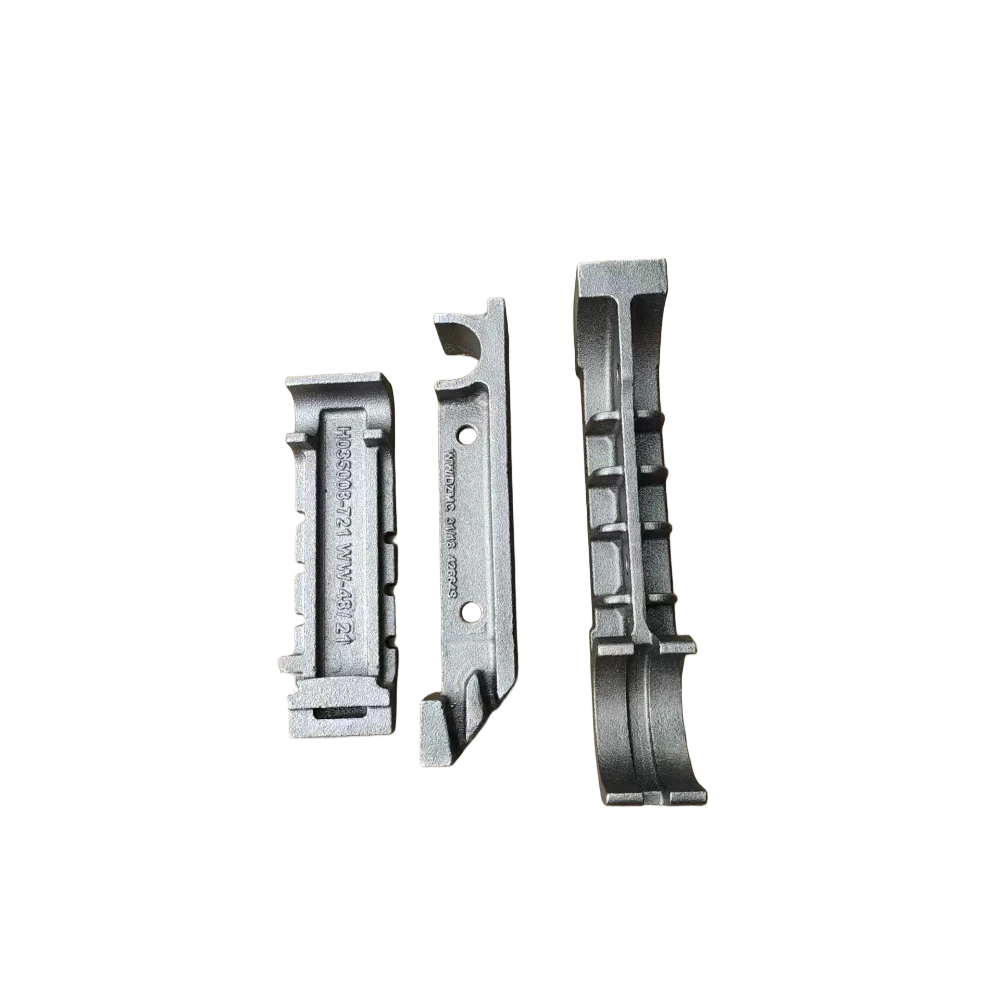
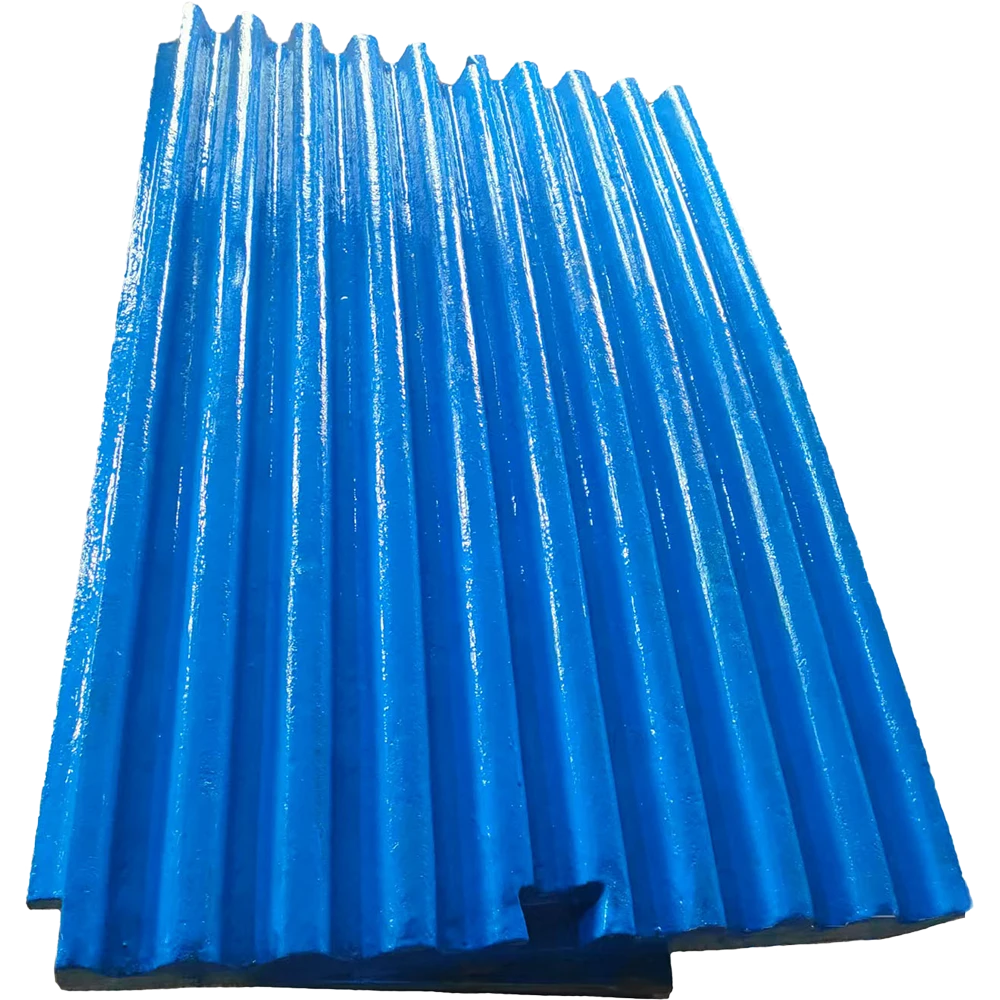
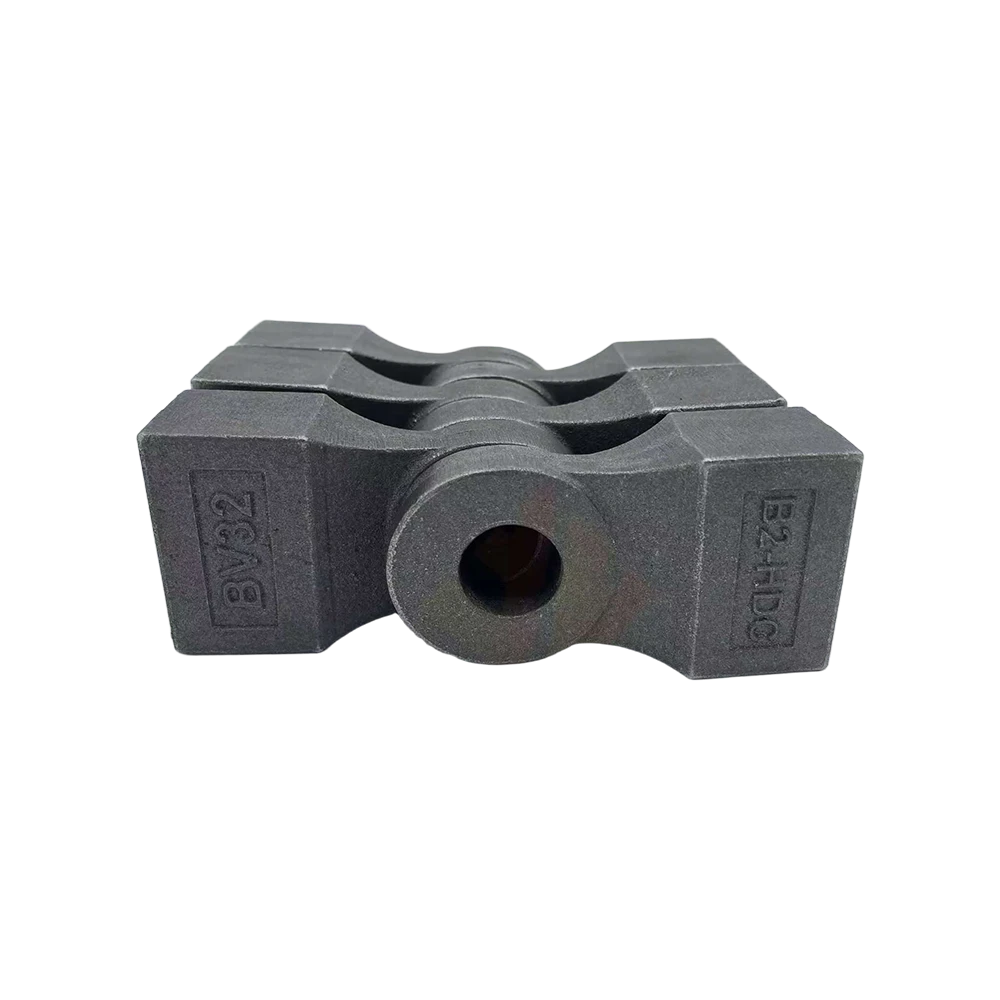
Put simply, a crusher toggle plate is a mechanical lever piece that’s part of a jaw crusher system. It serves as a safety mechanism and a force transfer link between the eccentric shaft and the moving jaw plate. When the crusher operates, the toggle plate allows the jaw to crush materials but also protects the machine by breaking or slipping if uncrushable objects enter the chamber—think large boulders or iron debris. Its importance extends beyond just protecting the machine. In mining or aggregate production, the toggle plate regulates crushing force and motion, influencing efficiency and wear and tear. So it’s not only about durability but also optimizing output, reducing downtime, and saving operational costs. Modern variations may employ high-strength steels or even composite materials, which can extend lifespan and improve resistance to impact. What feels almost poetic is how something so straightforward ties into massive industrial processes—with ripple effects on sustainability and profitability.Core Features of Crusher Toggle Plates: Why They Matter
1. Durability and Material Strength
Crusher toggle plates endure extreme stress. Usually crafted from manganese steel or pearlitic cast iron, these plates are designed to resist abrasion and sudden impacts. Many manufacturers treat them with heat or unique coatings to push longevity further.2. Safety Mechanism Role
One fascinating aspect is the toggle plate’s “fail-safe” design. When there’s an impact beyond the crusher’s capacity, the plate snaps or shifts, protecting more expensive parts from damage. It then becomes a replaceable sacrificial piece—kind of like the fuses in an electrical circuit.3. Performance and Crushing Efficiency
The toggle plate’s shape and fit influence the crushing stroke and angle. This affects particle size, throughput, and power consumption—key parameters when companies want to maximize output without escalating energy bills.4. Ease of Replacement and Maintenance
Considering how often these plates might need changing, designs that simplify removal or installation save a ton of downtime. Some vendors even offer toggle plates with built-in monitoring capabilities, helping operators plan preventative maintenance.5. Cost and Supply Chain Implications
Cost isn’t simply about the price tag on the plate—it’s about total cost of ownership. A toggle plate that wears less, causes fewer stoppages, or can be sourced domestically can impact project timelines and budgets profoundly. Mini takeaway: The crusher toggle plate may be small, but it’s mighty—combining safety, efficiency, and cost control in one cast or forged part.Real-World Applications of Crusher Toggle Plates
Thanks to its critical role, the crusher toggle plate shows up in a variety of industries worldwide. Mining operations in Australia and South Africa install robust toggle plates to crush ores. Construction companies in North America rely on them for recycled concrete production. Even humanitarian logistics sometimes employ portable crushers with reliable toggles to generate building materials on-site after disasters. For example, during the 2015 Nepal earthquake recovery, local contractors used jaw crushers equipped with high-quality toggle plates to prepare rubble for reconstruction, cutting costs and accelerating the rebuild process. In remote industrial zones, where importing spare parts is slow and expensive, toggle plates designed for longevity reduce downtime, keeping essential operations running. crusher toggle plate suppliers have tailored products to suit these highlights, offering everything from standard models to custom sizes optimized for specific crusher brands or crushing conditions.Advantages and Long-Term Value of High-Quality Toggle Plates
Choosing the right crusher toggle plate isn’t just a technical decision; it’s strategic. After all, downtime in crushing plants can cost thousands of dollars per hour. Here’s why investing in good toggle plates pays off: - Cost Efficiency: Less frequent replacement means reduced maintenance labor and spare parts expenses. - Sustainability: Durable materials reduce waste and the environmental footprint associated with manufacturing and shipping replacements. - Safety: Predictable failure modes keep operators safe by preventing sudden machine breakdowns. - Reliability & Trust: Operators feel confident in their equipment when the toggle plate performs consistently. - Innovation: Modern design upgrades allow smoother crushing, saving energy and improving throughput. I suppose, if anything, it’s a reminder that tiny parts often have a huge impact—it’s like how a car’s spark plug quietly ensures every drive goes smoothly.Examining the Technical Specs: A Typical Crusher Toggle Plate
| Specification | Typical Value | Notes |
|---|---|---|
| Material | Manganese Steel (Mn13 - Mn18) | High impact and abrasion resistance |
| Thickness | 30-50 mm | Varies by crusher model |
| Weight | 20-100 kg | Depends on size and design |
| Hardness (HB) | 350-450 | Balances toughness with wear resistance |
| Surface Treatment | Heat-treated / Quenched | Improves lifespan |
Comparing Leading Crusher Toggle Plate Vendors
| Vendor | Material Quality | Customization Options | Lead Time | Typical Clients |
|---|---|---|---|---|
| DZMC Casting | High-grade manganese steel | Full customization by crusher brand | 4-6 weeks | Mining, Construction, Recycling |
| Vendor B | Standard manganese alloys | Limited customization | 6-8 weeks | General aggregate sectors |
| Vendor C | Cast iron variants | No customization | 3-5 weeks | Small-scale crushers |
Future Trends in Crusher Toggle Plate Design and Usage
Looking ahead, there’s a growing push to make crusher toggle plates lighter yet stronger through advanced alloys and composite materials. Along with 3D printing and automation in manufacturing, parts can be produced faster and more precisely. Some innovative R&D teams are experimenting with embedded sensors to monitor wear in real time—helping operators get ahead of failures before they cause downtime. Sustainability is another driver. Lower energy crushing combined with more durable plates means less waste not only in replacement parts but also in production power consumption. There’s even talk of “smart crushers” that will automatically adjust crushing parameters based on toll plate feedback—a neat intersection of digitalization and heavy industry.Common Challenges and How to Solve Them
It’s not all smooth sailing. Crusher toggle plates can face premature wear in highly abrasive environments or fail if improperly installed or matched to the crusher type. Supply delays cause significant downtime, hurting project schedules. The best answers lie in three areas: - Partnering with experienced vendors who provide precise specs and quick customizations. - Using regular maintenance and wear monitoring, possibly with sensor technology. - Engineering toggle plates with new alloys and surface treatments designed for the job’s exact conditions. Then there’s training operators to recognize warning signs early. Fixing a failing toggle plate quickly is always cheaper than a full crusher repair.FAQ: Your Top Questions About Crusher Toggle Plates
Q1. How do I know when to replace a crusher toggle plate? A1. Most operators inspect toggle plates every 500–1000 hours or when they notice changes in crusher performance—such as decreased output or unusual noises. Visible cracks, excessive wear, or deformation are clear signs a replacement is needed. Q2. Can I use generic toggle plates in any jaw crusher? A2. It’s not recommended. Toggle plates vary by crusher brand and model. Using mismatched parts risks premature failure or damage. Always consult your manufacturer or a trusted vendor for compatible options. Q3. Are high-manganese steel toggle plates worth the extra cost? A3. Usually yes. While initially more expensive, manganese steel plates last longer and better resist impact and abrasion, reducing total operational costs and downtime significantly. Q4. How long does shipping typically take for custom toggle plates? A4. Standard lead times range from 3 to 8 weeks depending on complexity, vendor location, and order volume. Planning ahead is key, especially for large projects. Q5. Can sensor technology really extend the life of toggle plates? A5. Early results show that wearable sensors provide valuable real-time data, allowing maintenance before failures occur—helping prevent costly breakdowns.Conclusion: Why Choosing the Right Crusher Toggle Plate Pays Off
In the end, the crusher toggle plate may be a small cog in the heavy machinery world, but it’s indispensable in keeping crushing operations efficient, safe, and cost-effective. Whether you’re running a massive mining project or a local recycling plant, investing time in sourcing reliable toggle plates—and keeping them well-maintained—pays dividends in productivity and peace of mind. If you’re in the market for quality crusher toggle plates that combine durability with customization, I recommend checking out this trusted supplier. They’ve built a reputation for understanding industry needs globally. Thanks for sticking through this. Sometimes, it’s the smallest parts that hold the biggest stories. --- ### References 1. World Bank, Construction Industry Statistics, 2022 2. ISO 14889 – Metallic Materials and Testing Procedures 3. Wikipedia contributors, “Jaw Crusher”, Wikipedia, The Free EncyclopediaLatest news
-
High Performance oem cast heat resistant steel for Industrial UseNewsApr.16,2026
-
Guide to Selecting High Quality Cast Heat Resistant Steel AlloysNewsApr.09,2026
-
Custom Cast Heat Resistant Steel Solutions for High Temperature ApplicationsNewsApr.07,2026
-
Comprehensive Guide to Wholesale Cast Heat Resistant Steel for Industrial ApplicationsNewsApr.04,2026
-
Comprehensive Guide to High Performance Heat Resistant Metal Product SolutionsNewsMar.31,2026
-
Expert Guidance on Heat Resistant Metal Quotes and Alloy SelectionNewsMar.28,2026