Durable Stone Crusher Jaw Plates for Efficient Crushing | DZMC Casting
Understanding the Stone Crusher Jaw Plate: A Small But Mighty Industrial Component
Stone crusher jaw plates may sound like something from a geology textbook, but in reality, they play a crucial role in industries worldwide. Whether it's mining, construction, or recycling, these components help break down raw materials into usable aggregates. Knowing the ins and outs of stone crusher jaw plates isn't just about industrial jargon—it’s about understanding a key link in the supply chains that build our cities, roads, and bridges.
The Global Significance of Stone Crusher Jaw Plates
Across the globe, infrastructure development demands vast quantities of construction materials. The World Bank estimates that global infrastructure investment will hit $94 trillion by 2040. What’s fascinating (to me at least) is that at the heart of producing those essential materials are stone crusher jaw plates. They help turn boulders and rocks into gravel and sand, critical ingredients for concrete and roadbeds.
But it’s not just about scale. The UN Sustainable Development Goals (SDGs) emphasize sustainable cities and communities, meaning materials must be produced efficiently and responsibly. Stone crusher jaw plates help address challenges like resource efficiency and operational costs in crushing equipment, which can significantly impact project viability and environmental footprint.
Problem Spotlight
One big challenge in crushing technology is wear and tear. These jaw plates undergo intense force, and frequent replacements push operational costs up and slow down projects. Improving their durability or designing them for faster replacement cycles can have ripple effects across industries.
What Exactly is a Stone Crusher Jaw Plate?
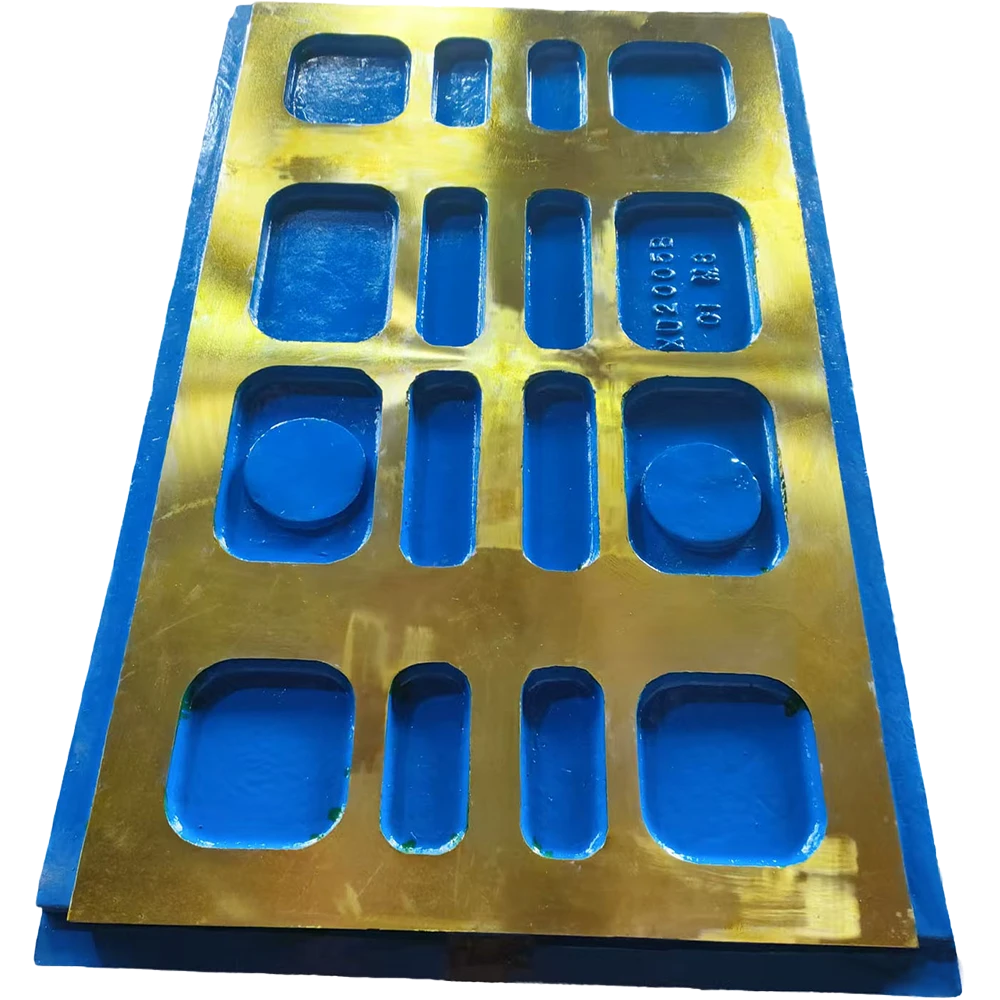
Simply put, a stone crusher jaw plate is a replaceable component inside a jaw crusher machine. It’s the "jaw" that physically presses and fractures stones when the crusher operates. They’re engineered for strength and wear resistance because they handle abrasive materials day in, day out.
In modern industry, these plates connect the raw earth’s resources with the final products we all use daily. Beyond mining, they’re vital in sectors like recycling concrete, where sustainability matters more than ever.
Core Features of Stone Crusher Jaw Plates
1. Durability
Perhaps the most talked-about feature, durability is influenced by the jaw plate’s material composition. Typically, manganese steel or alloy steels are used, which harden under impact to resist wear better than ordinary steel. Engineers often tweak chemical compositions to find the sweet spot between hardness and toughness.
2. Cost Efficiency
Replacing jaw plates isn't cheap nor easy. The cost isn’t only about manufacturing but also downtime and labor. Therefore, a plate that lasts longer or is quicker to replace can drastically reduce total operational expenses.
3. Scalability and Fit
Jaw plates come in various sizes to fit different crusher models, from small portable units to massive fixed plants. Scalability means manufacturers must design plates that can be customized easily without compromising performance.
4. Wear Patterns and Design
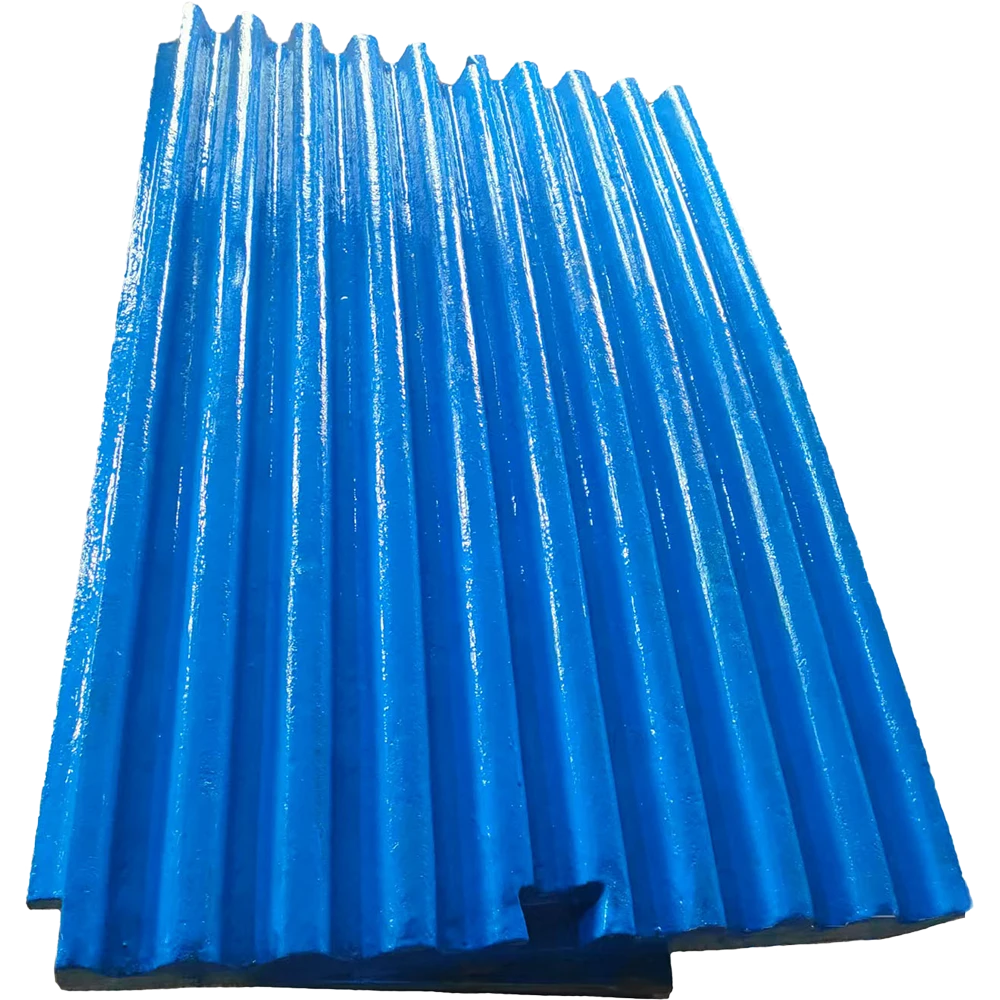
It’s curious how small design changes can affect wear patterns. Some plates feature corrugated, tooth-like patterns to grip and crush stones more efficiently, while others have smoother surfaces to process different kinds of materials. Matching the plate design to the application is part science, part art.
5. Environmental Impact
More recently, manufacturers are exploring eco-friendly production methods, including recyclable materials and more precise casting to reduce waste. This aligns with global moves towards sustainable manufacturing.
Mini Takeaway:
Stone crusher jaw plates aren’t just simple parts; their materials, shapes, and designs all contribute to how effectively a whole crushing system runs.
Global Applications and Real-World Use Cases
From South Africa’s rich mining fields to construction hubs in Southeast Asia, stone crusher jaw plates play indispensable roles. For example:
- Post-Disaster Relief: After the 2015 Nepal earthquake, rapid debris clearance relied heavily on jaw crushers fitted with robust jaw plates to speed reconstruction.
- Remote Mining Operations: In Canadian Arctic mining, equipment downtime is costly due to logistics. Durable jaw plates reduce the frequency of replacement.
- Urban Recycling Projects: European cities increasingly crush demolition waste to recycle, demanding custom jaw plate designs to handle mixed materials.
Mini Takeaway:
The right jaw plate helps industries function smoothly even in extreme or resource-constrained environments.
Advantages and Long-Term Value of Quality Jaw Plates
Beyond raw performance, the benefits are multifaceted:
- Cost Savings: Longer-lasting plates reduce replacement frequency and labor costs.
- Operational Reliability: Minimized downtime builds trust in project timelines.
- Environmental Benefits: Efficient crushing uses less energy per ton of processed material.
- Worker Safety: Well-fitted and properly maintained plates reduce machine failure risks, creating a safer workplace.
Mini Takeaway:
Investing in superior stone crusher jaw plates isn’t just a line item on the budget — it’s part of a larger strategy to innovate, save costs, and protect workers and the environment.
Product Specification Table
| Specification | Typical Range / Detail |
|---|---|
| Material | High manganese steel (Mn 12-14%) |
| Hardness | 280-350 HB (Brinell Hardness) |
| Replacement Cycle | 6-12 months (operating conditions dependent) |
| Applicable Crusher Models | Jaw crushers from 250x400 mm to 1600x2100 mm feed size |
| Weight per Plate | 20 - 200+ kg depending on size |
Vendor Comparison Table
| Vendor | Material Quality | Customization | Lead Time | Price Range |
|---|---|---|---|---|
| Vendor A | High-grade manganese steel | Standard sizes only | 2 weeks | $$ |
| Vendor B | Custom alloys available | Full customization | 4 weeks | $$$ |
| Vendor C | Standard manganese steel | Limited customization | 1 week | $ |
Emerging Trends in Stone Crusher Jaw Plates
One exciting trend is the integration of advanced wear-resistant coatings that extend the lifespan of jaw plates up to 30–50% longer than traditional ones. Also, digital monitoring helps operators predict wear and schedule maintenance more precisely, reducing surprise breakdowns.
Green manufacturing is definitely on the rise. Some producers incorporate recycled steel into their plates without sacrificing quality. Automation in casting and quality testing yields better consistency — less guesswork, more reliability.
It feels like the stone crusher jaw plate world is small but rapidly catching up with Industry 4.0 advancements.
Common Challenges & How to Overcome Them
Frequent problems include premature wear, poor fit, and lengthy delivery times. Often these stem from mismatched plate designs or low-quality materials. But with better materials science and precision manufacturing, many of these challenges are easing.
Operators can improve outcomes by monitoring machine load, optimizing crusher settings, and partnering with vendors who offer technical support and custom solutions.
FAQ: Frequently Asked Questions About Stone Crusher Jaw Plates
- Q: How long does a typical stone crusher jaw plate last?
- A: Under normal operating conditions, jaw plates typically last between 6 to 12 months, but this varies widely based on material hardness, crusher load, and maintenance practices.
- Q: Can I customize jaw plates for specific crusher models?
- A: Many manufacturers offer customization options ranging from size modifications to alloy compositions to better match particular crushers or materials.
- Q: What materials are jaw plates usually made of?
- A: The most common is high manganese steel known for its work-hardening property, but some high-end plates use alloy steels or apply wear-resistant coatings for enhanced durability.
- Q: How do I know when to replace a jaw plate?
- A: Signs include reduced crushing efficiency, visible wear or cracks, and unusual noise during operation. Some companies now use digital wear sensors to monitor condition in real-time.
- Q: Are eco-friendly stone crusher jaw plates available?
- A: Yes, some vendors produce plates using recycled materials and optimize casting processes to reduce waste, aligning with sustainability goals.
Wrapping Up
Stone crusher jaw plates might not be the flashiest topic, but their impact trickles through the construction and mining industries, touching everything from urban development to disaster relief. Investing in quality jaw plates means better efficiency, cost savings, and a smaller environmental footprint. Curious to explore quality options? Definitely check out stone crusher jaw plate providers who combine craftsmanship with modern innovation.
Final Thought
Such a small piece makes an outsized difference — almost poetic in how industry relies on these grinding giants behind the scenes.
References
-
High Performance oem cast heat resistant steel for Industrial UseNewsApr.16,2026
-
Guide to Selecting High Quality Cast Heat Resistant Steel AlloysNewsApr.09,2026
-
Custom Cast Heat Resistant Steel Solutions for High Temperature ApplicationsNewsApr.07,2026
-
Comprehensive Guide to Wholesale Cast Heat Resistant Steel for Industrial ApplicationsNewsApr.04,2026
-
Comprehensive Guide to High Performance Heat Resistant Metal Product SolutionsNewsMar.31,2026
-
Expert Guidance on Heat Resistant Metal Quotes and Alloy SelectionNewsMar.28,2026