Reliable Jaw Plate Manufacturer | Durable, Customizable Crusher Parts
Unlocking the World of Jaw Plate Manufacturers: Why It Matters
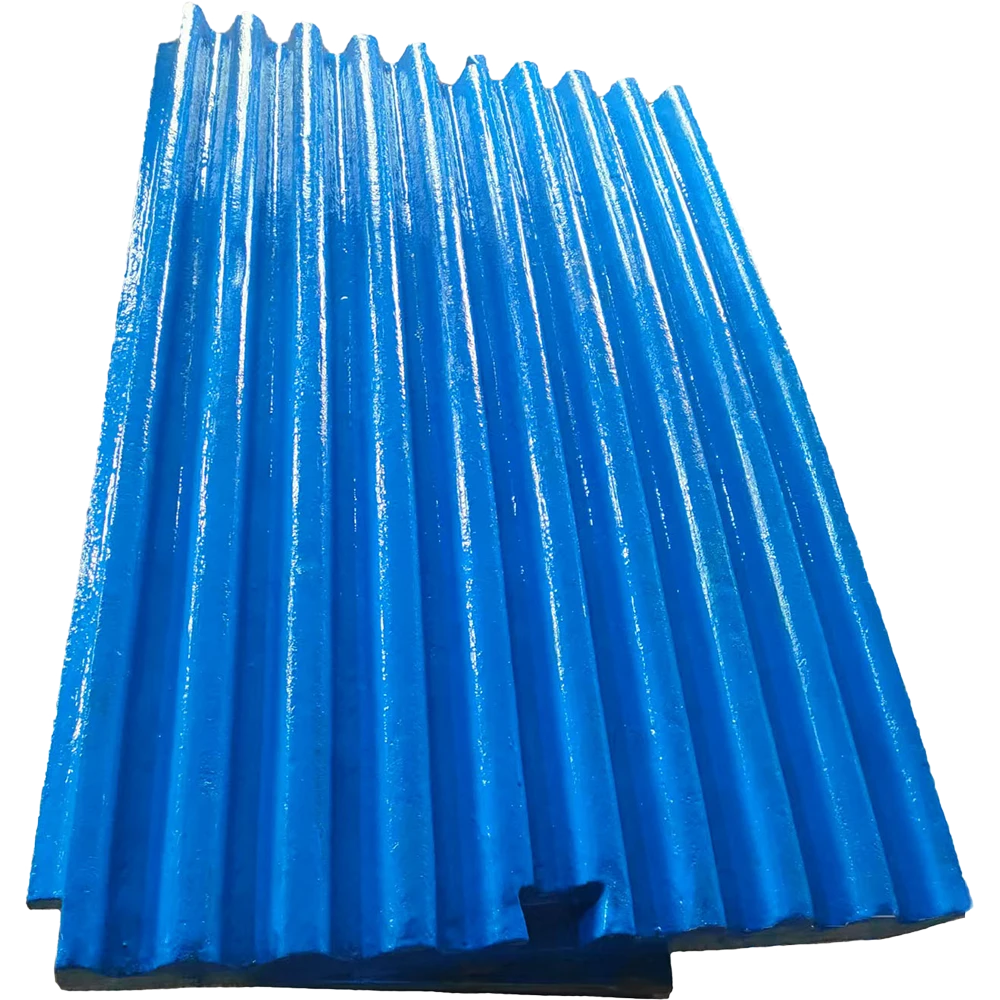
Now, if you haven’t dealt much with the crushing and mining industries, you might wonder — what’s a jaw plate manufacturer and why does it grab so much attention around the globe? Simply put, jaw plates are the wear-resistant components used in jaw crushers, which break down large rocks or ores into manageable pieces. Think of these plates as the silent workhorses powering industries like construction, mining, and recycling.
Globally, with the rising demand for minerals, aggregates, and sustainable recycling methods, the quality and reliability from a jaw plate manufacturer can make or break operational efficiency. It is not just about pulverizing rock — it’s about sustaining supply chains, protecting equipment, and ultimately supporting the infrastructure that keeps our cities growing.
Mini takeaway: Jaw plate manufacturers serve a crucial role by providing durable, optimized parts that power critical industrial machinery worldwide — a foundational piece in our modern economy.
Jaw Plate Manufacturers on the Global Stage: A Closer Look
Here’s some perspective: according to the World Bank, global construction output is expected to top 18 trillion USD by 2030. That’s an enormous figure, translating into relentless demand for raw materials, extracted and processed using crushers equipped with jaw plates. On top of that, the International Organization for Standardization (ISO) continues to highlight the need for sustainable manufacturing practices. So the challenge companies face is producing jaw plates that balance durability, cost, and environmental responsibility.
In regions like Australia, Africa, and China — where mining drives local economies — the reliability of jaw plates directly impacts productivity. If these plates wear down too quickly, downtime means billions lost.
Mini takeaway: The global importance of jaw plate manufacturers lies in supporting critical sectors that affect economies, employment, and sustainability challenges today.
Defining Jaw Plate Manufacturing: What Does It Really Mean?
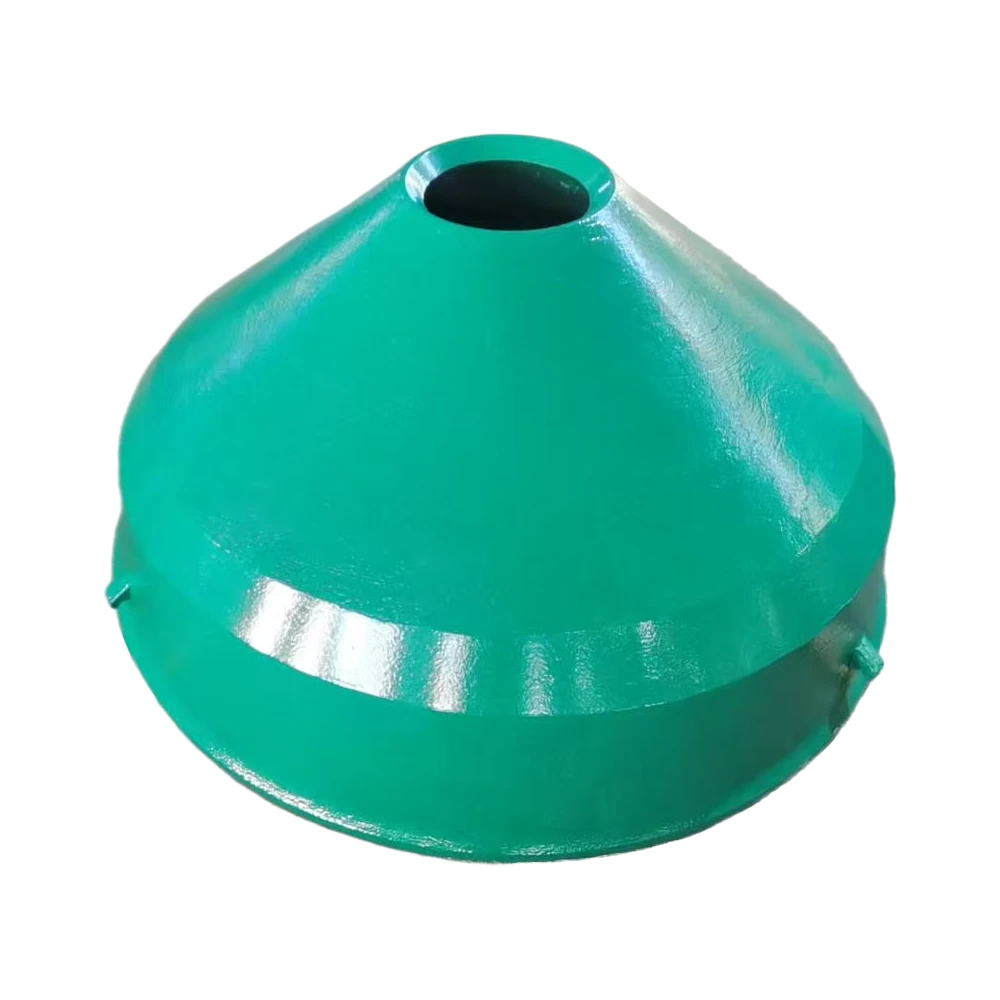
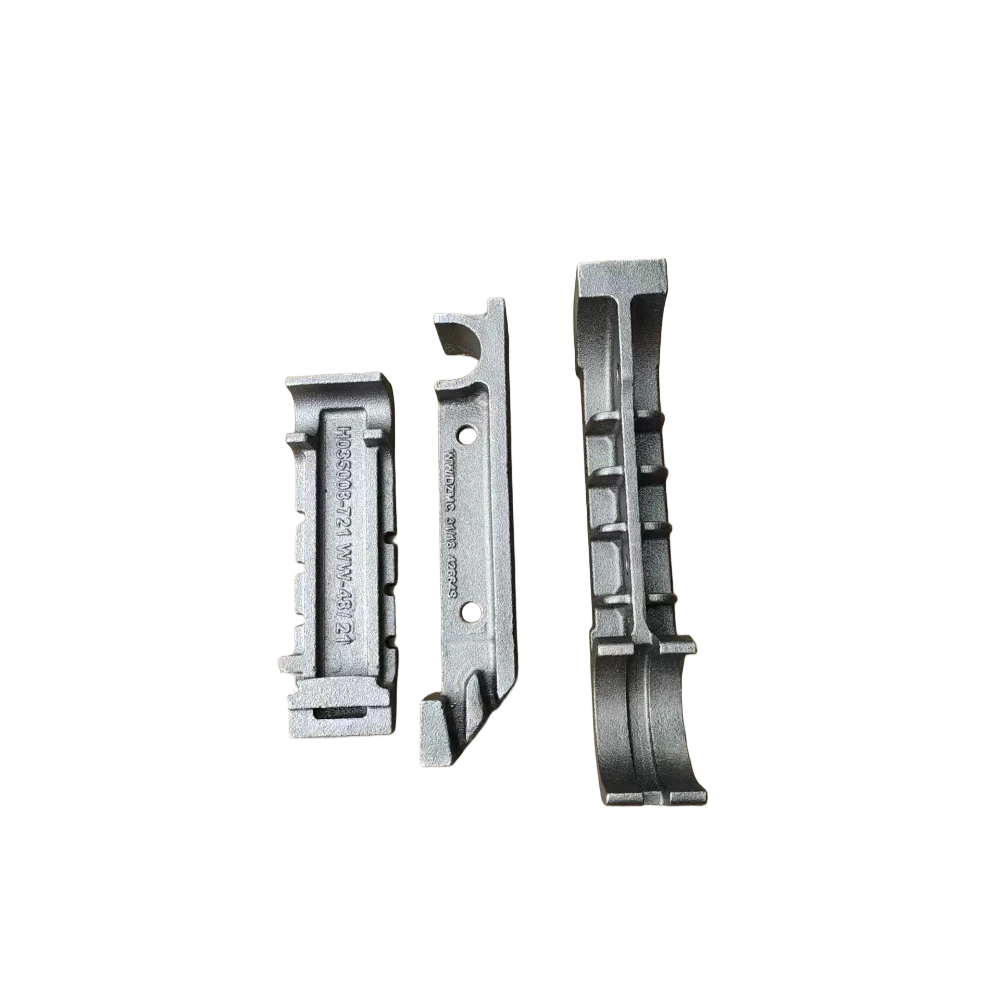
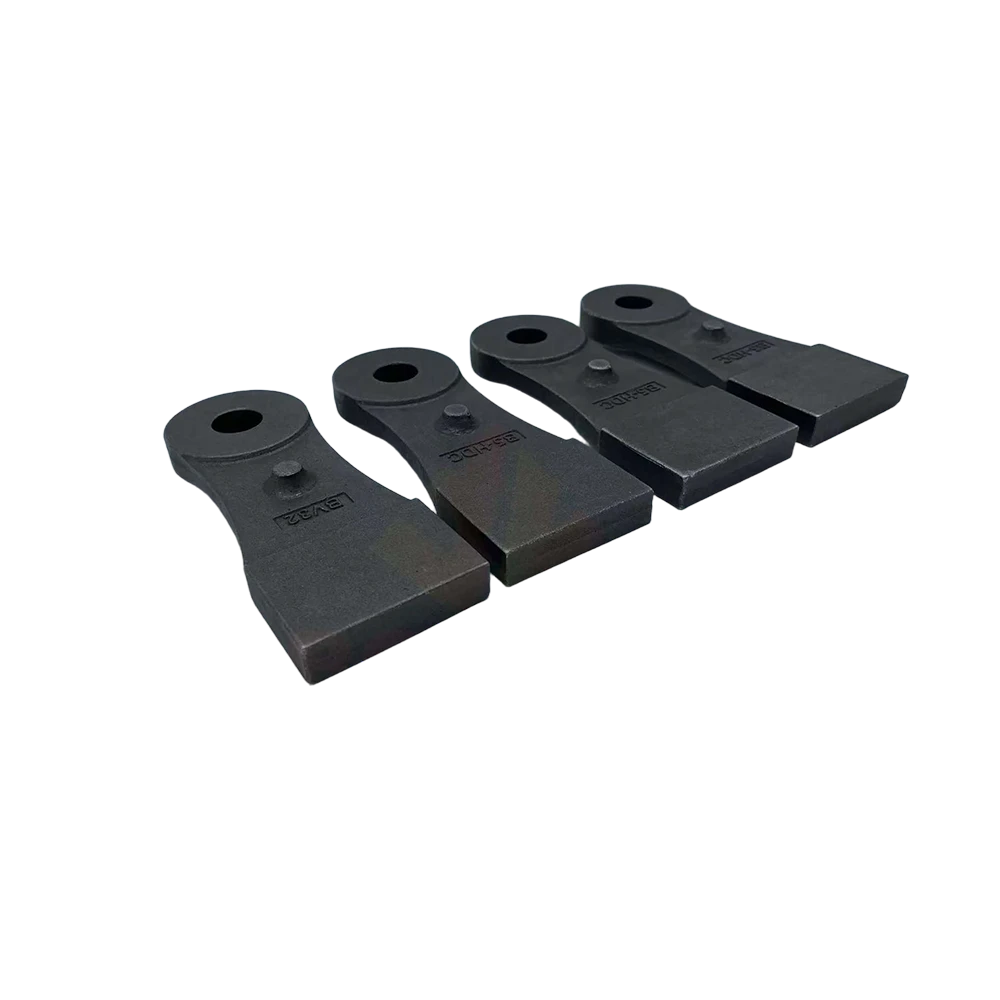
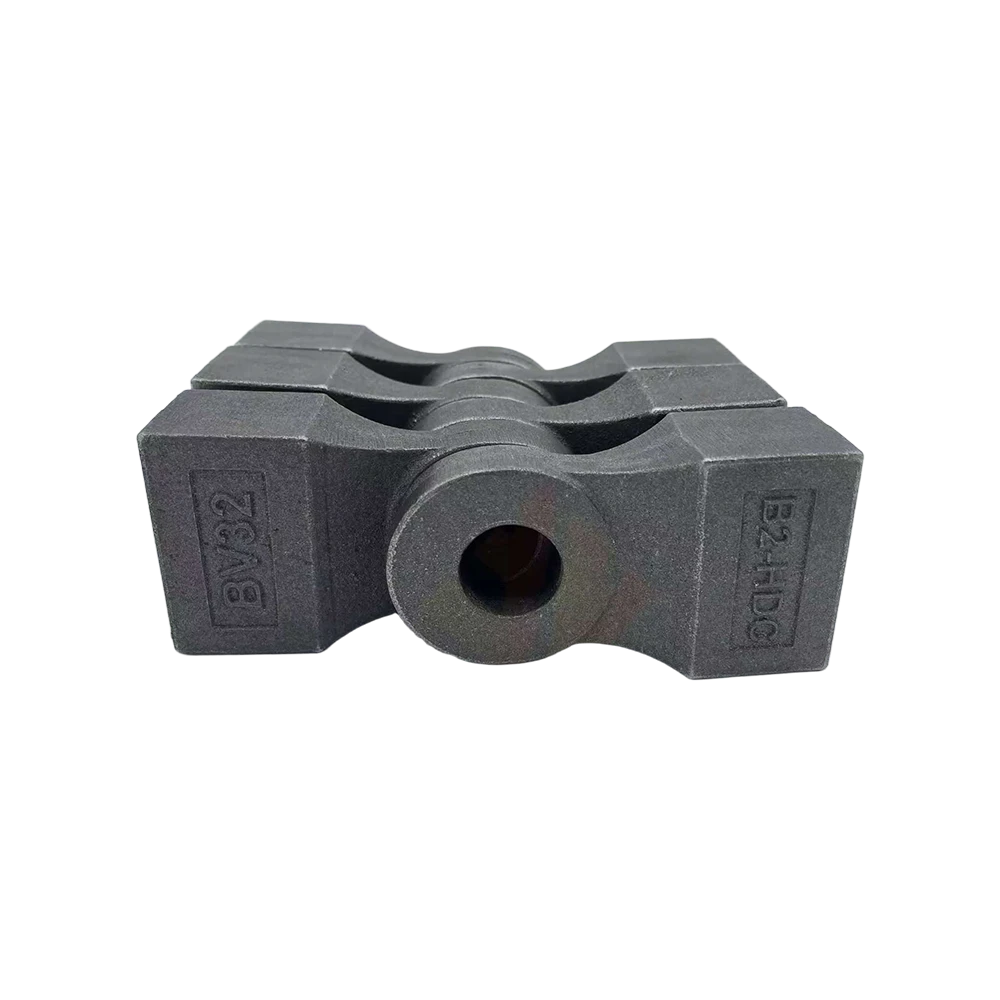
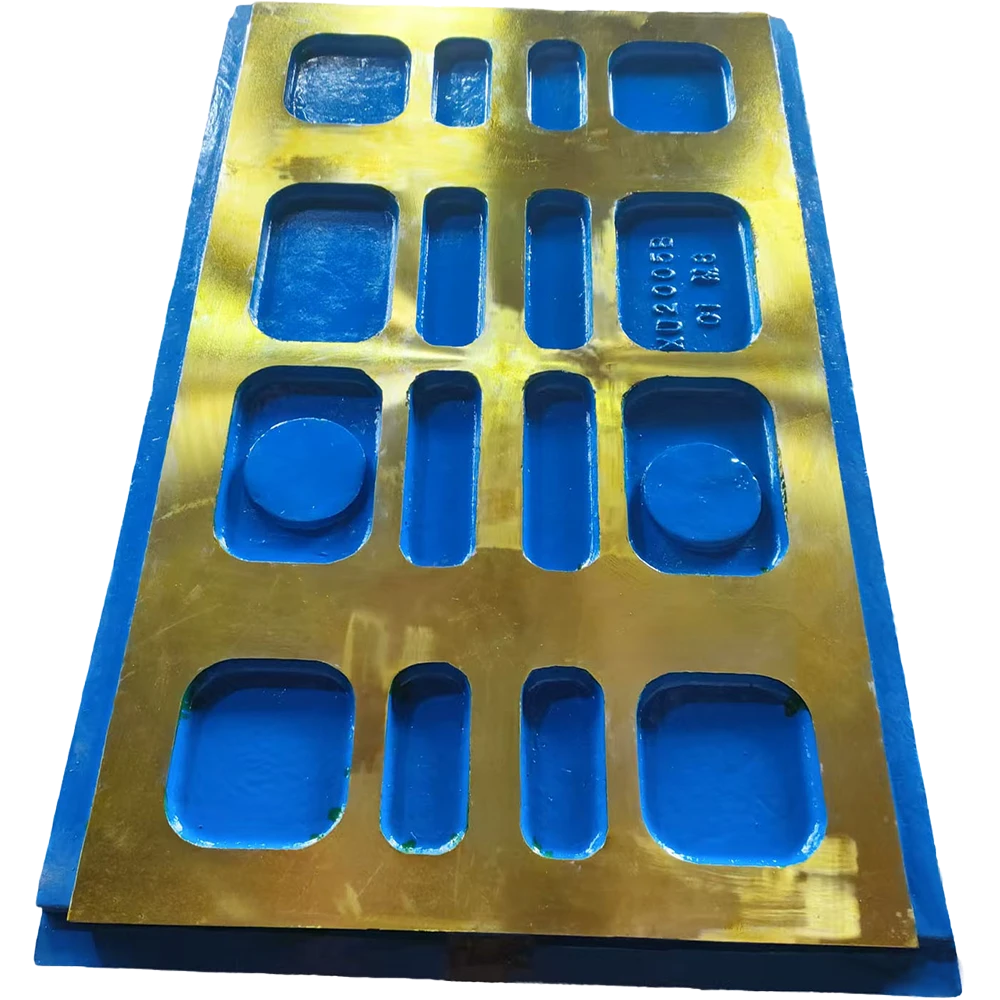
In practical terms, a jaw plate manufacturer designs, casts, and supplies jaw plates — the curved metal components lining jaw crushers. These plates grip and crush the raw material. The manufacturing process usually involves high-grade manganese steel and precise casting techniques to optimize performance.
But it’s not just about making metal chunks; it’s a delicate balance of metallurgy, design innovation, and customization. Think of it as producing a tailored tool for each client’s rock type, crusher speed, and volume. In many ways, this impacts everything from construction projects in booming cities to humanitarian mining efforts in developing nations.
Mini takeaway: Manufacturing jaw plates is a specialized craft combining engineering and metallurgy to meet diverse industrial needs.
Key Factors That Define Quality in Jaw Plates
1. Durability
Jaw plates must withstand intense friction and pressure, often crushing stones that can include abrasive minerals. The manganese alloy composition is vital here — too soft, and the plates wear out fast; too hard, and they become brittle. A good manufacturer hits the sweet spot, promising longer lifespan and less frequent replacements.
2. Scalability
Modern industries need a steady supply of these plates, sometimes in high volumes. Reliable manufacturers can scale production while maintaining quality, meeting various size specifications for different crushers.
3. Cost Efficiency
It’s not just about upfront cost—many engineers say the long-term operational savings from quality plates pay off tenfold. Cost-efficient production combined with longer life reduces downtime and maintenance expenses.
4. Customization
Depending on the crusher model or the job — like recycling concrete versus mining iron ore — jaw plates must be tailored. Top vendors offer flexible design options and sometimes even on-site consultation.
5. Sustainability
Some manufacturers are adopting eco-friendly casting methods and recycling scrap metals to reduce their carbon footprint, aligning with greener industrial policies.
Mini takeaway: Top-quality jaw plates blend durability, production flexibility, cost, customization, and sustainability — a multifaceted challenge for manufacturers.
Real-World Applications: Where Jaw Plates Make the Difference
- Mining Operations: In places like South Africa and Canada, jaw plates crush hefty ore volumes, feeding smelters and refineries.
- Construction Projects: Urban development projects from Dubai to São Paulo rely on crushers equipped with reliable plates for aggregate production.
- Recycling Industry: Europe’s growing emphasis on circular economy means jaw plates help recycle demolition waste back into usable building materials.
- Disaster Relief: Oddly enough, in post-earthquake operations, mobile crushers fitted with dependable jaw plates help clear rubble quickly, enabling rebuilding.
Mini takeaway: From mining to disaster recovery, jaw plate manufacturers power critical infrastructure and enable industrial resilience worldwide.
Advantages That Keep Industry Leaders Coming Back
The tangible benefits are clear: better equipment longevity reduces costly downtime, improved crushing efficiency saves energy, and customization ensures that no plant is stuck with a one-size-fits-all part. But beyond the numbers, there’s a human side — ensuring worker safety by preventing machine failures and contributing indirectly to cleaner air by enabling recycling.
Plus, precision-engineered jaw plates foster trust within supply chains. When a jaw plate manufacturer can guarantee consistent quality, operators gain peace of mind, feeling that their investment is secure.
Innovation & Future Trends in Jaw Plate Manufacturing
Looking to the horizon, automation increasingly plays a role — robotic casting assists in precision shaping, while AI-driven quality checks help weed out defective plates faster. Eco-conscious investors push for greener foundry practices: less waste, more recycled material, and lower emissions.
Materials innovation continues, too, with the exploration of advanced alloys and surface coatings extending wear life beyond traditional manganese steels. Digital twins and IoT-enabled crushers may one day work in tandem with manufacturers to predict plate wear and optimize replacement cycles — neat to imagine.
Common Challenges & How Manufacturers Are Tackling Them
Of course, durability can be a tricky balancing act without making the parts overly expensive. Supply chain disruptions sometimes delay plate availability, and fitting plates properly requires skill, or else crusher efficiency plummets.
Smart manufacturers invest in R&D, advanced metallurgy, and proactive customer service—offering installation training, rapid delivery, and continuous improvement programs. These efforts reduce operational headaches significantly.
FAQ: Frequently Asked Questions About Jaw Plate Manufacturers
- Q: What materials are used for jaw plates, and why?
- A: Most jaw plates are made from high manganese steel, prized for its hardness and ability to work-harden under pressure, increasing durability during crushing operations.
- Q: How often should jaw plates be replaced?
- A: Replacement frequency varies based on material processed and operating conditions, but typically every few months to a year. Monitoring wear patterns helps optimize timing.
- Q: Can jaw plates be customized for different crusher models?
- A: Yes. Reliable manufacturers offer customized shapes and sizes to match specific crushers and materials, optimizing performance.
- Q: Are jaw plates recyclable?
- A: Absolutely. Since they’re made from steel alloys, old or worn plates can be remelted and reused, aligning with sustainable manufacturing goals.
- Q: How do I choose a reputable jaw plate manufacturer?
- A: Look for experience, quality certifications, customer reviews, and flexibility in customization. A good manufacturer will offer technical support and guarantee product integrity.
Product Specification Table
| Specification | Details |
|---|---|
| Material | High manganese steel (Mn13 – Mn18) |
| Hardness | HS 200-260 (Brinell) |
| Plate Thickness | 20mm – 80mm (varies by model) |
| Operating Temperature | Up to 400°C (continuous) |
| Lifespan | 6 – 12 months (typical industrial use) |
| Weight | Varies with size, up to 200 kg per plate |
Vendor Comparison Table
| Feature | Vendor A | Vendor B | Vendor C |
|---|---|---|---|
| Customization Options | High | Medium | Low |
| Average Plate Lifespan | 10-12 months | 8-10 months | 6-8 months |
| Lead Time for Orders | 2-3 weeks | 3-4 weeks | 4-5 weeks |
| Sustainability Certifications | ISO 14001 | None | ISO 14001 |
| After-Sales Support | 24/7 Technical Helpdesk | Business Hours | None |
Wrapping It Up — Why Your Choice of Jaw Plate Manufacturer Counts
There you have it — jaw plate manufacturers aren’t just background players; they’re an essential part of an industrial ecosystem supporting everything from urban skyscrapers to rural infrastructure. Choosing the right manufacturer affects durability, efficiency, sustainability, and ultimately your bottom line.
If you’re searching for quality, reliability, and a partner who understands the nuances of your operation, take a closer look at jaw plate manufacturer options that prioritize innovation and customer service.
After all, it’s these plates that keep the gears of infrastructure moving — steady, strong, and ready for the next challenge.
References
-
High Performance oem cast heat resistant steel for Industrial UseNewsApr.16,2026
-
Guide to Selecting High Quality Cast Heat Resistant Steel AlloysNewsApr.09,2026
-
Custom Cast Heat Resistant Steel Solutions for High Temperature ApplicationsNewsApr.07,2026
-
Comprehensive Guide to Wholesale Cast Heat Resistant Steel for Industrial ApplicationsNewsApr.04,2026
-
Comprehensive Guide to High Performance Heat Resistant Metal Product SolutionsNewsMar.31,2026
-
Expert Guidance on Heat Resistant Metal Quotes and Alloy SelectionNewsMar.28,2026