Jaw Plate China: Durable Crushing Solutions for Global Industries | DZM Casting
The Quiet Power Behind Industrial Jaw Plates: Why Jaw Plate China Matters Globally
Jaw plates may not be the flashiest topic at your next business meeting, but if you're in industries like mining, construction, or recycling, these parts are almost like unsung heroes. Jaw plate China plays a pivotal role in the equipment that breaks down massive chunks of rock, ore, and material into manageable sizes. Why does this matter on a global scale? Because crushing and screening equipment equipped with high-quality jaw plates is essential in everything from infrastructure projects to manufacturing to disaster relief.
The global mining equipment market was valued at over $120 billion in 2023, with China being a major supplier not only domestically but internationally (source: UNIDO). Understanding jaw plates—especially those manufactured in China—helps stakeholders optimize performance and cost-efficiency while navigating a highly competitive, resource-intensive industry.
Mini takeaway: Jaw plate China forms an industrial backbone that affects various sectors worldwide, providing durability and innovation that powers essential crushing mechanisms.
The Industrial Backbone: What Exactly Are Jaw Plates from China?
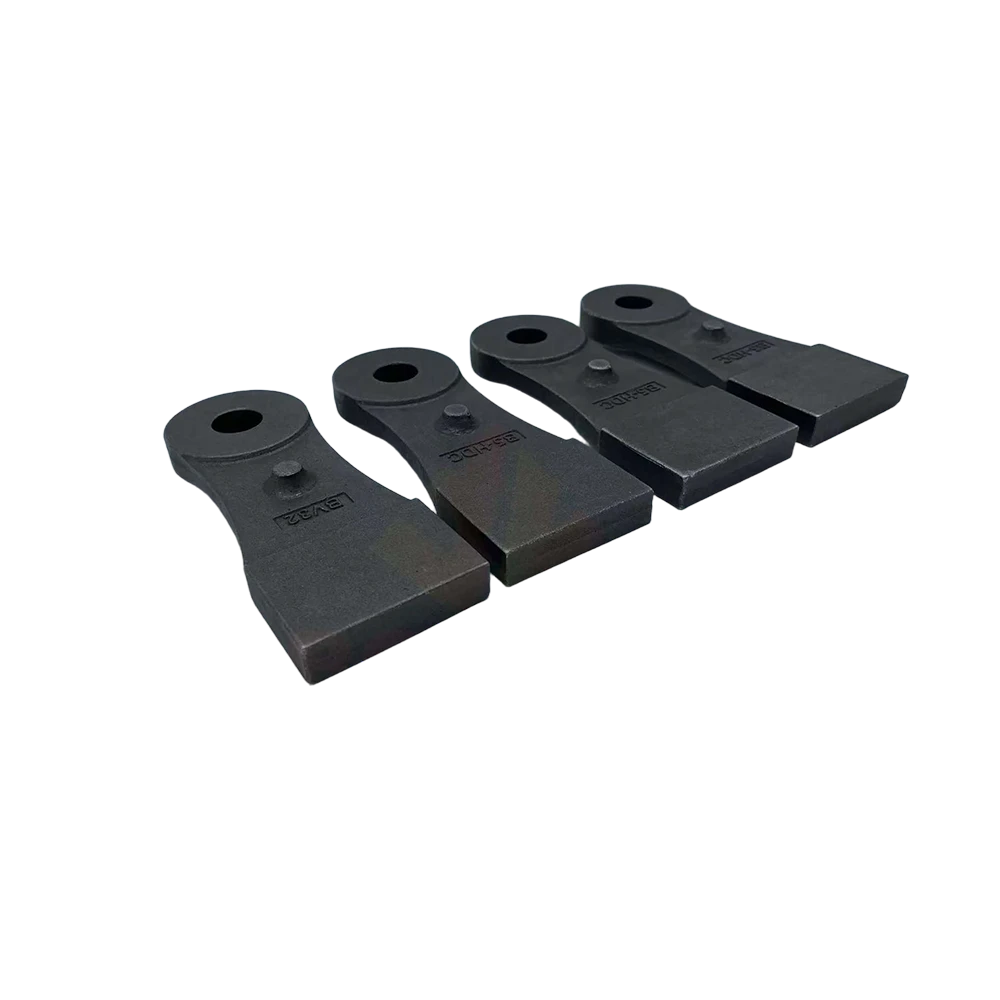
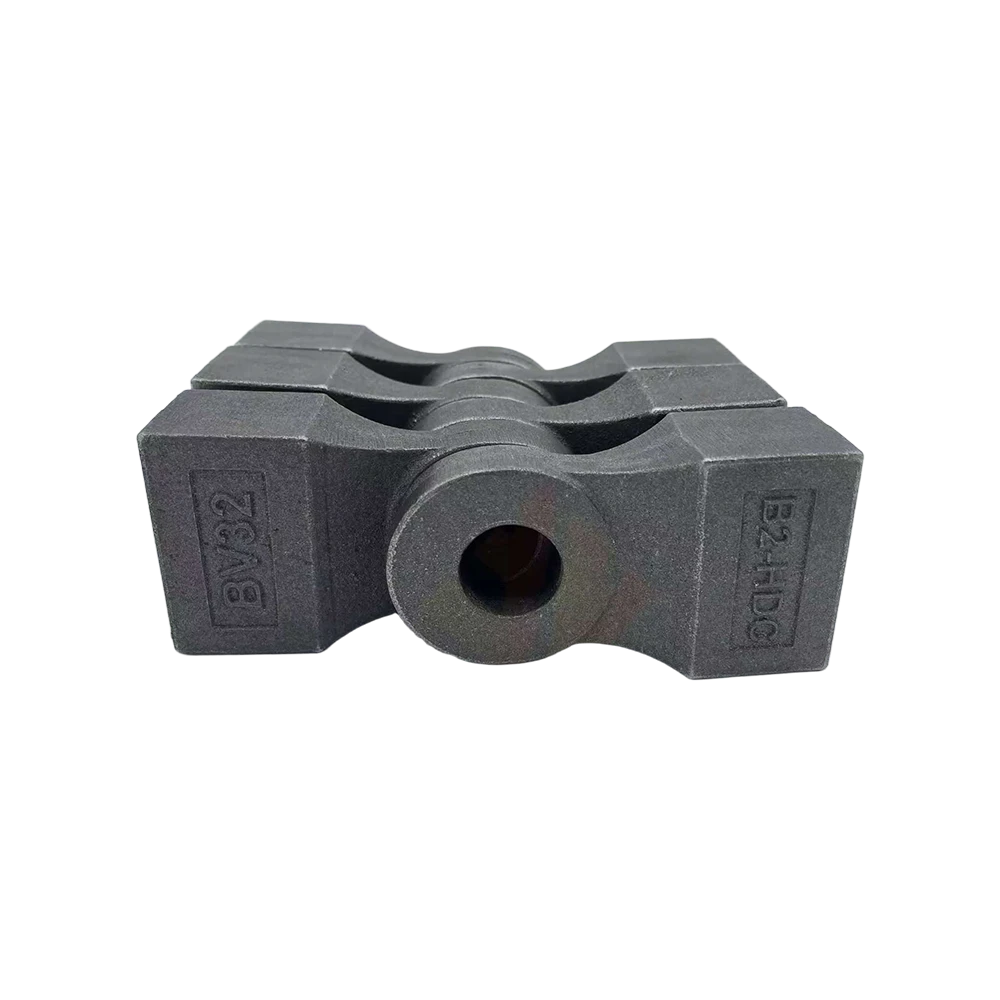
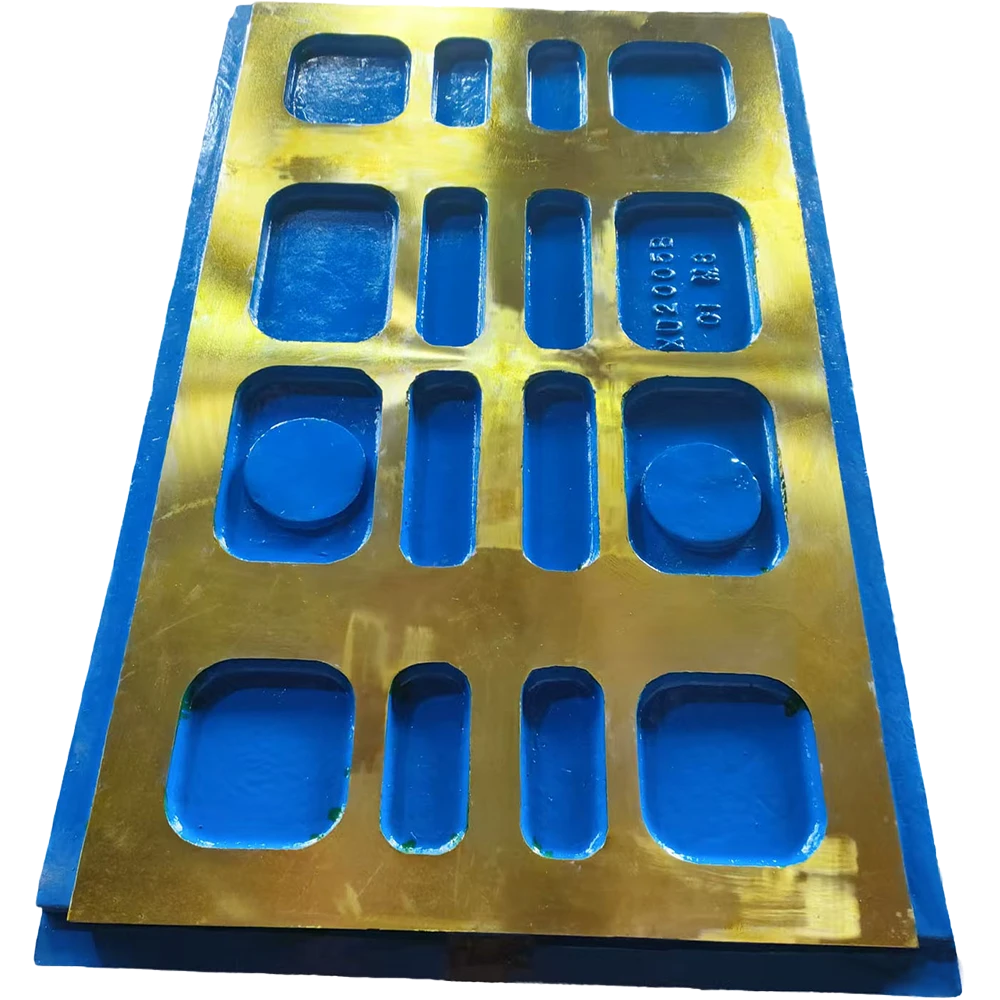
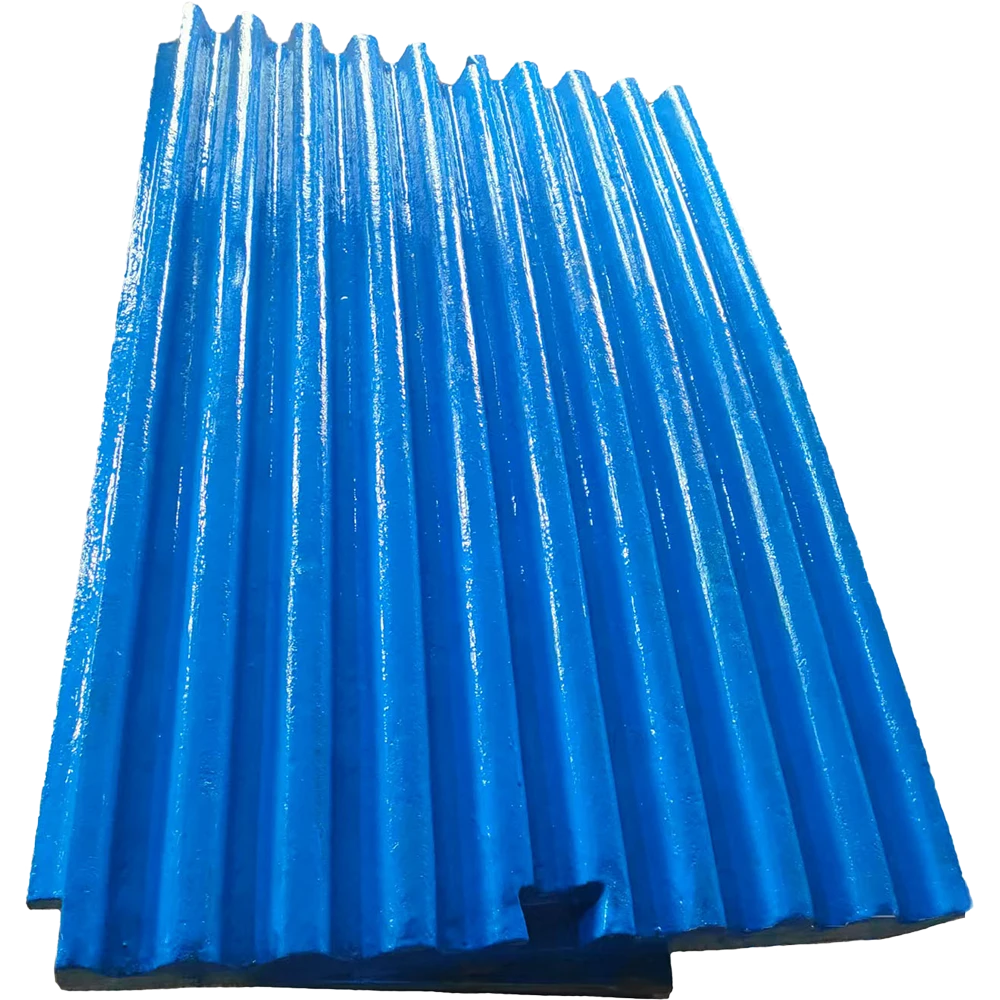
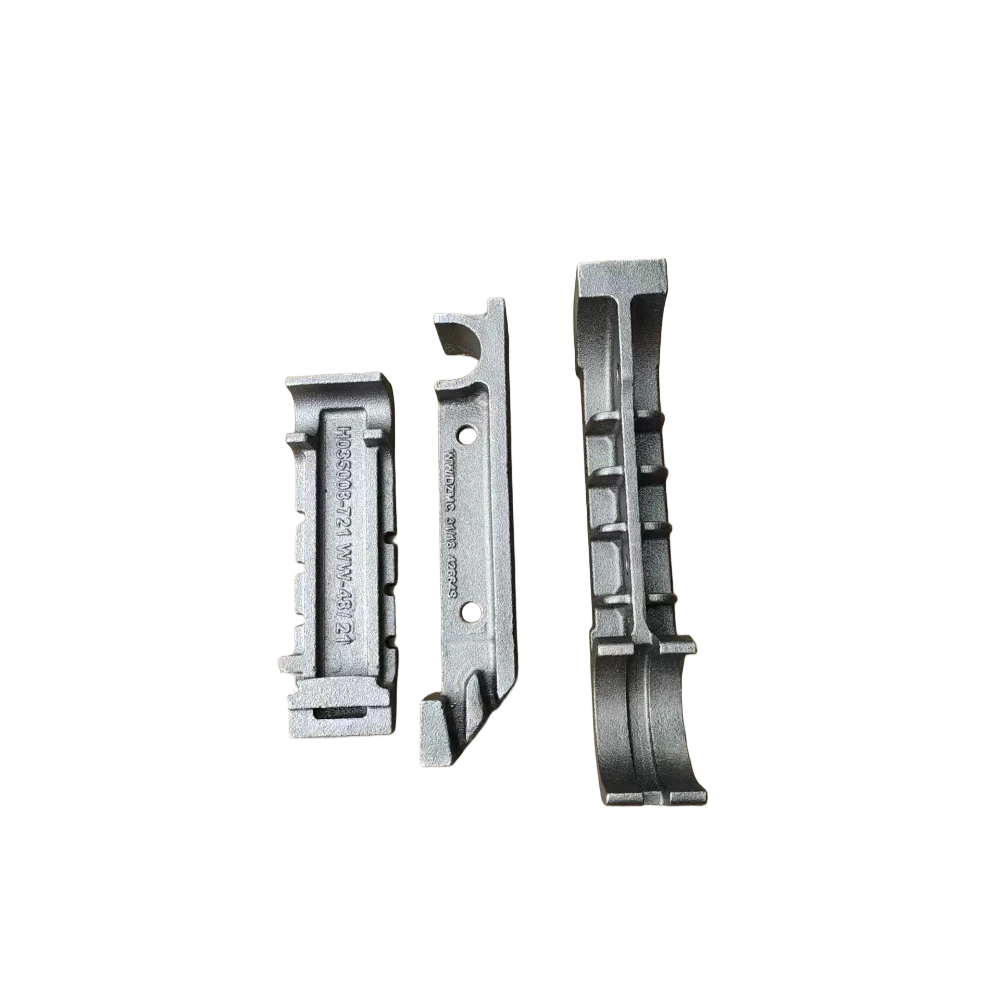
Put simply, a jaw plate China refers to the replaceable component installed in jaw crushers, designed to crush material by applying mechanical pressure. These plates are generally made from manganese steel and have specifically designed profiles to optimize the crushing action. The “China” part reflects origin and, often, cost competitiveness combined with rigorous manufacturing standards.
Jaw plates may seem mundane, but they are crucial for industries ranging from construction and aggregate production to recycling scrap and even defense manufacturing. They represent a key intersection where metallurgical science meets practical industry needs.
Mini takeaway: Jaw plates are precisely engineered components that influence the efficiency and longevity of crushing equipment globally, with China as a principal manufacturer.
4 Essential Aspects of Jaw Plates from China
Durability and Material Quality
One of the biggest factors when choosing jaw plates is durability. Chinese manufacturers have leveraged decades of metallurgical advances to produce manganese steel alloys with wear resistance that performs exceptionally in tough conditions. Many plants report 20-40% longer life spans compared to older generic plates.
Design and Profile Customization
Jaw plates come in different profiles—such as corrugated, smooth, and wavy—which affect crushing efficiency and output size. Customized shapes from Chinese vendors have become highly sought after, adapting to specific industrial conditions or materials.
Cost Efficiency without Cutting Corners
Despite initial assumptions that “Made in China” might mean budget-grade, many manufacturers marry competitive pricing with robust quality control—for instance, adhering to ISO 9001 standards. This combo delivers excellent long-term value.
Scalability and Supply Chain Reliability
China’s extensive industrial network ensures rapid production and large volume deliveries, invaluable for projects requiring frequent replacements or large-scale deployments worldwide.
Mini takeaway: These four aspects—durability, design, cost efficiency, and scalability—combine to make jaw plates from China extremely competitive and practical for heavy industries.
Putting Jaw Plates to Work: Real-World Applications
Jaw plates play their part in all corners of the world. In mining hubs like Australia and South Africa, Chinese jaw plates help crush ores with precision. In massive infrastructure undertakings across Southeast Asia, low-cost, high-durability plates reduce downtime. Even in disaster-stricken zones, portable crushers fitted with Chinese jaw plates help clear rubble swiftly, facilitating faster rebuilding.
Moreover, recycling industries in Europe rely on these plates to efficiently shred concrete and metal waste. The ongoing urbanization and environmental regulation trends globally have increased demand for efficient recyclable processing—jaw plates from China are quietly meeting these shifting needs without much fanfare.
Mini takeaway: From remote mines to disaster sites, jaw plates from China deliver versatility and reliability where it counts most.
Advantages and Long-Term Value of Choosing Jaw Plate China
- Cost Savings: Competitive manufacturing costs mean lower initial and replacement prices.
- Reliability: Extended lifespan reduces downtime and labor costs for replacements.
- Sustainability: Higher wear resistance means fewer parts consumed over time—less waste.
- Innovation: Access to modern metallurgical techniques and quality certifications like ISO.
- Global Availability: Easy import/export routes streamline logistics and reduce lead times.
But beyond its financial benefits, jaw plate China also represents trust and safety. When jobsites depend on crushing quality to stay safe and stable, these plates quietly hold that weight.
Product Specification at a Glance
| Specification | Typical Value |
|---|---|
| Material | High manganese steel (Mn13-Mn25) |
| Hardness | 220–250 HB |
| Thickness | 20–100 mm (custom) |
| Profile Types | Corrugated, Smooth, Wavy |
| Service Life | 2,000–5,000 operational hours |
| Compliance | ISO 9001:2015 |
Comparing Leading Jaw Plate Manufacturers from China
| Vendor | Material Quality | Customization | Typical Lead Time | Export Regions |
|---|---|---|---|---|
| DZM Casting | Mn18/22 stainless alloy | Full design & size options | 4-6 weeks | Global (Asia, Africa, Americas) |
| Guangzhou SteelCo | Mn13-Mn22 carbon alloy | Limited profiles | 6-8 weeks | Asia, Europe |
| Tianjin Steel Works | Standard Mn20 | Custom sizes only | 3-5 weeks | Domestic & South Asia |
Looking Ahead: Emerging Trends in Jaw Plate Manufacturing
We’re seeing fascinating developments in materials science, such as nanostructured steel alloys designed for even greater wear resistance. Digital manufacturing, including 3D printing of prototypes, is entering the picture, allowing faster design cycles and customized solutions. Green manufacturing processes are gaining traction too — lower energy consumption during forging and recycling scrap steel into new plates.
Automation in quality control means even less variance in plate hardness and toughness. China’s push for sustainability and cleaner production lines aligns with global trends that could shift the market further in the coming decade.
Mini takeaway: As jaw plate technology evolves, expect smarter, greener, and more durable products that redefine industrial crushing standards.
Challenges and How to Overcome Them
Jaw plates face brutal wear-and-tear, and sometimes inconsistent quality or supply chain disruptions raise headaches. But industry experts suggest:
- Implementing strict quality audits: Certifying every batch against international standards reduces defects.
- Developing modular designs: Easier replacements speed repairs.
- Investing in R&D partnerships: Manufacturers collaborating with universities and labs improve materials over time.
Honestly, the landscape feels like a continuous improvement loop—what worked well five years ago is now just the baseline.
FAQs: Your Questions about Jaw Plate China, Answered
Q1: How do I know if a jaw plate from China will fit my crusher?
Most Chinese vendors offer customization based on your crusher model or application. It’s best to provide exact dimensions and crusher specifications. Reputable suppliers also have catalogs that match OEM designs or can create new profiles as needed.
Q2: What is the typical lifespan of a jaw plate under heavy use?
Under continuous heavy-duty operation, jaw plates usually last between 2,000 to 5,000 operational hours. This lifespan varies depending on material abrasiveness and maintenance, but manganese steel plates tend to deliver reliable durability.
Q3: Are jaw plates from China compliant with international quality standards?
Many manufacturers comply with ISO 9001:2015 quality standards and offer certifications upon request. It’s important to verify these credentials before purchasing.
Q4: Can I get bulk orders or small batch runs for special projects?
Yes, Chinese manufacturers like DZM Casting cater to both small and large orders, with flexible MOQ terms depending on customization and delivery timelines.
Q5: How does shipping work for international buyers?
Most vendors handle export logistics, including customs documentation and freight. Lead times vary between 3-8 weeks, depending on order size and destination.
Wrapping It Up: Why Jaw Plate China Remains a Smart Choice
Ultimately, jaw plate China embodies the intersection of innovation, affordability, and practicality. By choosing quality Chinese jaw plates, businesses worldwide gain access to robust, efficient materials that keep crushing operations humming smoothly. Plus, the evolving manufacturing landscape points towards even smarter, more sustainable products ahead.
If you want to explore reliable suppliers offering tailored options for your needs, check out jaw plate china solutions that combine tradition and modern tech.
It’s remarkable how a single part—jaw plates—can quietly underpin so much of the world’s infrastructure, mining, and recycling efforts. When you think about it, they’re not just steel plates but a testament to industrial progress and global collaboration.
Mini takeaway: For durable crushing solutions, jaw plates made in China represent a blend of affordability, quality, and future-forward innovation that global industries rely on daily.
References:
-
High Performance oem cast heat resistant steel for Industrial UseNewsApr.16,2026
-
Guide to Selecting High Quality Cast Heat Resistant Steel AlloysNewsApr.09,2026
-
Custom Cast Heat Resistant Steel Solutions for High Temperature ApplicationsNewsApr.07,2026
-
Comprehensive Guide to Wholesale Cast Heat Resistant Steel for Industrial ApplicationsNewsApr.04,2026
-
Comprehensive Guide to High Performance Heat Resistant Metal Product SolutionsNewsMar.31,2026
-
Expert Guidance on Heat Resistant Metal Quotes and Alloy SelectionNewsMar.28,2026