Custom Heat Resistant Steel Products for High-Temperature Applications | Durable, Tailored Solutions
Understanding the Growing Importance of Custom Heat Resistant Steel Products
In an age where industries increasingly demand materials that can endure extreme temperatures, custom heat resistant steel products stand out as key enablers of innovation and safety. Globally, from aerospace to energy production, these specialized steels address critical challenges that ordinary materials simply can’t withstand. Knowing what they are and their benefits is more than an industrial interest—it’s a gateway to better durability, cost savings, and even environmental stewardship.
Oddly enough, most of us don’t realize just how much heat resistant steel is quietly shaping the backbone of modern infrastructure and technology, from the boilers powering plants in Germany to the fireproof containers safeguarding essentials in disaster zones. So, let’s dig in and understand why this niche product deserves more attention worldwide.
Setting the Scene: Why Custom Heat Resistant Steel Matters on a Global Scale
The demand for heat resistant materials is projected to grow steadily: according to ISO standards and reports, industries such as petrochemical, transportation, and manufacturing are expanding globally, pushing equipment to endure higher temperatures while maintaining performance.
It’s not just industry: The United Nations highlights climate challenges pushing materials to become more resilient against unusual heat surges. This is where custom heat resistant steel products become crucial. They solve problems like metal deformation, corrosion, and safety risks that ordinary steel might fail against. For companies and governments alike, this means reducing downtime and avoiding costly accidents.
What Exactly Are Custom Heat Resistant Steel Products?
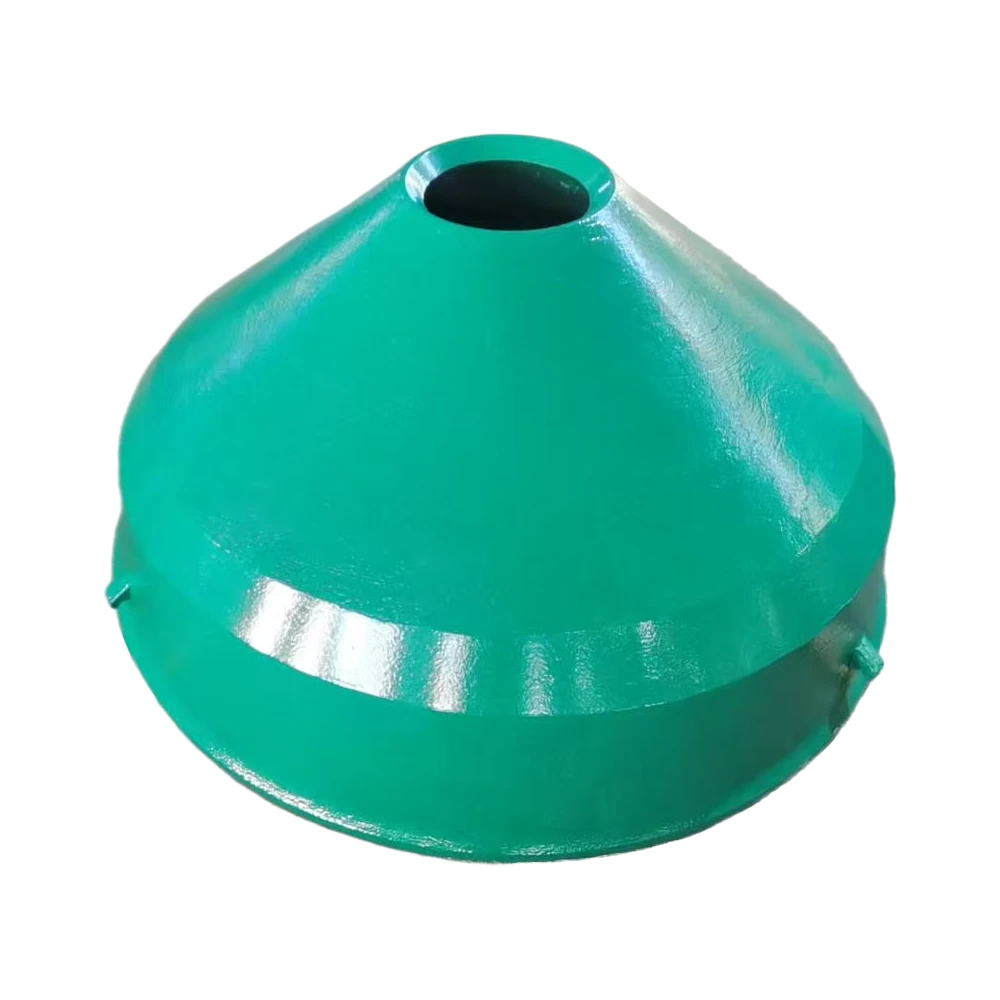
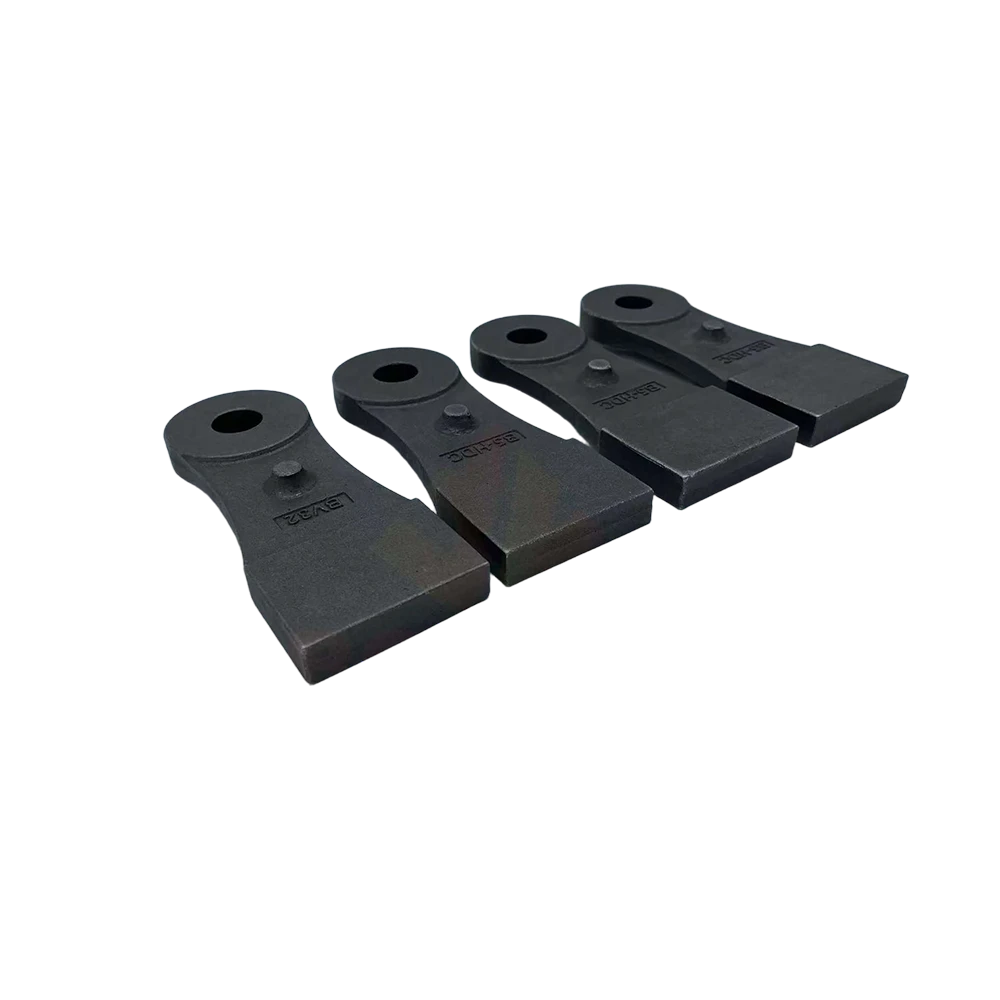
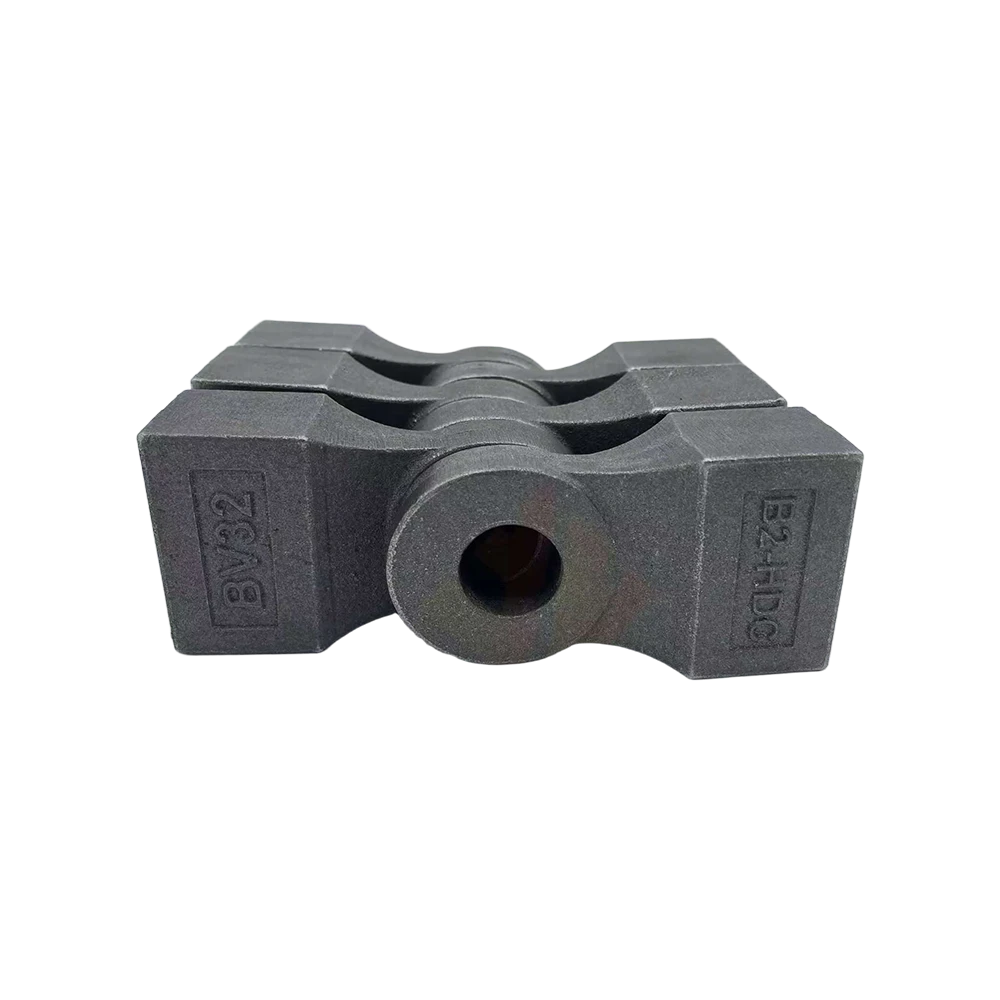
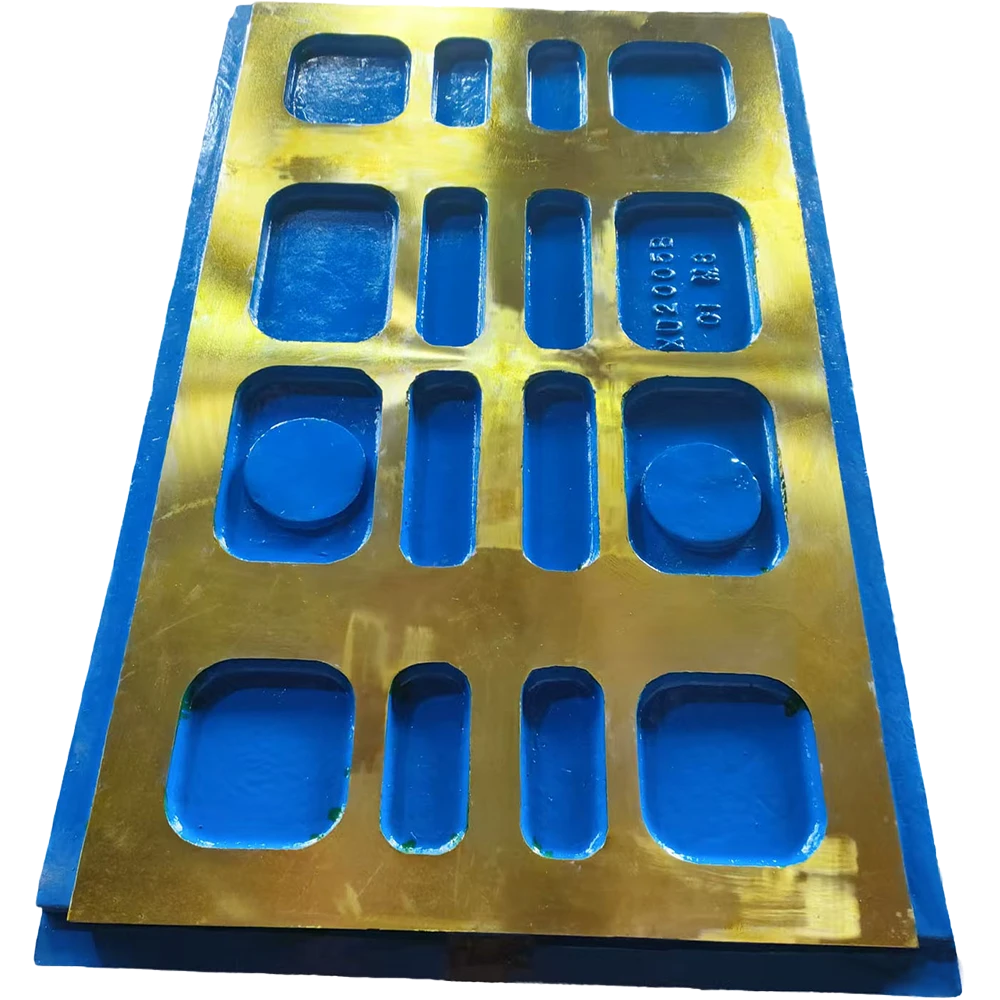
Simply put, these are steel products specially engineered to resist degradation when exposed to high temperatures. Unlike generic steels, these alloys are “custom” crafted — tailored in chemical composition, microstructure, or even shape — to meet particular heat thresholds and functional requirements.
For example, a heat exchanger component in an oil refinery needs a different type of heat resistant steel than a high-speed train's braking system. The “custom” factor means manufacturers can precisely fit steel qualities to the application, balancing hardness, ductility, oxidation resistance, and thermal conductivity.
In real-world terms, this means fewer failures in critical equipment, extending service life and helping industries operate safely and more sustainably. Even humanitarian efforts benefit—like fireproof shelters made from heat resistant steel alloys during wildfires or quick deployment units in desert regions.
Core Factors That Define Quality in Heat Resistant Steel
1. Durability
Durability is the headline feature. These steels must maintain structural integrity despite repeated thermal cycling—imagine a power plant’s boiler cycling from room temperature to over 600°C regularly without cracking or warping.
2. Oxidation and Corrosion Resistance
Heat usually accelerates oxidation. Good heat resistant steels typically incorporate chromium, silicon, and nickel to form a protective oxide layer that stops rust and chemical breakdown.
3. Scalability & Customization
One size rarely fits all here. The ability to customize composition, thickness, and shape means industries can optimize both performance and costs. Custom fabrication also supports complex geometries needed in aerospace or energy sectors.
4. Cost Efficiency
While custom steel might seem pricier upfront, its extended lifespan and reduced maintenance usually offset initial costs in the medium term—kind of like investing in quality shoes rather than replacing cheaper ones every year.
5. Thermal Conductivity & Mechanical Properties
It’s a balancing act: the steel has to conduct or insulate heat as required, and retain toughness and flexibility under stress—sometimes at temperatures exceeding 1000°C.
6. Compliance with Standards
Meeting global certifications like ASTM or EN ensures these steels are reliable and tested across various conditions, adding trust for users worldwide.
Mini takeaway: Custom heat resistant steel is not just a metal—it’s an engineered solution, balancing multiple performance factors to answer specific high-heat challenges.
How Are These Products Used Across the World?
The applications span continents and sectors. In Europe’s renewable energy projects, heat resistant steel tubing forms the backbone of solar thermal plants. In the Middle East’s oil refineries, customized steels reliably conduct and transfer superheated fluids under harsh desert conditions.
In Asia, manufacturers rely on custom heat resistant steel for industrial furnaces and automotive exhaust systems. North America uses these materials extensively in aerospace engines, creating lightweight yet durable parts. NGOs have even adopted these steels for emergency shelters in wildfire-prone California, where fireproofing capabilities literally save lives.
Custom heat resistant steel products thus find their way from high-tech industrial zones to remote relief operations — a testament to their versatility.
Specifications at a Glance: Typical Custom Heat Resistant Steel Product
| Specification | Description |
|---|---|
| Composition | Chromium 12-20%, Nickel 8-15%, Molybdenum 0.5-2% |
| Max Operating Temperature | Up to 1100°C (2012°F) |
| Typical Hardness | HRC 30-40 (Rockwell Scale) |
| Corrosion Resistance | High, suitable for acidic environments |
| Thickness Range | From 1 mm to 50 mm (customizable) |
| Typical Applications | Boilers, Heat Exchangers, Furnace Parts, Engine Components |
Comparing Leading Vendors of Custom Heat Resistant Steel
| Vendor | Customization Level | Lead Time | Price Range | Special Certifications |
|---|---|---|---|---|
| SteelPro Inc. | High – tailored alloys & finishes | 4-6 Weeks | $$$ | ISO 9001, ASTM certified |
| Thermasteel Solutions | Medium – standard alloys with custom sizing | 3-5 Weeks | $$ | EN 10095 compliant |
| GlobalHeat Metals | Low – stock alloys only | 2-3 Weeks | $ | Basic quality checks |
Why Investing in Custom Heat Resistant Steel Is a Smart Long-Term Move
When you weigh cost versus benefits, the advantages stack up nicely. Beyond just longer component life and fewer replacements, many users report improved safety—reducing risk of catastrophic failures in high-risk environments. For industries pushing towards sustainability, selecting steels optimized for heat resistance means less energy lost, and better efficiency.
There’s also a somewhat intangible side: trust. Knowing that your critical infrastructure is made from steel tailored to its precise heat demands fosters confidence, something many engineers say ends up saving more money than any spreadsheet can predict.
Looking Ahead: What Future Trends Are Shaping the Heat Resistant Steel Landscape?
A mix of green energy and digital tech is pushing this sector forward. Researchers are experimenting with nano-alloys and self-healing coatings that can extend heat resistance even further. Automated quality control using AI and IoT sensors enables real-time monitoring of steel components' heat exposure and wear, helping predict maintenance needs.
Because the world is shifting towards renewable energy, materials that can handle concentrated solar power or geothermal turbines without degradation will become even more critical. Customization will grow more advanced too, with 3D printing allowing bespoke heat resistant parts made on demand, reducing waste and lead times.
Challenges in Using Custom Heat Resistant Steel—and What Can Be Done
Of course, it’s not all smooth sailing. Custom steel products often face longer lead times and higher initial costs, which can be a barrier especially for small businesses. Specialized production requires skilled labor and high-grade raw materials that aren’t always easy to source.
But solutions are emerging—like modular steel designs that can be adapted quickly, and partnerships with raw material suppliers to stabilize costs. There’s also growing expertise in optimizing alloy compositions to reduce expensive elements without compromising heat resistance. So, the industry feels like it’s waking up to these challenges and innovating fast.
Frequently Asked Questions About Custom Heat Resistant Steel Products
- What makes custom heat resistant steel products better than off-the-shelf options?
- Custom products are tailored for your specific temperature, mechanical demands, and environmental exposure, resulting in higher performance and longer lifespan compared to generic steels which might fail under extreme heat or stress.
- How long can these products typically last in high-temperature environments?
- Lifespan varies by application, but well-designed custom steels can last decades even under demanding cyclic heat conditions, thanks to advanced alloys and manufacturing processes that resist oxidation and cracking.
- Are custom heat resistant steel products environmentally sustainable?
- Yes. They contribute to sustainability by improving energy efficiency and reducing waste from frequent replacements. Many manufacturers also focus on eco-friendly production methods and recyclability.
- Can NGOs easily source these products for use in disaster relief?
- Sourcing can be facilitated through specialized suppliers who understand rapid deployment needs. Some companies even provide customizable heat resistant steel solutions geared for emergency shelters and disaster resilience.
- Is the customization process expensive and time-consuming?
- Customization tends to increase upfront costs and lead time, but many suppliers offer efficient design-to-production workflows. The longer-term gains in durability and performance usually offset the initial investment.
In Closing: Why Custom Heat Resistant Steel Products Matter Today and Tomorrow
Investing in custom heat resistant steel products means investing in safety, reliability, and future readiness. Whether it’s for heavy industry, infrastructure, or humanitarian applications, these steel solutions serve as silent guardians against the harshest thermal challenges.
If you want to explore tailored steel options that suit your exact heat requirements, visit our website for expert guidance and a broad range of customizable products.
References:
-
High Performance oem cast heat resistant steel for Industrial UseNewsApr.16,2026
-
Guide to Selecting High Quality Cast Heat Resistant Steel AlloysNewsApr.09,2026
-
Custom Cast Heat Resistant Steel Solutions for High Temperature ApplicationsNewsApr.07,2026
-
Comprehensive Guide to Wholesale Cast Heat Resistant Steel for Industrial ApplicationsNewsApr.04,2026
-
Comprehensive Guide to High Performance Heat Resistant Metal Product SolutionsNewsMar.31,2026
-
Expert Guidance on Heat Resistant Metal Quotes and Alloy SelectionNewsMar.28,2026